A DDT once meant the match was over. A sleeper hold once made fans rise to their feet. A small package once carried enough danger to steal a title on any given night. Then wrestling changed. The pace quickened, the move count multiplied, and a language the business had spent decades building quietly faded. This is not a eulogy. Some of these moves still appear today, but they are no longer as common, protected, or central to mainstream wrestling as they once were. What fans miss is not just the moves. It is when those moves meant something. Here are 150 classic wrestling moves, spots, shortcuts, and storytelling devices you rarely see anymore.
Fritz Von Erich’s Iron Claw, Irwin R. Schyster’s rope-assisted abdominal stretch, and Chief Wahoo McDaniel’s sleeper hold captured a time when a simple hold could stop a match cold. These moves did not need flips, tables, or a dozen false finishes. They only needed fans to believe the end might be seconds away, and they are among the 150 classic wrestling moves you rarely see anymore. Photo Credit: WWE.
Our wrestling history is gold, and so are readers like you!
If the following story adds to your collection of wrestling knowledge, you can:
This topic comes up a lot, and pro wrestling fans never ease into it. Mention old moves rarely seen anymore in a Reddit thread, Facebook comment section, or message board, and suddenly everyone is naming the one they miss most. To build this list, we dug through fan discussions, compiled the moves and spots that kept coming up, removed duplicates, and narrowed the field to 150. Some still sting. Some are better left in the past. All of them say something about what wrestling used to be.
Classic Wrestling Finishers That Once Could End Any Match
Jake Roberts planted opponents with the DDT throughout the 1980s, turning a simple front facelock drop into one of wrestling’s most feared and protected finishers. Photo Credit: WWE.
1. DDT
Jake Roberts made the DDT feel like instant death. Opponents did not kick out. The referee slid in, counted three, and that was the end. Today, the DDT appears regularly across virtually every major promotion, but it rarely finishes a match. It has become a mid-match bump, a transition move, a spot in a sequence. That shift in protection makes Roberts’ original version feel even more devastating in hindsight. When a single front facelock drop could end any match at any moment, the DDT was one of wrestling’s most psychologically effective finishers. Very few moves have fallen further from their original finishing power.
2. Piledriver
The piledriver was once one of wrestling’s most feared finishers. Jerry Lawler drove opponents into the canvas with an arrogant piledriver that felt personal and final. Terry Funk, Paul Orndorff, and many others made the move feel like a career-threatening blow. Modern safety concerns, particularly around neck and spinal injuries, have made the standard piledriver far rarer in mainstream wrestling. But the consequence is that when a piledriver does appear today, it still carries an electricity that most moves simply cannot match.
3. Spike Piledriver
The spike piledriver added tag team danger to an already destructive move. One wrestler held the opponent upside down while a partner assisted with the drop, increasing both the visual impact and the perceived threat. It was a classic old-school heel finish, brutal in presentation and effective as a crowd moment. Today, it is mostly reserved for special throwback spots or extreme match stipulations rather than regular television use.
4. Jumping Piledriver
The jumping piledriver added a leap before the drop, increasing the visual impact and making the crash feel more violent. It was a logical escalation of the basic version and looked genuinely frightening when executed. That same quality is exactly why it is far less common today, belonging to a category of moves that looked too real to use regularly in a modern safety-conscious environment.
5. Tombstone Piledriver
The Undertaker and Kane made the tombstone, a kneeling inverted piledriver, into one of wrestling’s most iconic finishing moves. When the Undertaker crossed his opponent’s arms and dropped, the match was over. The tombstone is still protected when used by the right performer, but it is nowhere near as widespread as piledriver variations once were in the broader wrestling landscape. Its rarity today actually reinforces its power on the occasions it appears.
6. Inverted Sit-Out Piledriver
Owen Hart’s sit-out inverted piledriver is often remembered by fans as one of his most visually dangerous moves. It belongs to a category of spectacular piledriver variations that modern wrestling treats with far more caution, partly because of the legitimate risks involved.
7. Sleeper Hold
The sleeper hold once ended matches with genuine drama. Fans would watch the referee raise the trapped wrestler’s arm once, twice, and then hold their breath before the third drop. The struggle to escape, the slow fade, the moment of revival, all of it created a match-within-a-match. Today, the sleeper is usually treated as a rest hold or a brief control spot rather than a legitimate threat to finish. Roddy Piper, Brutus Beefcake, and others made the hold feel dangerous. In the right hands, it could make an entire arena lean forward in their seats.
8. Superkick
The superkick did not disappear. It lost its finishing power. Shawn Michaels’ Sweet Chin Music could end a match with one perfectly timed strike, preceded by the stomp of his foot and the crowd’s rising anticipation. Modern wrestling has turned the superkick into a repeated strike, sometimes used three or four times in the same match, often in rapid-fire sequences with other kicks. The move is still athletic and visually effective. It just no longer carries the weight of a finisher for most performers who use it.
9. Powerbomb
The powerbomb once felt like a monster’s exclamation point. Sid drove opponents into the mat and barely needed a cover. Vader’s powerbombs looked like a violent end to all forward motion. Today, the powerbomb is often part of a longer sequence, a setup for another move or a near-fall tease rather than a clean finish. It still appears, but the old version, protected and final, is much less common than it once was.
10. Release Powerbomb
Kevin Nash popularized this as the Jackknife Powerbomb. He lifted, dropped, and the match was usually over. What made Nash’s version particularly effective was how effortless it looked, a tall man simply letting go of someone he had lifted to full height. That combination of size, simplicity, and protection made it one of the definitive finishers of the mid-1990s. Today, release powerbombs still appear, but rarely with the same protected, match-ending authority Nash established.
11. Crucifix Powerbomb
Scott Hall made this famous as the Razor’s Edge. The opponent was lifted high, arms trapped and spread wide, to Hall’s shoulder level before being driven down in spectacular fashion. The setup looked genuinely dangerous, and Hall’s size made the lift convincing. Variations still exist across wrestling today, but Hall’s protected version had a theatricality and a finality that few moves in the 1990s could match.
12. Last Ride Powerbomb
The Undertaker’s Last Ride added height and deliberate drama to the powerbomb. He pushed opponents into the air from a standard powerbomb position, sending them even higher before the crash. It still appears in tribute or variation, but rarely with the aura it carried as a secondary Undertaker finisher, a move saved for opponents who managed to kick out of the Tombstone and needed something even more emphatic to put them away.
13. Fisherman Suplex Pin
Curt Hennig popularized this as the Perfect Plex. The snap, the hook of the leg, the bridge, and the hold all came together in one fluid motion that felt like a complete wrestling move rather than just a throw. Mr. Perfect made it look inevitable. Fisherman suplexes still appear across wrestling today, but rarely with the same locked-in, guaranteed-three-count feeling that Hennig gave it night after night.
14. Northern Lights Suplex
The Northern Lights suplex was once a beautiful pinning move that could believably steal a win. The bridge was crisp, the rolling entry was impressive, and it looked like something that could genuinely hold an opponent down. Today, it is more often used as a bridge spot or a quick transition than a serious finishing attempt. It is one of those moves that deserves more respect as a near-fall option than modern wrestling typically gives it.
15. T-Bone Suplex
Shelton Benjamin made the T-Bone suplex feel like a legitimate finisher, delivering it with explosive power and precision. Today, it is usually a setup move or mid-match throw rather than a match-ending statement. Benjamin’s protected version stands out even more in hindsight because his athleticism made the move look both effortless and brutal, which is a combination very few wrestlers can achieve with a throw.
16. Brainbuster
The brainbuster looked terrifying because it was sold as a vertical suplex driven directly onto the head or upper neck. It still appears, especially outside WWE in promotions like AEW, New Japan, and Ring of Honor, but it no longer feels like the universal danger move it once did when used by the right workers in the right context. The vertical drop to the head had a specific visual nastiness that made it genuinely different from a standard suplex.
17. Gourdbuster
The gourdbuster is often grouped with suplex-style drops, but it has its own rough, old-school identity. Rather than a clean suplex arch, the gourdbuster drove the opponent’s midsection or chest down across a knee or the mat in a less polished way. It looked like a sudden, awkward crash rather than a polished modern throw. That unglamorous quality made it feel more real and more violent in the right hands.
18. Standing Cutter
Diamond Dallas Page made the cutter famous as the Diamond Cutter, and later Randy Orton refined a version that became the most replicated cutter in modern wrestling. Cutters are everywhere now, but DDP’s version felt like a sudden trap that could be sprung from any position at any moment. The move worked because of how protected it was. When a cutter appeared, it meant the match was over. That same guarantee rarely applies to the dozens of cutters modern fans see every week.
19. Swinging Neckbreaker
Rick Rude’s Rude Awakening made the swinging neckbreaker feel arrogant, sharp, and final. Rude would grab an opponent from behind and snap them down with a rotation that matched his character perfectly. When a swinging neckbreaker was Rude’s finish, that was it. The match was done. That kind of finishing protection is almost entirely absent for the move now.
20. Stun Gun
Before Stone Cold Steve Austin had the Stunner, he used the Stun Gun, dropping opponents throat first across the top rope. It was sudden, nasty, and believable, a colder finish for Austin’s more methodical pre-Attitude Era style that looked like it could stop anyone in an instant.
21. Leg Drop
Hulk Hogan turned the running leg drop into the biggest finishing move in professional wrestling at its peak. To say that today a basic leg drop would struggle to win most television matches understates how dramatically finishing standards have changed. The leg drop was not a spectacular move. It worked because of Hogan, the crowd, and its protection. That combination is rare, and its absence today says something about how finisher protection has evolved.
22. Diving Elbow Drop
Randy Savage elevated the top-rope elbow drop into one of professional wrestling’s most recognizable and most visually satisfying finishing moves. The climb, the pose, the drop, and the pin all had a theatrical precision that Savage had mastered. Plenty of wrestlers still use diving elbows, but few can make it feel like the match-defining, crowd-silencing moment that Savage produced. The move is everywhere. The presentation is gone.
23. Superfly Splash
Jimmy Snuka’s Superfly Splash felt revolutionary when it first appeared from the top rope. In an era of 450 splashes, 630-degree rotations, and springboard variations, a standard top-rope splash needs extraordinary presentation to feel special today. Snuka’s original felt like an act of daring rather than a rehearsed athletic sequence, which is exactly why it had such a lasting impact on fans who witnessed it live or through footage.
24. Heart Punch
The heart punch was a classic territory-era finisher that required total commitment from the wrestler, the announcer, and the crowd to function. Ox Baker made the heart punch famous, and the move gained a genuinely dark mythology when two men died in the aftermath of matches in which Baker used it.
Alberto Torres, who had an undiagnosed pre-existing heart condition and a ruptured pancreas, collapsed during a June 1971 AWA Midwest Tag Team Championship match in Nebraska and died three days later.
Ray Gunkel followed in August 1972, dying in the locker room after their rematch in Savannah, Georgia. The county coroner ruled the death accidental, attributing it to an injury sustained during the match. An autopsy revealed underlying arteriosclerosis.
Both Torres and Gunkel were dealing with serious pre-existing conditions that the heart punch did not cause on its own. Yet, promoters and Baker himself leaned into the association, marketing him openly as a man who had killed opponents in the ring.
The idea that one punch to the chest could stop a man’s heart was no longer entirely carnival showmanship. It had a real-life tragedy behind it. That combination of character, commitment, and genuine public fear made the heart punch one of the most effective heel tools of its era. That kind of patient, fully committed character storytelling, built over years and reinforced by real events, is nearly impossible to replicate today.
25. Oriental Spike
Terry Gordy’s thumb thrust to the throat, often remembered as the Oriental Spike, looked simple but was devastating when sold correctly. It belongs to the category of character-specific strikes where one particular move belonged to one particular wrestler and could end a match on its own. The move required the same kind of full-commitment presentation that made the heart punch or the iron claw work, and it rarely gets discussed today outside of deep territory-era wrestling conversations.
26. Russian Sickle
Nikita Koloff’s Russian Sickle was a lariat-style blow that fit his powerhouse Russian presentation perfectly. Rather than just a clothesline, the character context made the move feel more violent than its mechanics alone might suggest. Modern lariats are common, especially in Japanese and independent wrestling, but the branded, fully protected monster version that Koloff brought to it is far rarer. A good lariat can still be a match-ender. Few have the character backing that Koloff gave his.
27. Pumphandle Slam
The pumphandle slam had a strong late-1990s and early-2000s feel, used by performers like D-Lo Brown, Test, and Road Dogg to give their offense a distinctive look. It required a small amount of setup and character showmanship, which may be why faster modern matches have largely left it behind. It is not exactly a lost art, but it is a move that felt more at home in the slower, more deliberate heel offense of another era.
28. Oklahoma Stampede
The Oklahoma Stampede is closely associated with Cowboy Bill Watts and carries a rugged territory-era power that fits its origins in the Mid-South Wrestling region. The attacker would drive the opponent hard into the corner before slamming them down, combining momentum and size into one decisive sequence. It is a move that felt like regional identity and raw physicality more than polished modern athleticism, which is partly why it feels so distant today.
29. Airplane Spin
The airplane spin was once a crowd-pleasing spectacle that let fans count rotations and build anticipation for the crash landing. It showed strength, created a sense of dizziness as part of the drama, and gave the crowd something interactive to participate in. Today, it is mostly a nostalgia move or a comedy spot. The patience required to build an airplane spin into something meaningful is rarely available in a modern television match format.
30. Torture Rack
Lex Luger made the torture rack feel massive. The visual of hoisting an opponent across the shoulders and applying pressure with a back-bend while shaking them into submission was perfectly suited to Luger’s bodybuilder frame and his “Made in the USA” character. Today, the rack is more often used as a brief display of strength before transitioning into something else. Its identity as a protected submission finish is largely gone outside of tribute performances.
Classic Submission Holds That Once Made Arenas Go Silent
Nature Boy Buddy Rogers applied the figure-four leglock long before it became one of professional wrestling’s most recognized holds, with a second Nature Boy, Ric Flair, later bringing it to global audiences across decades of title defenses. Today, it is one of 150 classic wrestling moves you rarely see with the same match-ending protection it once carried. Photo Credit: WWE.
31. Abdominal Stretch
The abdominal stretch used to be everywhere, and for good reason. It worked as both a legitimate hold and a storytelling device. Heels would secretly grab the ropes for leverage, generating instant crowd heat when the referee caught them and ordered the break. The babyface would fight from underneath while the crowd screamed about the illegal grip they could clearly see and the referee could not. That cycle of cheating, catching, and breaking gave the hold more dramatic value than most modern submissions manage in their entire duration. Few holds have ever generated as much reliable arena heat from such simple mechanics.
32. Full Nelson
The full nelson once looked like a trap that could hold anyone. Applied correctly, both arms were locked, and the opponent could not escape without either a reversal or a rope break. Ken Patera used a standing version that felt powerfully inescapable. Today, the hold rarely feels threatening unless tied to a specific character or used as a setup for another move. The visual of a wrestler unable to move their arms was once a genuinely suspenseful moment.
33. Swinging Full Nelson
Patera’s swinging full nelson took a basic hold and made it look violent and disorienting. Rather than simply holding the position, the swinging motion added a sense that the hold was doing active damage and wearing the opponent down. It is a good example of how a wrestler’s specific interpretation of a basic hold can elevate it well beyond what the mechanics alone might suggest.
34. Bear Hug
The bear hug was a monster heel classic. Andre the Giant, Big John Studd, and many larger performers used it to slow the match, establish their crushing power, and squeeze sympathy out of the crowd as the babyface fought and eventually faded. Modern fans often dismiss the bear hug as a rest hold. In its proper context, with the right size difference and the right crowd investment, it was an effective submission threat that required nothing more than two wrestlers and the audience’s belief.
35. Boston Crab
The Boston crab was once a serious submission finish used across promotions. Over time, it transitioned into more of a common control hold or tribute move, except when tied to a protected variation like Chris Jericho’s Walls of Jericho. The double-leg crab still appears, but the days of a standard Boston crab serving as a legitimate, feared finishing hold are largely behind mainstream wrestling. The Walls of Jericho may be its only version still treated with real match-ending respect.
36. Camel Clutch
The camel clutch has deep old-school roots and became a mainstream fixture through The Iron Sheik, whose application of the hold during his WWF championship reign made it one of the most recognized submissions in the history of the business. It still appears occasionally, but it no longer feels like the feared, legitimate submission it once was. The Iron Sheik’s version worked because of character, commitment, and crowd reaction as much as the mechanics of the hold itself.
37. Indian Deathlock
The Indian deathlock is a classic leg submission that feels like it belongs to a different wrestling language entirely. It is slow, painful-looking, and methodical, requiring the wrestler to sit into the hold and apply patient pressure. That kind of grounded, deliberate submission work is less common on mainstream television today, where submissions are more often quick, modern joint-lock finishes influenced by mixed martial arts rather than old-school mat wrestling traditions.
38. Spinning Toe Hold
Terry Funk and Dory Funk Jr. made the spinning toe hold famous across the territory era. It could work as a hold, a setup, or a sequence that built genuine crowd tension as the wrestler spun and cranked the ankle. Today, legwork is usually faster, more visually dynamic, and less methodical. The spinning toe hold belongs to an era when targeting a single body part could be the entire story of a match rather than one element in a longer sequence.
39. Step-Over Toe Hold
The step-over toe hold belongs to the same old-school leg attack family as the spinning version and shares its deliberate, technical character. It is a reminder of when wrestling built drama from control, counters, and sustained pressure rather than constant impact and escalating spots. In combination with other leg holds, it could tell a complete story across the length of a match. That kind of patience is rarely given time on modern television.
40. Figure-Four Leglock
The figure-four leglock still appears, but it is not the weekly, match-ending threat it once was. Nature Boy Buddy Rogers is widely credited with developing the move and used it as a signature hold as early as the 1950s, while another Nature Boy, Ric Flair, made the hold famous to global audiences, using it as both a true finisher and a tool to create endless rope-break suspense. Opponents who reached the ropes got a brief reprieve. Heels would use the ropes for leverage when the referee looked away. The figure-four was a match-long story as much as a submission. Today, it sometimes wins, but it does not carry the same guaranteed drama it once did in Flair’s hands for nearly two decades.
41. Figure-Four Around the Ring Post
Bret Hart made this variation feel particularly cruel. Wrapping an opponent’s legs around the ring post and applying the figure-four added the ring structure itself as part of the punishment. It looked more violent than the standard version because the post provided unyielding resistance, and there was no rope to grab. It is a spot rarely used today and one that shows how much creative use of the ring environment has declined in modern wrestling.
42. Texas Cloverleaf
Dean Malenko made the Texas Cloverleaf feel precise and genuinely painful. The hold combined leg pressure with a lower-back stretch in a way that looked more complex and sophisticated than standard submission attempts. It still appears now and then, but it is rarely a top submission finish in modern mainstream wrestling. Malenko used it as part of a complete technical wrestling identity rather than just a finishing move, which gave it a context that is difficult to replicate.
43. Cross-Face Chicken Wing
Bob Backlund made the cross-face chicken wing feel like a dangerous submission that could come from almost anywhere. It was technical, awkward-looking, and believable in Backlund’s hands because of how seriously he committed to the application. The hold traps an arm while wrenching the neck and shoulder, and in Backlund’s late-career heel run in 1994, he used it as a genuine finishing hold, prompting fans and commentators to treat it with real urgency.
44. Cobra Clutch
The cobra clutch was a classic villain’s submission, most famously associated with Sgt. Slaughter, who gave it the same commanding presence as the rest of his military presentation. Ted DiBiase later brought the same general family of sleeper-adjacent holds into a different world with the Million Dollar Dream, turning it into a symbol of wealth, control, and humiliation. Whether applied by a drill sergeant or a millionaire, the hold worked because it trapped the opponent completely while giving the wrestler using it room to show character.
45. Iron Claw
The Von Erich family made the Iron Claw legendary across Texas and beyond. Fritz, David, Kevin, and Kerry all used the hold, and at its best, it created some of the most emotionally charged submission drama in wrestling history. A hand placed on a skull should not work unless every element of the performance, the wrestler, the announcer, the crowd, fully believes in it. That total belief is why the Iron Claw is difficult to revive in modern wrestling. It requires an investment of time and commitment to build.
46. Short-Arm Scissors
The short-arm scissors is a classic mat hold that does not look flashy but makes genuine mechanical sense. It traps the arm and forces a struggle for control or a reversal. That kind of grounded wrestling is less common on mainstream television today, where submission holds are more often saved for specific finisher moments rather than used as part of a longer mat-based story.
47. Hammerlock
A standing hammerlock used to be a simple but effective way to show control, demonstrate pain, and build toward an escape or counter. George “The Animal” Steele’s flying hammerlock was a memorable character-specific twist on the idea. The basic version still exists, especially in more traditional-style wrestling, but mainstream television rarely gives a standing hammerlock enough time to develop into anything meaningful. It has become a brief flash of early-match structure rather than a sustained hold.
48. Leg Scissors
Body scissors and leg scissors were once common ways to grind down an opponent and build convincing fatigue. Today, fans often expect submissions to look more elaborate or to carry MMA-influenced aesthetics. A basic leg scissors wrapped around the midsection does not look spectacular, but it once served a real storytelling purpose by establishing that one wrestler was controlling another and slowly draining their energy.
49. Stump Puller
The stump puller is an old-school submission that looks awkward and painful in exactly the way that made older wrestling work. It belongs to an era when holds were meant to look like genuine punishment rather than highlight-reel material. It is not entirely gone from independent wrestling, but on mainstream television, it is a rarity, and its absence is part of a broader shift away from submission holds that prioritize looking grueling over athletic.
50. Anaconda Vise
CM Punk helped make the Anaconda Vise familiar to a wider WWE audience during his runs in the mid-2000s and early 2010s. It is not a hold from a bygone era, but it has faded as a regular, protected submission finish even as Punk himself has remained in wrestling. The hold is still technically sound and visually effective, but it no longer generates the same submission drama it once did.
51. Crossface
The crossface remains historically important as a submission hold that reached the very top levels of the business, most notably in Chris Benoit’s work across WCW, WWF, and WWE. As a generic submission, it once felt like a brutal match-ender requiring a genuine rope break or tap-out. The hold still appears in various forms, but it is handled carefully and rarely presented as a primary protected finish in today’s mainstream wrestling environment.
52. Brock Lock
Brock Lesnar’s Brock Lock was a painful-looking submission from the Ruthless Aggression era that used Lesnar’s size and flexibility in an unusual way. It belongs to the category of finishers that worked because of the person using them rather than the mechanics alone.
Old-School Wrestling Basics That Made Matches Feel Real
Davey Boy Smith showed incredible strength by holding Big Van Vader upright in a delayed vertical suplex, turning the move into a display of power, control, and crowd anticipation. It is one of the 150 classic wrestling moves you rarely see anymore. Photo Credit: WWE.
53. Collar and Elbow Tie-Up
The collar-and-elbow tie-up was once the natural beginning of a wrestling match. Two wrestlers locked up, and the audience immediately learned about size, strength, and balance before anything else happened. It established character, gave referees a role in the action, and created a foundation for everything that followed. Modern matches often rush past this opening language entirely, beginning instead with immediate strikes, running sequences, or spots that skip the establishment phase that once made wrestling feel grounded.
54. Test of Strength
The test of strength was once a major crowd-participation spot. Two wrestlers locked hands overhead and fought for control, fingers pressed white with effort, the crowd choosing sides and cheering for the comeback. It established power, ego, size, and character before anything flashy happened. Today, it is rare on main-event television, mostly because it requires patience from both wrestlers and the audience. When it works, it still works, but it is rarely given the time it needs.
55. Standing Side Headlock
The standing side headlock used to be one of pro wrestling’s basic control holds, applied and countered in the early minutes to set up the story of the match. It still exists, especially in more traditional match styles, but mainstream television wrestling rarely gives it significant time. A well-applied headlock once had genuine meaning in establishing control. Today, it is often dismissed as stalling or filler, which says more about changed expectations than about the hold itself.
56. Armbar
The basic armbar was once a common control hold that demonstrated technical skill and set up later arm work. Today, armbars are more often presented as sudden MMA-influenced submission attempts rather than part of a slower match structure that builds toward a specific target. The basic wrestling armbar, applied from a standing or grounded position as a control hold rather than a quick finish attempt, has become a rarity in modern mainstream matches.
57. Fireman’s Carry
The simple fireman’s carry takeover was once a pro wrestling fundamental, a clean amateur-style technique that showed balance and leverage rather than raw power. Modern fans are more likely to see elaborate fireman’s carry slams or GTS-style variations than the basic amateur version. The shift tells the story of how wrestling increasingly favors dramatic impact over technical execution as a primary way of impressing an audience.
58. Arm Wringer Before the Irish Whip
This is one of those small details that made wrestling feel logical rather than athletic theater. Instead of simply throwing someone across the ring, the wrestler twisted the opponent’s arm first, creating a physical reason the opponent had to move in a specific direction. It connected cause and effect in a way that made sense. Modern wrestling often skips this setup entirely, which makes the Irish whip feel more like a choreographed trade than a genuine physical exchange.
59. Snapmare
The snapmare was once a basic but useful way to take an opponent down and establish control. Done with snap and purpose, it looked decisive and set up ground-level offense cleanly. Today, it is often rushed through as a setup for a kick rather than a controlled takedown with its own value. The difference between a snapmare used intentionally and one used as a placeholder says a lot about how the approach to match structure has changed.
60. Hip Toss
The hip toss used to be everywhere. It was clean, simple, and easy for any audience member to understand. In modern matches, it often feels too basic unless executed with genuine snap and timing. Ricky Steamboat made hip tosses look explosive and precise. When done correctly, it could pop a crowd. Today’s fans expect more complex exchanges in spots that once served as basic transition moves, making the hip toss nearly invisible in mainstream wrestling.
61. Drop Toe Hold
The drop toe hold is a great positioning move that sends the opponent face-first to the mat and opens the door for mat work or a submission. It has been replaced in many matches by quicker counters, leg sweeps, or strikes. The basic mechanics of the drop toe hold still appear in technical-style wrestling, but the days when it regularly appeared on mainstream WWF and WCW television as a natural part of match structure are gone.
62. Kitchen Sink
The kitchen sink, a knee driven into the midsection of a charging opponent, is one of pro wrestling’s simplest and most effective momentum-stopping moves. It requires nothing more than good timing, and the visual of someone running full speed into an extended knee tells an immediate, physical story. Modern matches use strikes and kicks to stop momentum instead, but few have the blunt, unglamorous effectiveness of a well-timed kitchen sink.
63. Monkey Flip
The monkey flip from the corner used to be a classic babyface comeback move with height, timing, and a built-in element of chaos. The heel would charge in and find themselves launched across the ring in spectacular fashion. It had a theatrical quality that fit the corner sequence perfectly. Today, corner exchanges tend to involve reversals, strikes, and more elaborate acrobatic elements, leaving the monkey flip as a rare throwback spot rather than a standard tool.
64. Sunset Flip
The sunset flip once felt like a real pinning threat that could steal a match if the defender could not maintain balance or escape quickly enough. Nowadays, it often appears as a transition move or a brief near-fall that nobody really expects to finish. The sunset flip was one of several quick-pin attempts that gave older matches an element of unpredictability. When it could actually win, every time it was attempted, the crowd had a reason to believe.
65. Back Body Drop
The back body drop is still teased in modern matches, but the full high-elevation version, where a charging wrestler gets genuinely launched several feet into the air, is less common than it once was. The setup, someone bending down as if going for a backdrop and getting caught, is still used, but the follow-through often lacks the height and crash that made the move feel like real punishment. A big back body drop was once one of wrestling’s most crowd-pleasing spots.
66. Russian Leg Sweep
The Russian leg sweep was a staple of the 1980s and 1990s wrestling landscape, appearing in countless matches as a clean, simple technique that looked like it genuinely worked. Bret Hart made his version look sharp and painful, using it as part of a longer offensive sequence. The move still appears, but it does not carry the same regularity or visual impact it had when it was a standard part of the wrestling vocabulary rather than an occasional throwback.
67. Delayed Vertical Suplex
The delayed vertical suplex gave fans something to actively participate in. “British Bulldog” Davey Boy Smith, Razor Ramon, and other power wrestlers would hold opponents upside down, letting blood rush to their heads while the crowd counted along before the crash. The delay was the point. It demonstrated strength, it built anticipation, and it let the crowd know they were watching something that required sustained effort. Today, matches rarely stop long enough to let a hold breathe that way.
68. German Suplex Bridge
German suplexes are everywhere in modern wrestling, but the old bridge-pin version used as a genuine finishing hold is far less common now. The move’s beauty was always in the bridge as much as the throw. Holding a bridge, hands clasped behind the opponent, forcing the referee to count while maintaining tension, was a complete wrestling moment. Today, German suplexes are more often part of a series than a protected finish with a hold.
69. Body Slam
The body slam was once one of wrestling’s central power moves. The idea that slamming a 500-pound Andre the Giant could sell an entire WrestleMania was not an accident. It required buildup, storytelling, and an audience that understood what size and gravity meant in a wrestling context. Today, a standard body slam is treated as one of the most basic moves in the game. That shift says everything about how spectacular wrestling has become and how much it has traded away in believability.
70. Arm Drag
Ricky Steamboat made arm drags look graceful and explosive, turning a basic technique into a signature that fit his character perfectly. A clean, properly executed arm drag demonstrates timing, leverage, and athleticism without requiring any impact. Arm drags still exist, but the classic Steamboat style, precise and flowing and making both wrestlers look skilled, feels like a lost art in mainstream wrestling, where quicker exchanges and strikes have largely replaced the fundamentals.
71. Flying Head Scissors
The flying head scissors was a Ricky Morton-style babyface comeback move that appeared even in some unexpected places. A younger Sting used it despite his size. It still appears in lucha libre and independent wrestling regularly, but the classic version as a standard comeback spot in mainstream North American television matches has faded. It belongs to a style of wrestling that used speed and technique rather than impact to generate crowd responses.
72. Frankensteiner
Scott Steiner made the Frankensteiner feel explosive and genuinely ahead of its time, winning the Wrestling Observer Newsletter Best Wrestling Maneuver award in both 1989 and 1990. Modern hurricanranas and head scissors variations are common, but the classic high-impact Frankensteiner as a named move with a specific identity feels less common. Part of what made it special was that it looked genuinely dangerous because Steiner was not a small cruiserweight. A powerhouse executing a top-rope head scissors had a visual impact that was difficult to replicate.
Classic Roll-Ups and Pin Attempts That Used to Actually Finish Matches
Owen Hart won via roll-up over his brother Bret Hart at WrestleMania X in 1994 for one of the most memorable surprise pin finishes in WWE history, a moment that proved a simple roll-up could deliver more drama than any finisher when the story behind it was strong enough. It is one of many classic wrestling moves you rarely see win anymore. Photo Credit: WWE.
These moves have not disappeared. The difference is that nobody believes they will win anymore. A small package, for instance, once made an arena gasp. Nowadays, it mainly gets a two-count and becomes one of many near-fall sequences. That shift from genuine threat to predetermined transition is exactly what this section is about.
73. Small Package
The small package used to be one of wrestling’s great surprise finishes, especially when the heel managed to grab the tights for extra leverage and steal a win the crowd immediately knew was wrong. Today, small packages rarely finish major matches. They are used as near-fall teases in longer sequences but almost never as the actual finish. When they could plausibly win, every small-package attempt created a moment of genuine crowd uncertainty that even elaborate finisher sequences sometimes fail to match.
74. Schoolboy Roll-Up
The schoolboy roll-up once felt like it could catch anyone at any moment. Used correctly, it created unpredictability and reminded fans that wrestling matches did not have to end with the biggest move. In modern wrestling, fans often view roll-ups as cheap or predictable finishes, but in the era when they were genuinely surprising, they kept every match feeling dangerous until the bell rang. The problem is not the move. It is those years of overuse that have drained most of its surprise value.
75. Crucifix Pin
The crucifix pin was once a clever way to steal a win by catching an opponent standing and driving them backward onto their shoulders. Like the small package, it reminded audiences that matches could end suddenly without a finisher. Today, it appears occasionally, mostly as a brief near-fall tease. The crucifix pin belonged to a time when the physics of momentum and leverage were treated as legitimate match-ending forces rather than just transition spots.
76. Jackknife Hold
The jackknife hold, folding an opponent backward to pin their shoulders, is a classic pinning combination that rarely gets spotlighted in modern matches. It belongs to a family of sudden technical pins that gave older wrestling an element of unpredictability. A well-applied jackknife, where the attacker drove their weight into the legs and held the opponent folded, once created legitimate near-falls rather than obvious two-counts.
77. European Clutch
The European clutch is a clever pinning combination that rewards timing and ring awareness over impact. Both wrestlers hit the mat simultaneously in a bridge counter, with the attacking wrestler rolling through to apply the pin. It still appears occasionally, especially in technically oriented matches, but it is far from a mainstream staple. It is a reminder of how many pinning sequences were once part of wrestling’s vocabulary that have since been lost to faster, impact-heavy styles.
78. Small Package With Tights
The tights grab was the old heel’s extra insurance policy on any roll-up. The move was not just the small package itself; it was the cheating detail that made fans erupt in frustration. They could see it. The referee could not. That gap between audience knowledge and referee awareness was one of wrestling’s great heat-generating mechanics, and it has become far less common as wrestling storytelling has moved away from the small-scale cheating that once defined heel character work.
With hundreds of amazing Pro Wrestling Stories to dive into, where do you start? Get the inside scoop – join our exclusive community of wrestling fans! Receive 10 hand-picked stories curated just for YOU, exclusive weekly content, and an instant welcome gift when you sign up today!
Classic Aerial Moves and Rope Spots From Another Era
Macho Man Randy Savage delivers a double axe handle smash from the top rope, turning height, timing, and blunt force into one of pro wrestling’s nostalgic aerial attacks. Before dives became more complex, this was enough to make a crowd rise. It is one of the 150 classic wrestling moves you rarely see anymore. Photo Credit: WWE.
79. Double Axe Handle Smash
Randy Savage and the Ultimate Warrior used the double axe handle as a reliable flying attack that translated power and drama from height. Today, it looks modest next to modern aerial offense, but it had a perfect old-school clarity. Both hands clasped together, launched off the top rope, it looked like what it was: someone jumping off a high surface with the intention of hurting another person. That bluntness was part of its appeal.
80. Flying Double Axe Handle to the Floor
Savage’s double axe handle to the floor felt especially dramatic because it took a move already associated with height and applied it to the hardest surface in the arena. It turned a simple strike into a high-risk crowd-pleasing moment that could begin or end a brawl outside the ring. The visual of Savage vaulting over the top rope to crash down onto an opponent on the floor was one of his signature image-making moments.
81. Flying Crossbody
The flying crossbody was once a major babyface move and in some cases a match-finishing statement. Tito Santana, Ricky Steamboat, and others used it as a genuine finish. Today, it is almost always a mid-match move, often reversed or used as a near-fall setup. When a flying crossbody could finish a match, its appearance from the top rope created genuine suspense. Now it typically just starts a counter sequence.
82. Dropkick
The dropkick still exists, but the old-fashioned, picture-perfect version as a featured move with its own identity is less common. A beautiful dropkick once had enough visual quality to pop a crowd on its own. Antonino Rocca, Bob Orton Jr., Jim Brunzell, and others built reputations partly around how clean their dropkicks looked. Today, dropkicks are often mixed into larger strike sequences and rarely given a moment to land and breathe as a standalone impressive athletic act.
83. Standing Dropkick
The standing dropkick deserves its own recognition because it once signaled legitimate athletic ability in a way fans could appreciate visually when executed with precision and timing. Kazuchika Okada’s version is one of the few still treated with real reverence. It is a move that almost always looks better when done slowly and deliberately than when rushed through as filler.
84. Spinning Wheel Kick
The spinning wheel kick was a signature move throughout the 1990s and early 2000s in cruiserweight wrestling and appeared regularly in video games as shorthand for fast, athletic offense. Koko B. Ware, among others, featured it prominently. It still appears, but no longer feels like the default flashy strike of a smaller or faster performer. Modern quick-strike offense tends to favor spinning back kicks, enzuigiris, and forearm combinations over the spinning wheel kick’s more deliberate rotation.
85. Flying Burrito
Tito Santana’s Flying Burrito was essentially a flying forearm smash with a character-specific name, but that name gave it an identity that elevated the move beyond its mechanics. It is a perfect example of how a wrestler’s presentation and ownership of a move can make something simple feel special. The move worked because Santana committed to it as his move, not just as a standard flying forearm that any performer might throw.
86. Shooting Star Press
The shooting star press is not obsolete, but it is rarer because of the genuine difficulty and risk involved in executing it correctly. Billy Kidman made it a regular finish in WCW. When Brock Lesnar attempted it at WrestleMania XIX, the resulting injury became part of the move’s danger lore. Today, wrestlers who can execute it cleanly use it carefully and selectively.
87. Avalanche DDT
The top-rope DDT, or avalanche DDT, is a dangerous-looking variation that can feel like a genuine match-finishing statement when used carefully. It is rarely used because of setup difficulty and the legitimate risks involved in taking a DDT from the second or top rope. When it does appear, it tends to be in high-stakes matches where the performer wants to make a statement. As a regular move, it is almost nonexistent in modern wrestling.
88. Superplex
The superplex once felt like one of the biggest moves in wrestling. The visual of a wrestler being dragged to the top rope and thrown backward made the ring shake and gave both competitors a reason to stay down. Today, a superplex is often just part of a longer sequence, sometimes leading immediately into another move as part of a combination. The old version, where both wrestlers crashed and lay still, gave the move a weight that is rarely allowed in today’s faster match formats.
89. Tarantula
Tajiri made the Tarantula famous by tying opponents in the ring ropes in a hanging submission that looked unique, visually arresting, and completely specific to him. It looked painful, it looked creative, and it fit his character perfectly. The move is legal only briefly before the referee forces a break, which made it a recurring crowd moment rather than a true finish. It is rarely seen in regular North American wrestling today, remaining mostly in independent or specialty appearances.
90. Catapult Into the Turnbuckle
The catapult was a reliable visual spot that launched an opponent face-first into the corner turnbuckle in a way that looked both sudden and dramatic. It appeared regularly in WWF and WCW television matches throughout the 1980s and 1990s. The move required good cooperation to execute convincingly, but when done well, it created an instant momentum shift. It is rarely seen in modern matches, having been replaced by more complex corner exchange sequences.
91. Wrestler Trapped in the Ropes
Andre the Giant left one of wrestling’s most striking images when he was trapped helpless in the ropes during a Saturday Night’s Main Event appearance opposite the Ultimate Warrior. Andre left bound and unable to move while the crowd took in the extraordinary sight of the largest man in wrestling, rendered completely immobile by the ring structure itself. It was not a move in the traditional sense, but it created a striking visual and made the ring itself part of the story. That kind of environmental storytelling, using the ring as an obstacle, a trap, or a weapon, is rarely developed with the same patience as it was in the past.
92. Ladder Seesaw Spot
The ladder seesaw spot, where one end of a propped ladder was driven down while the other end launched an opponent into the air, was a visual spectacle from the extreme and hardcore era of ladder match escalation. It looked spectacular and genuinely dangerous in equal measure.
Classic Tag Team Finishers and Double-Team Moves Rarely Seen Anymore
Hawk soared off the top rope while Animal held the opponent across his shoulders, delivering the Doomsday Device in a moment that told the crowd exactly one thing: the match was over. Few tag team finishers in wrestling history were protected as completely or executed as convincingly as the Road Warriors made theirs look every single time. Photo Credit: WWE.
93. Doomsday Device
The Road Warriors made the Doomsday Device feel like instant, unavoidable destruction. Animal held the opponent on his shoulders while Hawk flew in from the top rope with a clothesline that sent the opponent crashing to the mat. It was simple, devastating, and protected. Opponents did not kick out. The Doomsday Device still appears in tribute matches and special moments, but rarely as a regular protected finish. Its rarity today only makes it hit harder when it does appear.
94. Hart Attack
The Hart Foundation’s Hart Attack combined Jim Neidhart’s raw power with Bret Hart’s ring timing. Neidhart would hoist the opponent in a running powerslam position while Bret came off the ropes with a clothesline. The result was clean, hard-hitting, and completely believable. Classic tag team finishers rarely feel this efficient or this visually clear. The Hart Attack remains one of the clearest examples of a double-team move that worked because both men’s individual skills complemented each other perfectly.
95. Demolition Decapitation
Demolition’s finisher was a brutal-looking double-team attack, with one partner holding the opponent across his knee in a backbreaker position while the other came off the second rope with an elbow drop. It fit their smash-mouth, Road Warrior-influenced image perfectly. Demolition was one of the most dominant tag teams in WWF history, and their finish matched that presentation: straightforward, physical, and designed to leave opponents unable to continue.
96. Powerplex
Power and Glory’s Powerplex combined a superplex from Hercules with a top-rope splash from Paul Roma in a sequence that required precise timing and clear communication. It remains one of the most memorable tag team finishers of its era and is regularly cited by fans who remember late 1980s and early 1990s WWF tag wrestling. The Powerplex is a good example of a double-team finish that elevated both the move’s components and the team’s identity simultaneously.
97. Double Noggin’ Knocker
The double noggin’ knocker, smashing two opponents’ heads together from a position of control, was pure old-school babyface satisfaction. Hulk Hogan, among others, used it as a crowd pop spot. It was simple, slightly silly, and immediately understood by everyone watching. The comedy and physicality worked together, making it a reliable live crowd moment. Today, it rarely appears because modern babyface offense tends to lean more physical and less theatrical.
98. Double Atomic Drop
The double atomic drop was a classic tag team comedy spot where two heels would be dropped simultaneously and then stumble around in choreographed pain, sometimes colliding on the way down. It was not subtle. It was not supposed to be. The combination of pain, embarrassment, and the crowd’s anticipation of what was coming next made it one of those reliable live-event moments that translated less well to modern, faster television formats.
99. Double Clothesline Standoff
The double clothesline spot left both wrestlers down and crawling for tags at the same moment, creating an instant dramatic pause in a tag match. It gave the crowd time to react, gave both corners time to build anticipation, and created a genuine question about which corner would make the tag first. That kind of breathable tag match drama is less common in modern tag wrestling, where sequences tend to be longer and more intricate rather than structured around these clean pause moments.
100. Spike Spike Piledriver (Tag Version)
Some teams developed their own take on the spike piledriver as a true double-team finisher, with one wrestler holding the opponent upside down and the partner driving them headfirst into the canvas. It was one of those classic heel tag team spots that looked genuinely dangerous and produced real crowd fear before the inevitable pin. The combination of the hold and the drop, with both men applying force, was a visual statement about dominance.
101. Demolition-Style Clubbing Double Team
Not every classic tag move needed a formal name. Teams like Demolition and the Road Warriors used simple, repeated clubbing double-team attacks that looked mean, rugged, and effective. Both men would drive their forearms or fists down across an opponent’s back or shoulders in alternating or simultaneous strikes. Modern tag wrestling often favors choreographed combinations and aerial double teams, but these old-school impact sequences had a raw physical credibility that was difficult to argue with.
Character Moves, Heel Shortcuts, and the Lost Art of Cheating
Mr. Fuji threw salt into Bret Hart’s eyes at WrestleMania IX on April 4, 1993, as Hart had Yokozuna locked in the Sharpshooter, turning one of wrestling’s oldest shortcuts into a world title-changing moment. It was cheap, theatrical, and impossible to miss, exactly the kind of heel cheating that once made fans furious. Photo Credit: WWE.
102. Back Rake
The back rake was old heel offense at its simplest and most effective. It did not win matches. It annoyed the crowd, it humiliated the babyface, and it generated the kind of low-level, constant heat that sustained longer heel control segments. A heel who kept going back to the back rake was communicating character as much as offense. It said: “I am willing to do anything, including the pettiest thing possible, to keep the upper hand.”
103. Eye Rake
The eye rake or thumb to the eye was the perfect cowardly escape for a heel in trouble. Trapped in a corner, caught in a hold, or about to be pinned, a heel could jab two fingers toward the eyes and instantly shift control. The referee would warn but not disqualify. The crowd would boo. The babyface would stagger. That quick reset of momentum through cheap offense was a fundamental piece of old-school heel work that has become far less central to modern villain presentations.
104. Rope Burn
Grinding an opponent’s face or eyes across the top rope was a classic heat spot that used the ring itself as a weapon. It was slower and more deliberate than a quick strike, which gave it a cruel quality that a punch simply could not match. Watching a heel drag a babyface’s face across the rough canvas of the top rope made the crowd understand that the heel was not just winning; they were enjoying it, which is the foundation of great heel psychology.
105. Throwing Salt
Throwing salt in an opponent’s face was a staple of old-school heel managers and characters, particularly those with Japanese or Eastern character presentations, where the salt throw had additional theatrical meaning. Mr. Fuji was among its most famous practitioners. It was cheap, theatrical, and instantly understandable to any audience. The referee would always miss it. The opponent would always sell it dramatically. And the crowd would always respond exactly as intended.
106. Mist
The Great Kabuki introduced the colored mist to mainstream Western audiences, and The Great Muta made it one of wrestling’s most theatrical and visually striking heel shortcuts. Green mist, purple mist, and red mist all carried different in-character implications, and the image of a wrestler spitting a cloud of color into an opponent’s face remained genuinely surprising for years. Tajiri carried the tradition into WWE. The mist still appears occasionally, but it is no longer the regular weapon it once was in the right character’s arsenal.
107. Hard Head Turnbuckle Spot
The hard head gimmick allowed specific characters to no-sell having their head rammed into the turnbuckle, turning instead with an expression of confusion or amusement before firing back. It worked beautifully for wild characters, monsters, and comedy acts. Samoan performers and various heel powerhouses used it to establish character invulnerability at a specific price point. Modern wrestling rarely uses it because character-specific invincibility gimmicks require consistency and patience to establish effectively.
108. Heel Using the Referee as a Shield
A clever heel could back into the referee, force the official between themselves and the pursuing babyface, create a distraction, and then cheap shot the babyface while the referee was occupied. It was a simple bit of in-ring theater that made heels look smart and cowardly at the same time. It is still used occasionally, but far less than in older television wrestling, where referee positioning was a regular part of heel strategy rather than an occasional callback to another era.
109. Rope Leverage During a Submission
The classic version is the heel applying an abdominal stretch while secretly grabbing the top rope for added leverage. The crowd could see it. The referee could not. The babyface screamed. The heel smirked. The referee turned around and saw the hand on the rope, ordering the break. This cycle could repeat multiple times in a single match, generating sustained heat from an arena without requiring anything more complex than a hold, a rope, and a willing referee. It is as simple as heel psychology gets, and it worked every time.
110. Shattered Dreams
Goldust’s Shattered Dreams corner kick became one of the most memorable Attitude Era humiliation spots, a low blow delivered from a running start into the corner while the opponent was positioned to receive maximum impact. It was crude, theatrical, and completely specific to Goldust’s character. It is rarely seen now for obvious reasons related to both presentation and the kinds of character work modern wrestling tends to prefer. It belongs to a very specific era and a very specific performer.
111. Kamala-Style Chop
Kamala’s chop worked because it belonged completely to the character. James Harris, performing as Kamala the Ugandan Giant, delivered wild, open-hand slaps that fit a presentation built around an untrained wild man from another world. It was not a technical masterpiece. It was simple, broad, and completely believable in the context of a character who was meant to be different from every other performer on the card. Character-specific offense that only works for one person is increasingly rare in modern wrestling.
112. Stinkface
Rikishi made the Stinkface famous as a pure Attitude Era humiliation spot, backing his substantial frame into a cornered opponent’s face in a moment that the crowd either loved or reacted to with stunned disbelief. It was spectacle, not wrestling, and it worked in exactly the environment it was designed for. Modern wrestling has largely moved away from this kind of broad physical comedy humiliation offense, and few would argue that it is entirely a loss.
113. Butt Butt
The Butt Butt is a comedy-offense relic from an earlier era of character wrestling, with performers using their backside as a weapon in sequences that leaned heavily on physical comedy and crowd reaction rather than technical credibility. Dusty Rhodes famously used a version of it. It was silly, and that was the point.
Classic Wrestling Storytelling Spots That Built Drama One Beat at a Time
Eddie Cappelli delivered a traditional backbreaker across the knee on Leon Fortuna, showing how older wrestling could build drama from one clear, punishing movement. It is one of the 150 classic wrestling moves you rarely see anymore. Photo Credit: H. G. Stevens.
114. The No-Sell Comeback
The babyface absorbs a big shot, staggers, stops, turns slowly, and the crowd rises before a single punch is thrown. The opponent hits them again. Nothing. The babyface shakes it off, points a finger, and the arena erupts. Hulk Hogan built an entire career on this sequence, and crowds never tired of it because the setup was always patient and deliberate. The no-sell comeback required the heel to do their job first, working the babyface over long enough that the crowd genuinely needed the release. Today, full no-sell comebacks still appear occasionally, but the slow, methodical heel heat segment that makes the moment land has become less common in modern match structures that favor constant back-and-forth exchanges. The spot is not gone. The ten minutes of earned suffering that once made it feel like a genuine crowd explosion rather than a scripted beat is what is harder to find.
115. Double Clothesline Crawl to the Corner
Two wrestlers collide with running clotheslines, both crash to the canvas, and both begin the desperate crawl toward their corners for the tag. It is simple tag team drama that still works when given time and proper crowd investment. The key is that both teams’ corners are suddenly alive with anticipation, which doubles the crowd activity. This kind of natural pause-and-rebuild doesn’t appear often enough in modern tag wrestling, where the pace rarely allows for it.
116. Double Countout
Double countouts used to be useful storytelling tools. They protected both wrestlers, kept a feud alive without requiring a winner, and allowed the referee to function as a force that reinforced the reality of the match rules. When done well, a double countout felt genuinely tense rather than like a booking decision. Today, they are relatively rare in major shows and often treated as unsatisfying when they do occur, rather than as legitimate match outcomes that leave a story unfinished and escalating.
117. Time-Limit Draw
Time-limit draws gave matches a genuine urgency that could not be manufactured any other way. Even announcing a time limit at the start of a match changed how the audience processed what they were watching. A babyface trying to win within twenty minutes meant something different at the fifteen-minute mark than at the five-minute mark. The ticking clock was free dramatic tension. Today, time limit draws are almost nonexistent on major show cards, which means matches lack the built-in urgency the clock once provided.
118. Reversed Decision After the Bell
A wrestler wins by cheating, the referee acknowledges the finish, and then a second referee or the match official reverses the decision because the first official witnessed post-match or at-the-bell rules violations. This was used to reinforce that the rules actually meant something and that winning the wrong way came with consequences. It was used to protect babyfaces from clean losses while building heat and keeping feuds moving. Nowadays, it is relatively uncommon outside of specific storyline contexts.
119. Countout Tease
A good countout tease could make fans genuinely believe that a match might end outside the ring, with the fallen wrestler barely making it back in at nine, or sometimes not making it back at all. It required referees who consistently and visibly counted, which gave their authority real meaning. Today, countouts on major shows are treated as unlikely outcomes rather than genuine threats, which removes much of the tension from outside-the-ring brawling that could otherwise serve as a natural match climax.
120. Referee Count Reset
Older matches often included wrestlers rolling into the ring and immediately rolling back out to reset the referee’s count, a specific bit of ring-aware strategy that made the official’s authority feel real. It was a small detail, but it said something important: these wrestlers knew there were rules, they were actively working within and around them, and the referee was a genuine presence in the match rather than a neutral figure waiting to count pins. That kind of referee-aware match structure isn’t as prevalent today.
121. Wrestlers Playing to the Crowd
Older wrestlers knew how to cheat their bodies toward the camera and the audience, pause at key moments, react visibly to crowd noise, and let fans feel genuinely included in what was happening. Modern wrestling sometimes races past those moments in the pursuit of constant action. A wrestler who cups their ear, who pauses in a comeback to let the crowd find its full voice, or who turns to argue with the crowd at the wrong moment is doing something that used to be considered fundamental to the craft.
122. Referee Being Recognized
There was a time when referees were introduced by name, recognized as regular figures with their own reputations, and occasionally used as storytelling elements in feuds. Earl Hebner, Mike Chioda, Charles Robinson, Nick Patrick, and Tommy Young were names that longtime fans knew and reacted to. When a specific referee was assigned to a match with a controversial history, that assignment carried meaning. Today, referees are largely anonymous figures in most wrestling contexts, which removes an entire layer of potential storytelling.
123. Studio Interview Fight
Old studio wrestling, particularly during television tapings in the wrestling territory era, frequently erupted when an interview segment suddenly turned into a brawl with no warning or preparation. The abruptness of it created genuine chaos in a controlled environment, and because studio tapings had a small live audience, those crowds could react with proximity and intensity. It created heat efficiently and cheaply, and it established the interview set as a potentially dangerous place rather than just a talking spot.
124. Backbreaker Across the Knee
The traditional backbreaker was a classic power wrestler move. The attacker would catch the opponent in midair or from a standing position and drive their spine down across an extended knee. It did not require rotation, a special setup, or a complicated sequence. It simply looked like it hurt. The visual of a wrestler’s back bent across a knee was clear, immediate, and easy for any audience to understand. Modern wrestling still uses some variations, but the straightforward version appears far less regularly than it once did.
125. Shoulder Breaker
The shoulder breaker is a believable power move that targets a specific body part in an era when body-part wrestling was more central to match construction. Dropping an opponent down hard onto the shoulder made clear where the damage was going and why later holds or moves targeting that arm would make sense. It fits old-school wrestling logic perfectly. Its absence today reflects a broader shift away from single-limb targeting as a primary match storytelling device.
126. Rib Breaker
The rib breaker belongs to the same category as the backbreaker and shoulder breaker: direct, anatomically specific power moves that tell the audience exactly which body part is being targeted and why. Old matches used this kind of body-part logic far more extensively than modern matches typically do. A rib breaker early in a match meant that abdominal work later had an established foundation. That kind of match construction requires patience that television formats rarely allow today.
127. Sidewalk Slam
Kane and the Undertaker are among those who made the sidewalk slam look like a natural big man weapon. Simple, heavy, and convincing, it sent the opponent straight down with little fanfare and no setup required. It was the kind of move that communicated size and strength without requiring the performer to be a trained strongman. Today, big man offense tends to lean toward chokeslams, powerslams with more rotation, and other more dramatic variations, which have pushed the straightforward sidewalk slam out of regular use.
128. Fallaway Slam
The fallaway slam sent the opponent flying across the ring while the attacker dropped backward, combining the drama of a throw with the visual of the attacker going down at the same time. Scott Hall used a particularly impressive version. It still appears occasionally, but it no longer feels like a staple of power wrestler offense the way it once did. The move required good cooperation and clear space, which may also contribute to its declining regularity in faster, more choreographed modern matches.
129. Gorilla Press Slam
The gorilla press slam was once a powerhouse statement that immediately established a size-and-strength hierarchy. Lifting another human being completely overhead with arms locked out, holding the position for the crowd, and then dropping them was one of wrestling’s clearest ways to demonstrate dominance. The Ultimate Warrior, Hercules, Crush, Davey Boy Smith, and others built whole character moments around it. Today, it appears mostly as a special spot rather than a regular offensive tool.
130. Atomic Drop
The standard atomic drop was a classic babyface revenge spot, painful for the recipient and often sold with exaggerated comedy, making it both a legitimate move and a crowd-pleasing moment in the same beat. The idea that dropping someone’s tailbone-first onto a knee was both genuinely humiliating and painful gave it a specific character that pure power moves lacked. It still appears occasionally, but no longer functions as a reliable, repeatable transition move as it once did.
131. Inverted Atomic Drop
The inverted atomic drop became a popular variation used by Shawn Michaels and many others as a way to set up the next move in a sequence by stopping forward momentum and turning the opponent around. It is still seen occasionally in modern wrestling, but no longer feels like a common, expected part of a babyface comeback. It belongs to the category of transition moves that had their own identity rather than simply existing as a setup for something else.
132. Bulldog
The running bulldog used to be a common move for babyfaces and smaller wrestlers across different eras and styles. Bret Hart, Chris Jericho, Trish Stratus, and others gave it different flavors and speeds. It still appears occasionally, but it rarely gets the same placement or emphasis it once had as a meaningful mid-match highlight. A well-executed bulldog still looks convincing and effective. It simply no longer occupies the same place in the wrestling vocabulary that it held for roughly two decades.
133. Double Arm Suplex
The standard double arm or butterfly suplex is far less common in modern wrestling than double-arm DDTs, tiger drivers, or other variations that use the same entry position for more dramatic payoffs. The basic version, a clean suplex with both arms locked behind the opponent, deserves more recognition as a clean technical throw that demonstrates control and precision without requiring any elaborate setup. Its absence reflects modern wrestling’s preference for impact over technique in suplex variations.
134. Belly-to-Back Suplex
The belly-to-back suplex was once a common, useful throw that naturally appeared in the middle portions of many matches to keep the offense moving. Today, more dramatic suplex variations, snappier releases, bridging versions, and German suplex variations usually get the spotlight instead. The basic belly-to-back still appears but tends to be a throwaway moment rather than a featured technique, which underestimates how clean and credible it can look when applied with snap and conviction.
135. Snake Eyes
Snake Eyes sends an opponent face-first into the turnbuckle pad with a dropping motion that makes the turnbuckle feel like a weapon. The Undertaker and Kane made it part of their big-man rhythm, using it to set up bigger moves. It is simple, nasty-looking, and now less common even in the big-man offense, where it most naturally belongs. It belongs to the category of basic moves that had a specific visual identity and a specific home in a particular style of offense.
136. Catapult Into the Ring Post
The ring-post version of the catapult felt more dangerous than the turnbuckle version because the post offers no padding or give. Sending an opponent’s forehead into the steel post worked as a setup for color, a major momentum shift, or a dramatic nearfall in older matches. Nowadays, getting “busted open” the hard way is rare, and the ring post catapult has declined with it. It belongs to a category of specific ringside spots that once gave matches an environmental dimension rarely seen today.
137. Rope Tangle Spot
The rope tangle spot could trap, embarrass, or expose a wrestler to attack by using the ring ropes as an accidental or intentional entanglement. Getting tangled in the ropes could create vulnerability, comedy, or cruelty, depending on the context. It is rarely used today in any meaningful way, but it was once a simple tool for creating a specific kind of moment in a match without requiring any significant physical exchange. The ring itself was a participant in the action in a way modern wrestling rarely explores.
138. Middle Rope Elbow Drop
Bret Hart’s middle-rope elbow to the throat was not spectacular, but it was placed with precision and sold as a genuinely targeted attack rather than just a high spot. It was part of a move set where everything had an anatomical reason, and where the cumulative damage of a series of calculated strikes added up over the course of a match. That kind of purposeful, less flashy offense-built matches differently than the escalation-focused structure most mainstream wrestling uses today.
139. Leg Hung on the Bottom Rope
Bret Hart and others often trapped an opponent’s leg on the bottom rope before sitting down or dropping weight directly onto the joint, turning the rope itself into an extension of the submission. This kind of simple limb work, using the ring structure to amplify the damage of a basic hold, made later submission attempts more believable. When the audience has seen a specific body part being systematically targeted for several minutes, they are far more invested in a submission attempt than if the hold appears without any prior context.
140. Repeated Knee Drops to the Leg
Old-school wrestlers often targeted a limb with repeated knee drops during a control segment, building a clear injury narrative before going for the submission or moving into a different phase of the match. It was not flashy, but it clearly communicated to everyone watching exactly which body part mattered and why. This kind of patient anatomical-match storytelling is less common on modern television, where the pace typically does not allow for the sustained limb targeting that once made the match’s final submission feel earned.
141. Running Spinning Heel Kick
X-Pac and others made the running spinning heel kick feel fast, sharp, and athletically impressive without requiring any aerial element. It would fit modern wrestling easily from a visual standpoint, but it is rarely seen today outside of specific throwback contexts. It belongs to a category of quick, ground-based strikes that had their own visual identity and could function as either a transition or a nearfall, depending on placement, something modern wrestling could still use more of if it chose to.
142. The Hotshot
The hotshot, driving an opponent’s throat-first across the top rope from the apron or the floor, was one of the nastiest-looking heel shortcuts in wrestling’s toolkit. It required almost no setup, looked immediately violent, and gave the heel an instant momentum shift that the crowd could react to without needing any explanation. Jake Roberts used it with particular effectiveness, as did numerous other heel workers across the territory era and into the 1990s. The genius of the hotshot was its simplicity. One sudden, ugly movement, and the babyface was down, clutching their throat, while the heel regained control without throwing a single punch. The hotshot’s specific nastiness, a throat draped over a rope with full body weight behind it, is rarely seen and genuinely missed as a piece of heel offense.
143. Belly-to-Belly Suplex
The belly-to-belly suplex once carried significant finishing power and was used by performers like Yokozuna, Scott Steiner, and others to send opponents flying across the ring with a throw that looked both powerful and technically clean. Today, it is more common in certain power-wrestling and European-influenced styles than in mainstream American television. It still appears, but rarely with the same finishing authority that made a well-executed belly-to-belly feel like the end of the match rather than simply a dramatic midpoint.
144. The Manager Ringside Interference and the Lost Art of the Wrestling Manager
In the 1980s and early 1990s, a fan could rattle off a dozen managers without pausing. Bobby Heenan, Jimmy Hart, Mr. Fuji, Paul Bearer, Jim Cornette, Slick, Sensational Sherri, Harvey Wippleman, the list went on. Each one had a distinct personality, a stable of clients, and a specific set of tricks that the crowd had been conditioned to watch for. The manager ringside interference spot worked because managers were genuine fixtures in the match environment rather than occasional additions.
When Bobby Heenan reached up to grab an ankle, or Jimmy Hart slid a megaphone into the ring at exactly the right moment, or Mr. Fuji threw salt into a babyface’s eyes, the crowd erupted because they had been watching that manager circle the ring for ten minutes, knowing something was coming. The payoff landed because the setup was real.
Today, most major roster performers work almost entirely without managers. Ask a casual modern fan to name three active wrestling managers without including valets or authority figures, and the question becomes genuinely difficult to answer. That absence removes an entire layer of ringside storytelling, crowd-directed heat, and match structure that once made even a straightforward singles match feel like it had multiple moving parts all capable of changing the outcome at any moment.
The Moves and Storyline Devices Best Left in Pro Wrestling’s Past
Mankind, Mick Foley, braced for an unprotected chair shot to the head from The Rock during WWE’s Attitude Era, when direct blows to the skull were still routine, and the long-term consequences for performers were not yet fully understood or widely acknowledged. Some moves and spots faded because wrestling changed. Others faded because they needed to. Photo Credit: WWE.
145. Unprotected Chair Shot to the Head
Chair shots to the head were once common and often produced some of wrestling’s most dramatic visual moments. The sound, the crumple, and the visual of a chair folding against a skull created an immediate and undeniable impact. With what is now understood about chronic traumatic encephalopathy, repeated head trauma, and the long-term neurological consequences for performers, this is one old wrestling staple that is genuinely better left in the past. WWE amended its Wellness Program in January 2010 to eliminate chair shots to the head entirely. That decision was correct.
146. Top Rope Flying Headbutt
The diving headbutt has historical importance, closely associated with the Dynamite Kid and later with Chris Benoit. Both men performed it extensively throughout their careers. Both were found to have suffered severe neurological consequences in their later years. The move carries obvious safety concerns at the highest level. It can be remembered and appreciated historically without being revived. This is one of those moments where wrestling’s past and its safety present are irreconcilable.
147. Dangerous Piledriver Variations on Unprotected Surfaces
Not every variation of the piledriver needs to make a comeback. Some were memorable precisely because they appeared genuinely dangerous, and that risk is exactly why modern wrestling approaches them with caution. The spike piledriver, the tombstone on the floor, and other extreme variations taken on exposed concrete or arena surfaces produced some of wrestling’s most visceral visual moments, but they also produced genuine injuries and long-term consequences for the performers who took them. The standard piledriver already carries enough risk that mainstream promotions heavily restrict it. Taking any version of it onto concrete removes almost every remaining safety margin. Wrestling can tell compelling, dramatic stories without requiring performers to endure that kind of punishment, and the industry’s slow retreat from these spots reflects hard-won lessons rather than softness. Some escalations exist purely for short-term visual impact at a long-term cost. This is one of them.
148. Hair Mare
The hair mare, or hair-pull snapmare, was once common in women’s wrestling and carried a dated “catfight” presentation that reduced women’s matches to something fundamentally different from what men’s matches were expected to be. Modern women’s wrestling has largely and rightly evolved well beyond it. The hair mare belongs to a specific era of presentation that reflected broader cultural assumptions about women’s athletics that the industry has worked to move past.
149. Drawing Color From Blading
Intentional blading, hiding a small blade to cut one’s own forehead during a match, was once common across wrestling and produced some of the most visually dramatic moments in the history of the business. With modern medical protocols, liability concerns, and television standards, intentional blading is rare and actively discouraged or prohibited in major promotions. The results could be visually powerful. The practice itself carried genuine health risks, and its decline is one area where wrestling’s modernization has clearly been responsible.
150. Spectacle-Based Women’s Match Stipulations
Fan discussion threads about forgotten wrestling consistently bring up a category of women’s match stipulations from the late 1990s and early 2000s that treated female performers as entertainment props rather than athletes. These formats were a product of a specific era and a specific set of priorities that mainstream wrestling has largely moved away from. Modern women’s wrestling is built on a foundation that those stipulations actively undermined, and their absence from current programming reflects genuine progress in the industry’s valuing of its performers. Some things faded for safety reasons. Some faded for cultural ones. This falls firmly in the second category, and it belongs there.
What These 150 Moves Tell Us About Wrestling’s Lost Language
Not every move on this list needs to come back. Some are absent for the right reasons: improved safety standards, changing cultural expectations, and a genuine reckoning with what long-term physical cost means for the performers who chose this profession.
But many of the moves and storytelling devices on this list did not disappear because they were dangerous or outdated. They faded because of pace. Because of television formats. Because of a preference for constant escalation over deliberate storytelling. A sleeper hold does not need to be gone. A small package does not need to be a punchline. These things still work. They work when wrestlers and producers believe in them enough to give them the time and the protection they need.
What fans are really nostalgic for is not always the specific move. It is the feeling that every move meant something, that every hold was building toward something, and that the match itself was a story with its own logic and its own language rather than a sequence of increasingly complex visual moments. That language still exists in pockets. Whether mainstream wrestling chooses to speak it again is a different question entirely.
Pro Wrestling Stories is committed to accurate, unbiased wrestling content rigorously fact-checked and verified by our team of researchers and editors. Any inaccuracies are quickly corrected, with updates timestamped in the article's byline header.
Got a correction, tip, or story idea for Pro Wrestling Stories? Contact us! Learn about our editorial standards here. Ever wanted to learn more about the people behind Pro Wrestling Stories? Meet our authors! Want to write for us? Learn how to join the team.
Quick Tip for Facebook Readers
Many of our readers find us through
our Facebook page.
Meta's built in browser (which opens by default on mobile) can occasionally freeze mid article, a known issue unrelated to our site.
For uninterrupted reading: tap the three dots in the top right corner then select 'Open in external browser'.
That usually resolves the glitch. Thanks for your support and we want your wrestling stories to stay as smooth as a top rope hurricanrana!
ProWrestlingStories.com participates in affiliate marketing programs. This post may contain affiliate links, meaning we may earn commissions at no extra cost to our readers. This supports our mission to deliver free content for you to enjoy!
If you love movies and pro wrestling, don’t sleep on this one.Grindhouse, Arthouse, and Wrestling Flicks by Pro Wrestling Stories Senior Editor Evan Ginzburg dives into the fascinating world where cinema and wrestling collide. Packed with hundreds of reviews, hidden gems, and fascinating turns from wrestlers on the big screen, it covers everyone from André the Giant and Roddy Piper to CM Punk, DDP, Chris Jericho, Pat Roach, and The Rock. Smart, passionate, and endlessly browsable, it’s the kind of book fans will keep returning to. Grab your copy today!
JP Zarka is the founder of Pro Wrestling Stories, established in 2015, where he serves as a senior author and editor-in-chief. From 2018 to 2019, he hosted and produced The Genius Cast with Lanny Poffo, brother of WWE legend “Macho Man” Randy Savage. Beyond wrestling media, JP’s diverse background spans education as a school teacher and assistant principal, as well as being a published author and musician. He has appeared on the television series Autopsy: The Last Hours Of and contributed research for programming on ITV and the BBC. JP is a proud father of two daughters and a devoted dog dad, balancing his passion for history and storytelling with family life in Chicago.
 Author: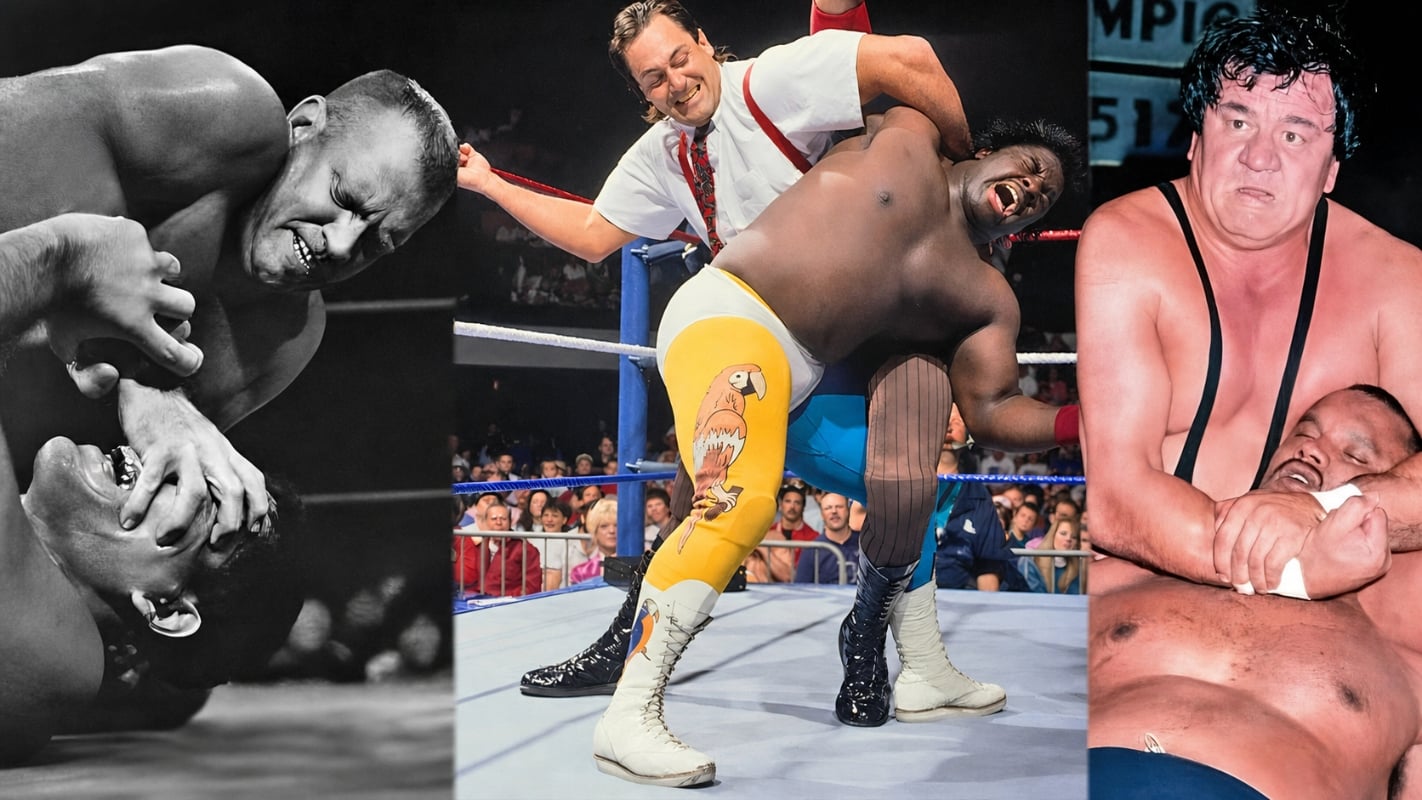
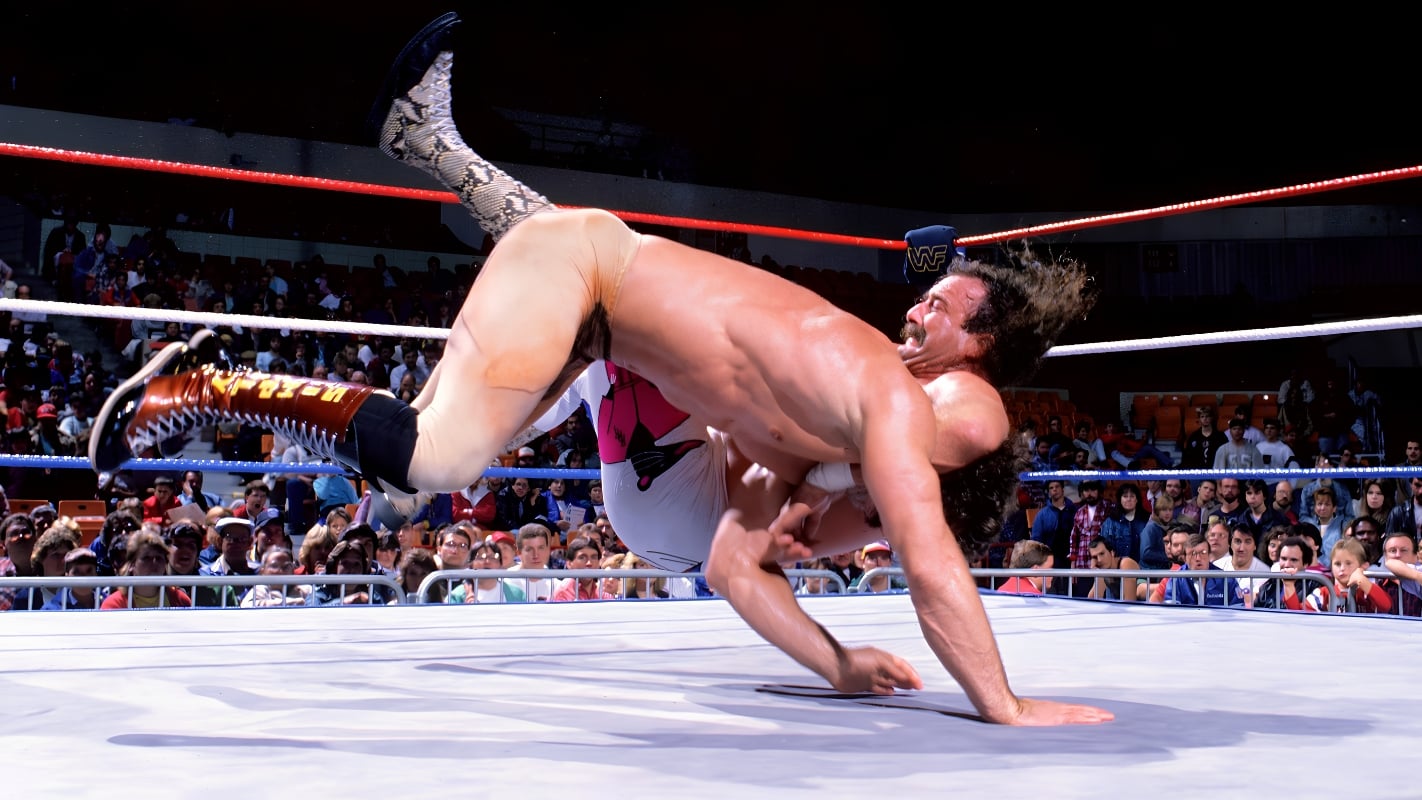
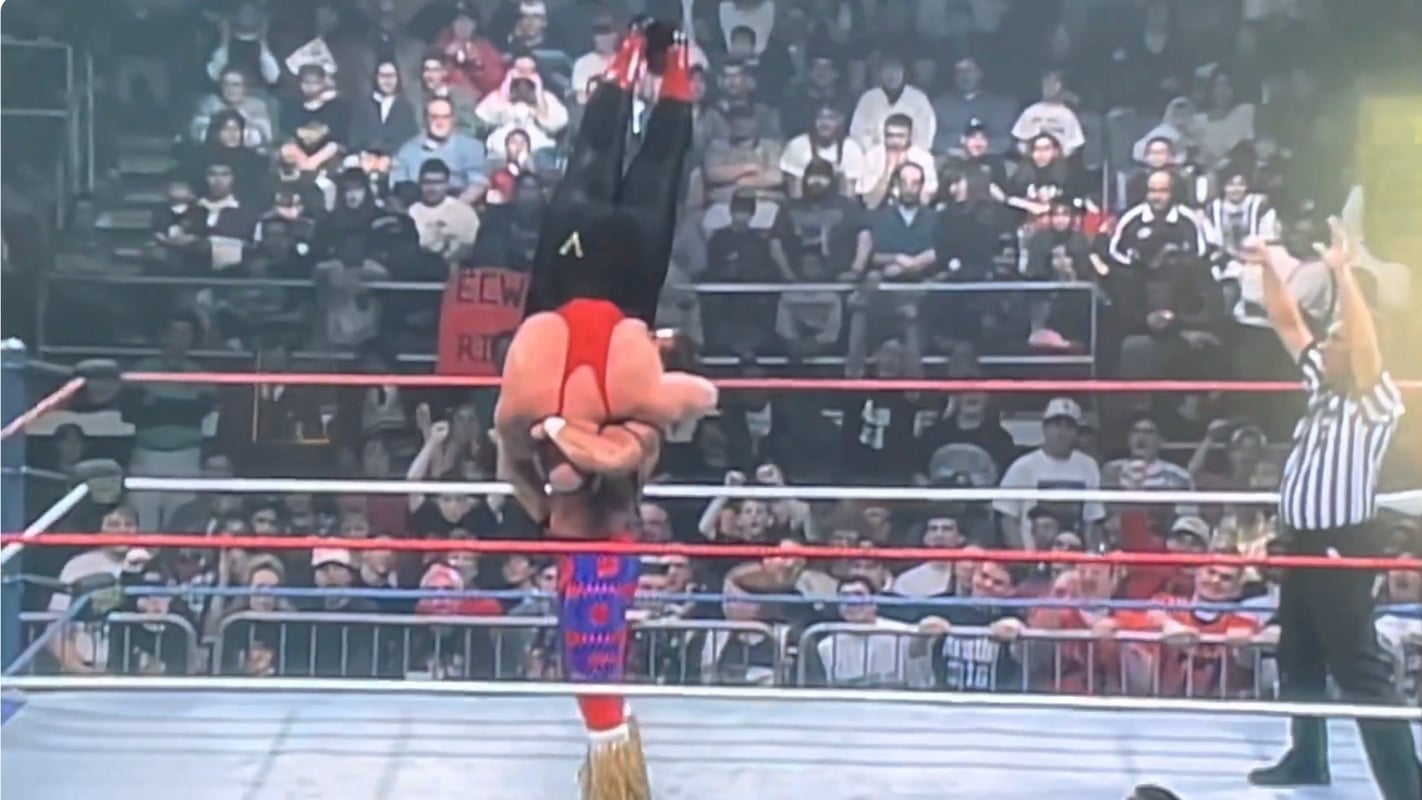
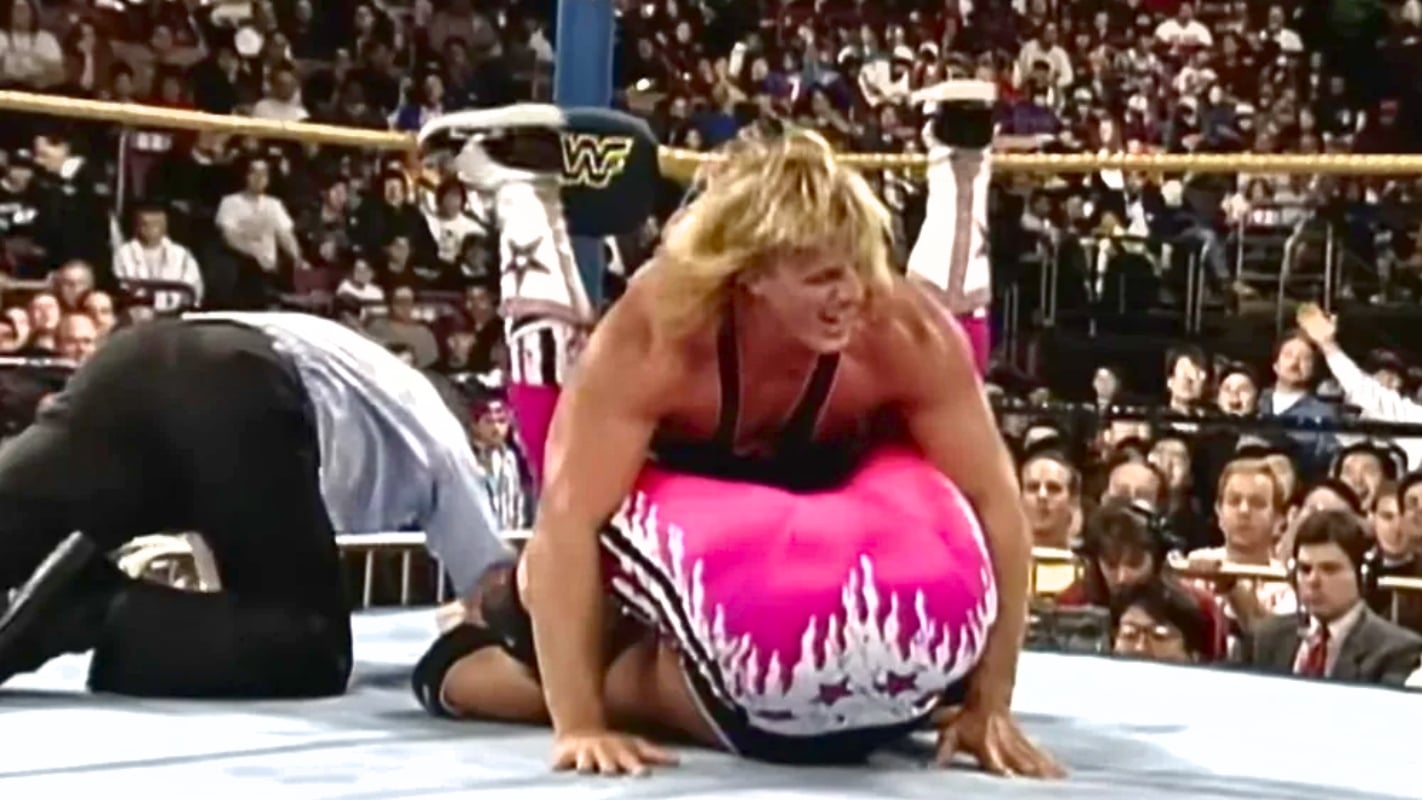

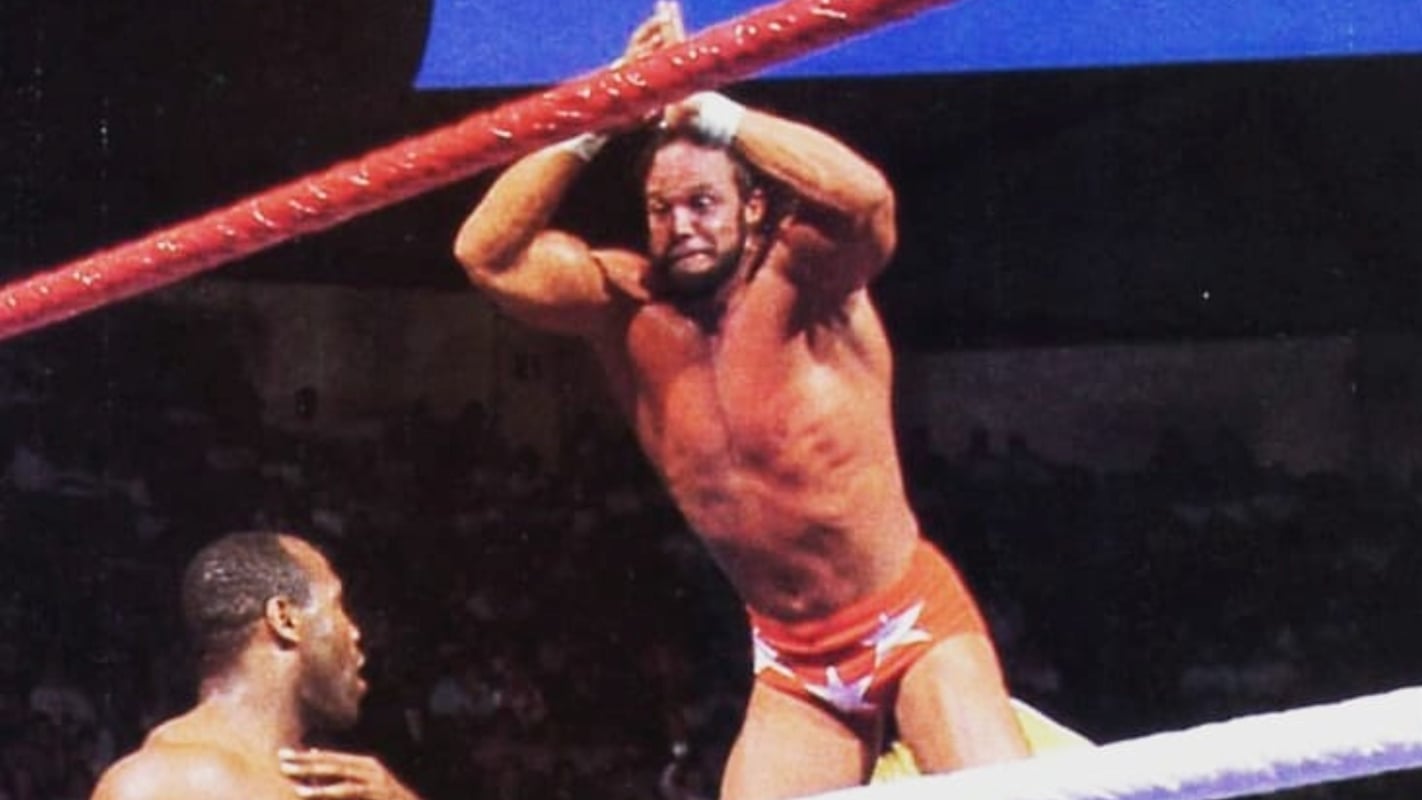
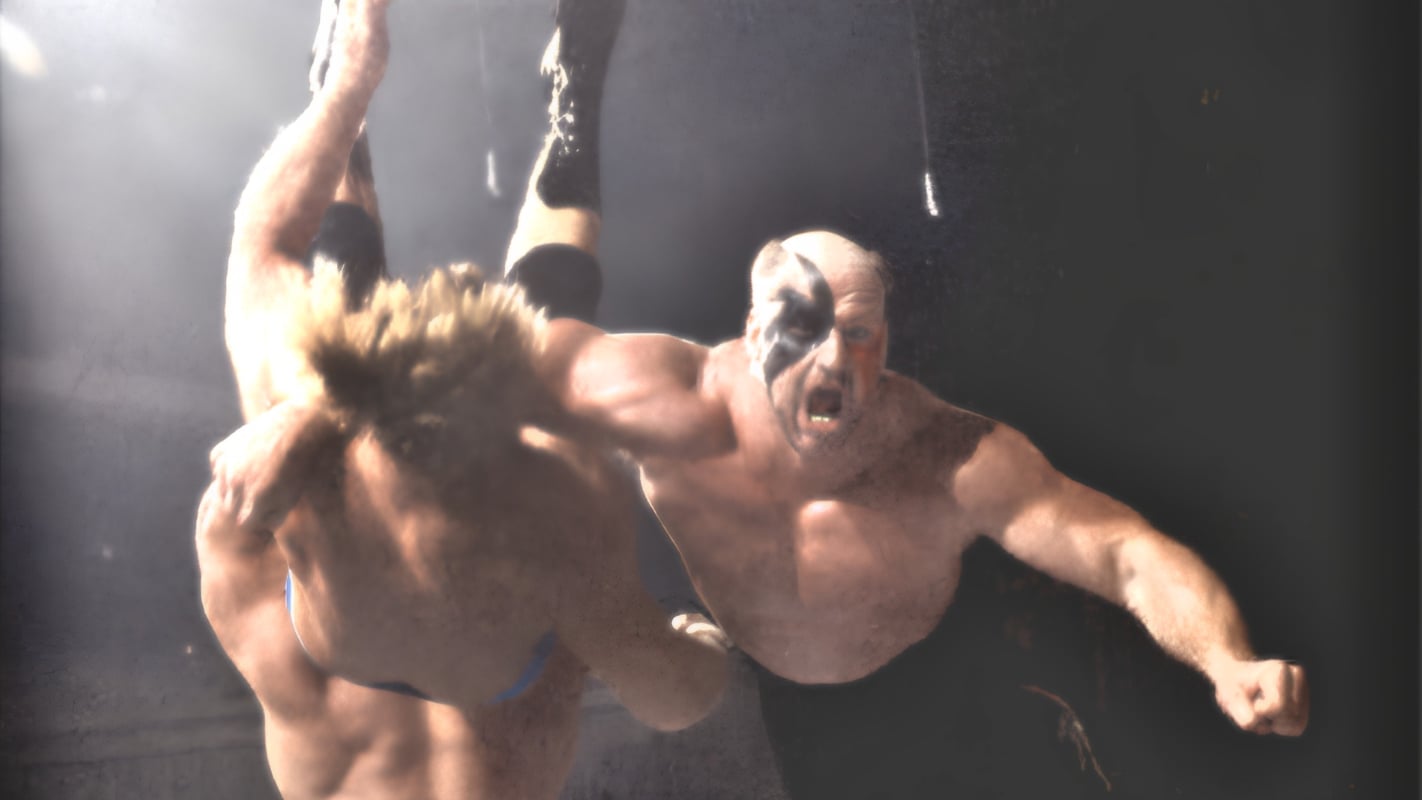
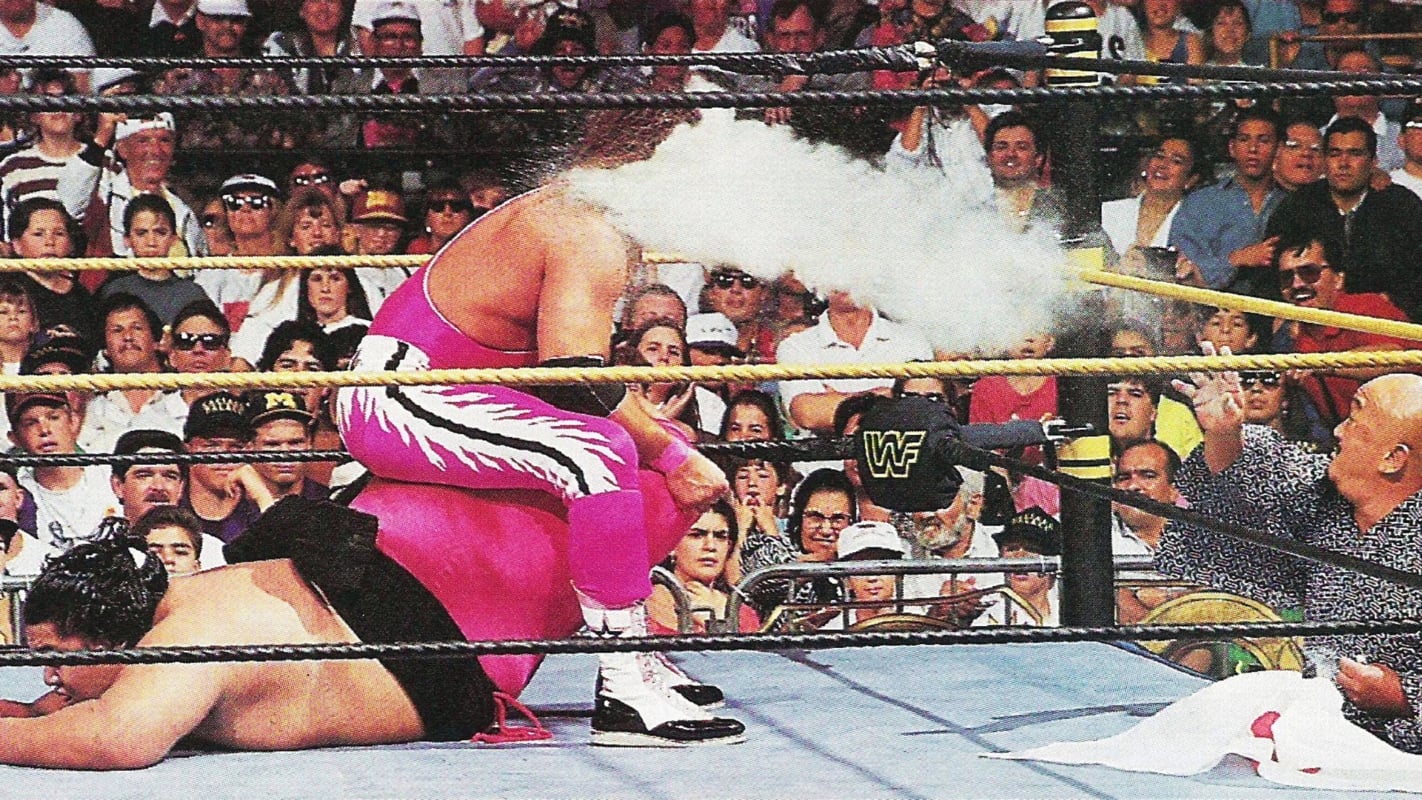
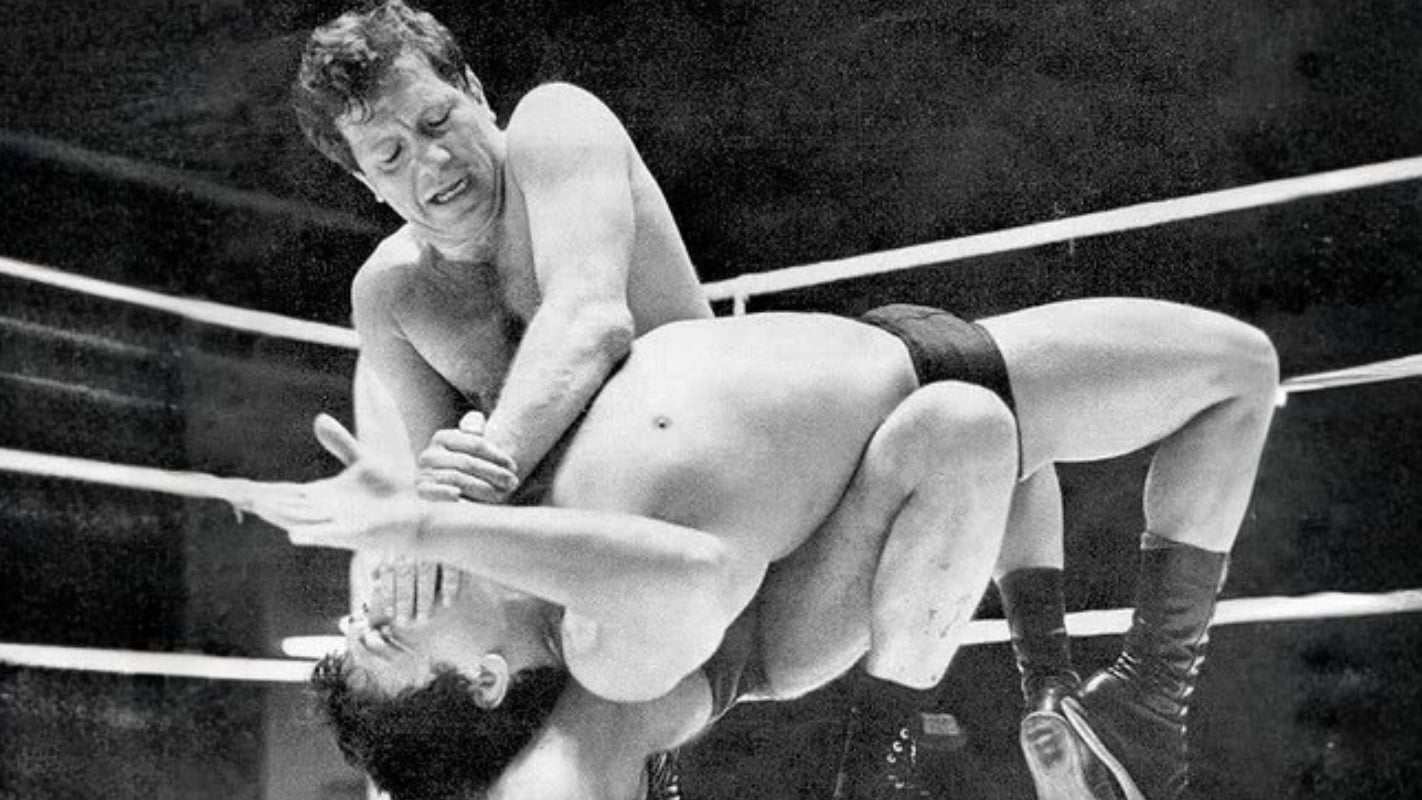
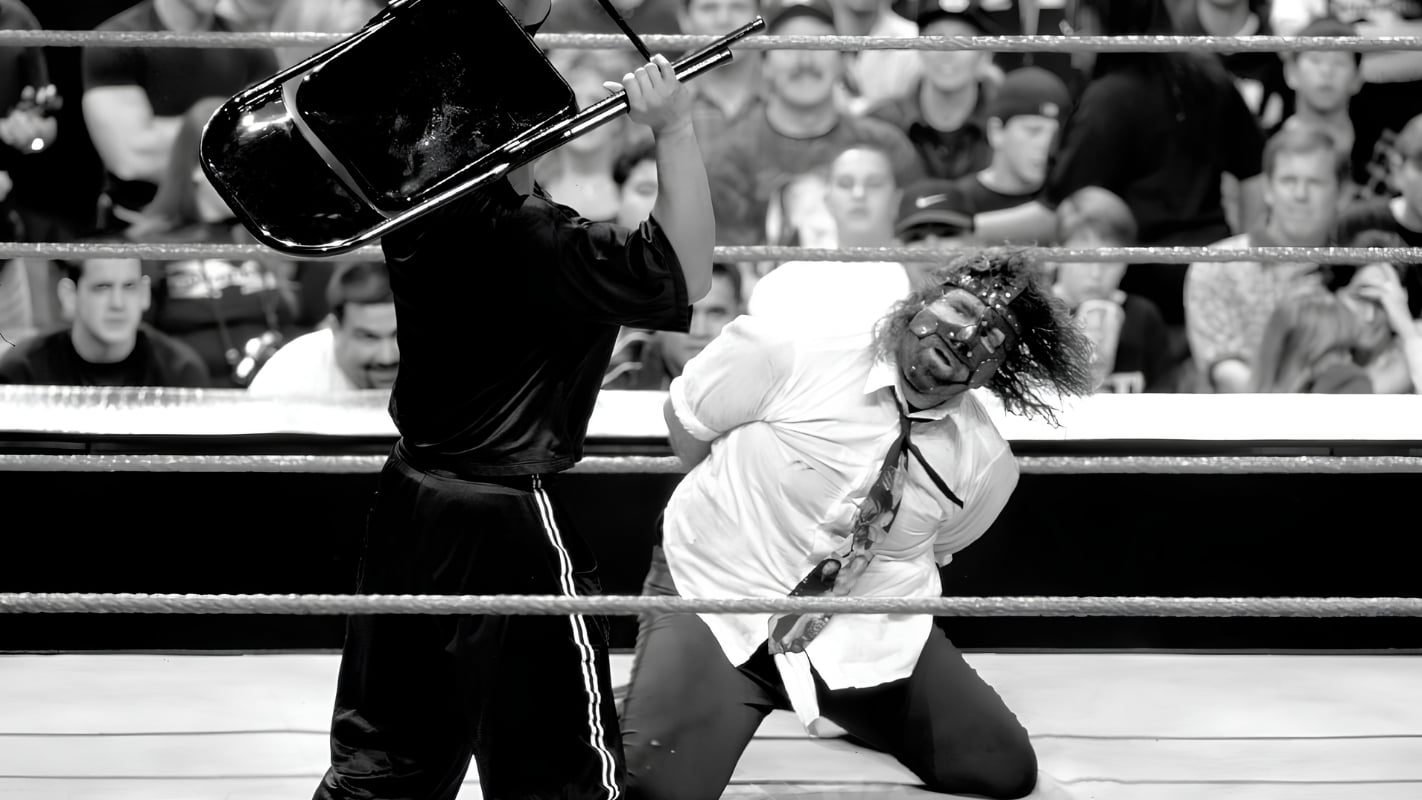

 If you love movies and pro wrestling, don’t sleep on this one.
Grindhouse, Arthouse, and Wrestling Flicks by Pro Wrestling Stories Senior Editor Evan Ginzburg dives into the fascinating world where cinema and wrestling collide. Packed with hundreds of reviews, hidden gems, and fascinating turns from wrestlers on the big screen, it covers everyone from André the Giant and Roddy Piper to CM Punk, DDP, Chris Jericho, Pat Roach, and The Rock. Smart, passionate, and endlessly browsable, it’s the kind of book fans will keep returning to. Grab your copy today!
If you love movies and pro wrestling, don’t sleep on this one.
Grindhouse, Arthouse, and Wrestling Flicks by Pro Wrestling Stories Senior Editor Evan Ginzburg dives into the fascinating world where cinema and wrestling collide. Packed with hundreds of reviews, hidden gems, and fascinating turns from wrestlers on the big screen, it covers everyone from André the Giant and Roddy Piper to CM Punk, DDP, Chris Jericho, Pat Roach, and The Rock. Smart, passionate, and endlessly browsable, it’s the kind of book fans will keep returning to. Grab your copy today!