 Author:
 With his bleached-blond hair, ripped physique, and Flying V guitar, Van Hammer looked tailor-made for early 1990s WCW stardom. The push came fast, the money came early, and the expectations nearly crushed him. Long after the cameras stopped rolling, Mark “Van Hammer” Hildreth was fighting a far more private battle that he could not win.
This article, updated in June 2026 following exclusive correspondence with his former wife Alexis (Hildreth) Telscher and his most recent wife Diane “Sammie” Hildreth, is the first to report his confirmed cause of death, shared with Pro Wrestling Stories by those closest to him.
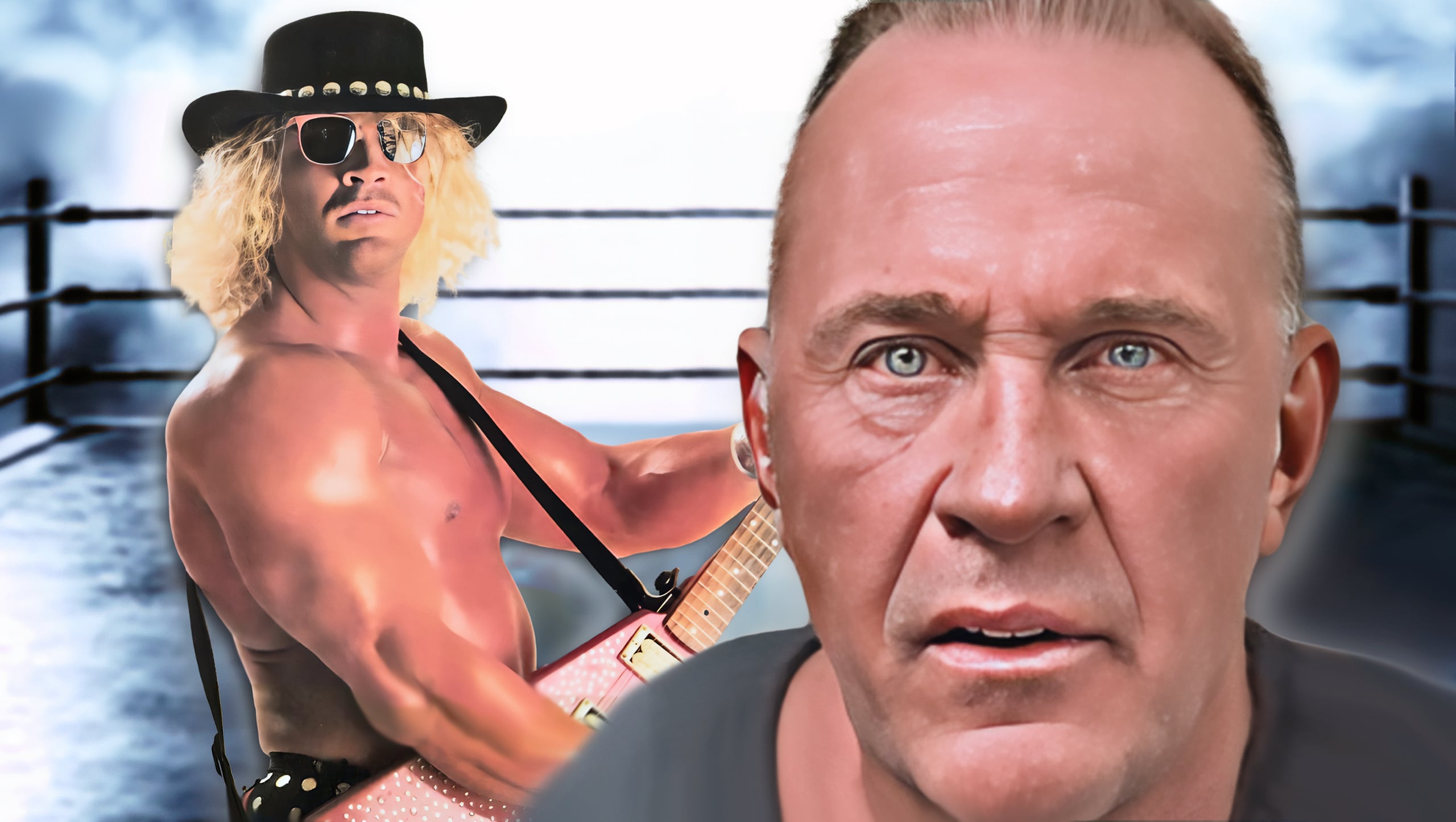
This story draws on published accounts and exclusive correspondence from April and June 2026 with two women who knew Mark Hildreth most closely during different chapters of his life: his former wife Alexis (Hildreth) Telscher, who was present throughout his WCW years and beyond, and Diane “Sammie” Hildreth, his most recent wife, who was by his side from 2011 until his passing. Together, their voices help tell a fuller, more honest version of the man behind the gimmick.
Pro Wrestling Stories thanks both Alexis (Hildreth) Telscher and Diane “Sammie” Hildreth for sharing their memories, corrections, and reflections about Mark Hildreth’s life and struggles. Their accounts, alongside those of his peers, help paint a more balanced picture of Van Hammer than the familiar one-note narrative that has often followed him.
Van Hammer’s Early Life And Road To WCW
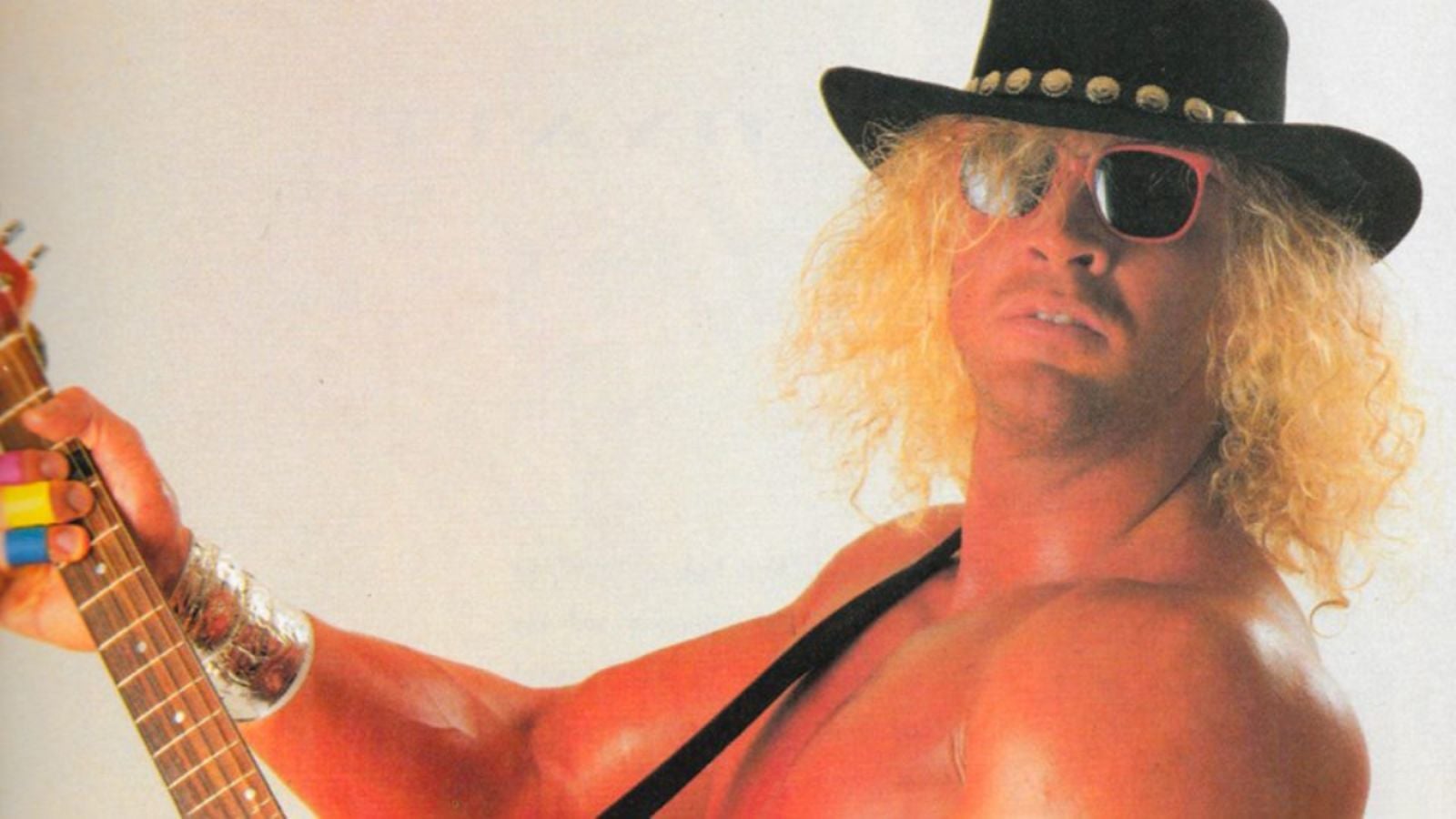
Mark Hildreth was not supposed to be a professional wrestler. Born in Laurel, Maryland, a suburb between Baltimore and Washington, D.C., he served in the United States Navy before a chance encounter with Sting (Steve Borden) put an unlikely idea in his head. Borden, far from encouraging the notion, told Hildreth to stay away from the business. Hildreth went ahead anyway.
He connected with two of the toughest trainers in the southeast, Boris Malenko and Dan Spivey, neither of whom were known for going easy on newcomers.
In a 2014 interview with The Palm Beach Post, Hildreth described what that period felt like. “They try to run you off. They want to weed out people in it for the glory or the money. And they do it by literally beating you up day after day so that the only ones left are the ones that want it bad enough to endure.”
Endure he did. He first climbed into the ring in July 1991. The next time he wrestled, he would be handed a $150,000 contract.
Dusty Rhodes Bets Big On Van Hammer
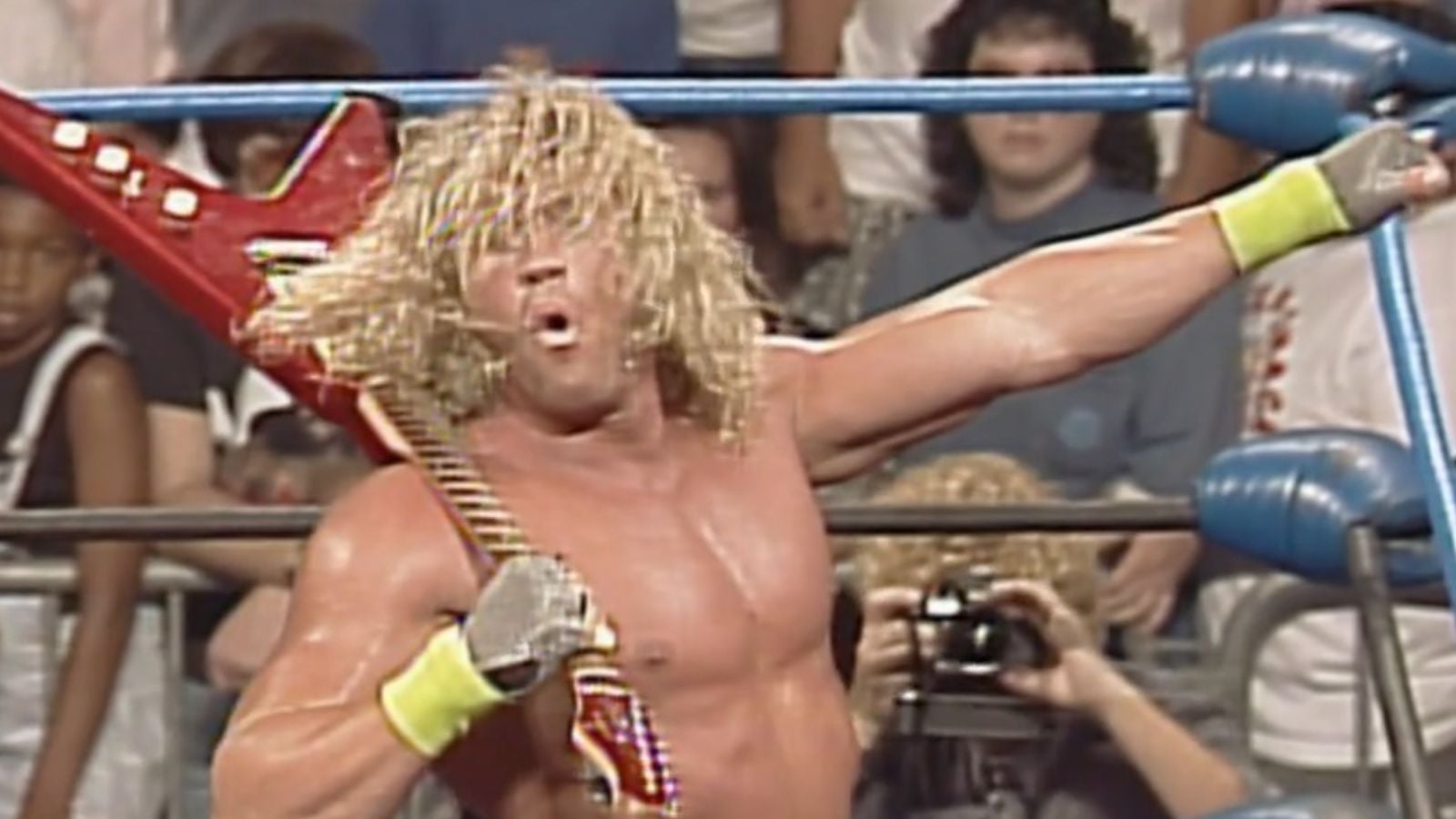
In just his second-ever professional match, Mark Hildreth found himself opposite Marc Mero, serving as the opponent in Mero’s WCW tryout. That Hildreth was even in the building came down to one man: Dusty Rhodes.
Rhodes was booking both WCW and the North Georgia Wrestling Alliance at the time, and had seen enough in Hildreth to give him a role in one of the most consequential tryouts of the era. He was impressed enough to sign both men, and then proceeded to tell anyone who would listen that he had just found the next Hulk Hogan. For Hildreth, that kind of talk landed at exactly the wrong moment.
As Mick Foley wrote in his autobiography Have A Nice Day, “Hammer had two things working against him: one, he was given a push well before he was ready for it, and two, he was given the gimmick of a heavy metal guitar player, even though he couldn’t play a lick.”
According to Alexis (Hildreth) Telscher, Van Hammer’s former wife, who spoke with Pro Wrestling Stories in April 2026, Hildreth took the guitar seriously and worked to change that perception.
With no YouTube tutorials and no formal musical training, Alexis shared that he spent hours teaching himself to play the Star-Spangled Banner on the same Flying V guitar he carried to the ring, hoping to perform it live one day. The entrance music stunt was phased out before he became proficient enough to showcase it on WCW cameras, but the effort underscored how much he wanted the gimmick to work.
Hildreth and Mero became roommates after signing, though the living arrangement got off to a chaotic start.
Mero recalled the story on The Hannibal TV, noting that shortly after moving in, he returned home from the gym to find the apartment swarming with police officers.
“When I opened the door, all these police officers were like, ‘Freeze, don’t move!'” Mero remembered. “And I was like, ‘Okay, don’t shoot!'”
Hildreth was not home. Mero was.
Officers had raided the property on suspicion that Hildreth was dealing narcotics, and Mero, entirely uninvolved, found himself taken to the precinct, fingerprinted, and placed in a holding cell.
“The guys that were in the holding cell with me go, ‘Man, aren’t you the guy on TV?'” Mero recalled. Having just debuted for WCW, he was recognizable enough that the mood in the cell shifted in his favor. The charges were eventually dropped. “I have no police record or anything like that,” he affirmed.
None of it dimmed Mero’s affection for Hildreth. “He was very helpful and instrumental in getting me into the wrestling world,” Mero expressed, acknowledging that Hildreth’s body and presence were genuinely something.
“He had an amazing look. The guy was, what, 6’6″, and he just had a body like an Adonis. Just incredible.”
When Hildreth’s troubles resurfaced years later, Mero’s take was measured but honest: “He’s a good guy, man. He just made some really bad choices.”
It would be Marc Mero who would break the news of Hildreth’s death in April 2026.
Enjoying this story? Own it forever.
No ads. No interruptions. Download the full story as a beautifully formatted PDF at just $0.99.
Get My Copy — $0.99Why Van Hammer Drew WCW Backstage Heat
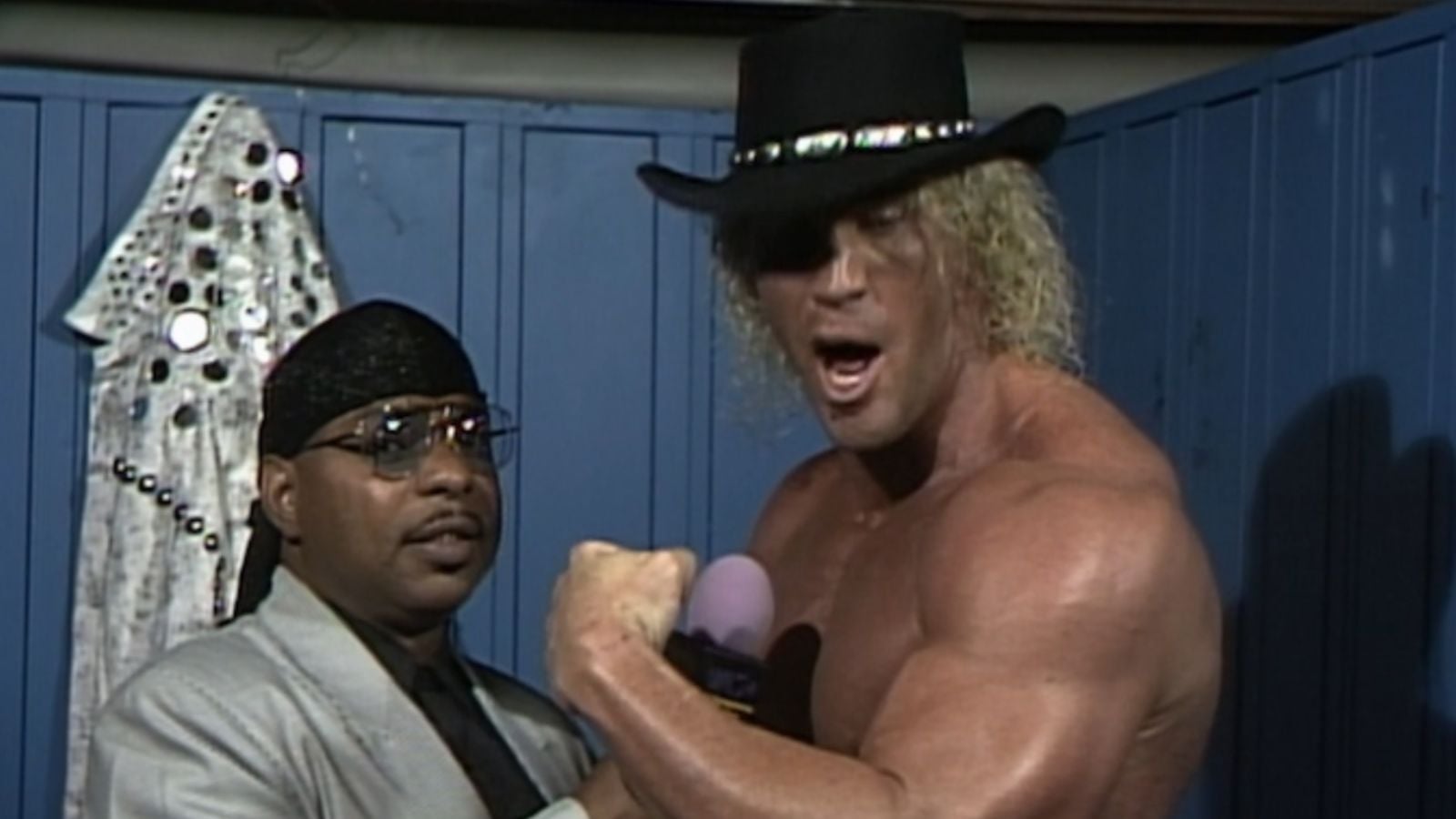
Walking into a WCW locker room full of veterans who had paid their dues for years, Van Hammer managed to alienate many of them before he had barely laced his boots.
Arn Anderson recounted a moment on his podcast with the kind of detail that only comes from a story too good to forget.
Anderson, Steven (William) Regal, Steve Austin, Bobby Eaton, and a fifth man, perhaps Brian Pillman, were huddled together at an event when Hammer made his entrance. Oiled up, jacked, and straggly-haired, the newcomer pushed his way into the group, extended his hand, and announced, “What’s up, fellas? Van Hammer here. I’m WCW’s Ultimate Warrior. I’m here to save the company!”
For context, that fivesome had won a combined 33 WCW title belts between them. Van Hammer had won zero.
Anderson recalls waiting for the punchline, assuming it was a rib, but it never came. The group burst out laughing instead.
As Foley added in his book Have A Nice Day, “Hammer was a natural heat getter with the boys. He did not mean to; he was actually a nice guy. But he tended to bury himself with his ways. Statements like ‘I came here to save the company’ did not sit well with guys who had busted their *** for years and did not have their own $25,000 music video.”
The fallout was tangible. Hammer told The Palm Beach Post that despite holding a lucrative contract, he was still forced to dress in the “jobbers’ dressing room” alongside the enhancement talent rather than with the established stars.
One story that circulated among wrestlers was that Rick Rude, one of the most respected veterans in the locker room, had deliberately broken Hildreth’s nose in the ring. Years later, Alexis remembered the incident differently. She recalls her former husband telling her that Rude kicked him square in the nose with his street boots during a battle royal, and that he blamed himself for bending forward into the kick instead of turning his head to the side.
He finished the show with a broken nose, but according to Alexis, Rude and Hildreth remained friends away from the ring, with Rude even visiting their Atlanta high-rise apartment.
Alexis, who often rode with combinations of Hildreth, Marc Mero, Marc “Buff” Bagwell, Diamond Dallas Page, and Kevin Nash to local shows and out-of-town events, is clear that the easy narrative that “nobody liked Van Hammer” does not tell the full story. The heat was real, but so were relationships and loyalty, and she still considers many of those wrestlers friends.
Van Hammer’s Heavy Metal Gimmick And Early Push
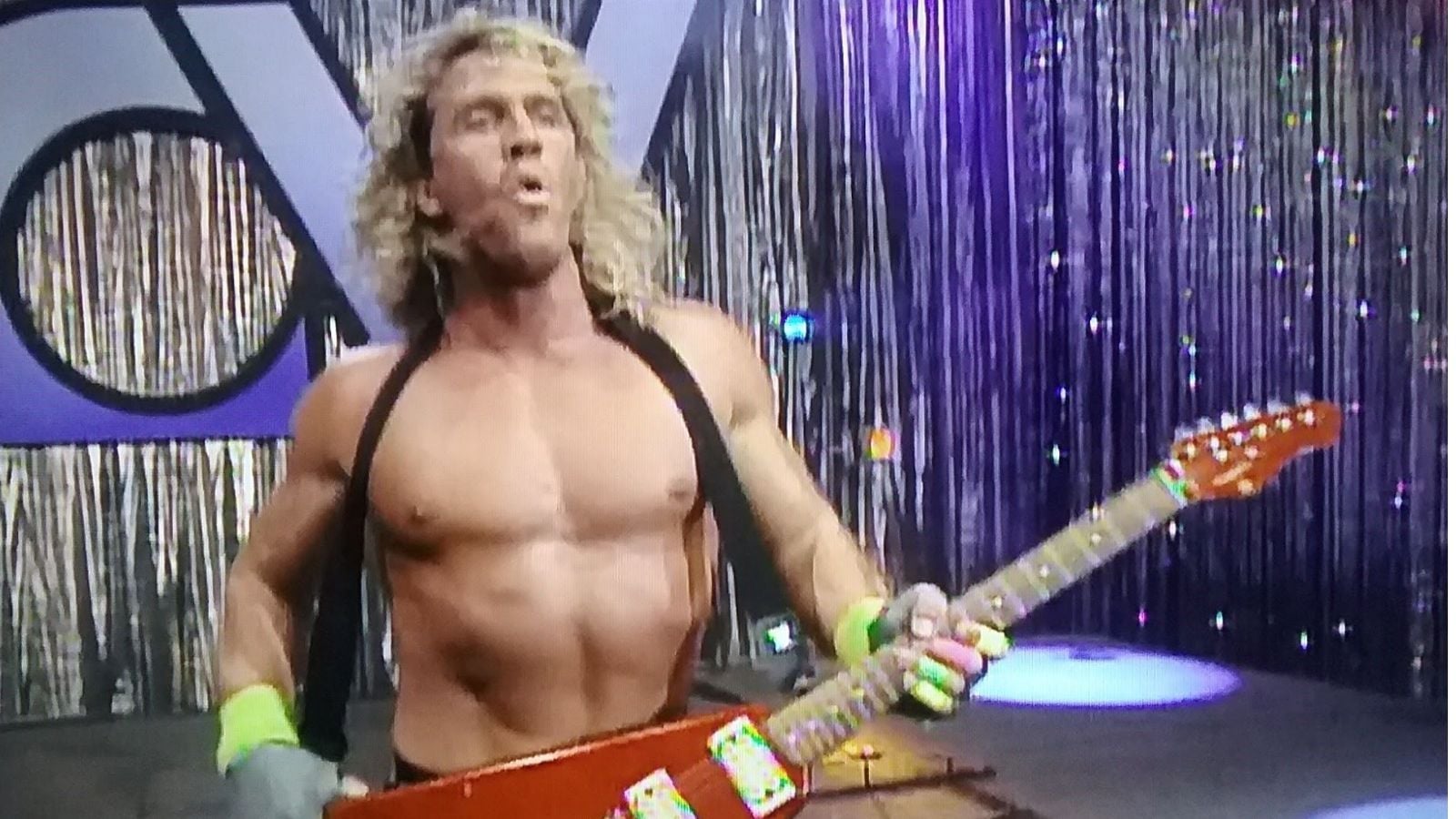
Before The Renegade’s ill-fated debut, “Heavy Metal” Van Hammer was the closest thing WCW had to the enigmatic Ultimate Warrior.
The babyface with long hair, a jacked body, and pumping energy resembled Jim Hellwig.
His gimmick was that of a glam rock performer, carrying a Gibson Flying V guitar with him, but rarely, if ever, playing it on camera.

His entrance was sometimes bafflingly accompanied by construction workers.
In his first match, Hammer defeated “Computerized Man of the 1990s” Terence Taylor in a dominant display. Winning in one minute, Hammer won with a wispy diving knee drop.
Like The Ultimate Warrior, he was a limited and rough-around-the-edges performer, as best exemplified by his Halloween Havoc 1991 match against Doug Somers.
During the encounter, Hammer nearly dropped “Playboy” Buddy Rose’s partner on his neck.
Wrestling With Wregret host Brian Zane gave the match his first negative star rating, commenting on Hammer’s in-ring recklessness: “Van Hammer had, maybe, tops, five moves to execute, and he horribly botched three of them. That is inexcusable!”
Love Pro Wrestling Stories? Add us as a Preferred Source on Google so our stories always show up first for you. It only takes one click.
Add Us on GoogleVan Hammer’s Winning Streak And WCW Mid-Card
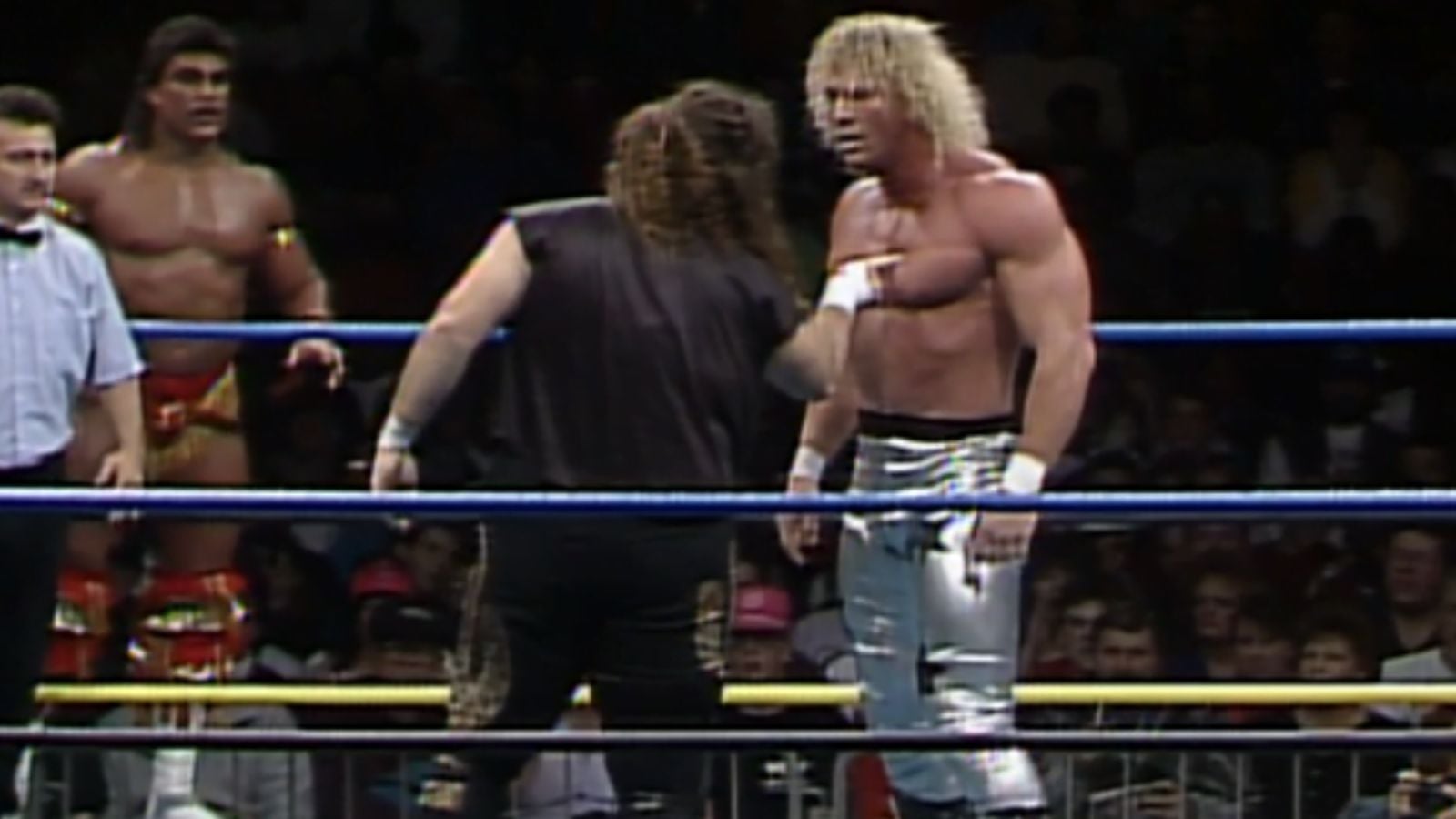
Whatever the locker room thought of him, the early television results were hard to argue with. Van Hammer ran up a 42-0 streak, a Goldberg-style unbeaten run years before Goldberg existed, complete with the long hair and the babyface energy to match.
Along the way, he had back-to-back Clash of the Champions matches against Cactus Jack, the second of which, a Falls Count Anywhere encounter, Van Hammer himself later named as one of the genuine highlights of his career. Foley’s brawling style and ring IQ helped guide Hildreth through one of his more memorable performances on a major WCW stage.
From there, WCW pushed him further up the card, putting him in title contention against Steve Austin’s Television title and Rick Rude’s United States Championship. Neither worked out. Reportedly, Hammer was positioned to win the United States title outright, only for a mid-match knee injury to force a change in finish, allowing “The Ravishing One” to retain.
The accolades, such as they were, kept coming in unlikely forms. Hammer won the Jesse Ventura Strongest Arms Arm Wrestling Tournament, defeating Vader in the semi-finals and WCW World champion Ron Simmons in the final.
When asked how both men were persuaded to lose to Hammer, Jim Ross offered a deadpan explanation: “They must have been [under the influence].” Not everyone was celebrating.
Readers of the Wrestling Observer Newsletter voted Van Hammer the Most Embarrassing Wrestler of 1991, placing him in the company of future winners Bastion Booger, Doink The Clown, and Nathan Jones, a list that tells its own story.
With hundreds of amazing Pro Wrestling Stories to dive into, where do you start? Get the inside scoop, join our exclusive community of wrestling fans! Receive 10 hand-picked stories curated just for YOU, exclusive weekly content, and an instant welcome gift when you sign up today!
1993: When Van Hammer’s WCW Momentum Crumbled
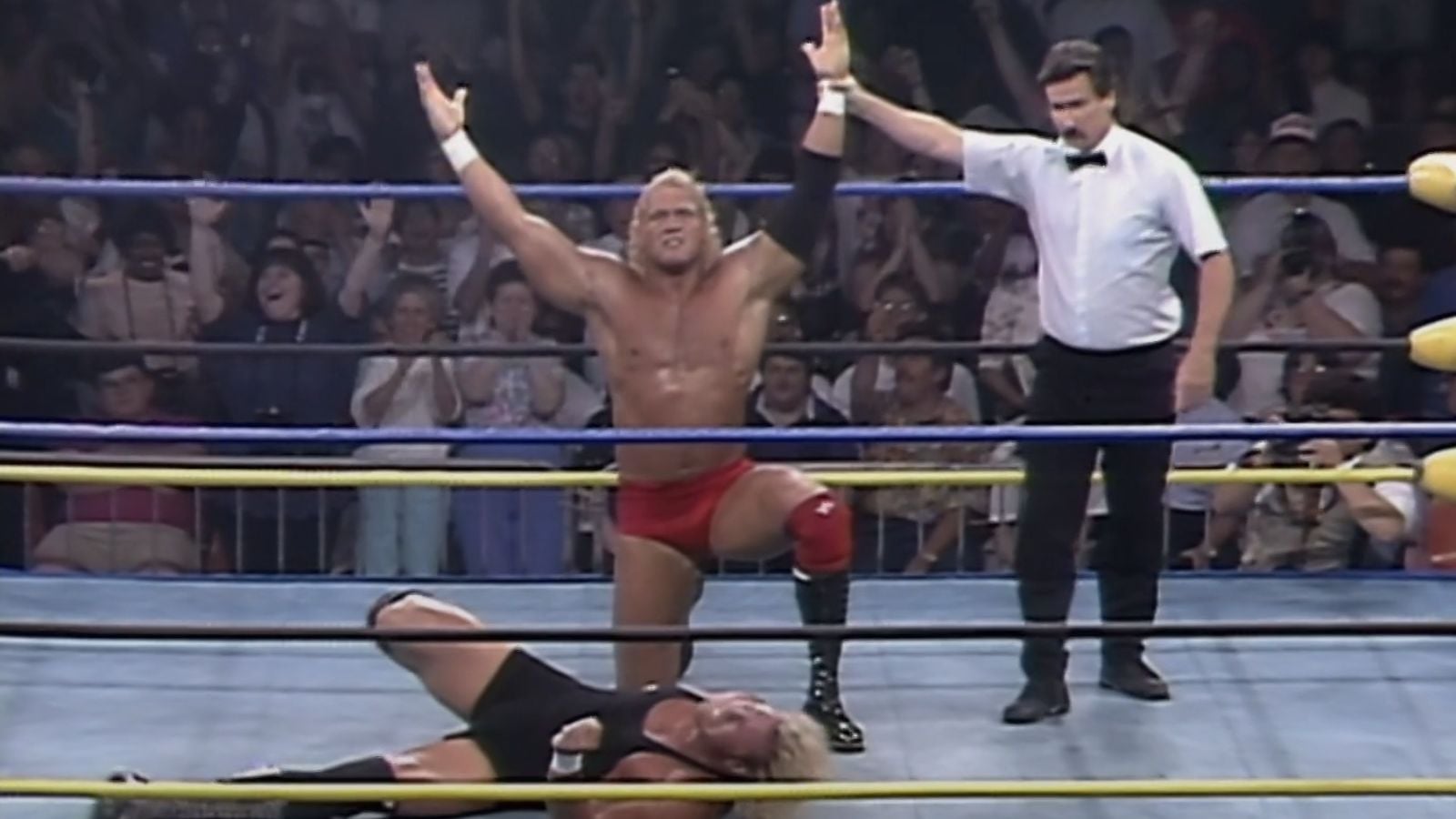
If 1991 and 1992 had papered over the cracks, 1993 tore them wide open.
Van Hammer was on the receiving end of a sub-minute squash at the hands of Sid, a match Inside Wrestling did not hesitate to describe as “a nationally televised embarrassment.”
The arm wrestling tournament, which he had won the year prior, now saw him eliminated in the opening round, losing to The Equalizer, a man few would remember fondly.
WWF tryouts came and went without an offer. The momentum that Dusty Rhodes had manufactured from almost nothing had, by this point, fully evaporated.
Real Autographs. Only Few Remain.
These are hand-signed originals sold directly by Pro Wrestling Stories. Once they sell out, they are gone for good.
Own a Piece of Wrestling History
-

Bushwhacker Luke Signed WWF 8×10 Photo Autograph (with Bushwhackers Butch)
$30.00 Add to cart -
Justin Credible Signed 8×10 Photo Autograph 2
$30.00 Add to cart -
Sabu Signed WWF 8×10 Photo Autograph (Deceased Legend)
$55.00 Add to cart -
Brutus the Barber Beefcake Signed WWF 8×10 Photo Autograph (with Ultimate Warrior)
$35.00 Add to cart -
Leaping Lanny Poffo Signed WWF Frisbee Pose 8×10 Photo Autograph (Deceased Legend)
$45.00 Add to cart -
Ken Patera Signed WWF 8×10 Photo Autograph (pictured with Bobby Heenan & John Studd)
$35.00 Add to cart -
“Greg the Hammer” Valentine Signed WWF 8×10 Photo Autograph
$45.00 Add to cart -
Bushwhacker Luke Signed WWF 8×10 Photo Autograph
$30.00 Add to cart -
Leaping Lanny Poffo Signed WWF 8×10 Photo Autograph (Deceased Legend)
$45.00 Add to cart -
Bushwhacker Luke Signed WWF 8×10 Photo Autograph (The Bushwhackers)
$30.00 Add to cart -
Butcher Paul Vachon Signed WWF 8×10 Photo Autograph (Deceased Legend)
$45.00 Add to cart -
Sunny (Tammy Lynn Sytch) Signed WWF 8×10 Photo Autograph
$35.00 Add to cart -
Vince Russo Signed 8×10 Photo Autograph
$35.00 Add to cart -
Raven Signed 8×10 Photo Autograph
$35.00 Add to cart -
“Hacksaw” Jim Duggan Signed WWF 8×10 Photo Autograph
$40.00 Add to cart -
Steve Keirn Signed WWF 8×10 Photo Autograph (Fabulous Ones)
$30.00 Add to cart -
Nikolai Volkoff Signed WWF 8×10 Photo Autograph (Deceased Legend)
$45.00 Add to cart -
Barry Windham Signed 8×10 Photo Autograph
$40.00 Add to cart -
Missy Hyatt Signed 8×10 Photo Autograph
$35.00 Add to cart -
Sunny (Tammy Lynn Sytch) Signed WWF 8×10 Glamour Photo Autograph
$35.00 Add to cart -
Bushwhacker Luke Signed WWF 8×10 Photo Autograph (pictured with Bushwhacker Butch)
$30.00 Add to cart -
Steve Keirn Signed WWF 8×10 Photo Autograph (Skinner)
$30.00 Add to cart -
Marcus “Buff” Bagwell Signed WCW 8×10 Photo Autograph
$30.00 Add to cart -
Koko B. Ware Signed WWF 8×10 Photo Autograph
$45.00 Add to cart -
Johnny Rodz Signed WWF 8×10 Photo Autograph (pictured with The Grand Wizard)
$30.00 Add to cart -
Nikolai Volkoff Signed WWF 8×10 Photo Autograph 2 (Deceased Legend)
$45.00 Add to cart -
Jerry Lynn Signed 8×10 Photo Autograph
$35.00 Add to cart -
Johnny Rodz Signed WWF 8×10 Photo (wrestling Andre the Giant)
$30.00 Add to cart -
Fred Ottman Signed WCW 8×10 Photo Autograph (The Shockmaster)
$35.00 Add to cart -
Larry Zbyszko Signed WCW 8×10 Photo Autograph
$40.00 Add to cart -
Fred Ottman Signed WWF 8×10 Photo Autograph (Typhoon)
$35.00 Add to cart -
Johnny Rodz Signed WWF 8×10 Photo Autograph (wrestling Tony Atlas)
$30.00 Add to cart -
Ken Patera Signed WWF 8×10 Photo Autograph
$35.00 Add to cart -
Brutus the Barber Beefcake Signed WWF 8×10 Photo Autograph 2
$35.00 Add to cart -
Bushwhacker Luke Signed WWF 8×10 Photo Autograph (of The Bushwhackers)
$30.00 Add to cart -
Johnny Rodz Signed WWF 8×10 Photo Autograph
$30.00 Add to cart -
Johnny Rodz Signed WWF 8×10 Photo Autograph (pictured with Captain Lou Albano)
$30.00 Add to cart -
Tito Santana Signed WWF 8×10 Photo Autograph (Strike Force)
$35.00 Add to cart -
D’Lo Brown Signed WWF 8×10 Photo Autograph
$30.00 Add to cart -
Baby Doll (Nickla Roberts) Signed 8×10 Photo Autograph (pictured with Ric Flair)
$35.00 Add to cart -
Jerry “The King” Lawler Signed WWE 8×10 Photo Autograph 2
$50.00 Add to cart -
Jimmy Hart Signed WWF 8×10 Photo Autograph (pictured with Bret Hart & Jim Neidhart)
$35.00 Add to cart -
Kevin Sullivan Signed 8×10 Photo Autograph (Deceased Legend)
$45.00 Add to cart -
Larry Zbyszko Signed 8×10 Photo Autograph 2
$40.00 Add to cart -
Nikolai Volkoff & Boris Zhukov Signed WWF “The Bolsheviks” 8×10 Photo Autograph (Deceased Legend)
$60.00 Add to cart -
The Tonga Kid (Sam Fatu) Signed WWF 8×10 Photo Autograph
$35.00 Add to cart -
Johnny Rodz Signed WWF 8×10 Photo Autograph
$30.00 Add to cart -
Jimmy Hart Signed WWF 8×10 Photo Autograph (pictured with Hulk Hogan)
$35.00 Add to cart -
Leaping Lanny Poffo Signed WWF Turnbuckle Pose 8×10 Photo Autograph (Deceased Legend)
$45.00 Add to cart -
Sunny (Tammy Lynn Sytch) Signed WWF 8×10 Photo Autograph (WWE Hall of Fame)
$35.00 Add to cart -
Hornswoggle (Dylan Postl) Signed WWE 8×10 Photo Autograph
$30.00 Add to cart -
Justin Credible Signed 8×10 Photo Autograph
$30.00 Add to cart -
Jerry “The King” Lawler Signed 8×10 Photo Autograph
$50.00 Add to cart -
Tito Santana Signed WWF 8×10 Photo Autograph
$35.00 Add to cart -
Sunny (Tammy Lynn Sytch) Signed 8×10 Photo Autograph
$35.00 Add to cart
The DDP Party Clash Between Van Hammer And Regal
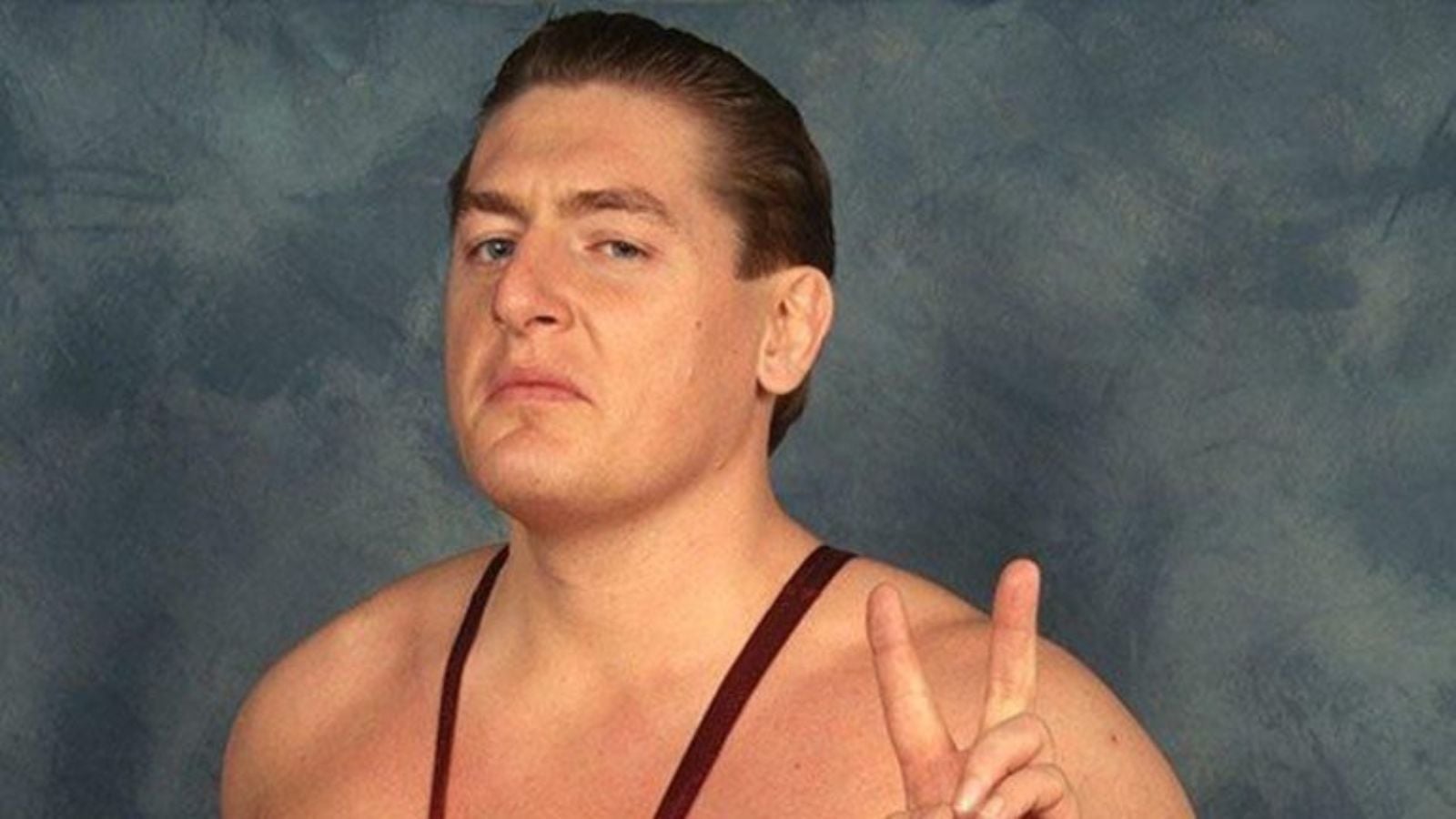
Even away from the cameras, Van Hammer had a talent for finding trouble. The most notorious example came in late 1996 at Diamond Dallas Page‘s annual Toys for Tots Christmas party, when a loose-tongued Hammer made remarks that would follow him for years.
The Wrestling Observer Newsletter reported what happened: “Diamond Dallas Page held a Christmas party at his house. Former WCW wrestler Van Hammer was there and began talking trash about WCW for using ‘little Mexican wrestlers,’ and then eventually he started trashing the British wrestlers, specifically Steve Regal and David Taylor. Well, Regal was there at the party, and it turns out he is the wrong person to anger. A confrontation ensued, and two headbutts later, Van Hammer was unconscious on the floor.”
Larry Zbyszko, then a commentator on WCW’s flagship show Monday Nitro, recalled the moment plainly: “Steve did not like [Van Hammer], probably because he could not work and should not be there. Steve walked up in front of Van Hammer and all of a sudden…Boom! He headbutted him, knocked him cold, and Van Hammer is lying on the floor, and Regal just comes walking in as if nothing happened.”
Eric Bischoff offered little sympathy on his podcast 83 Weeks, calling it something that “could not have happened to a better guy or a more deserving guy” and describing Hammer’s comments as “a stupid thing to say.”
Accounts circulating in the aftermath went further, with some versions claiming that Hildreth’s former wife, Alexis, who had attended the party, afterward chastised her husband for coming off worse in the exchange.
Alexis was there that night, but she remembers the same incident differently. She reached out to Pro Wrestling Stories specifically to address the record, and her account of both the incident and its aftermath differs sharply from the version that has been retold for decades.
She recalled standing right beside her former husband, Mark “Van Hammer” Hildreth, when Regal delivered the surprise headbutt.
“I was standing right beside Mark when he said something to Steve Regal. I wasn’t paying attention at the time to what was said, but when Steve headbutted him, Mark was holding a drink.” She emphasized, “Not only did he not fall down, much less become unconscious on the floor, but he didn’t even spill his drink. That became a running inside joke for years!”
The scene quickly turned into a noisy scrum as wrestlers rushed in to separate the two men.
“Once the surprise headbutt happened, I turned to Steve and said something like, ‘What the **** was that for?’ Immediately, words got louder, and the boys moved closer to separate them, as they were both on their feet. I clearly recall this because Mark, DDP, and Kevin all towered over me and literally crushed me in the fray. I had to yell as loud as possible to get them to see me and realize I was stuck down there amidst them!”
She also firmly pushed back against the claim that she rebuked her husband afterward. “I have no idea who said I was chastising him for coming off worse, but that is simply untrue,” she said. “I was, however, upset that my husband had been assaulted.”
Alexis’s account adds rarely included context, the perspective of the one person standing closest to both men when it happened, turning a one-dimensional humiliation story into a messy real-life confrontation in which the truth lies somewhere between locker-room legend and the memories of those who were there.
Van Hammer’s Return As Part Of Raven’s Flock
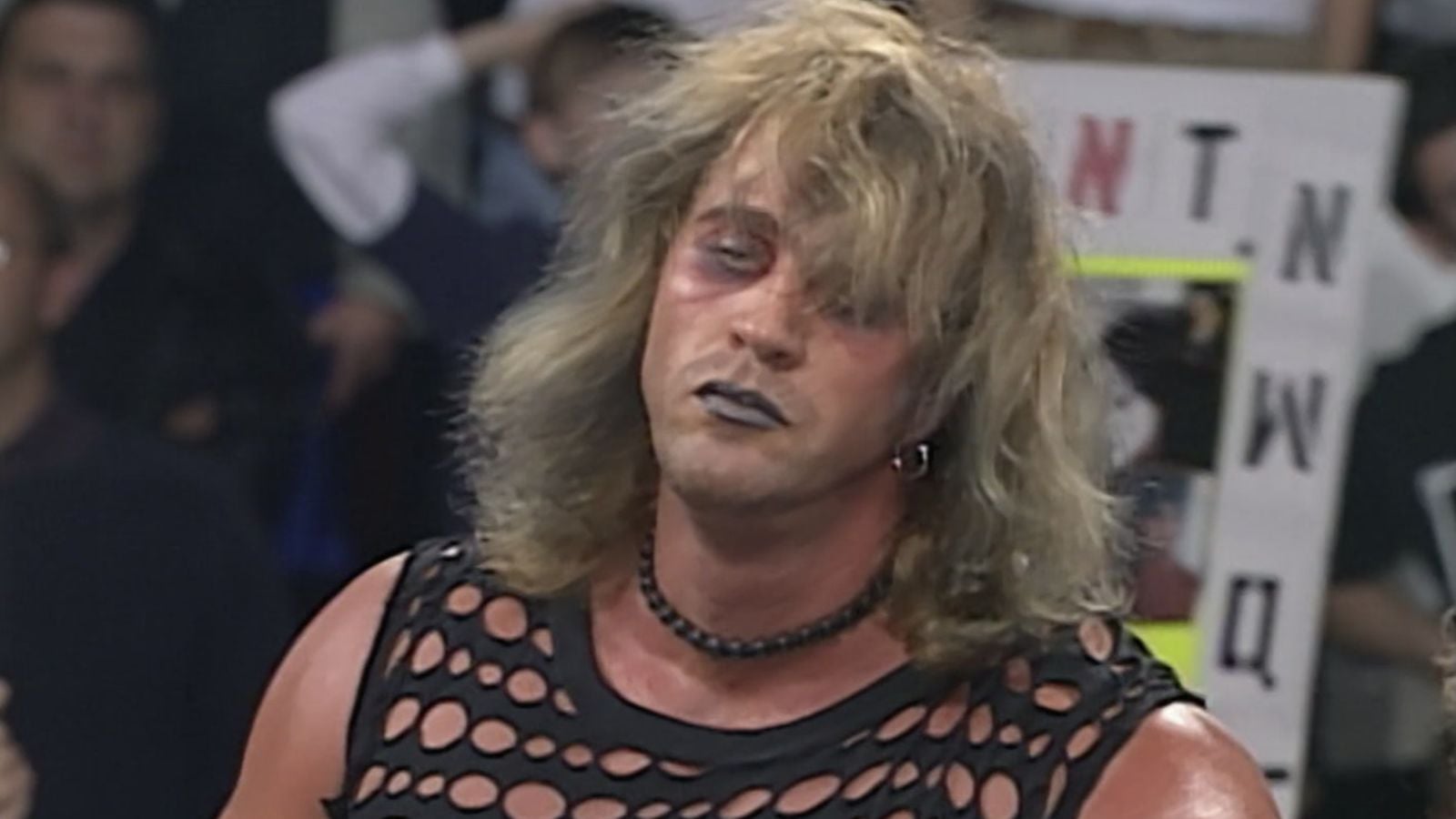
Less than a year after Eric Bischoff had declared that Van Hammer’s chances of returning to WCW had gone from slim to never, Hammer was back on television. The party incident, it seemed, had not closed the door permanently. His return came largely through the influence of Diamond Dallas Page, who went to bat for his friend despite everything.
The role waiting for him was a modest one, a background figure in Raven‘s Flock, the disheveled stable that served as a revolving door of misfits and mid-carders.
Raven himself has admitted he was ambivalent about Hildreth joining, and the booking reflected that. Van Hammer, now going simply by Hammer, was used primarily as cannon fodder for whoever happened to be feuding with the group at the time, whether that was Diamond Dallas Page, Perry Saturn, or Goldberg.
When the Flock eventually disbanded, Hildreth dusted off the Van Hammer name and reinvented himself once more, this time as a pacifist tie-dyed hippie, which, given everything that had come before, felt like a reasonable pivot.
Late 1990s: Van Hammer’s Second WCW Run
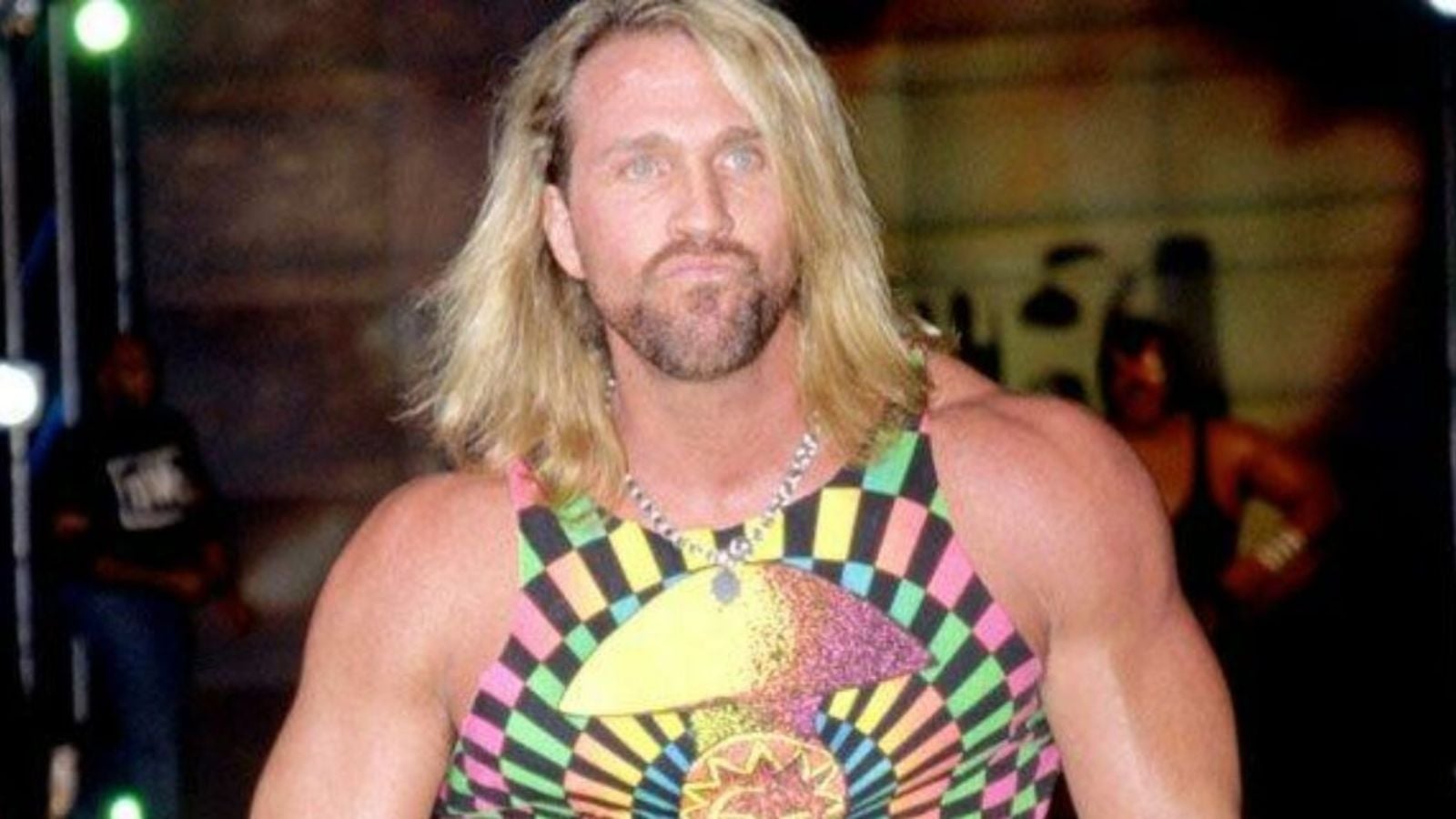
By January 1999, Van Hammer had his first singles pay-per-view match in nearly six years, a telling illustration of just how far the early hype had faded.
Old habits, however, had not.
Bull Pain, who faced Hammer during a WCW Nitro Spring Break special, shared a story that captures exactly the kind of wrestler Hildreth had become by that point.
WCW management had given clear instructions to all talent: the pool situated ringside was off limits, reserved for a planned spot at the end of the night involving Rey Mysterio and Ric Flair.
Hammer ignored the directive entirely, twice attempting to throw Pain into the pool mid-match, sending the referee into a panic. Pain, who has described Hammer in terms that cannot be fully reprinted here, took the chaos in stride, right up until Hammer finished the match with a slam stiff enough to leave him genuinely dizzy.
Away from that kind of incident, Van Hammer was still finding work. He shed the hippie gimmick, returned to a more straightforward powerhouse presentation, and picked up wins over Mikey Whipwreck and Disco Inferno that earned him a United States title shot at Bash at the Beach 1999. Rick Steiner ended that conversation decisively.
For the remainder of his WCW tenure, Van Hammer was a fixture on Thunder and Worldwide, the B and C shows where careers quietly wound down, until the Vince Russo-Eric Bischoff creative regime arrived in 2000 and handed him one final reinvention.
Major Stash: Van Hammer In Misfits In Action
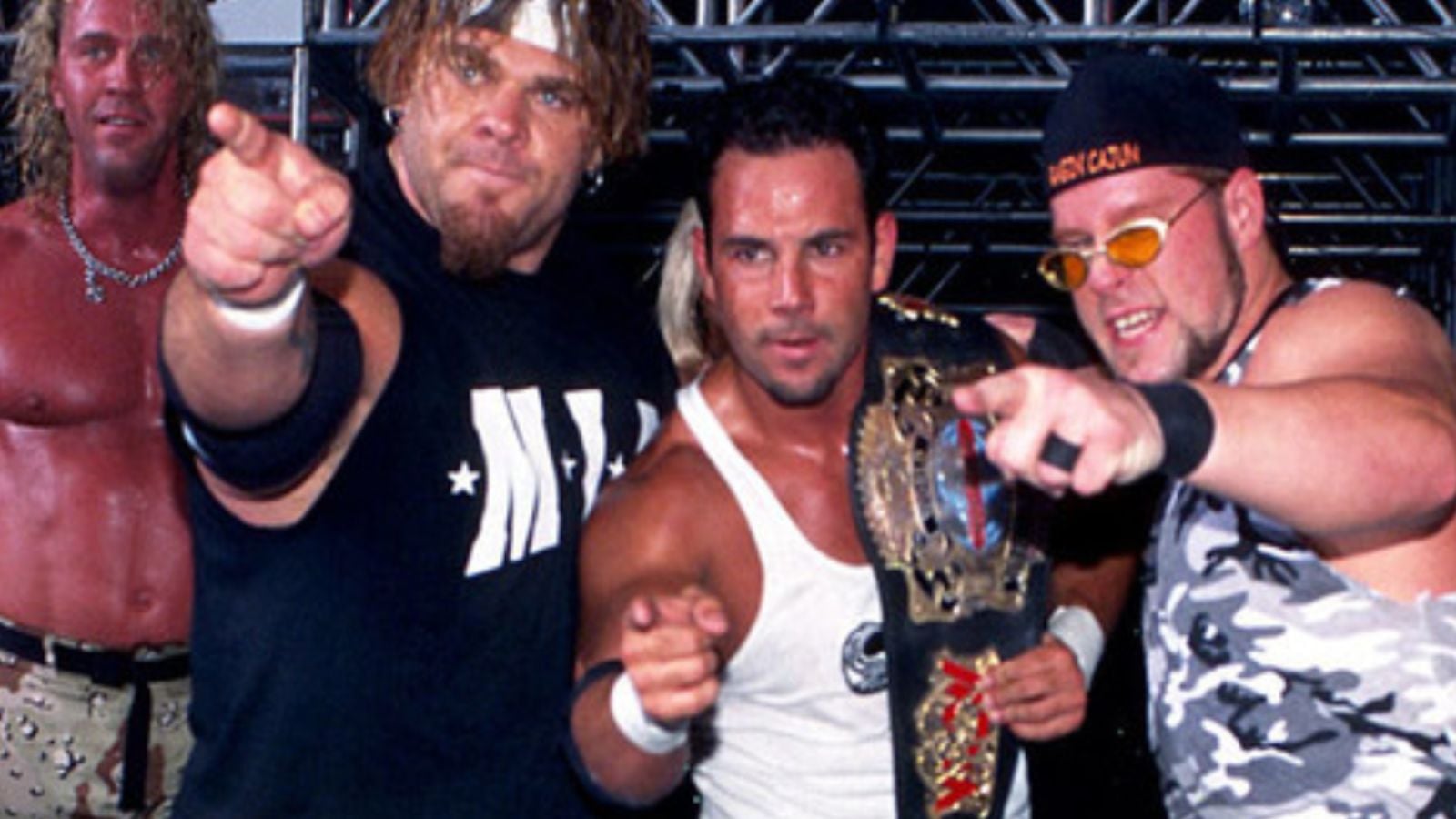
The Misfits In Action were exactly what the name suggested, a loosely assembled group of mid-carders given military-themed pun names and pointed at whatever the week’s storyline required.
Captain Hugh G. Rection. Major Gunns. And, in Van Hammer’s case, Private Stash, a barely veiled weed reference that Hammer took exception to, not on principle, but on rank. He reportedly complained that the name placed him too low in the kayfabe hierarchy, and the promotion obliged, bumping him to Major Stash. Only in professional wrestling.
It was, in hindsight, a fitting late chapter for a WCW run that had begun with Dusty Rhodes proclaiming him the next Hulk Hogan.
Van Hammer wrestled his last WCW match in July 2000, losing to The Demon, at which point he was allegedly earning $300,000 a year. Weeks later, WCW itself would begin its terminal slide toward the sale that ended everything.
Life After WCW: Van Hammer Steps Away
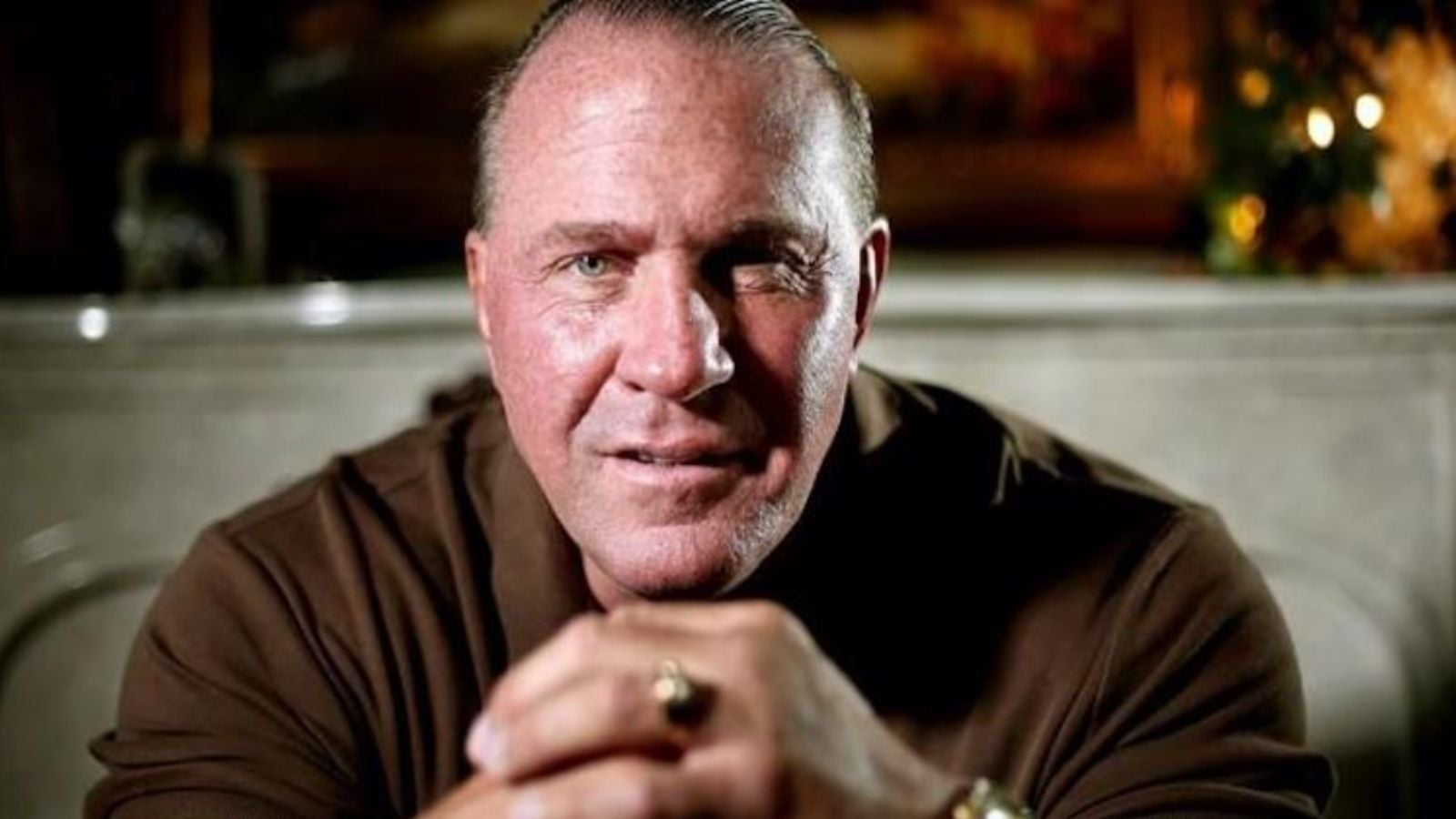
When WCW folded in 2001, many of its roster found a soft landing in the newly launched NWA Total Non-Stop Action. Hildreth was not among them. He walked away from full-time wrestling without fanfare, telling Bill Apter that “age and pain” had made the decision for him.
In his 2014 interview with The Palm Beach Post, he was candid about what the lifestyle had cost him beyond the physical wear.
“Two hundred to two hundred and fifty days on the road a year are hard on a marriage all by itself. Most marriages do not survive a wrestling career. Mine did not. It is a hard life. Figure 150 plane trips a year; in that year, you will be inside a few tubes for MRIs. Figure a surgery every other year. The reality is that you are never home. Some guys do 370 shows a year and are booked for 40 days straight. You are on TV, and you are recognizable, but you are in a different city every day, and it is usually not Chicago or Atlanta; it is Peoria and Lubbock because wrestling works small town USA.”
He added that most fans had little understanding of what performers actually endured to entertain them each night. Hildreth continued wrestling sporadically on the independent circuit, finally stepping away for good after a 2009 match for MCW in Baltimore.
Away from the ring, his life with Alexis (Hildreth) Telscher traced the same arc as his wrestling career. The two began dating in Atlanta in the early 1990s, eventually moving in together with Marc Mero as their roommate. They were together for roughly eleven and a half years and married for nine and a half of those, a stretch that covered his rise, his frustrations, and the years immediately after WCW. In 1998, they bought a house on 18 acres in Hebron, Maryland, next door to his late father and stepmother, and lived there for 6 years before divorcing.
By the mid-2010s, Hildreth had settled in Boynton Beach, Florida, running Madaris Windows and Siding, a home improvement business specializing in hurricane-resistant windows. The professional wrestling business, for the most part, had moved on without him, and he seemed content to let it.
There was one notable exception. Hildreth was booked to appear at Starrcast, a fan convention that runs alongside major wrestling events, accepted the appearance fee, and did not show up. When the story circulated, Eric Bischoff delivered a line that stuck: “I wish he would have no showed WCW.”
Despite the divorce, Alexis says she and Hildreth remained good friends for years afterward. Her decision to speak now, she explains, is driven less by nostalgia and more by a desire to see his life described with more nuance than the familiar punchlines allow.
Diane Hildreth: Life With Mark In His Final Chapter
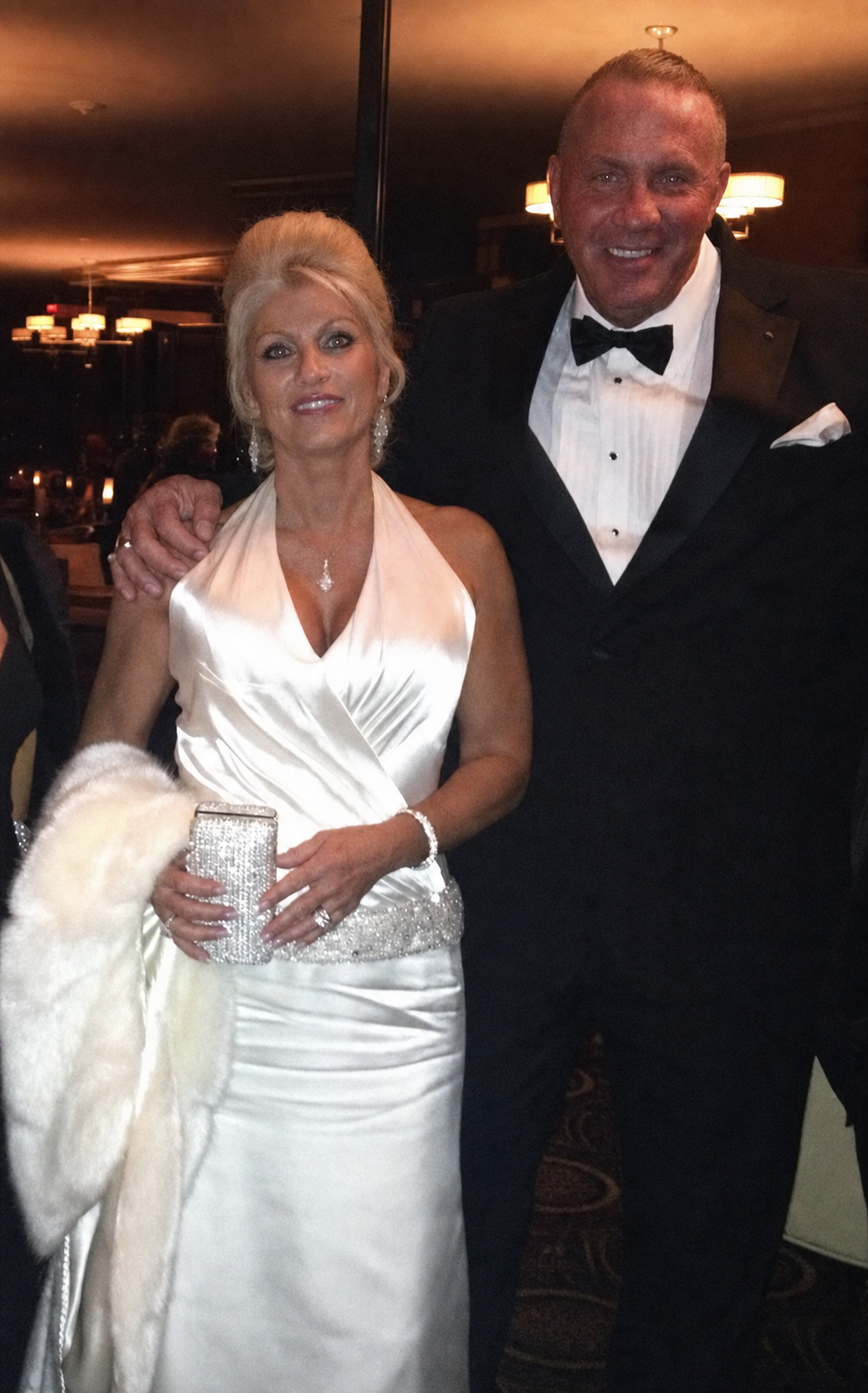
Mark Hildreth’s most recent wife, Diane “Sammie” Hildreth, reached out to Pro Wrestling Stories in June 2026 to share her own account of his final years. She asked that we wait until his autopsy was complete before publishing. Her perspective covers a chapter of his life that published accounts had largely left blank.
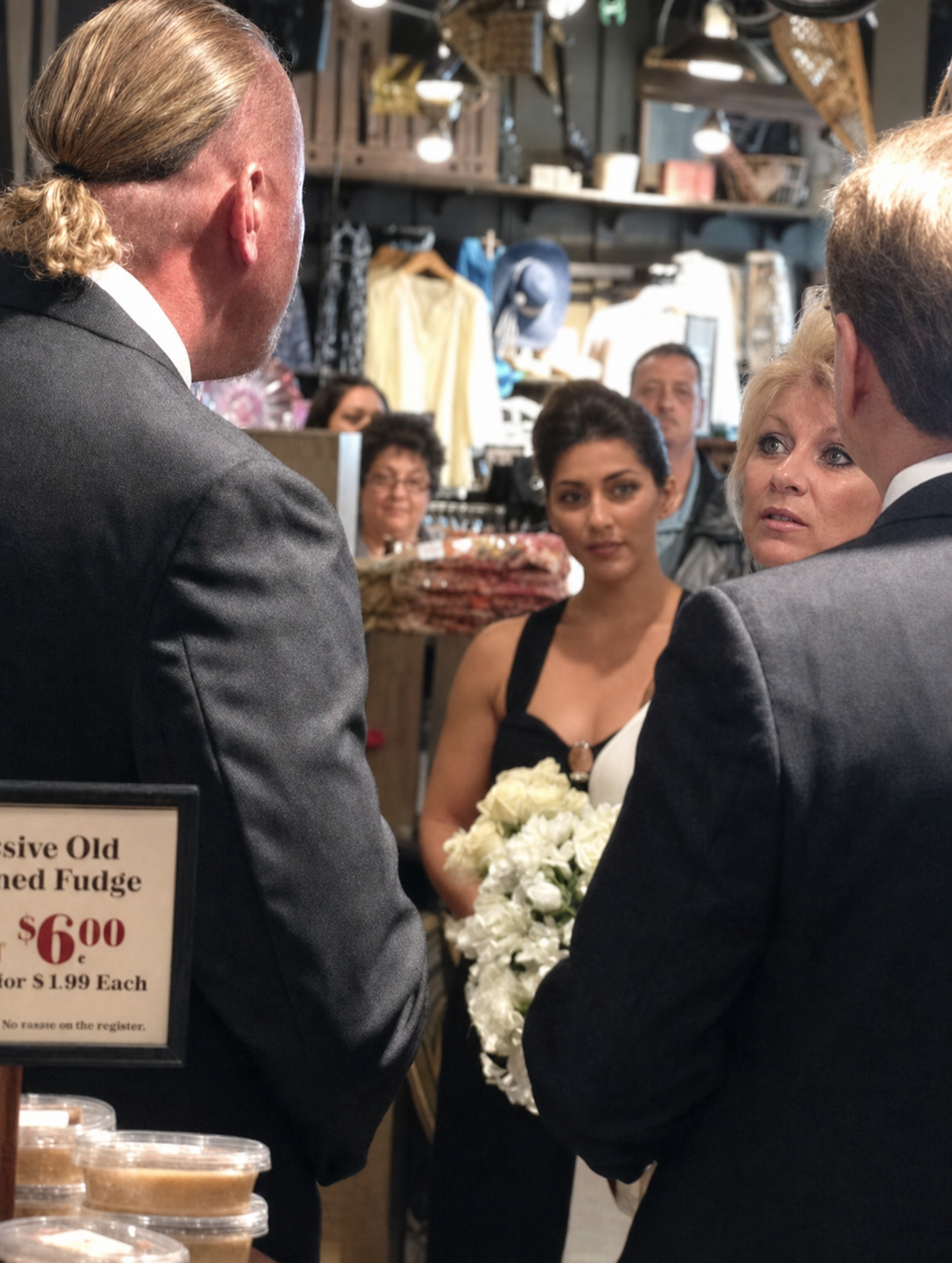
The two met on February 2, 2011, at a Cracker Barrel in Boynton Beach, Florida. Diane had just finished teaching an early morning fitness class and stopped in to buy a Valentine’s Day card. Hildreth walked in, spotted her at the card stand, made his way over, and invited her to breakfast. He turned his phone off when they sat down. Two and a half hours later, they realized how late it had gotten.
They began dating soon after, and Hildreth wasted no time bringing her into his world. A road trip north introduced her to friends, including Lex Luger, Marc Mero, and Diamond Dallas Page, the man Diane says Mark stayed closest to until the very end. Two years after meeting, they married in the spot where it all began, at the card stand in that same Cracker Barrel. They honeymooned in Paris.
It was, by any measure, a love story. It was also an exhausting one.
“We experienced many extreme highs together,” Diane told Pro Wrestling Stories exclusively on June 4, 2026, “and Mark endured many extreme lows. History seemed to repeat itself with his personal battles and compulsions. When Mark started spiraling, I would contact Marc Mero. He always advised me on what I should or shouldn’t do. I kept Marc in the loop over the years regarding Mark’s condition. Marc was and continued to be a good friend to me.”
Each detox and rehabilitation stay, and there were many, came with its own particular hope and heartbreak. “Each of Mark’s detox and rehab stays were necessary,” she said. “He could not stop his uncontrollable compulsions on his own. While in rehab, Mark told me he would make new contacts and learn new tricks of the trade, but rehab was also a requirement if he wanted to keep his job. That was his priority. Getting sober was not. He told me he enjoyed the high too much. I wanted his sobriety for him more than he did.”
The closest they came to a breakthrough was also the most painful near miss. Diane issued an ultimatum, and Hildreth agreed to detox at home under her care. The process took three grueling months. When they finally reached the point where he was down to almost nothing, they drove to Maryland to share the news with his mother. “Best trip ever,” Diane recalled.
They returned to Florida that same day. He went straight back to the opiates. “That was when I knew his addiction had won,” she said. “Mark gave it his best try, but he could not do it. Addiction is more powerful than I ever realized. It took over his mind, body, and soul.”
They divorced after eight and a half years together. Hildreth had been married before: first to a wife he would text occasionally, who later remarried, and then to a second wife, from whom, by his own account, there was no love lost. Their marriage ended badly, and Hildreth never spoke of her again. Diane was his third wife.
Despite the divorce, Diane remained his personal emergency contact until the end. “I was really exhausted from that marriage and gave it my all,” she said, noting that she has never dated again since. “Marc Mero can attest to that.”
Van Hammer’s 2020 Florida DUI Hit And Run
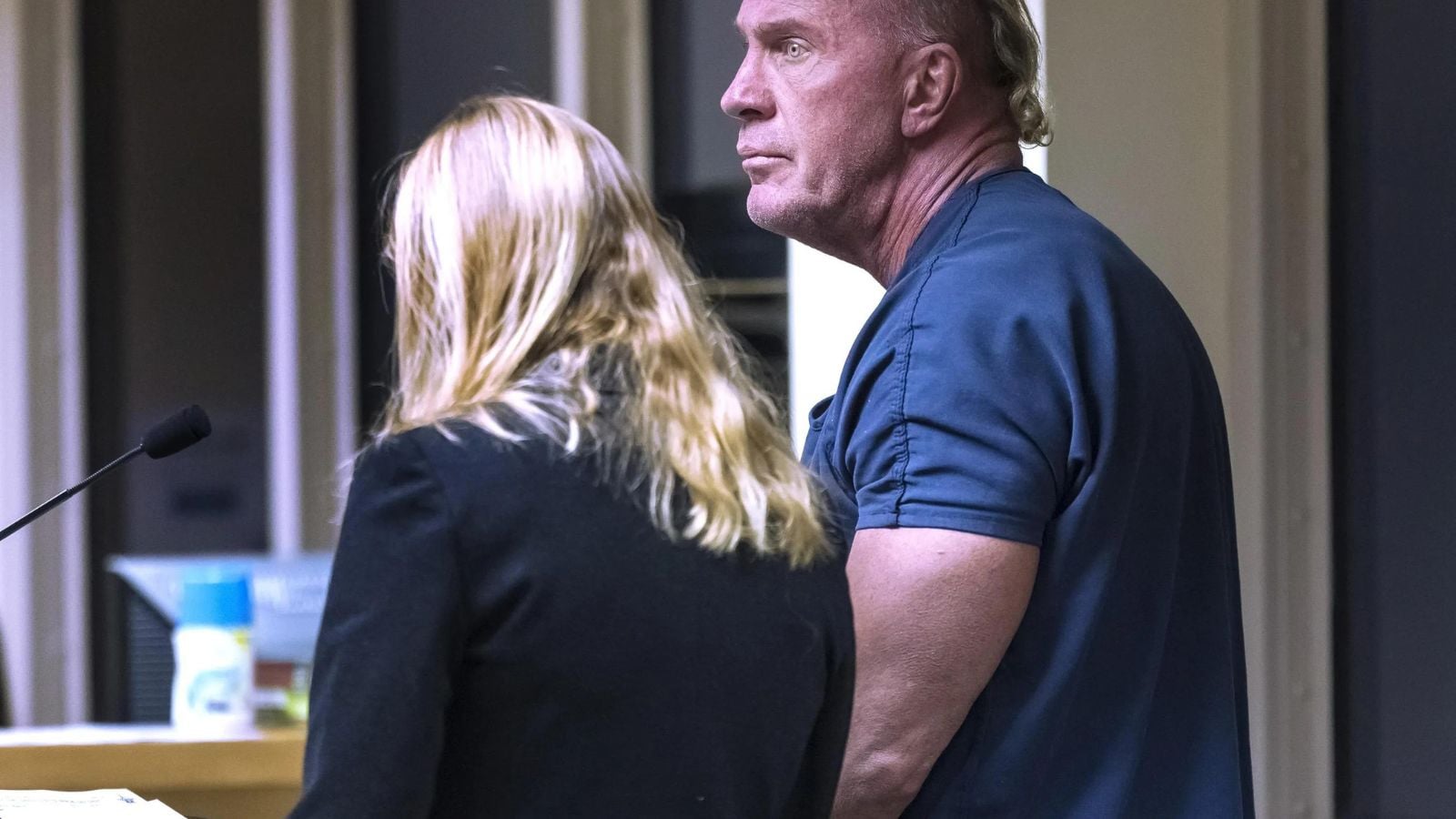
In January 2020, the name Van Hammer resurfaced in the news for reasons unrelated to professional wrestling. Mark Hildreth was arrested in Boynton Beach, Florida, and charged with a first-degree felony hit and run alongside a DUI charge.
According to reports from local Florida outlets and national wrestling media, Hildreth was traveling at approximately 58 miles per hour in a 35 miles per hour zone when his 2014 Mercedes-Benz S 550 struck a five-year-old boy who had been riding his bicycle alongside his father. The child was thrown onto the hood of the vehicle. He was taken to the hospital and treated for his injuries, fortunately avoiding any permanent or life-threatening damage.
What followed made the situation considerably worse. Hildreth reportedly stepped out of the car, offered the explanation that the child had “jumped right in front of me,” and drove away, leaving the scene entirely.
Two witnesses followed his vehicle home and contacted the police. He was taken into custody shortly after.
Plea Deal And Fallout From Van Hammer’s DUI
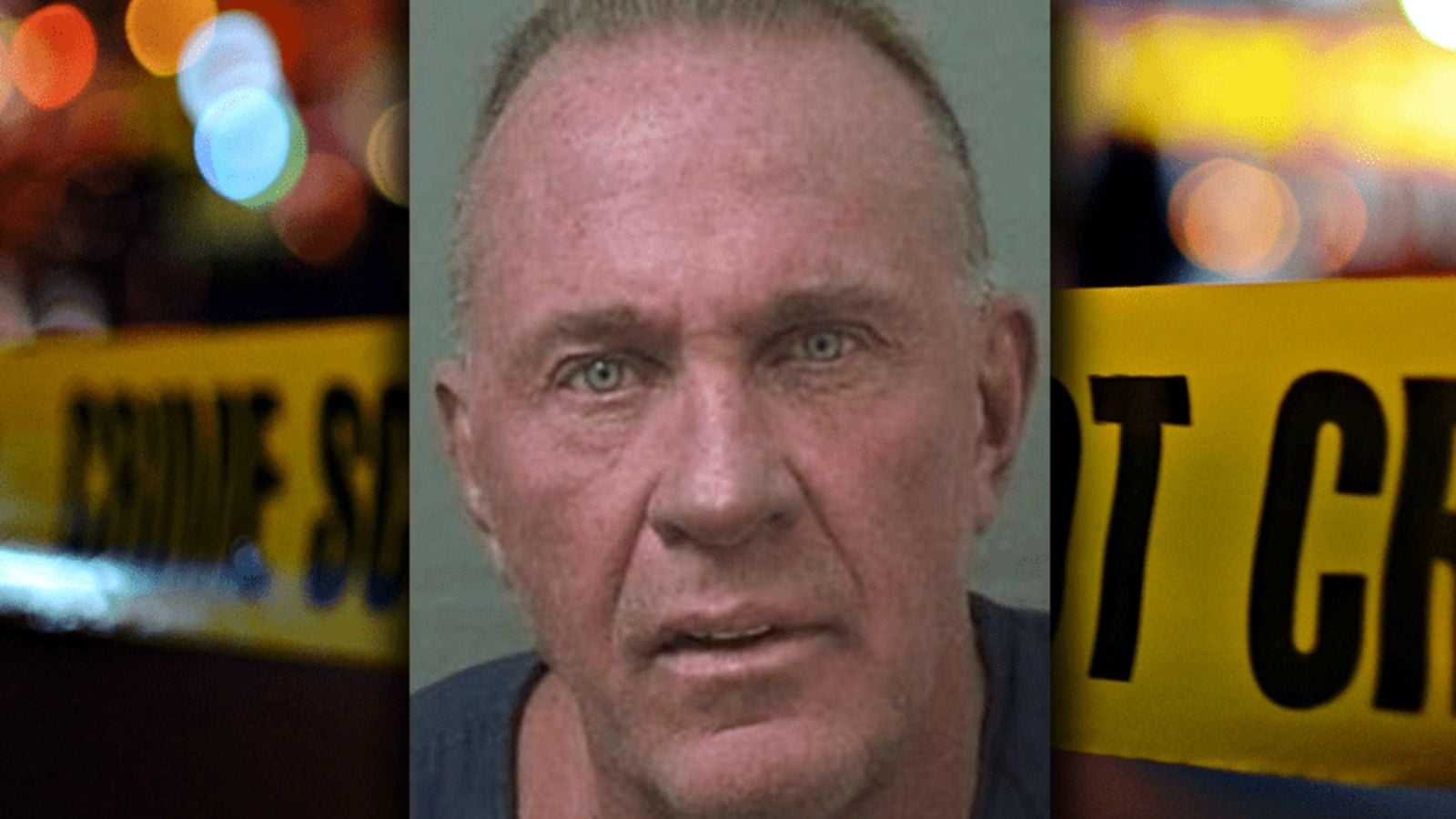
The 2020 arrest was not Mark Hildreth’s first encounter with a DUI charge. Court records showed two prior offenses, one in Texas in 1985 and one in Georgia in 2004, making the Boynton Beach incident his third. His bail was set at $125,000.
As part of a plea deal, Hildreth pleaded guilty to DUI, causing property damage and injury, and to leaving the scene of an accident. The sentence handed down included one year of probation, a one-year suspension of his driver’s license, and an ignition interlock device fitted to his vehicle for a year, with credit applied for time already served. The boy, mercifully, had recovered.
For many fans who only vaguely remembered the heavy metal gimmick and the Flock run, the 2020 case became their first real introduction to who Mark Hildreth was outside of WCW. The contrast between the smiling arm-wrestling tournament winner on early-1990s television and the man in court records decades later was jarring.
Van Hammer’s Cause of Death Revealed: Demons, Death, and Complicated Legacy
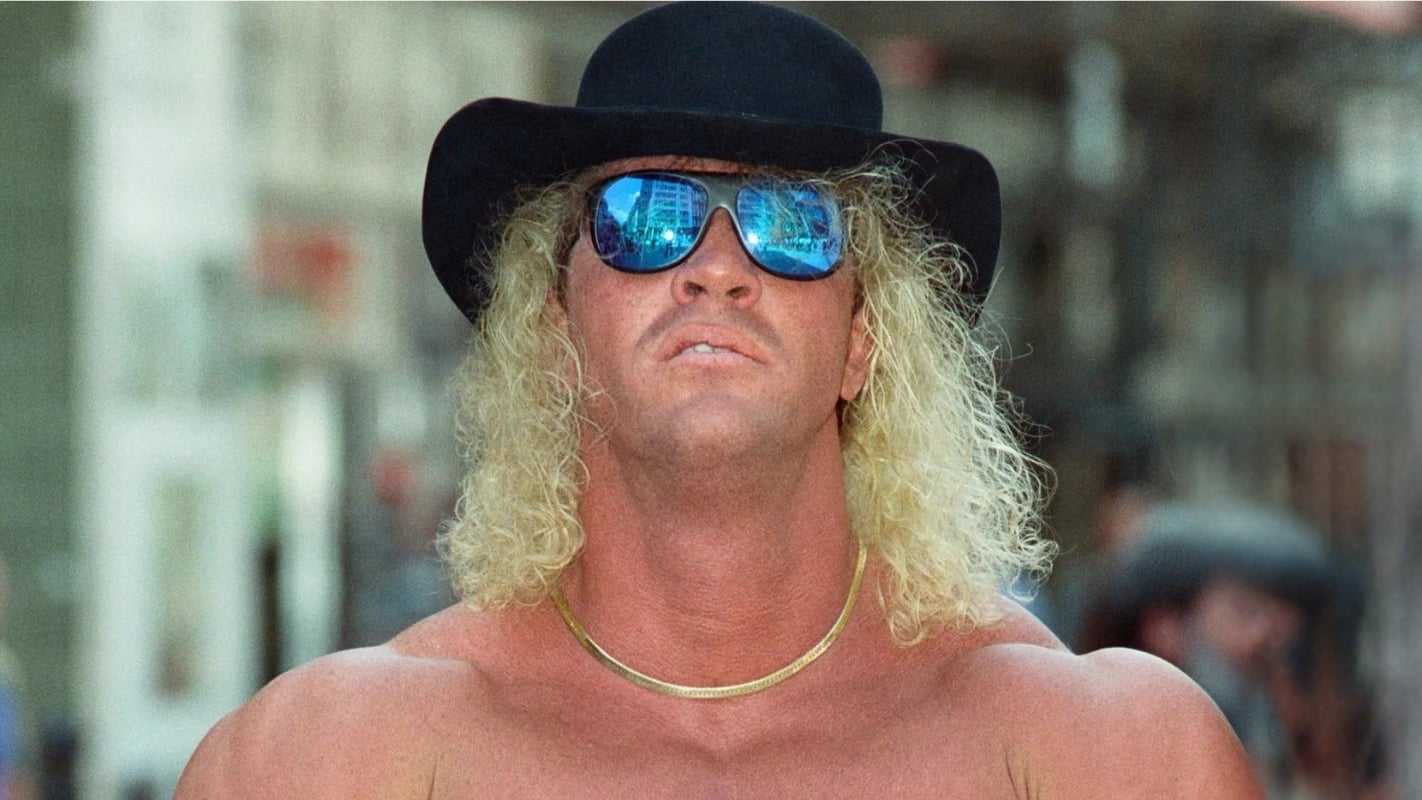
There is a version of Van Hammer’s story that reads as a straightforward cautionary tale, a green rookie handed too much too soon, never quite able to bridge the gap between the gimmick and the ability required to sustain it.
Eric Bischoff, who had a front row seat to all of it as WCW Vice President, put it plainly in a later interview: “If a Van Hammer were breaking into the business today, he would have a hard time getting booked on an independent show at this stage of his career. Not a criticism, a fact, based on his lack of experience.”
And yet the full picture is more complicated than that framing allows. Hildreth arrived with almost no experience and still managed nearly a decade with one of the two biggest wrestling promotions in the world, earning a reported $300,000 a year by the end of his run. By any objective measure, that is a career. It simply was not the career that the $150,000 contract and the Dusty Rhodes comparisons had promised.
Alexis (Hildreth) Telscher, who corresponded exclusively with Pro Wrestling Stories in April 2026, did not mince words about the way her former husband’s career has been framed over the years.
“The public theme of Mark’s career has always been: Hammer was pushed too hard, too soon, disliked by the boys, etc.,” she said. “However, that is lazy, cowardly, bandwagon propaganda instead of real journalism. Popular opinion is not always what is reported. It is often shaped by reporters, then repeated until it is accepted as reality. Mark deserves better than the stale, tired, status quo, especially as a summary of his career at the end of his life on earth.”
She was equally direct about the private battles that ran parallel to his public ones.
“He was not a bad guy,” she said. “He battled demons, that is for sure. I personally witnessed several excruciating and courageous efforts to detox, get and stay clean and sober. He gave it all he had, but in the end, he lost the war that waged in his soul his whole life.”
Diane Hildreth, who lived through those final years beside him, exclusively shared the details of his passing with Pro Wrestling Stories in June 2026 after waiting for his autopsy report to be completed. According to her, Mark Hildreth passed away on April 18, 2026, jobless and alone.
The autopsy reported a 2.5-inch laceration on the back of his head, two fractured anterior ribs, and evidence of long-term substance dependency in the liver. The cause of death was recorded as complications of chronic ethanolism.
“Mark had so many wonderful qualities,” Diane said. “He was resilient and resourceful in so many ways and he was the best closer ever. He was so proud of that. As much as I dreaded those early morning or late evening calls from the Palm Beach County Sheriff’s Department reporting he was picked up again and needed bail, I will miss those calls. I never thought I would say that. That is when you know it is really over.”
On April 18, 2026, Marc Mero, the same man Hildreth had driven eight hours to Atlanta decades earlier so he could sign his first WCW contract, broke the news of Mark “Van Hammer” Hildreth’s passing publicly. Mero’s Facebook tribute captured the side of Hildreth that the backstage stories rarely showed.
“It is with a heavy heart that I share the passing of our dear friend, Mark Hildreth, known to so many as Van Hammer. Mark was a fighter in every sense of the word,” Mero wrote.
“Life threw its share of challenges his way, but he had a resilience about him; he always found a way to rise, to push forward, to keep going.
“I have so many incredible memories with him that I will carry forever. We first met while he was vacationing in Venice, Florida, working out at a local gym. Mark did not hesitate. He drove me eight hours so I could sign my very first contract with World Championship Wrestling.
“That is the kind of person he was, loyal, selfless, and always there when it mattered most.
“We went through wrestling school together, chased the same dream, and before long, he earned his own contract. We even lived together in Atlanta, training, grinding, and building a life around the passion we both shared. We were also chosen to help promote WCW for the United Kingdom Tour, making countless personal appearances, appearing on television, and even doing promotional work alongside Gladys Knight. Those were unforgettable moments.”
The tributes that followed were measured and honest, much like the career itself, acknowledging the look, the heavy metal presentation, the unlikely longevity, the self-inflicted wounds, and the loyalty that those closest to him remembered long after the ring lights had gone dark.
Across the accounts of Marc Mero, Alexis (Hildreth) Telscher, and Diane “Sammie” Hildreth, a fuller picture emerges than any published profile of Van Hammer ever captured.
Mark Hildreth was a man who made serious mistakes, hurt people along the way, and never became the in-ring star WCW once hoped he would be. He was also a man who drove friends eight hours on a handshake, who married the woman he met by the Valentine’s Day cards, who fought for sobriety more than once with everything he had, and who spent years wrestling with battles that no television audience ever saw. He was 66 years old.
These stories may also interest you:
- The Renegade: The Tragic Tale of Wrestling’s Richard Wilson
- Sean O’Haire: Wrestling’s Tragic Cautionary Tale
- Crash Holly: Rise and Tragic Fall of WWE’s “Super Heavyweight”
Download PDF Version
Get the complete article as a formatted PDF for offline reading.


