Author:
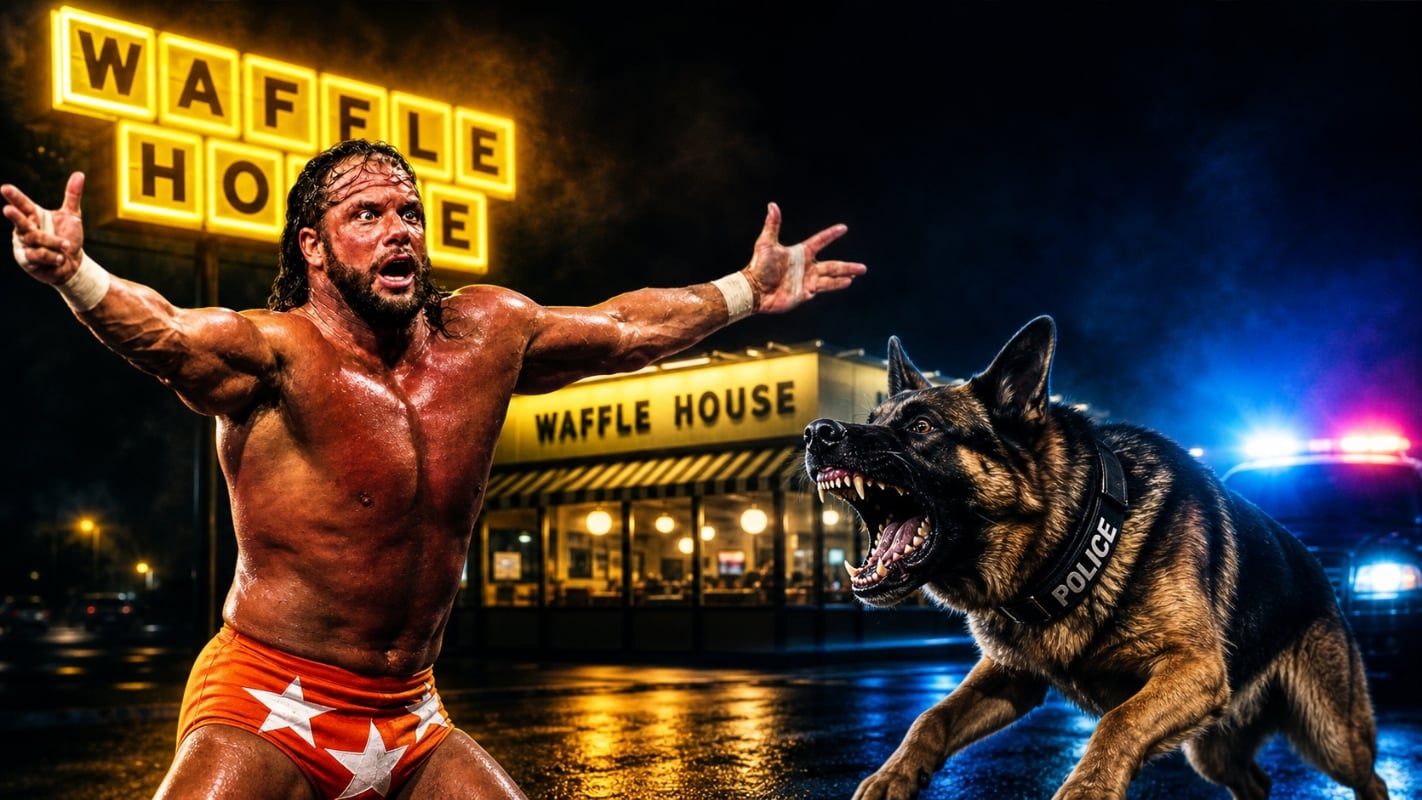
 Macho Man Randy Savage was used to chaos in the ring. On television, his voice cracked through arenas, all OHHH YEAH and wild eyes, then he went home and did it all again the next night. But in 1978, one routine stop at a Nashville Waffle House after a house show turned into something far more dangerous than a worked main event. A celebrating cowboy, a room full of startled staff, a swarm of police, and a relentless K9 would leave Savage injured, arrested, and with a scar he would show off for years.
“Randy was a reality show before reality shows were even a thought in anybody’s mind.”
– Dutch Mantell, in a tribute to his friend Randy Savage.
Macho Man Randy Savage Starts A Wild Waffle House Brawl
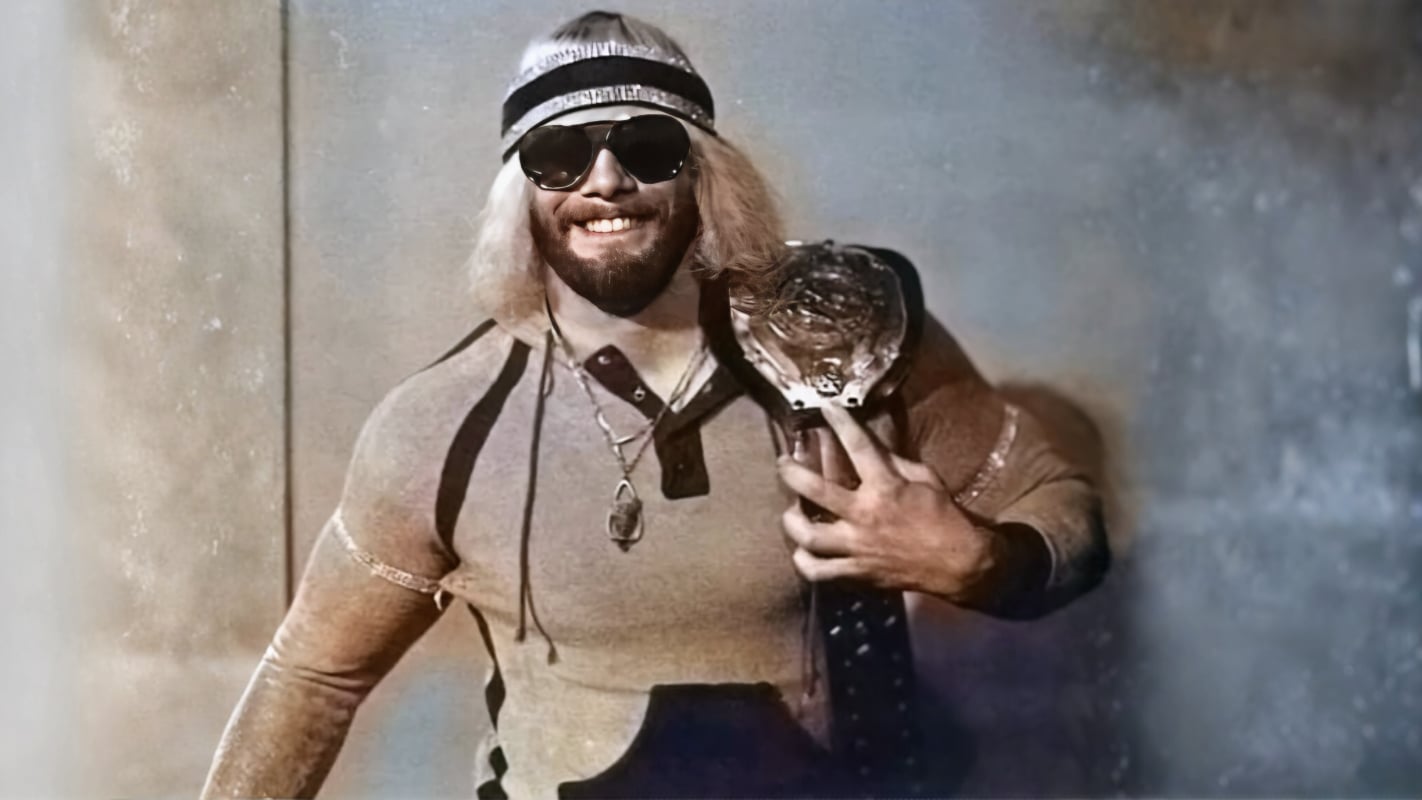
To understand how this night unraveled, it helps to understand where Randy Savage was in his career at the time. He was not yet the Macho Man the world would come to know.
Dutch Mantell, who was working opposite him in the Nashville territory and would later recount the story in full in his autobiography The World According to Dutch, puts it plainly: “Randy Poffo morphed into Randy Savage, who then morphed into Macho Man. It didn’t matter what time of day you saw Randy in those days, he was always full-blown Macho Man mode. You saw him at six o’clock in the morning, and he was Macho Man 24 hours a day. That’s what he morphed into.”
In a later conversation with Jim Cornette, Mantell added the broader picture of what Savage was like on that Nashville circuit.
“I met him way, way years before he went to the WWF, but he worked the same then. We’d be in front of houses of sometimes 150 people, and Savage would turn in a match that was Madison Square Garden worthy. His daddy (Angelo Poffo) told him one time, ‘I don’t care if 10 people show up. You’re going to go out there, and you’re going to bust your *** for those 10 people. It’s not their fault nobody else came.'”
Records confirm that Mantell and Savage clashed regularly on the Nashville circuit through 1978, including a Taped Fist Match on March 18, 1978, for the NWA Mid-America title. It was the kind of program that built heat week after week on Wednesday nights at the Fairgrounds Arena, and the night of the Waffle House incident came directly off the back of one of those shows.
As Mantell recalled to Cornette, “This was on a Wednesday night. We had the local matches in Nashville on Wednesday, and I had wrestled him that night.”
After the bell, Savage headed out with Rip Rogers, who was working as the Disco Kid at the time. A 24-hour diner was the standard end to a long territory night, and a Waffle House off the Harding Place exit on I-24 was close to where Savage lived.
In his book, Mantell is direct about the appeal, sharing, “Waffle Houses are 24-hour, never-closed diner-style restaurants, which feature fast food at a cheap price. When you mention cheap, that was exactly in Macho Man’s price range. Randy was noted for his frugality years before Mick Foley made it an art form.”
Rip Rogers, the one eyewitness to everything that followed, set the scene simply in a 2019 interview with Hannibal TV.
“I’m just sitting there. We had just worked Nashville that night, and Randy and I went out to get some steak and eggs or whatever.”
The place was empty when they sat down. Mantell writes, “Savage, according to Rip, who relayed the story to me afterward, was not feeling any pain when he walked through the door. What that means is anybody’s guess. Let’s just say Randy was feeling good.”
They had barely given the waitress their order when the door swung open. As Mantell described it to Cornette, “A guy came through the door. He worked there on the first shift. He was a cook on first shift, I found out later. And he said, ‘Hey, everybody, I’m getting married!’
“They just stopped everything, and everybody said, ‘Oh, congratulations,’ and they were laughing and applauding. That stopped Randy from giving his order, and he was hungry, and he was irritable anyway.”
In his book, Mantell fills in what that looked like from Savage’s seat.
“The waitresses were elated. They immediately walked away from the table where she had been taking Randy and Rip’s order and gave the cowboy a high five, which Macho took as a sign of disrespect. Randy was hungry and he wanted food, not some bull**** happy go lucky story.”
Mantell continued, “As all of the waitresses and cooks congratulated the cowboy, in Randy’s mind, all that was being accomplished was his food was being delayed. On the surface, it was a feel good happy moment for all of them. All of them… except Savage. Savage wasn’t very happy. Savage wanted a waffle. NOW!!!”
The congratulations wound down. Then, as Mantell told Cornette, “It kinda got quiet in there. It’s only Randy and Rip and the cook. They’re the only ones in the Waffle House. And Randy says, ‘Who gives a ****?‘”
Cornette’s reaction to Savage sharing this said it all: “Oh my God.”
Rip, sitting right beside him, remembered it the same way.
“Randy had been over after the matches or whatever, so Randy had to say, ‘Who gives a ****?’ Holy ****…”
Mantell continued, “That’s a direct challenge to the guy. The guy was embarrassed, and now he’s got to make a stand for his woman. So he says, ‘You better give a ****.’ And Savage says, ‘I don’t.’ He says, ‘By God, you better.'”
In his book, Mantell goes further in explaining why Savage said anything at all.
“Why Savage even said anything to the cowboy in the first place is beyond me. But Savage just didn’t give a ****. Down South, that behavior can’t be ignored. Whether the cowboy wanted to make an issue of it or not, he was being forced to make a stand. He had balls between his legs, and balls sometimes make a man do things he wouldn’t ordinarily do, like act stupid at 12 midnight.”
The cook started walking toward the booth. Savage stood up. Mantell picks it up from there.
“The guy started walking toward Randy. Randy was in the booth, and Randy stood up. Randy says, ‘We got a problem?’ The guy says, ‘I don’t know, do we?’ And all of a sudden the fight just started breaking out. They started swinging at each other. They had a big Wurlitzer jukebox, and they wallowed in front of that for a while.”
In his book, Mantell notes that according to Savage, the other man swung first, though he concedes the point with a raised eyebrow.
“I don’t know who swung first but, according to Savage, it was the other guy. Savage grabbed the cowboy in a headlock, which I didn’t even know he knew how to do, and they both went down on the floor and were punching and kicking and screaming at each other right in front of the jukebox.”
Rip, for his part, made a swift and entirely sensible decision. As Mantell wrote, “Rip did what all good friends do when their buddy got into a fight. He bolted out the door to the parking lot.”
Rip does not dispute this. “Holy ****,” he said, colorfully recalling the moment things went sideways. “That’s where the guy was working, I guess. Maybe the wife was a waitress, I have no idea. But, long story short, it sort of ruined our meal.”
Enjoying this story? Own it forever.
No ads. No interruptions. Download the full story as a beautifully formatted PDF at just $0.99.
Get My Copy — $0.99Nashville Police Struggle To Arrest Randy Savage At Waffle House
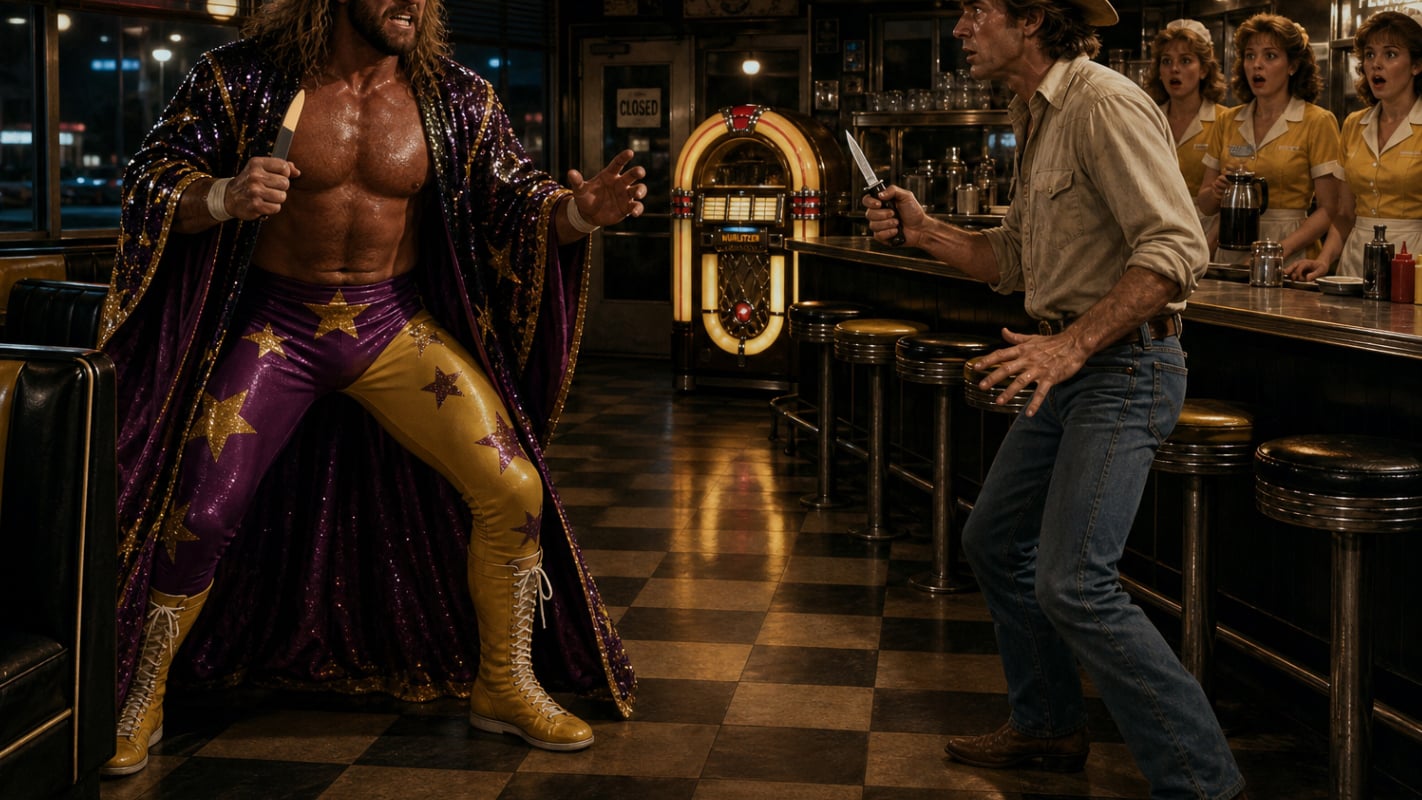
On the floor, Randy Savage and the cook traded punches without either man doing serious damage. Then the cook reached into his pocket.
Mantell wrote in his book, “Somehow, the cowboy guy worked his way free from Savage, reached down in his pocket, and pulled out a knife. Now, this fight was going a little too far. But the cowboy wasn’t stupid. He knew who Savage was. Everybody in Nashville had seen this crazy character on the Saturday afternoon wrestling show.”
Savage had no weapon. He went looking for one. As Mantell told Cornette, “Randy hopped over the counter and grabbed a knife. And now they were like an Errol Flynn movie, sword fighting each other.”
Then Savage looked down at what he was actually holding. Mantell, in his book, “It was a butter knife.”
Rip, watching from the parking lot, remembered the same beat with a laugh. “Randy said, ‘Give me a knife.’ So I threw him one.”
Sirens were already closing in. The cook heard them first. Mantell, from his book: “The cowboy, when he heard the sirens, had the sense to take off, and he ran out the door. Savage, however, didn’t feel the same urge. Savage believed that he was the victim of this whole incident and it was the other guy’s fault totally.”
Two Nashville Metro officers rushed in. Every employee in the building immediately pointed at Savage. Mantell wrote, “Right as the police entered, the entire Waffle House staff all stooged Savage as the instigator of the whole thing. He was the Macho Man, the guy who acted like a complete crazy man on TV. Actually, Randy was very convincing in his interviews because he had the whole town thinking he had mental problems. Savage blurred the lines between reality and make-believe.
Cornette, retelling the scene, remembered exactly why the officers were already on edge before they even stepped through the door.
Everybody knew Savage in Nashville because of the TV, and a lot of people watched wrestling in those days. Even if you weren’t a wrestling fan, if you came by a guy doing an interview saying, ‘Oh yeah, oh yeah,’ you’re going to stop and watch, because he sounded like a crackhead years before crackheads were even invented.
The officers ordered Savage to turn around. Mantell continues, from his book, sharing, “In Randy’s view, it was he who was the victim, not the aggressor. In his mind, the cowboy was the one who started it, not him. Randy pleaded his case and tried selling his story, but the cops weren’t buying.”
As Mantell relayed to Cornette, “They came in and said, ‘Okay, Randy, calm down.’ He was all excited. They couldn’t calm him down. Finally, they said, ‘We’re going to have to get some cuffs on you.’ So they tried to cuff him, and Savage started fighting them. They couldn’t get the cuffs on him.”
Then the mace came out, and the situation took a turn no one had planned for.
Mantell, from his book, “These two cops apparently could have had starring roles in the Keystone Cops series. They were as inept in using pepper spray as they were in using handcuffs. As one cop went to mace Randy in the face, Randy ducked, and the mace got the other cop right in the eyes. From that point on, the maced cop was out of the melee. The scoreboard now read: COPS 1… SAVAGE 1. Randy had tied up the game. It was a friggin cluster ****.”
With one officer blinded on the floor and a second drawing his baton, Savage grabbed the downed cop’s dropped club and used it as a shield. Mantell is careful to note: “To the Macho Man’s credit, he didn’t use the club against the cop but only used it as a shield against the cop’s attempts to subdue him.”
By now, a crowd had packed the parking lot. As Mantell pointed out in his book, Waffle Houses are built with floor-to-ceiling glass on all sides. Every person outside had a perfect view. “There was not a bad seat in the parking lot.”
Love Pro Wrestling Stories? Add us as a Preferred Source on Google so our stories always show up first for you. It only takes one click.
Add Us on GooglePolice Dog Bites Macho Man Randy Savage Inside Nashville Waffle House
More squad cars screamed into the lot. When the reinforcements poured in, Randy Savage had six Nashville Metro officers staring him down, backed into a corner, still holding the club. In his book, Mantell painted a picture of the scene.
“The cops were screaming for Savage to give up but Macho Man wasn’t obeying. Apparently, somewhere along the way, Savage had missed reading the manual on the protocols of surrender.”
The shift sergeant who walked through the door next had, by a stroke of irony, worked security at the wrestling matches earlier that same night. He knew Savage personally. He addressed him by name and kept his voice calm. As Mantell told Cornette, “Here comes the lieutenant in. He knew Randy, and he called him by his name. He said, ‘Now, Randy, calm down.’ And Randy said, ‘No, man, you’re letting the other guy get away. He’s the one. I was attacked,’ this, that, and the other. They tried to get him again. They couldn’t get him.”
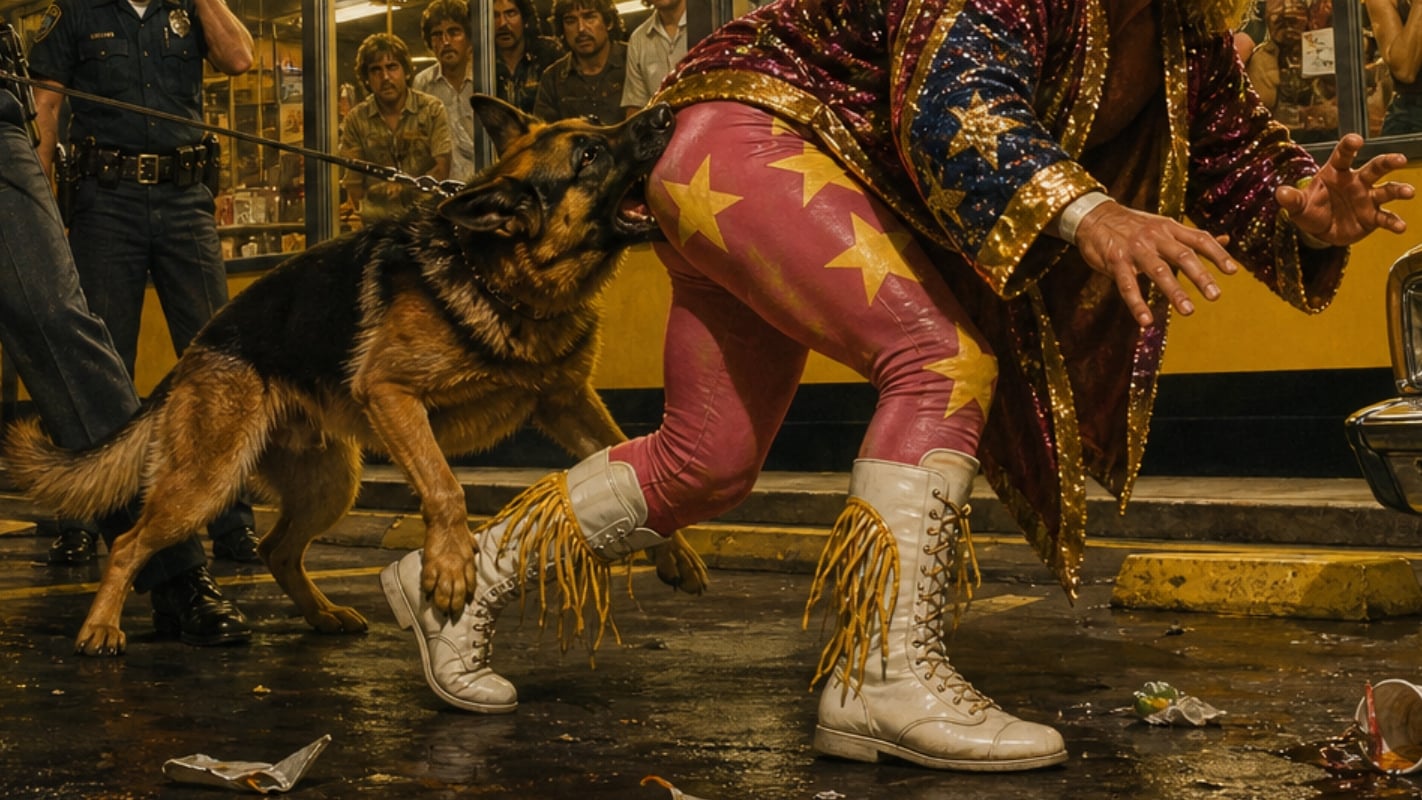
There was one option left. Mantell, from his book, shared, “Finally, the shift Sergeant ordered his men to back up. In through the door at that very moment entered a 75-pound German Shepherd police dog. This dog I learned later was one of the most aggressive dogs in Nashville police department history. The handler now ordered Savage to surrender, or the dog would be set free. Well, Savage was never good at waving the white flag. Surrender just wasn’t in the Macho Man’s vocabulary.”
The handler unleashed the dog.
“Well, what fight was left in the Macho Man suddenly went south as the police dog came after Savage. Savage didn’t have a chance against this dog, but he told me later that he did get one good kick in. Savage also admitted that was a BIG MISTAKE.”
Cornette, who heard the full account from Mantell, put it plainly: “You know the old saying, ‘He ripped him a new ***hole.’ Well, that was true in this case, because that dog bit Randy on his butt cheek about six to eight inches. They finally got him handcuffed, got him in the car, and got him down to the station and locked him up.”
Rip, who watched the whole thing unfold, confirmed the moment that finally ended Savage’s resistance.
“The cops came in. They realized who it was, and Randy would not back down, no matter what. He was sort of taking the sticks away from the cops while they were hitting him, and he had knots and red dripping all over him. But then the dog came in, and he did the job. He got bit in the butt and bit in the hamstring.”
Then Rip had to make a call of his own. “I had to go get his dad. We went down there, and Randy was handcuffed to a pole or whatever. George Weingeroff’s dad worked at the jail or something, so he was pulling some strings to get him out.”
In his book, Mantell lists the charges. “He was taken to the Davidson County Night Court and booked on a charge of resisting arrest, assault on a police officer, including the dog, failure to comply with police orders, disturbing the peace, and all other kinds of regulations and rules that he broke that night.”
Mantell found out what happened the next morning by opening his copy of the Nashville Tennessean over breakfast. From his book, he wrote, “On the front page, the headline read, ‘WRESTLER ARRESTED AFTER SKIRMISH WITH POLICE DOG.’ The first line read, ‘Apparently Randy Macho Man Savage didn’t get enough action last night when he took on Dutch Mantell in the Main Event at the Fairgrounds wrestling event. He also ended up fighting a Nashville police dog as well.'”
He called Savage around noon to check on him. Even stitched up and sore, Savage was still fully in character on the phone. He walked Mantell through every detail, including the kick, and eventually offered one piece of advice he had earned the hard way.
“Randy said if you’re ever confronted with police officers, just give up and do what they want. He also said he didn’t recommend picking a fight with a police dog. Randy said, ‘They are quite serious animals.'”
Savage was not done. Having read the story in the paper himself, he rang the reporter and demanded space for his side. As Mantell recalled in his book, “He was very complimentary of the Nashville police department and especially the dog. I wish I still had the article, as it was pretty funny reading it.”
Mantell told Cornette how the legal fallout was resolved: “I think Nick Gulas gave a donation to the police fraternal order or whatever, and they had it reduced and thrown out. I think he may have paid a small fine. That’s it.”
Cornette put the era in context, stating, “That must be the way everything got covered up and smoothed over. The promoter was so well-known in town and so well-connected that they’d give a donation to the appropriate offended party, and guys would get away with stuff so it didn’t hurt the business. Try that now. It’d be on the internet in three minutes.”
Mantell did not disagree. “That’s the way it worked, and in a lot of ways it probably worked better, because Randy didn’t really hurt anybody. He just got a big bite on the ***, and no cops got hurt. I guess Randy was just a forerunner of all that stuff.”
A few days later, Mantell caught up with Savage in Chattanooga ahead of a Saturday night show. Savage being Savage, the injury became part of the story immediately.
As Mantell told Cornette, “He said, ‘Look what this dog did to me.’ He pulled his trunks down, and there was a big bite mark on his ***. I said, ‘Well, that’s what happens.’ He said, ‘That’s what this dog did to me, man. Can you believe this?'”
In his book, Mantell adds the detail that stopped him cold when he saw it: “The bite had to be at least 9 inches long, and I could plainly see the puncture wounds where the dog’s teeth had dug in.”
Rip Rogers, the one man actually present for every moment of the night, has never let anyone forget that distinction: “I always liked how somebody who wasn’t there could tell the story. I was there. Nobody else but me.”
With hundreds of amazing Pro Wrestling Stories to dive into, where do you start? Get the inside scoop, join our exclusive community of wrestling fans! Receive 10 hand-picked stories curated just for YOU, exclusive weekly content, and an instant welcome gift when you sign up today!
Macho Man Randy Savage and the Waffle House Legacy That Never Faded
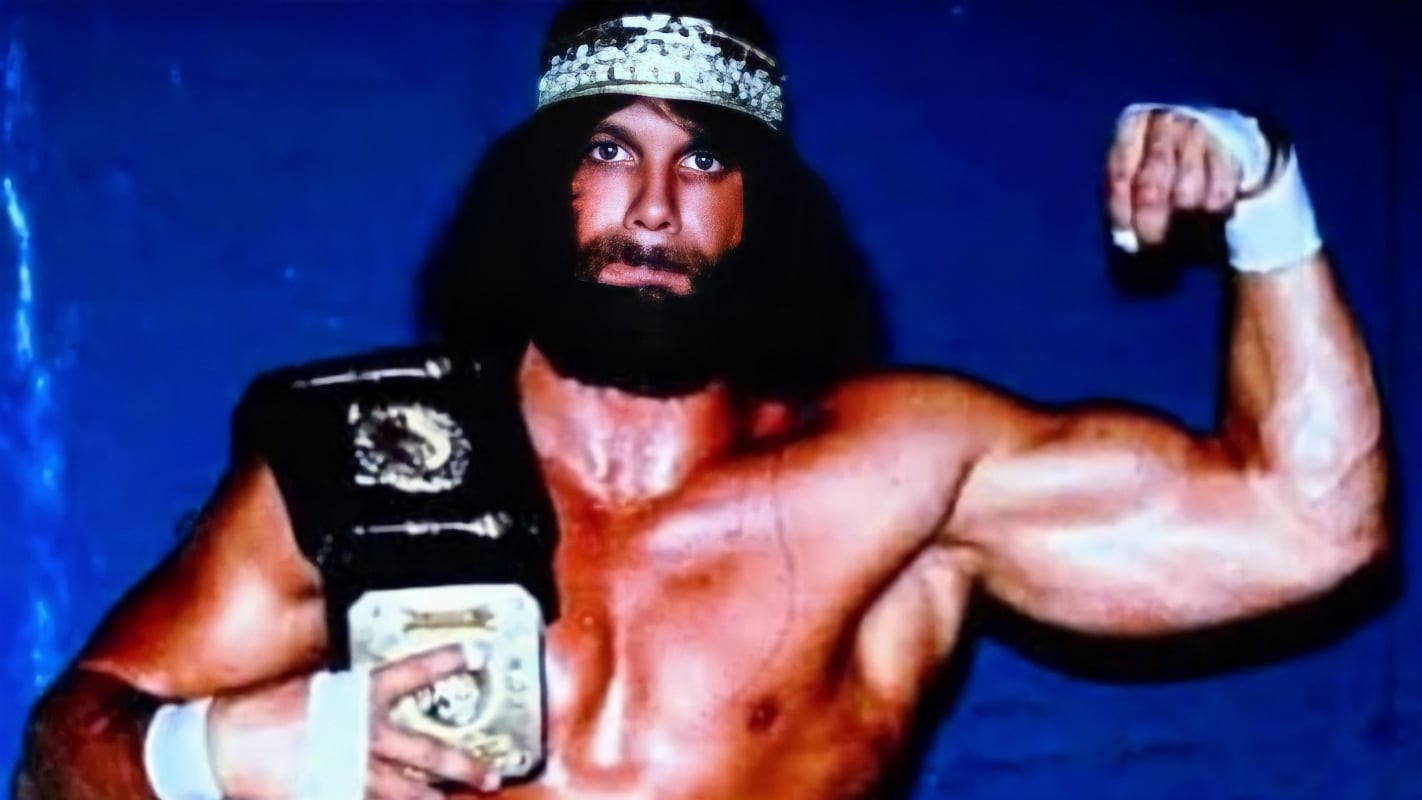
In the decades since, the Waffle House incident has been retold on podcasts, in print, in shoot interviews, and on Vice’s Tales From The Territories. The details shift slightly with each teller, and Dutch Mantell freely acknowledges he heard most of it secondhand from Rip. But across every version, the spine of the story holds. A hungry, volatile Randy Savage walked into a quiet diner, got offended while ordering a late-night meal, and pushed it until real consequences arrived.
Cornette, who spent years watching Savage operate in and out of the ring, summed up what made him both impossible to manage and impossible to forget, admitting, “He would’ve been on TMZ.” Mantell, not missing a beat, replied, “Oh, he would’ve been the poster boy!”
Randy Savage would go on to become one of the most iconic figures in wrestling history, from his WWF title reigns and legendary rivalries with Ricky Steamboat, Hulk Hogan, and the Ultimate Warrior, to his much-discussed partnership with Miss Elizabeth and his later years in WCW.
Behind the sequined robes and the perfectly pitched promos was a man whose intensity never switched off. In his tribute, Mantell captured it with a precision that no highlight reel could match.
“Randy Savage was contagious. If anybody was going through their dial on a Saturday afternoon, it was click, cartoons. Click, cartoons. Click, ‘Oh yeah, oh yeah.’ Click, click. ‘Wait a minute. What was that? Let me go back.’ Now you see this guy, and you’ve just got to check him out, because very seldom did you see somebody on TV on a Southern TV station acting as if he had just hit [hard stuff]. They became addicted to it. They would watch him because he was so different.”
When Savage died on May 20, 2011, Mantell chose to honor him not with a highlight reel but by reprinting the Waffle House chapter in full. His closing words carry the weight of someone who had known him almost his entire career.
“Randy Savage was one of the greatest wrestlers of all time. He started out at 150 pounds but he worked at it so hard that he perfected what he set out to do. He embodied what this business was supposed to be. We’ve lost wrestling brethren before, but this one hurts me just a little more than normal. Macho Man was one of a kind, and I predict there’ll never be another Macho Man again.”
Today, the image of Randy Savage wrestling a police dog inside a Nashville Waffle House lives on as a strange, darkly humorous footnote to a towering career. The mark on his body and the lesson he passed along in the days that followed underline something deeper. For all his theatrics, Savage paid real prices for living on that edge, and that is part of what makes his legacy so enduring.
These stories may also interest you:
- Randy Savage vs. Road Warrior Hawk: Their Real-Life Fights
- Lanny Poffo: Remembering My Brother, Randy Savage
- Randy Savage and Bill Dundee: Their Intense Parking Lot Brawl
Download PDF Version
Get the complete article as a formatted PDF for offline reading.
Real Autographs. Only Few Remain.
These are hand-signed originals sold directly by Pro Wrestling Stories. Once they sell out, they are gone for good.
Own a Piece of Wrestling History
-

Hornswoggle (Dylan Postl) Signed WWE 8×10 Photo Autograph
$30.00 Add to cart -
Baby Doll (Nickla Roberts) Signed 8×10 Photo Autograph (pictured with Ric Flair)
$35.00 Add to cart -
Johnny Rodz Signed WWF 8×10 Photo Autograph (wrestling Tony Atlas)
$30.00 Add to cart -
Justin Credible Signed 8×10 Photo Autograph 2
$30.00 Add to cart -
Sunny (Tammy Lynn Sytch) Signed WWF 8×10 Glamour Photo Autograph
$35.00 Add to cart -
Nikolai Volkoff Signed WWF 8×10 Photo Autograph (Deceased Legend)
$45.00 Add to cart -
Sunny (Tammy Lynn Sytch) Signed WWF 8×10 Photo Autograph
$35.00 Add to cart -
Jerry “The King” Lawler Signed 8×10 Photo Autograph
$50.00 Add to cart -
Koko B. Ware Signed WWF 8×10 Photo Autograph
$45.00 Add to cart -
Larry Zbyszko Signed WCW 8×10 Photo Autograph
$40.00 Add to cart -
Fred Ottman Signed WCW 8×10 Photo Autograph (The Shockmaster)
$35.00 Add to cart -
Jimmy Hart Signed WWF 8×10 Photo Autograph (pictured with Hulk Hogan)
$35.00 Add to cart -
Nikolai Volkoff Signed WWF 8×10 Photo Autograph 2 (Deceased Legend)
$45.00 Add to cart -
Johnny Rodz Signed WWF 8×10 Photo (wrestling Andre the Giant)
$30.00 Add to cart -
Brutus the Barber Beefcake Signed WWF 8×10 Photo Autograph 2
$35.00 Add to cart -
Jerry “The King” Lawler Signed WWE 8×10 Photo Autograph 2
$50.00 Add to cart -
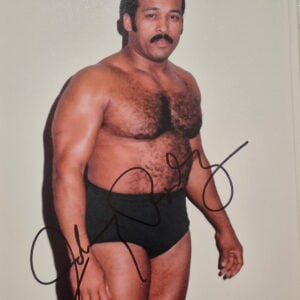
Johnny Rodz Signed WWF 8×10 Photo Autograph
$30.00 Add to cart -
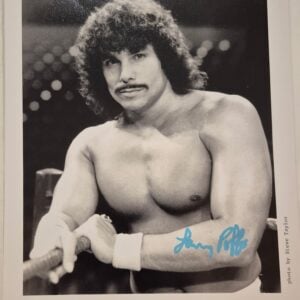
Leaping Lanny Poffo Signed WWF 8×10 Photo Autograph (Deceased Legend)
$45.00 Add to cart -
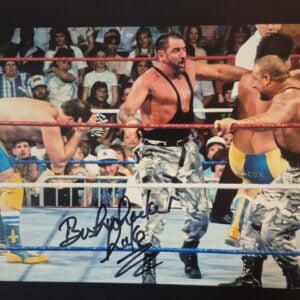
Bushwhacker Luke Signed WWF 8×10 Photo Autograph (of The Bushwhackers)
$30.00 Add to cart -
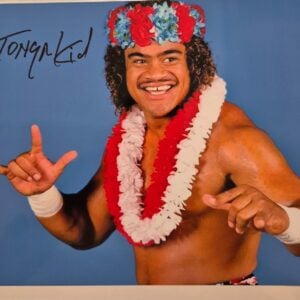
The Tonga Kid (Sam Fatu) Signed WWF 8×10 Photo Autograph
$35.00 Add to cart -
Fred Ottman Signed WWF 8×10 Photo Autograph (Typhoon)
$35.00 Add to cart -
“Greg the Hammer” Valentine Signed WWF 8×10 Photo Autograph
$45.00 Add to cart -
Marcus “Buff” Bagwell Signed WCW 8×10 Photo Autograph
$30.00 Add to cart -
Jerry Lynn Signed 8×10 Photo Autograph
$35.00 Add to cart -
Ken Patera Signed WWF 8×10 Photo Autograph
$35.00 Add to cart -
Missy Hyatt Signed 8×10 Photo Autograph
$35.00 Add to cart -
Sunny (Tammy Lynn Sytch) Signed 8×10 Photo Autograph
$35.00 Add to cart -
Justin Credible Signed 8×10 Photo Autograph
$30.00 Add to cart -
Larry Zbyszko Signed 8×10 Photo Autograph 2
$40.00 Add to cart -
Bushwhacker Luke Signed WWF 8×10 Photo Autograph (The Bushwhackers)
$30.00 Add to cart -
D’Lo Brown Signed WWF 8×10 Photo Autograph
$30.00 Add to cart -
Steve Keirn Signed WWF 8×10 Photo Autograph (Skinner)
$30.00 Add to cart -
Bushwhacker Luke Signed WWF 8×10 Photo Autograph (pictured with Bushwhacker Butch)
$30.00 Add to cart -
Tito Santana Signed WWF 8×10 Photo Autograph
$35.00 Add to cart -
Raven Signed 8×10 Photo Autograph
$35.00 Add to cart -
Jimmy Hart Signed WWF 8×10 Photo Autograph (pictured with Bret Hart & Jim Neidhart)
$35.00 Add to cart -
Sunny (Tammy Lynn Sytch) Signed WWF 8×10 Photo Autograph (WWE Hall of Fame)
$35.00 Add to cart -
Kevin Sullivan Signed 8×10 Photo Autograph (Deceased Legend)
$45.00 Add to cart -
Vince Russo Signed 8×10 Photo Autograph
$35.00 Add to cart -
Johnny Rodz Signed WWF 8×10 Photo Autograph (pictured with Captain Lou Albano)
$30.00 Add to cart -
Ron Simmons Signed WWE 8×10 Photo Autograph
$40.00 Add to cart -
Nikolai Volkoff & Boris Zhukov Signed WWF “The Bolsheviks” 8×10 Photo Autograph (Deceased Legend)
$60.00 Add to cart -
Steve Keirn Signed WWF 8×10 Photo Autograph (Fabulous Ones)
$30.00 Add to cart -
Ken Patera Signed WWF 8×10 Photo Autograph (pictured with Bobby Heenan & John Studd)
$35.00 Add to cart -
Sabu Signed WWF 8×10 Photo Autograph (Deceased Legend)
$55.00 Add to cart -
Butcher Paul Vachon Signed WWF 8×10 Photo Autograph (Deceased Legend)
$45.00 Add to cart -
“Hacksaw” Jim Duggan Signed WWF 8×10 Photo Autograph
$40.00 Add to cart -
Johnny Rodz Signed WWF 8×10 Photo Autograph (pictured with The Grand Wizard)
$30.00 Add to cart -
Barry Windham Signed 8×10 Photo Autograph
$40.00 Add to cart -
Bushwhacker Luke Signed WWF 8×10 Photo Autograph
$30.00 Add to cart -
Brutus the Barber Beefcake Signed WWF 8×10 Photo Autograph (with Ultimate Warrior)
$35.00 Add to cart -
Bushwhacker Luke Signed WWF 8×10 Photo Autograph (with Bushwhackers Butch)
$30.00 Add to cart -
Tito Santana Signed WWF 8×10 Photo Autograph (Strike Force)
$35.00 Add to cart -
Johnny Rodz Signed WWF 8×10 Photo Autograph
$30.00 Add to cart -
Leaping Lanny Poffo Signed WWF Frisbee Pose 8×10 Photo Autograph (Deceased Legend)
$45.00 Add to cart