 Author:
 At the peak of the 1980s Rock and Wrestling era, few celebrities on the planet were more recognizable than Hulk Hogan. WWF and WWE Champion, Hollywood actor, cartoon icon, and product pitchman, the wildly charismatic 6’7″, 300-plus-pound “Hulkster” was seemingly everywhere. But did Terry Gene Bollea become lost when Hulkamania and his disastrous personal life ran wild? Award-winning documentarian Evan Ginzburg investigates Bryan Storkel’s four-part Netflix series Hulk Hogan: Real American. The question is: does it deliver the full story?
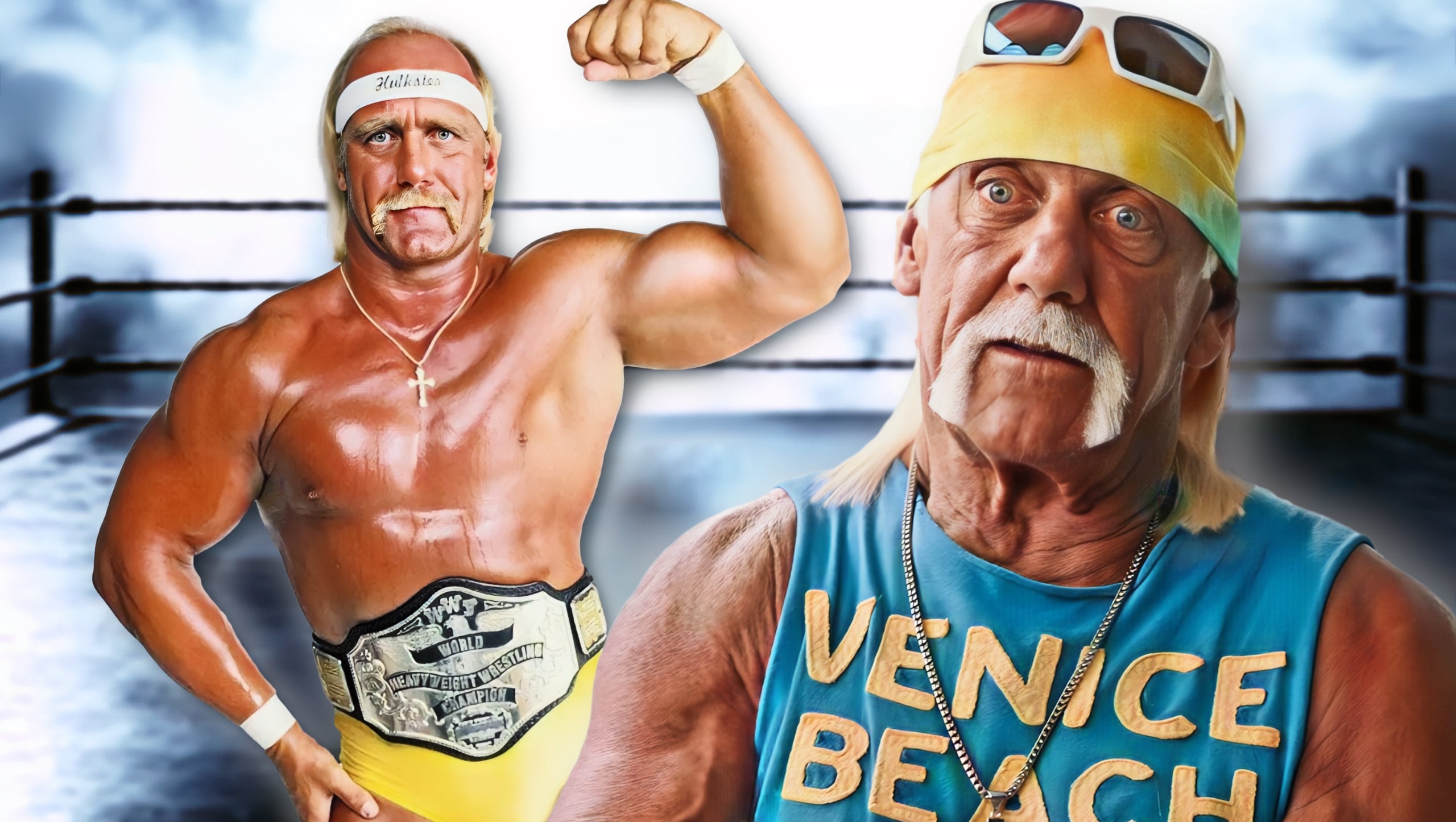
Evan Ginzburg brings a rare perspective to this review. As Associate Producer on Darren Aronofsky’s critically acclaimed The Wrestler and the feature documentary 350 Days, Ginzburg has spent decades at the intersection of professional wrestling and serious filmmaking. He has interviewed hundreds of wrestlers, worked alongside the men and women who built the business, and personally witnessed many of the defining moments of the Rock and Wrestling era firsthand. That combination – documentary filmmaker, wrestling insider, and eyewitness to history – makes Ginzburg uniquely qualified to assess whether Hulk Hogan: Real American does justice to a story he watched unfold in real time.
Hulk Hogan’s WWF Debut: The Night It All Began

Then billed as “The Incredible Hulk Hogan,” I was sitting in Madison Square Garden on December 17, 1979, when a massive heel Hogan, resplendent in a gigantic purple and yellow cape, made his way to the ring with his always impeccably attired manager, “The Hollywood Fashion Plate” Classy Freddie Blassie. A green kid, he was greeted by a cascade of boos.
Vince McMahon, Sr. smelled money and had the superior grappler Ted DiBiase sell like he was being hit by a Mack Truck. Ted, a popular babyface at the time, was leaving the area and put over the young Hogan.
Hulk Hogan would go on to feud with Andre the Giant up and down the WWWF circuit. I saw them headline the Nassau Coliseum, where attendance was significantly up for their encounter, my first hint that Hogan was evolving into a credible draw.
The pair even went at it on the legendary Showdown at Shea Stadium undercard beneath Bruno Sammartino vs. Larry Zbyszko, with Andre besting his now-regular dancing partner in a mere 7:48.
Hogan also got a few unsuccessful shots at the then-WWF Champion Bob Backlund, although he wasn’t considered a big enough star at the time to headline Madison Square Garden.
Moving on to his legendary role in Rocky III as Thunderlips, Hogan soon conquered the AWA as a fan favorite, title contender, and huge draw. One couldn’t even fathom that a few years later, Hulk and Andre would reverse roles, spin the false myth that Andre had never been slammed, and draw one of the biggest houses in the history of the business at WrestleMania III.
How Hulkamania Took Over the WWF and Changed Wrestling Forever
As a lifelong New Yorker and WWWF fan throughout the Pedro Morales, Bruno Sammartino, Superstar Billy Graham, and Bob Backlund championship eras, I wasn’t prepared for Vincent Kennedy McMahon’s vision of pro wrestling as sports entertainment.
Weaned on his father’s successful formula of super heavyweight challengers coming into major East Coast arenas monthly to face the champion, nobody could have imagined the wrestling territories falling like dominoes and the now-WWF expanding into a global phenomenon.
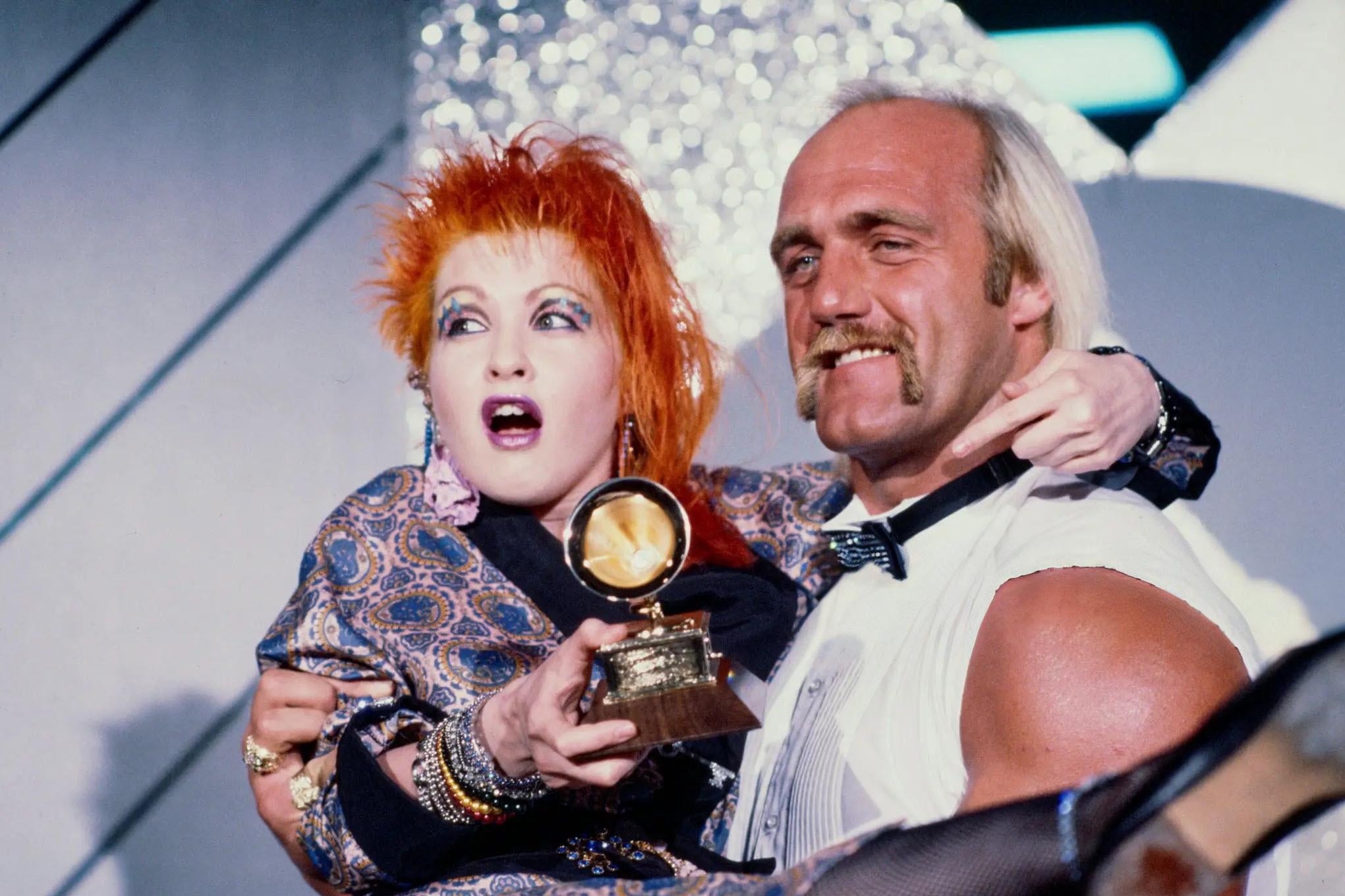
I sat at Madison Square Garden on the historic night when American Bandstand host Dick Clark, along with Hulk Hogan, awarded Cyndi Lauper a trophy for her contributions to women’s wrestling. Moments later, the smash-hit pop star held a plaque for Lou Albano in recognition of raising over four million dollars for Muscular Dystrophy.
Tradition was served as Lauper’s plaque landed squarely over Albano’s cranium courtesy of a raging Rowdy Roddy Piper. Piper even delivered a piledriver to Lauper’s boyfriend and manager, David Wolff.
While the heat was off the charts, and I couldn’t help but love all-time great heel Roddy Piper and “Ace” Cowboy Bob Orton, I knew right there that the genie had been let out of the bottle. It was almost surreal back then to see mainstream stars like Lauper and Clark involved in wrestling, but here they were.
It opened the floodgates for “The War to Settle the Score,” the Piper vs. Hogan MSG bout that itself built to the very first WrestleMania, where Mr. T and Hulk Hogan took on Roddy Piper and “Mr. Wonderful” Paul Orndorff. And Hulk Hogan was Vince’s meal ticket in the middle of it all.
Enjoying this story? Own it forever.
No ads. No interruptions. Download the full story as a beautifully formatted PDF at just $0.99.
Get My Copy — $0.99Hulk Hogan in WWF: The Triumphs, the Limits, and the Legacy

Hulk Hogan, who admitted to liberally borrowing much of Superstar Billy Graham’s gimmick, did share something beyond the muscles with the “Superstar.” They both possessed off-the-charts charisma. But his matches were mostly paint-by-numbers. Entering to a blaring “Eye of the Tiger,” and later Rick Derringer’s “Real American” as his entrance music, he’d brawl a bit, the heel would cheat and gain control, leading to Hulk’s superman comeback and patented leg drop finish.
Predictable as it became, the fans nonetheless ate it up and adored their hero. An extraordinary opponent like Piper, Paul Orndorff, or Don Muraco could get the best out of Hogan and elevate the match. But to see a prime Greg “The Hammer” Valentine go down in a mere eight or so minutes after holding Bob Backlund to a one-hour draw previously at MSG didn’t sit well with some old-school fans who expected more.
Interestingly, Valentine told me he loved wrestling Hogan. The money was good and the matches easy. “A piece of cake,” he elaborated. Not quite as great for the fans hoping for more than a quickie encounter.
By the late 1980s, it at least felt like the bloom was off the lily. Fans were clamoring for the younger, and unbelievably even more muscular and hyper, Ultimate Warrior. Multiple returns, comebacks, and even early-1990s title runs and WrestleMania main events notwithstanding, Hogan’s glory days in the WWF were behind him.
Netflix’s Hulk Hogan Documentary: What It Covers and What It Misses
Director Bryan Storkel, along with his wife Amy, had the luxury of four or so hours to explore Terry Bollea’s triumphant yet turbulent life. With access to Hogan himself in a lengthy interview conducted mere months before his passing, you’d think there would be sufficient time to fully tell his tale.
We do indeed learn about Terry Bollea’s painful relationship with an abusive father and his estranged brother’s tragic, untimely passing, but Storkel does a far better job covering Bollea’s wrestling career than his troubled family life or his multiple scandals.
In his interview segments, Hogan repeatedly emphasizes the importance of his family and how he prioritized them as he aged. Yet conspicuously absent is daughter Brooke Hogan. In archival footage, you see him championing her blossoming singing career and being a doting father to both her and son Nick, yet she declined to participate in the film.
Speaking to Extra on April 27, 2026, Brooke explained her reasoning directly: “Why come out of hiding and talk about something that I’m just gonna get raked over the coals for anyway? It’s missing 98 percent of real life, like it was a beautiful showcase piece on my dad’s life, but it didn’t talk nearly about the underbelly of the beast.”
Her absence and the weight behind those words speak volumes. And in a detail the documentary never touches on, Brooke revealed that she had removed herself entirely from her father’s will, a striking indicator of just how fractured that relationship had become.
Similarly, Hogan’s second marriage to makeup artist Jennifer McDaniel lasted over a decade, with little, if any, detail about it or the breakup. That’s a pretty significant chunk of a subject’s life to leave out.
While Nick’s admiration for his dad is poignant, his own very public issues, most notably the 2007 drunk driving crash that left his passenger and close friend John Graziano with permanent brain damage, and Nick’s subsequent jail time, are never addressed either. These plot holes ultimately do a major disservice to the film.
Hulk Hogan: Real American was made by Words + Pictures in association with WWE, and Paul Levesque, Triple H, serves as a producer on the project. How much input WWE had in the final product remains unclear.
Love Pro Wrestling Stories? Add us as a Preferred Source on Google so our stories always show up first for you. It only takes one click.
Add Us on GoogleThe 5 Public Scandals Netflix’s Hulk Hogan Doc Glosses Over or Left Out
While the film does a solid enough job of covering Hulk Hogan’s rise in wrestling and his rise to mainstream celebrity, it unfortunately ignores or glosses over a variety of very public scandals.
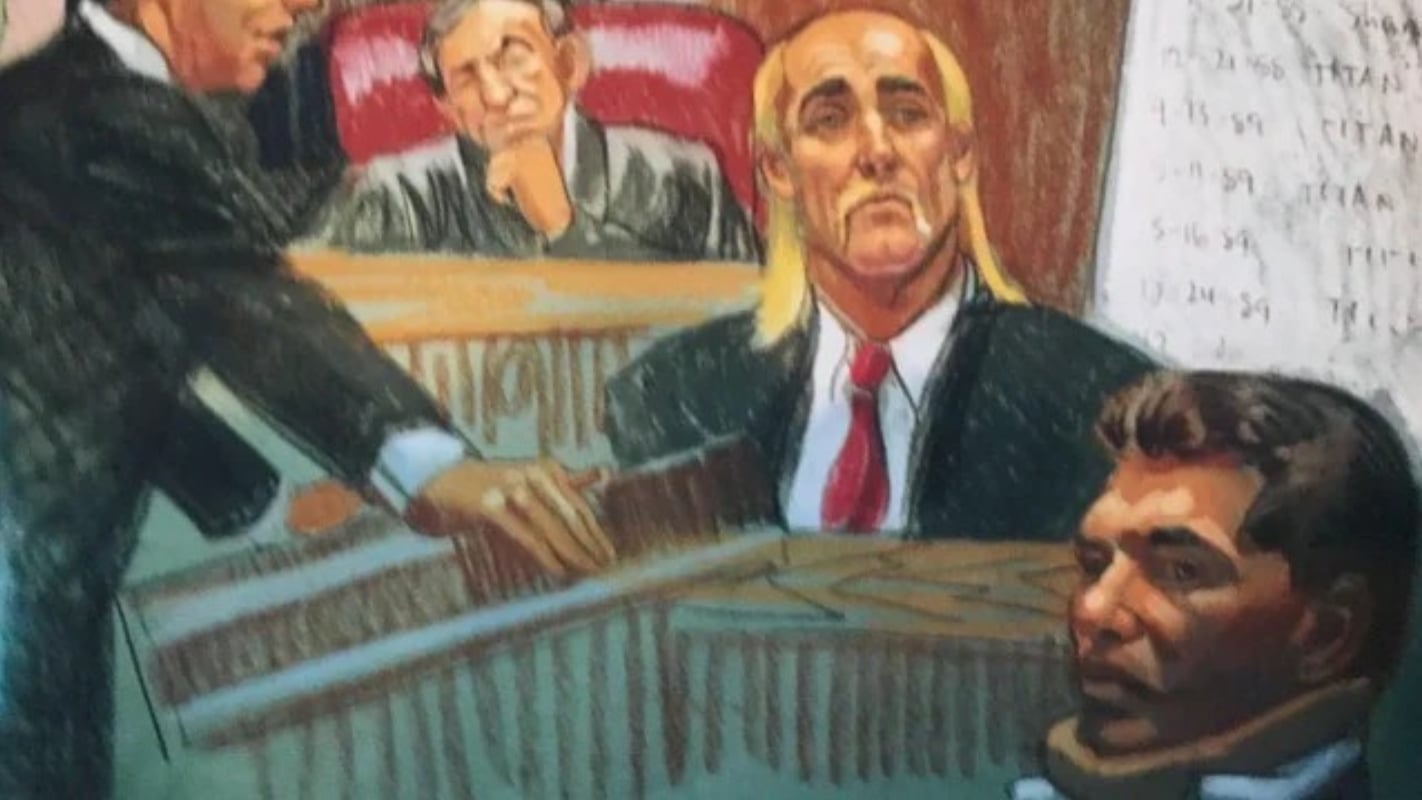
His testimony in Vince McMahon’s notorious 1994 federal steroid trial, which could have been an episode in and of itself, is zipped through.
Also excluded entirely is a 1996 civil case in which a Florida woman accused Hogan of sexual assault at his home. Hogan denied the allegation and filed a countersuit, alleging it was an attempt at extortion. The matter was settled out of court, and no criminal charges were filed. Yet the documentary makes no mention of it whatsoever.
The Gawker suit is presented one-sidedly, portraying Hogan solely as a victim, with no perspective from Gawker. For context, the suit stemmed from Gawker’s 2012 publication of a portion of an adult film featuring Hogan without his consent. Hogan sued for invasion of privacy and was awarded $140 million in damages in 2016, a verdict that ultimately bankrupted Gawker Media. It later emerged that the litigation was financially backed by Silicon Valley billionaire Peter Thiel, adding a significant layer of complexity to the story that the documentary never explores.
Hogan’s widely documented use of a racial slur, captured on a recording made during the same period as the adult film, is never actually heard in the documentary and is given little scrutiny. The recording surfaced publicly in 2015, leading WWE to sever ties with Hogan and remove him from the WWE Hall of Fame, a suspension that lasted three years before he was reinstated in 2018.
“I got very [upset] about a situation, used a word,” is Hogan’s response before the documentary again moves on. For a film with four hours of running time, that is a remarkably brief treatment of an incident that ended his relationship with WWE entirely for three years.
Similarly, his explanation for being booed at his return to WWE on January 6, 2025, the debut of Raw on Netflix at the Intuit Dome in Los Angeles, is addressed only briefly in the documentary. Publicly, Hogan pointed to his heel run with the nWo as a factor, telling The Pat McAfee Show in February 2025, “The last time I was in LA, I was Hollywood with the black beard and doing the bad guy thing.”
Privately, however, Jimmy Hart later revealed that the reaction left Hogan genuinely devastated. “That really hit him hard,” Hart told the Stories with Brisco and Bradshaw podcast. That raw moment of private reckoning would have made for compelling television. It never made the cut.
Wrestling fans privy to decades of shoot interviews and insider accounts are also aware of his backstage power plays and Jesse Ventura’s long-standing, publicly stated allegation that Hogan informed Vince McMahon when Ventura attempted to organize a wrestlers’ union in the mid-1980s, a move that, if true, effectively killed any chance of collective bargaining for an entire generation of performers. Despite Ventura appearing in the film and having discussed this allegation publicly for decades, the documentary never raises it.
With hundreds of amazing Pro Wrestling Stories to dive into, where do you start? Get the inside scoop, join our exclusive community of wrestling fans! Receive 10 hand-picked stories curated just for YOU, exclusive weekly content, and an instant welcome gift when you sign up today!
Where Hulk Hogan: Real American Gets It Right
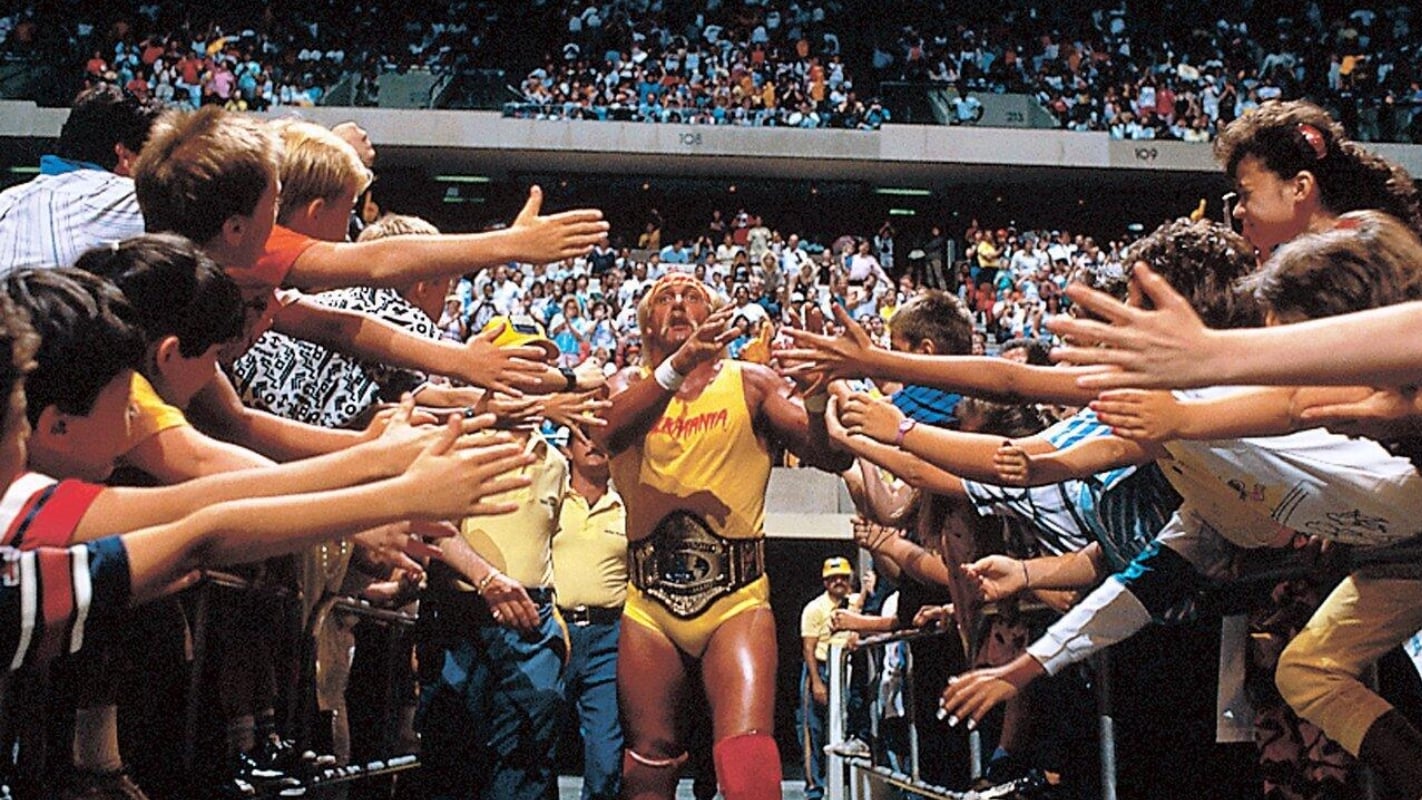
The four-part Hulk Hogan: Real American documentary series on Netflix is at its best when it truly opens up. Seeing an aging Hulk Hogan struggling in the gym, even just walking, is painful to witness. The stresses of filming the reality series Hogan Knows Best wore on the clan. Ex-wife Linda comes off as brutally honest about Hogan’s affairs and transgressions, but also doesn’t whitewash her own behavior, flaunting a 19-year-old boyfriend who was her son’s friend. Hogan admits to wallowing in depression from their painful breakup; these are some of the most frank and poignant moments in the film.
Similarly, his interactions with sick and dying kids and fans with physical challenges are heart-wrenching, and you get to see the tender side of Terry Bollea. The documentary also did a solid job covering his late-career forays into WCW’s nWo and TNA. To their credit, the filmmakers included Bret Hart describing Hogan as a “stabbing knife-wielding piece of ****” for deceiving him out of his WWF title. Frankly, the film needed more revealing moments like this to fully portray the good, bad, and ugly of Hogan’s wrestling journey.
Yet you couldn’t help but feel for the man, having suffered mightily for his art with surgery after surgery. Interestingly, Hogan shared that he regretted adopting the leg drop as his finisher because it caused him significant damage and horrific pain. Hogan’s description of feeling most alive in a wrestling ring, though, is inspiring.
“It was better than a high. I’ve done my share. And this was like the best high I’ve ever been on. Hulk Hogan is here! Hulk Hogan’s here!”
Real Autographs. Only Few Remain.
These are hand-signed originals sold directly by Pro Wrestling Stories. Once they sell out, they are gone for good.
Own a Piece of Wrestling History
-

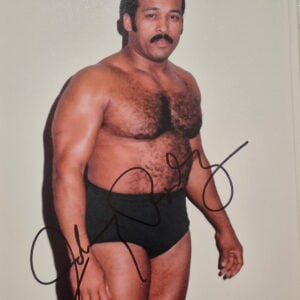
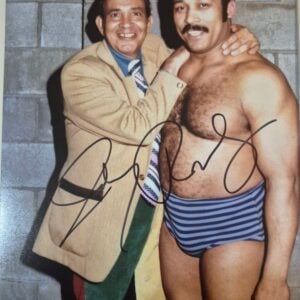
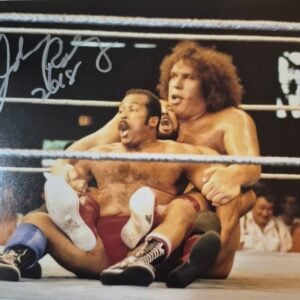
Johnny Rodz Signed WWF 8×10 Photo Autograph (pictured with Captain Lou Albano)
$30.00 Add to cart -
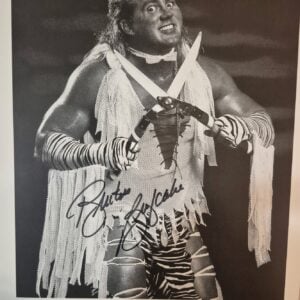
Brutus the Barber Beefcake Signed WWF 8×10 Photo Autograph (with Ultimate Warrior)
$35.00 Add to cart -
Barry Windham Signed 8×10 Photo Autograph
$40.00 Add to cart -
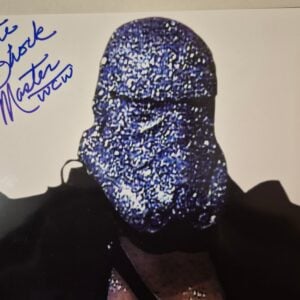
Fred Ottman Signed WCW 8×10 Photo Autograph (The Shockmaster)
$35.00 Add to cart -
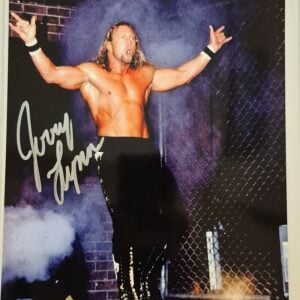
Jerry Lynn Signed 8×10 Photo Autograph
$35.00 Add to cart -
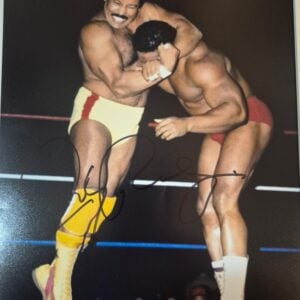
Johnny Rodz Signed WWF 8×10 Photo Autograph (wrestling Tony Atlas)
$30.00 Add to cart -
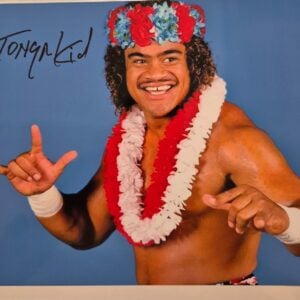
The Tonga Kid (Sam Fatu) Signed WWF 8×10 Photo Autograph
$35.00 Add to cart -
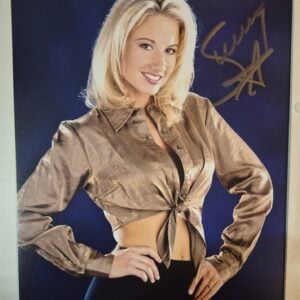
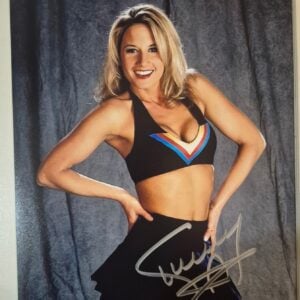
Sunny (Tammy Lynn Sytch) Signed WWF 8×10 Photo Autograph (WWE Hall of Fame)
$35.00 Add to cart -
Larry Zbyszko Signed 8×10 Photo Autograph 2
$40.00 Add to cart -
Steve Keirn Signed WWF 8×10 Photo Autograph (Skinner)
$30.00 Add to cart -
Leaping Lanny Poffo Signed WWF Turnbuckle Pose 8×10 Photo Autograph (Deceased Legend)
$45.00 Add to cart -
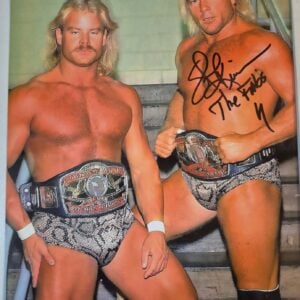
Steve Keirn Signed WWF 8×10 Photo Autograph (Fabulous Ones)
$30.00 Add to cart -
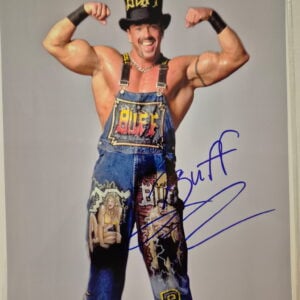
Marcus “Buff” Bagwell Signed WCW 8×10 Photo Autograph
$30.00 Add to cart -
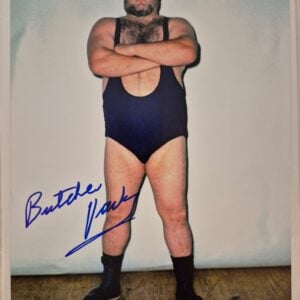
Butcher Paul Vachon Signed WWF 8×10 Photo Autograph (Deceased Legend)
$45.00 Add to cart -
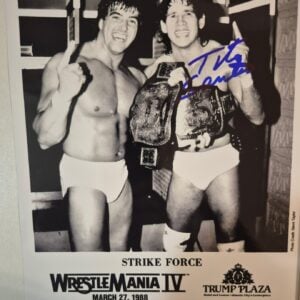
Tito Santana Signed WWF 8×10 Photo Autograph (Strike Force)
$35.00 Add to cart -
Johnny Rodz Signed WWF 8×10 Photo Autograph
$30.00 Add to cart -
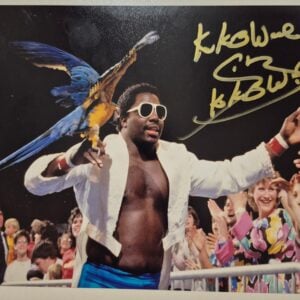
Koko B. Ware Signed WWF 8×10 Photo Autograph
$45.00 Add to cart -
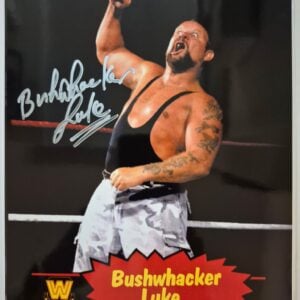
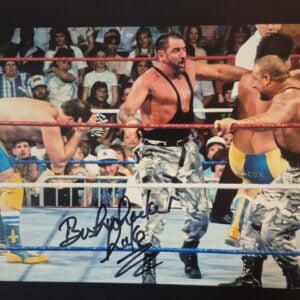
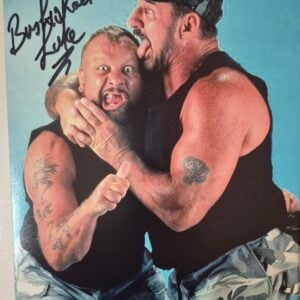
Bushwhacker Luke Signed WWF 8×10 Photo Autograph
$30.00 Add to cart -
Brutus the Barber Beefcake Signed WWF 8×10 Photo Autograph 2
$35.00 Add to cart -
Jerry “The King” Lawler Signed 8×10 Photo Autograph
$50.00 Add to cart -
Bushwhacker Luke Signed WWF 8×10 Photo Autograph (pictured with Bushwhacker Butch)
$30.00 Add to cart -
Leaping Lanny Poffo Signed WWF 8×10 Photo Autograph (Deceased Legend)
$45.00 Add to cart -
Bushwhacker Luke Signed WWF 8×10 Photo Autograph (The Bushwhackers)
$30.00 Add to cart -
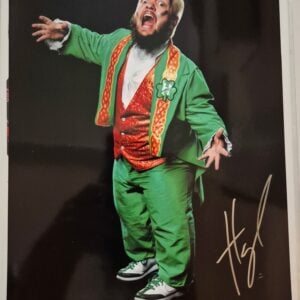
Hornswoggle (Dylan Postl) Signed WWE 8×10 Photo Autograph
$30.00 Add to cart -
Johnny Rodz Signed WWF 8×10 Photo Autograph (pictured with The Grand Wizard)
$30.00 Add to cart -
Sunny (Tammy Lynn Sytch) Signed 8×10 Photo Autograph
$35.00 Add to cart -
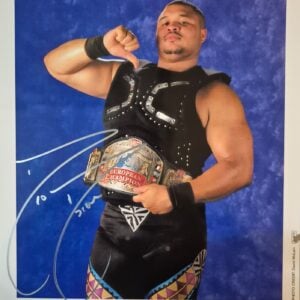
D’Lo Brown Signed WWF 8×10 Photo Autograph
$30.00 Add to cart -
Fred Ottman Signed WWF 8×10 Photo Autograph (Typhoon)
$35.00 Add to cart -
Justin Credible Signed 8×10 Photo Autograph
$30.00 Add to cart -
Leaping Lanny Poffo Signed WWF Frisbee Pose 8×10 Photo Autograph (Deceased Legend)
$45.00 Add to cart -
Missy Hyatt Signed 8×10 Photo Autograph
$35.00 Add to cart -
Vince Russo Signed 8×10 Photo Autograph
$35.00 Add to cart -
Jerry “The King” Lawler Signed WWE 8×10 Photo Autograph 2
$50.00 Add to cart -
“Hacksaw” Jim Duggan Signed WWF 8×10 Photo Autograph
$40.00 Add to cart -
Tito Santana Signed WWF 8×10 Photo Autograph
$35.00 Add to cart -
Bushwhacker Luke Signed WWF 8×10 Photo Autograph (of The Bushwhackers)
$30.00 Add to cart -
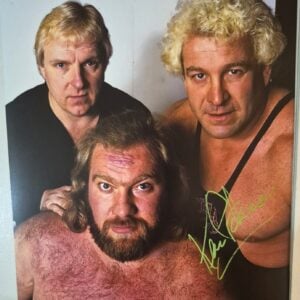
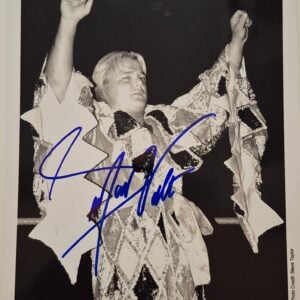
Ken Patera Signed WWF 8×10 Photo Autograph (pictured with Bobby Heenan & John Studd)
$35.00 Add to cart -
Sabu Signed WWF 8×10 Photo Autograph (Deceased Legend)
$55.00 Add to cart -
Johnny Rodz Signed WWF 8×10 Photo Autograph
$30.00 Add to cart -
Nikolai Volkoff & Boris Zhukov Signed WWF “The Bolsheviks” 8×10 Photo Autograph (Deceased Legend)
$60.00 Add to cart -
Justin Credible Signed 8×10 Photo Autograph 2
$30.00 Add to cart -
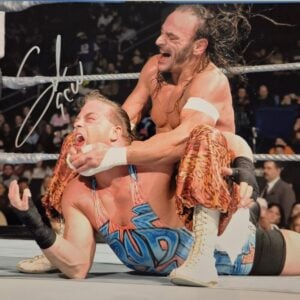
Raven Signed 8×10 Photo Autograph
$35.00 Add to cart -
Baby Doll (Nickla Roberts) Signed 8×10 Photo Autograph (pictured with Ric Flair)
$35.00 Add to cart -
Johnny Rodz Signed WWF 8×10 Photo (wrestling Andre the Giant)
$30.00 Add to cart -
Sunny (Tammy Lynn Sytch) Signed WWF 8×10 Photo Autograph
$35.00 Add to cart -
“Greg the Hammer” Valentine Signed WWF 8×10 Photo Autograph
$45.00 Add to cart -
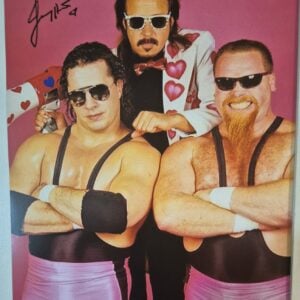
Jimmy Hart Signed WWF 8×10 Photo Autograph (pictured with Bret Hart & Jim Neidhart)
$35.00 Add to cart -
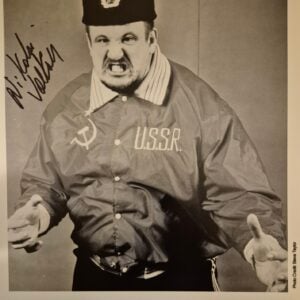
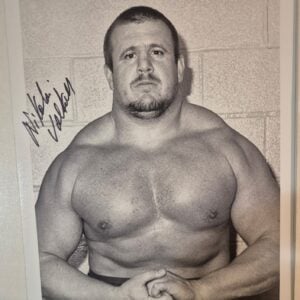
Nikolai Volkoff Signed WWF 8×10 Photo Autograph (Deceased Legend)
$45.00 Add to cart -
Bushwhacker Luke Signed WWF 8×10 Photo Autograph (with Bushwhackers Butch)
$30.00 Add to cart -
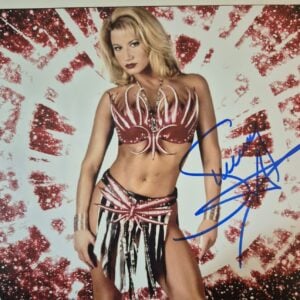
Sunny (Tammy Lynn Sytch) Signed WWF 8×10 Glamour Photo Autograph
$35.00 Add to cart -
Nikolai Volkoff Signed WWF 8×10 Photo Autograph 2 (Deceased Legend)
$45.00 Add to cart -
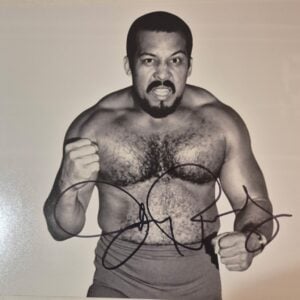
Ron Simmons Signed WWE 8×10 Photo Autograph
$40.00 Add to cart -
Ken Patera Signed WWF 8×10 Photo Autograph
$35.00 Add to cart -
Jimmy Hart Signed WWF 8×10 Photo Autograph (pictured with Hulk Hogan)
$35.00 Add to cart -
Kevin Sullivan Signed 8×10 Photo Autograph (Deceased Legend)
$45.00 Add to cart
Hulk Hogan’s Legacy: Wrestling Icon, Flawed Man, Enduring Draw
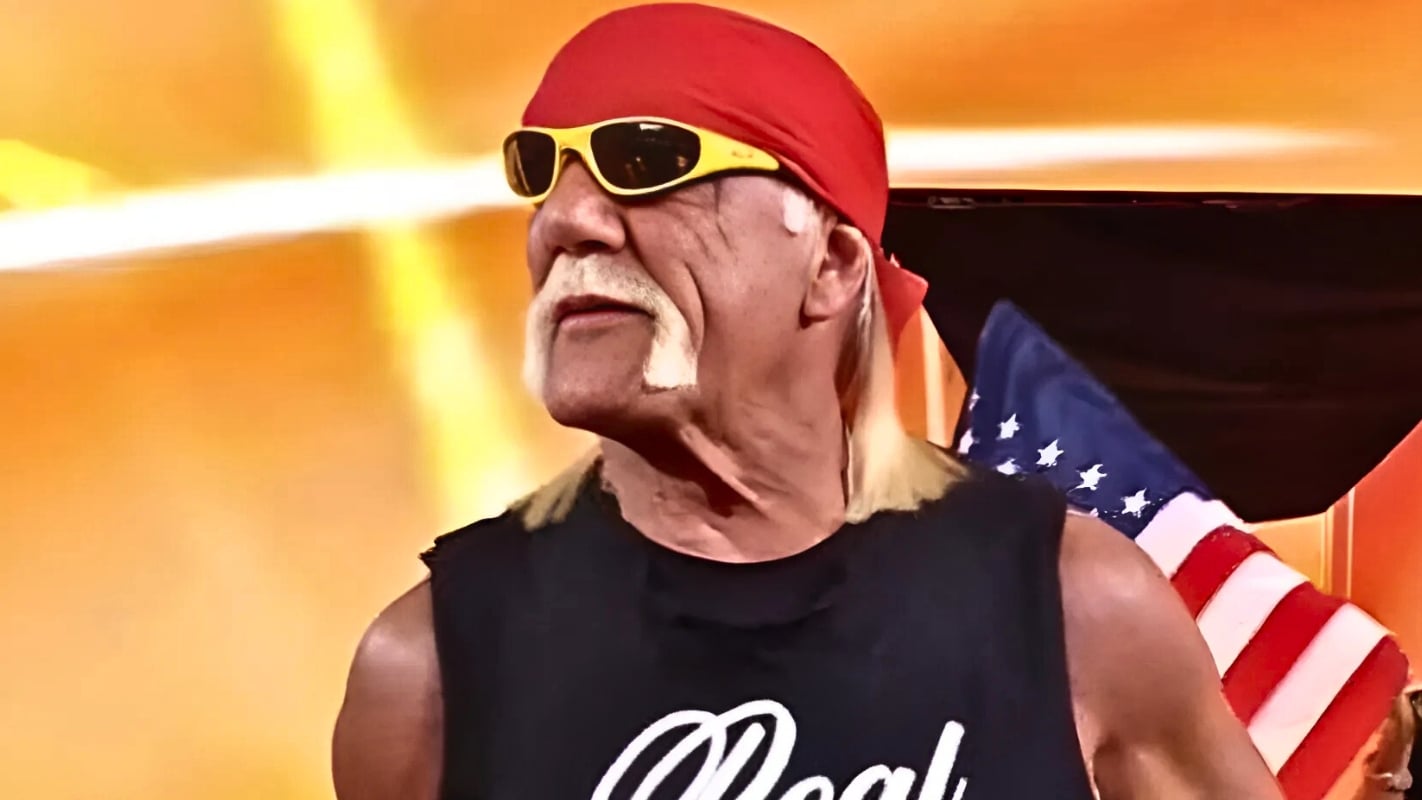
Ultimately, the gnawing feeling one gets from Hulk Hogan: Real American is that, after his death and a doomed follow-up interview, this became more of a tribute piece than a warts-and-all tell-all. Master filmmaker and documentarian Werner Herzog had this to say about the project:
“In the life of Hulk Hogan, what is reality? What is the real truth? Strangely enough, emotions are always truthful, no matter how crazy and implausible the story might be. And searching for truth gives us dignity, gives us meaning.”
Something tells me that Herzog himself would have made a more searching film than this one. Yet despite its flaws, those four hours leave you with enough genuine, human moments to make the watch worthwhile. Clips from his memorial were powerful, and Jimmy Hart having his heart broken by the loss of his best friend was as real as wrestling gets.
Hulk Hogan remains beloved by many and acknowledged as one of professional wrestling’s greatest draws and crossover personalities. Like most performers whose controversies begin to fade with time, Hogan, the charismatic showman who filled massive arenas, will forever remain.
Evan Ginzburg, an Associate Producer on The Wrestler and 350 Days, does a deep dive into wrestling films, wrestlers in film, and under-the-radar wrestling documentaries in his new book, Grindhouse, Arthouse, and Wrestling Flicks, available on Amazon.
These stories may also interest you:
- 12 Untold Stories About Andre the Giant from HBO Documentary
- Bruno Sammartino Documentary: An Honest Review
- The Iron Claw Movie: A Wrestling Site’s Honest Review
Download PDF Version
Get the complete article as a formatted PDF for offline reading.