Author:
 Bill Dundee thought it was just another workout in Hendersonville, Tennessee. Minutes later, he was on the ground with a fractured face and his piece in his hand, staring across a parking lot at Macho Man Randy Savage and the Poffo crew.
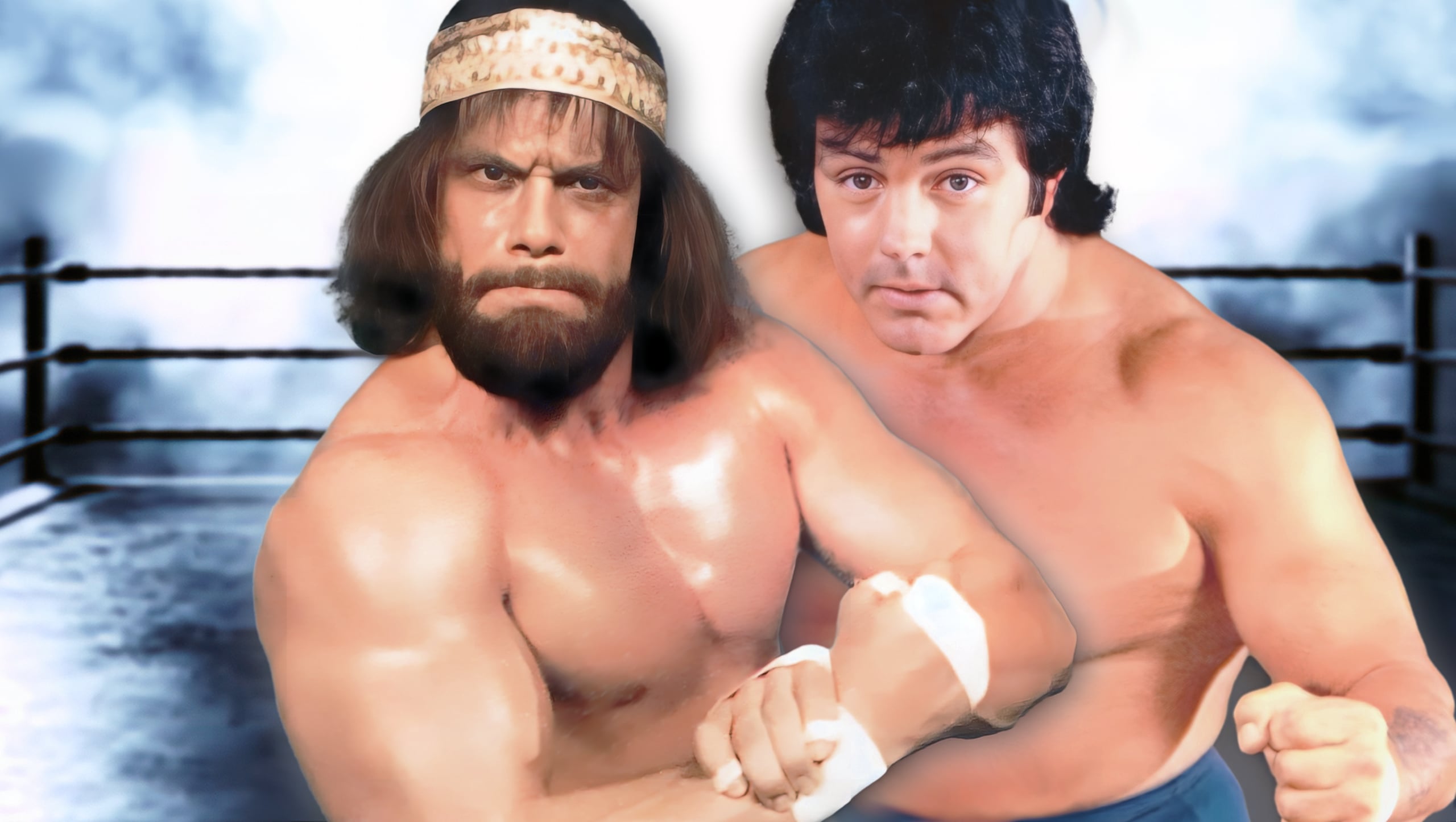
How the Randy Savage and Bill Dundee Rivalry Turned Real
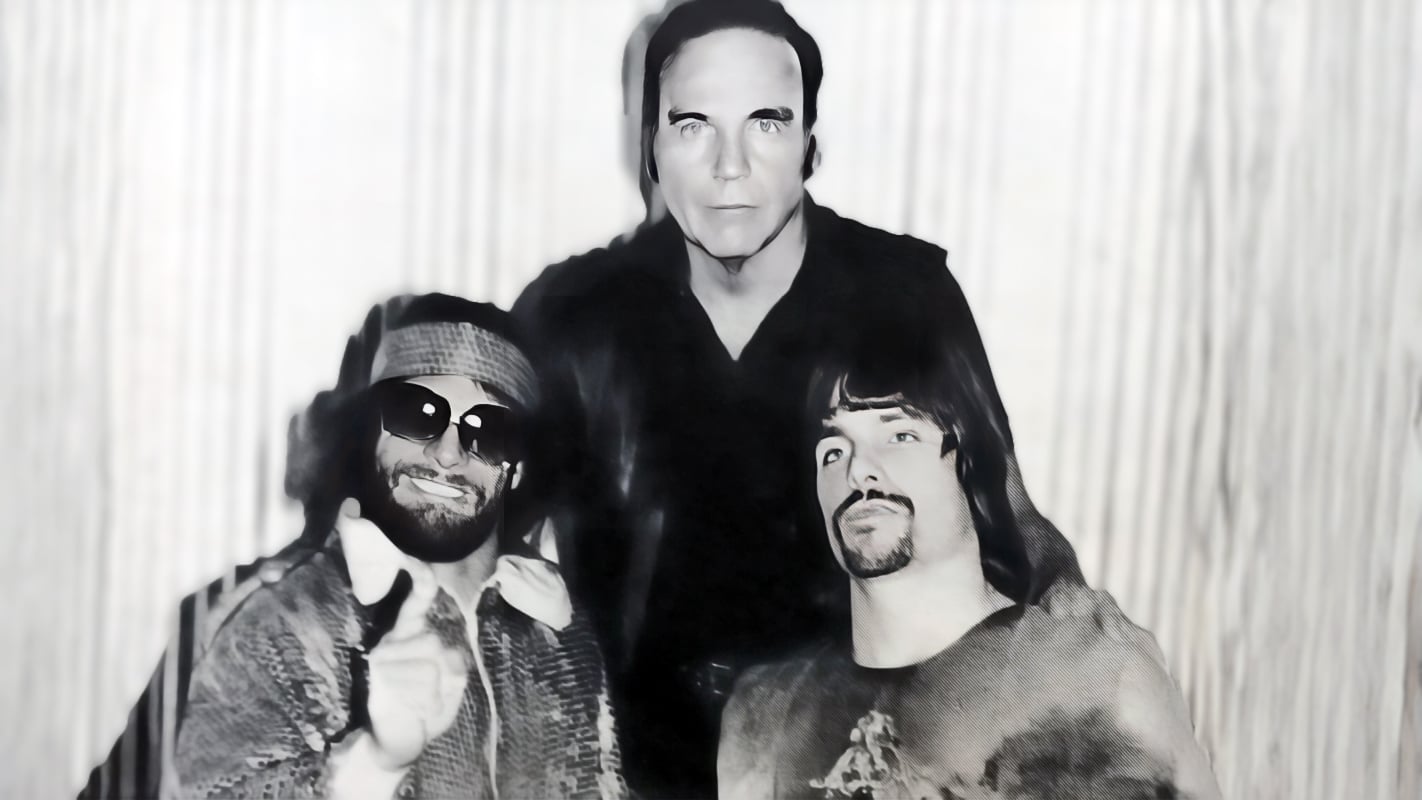
Before Randy Savage became one of the most recognizable figures in professional wrestling, the real-life Randy Poffo, alongside his brother Lanny Poffo and father Angelo Poffo, created an outlaw wrestling promotion in 1978 in Lexington, Kentucky, called International Championship Wrestling. ICW was considered an outlaw promotion because it was not affiliated with the National Wrestling Alliance, putting it directly at odds with the established territorial system.
When a young Randy Poffo, fresh off a stint in minor league baseball, failed to grab the attention of Jerry Jarrett and Jerry Lawler in Memphis, Angelo Poffo used ICW as a place for his sons to be featured as top stars and to control their own destiny in the ring.
Angelo, the patriarch of the Poffo family, was a wrestler and promoter who made quite an impact regionally before his sons Randy and Lanny got involved in the business in the early 1970s. Angelo was well known for his athleticism and had even broken the world record, as recognized by Ripley’s Believe It or Not, for most consecutive sit-ups, completing 6,033 straight in 1945 while serving in the United States Navy. The number was no accident.
“The person who had the record before that did over 5,900, and his abdominal aorta burst and he died,” Angelo later recalled. “So I was so happy that I did 6,000, and I knew I had the record. Then I did 33 more, one for each year of Jesus Christ’s life.”
Enjoying this story? Own it forever.
No ads. No interruptions. Download the full story as a beautifully formatted PDF at just $0.99.
Get My Copy — $0.99ICW, the Poffo Family, and a Territorial War in Memphis

From its base in Lexington, ICW competed against several successful territories in the Midwestern states, including Verne Gagne’s American Wrestling Association out of Minneapolis, the Knoxville-based Fuller family territory, and, most explosively, Jerry Jarrett and Jerry “The King” Lawler’s Memphis-based promotion, the Continental Wrestling Association.
Business realities were harsh.
“Jerry Jarrett was doing really good business, and ICW had struggled. When we say they weren’t doing very good business, they were doing 1,000, 1,200, 1,500 people sometimes in some of those Eastern Kentucky towns where there wasn’t a lot of wrestling going on. That would be considered good today, but for the time, they were struggling as a company and were always cutting promos on Jarrett’s guys,” Jim Cornette recalled on The Jim Cornette Experience in 2017.
ICW resorted to unconventional measures to grab fans’ attention, spending as much time verbally attacking their rivals as they did building their own talent. Jerry Lawler remembered in his autobiography, It’s Good to Be the King… Sometimes, “They’d go on their show and challenge all the guys on our show. They wouldn’t talk about their own matches; Savage would just rip into me. ‘I went to Jerry Lawler’s house in Memphis, and I threw a rock through the window, and he was too scared to come out.’ Stuff like that.”
Lanny Poffo, speaking to Title Match Wrestling in 2004, explained what drove Randy to operate that way.
“Randy had an opinion of himself that he could beat up everybody in the world, and if not, he’d die trying. That’s really what he was made of. He had that in him. The first thing he would do was get on television and threaten their top people.”
Jerry Jarrett instructed his wrestlers to ignore the challenges, but there was no escaping the Poffo family. The Poffos waged a public war on the Memphis-based promotion. Fans began taking notice, and gradually ICW grew in notoriety, particularly Randy Savage, who made it very clear that he was aiming for Lawler in and out of the ring. As Lanny noted, Randy had done the same to everyone from local territory stars to Hulk Hogan, and “nobody ever accepted his challenge.”
“This was a period in the wrestling business where if you were crazy onscreen, you were crazy offscreen,” Bruce Prichard recounted in the first episode of Vice’s documentary series Dark Side of the Ring in 2019. “You had to live your gimmick, and Randy played crazy really well. He lived it 24/7.”
Tensions were high. Randy Savage and several ICW wrestlers would buy tickets and turn up at Memphis shows to taunt and challenge the CWA wrestlers whenever they rolled into Lexington, Jarrett’s strongest town.
“They would buy tickets to the Jarrett shows, and they’d be in the back when the guys parked and walked in the back door,” Jim Cornette shared. “They’d be there yelling at them and challenging them in front of the fans, or they’d sit at ringside a time or two in Rupp Arena when they were allowed to buy tickets.”
Love Pro Wrestling Stories? Add us as a Preferred Source on Google so our stories always show up first for you. It only takes one click.
Add Us on GoogleInside the Randy Savage and Bill Dundee Parking Lot Incident
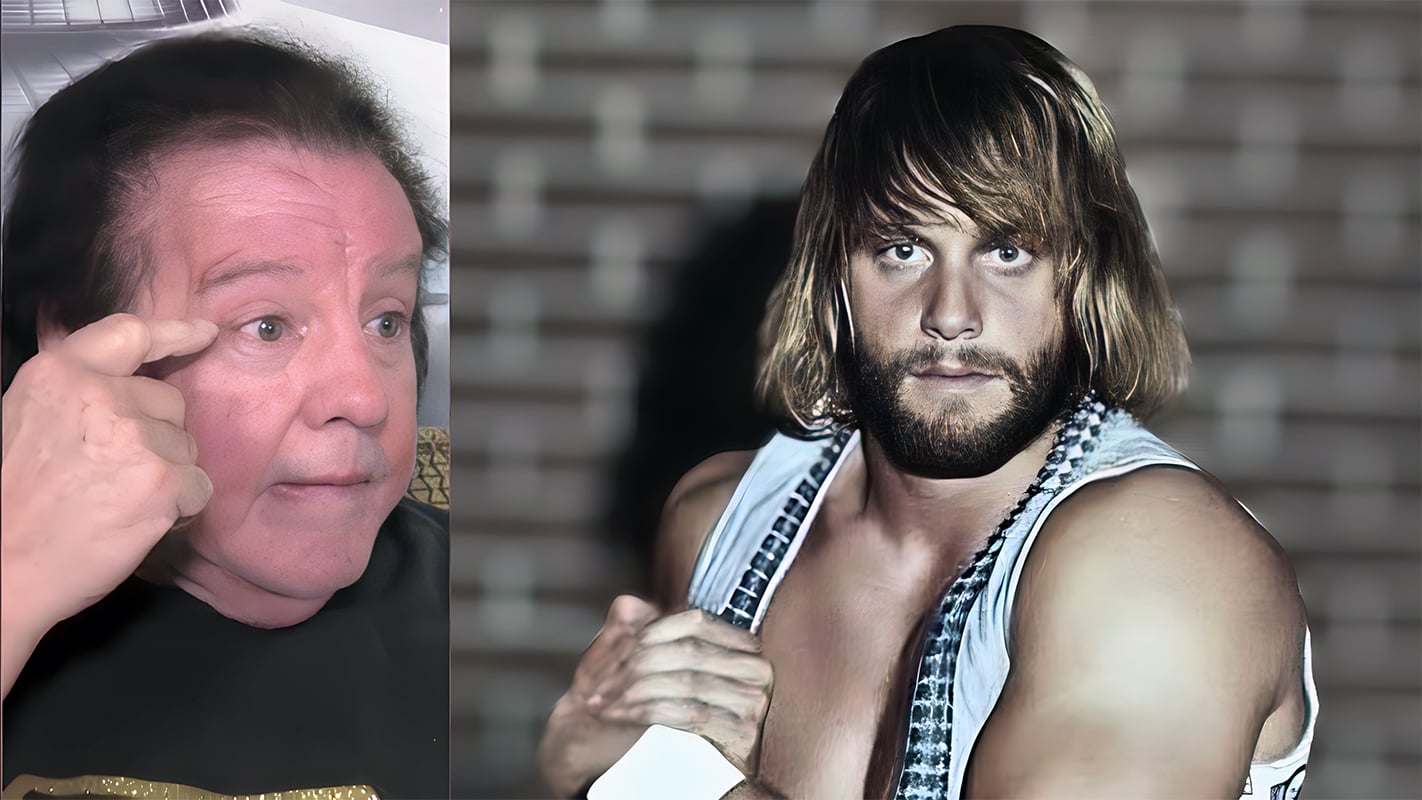
By the early 1980s, the animosity had spilled beyond television. In 1977, Bill Dundee had the words “Macho Man” emblazoned on the back of his tights. Five years later, in the fall of 1982, a group of wrestlers were working out at a gym called American Fitness Center in Hendersonville, Tennessee. Several versions of what happened next have circulated for years.
The tension between Savage and Dundee had already boiled over at least once before the parking lot confrontation. Dundee later recounted to Hannibal TV in 2018 that a brief, cold exchange had set the stage.
“I had come out of the gym, and this was either the day before or a week before. He was walking to his car, and I was walking to my car. He was by himself, so I said, ‘Randy, how are you doing?’ He said, ‘You really don’t give a ****.’ I said, ‘Well, seeing as you put it that way, you’re absolutely right. I don’t.’ So I just got in the car and left.”
Dundee also offered a frank assessment of what was driving Savage’s behavior at the time, sharing, “Randy, I don’t really know whether it was alcohol, substances, or a little bit of both, but he was just goofy.”
Jim Cornette’s oft-repeated account describes a wrestler named Candi Devine approaching Randy Savage to tell him about the “Macho Man” tights Dundee used to wear, adding fuel to an already tense situation.
As Dundee left the gym, Cornette remembered, “Savage started cutting a promo on Dundee. When Dundee saw that he was outnumbered, he tried to defuse the situation by saying something like, ‘Hey, just hold on. Let me put my bag in the trunk…’ Well, that’s when he got his piece out!”
Cornette continued, “Because he was outnumbered in the parking lot and who knows with Randy Savage what he’s gonna do, Dundee managed to grab hold of his firearm, he brought it out, but Savage blocked it, grabbed it, and whacked him with it. Savage drilled Dundee on the side of the head and broke his jaw.”
Rip Rogers, who was there that day, offered a very different perspective in a phone interview with Pro Wrestling Stories.
“Randy sucker-punched Dundee. Boom, that was it. That’s how he broke his jaw.”
Rogers explained that he had just won a physique contest in Bowling Green and was riding with the ICW crew to shows. He remembered Pez Whatley being there, as well as Thunderbolt Patterson, Angelo Poffo, and more than one car traveling together on the way to Johnson City.
While the others headed toward the gym entrance, Rogers stayed back in the car, digging for his workout clothes and trying to stay clear of trouble that seemed to follow Savage.
From the car, Rogers heard the shouting in the parking lot. He did not see the punch itself but heard about it moments later when Savage climbed back into the car.
“So I guess he went up and sucker-punched Dundee because he had those Macho Man trunks on. But that was just a reason for Randy to sucker-punch somebody,” Rogers admitted.
According to Rogers, it was not Candi Devine who tipped Savage off about Dundee’s gear at all, but another wrestler.
“It wasn’t Candy Divine; she had nothing to do with anything,” he clarified, explaining that Savage had been involved with Debbie Combs for years and that she was the one who “stooged off” the story about Dundee’s “Macho Man” tights.
Rogers also pushed back hard against the heroic version of the pistol story, which paints Savage as disarming Dundee in dramatic fashion.
“Dundee had the piece, and nobody got pistol-whipped, and all our guys ended up running back like chicken****s, just getting in the car and getting out of there,” Rogers confessed.
He added that the ICW side rushed to contact the authorities because George Weingeroff’s father, Saul, worked at the jail and knew the law, stressing that “whoever reports it first is the good guy.”
Bill Dundee’s own recollection confirms that the confrontation reached a flashpoint once he made it back to his trunk. Dundee claimed he was leaning against his car, talking with George Weingeroff and Pez Whatley, when Savage came out of nowhere.
“Randy ran by and sucker-punched me right in the eye,” Dundee explained, maintaining that he was never pistol-whipped but did suffer a broken orbital bone.
According to Dundee, the fight went to the ground.
“[Randy and I] got rolling around like two old women on the ground, then that gets stopped. There’s just Randy, but the other two were there, and they had their vans sitting up on the hill with the whole crew in it. So I thought if I get in the back of my car, I will restore order,” he described.
The tension around getting that trunk open was real.
“In those days, there were no buttons. You had to put the key in and turn the trunk lock. I’m thinking, ‘Oh God, I hope this thing ain’t locked.’ So I get the key in there, turn it, and it pops open. My briefcase is laying there, and I’m thinking, ‘I hope this briefcase ain’t locked.’ So I click it open, and there was the .38,” Dundee remembered.
What happened next, Dundee described in stark terms.
“Here comes Randy up to the thing. As he gets up, Angelo walks up on this side. I don’t know where he came from. He wasn’t there at the beginning, but he walked up. As Angelo gets about a foot from me, I cocked the piece into his head and said, ‘Tell your son to leave, or I will shoot you right where you stand.'”
Dundee continued, “So Randy’s hollering, ‘You’re crazy,’ and he’s cussing and swearing. I said, ‘Maybe, but I’m not putting this away until y’all leave.’ So Randy, Pez, George, and them just took off and went back to the van up on the hill.”
Rogers agreed that the incident escalated quickly once Dundee went to his trunk. He remembered Savage still yelling in character as Dundee headed for the car.
“Dundee was going to the back, said, ‘Let me get something to put on my jaw’ or whatever, and so he went back there, and Randy’s still talking, and then Dundee pulled a god**** piece out,” Rogers recalled.
“The stories are much better than the truth, though,” Rogers added with a chuckle. “You do not really want to know the real stories because you’ll be let down.”
Eventually, the situation was diffused. Dundee drove home, only to find a police officer waiting at his door.
“He says, ‘Bill, you get into a fight today?’ ‘Well, yeah, kind of.’ He said, ‘There’s a warrant here for your arrest with a deadly weapon.’ I said, ‘Let me ask you. Who did it?’ He said, ‘The Poffos.'”
The courtroom proceedings were equally revealing. On the day of the hearing, Angelo Poffo approached Dundee directly.
“Angelo comes up to me and says, ‘We need to go Broadway on this.’ I said, ‘No, there ain’t going to be any Broadway on this. You witnessed it. Your son sucker-punched me. I never laid a hand on him. I was defending myself. There were three or four of you and me.'”
When George Weingeroff floated the idea of having the case thrown out entirely, Dundee called Jerry Jarrett for guidance. Jarrett’s advice was pragmatic: “Just tell them to throw it out.” Both Dundee and Savage dropped their charges at the bench, and the judge dismissed everything.
Dundee had little patience for the version of events that later circulated with Savage as the hero.
“Throughout the years, that whole story has changed. They said I pistol-whipped him or something. Randy told everybody there was all this other stuff. I went and saw him about that, too. He said he took it off me and pistol-whipped me with the thing. Yeah, right. ****. He ran away,” Dundee flatly claimed.
Dundee later noted that when he returned to Memphis television, he did not mention Savage by name, instead saying he had been confronted by “four gorillas” who were “nine feet tall,” a tongue-in-cheek nod to what had happened without reopening old wounds on air.
In 2004, Lanny Poffo offered his own account of the day. His version aligned closely with Dundee’s on the core facts while adding a note of dark humor.
“The whole story, what I got out of it, was that it was in Nashville at a gym in the parking lot. Randy said hello to Bill, and then, bam, sucker-punched him. One thing led to another, and police were brought in, and this and that.”
He added with a wry aside, “What I didn’t know at the time was that even though I was a little disappointed with the World’s Fair, I’d have been better off at the fair than rolling around with Bill Dundee.”
Lanny also noted that despite the animosity, the two sides eventually mended fences in a matter-of-fact way.
“Randy broke his cheekbone or something, and then they supposedly made up, kissed, and became friends.”
His broader assessment of Dundee, even years after the incident, was surprisingly generous.
“Bill Dundee is brilliant,” Lanny shared, pointing to Dundee’s later booking work as evidence that the man’s wrestling mind was never in question.
Lanny Poffo, who was always protective of his brother’s legacy, later spoke about the incident when asked about Dundee’s past comments on The Genius Cast, his podcast hosted alongside Pro Wrestling Stories founder JP Zarka, replying, “I’d like to take the opportunity not to respond. I really hate stories like this, but it never ceases to amaze me how people that were afraid of my brother don’t mind talking about him after he’s dead.”
With hundreds of amazing Pro Wrestling Stories to dive into, where do you start? Get the inside scoop, join our exclusive community of wrestling fans! Receive 10 hand-picked stories curated just for YOU, exclusive weekly content, and an instant welcome gift when you sign up today!
Aftermath of the Randy Savage and Bill Dundee Parking Lot Brawl
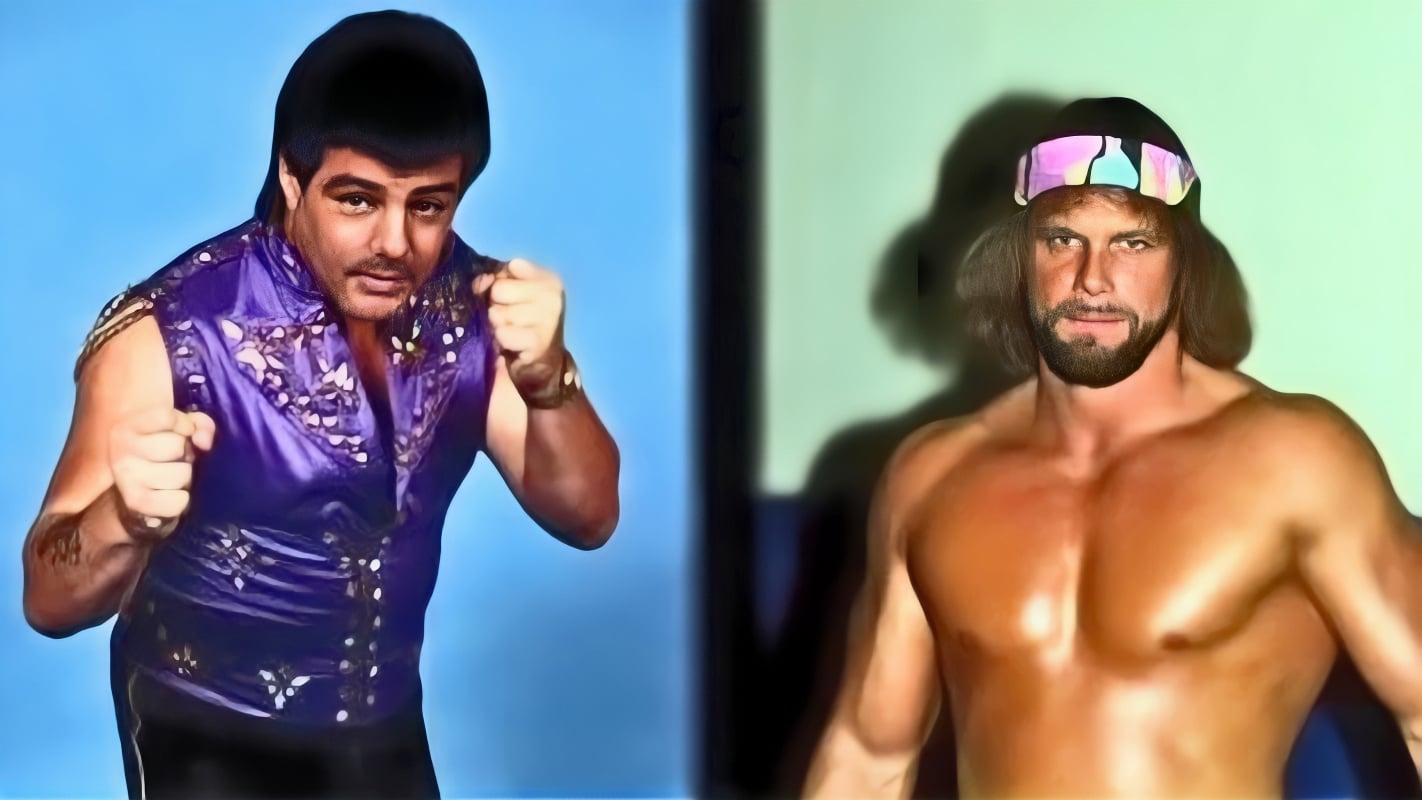
Despite the gravity of the incident, business realities eventually forced everyone to reconsider their positions.
ICW continued to struggle financially. When asked years later about Randy Savage and Angelo Poffo’s ICW, Jerry Lawler noted on The Steve Austin Show, “It’s very, very difficult, and very costly to try to run a small promotion like that and they were about to go belly up simply because there was not enough money to keep going. So, they called us up and said, ‘What about us trying to work together a little bit or at least have this big inter-promotion rivalry between our two companies?'”
The idea turned a bitter real-life rivalry into money in the bank. The long-awaited match between Randy Savage and Jerry Lawler sold out Rupp Arena in Lexington, Kentucky, drawing more than 8,000 fans who had followed the tension between ICW and CWA for years.
In 1984, ICW closed its doors for good, with its assets being bought by Jerry Jarrett and Jerry Lawler. As Lanny Poffo put it, the Poffos had gone from “outlaws to in-laws,” and the same intensity that had once led to court cases and parking lot confrontations was now driving sellout houses.
Randy Savage’s path moved far beyond that Hendersonville gym. After his run in Memphis and ICW, he became a global star in Vince McMahon’s World Wrestling Federation, where his intensity, athleticism, and meticulous approach to matches turned him into one of wrestling’s most influential performers. Even after his passing in 2011 at the age of 58, colleagues and fans continue to cite his work ethic, creativity, and passion as the standard to aspire to.
For Bill Dundee, the parking lot brawl is one chapter in a long career that saw him become a fixture of Memphis wrestling, a trusted hand in multiple promotions, and a survivor of an era when grudges did not always stay in the ring.
Decades later, nobody fully agrees on what happened in that parking lot. Dundee says he came out on top. Rogers says everyone ran. Cornette says Savage walked away victorious. The truth, as always in professional wrestling, belongs to whoever tells the story best. What is beyond dispute is this: Randy Savage and Bill Dundee left that gym forever changed, and the fallout helped light the fuse on one of the most electric careers professional wrestling has ever seen.
These stories may also interest you:
- Randy Savage vs. Road Warrior Hawk: Their Real-Life Fights
- Macho Man Randy Savage Waffle House Brawl In Nashville
- Lanny Poffo: Remembering My Brother, Randy Savage
Download PDF Version
Get the complete article as a formatted PDF for offline reading.
Real Autographs. Only Few Remain.
These are hand-signed originals sold directly by Pro Wrestling Stories. Once they sell out, they are gone for good.
Own a Piece of Wrestling History
-

Sunny (Tammy Lynn Sytch) Signed 8×10 Photo Autograph
$35.00 Add to cart -
Sunny (Tammy Lynn Sytch) Signed WWF 8×10 Glamour Photo Autograph
$35.00 Add to cart -
Nikolai Volkoff Signed WWF 8×10 Photo Autograph 2 (Deceased Legend)
$45.00 Add to cart -
Ken Patera Signed WWF 8×10 Photo Autograph (pictured with Bobby Heenan & John Studd)
$35.00 Add to cart -
Steve Keirn Signed WWF 8×10 Photo Autograph (Fabulous Ones)
$30.00 Add to cart -
D’Lo Brown Signed WWF 8×10 Photo Autograph
$30.00 Add to cart -
“Greg the Hammer” Valentine Signed WWF 8×10 Photo Autograph
$45.00 Add to cart -
Ken Patera Signed WWF 8×10 Photo Autograph
$35.00 Add to cart -
Steve Keirn Signed WWF 8×10 Photo Autograph (Skinner)
$30.00 Add to cart -
Missy Hyatt Signed 8×10 Photo Autograph
$35.00 Add to cart -
Bushwhacker Luke Signed WWF 8×10 Photo Autograph (The Bushwhackers)
$30.00 Add to cart -
Tito Santana Signed WWF 8×10 Photo Autograph (Strike Force)
$35.00 Add to cart -
Tito Santana Signed WWF 8×10 Photo Autograph
$35.00 Add to cart -
Leaping Lanny Poffo Signed WWF Turnbuckle Pose 8×10 Photo Autograph (Deceased Legend)
$45.00 Add to cart -
Justin Credible Signed 8×10 Photo Autograph
$30.00 Add to cart -
Nikolai Volkoff & Boris Zhukov Signed WWF “The Bolsheviks” 8×10 Photo Autograph (Deceased Legend)
$60.00 Add to cart -
Jimmy Hart Signed WWF 8×10 Photo Autograph (pictured with Bret Hart & Jim Neidhart)
$35.00 Add to cart -
Sunny (Tammy Lynn Sytch) Signed WWF 8×10 Photo Autograph (WWE Hall of Fame)
$35.00 Add to cart -
Leaping Lanny Poffo Signed WWF Frisbee Pose 8×10 Photo Autograph (Deceased Legend)
$45.00 Add to cart -
Sabu Signed WWF 8×10 Photo Autograph (Deceased Legend)
$55.00 Add to cart -
Butcher Paul Vachon Signed WWF 8×10 Photo Autograph (Deceased Legend)
$45.00 Add to cart -
Fred Ottman Signed WCW 8×10 Photo Autograph (The Shockmaster)
$35.00 Add to cart -
Hornswoggle (Dylan Postl) Signed WWE 8×10 Photo Autograph
$30.00 Add to cart -
Justin Credible Signed 8×10 Photo Autograph 2
$30.00 Add to cart -
Brutus the Barber Beefcake Signed WWF 8×10 Photo Autograph (with Ultimate Warrior)
$35.00 Add to cart -
Larry Zbyszko Signed WCW 8×10 Photo Autograph
$40.00 Add to cart -
Vince Russo Signed 8×10 Photo Autograph
$35.00 Add to cart -
Bushwhacker Luke Signed WWF 8×10 Photo Autograph (of The Bushwhackers)
$30.00 Add to cart -
Johnny Rodz Signed WWF 8×10 Photo Autograph (pictured with Captain Lou Albano)
$30.00 Add to cart -
Leaping Lanny Poffo Signed WWF 8×10 Photo Autograph (Deceased Legend)
$45.00 Add to cart -
Jimmy Hart Signed WWF 8×10 Photo Autograph (pictured with Hulk Hogan)
$35.00 Add to cart -
Bushwhacker Luke Signed WWF 8×10 Photo Autograph (with Bushwhackers Butch)
$30.00 Add to cart -
Raven Signed 8×10 Photo Autograph
$35.00 Add to cart -
Johnny Rodz Signed WWF 8×10 Photo Autograph (wrestling Tony Atlas)
$30.00 Add to cart -
Ron Simmons Signed WWE 8×10 Photo Autograph
$40.00 Add to cart -
Bushwhacker Luke Signed WWF 8×10 Photo Autograph
$30.00 Add to cart -
Koko B. Ware Signed WWF 8×10 Photo Autograph
$45.00 Add to cart -
Johnny Rodz Signed WWF 8×10 Photo Autograph
$30.00 Add to cart -
Fred Ottman Signed WWF 8×10 Photo Autograph (Typhoon)
$35.00 Add to cart -
The Tonga Kid (Sam Fatu) Signed WWF 8×10 Photo Autograph
$35.00 Add to cart -
Marcus “Buff” Bagwell Signed WCW 8×10 Photo Autograph
$30.00 Add to cart -
Jerry “The King” Lawler Signed WWE 8×10 Photo Autograph 2
$50.00 Add to cart -
Sunny (Tammy Lynn Sytch) Signed WWF 8×10 Photo Autograph
$35.00 Add to cart -
Kevin Sullivan Signed 8×10 Photo Autograph (Deceased Legend)
$45.00 Add to cart -
“Hacksaw” Jim Duggan Signed WWF 8×10 Photo Autograph
$40.00 Add to cart -
Baby Doll (Nickla Roberts) Signed 8×10 Photo Autograph (pictured with Ric Flair)
$35.00 Add to cart -
Brutus the Barber Beefcake Signed WWF 8×10 Photo Autograph 2
$35.00 Add to cart -
Nikolai Volkoff Signed WWF 8×10 Photo Autograph (Deceased Legend)
$45.00 Add to cart -
Jerry Lynn Signed 8×10 Photo Autograph
$35.00 Add to cart -
Barry Windham Signed 8×10 Photo Autograph
$40.00 Add to cart -
Johnny Rodz Signed WWF 8×10 Photo Autograph
$30.00 Add to cart -
Larry Zbyszko Signed 8×10 Photo Autograph 2
$40.00 Add to cart -
Johnny Rodz Signed WWF 8×10 Photo (wrestling Andre the Giant)
$30.00 Add to cart -
Bushwhacker Luke Signed WWF 8×10 Photo Autograph (pictured with Bushwhacker Butch)
$30.00 Add to cart -
Johnny Rodz Signed WWF 8×10 Photo Autograph (pictured with The Grand Wizard)
$30.00 Add to cart