 Author:
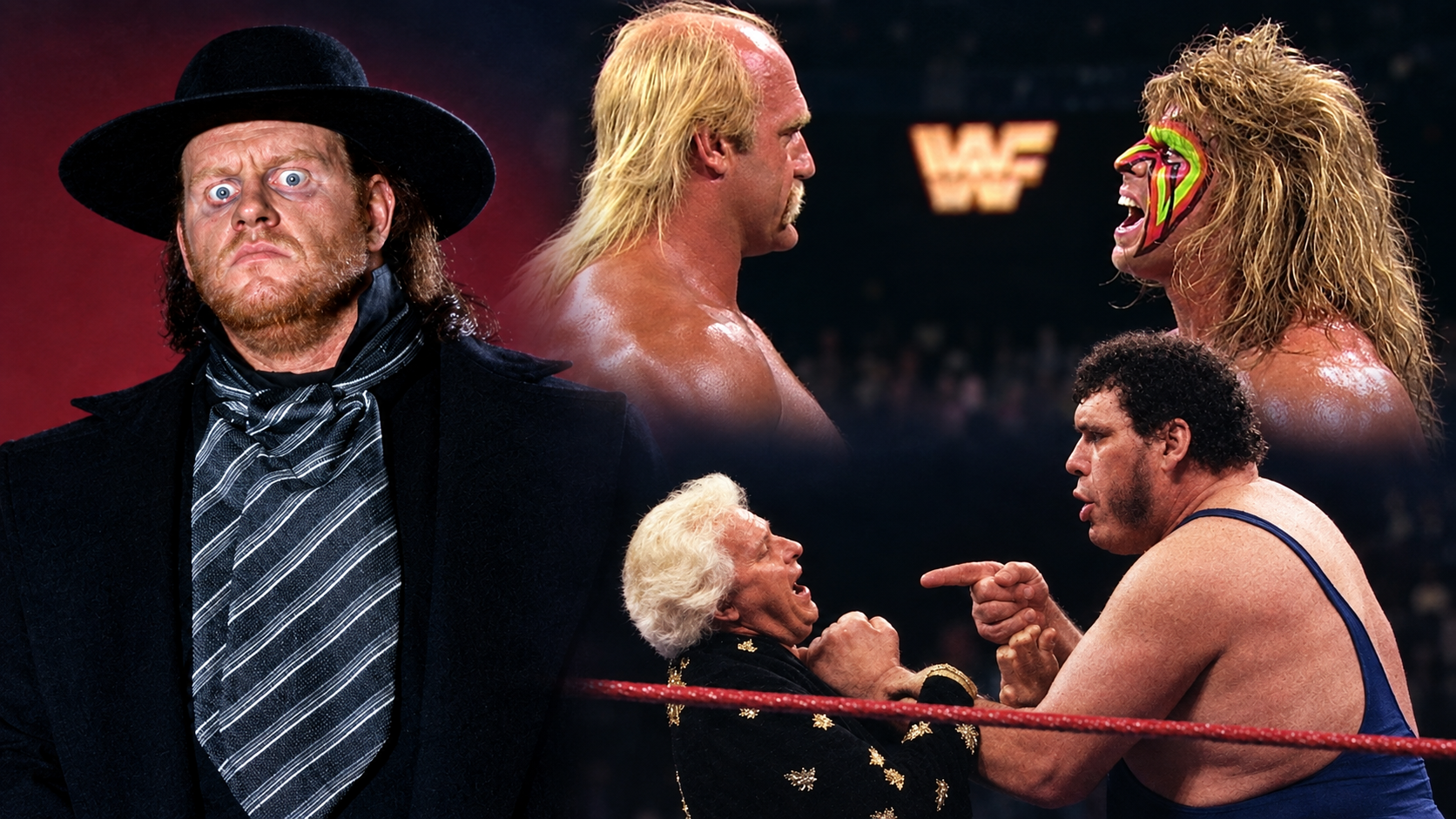
 Hulk Hogan flat on his back at WrestleMania. Andre the Giant turning on the man who led him into battle. A mysterious newcomer taking his first slow steps into a WWF ring. In 1990, the company now known as WWE was still the World Wrestling Federation, and its familiar formula appeared secure. Beneath the spectacle, however, heroes became vulnerable, loyalties broke, and new names moved toward the spotlight. Some changes unfolded before enormous crowds; others began with a refusal, a distraction, or a confrontation lasting seconds. Presented chronologically, these ten moments reveal the WWF’s future taking shape while its past still held center stage.
1. Hulk Hogan and Ultimate Warrior Collide
For once, Hulk Hogan had someone standing across from him whom the fans did not want him to destroy.
Entering the 1990 Royal Rumble, Hulk Hogan and Ultimate Warrior were the WWF’s two leading fan favorites. Hogan held the WWF Championship. Warrior carried the Intercontinental Championship and had climbed into territory few wrestlers were allowed to occupy: somewhere close to Hogan’s level.
Warrior’s popularity among younger fans had come unusually close to Hogan’s, creating a rare opportunity. The WWF could build a major showdown between its biggest heroes without turning either one against the audience. By mid-January, the meeting already looked like a "virtual lock" for WrestleMania VI. First, fans would get a taste of what that collision might look like.
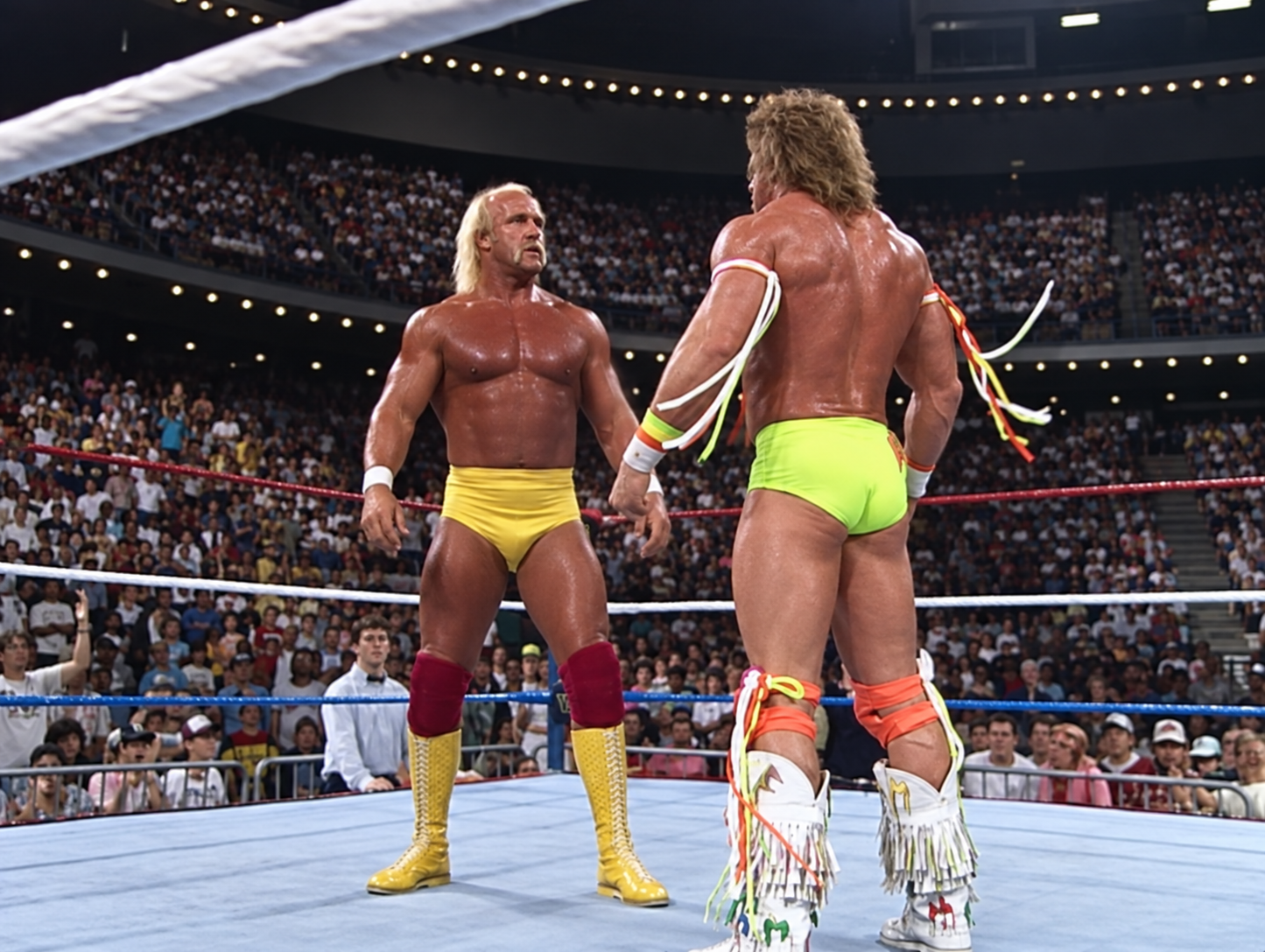
On January 21 at Orlando Arena in Orlando, Florida, Hogan and Warrior cleared the ring of the other wrestlers at the Royal Rumble. Then they turned around.
Only the two of them remained.
They traded shoulder blocks, and neither budged. Simultaneous clotheslines finally put both men down. The entire confrontation lasted less than a minute, but the WWF had made its point: neither champion had gained an advantage, and both got back up at nearly the same time before other entrants filled the ring again.
Later, Warrior was battling Rick Rude and the Barbarian near the ropes when Hogan charged into the exchange and inadvertently sent him over the top. Hogan went on to eliminate Mr. Perfect and win the Royal Rumble.
Dave Meltzer of the Wrestling Observer Newsletter awarded the Rumble three stars. Its lasting image was Hogan and Warrior standing face-to-face, presented as physical equals.
The Rumble had a winner. Their confrontation still needed one. That unfinished business became the first major televised step toward their title-for-title match at WrestleMania VI.
2. Big Boss Man Cannot Be Bought
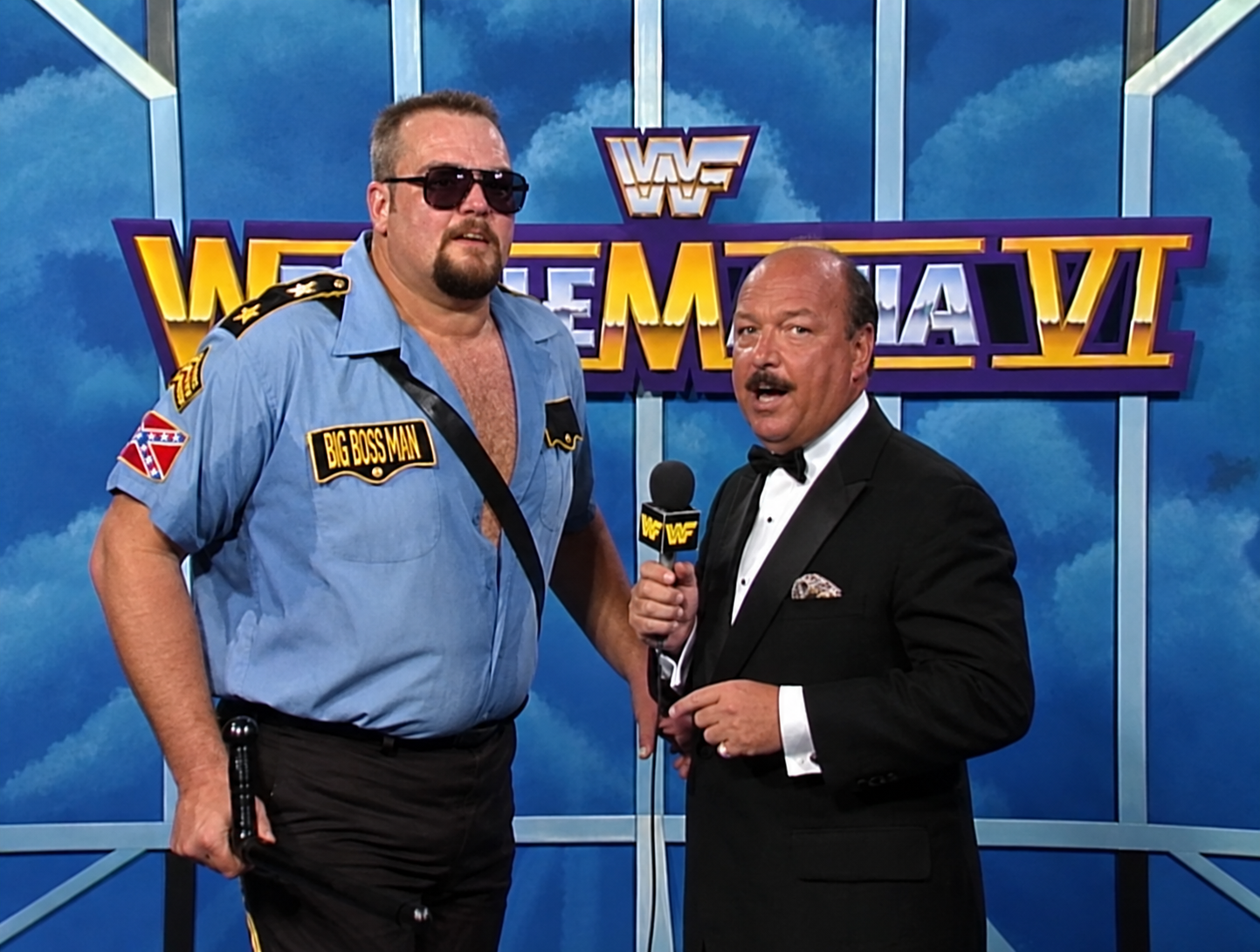
The “Million Dollar Man” Ted DiBiase believed everyone had a price. Big Boss Man was about to make him reconsider.
Since arriving in 1988, Boss Man had been one of the WWF’s most intimidating rulebreakers. With Slick as his manager, he handcuffed opponents to the ropes and used his nightstick to dish out what he called "hard time." There was little reason to expect a crisis of conscience from him.
Then DiBiase made the mistake of assuming that paying Slick meant he owned Boss Man, too.
The change began at a January 2, 1990, taping at the Birmingham-Jefferson Civic Center in Birmingham, Alabama. DiBiase was feuding with Jake "The Snake" Roberts over the Million Dollar Championship, which Roberts had taken and hidden inside the same bag that held his python, Damien. To get it back, DiBiase paid Slick to send Boss Man after it.
At first, the arrangement appeared to work. Boss Man handcuffed Roberts to the ropes, took the bag, and delivered it to DiBiase on the Brother Love Show. With his championship back in his possession, DiBiase celebrated and reminded the audience that anything could be purchased for the right price.
Boss Man had heard enough.
"I may be a lot of things, boy, but I can’t be bought, and I sure ain’t no thief!"
He put the championship back in the bag, returned it to Roberts, and released him from the handcuffs. The segment aired on the February 3 episode of Superstars, rather than February 24, as some later recaps have stated.
Boss Man did not need to become a different person to give the audience a reason to cheer him. He was still stern. He was still aggressive. Now, though, fans could see the code he lived by.
Rejecting DiBiase’s money broke Slick’s hold on him and gave Boss Man a reason to go after the very men he had once helped. The same intensity that had made him such a convincing villain now gave fans a formidable hero to get behind.
Enjoying this story? Own it forever.
No ads. No interruptions. Download the full story as a beautifully formatted PDF at just $0.99.
Get My Copy — $0.993. Buster Douglas Replaces Mike Tyson
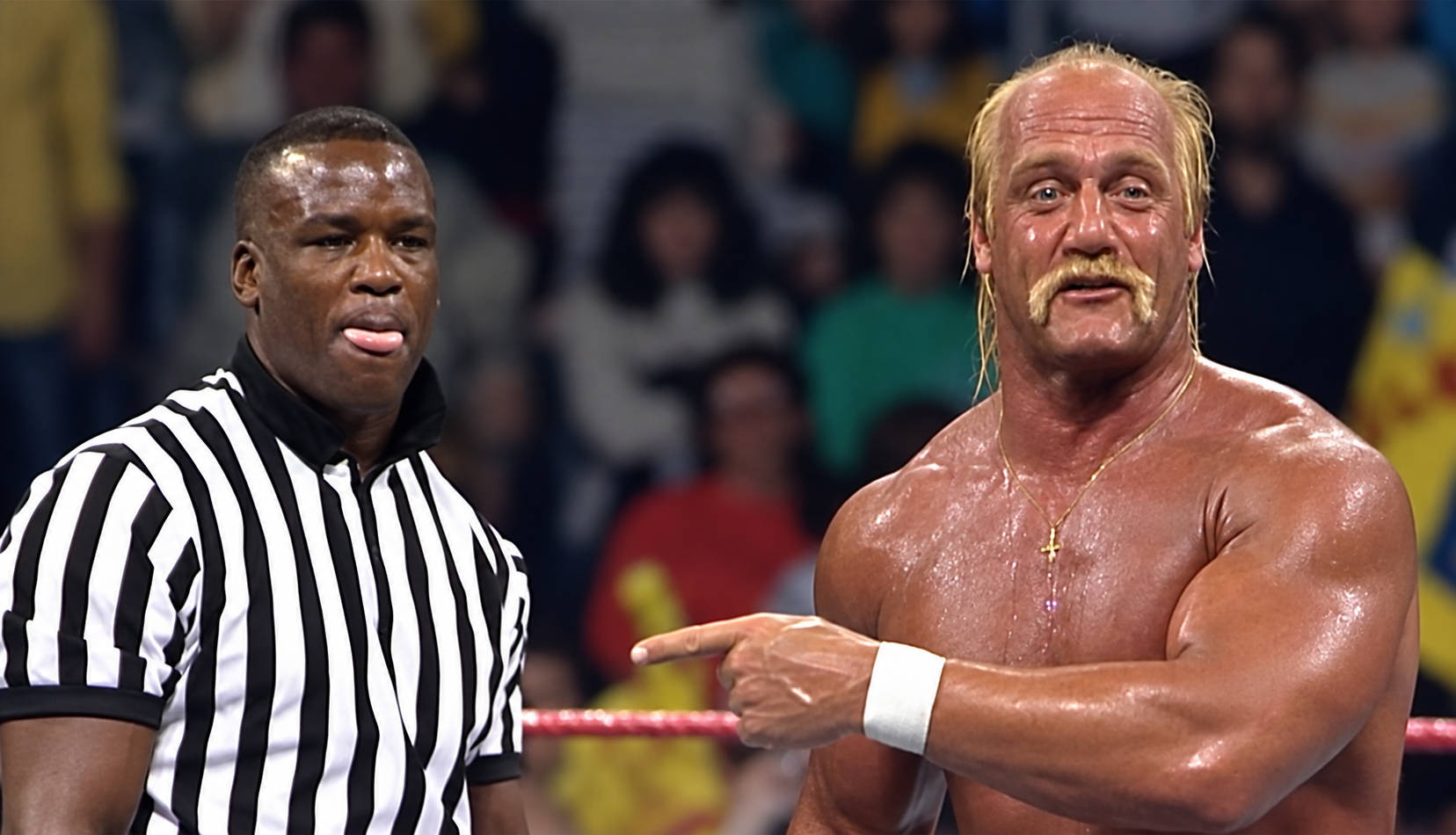
The WWF had lined up Mike Tyson for a major night on NBC. Then Buster Douglas changed the plan with an upset on the other side of the world.
Tyson had agreed to serve as the outside official for Hulk Hogan’s WWF Championship defense against "Macho King" Randy Savage on the live NBC special. His presence would bring one of boxing’s biggest names into the middle of one of the WWF’s biggest rivalries.
On February 11 in Tokyo, James "Buster" Douglas defeated Tyson for the undisputed heavyweight boxing championship. Suddenly, the WWF faced the prospect of presenting Tyson less than two weeks after the most consequential loss of his career.
Tyson’s appearance became uncertain. The promotion’s eventual solution was to bring in the man who had beaten him.
Douglas arrived at Detroit’s Joe Louis Arena on February 23 for The Main Event III. Stationed outside the ring, he was there to enforce order as Hogan and Savage continued their rivalry, which had erupted when the Mega Powers split one year earlier.
Sensational Sherri gave him plenty to do. After she repeatedly interfered for Savage, Douglas ordered her away from ringside. Later, when referee Earl Hebner went down, Douglas climbed into the ring and counted Hogan’s pin following the leg drop.
Savage insisted the count had been too fast. After the bell, he confronted Douglas and threw a punch. Douglas blocked it, dropped Savage with a right hand, and celebrated with Hogan.
The NBC broadcast earned a reported 12.8 rating and reached approximately 20.9 million viewers. A booking that had looked in jeopardy less than two weeks earlier had put the reigning heavyweight boxing champion alongside the WWF’s biggest star.
Tyson would get his own major WWF moment during the company’s 1998 resurgence. In 1990, however, it was Douglas who first brought boxing’s biggest prize into the company’s main-event spotlight.
4. Andre the Giant Leaves Bobby Heenan
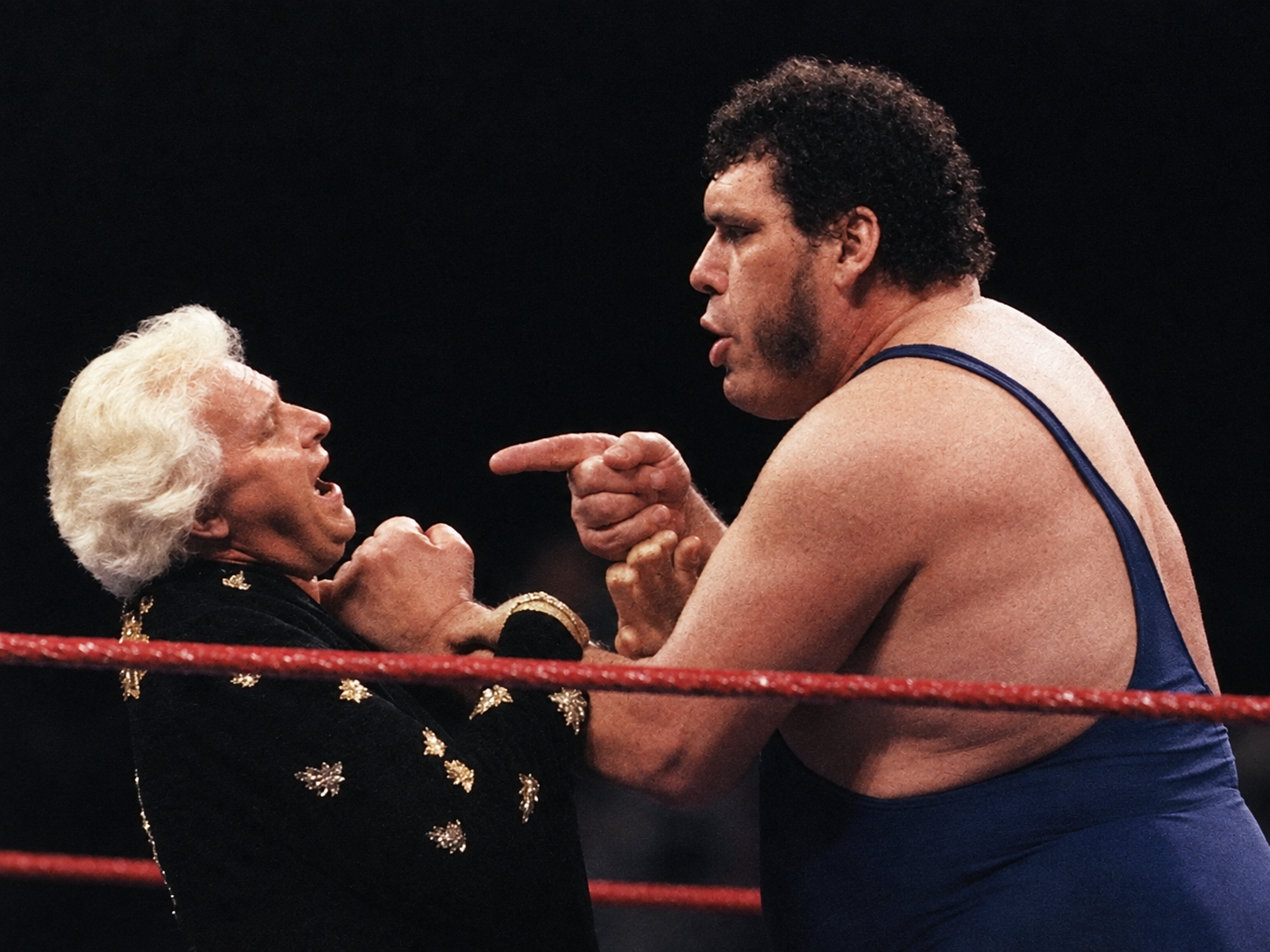
For three years, Bobby "The Brain" Heenan had stood beside Andre the Giant. At WrestleMania VI, one slap brought that arrangement to an end.
Their partnership had begun during the build to WrestleMania III in 1987. Andre’s decision to join the Heenan Family turned him against Hulk Hogan and shattered the WWF’s most prominent friendship.
By WrestleMania VI, Andre held the WWF Tag Team Championship alongside Haku as the Colossal Connection. They had defeated Demolition on the December 30, 1989, edition of Superstars, in a match taped earlier that month.
Holding championship gold could not disguise how much Andre’s health had deteriorated. His limited mobility left Haku handling nearly all the team’s physical work. At Toronto’s SkyDome on April 1, 1990, Haku again wrestled the entire match while Andre remained on the apron.
When Ax and Smash hit Haku with the Demolition Decapitation and regained the championship, Bobby Heenan turned his anger on Andre. The Giant had never legally entered the match, but his manager blamed him anyway.
Then Heenan slapped him.
Andre grabbed Heenan by the shirt. Haku tried to defend their manager, but Andre fought him off and sent Heenan staggering from the ring. Moments later, the Giant rode away alone in the motorized cart, with the audience cheering him once more.
That confrontation was his return to the crowd’s favor. It also came at the end of his televised WWF wrestling career. WrestleMania VI was his final televised WWF match, although he later wrestled several untelevised WWF bouts in 1991 and continued competing for All Japan Pro Wrestling and Mexico’s Universal Wrestling Association through 1992.
His health problems continued to limit what he could do. Although the WWF attributed Andre’s withdrawal from the January 1991 Royal Rumble to a leg injury, Bruce Prichard later offered a broader explanation. Speaking on the Wrestling Inc. Podcast, Prichard explained:
"It was health issues; it was the thought that we’re not going to get Andre beyond this. [We thought] maybe we’d do one where he wins it, but health issues just wouldn’t let him compete. Even bringing him out at number 30 wouldn’t have been pretty."
Andre returned in a supporting role at WrestleMania VII and made several additional WWF appearances in 1991, but his days anchoring major matches for the company were over.
That made the scene in Toronto more than a manager getting what was coming to him. The villainous chapter that had begun before his match with Hogan at WrestleMania III was closed, and Andre could leave a WWF ring with the audience behind him again.
Love Pro Wrestling Stories? Add us as a Preferred Source on Google so our stories always show up first for you. It only takes one click.
Add Us on Google5. Ultimate Warrior Defeats Hulk Hogan
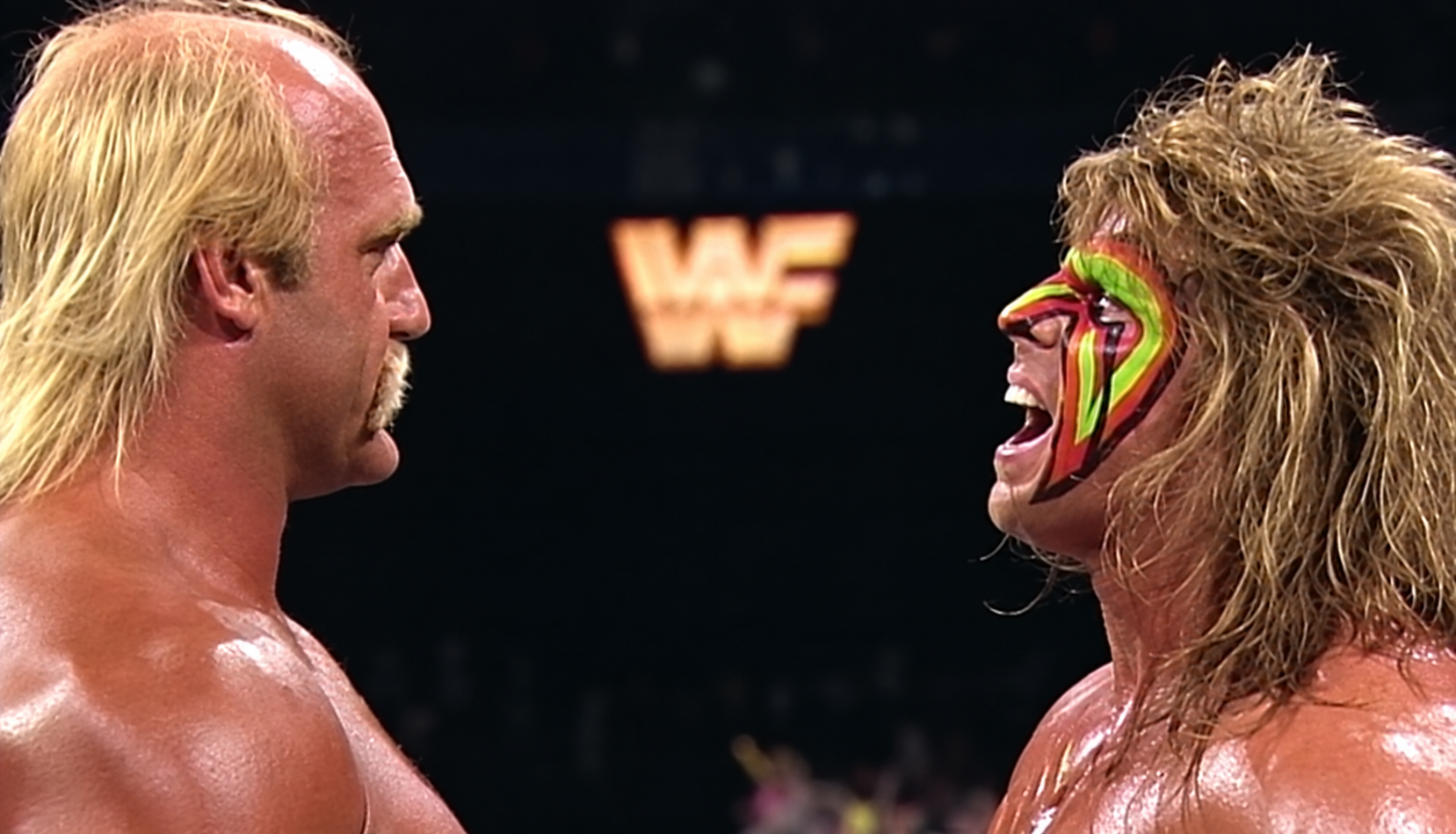
Later that same night, the brief collision from the Royal Rumble became the Ultimate Challenge. This time, Hulk Hogan and Ultimate Warrior would have the ring to themselves, and both championships were on the line.
On April 1, 1990, Hulk Hogan entered WrestleMania VI as WWF Champion. Ultimate Warrior arrived with the Intercontinental Championship. The WWF announced 67,678 spectators inside Toronto’s SkyDome, although later historical estimates have placed the actual attendance at approximately 64,287. Either figure put the event among the largest indoor wrestling crowds of its era.
Those fans faced a choice the WWF rarely asked them to make. Hogan’s opponent was someone they loved, too. There was no foreign menace to repel, no monster to overcome, and no treacherous former friend to punish. The company’s two leading heroes were about to find out which one would leave with everything.
For a match carrying that much weight, the preparation was surprisingly brief. In a 2014 interview with Sports Illustrated, Warrior explained how little time their schedules allowed:
"Because of our tour schedules, Hogan and I only had about 45 minutes to go over the match."
According to Warrior, they met at an old, barn-like wrestling school in Tampa, walked through the match, and did not see each other again until WrestleMania. In the ring, they built the contest around tests of strength, heavy collisions, and delayed pinfalls, giving each struggle time to register.
Late in the match, Warrior hit the gorilla press and running splash. Hogan kicked out.
The familiar comeback followed. Hogan rallied, landed the big boot, and went for the leg drop. For years, that sequence had signaled the end.
This time, Warrior moved.
He ran the ropes, hit a second splash, and pinned Hogan at 22:51 to win the WWF Championship. Hogan handed him the belt and raised his hand before leaving Warrior to celebrate.
Dave Meltzer gave the match 3.75 stars. Its place in WWF history rested on a finish few fans had been conditioned to expect: Hogan had been pinned cleanly on the company’s largest stage.
The WWF had deliberately positioned Warrior as Hogan’s successor, placing both of its leading singles championships in his hands. The handover would prove less permanent than that celebration suggested. Warrior lost the WWF Championship to Sgt. Slaughter at the 1991 Royal Rumble, and Hogan reclaimed it at WrestleMania VII.
Hogan’s place at the center of the company was far from finished. But for one night in Toronto, the man leaving WrestleMania with both belts made a different future feel possible.
With hundreds of amazing Pro Wrestling Stories to dive into, where do you start? Get the inside scoop, join our exclusive community of wrestling fans! Receive 10 hand-picked stories curated just for YOU, exclusive weekly content, and an instant welcome gift when you sign up today!
6. Mr. Perfect Finds His Perfect Manager
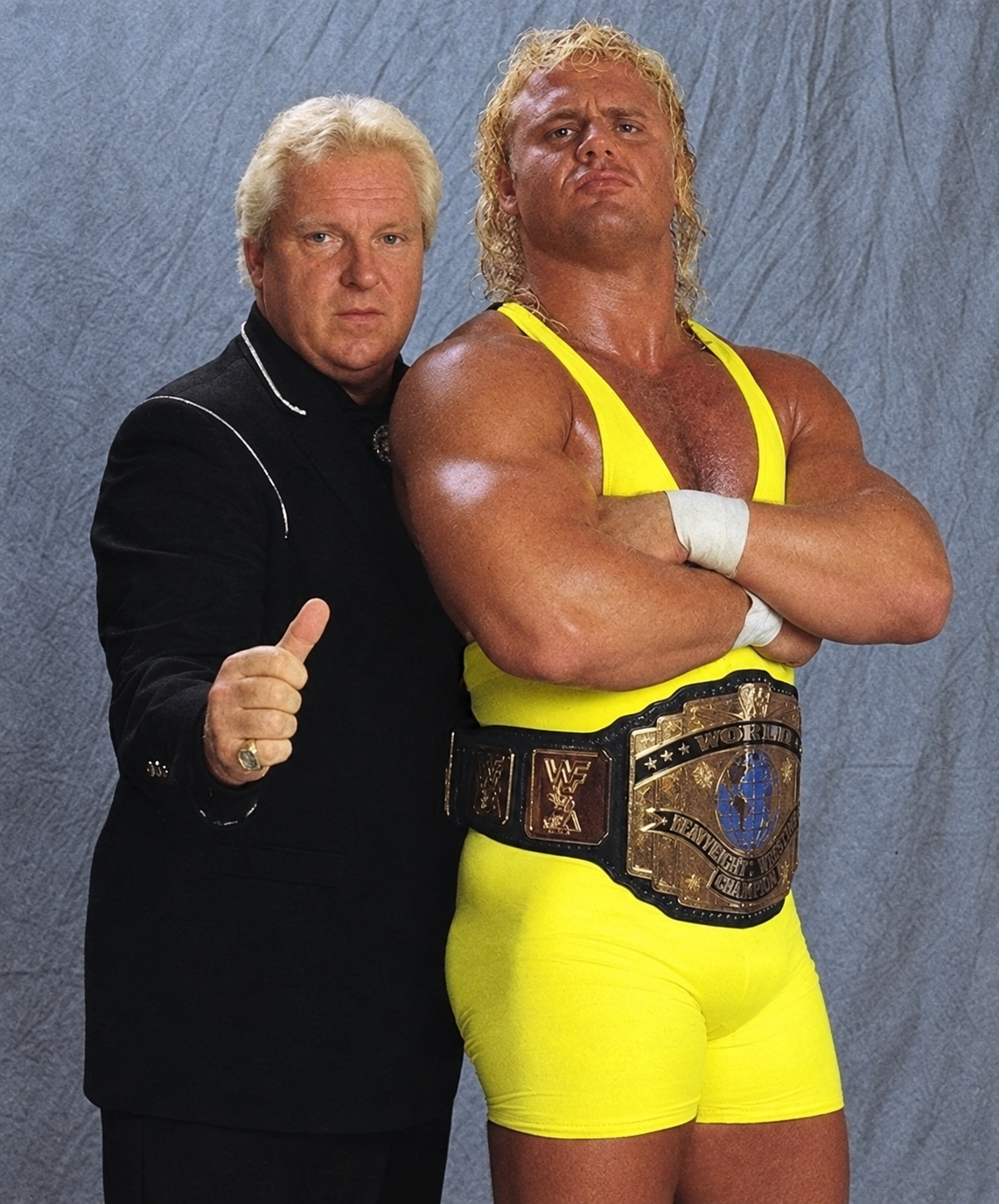
Warrior’s victory created an opening further down the championship ladder. Bobby Heenan knew an opportunity when he saw one.
With one wrestler now holding the WWF’s two leading singles championships, the company chose to vacate the Intercontinental Championship rather than have Warrior defend both. An eight-man tournament would determine its next holder.
Mr. Perfect defeated Jimmy Snuka in the quarterfinals, while former champion Tito Santana advanced past Akeem. Both received byes through the semifinals after the other first-round matches ended without a winner. Their final was taped at the Frank Erwin Center in Austin, Texas, on April 23 and aired on Superstars on May 19.
Heenan appeared at ringside even though he was not yet officially Perfect’s manager. Late in the match, Santana slammed Perfect and signaled for the flying forearm, but Heenan climbed onto the apron and drew Santana’s attention. Santana caught Perfect trying to capitalize on the distraction, only for Perfect to trap him moments later with an inside cradle and win the championship.
After the bell, Perfect introduced Heenan as his new manager. He had come away with more than a title, and their alliance was now official.
The victory began the first of Perfect’s two Intercontinental Championship reigns. He lost the belt to the “Texas Tornado” Kerry Von Erich at SummerSlam on August 27, then regained it from him at a November 19 television taping.
The pairing gave both men something they needed. Heenan could tilt a match in Perfect’s favor without taking away from the champion’s obvious athletic ability. Perfect gave Heenan another major singles wrestler just weeks after Andre the Giant had rejected him at WrestleMania.
The partnership continued into 1991, with Perfect defending against Big Boss Man at WrestleMania VII before losing the championship to Bret Hart at SummerSlam. What began with a timely distraction in Austin became the defining managerial pairing of Perfect’s first WWF run.
Real Autographs. Only Few Remain.
These are hand-signed originals sold directly by Pro Wrestling Stories. Once they sell out, they are gone for good.
Own a Piece of Wrestling History
-

Johnny Rodz Signed WWF 8×10 Photo Autograph (pictured with The Grand Wizard)
$30.00 Add to cart -
Baby Doll (Nickla Roberts) Signed 8×10 Photo Autograph (pictured with Ric Flair)
$35.00 Add to cart -
Johnny Rodz Signed WWF 8×10 Photo Autograph
$30.00 Add to cart -
Nikolai Volkoff Signed WWF 8×10 Photo Autograph (Deceased Legend)
$45.00 Add to cart -
Bushwhacker Luke Signed WWF 8×10 Photo Autograph (with Bushwhackers Butch)
$30.00 Add to cart -
Brutus the Barber Beefcake Signed WWF 8×10 Photo Autograph (with Ultimate Warrior)
$35.00 Add to cart -
Missy Hyatt Signed 8×10 Photo Autograph
$35.00 Add to cart -
Johnny Rodz Signed WWF 8×10 Photo Autograph
$30.00 Add to cart -
Jimmy Hart Signed WWF 8×10 Photo Autograph (pictured with Bret Hart & Jim Neidhart)
$35.00 Add to cart -
Sabu Signed WWF 8×10 Photo Autograph (Deceased Legend)
$55.00 Add to cart -
Ron Simmons Signed WWE 8×10 Photo Autograph
$40.00 Add to cart -
Tito Santana Signed WWF 8×10 Photo Autograph
$35.00 Add to cart -
Nikolai Volkoff & Boris Zhukov Signed WWF “The Bolsheviks” 8×10 Photo Autograph (Deceased Legend)
$60.00 Add to cart -
Johnny Rodz Signed WWF 8×10 Photo Autograph (wrestling Tony Atlas)
$30.00 Add to cart -
Steve Keirn Signed WWF 8×10 Photo Autograph (Fabulous Ones)
$30.00 Add to cart -
Leaping Lanny Poffo Signed WWF Turnbuckle Pose 8×10 Photo Autograph (Deceased Legend)
$45.00 Add to cart -
Brutus the Barber Beefcake Signed WWF 8×10 Photo Autograph 2
$35.00 Add to cart -
Bushwhacker Luke Signed WWF 8×10 Photo Autograph (of The Bushwhackers)
$30.00 Add to cart -
Johnny Rodz Signed WWF 8×10 Photo Autograph (pictured with Captain Lou Albano)
$30.00 Add to cart -
“Hacksaw” Jim Duggan Signed WWF 8×10 Photo Autograph
$40.00 Add to cart -
Ken Patera Signed WWF 8×10 Photo Autograph (pictured with Bobby Heenan & John Studd)
$35.00 Add to cart -
Vince Russo Signed 8×10 Photo Autograph
$35.00 Add to cart -
Fred Ottman Signed WWF 8×10 Photo Autograph (Typhoon)
$35.00 Add to cart -
Justin Credible Signed 8×10 Photo Autograph 2
$30.00 Add to cart -
The Tonga Kid (Sam Fatu) Signed WWF 8×10 Photo Autograph
$35.00 Add to cart -
Koko B. Ware Signed WWF 8×10 Photo Autograph
$45.00 Add to cart -
Sunny (Tammy Lynn Sytch) Signed 8×10 Photo Autograph
$35.00 Add to cart -
Sunny (Tammy Lynn Sytch) Signed WWF 8×10 Photo Autograph (WWE Hall of Fame)
$35.00 Add to cart -
Raven Signed 8×10 Photo Autograph
$35.00 Add to cart -
“Greg the Hammer” Valentine Signed WWF 8×10 Photo Autograph
$45.00 Add to cart -
Kevin Sullivan Signed 8×10 Photo Autograph (Deceased Legend)
$45.00 Add to cart -
Butcher Paul Vachon Signed WWF 8×10 Photo Autograph (Deceased Legend)
$45.00 Add to cart -
Marcus “Buff” Bagwell Signed WCW 8×10 Photo Autograph
$30.00 Add to cart -
Leaping Lanny Poffo Signed WWF Frisbee Pose 8×10 Photo Autograph (Deceased Legend)
$45.00 Add to cart -
Jerry “The King” Lawler Signed 8×10 Photo Autograph
$50.00 Add to cart -
Steve Keirn Signed WWF 8×10 Photo Autograph (Skinner)
$30.00 Add to cart -
Bushwhacker Luke Signed WWF 8×10 Photo Autograph (The Bushwhackers)
$30.00 Add to cart -
Larry Zbyszko Signed 8×10 Photo Autograph 2
$40.00 Add to cart -
Barry Windham Signed 8×10 Photo Autograph
$40.00 Add to cart -
Jimmy Hart Signed WWF 8×10 Photo Autograph (pictured with Hulk Hogan)
$35.00 Add to cart -
Bushwhacker Luke Signed WWF 8×10 Photo Autograph (pictured with Bushwhacker Butch)
$30.00 Add to cart -
Johnny Rodz Signed WWF 8×10 Photo (wrestling Andre the Giant)
$30.00 Add to cart -
Ken Patera Signed WWF 8×10 Photo Autograph
$35.00 Add to cart -
Jerry Lynn Signed 8×10 Photo Autograph
$35.00 Add to cart -
Nikolai Volkoff Signed WWF 8×10 Photo Autograph 2 (Deceased Legend)
$45.00 Add to cart -
Justin Credible Signed 8×10 Photo Autograph
$30.00 Add to cart -
Fred Ottman Signed WCW 8×10 Photo Autograph (The Shockmaster)
$35.00 Add to cart -
Sunny (Tammy Lynn Sytch) Signed WWF 8×10 Glamour Photo Autograph
$35.00 Add to cart -
D’Lo Brown Signed WWF 8×10 Photo Autograph
$30.00 Add to cart -
Bushwhacker Luke Signed WWF 8×10 Photo Autograph
$30.00 Add to cart -
Larry Zbyszko Signed WCW 8×10 Photo Autograph
$40.00 Add to cart -
Hornswoggle (Dylan Postl) Signed WWE 8×10 Photo Autograph
$30.00 Add to cart -
Leaping Lanny Poffo Signed WWF 8×10 Photo Autograph (Deceased Legend)
$45.00 Add to cart -
Sunny (Tammy Lynn Sytch) Signed WWF 8×10 Photo Autograph
$35.00 Add to cart -
Jerry “The King” Lawler Signed WWE 8×10 Photo Autograph 2
$50.00 Add to cart
7. Earthquake Tries to End Hulkamania
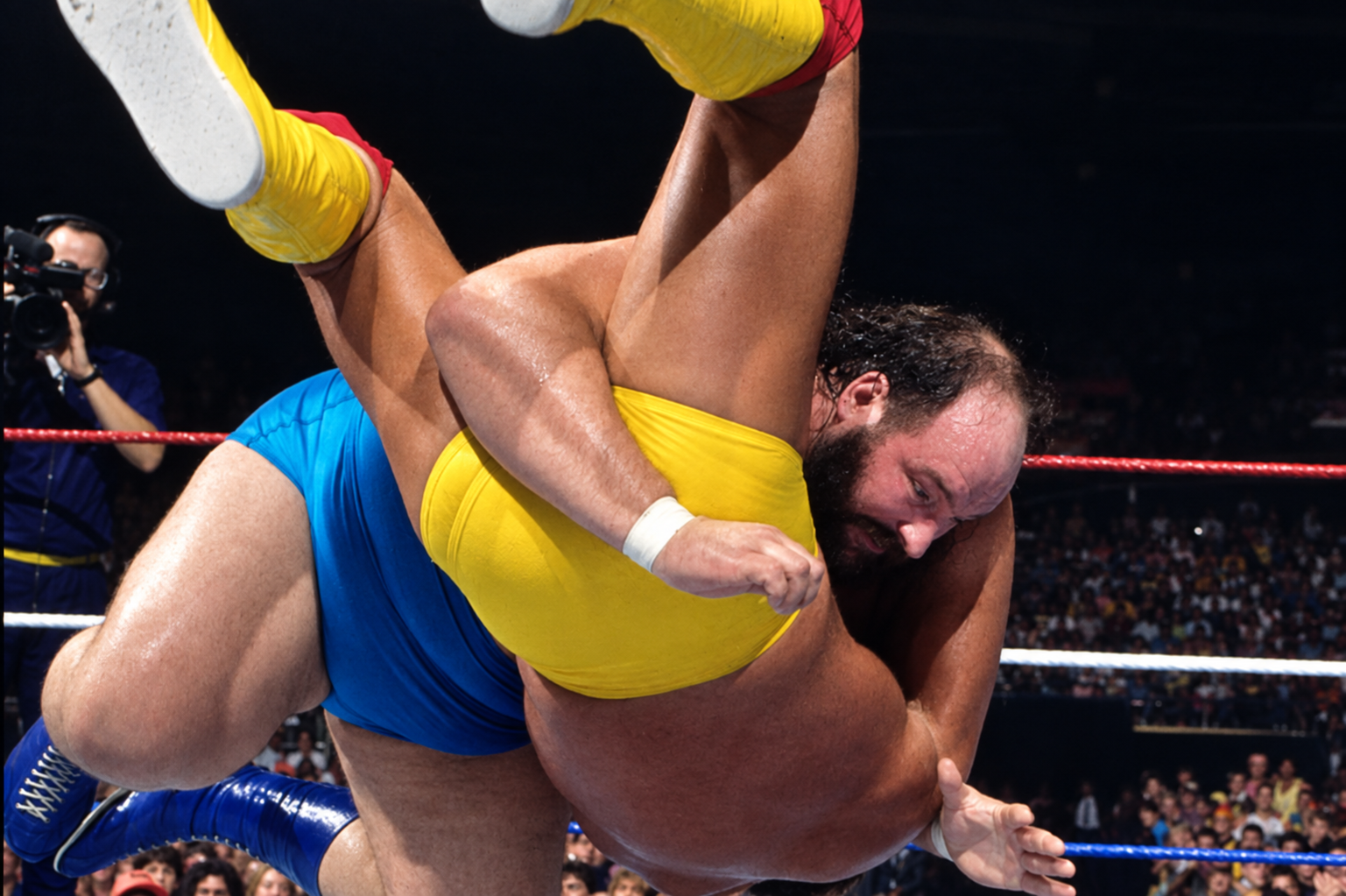
Losing the WWF Championship had shown that Hulk Hogan could be beaten. “Earthquake” John Tenta’s next move asked fans to imagine something worse: Hulkamania ending altogether.
Managed by Jimmy Hart, the 400-pound former sumo wrestler had entered 1990 as one of the WWF’s most dangerous new villains. Repeated seated splashes left his opponents unable to continue. Then he turned his attention to Hogan.
The attack was taped at the La Crosse Center in La Crosse, Wisconsin, on May 15 and aired on the May 26 episode of Superstars. Hogan had joined the Brother Love Show to discuss losing the WWF Championship to Ultimate Warrior when Earthquake interrupted and attacked him from behind.
With Brother Love and Jimmy Hart urging him on, Earthquake delivered three splashes. Officials and other wrestlers tried to intervene. They could not stop him.
Hogan left in a neck brace, strapped to a stretcher and carried from the arena. The broadcast treated his condition as potentially career-ending, while Vince McMahon asked viewers to send cards and letters of support.
For an audience used to watching Hogan fight his way out of almost anything, the image was difficult to shake.
The injury belonged to the storyline; Earthquake had not legitimately put Hogan out of action for three months. The angle took Hogan off television, gave him his next major rival, and made his return a central part of the WWF’s SummerSlam promotion.
They met at Philadelphia’s Spectrum on August 27. Hogan slammed Earthquake onto the timekeeper’s table and returned to the ring before the referee reached ten, winning by countout. Earthquake resumed the assault after the bell until Big Boss Man intervened with a chair, after which Hogan caught Jimmy Hart and threw him onto Earthquake.
Earthquake had failed to defeat Hogan, but the attack had already changed his standing. He had made the former champion look vulnerable in a way audiences rarely saw at the height of Hulkamania, earning himself a credible place among the WWF’s main-event threats.
He remained a prominent opponent into 1991 before joining the former Tugboat, renamed Typhoon, to form the Natural Disasters. The attack on Hogan was the moment Earthquake became more than a destructive newcomer. He had given fans a reason to fear what might happen when he reached the WWF’s biggest stars.
8. The Hart Foundation Dethrones Demolition
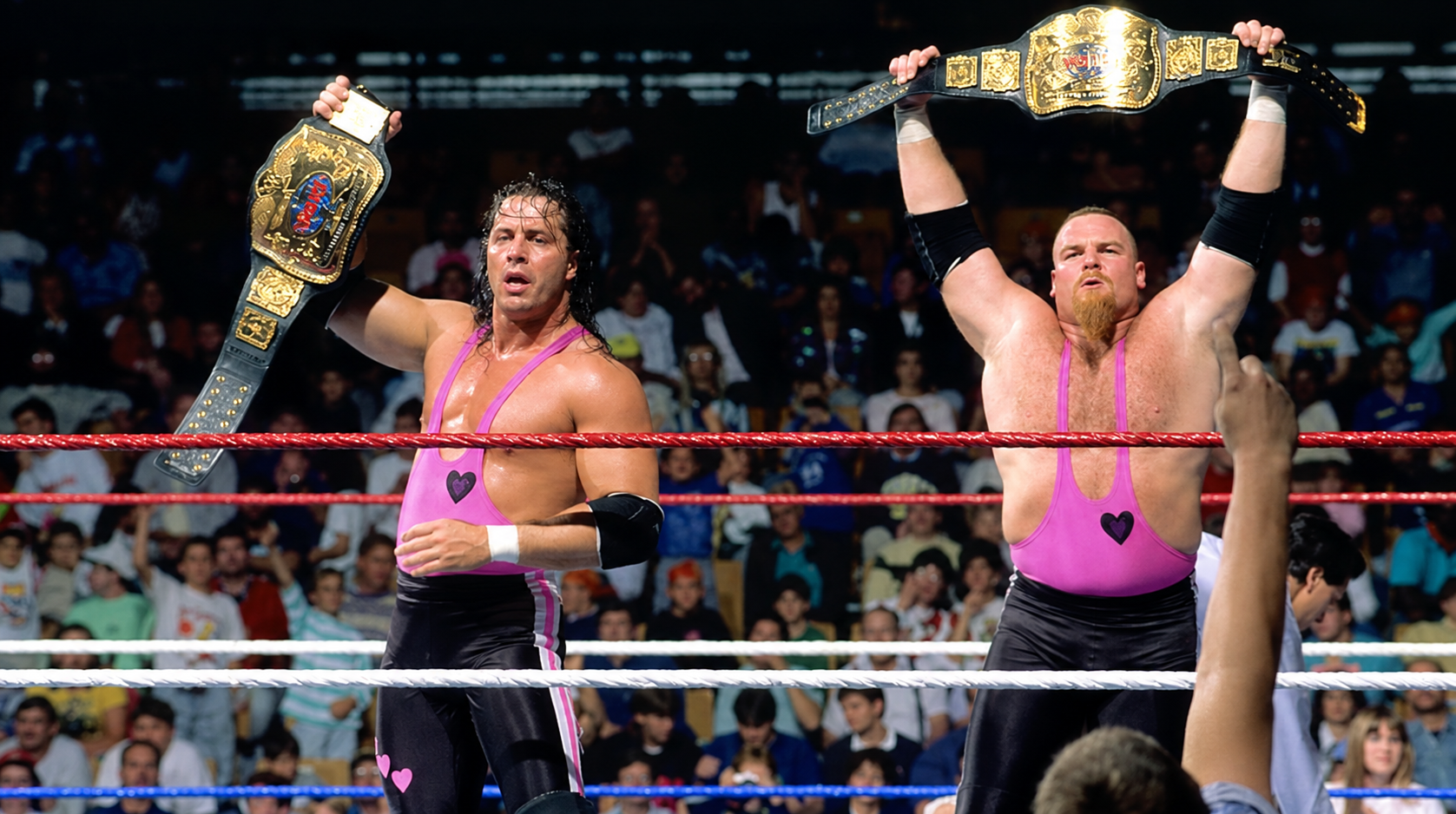
Demolition had spent much of the previous two years with a grip on the WWF tag team division. To loosen it, Bret Hart and Jim Neidhart would have to contend with a team that now had an extra man to spare.
Ax and Smash began their third championship reign by defeating Andre the Giant and Haku at WrestleMania VI. Soon afterward, Demolition added Crush as Ax’s physical condition reduced his schedule. With three members rotating in and out, challengers could no longer be certain which combination they would face.
At SummerSlam on August 27, 1990, inside Philadelphia’s Spectrum, Smash and Crush defended against the Hart Foundation in a two-out-of-three-falls match. Only two members of Demolition were allowed at ringside.
Demolition struck first, hitting Hart with the Demolition Decapitation to take the opening fall. The Hart Foundation evened the match by disqualification when Crush shoved the referee.
With the championship resting on the deciding fall, Demolition tried to make its third member count. Ax emerged from beneath the ring and switched places with Smash.
The Legion of Doom arrived to expose the substitution and neutralize Ax. In the confusion, Hart positioned himself behind Crush as Neidhart launched over the top rope. Crush fell backward over Hart, and the pin came at 14:24.
The Hart Foundation had the championship back. Hart barely had the energy left to celebrate.
He later remembered that the temperature outside had climbed above 100 degrees and described the Spectrum as "an oven." After spending much of the match in the ring, he lay exhausted on his back while Neidhart placed the championship across his chest.
"The pink and black attack was back!"
In Hitman: My Real Life in the Cartoon World of Wrestling, Hart recalled what the victory meant backstage:
"It meant so much to us to hear all the boys give us a standing ovation with The Hulkster leading the way."
WWE later included the match among its notable SummerSlam contests, and records of Meltzer’s contemporary ratings list it at 3.5 stars. For the Hart Foundation, it was the beginning of a second championship reign. For Demolition, it marked the end of a long stretch at the top.
By 1991, Demolition was moving into shorter matches against teams such as the Legion of Doom and Bushwhackers. Smash and Crush lost in less than five minutes at WrestleMania VII. The team that had once set the pace for the division was watching others move ahead.
9. Dustin Rhodes Enters the Family Feud
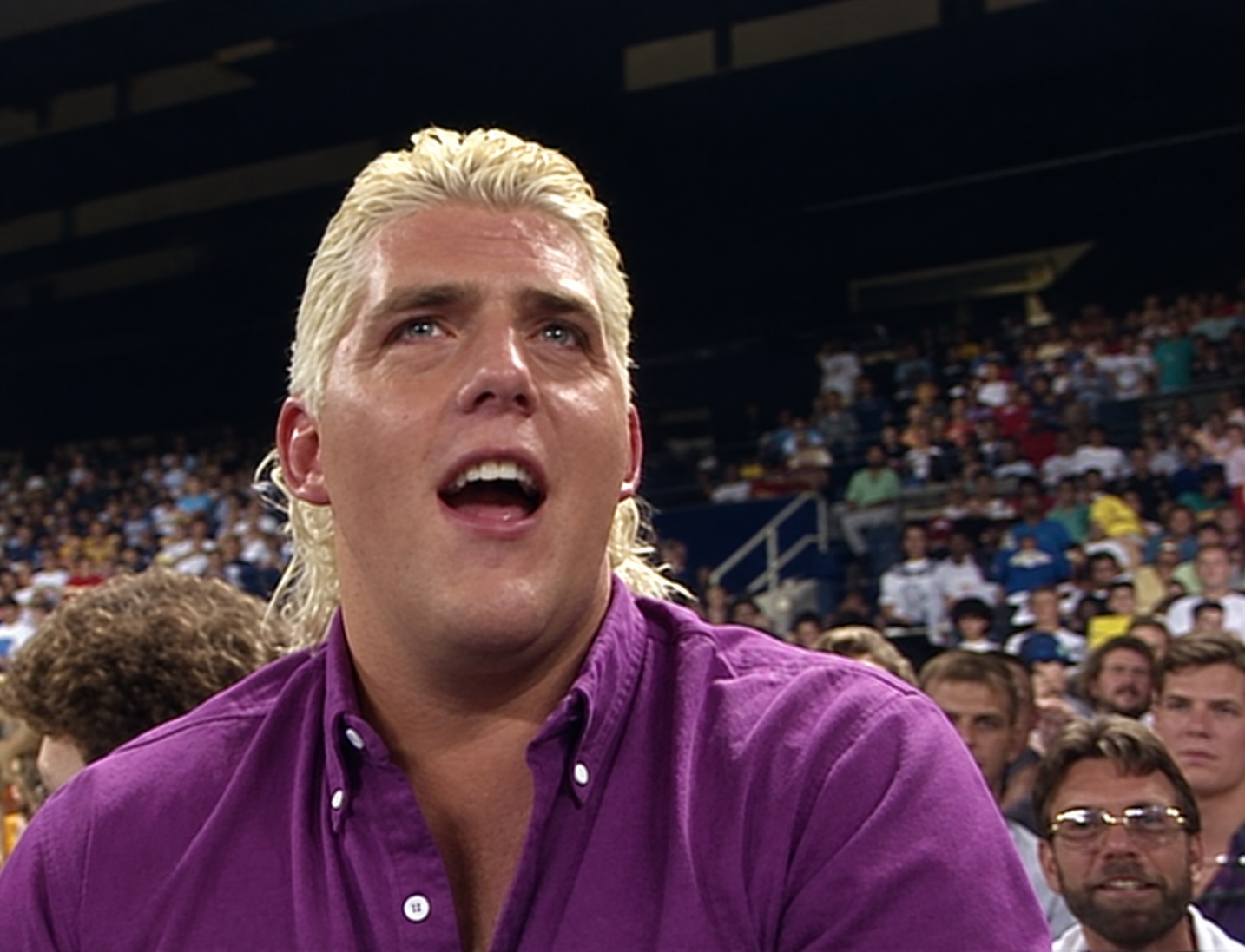
Earlier in the year, Ted DiBiase had learned that he could not buy Big Boss Man. Now a 21-year-old sitting in the front row was about to reject his money, too.
Years before Goldust, Dustin Rhodes entered the WWF while his father, Dusty Rhodes, was feuding with "Macho King" Randy Savage. Dustin had already begun wrestling professionally, but the WWF was about to give him his first prominent role on national television, and the introduction would be painful.
The angle was taped at the Toledo Sports Arena on September 18, 1990, and aired on the October 13 episode of Saturday Night’s Main Event. As Dusty wrestled Savage, Dustin watched from the front row.
DiBiase and Virgil arrived during the match and began paying spectators to surrender their seats. Dustin refused to move. When DiBiase handed him the money anyway, Dustin crumpled it and threw it at Virgil.
In his autobiography, Cross Rhodes: Goldust, Out of the Darkness, Dustin described the assignment as his first major opportunity in the WWF. Vince McMahon had hired him after a tryout with veteran wrestler Black Bart, and the ringside angle placed him alongside his father in a nationally televised program.
As Dustin tried to support Dusty, DiBiase and Virgil repeatedly pulled him back into his wooden folding chair. Dustin eventually struck both men, but DiBiase clotheslined him over the barricade and caught him in the head with the corner of the chair.
The blow opened a cut that required several stitches. Dustin later admitted that Dusty reacted so convincingly for the television cameras that he remained uncertain whether the injury had been arranged without his knowledge:
"To this day, I don’t know if they planned that without telling me."
Dusty left the ring to protect his son, giving Savage a countout victory. What began as interference in Dusty’s match had suddenly become a family feud with the Million Dollar Man.
The October broadcast was not Dustin’s first WWF match. Between the September 18 taping and its airdate, he wrestled Paul Diamond at Madison Square Garden on September 21. What television viewers saw on Saturday Night’s Main Event was his introduction to an ongoing WWF storyline rather than his debut with the company.
DiBiase subsequently boasted that he could defeat Dustin in ten minutes or less but repeatedly failed to make good on the claim. Dustin credited the veteran as a valuable teacher during the program, which gave him experience against one of the WWF’s leading villains before the two families met on pay-per-view.
Dusty and Dustin eventually faced DiBiase and Virgil at the Royal Rumble on January 19, 1991, at Miami Arena. DiBiase pinned Dusty, but his treatment of Virgil finally caught up with him after the match when his longtime bodyguard struck him with the Million Dollar Championship.
Dustin’s first WWF run was brief. He continued working for the company into January 1991 before returning to World Championship Wrestling the following month. WWE brought him back in 1995, when he stepped far outside his father’s shadow as Goldust.
10. The Undertaker Makes His Entrance
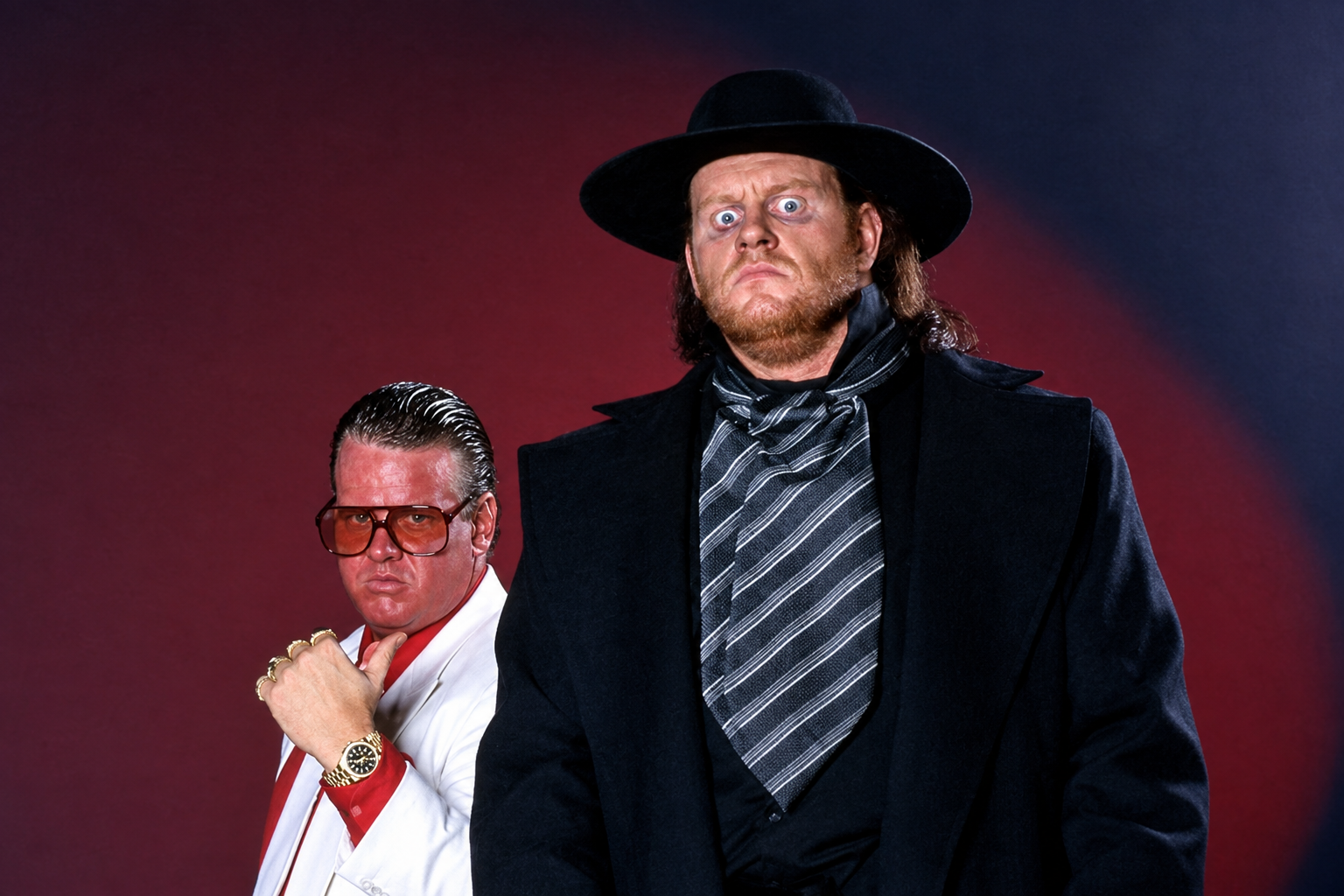
Ted DiBiase had promised a mystery partner. What emerged at Survivor Series would outlast the team, the rivalry, and the era that introduced him.
On November 22, 1990, inside the Hartford Civic Center in Hartford, Connecticut, DiBiase, Greg Valentine, and the Honky Tonk Man waited for the final member of the Million Dollar Team. Brother Love led a towering figure toward the ring, dressed in a black coat, hat, gloves, and tie.
The man beneath the hat was Mark Calaway, previously known in World Championship Wrestling as "Mean" Mark Callous. To a national WWF audience, he was now The Undertaker.
DiBiase later recalled the entrance in Every Man Has His Price: The True Story of Wrestling’s Million Dollar Man:
"The fans were in awe," DiBiase wrote, calling the entrance "one of the most entertaining moments in the business."
Once the match began, The Undertaker moved slowly and barely reacted to his opponents’ attacks. He eliminated Koko B. Ware with the Tombstone Piledriver. Later, he walked across the top rope and struck team captain Dusty Rhodes across the back, then pinned him.
Brother Love kicked Rhodes on the arena floor after his elimination. The Undertaker followed the two toward the entrance and was counted out, ending his part in the match without anyone pinning him or forcing him to submit. DiBiase ultimately survived by pinning Bret Hart.
The newcomer had shown little emotion. Beneath the character, Calaway was fighting to contain his excitement.
In A&E’s Biography: WWE Legends, Calaway recalled why the character immediately felt right for him:
"There was nothing happy about it. This dude was an ominous figure. He was an assassin. It landed right perfectly in my wheelhouse of what I wanted to do."
Calaway admitted the greater challenge was controlling his excitement once he stepped through the curtain. The Undertaker had to walk slowly and remain ominously composed, even as the man portraying him felt as though he were bouncing off the walls inside.
Survivor Series was The Undertaker’s televised character debut. Calaway had already worked WWF tapings beginning November 19, but those matches aired after Survivor Series. For the television audience, this was the introduction.
The elimination match is listed at 3.5 stars in records of Meltzer’s contemporary ratings. Its enduring significance was the beginning of The Undertaker’s rise in WWE.
Within months, Paul Bearer had replaced Brother Love, and The Undertaker was being matched against established names such as Ultimate Warrior. One year after his debut, he defeated Hulk Hogan for the WWF Championship at Survivor Series 1991.
How 1990 Changed WWE
The WWF did not leave its 1980s identity behind simply because the calendar changed. Hulk Hogan remained central, familiar rivalries continued, and the company’s attempts to elevate new stars did not always unfold as planned. What changed in 1990 was the range of possibilities presented to the audience. Hogan could be beaten, dominant teams and long-standing alliances could lose their grip, a second-generation wrestler could be pulled into the family business on national television, and an unfamiliar figure could make his entrance feel like the beginning of something no one yet understood.
Not every development lasted. Ultimate Warrior’s championship reign ended the following January, Hogan returned to the top at WrestleMania VII, and some promising changes were reversed almost as quickly as they had arrived. Yet the WWF could not make its audience forget what it had already shown them. The established order was no longer immovable, and the stars who had defined the previous decade were now sharing the spotlight with people who would shape the next one.
That is why 1990 stands out as more than the first year of a new decade. It was not a clean break between eras, nor was it the moment the old WWF suddenly disappeared. It was the year certainty began to give way. The familiar colors, characters, and heroes were still in place, but the company’s future was no longer waiting somewhere beyond the curtain. By the end of 1990, it had already stepped into the spotlight and begun sharing the ring.
These stories may also interest you:
- 15 1990s WWF Heels That Deserve More Love!
- 150 Classic Wrestling Moves You Rarely See Anymore
- Ric Flair: The $25,000 Fight That Sent Him to the WWF
Download PDF Version
Get the complete article as a formatted PDF for offline reading.