Author:
 Billed at seven feet four inches and over 500 pounds, for years, the world was told that no one could put Andre the Giant on his back. They were lying. Before Hulk Hogan scooped the Giant skyward at WrestleMania III, 23 wrestlers across five continents had already done it. Some accomplished the feat in smoke-filled territorial arenas before crowds that barely reached four figures. Others did it in packed Tokyo halls in front of television cameras. One man did it in Europe barely eight months before that historic night in Pontiac. Here are the wrestlers and 30 confirmed times Andre the Giant was bodyslammed, arranged chronologically and drawn from match records, firsthand accounts, and the territory history behind pro wrestling’s greatest sustained illusion.
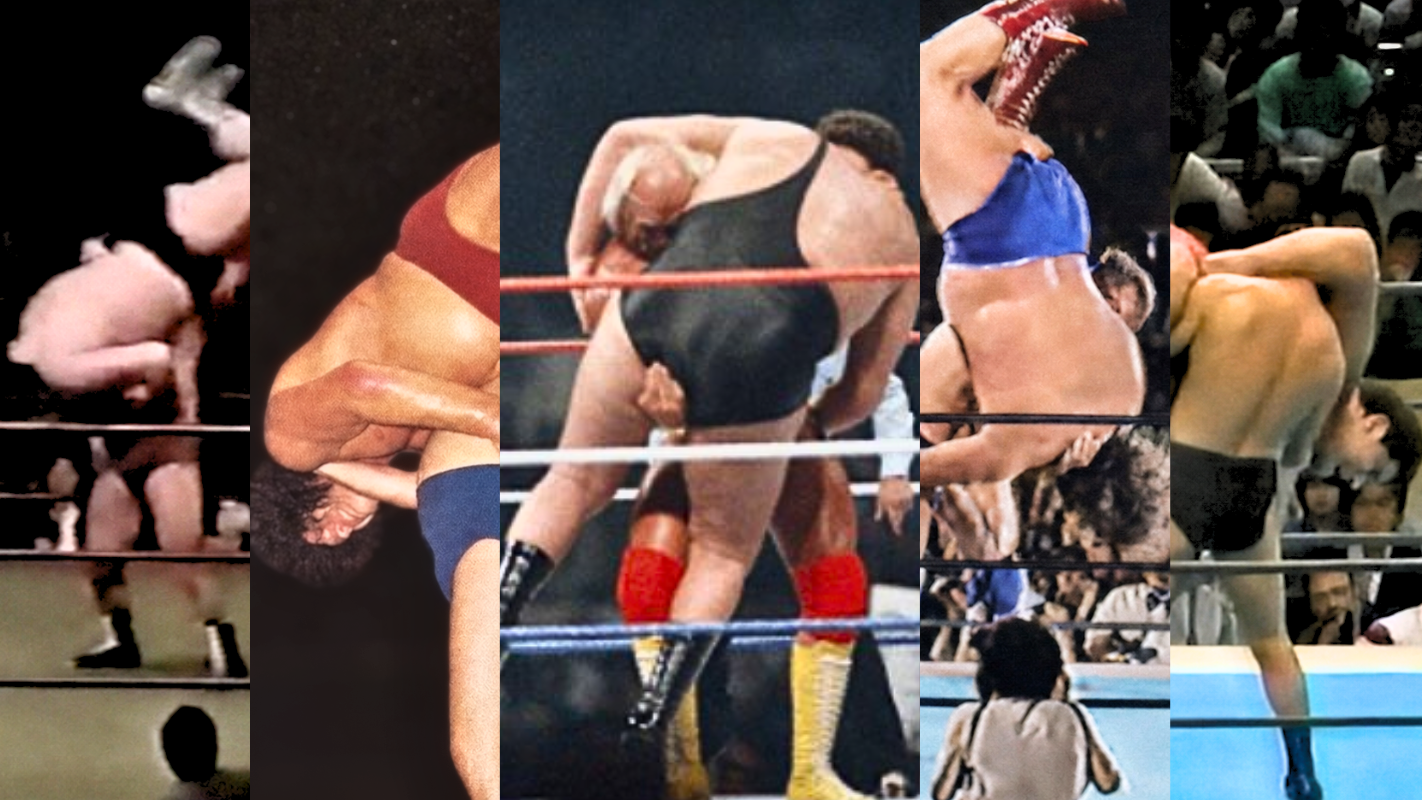
1. Andre Bollet Bodyslams Jean Ferré in France: The First Known Andre the Giant Bodyslam (December 1968 or 1969)
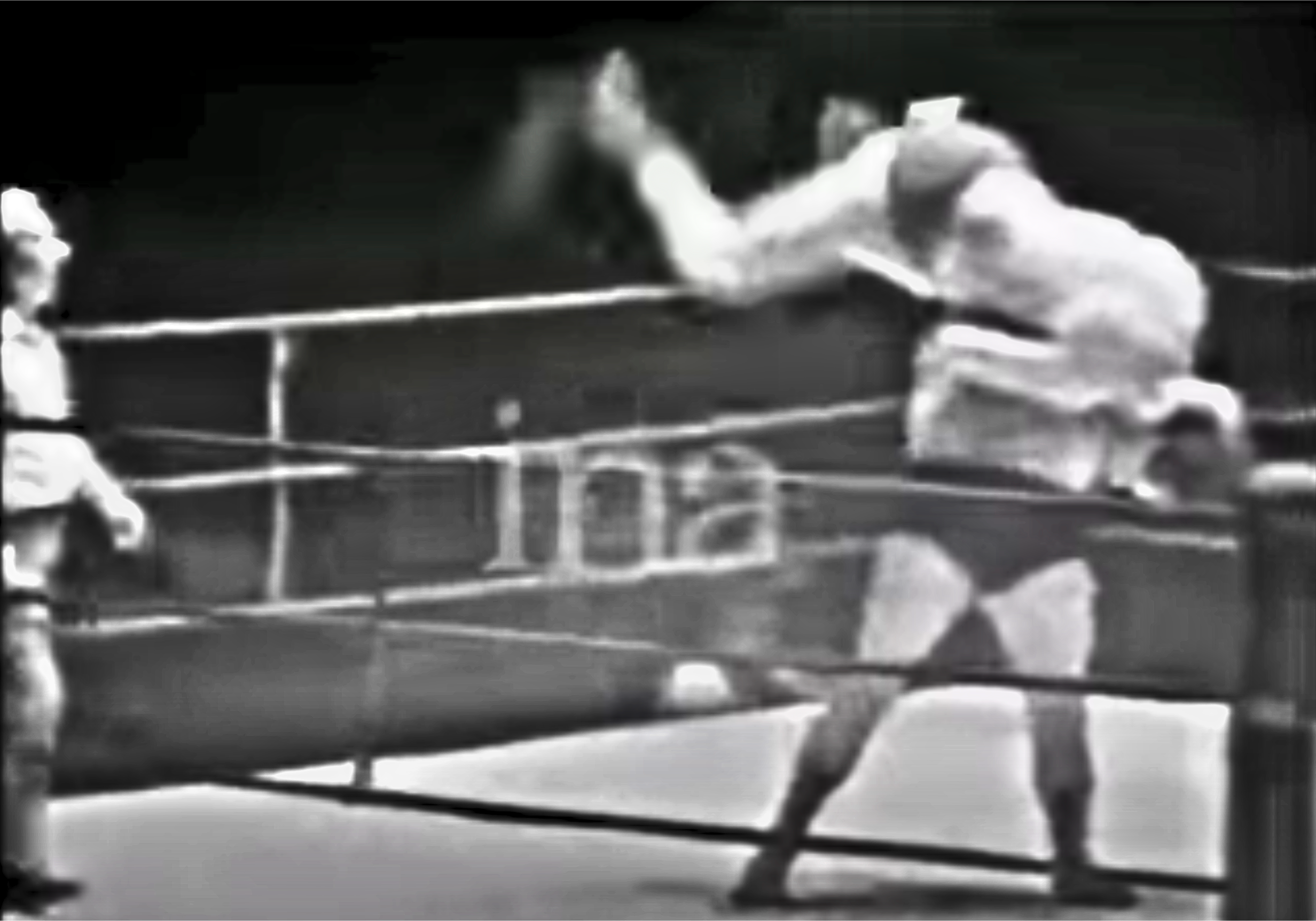
The earliest recorded bodyslam of Andre the Giant did not happen in Madison Square Garden, Tokyo, Mexico, or Montreal. It happened in France, when Andre was still wrestling as Jean Ferré, a lean and quick young heavyweight years away from the name that would make him famous.
French veteran Andre Bollet delivered not one but two consecutive bodyslams in that bout, the earliest surviving footage of the future Giant being lifted and put on his back. The exact date is disputed, recorded as either December 1968 or December 8, 1969, but the footage is clear and predates the WrestleMania III story by nearly two decades.
This was the very start of Andre’s career, long before his body became a protected attraction. He was still developing, still learning the craft, and entirely capable of being slammed by an experienced opponent. Before the myth was ever built, he was a young giant learning how to work, how to move, and how to fall.

2. Kendo Nagasaki Bodyslams Andre the Giant in Hanley, England (June 7, 1969)
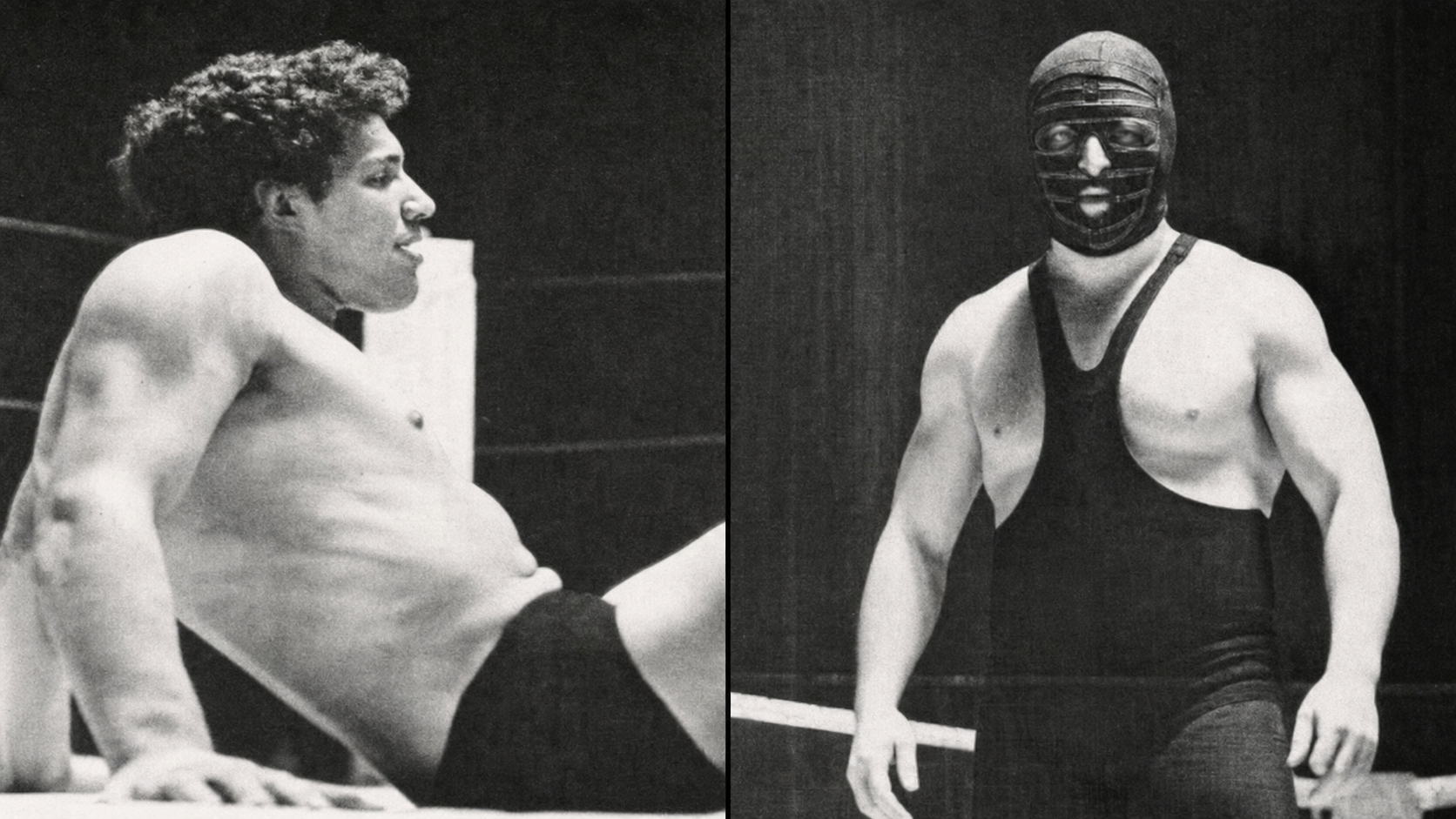
Peter Thornley, better known in professional wrestling as Kendo Nagasaki, did not just bodyslam Andre the Giant. He did it on June 7, 1969, in Hanley, England, and then pinned him, becoming the first person in recorded wrestling history to defeat Andre in a singles match.
In his own words, he told The Sun Sport in 2024, “He was a bit green, and when he went in the ring with me he said, ‘Please, if I do something you don’t like, please don’t hurt me.’ And he said, ‘What am I going to do?’ So I said to him, ‘Get me in a bear hug and I’ll make you look good.’ And we got through the show by him holding me in a bear hug ’cause he’s a big lad. And eventually I got out, bodyslammed him, and pinned him. And that was the end of it. We only went two and a half rounds. That was the first time he was beaten.”
Nagasaki beat Andre three times in 1969 alone: June 7 in Hanley by technical knockout, October 2 at Liverpool Stadium by referee’s decision, and December 15 in Birkenhead by disqualification. Andre arrived in the UK that year still learning the business, green enough to ask his opponent not to hurt him before the bell. By the time he left Britain, Nagasaki had defeated him in every available format, and Andre never returned to work the UK circuit.
No film of the Hanley match survives. The record rests on Thornley’s firsthand account and the documented match result, but his testimony is uncontested: it was a bodyslam, followed by a pin, and it was the first time Andre the Giant was ever beaten. Nagasaki is also the only man in the entire record who faced Andre and never lost to him.
Enjoying this story? Own it forever.
No ads. No interruptions. Download the full story as a beautifully formatted PDF at just $0.99.
Get My Copy — $0.993. Strong Kobayashi Bodyslams Andre the Giant in Morioka, Japan: IWE World Series Final (May 6, 1972)
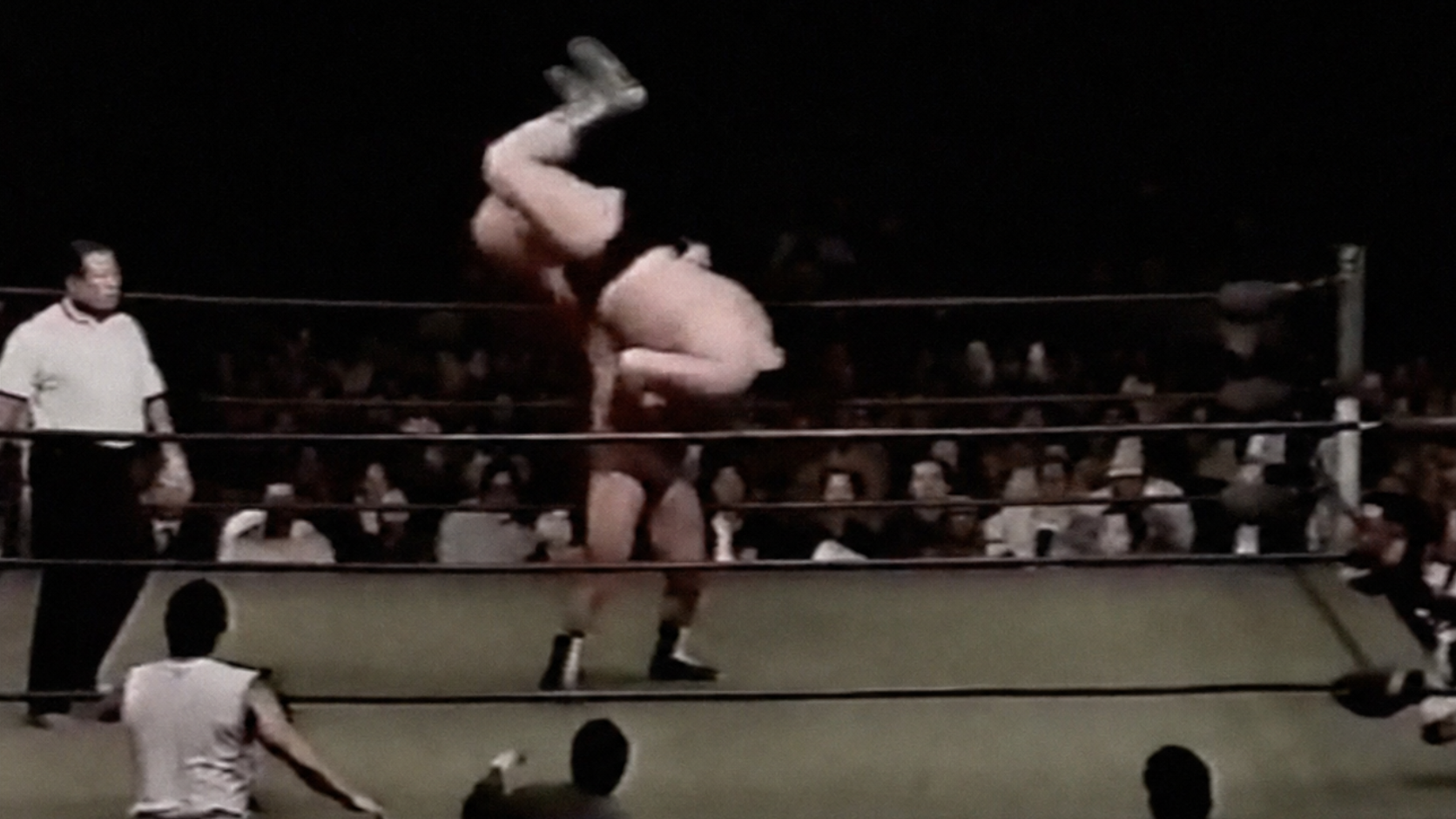
Strong Kobayashi’s bodyslam of Andre the Giant in the final of the 4th IWA World Series on May 6, 1972, is one of the most significant and least discussed entries in the entire pre-WrestleMania III record. The match took place at the Morioka City Gymnasium under International Wrestling Enterprise rules, in a two-out-of-three falls format that ran approximately 37 minutes. Andre, then working as Monster Roussimoff, was booked as the heel throughout. It was the climax of one of Japan’s most important annual tournaments.
The fall-by-fall structure tells the story clearly. Andre took the first fall with a pin. Kobayashi answered with the second via disqualification, then took the decisive third by countout, winning the series. The bodyslam occurred within that contest and was not incidental to it.
Kobayashi was IWE’s only homegrown ace, a 6-foot-2, 275-pound former bodybuilder who had defeated Dr. Bill Miller for the IWA World Heavyweight Championship in June 1971 and held it for over two years with 25 consecutive title defenses. For an audience watching in Morioka in 1972, the image of their champion lifting and putting down the young giant from France was not a curiosity but rather the natural conclusion of a well-constructed tournament story.
The bodyslam appears on film, making this one of the earliest documented, visually confirmed bodyslams in the entire Andre record, predating Harley Race in Houston by seven years and the WrestleMania III story by fifteen.

4. Don Leo Jonathan Bodyslams Andre the Giant at the Montreal Forum (August 2, 1972)
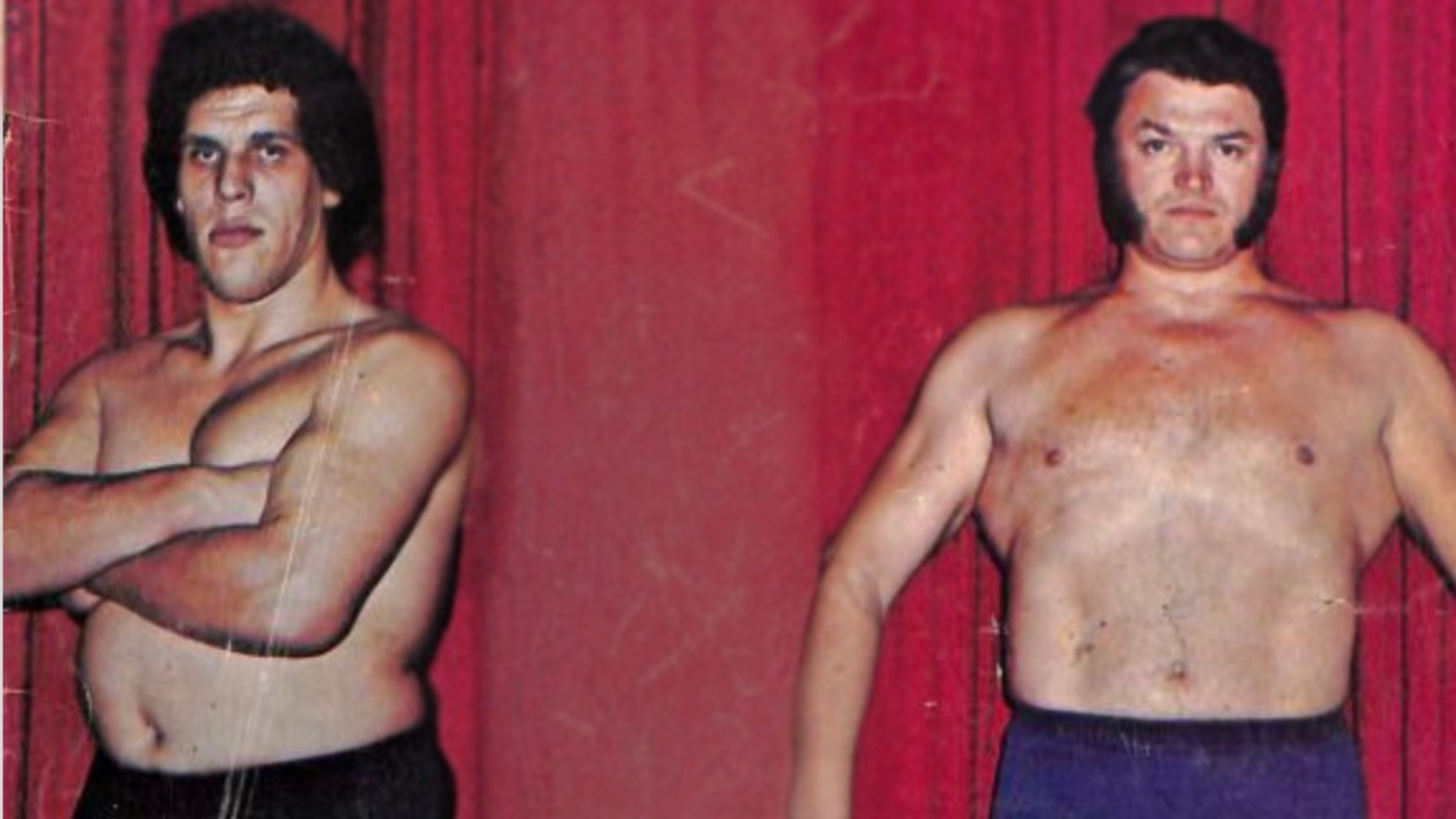
Don Leo Jonathan was one of the first North American wrestlers physically credible enough to stand opposite Andre and make the audience believe the Giant could be moved. Standing nearly six feet seven inches, Jonathan combined size, strength, and technical ability at a level few wrestlers of the period could match.
The Jonathan-Andre feud was one of Andre’s first major programs after arriving in North America. Their second Montreal Forum match on August 2, 1972, drew a reported 20,347 fans, with Jonathan winning clean before Andre attacked him after the match with three piledrivers.
No film of the Jonathan-Andre Montreal bouts is known to exist. In their 2001 shoot interview with Title Match Wrestling, Luke Williams and Butch Miller of The Bushwhackers recalled watching the match firsthand from the dressing room. Luke described it plainly:
“One of the greatest matches we saw in Montreal Forum was Don Leo Jonathan and Andre, and Andre was only about 400 pound then, 420, and the curfew match, we never seen two big guys like that. Don Leo was about six-ten, and he could do cartwheels, strong as an ox, and those two guys, what a match they had.”
What remains is the result record, the gate figure, and the testimony of men who were there on the floor. Montreal did not present Andre as an untouchable statue. It presented him as a dangerous young giant whose vulnerability could turn a regional main event into a major gate.
Love Pro Wrestling Stories? Add us as a Preferred Source on Google so our stories always show up first for you. It only takes one click.
Add Us on Google5. Doug Gilbert Bodyslams Andre the Giant in Montreal (1972)
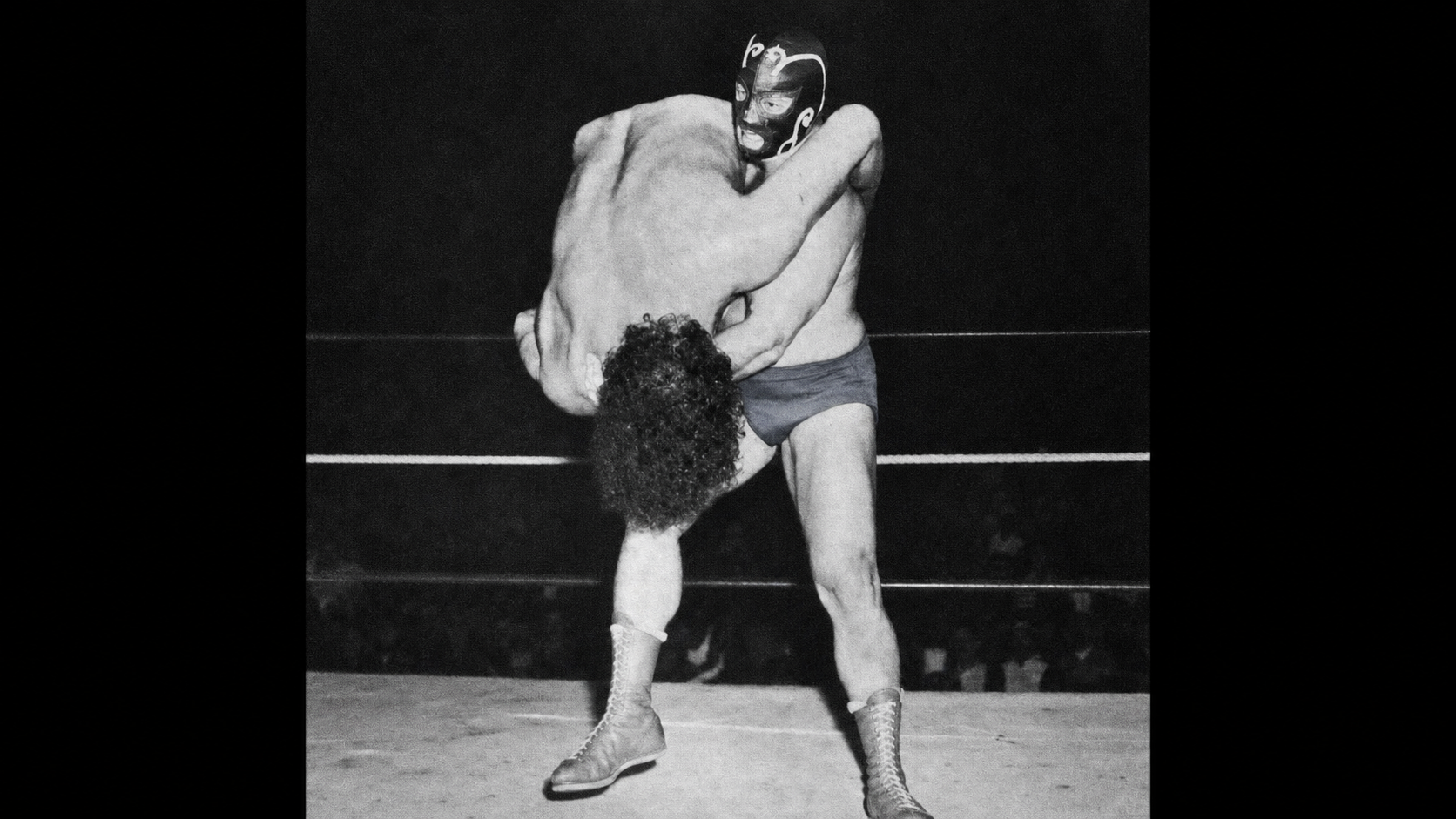
Doug Gilbert, known throughout the Montreal territory as The Professional, is one of the earliest wrestlers documented to have bodyslammed Andre, who was still working as Jean Ferré for Grand Prix Wrestling. Gilbert was a wrestling territorial era veteran whose style was built on credibility rather than spectacle, the kind of opponent Andre needed during his early North American development: believable enough to fight him, experienced enough to protect him, established enough for the feat to mean something.
Gilbert and Andre later became tag-team partners in New Japan Pro Wrestling, where they challenged Antonio Inoki and Seiji Sakaguchi for the NWA North American Tag Team Titles on June 16, 1975. That rival-turned-partner arc was common in Andre’s career. Men who once tested him physically often returned later as allies or traveling partners in another territory.
With hundreds of amazing Pro Wrestling Stories to dive into, where do you start? Get the inside scoop, join our exclusive community of wrestling fans! Receive 10 hand-picked stories curated just for YOU, exclusive weekly content, and an instant welcome gift when you sign up today!
6. Butcher Vachon Bodyslams Andre the Giant in Chicago (September 1, 1972)
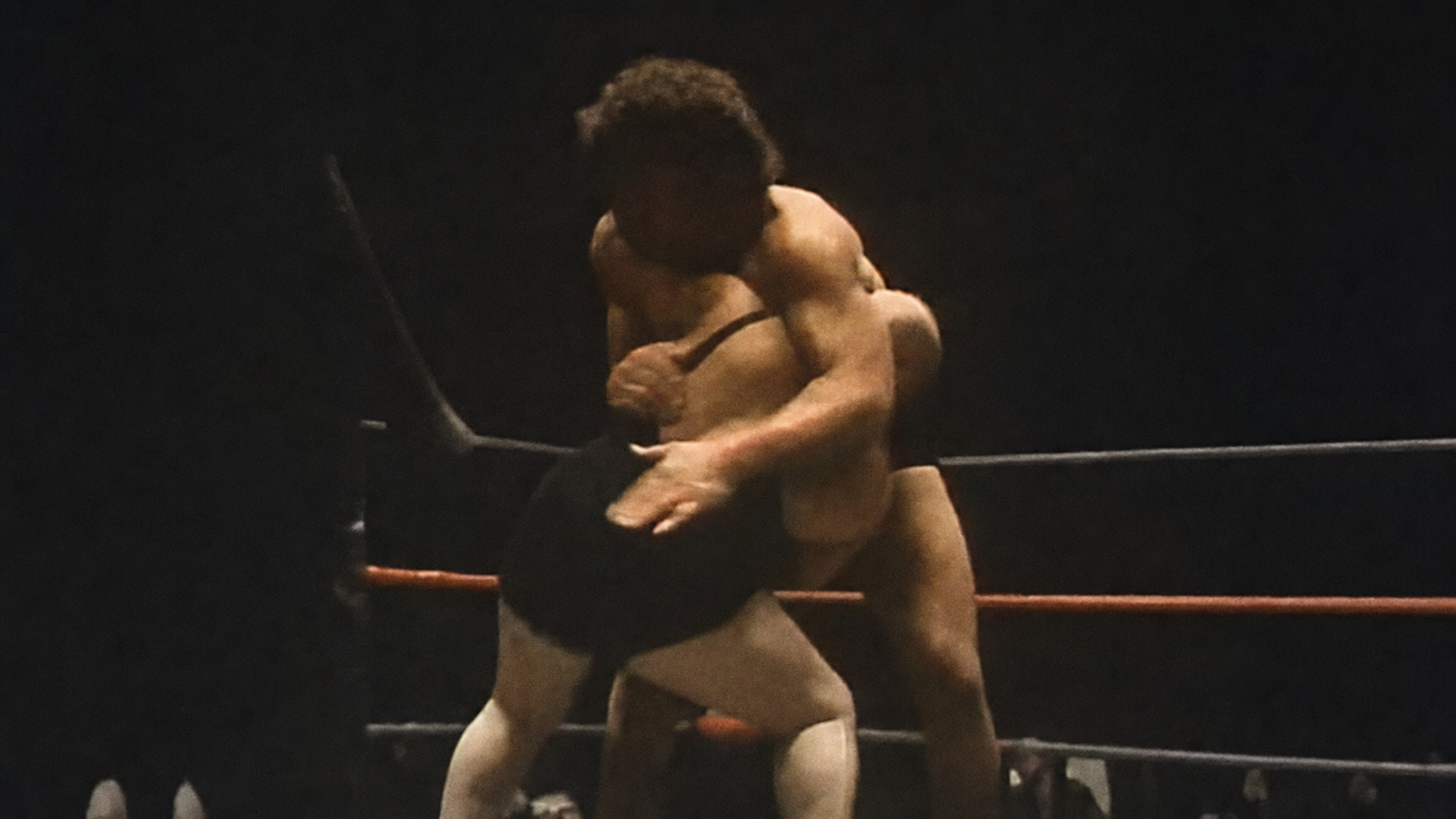
Paul Butcher Vachon’s September 1, 1972, bodyslam in Chicago belongs to the same early North American period as the Montreal examples. Andre was not yet the carefully protected, undefeated attraction the World Wrestling Federation would later construct.
The Vachon siblings carried legitimate menace in the American Wrestling Association orbit. Butcher Vachon, Maurice “Mad Dog” Vachon, and Vivian Vachon were not polished television celebrities. They were territorial fighters whose value came from danger, roughness, and unpredictability.
Vachon’s slam came before Andre’s myth hardened. At this stage, promoters could still use the young Giant’s body to make local monsters feel larger.
Real Autographs. Only Few Remain.
These are hand-signed originals sold directly by Pro Wrestling Stories. Once they sell out, they are gone for good.
Own a Piece of Wrestling History
-

Johnny Rodz Signed WWF 8×10 Photo Autograph
$30.00 Add to cart -
Justin Credible Signed 8×10 Photo Autograph 2
$30.00 Add to cart -
Steve Keirn Signed WWF 8×10 Photo Autograph (Fabulous Ones)
$30.00 Add to cart -
Leaping Lanny Poffo Signed WWF Frisbee Pose 8×10 Photo Autograph (Deceased Legend)
$45.00 Add to cart -
Missy Hyatt Signed 8×10 Photo Autograph
$35.00 Add to cart -
Jimmy Hart Signed WWF 8×10 Photo Autograph (pictured with Bret Hart & Jim Neidhart)
$35.00 Add to cart -
Johnny Rodz Signed WWF 8×10 Photo Autograph (wrestling Tony Atlas)
$30.00 Add to cart -
Jerry Lynn Signed 8×10 Photo Autograph
$35.00 Add to cart -
Sunny (Tammy Lynn Sytch) Signed WWF 8×10 Glamour Photo Autograph
$35.00 Add to cart -
Baby Doll (Nickla Roberts) Signed 8×10 Photo Autograph (pictured with Ric Flair)
$35.00 Add to cart -
Nikolai Volkoff & Boris Zhukov Signed WWF “The Bolsheviks” 8×10 Photo Autograph (Deceased Legend)
$60.00 Add to cart -
Steve Keirn Signed WWF 8×10 Photo Autograph (Skinner)
$30.00 Add to cart -
Kevin Sullivan Signed 8×10 Photo Autograph (Deceased Legend)
$45.00 Add to cart -
Johnny Rodz Signed WWF 8×10 Photo Autograph (pictured with Captain Lou Albano)
$30.00 Add to cart -
Butcher Paul Vachon Signed WWF 8×10 Photo Autograph (Deceased Legend)
$45.00 Add to cart -
Ron Simmons Signed WWE 8×10 Photo Autograph
$40.00 Add to cart -
Jimmy Hart Signed WWF 8×10 Photo Autograph (pictured with Hulk Hogan)
$35.00 Add to cart -
Larry Zbyszko Signed 8×10 Photo Autograph 2
$40.00 Add to cart -
Sunny (Tammy Lynn Sytch) Signed WWF 8×10 Photo Autograph
$35.00 Add to cart -
Larry Zbyszko Signed WCW 8×10 Photo Autograph
$40.00 Add to cart -
Sabu Signed WWF 8×10 Photo Autograph (Deceased Legend)
$55.00 Add to cart -
Brutus the Barber Beefcake Signed WWF 8×10 Photo Autograph (with Ultimate Warrior)
$35.00 Add to cart -
Koko B. Ware Signed WWF 8×10 Photo Autograph
$45.00 Add to cart -
Jerry “The King” Lawler Signed WWE 8×10 Photo Autograph 2
$50.00 Add to cart -
Fred Ottman Signed WCW 8×10 Photo Autograph (The Shockmaster)
$35.00 Add to cart -
“Hacksaw” Jim Duggan Signed WWF 8×10 Photo Autograph
$40.00 Add to cart -
D’Lo Brown Signed WWF 8×10 Photo Autograph
$30.00 Add to cart -
Jerry “The King” Lawler Signed 8×10 Photo Autograph
$50.00 Add to cart -
Barry Windham Signed 8×10 Photo Autograph
$40.00 Add to cart -
Leaping Lanny Poffo Signed WWF Turnbuckle Pose 8×10 Photo Autograph (Deceased Legend)
$45.00 Add to cart -
Hornswoggle (Dylan Postl) Signed WWE 8×10 Photo Autograph
$30.00 Add to cart -
Tito Santana Signed WWF 8×10 Photo Autograph (Strike Force)
$35.00 Add to cart -
Johnny Rodz Signed WWF 8×10 Photo Autograph
$30.00 Add to cart -
Justin Credible Signed 8×10 Photo Autograph
$30.00 Add to cart -
“Greg the Hammer” Valentine Signed WWF 8×10 Photo Autograph
$45.00 Add to cart -
Johnny Rodz Signed WWF 8×10 Photo Autograph (pictured with The Grand Wizard)
$30.00 Add to cart -
Vince Russo Signed 8×10 Photo Autograph
$35.00 Add to cart -
Nikolai Volkoff Signed WWF 8×10 Photo Autograph (Deceased Legend)
$45.00 Add to cart -
Ken Patera Signed WWF 8×10 Photo Autograph
$35.00 Add to cart -
Sunny (Tammy Lynn Sytch) Signed WWF 8×10 Photo Autograph (WWE Hall of Fame)
$35.00 Add to cart -
Bushwhacker Luke Signed WWF 8×10 Photo Autograph
$30.00 Add to cart -
Leaping Lanny Poffo Signed WWF 8×10 Photo Autograph (Deceased Legend)
$45.00 Add to cart -
Bushwhacker Luke Signed WWF 8×10 Photo Autograph (pictured with Bushwhacker Butch)
$30.00 Add to cart -
Raven Signed 8×10 Photo Autograph
$35.00 Add to cart -
Tito Santana Signed WWF 8×10 Photo Autograph
$35.00 Add to cart -
Fred Ottman Signed WWF 8×10 Photo Autograph (Typhoon)
$35.00 Add to cart -
Brutus the Barber Beefcake Signed WWF 8×10 Photo Autograph 2
$35.00 Add to cart -
Johnny Rodz Signed WWF 8×10 Photo (wrestling Andre the Giant)
$30.00 Add to cart -
Marcus “Buff” Bagwell Signed WCW 8×10 Photo Autograph
$30.00 Add to cart -
Sunny (Tammy Lynn Sytch) Signed 8×10 Photo Autograph
$35.00 Add to cart -
Bushwhacker Luke Signed WWF 8×10 Photo Autograph (The Bushwhackers)
$30.00 Add to cart -
The Tonga Kid (Sam Fatu) Signed WWF 8×10 Photo Autograph
$35.00 Add to cart -
Bushwhacker Luke Signed WWF 8×10 Photo Autograph (with Bushwhackers Butch)
$30.00 Add to cart -
Bushwhacker Luke Signed WWF 8×10 Photo Autograph (of The Bushwhackers)
$30.00 Add to cart -
Nikolai Volkoff Signed WWF 8×10 Photo Autograph 2 (Deceased Legend)
$45.00 Add to cart
7. Ernie Ladd Bodyslams Andre the Giant (April 26, 1976)
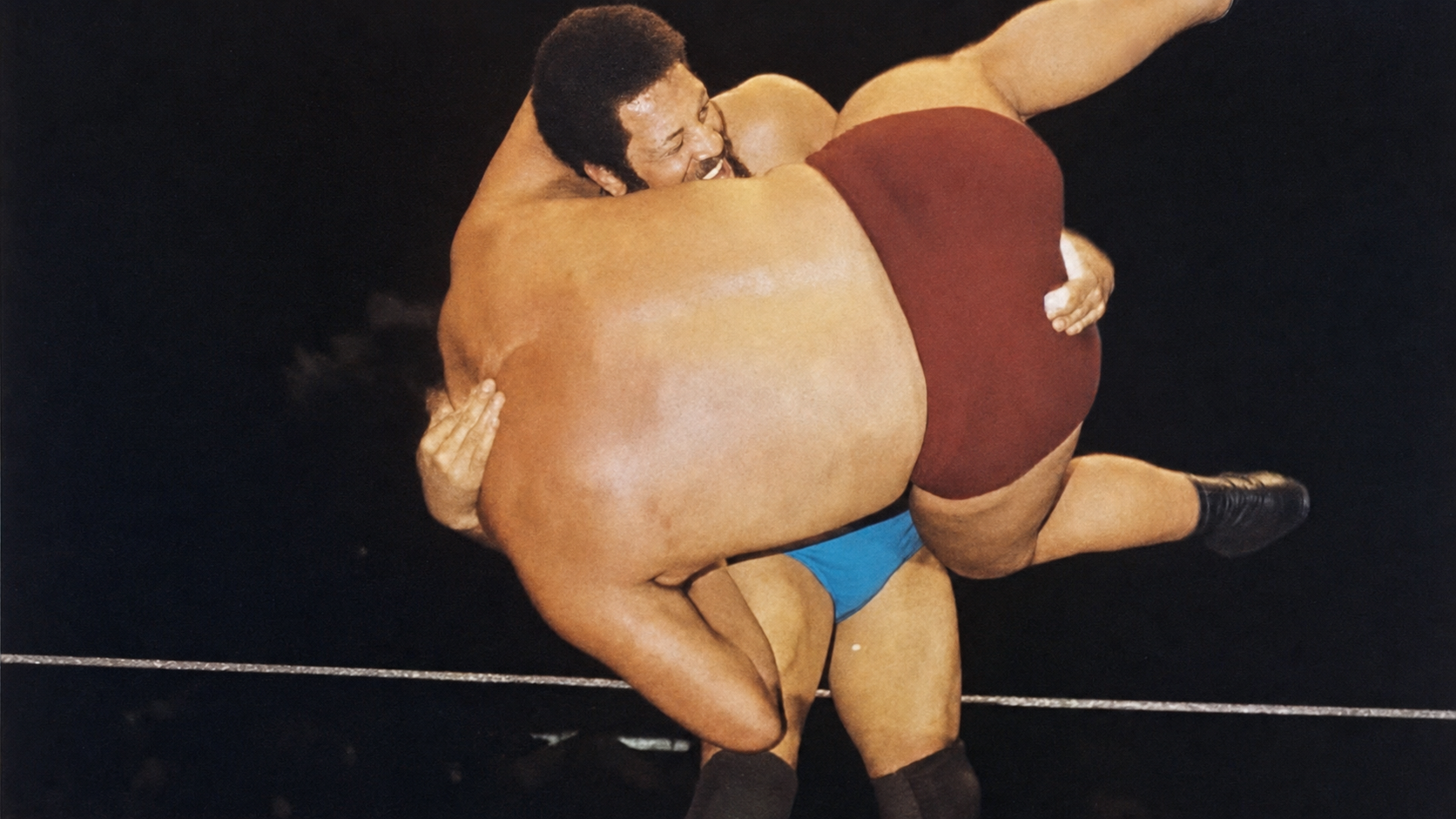
Ernie Ladd was one of the few men in North American wrestling who could stand across from Andre and not look overwhelmed by the assignment. A former professional football standout billed at six feet nine inches, Ladd brought a size profile that made a bodyslam believable.
He and Andre crossed paths repeatedly through the mid-to-late 1970s, with the April 26, 1976, bout representing the clearest documented bodyslam moment in their series.
Additional matches between the two are confirmed by contemporaneous results, including a March 27, 1980, Baltimore card in which Andre defeated Ladd by countout.
Ladd’s role was not just to be large. He gave Andre a credible opponent who could appear to threaten him physically without breaking the larger attraction. That balance was precisely what the best Andre opponents offered.
8. The Masked Superstar (Bill Eadie) Said He Bodyslammed Andre the Giant in Georgia
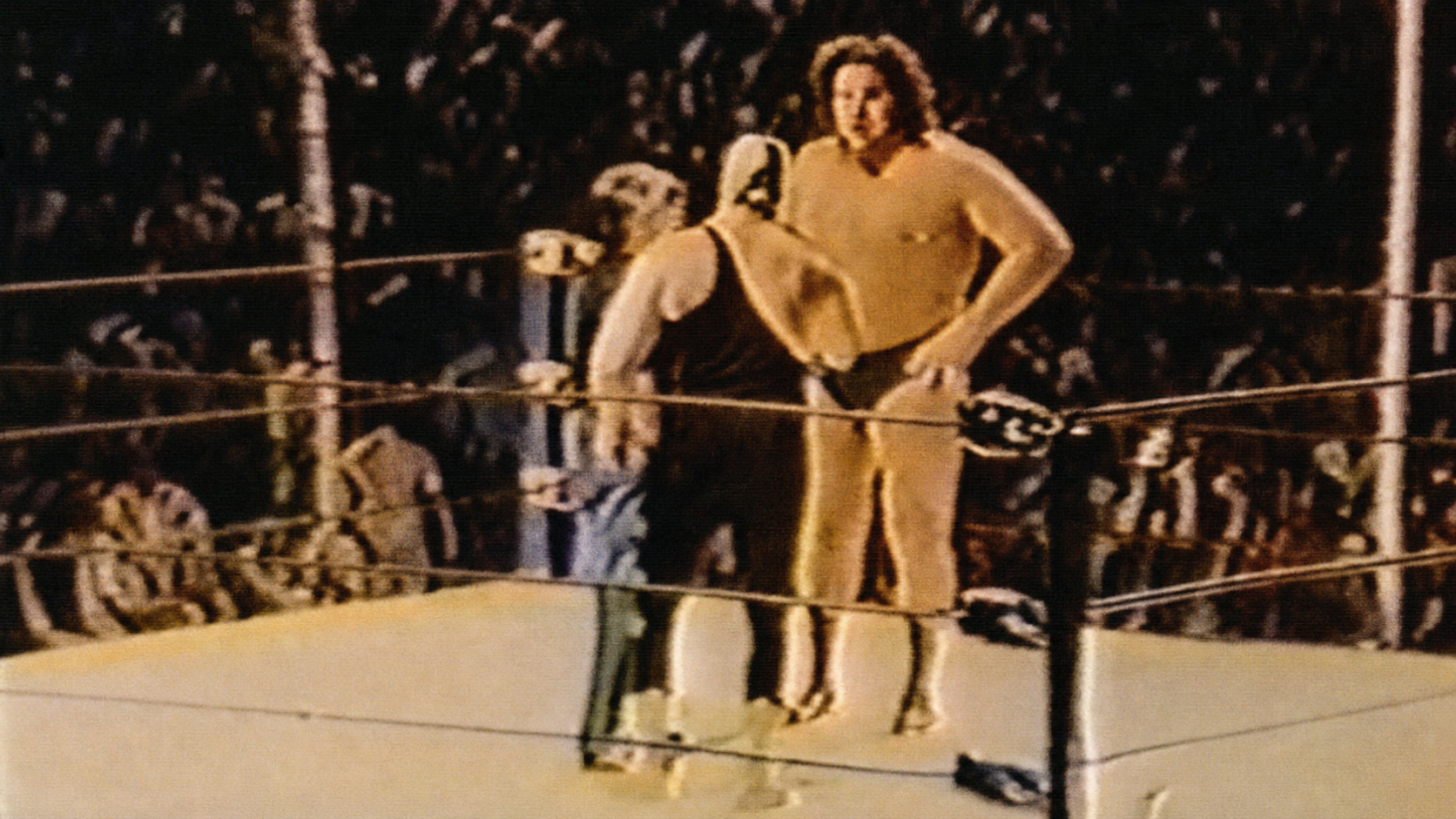
Bill Eadie, better known in the Mid-Atlantic territory as The Masked Superstar and later as Demolition Ax, said Andre the Giant called for Eadie to bodyslam him during a match in Georgia. In a 2004 shoot interview with RF Video, Eadie recalled, “He called a slam in a match in Georgia. I thought he was kidding because that was his gimmick, not to be slammed. He says, ‘No, slam me.'”
Eadie then described himself as one of the relatively few wrestlers Andre permitted to perform the move: “From what I understand, I wasn’t the first guy. But I was one of the few. And you weren’t gonna slam him unless he wanted you to.”
Andre defeated The Masked Superstar at Atlanta’s Omni on July 27, 1979, during Eadie’s Georgia Championship Wrestling run, making that documented singles match the strongest candidate for the bout Eadie remembered. No known footage, photograph, or contemporary report confirms that the bodyslam occurred in that match, however. Eadie’s account is direct participant testimony, but the precise date and independent corroboration remain unresolved.
9. Harley Race Bodyslams Andre the Giant at The Summit, Houston (January 7, 1979)
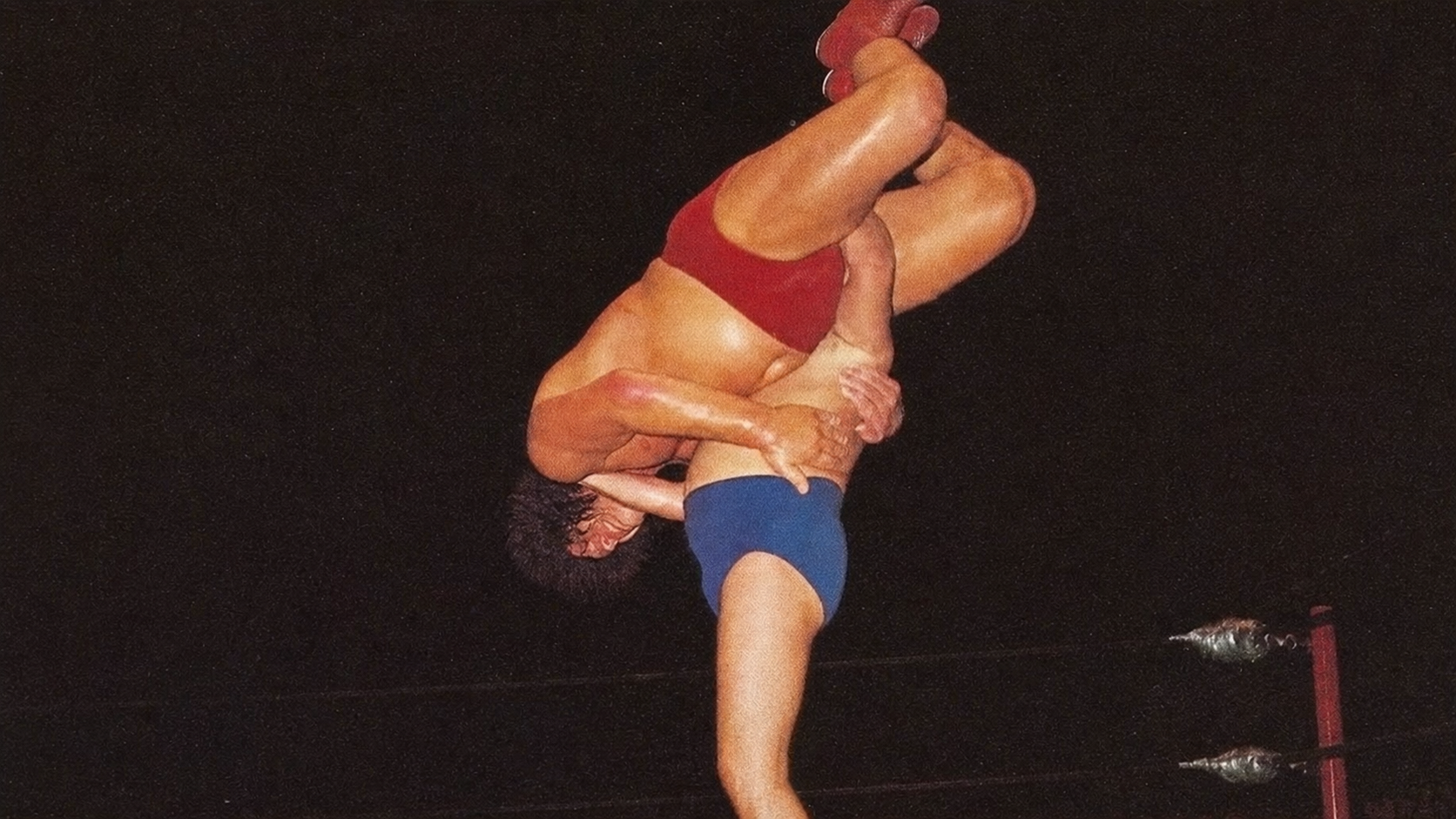
In Hitman: My Real Life in the Cartoon World of Wrestling, Bret Hart described Harley Race simply: “one of the legit tough guys in wrestling and one of the best bump-takers of all time,” adding that “nobody commanded more respect within the wrestling business than Harley, especially from the Hart family.” That standing meant what happened in Houston on January 7, 1979, was not a fluke. It was a major champion using one rare opening against the biggest attraction in wrestling.
Harley Race’s bodyslam of Andre the Giant at The Summit in Houston on January 7, 1979, is one of the most damaging pieces of evidence against the later WrestleMania III claim. It happened in a major arena, during an NWA World Heavyweight Championship match, with one of the most respected world champions of the era.
In Gary Hart: My Life in Wrestling, Gary Hart recalled the moment Paul Boesch proposed his solution for the January 7, 1979, main event.
“I have the greatest idea in the world!” Boesch announced. “During Andre and Harley’s match, they can come out on the floor. Then, I’ll drop a pencil off my announcer’s desk, and Andre will slip on it, fall down, and not be able to get up. At that point, Harley will slide back in the ring and…”
Hart wrote that he and fellow booker Bronko Lubitch exchanged a stunned look.
“After a long, awkward silence, I said, ‘I don’t know about that one, Paul.'”
Boesch remained convinced, so the finish was brought to Race and Andre directly.
“When I was done,” Hart wrote, “Harley gave me this incredulous look like it was really my idea, but I was just pawning it off on Paul.”
Andre’s response ended the conversation: “Hey boss, I cannot fall down for a pencil.”
Hart’s suggested alternative, a disqualification finish that preserved Andre while letting Race keep the belt, was the one the match ultimately used.
Archival video of the Houston match shows Race lifting and bodyslamming Andre, eight years before Hogan did it in Pontiac. It was not presented as a cosmic impossibility. It was a major champion using one rare opening against the biggest attraction in wrestling.
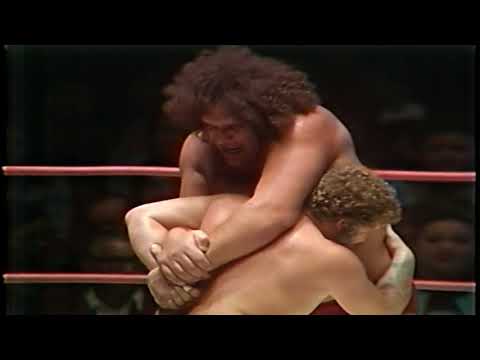
10. Hulk Hogan’s First Bodyslam of Andre the Giant: Showdown at Shea (August 9, 1980)
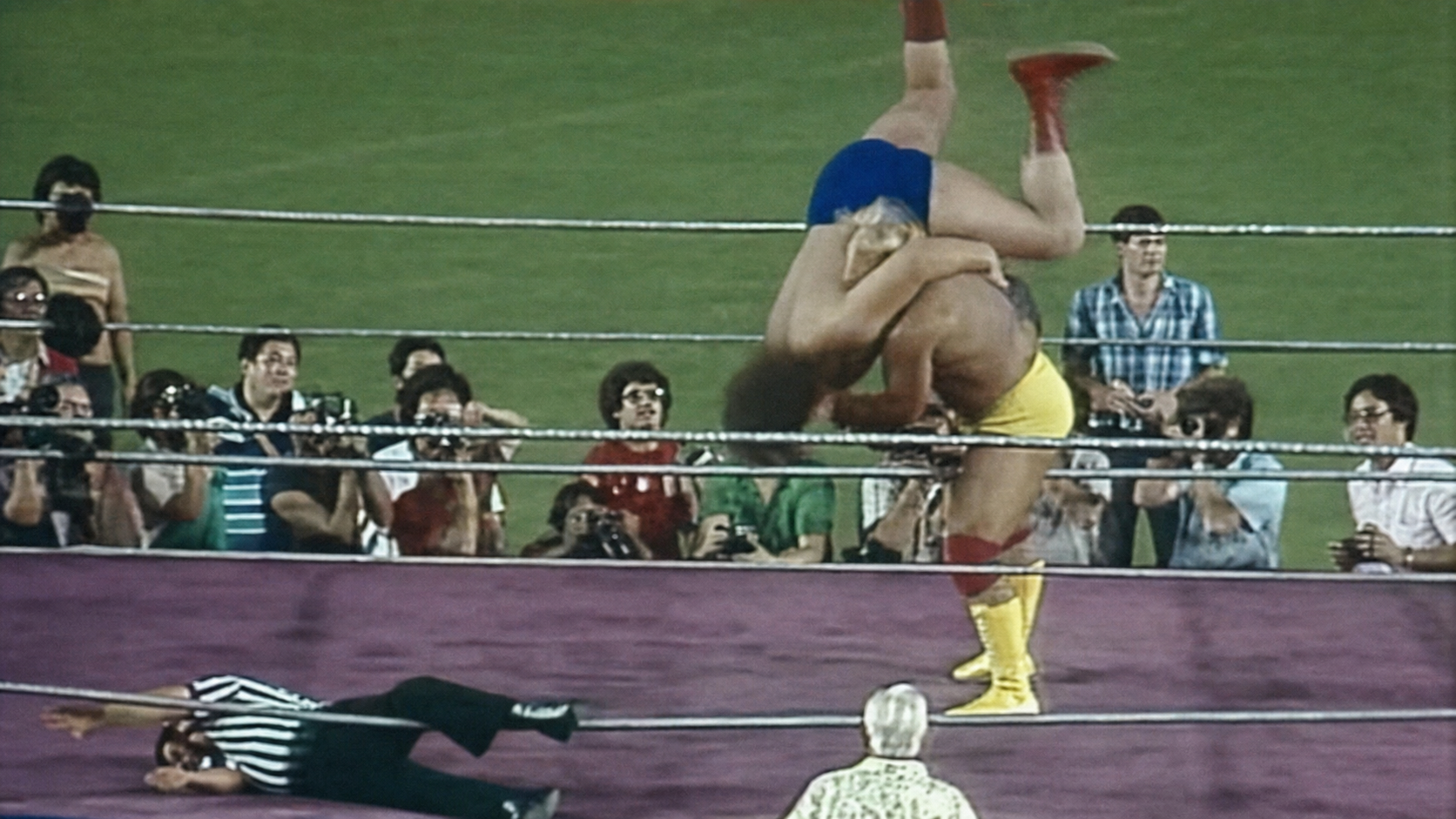
Before WrestleMania III, before Hulkamania, and before the company needed the bodyslam to feel unprecedented, Hulk Hogan had already done it. On August 9, 1980, at Showdown at Shea, Hogan bodyslammed Andre the Giant for the first time.
In My Life Outside the Ring, Hulk Hogan wrote, “A lot of people think WrestleMania III was the first time I ever bodyslammed Andre, but that was just the first time it happened on national television. On August 9, 1980, at a completely sold-out Shea Stadium in front of almost sixty thousand people, that’s when I bodyslammed Andre for the very first time.”
Reports differ on the exact attendance: Graham Cawthon’s The History of Professional Wrestling Vol. 1 records the figure as 36,295 (35,771 paid), while Hogan’s memoir places it considerably higher.
The slam itself functioned as a memorable spot rather than a decisive finish. Andre went on to win the match, but Hogan walked away with the visual. At this stage, Hogan was still a heel managed by Freddie Blassie, and the program showed a company already using Andre’s body to establish the next generation of main-event talent, giving a dangerous young powerhouse an image the crowd could carry out of the building.
The footage later became inconvenient. Once the World Wrestling Federation built WrestleMania III around the claim that no one had slammed Andre, Shea Stadium had to disappear from the story.
11. Hulk Hogan Bodyslams Andre the Giant on Television: Hamburg, Pennsylvania (August 20, 1980)
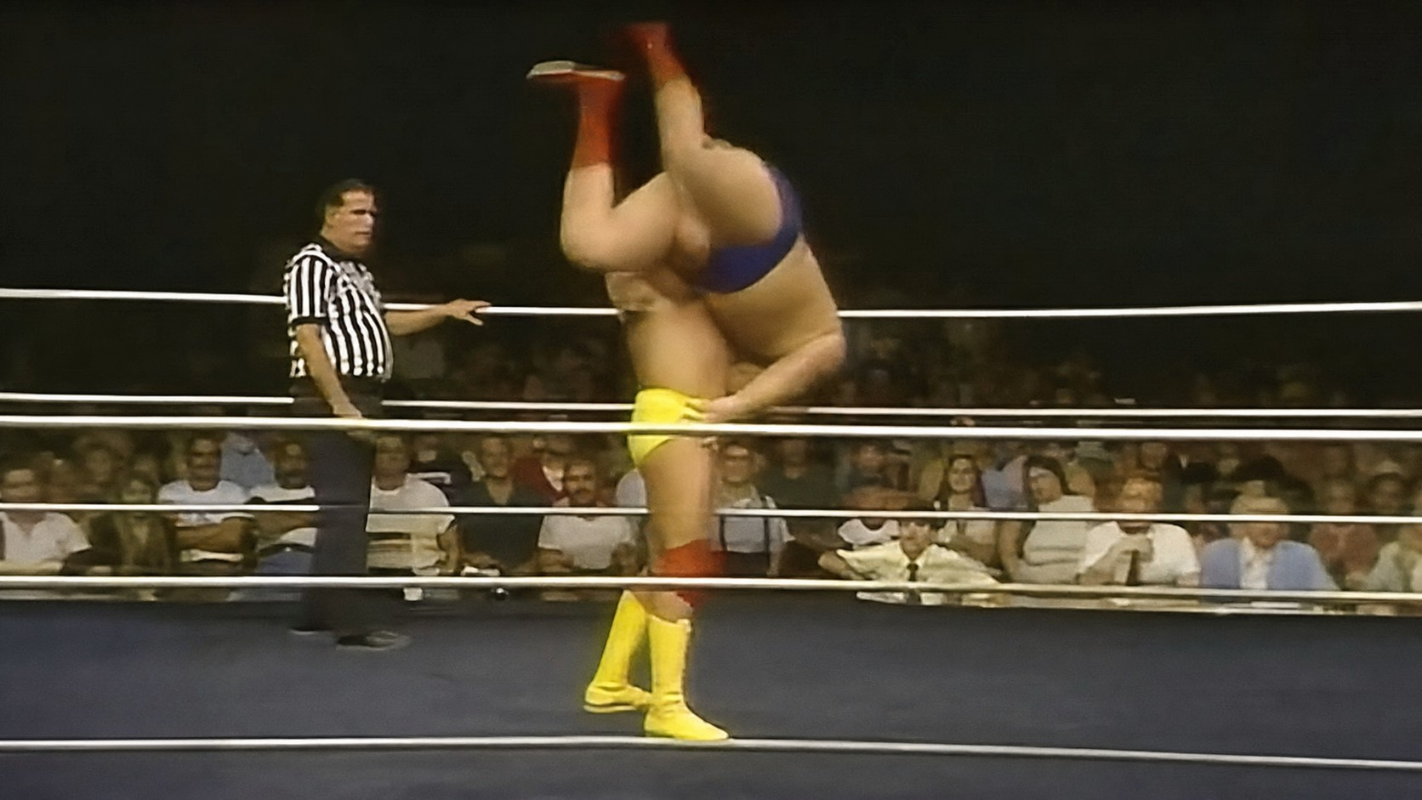
Eleven days after Shea Stadium, Hulk Hogan did it again. The August 20, 1980, television taping (aired in September) in Hamburg, Pennsylvania, produced one of the clearest early televised instances of Hogan slamming Andre.
In the bout, Hogan bodyslammed Andre the Giant, but Andre used a loaded elbow pad to regain control and preserve his aura. What mattered in 1980 was whether the company could use the image of Hogan lifting Andre to make him seem dangerous enough for bigger business later.
12. Hulk Hogan Bodyslams Andre the Giant at Madison Square Garden (September 22, 1980)
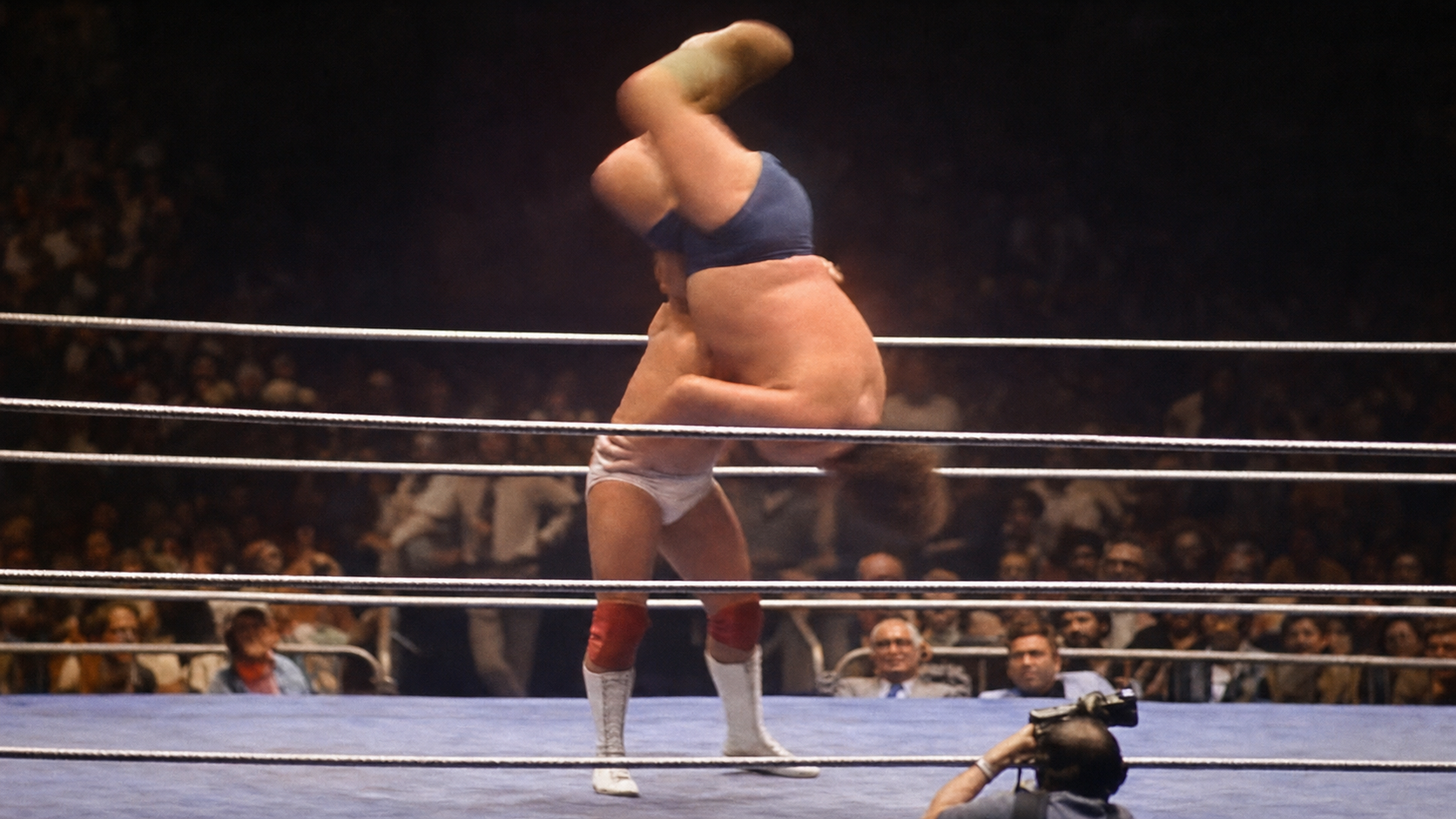
Hulk Hogan’s third documented 1980 bodyslam of Andre the Giant came at Madison Square Garden on September 22. This is the one that makes the later mythology especially difficult to defend, because it happened in the company’s most important building.
In front of 20,000 fans, just before the finish, Hogan successfully slammed Andre. A second attempt failed, allowing Andre to fall on top for the pin.
The structure protected both men. Hogan got the visual, Andre got the victory, and the audience saw a contest in which the Giant could be threatened without being diminished.
Seven years later, the company asked fans to believe Hogan had done something no one had ever done. The MSG record shows he had already done it under the World Wrestling Federation banner, on their most prominent stage.
13. Stan Hansen Bodyslams Andre the Giant in Tokyo (September 23, 1981)
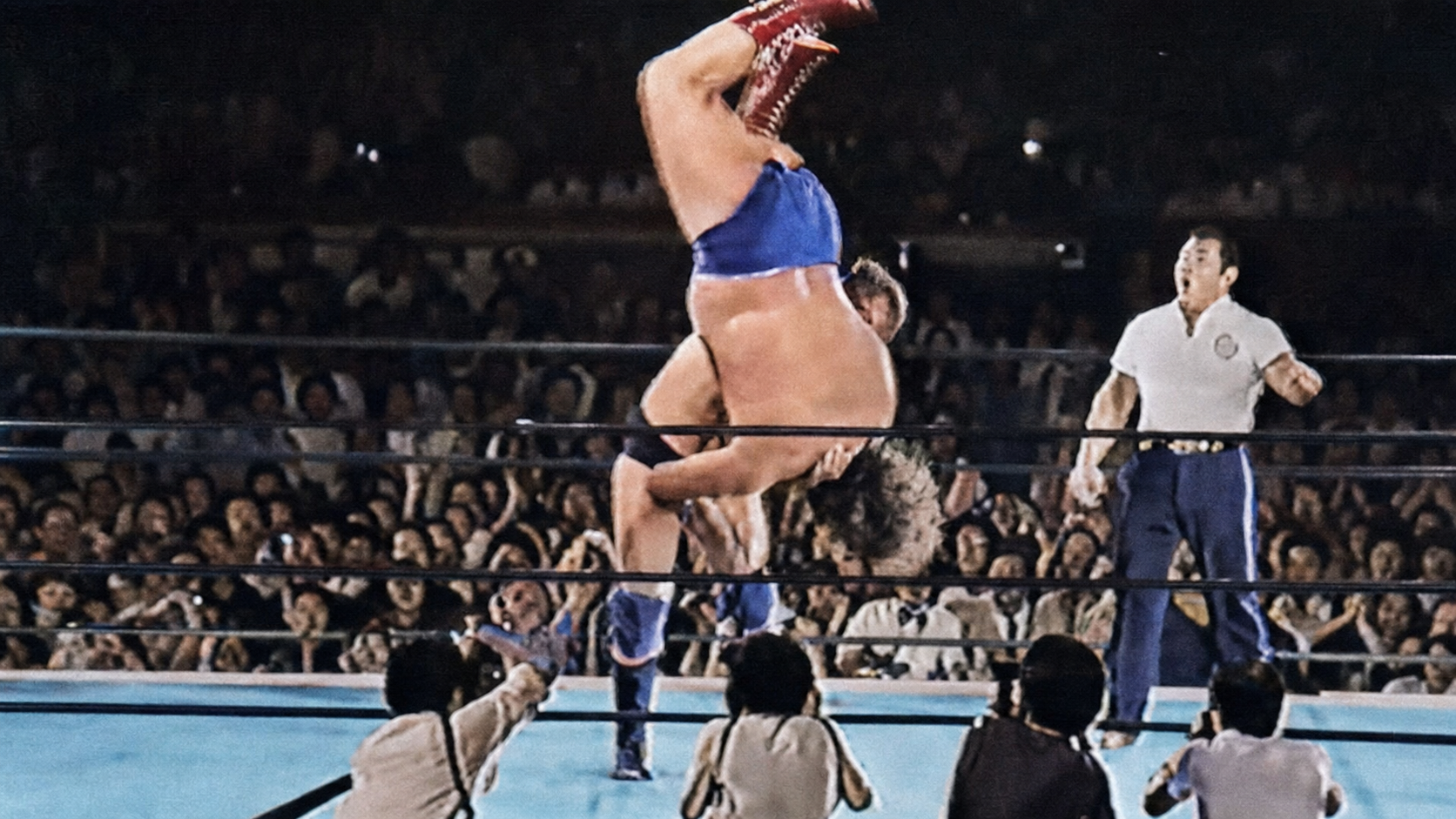
Stan Hansen’s September 23, 1981, bodyslam of Andre the Giant in Tokyo is one of the most physically convincing examples on record. Hansen did not wrestle softly, and Andre’s matches with him carried a credibility that few opponents could match.
In Bobby the Brain: Wrestling’s Bad Boy Tells All, Bobby Heenan recalled the reaction Hansen generated in Japan with his bullwhip and cowbell: “The fans would run like hell, and when you stopped chasing them, they’d sit back down like nothing happened.” That was the environment Hansen occupied: violent, believable, and loud.
Japan did not need Andre the Giant to be unslammable, as the World Wrestling Federation later did. New Japan Pro Wrestling presented him as enormous and dangerous, but also as a competitor who could be moved by the right opponent in the right moment. Hansen was exactly that opponent.
14. Afa and Sika Combine to Bodyslam Andre the Giant in Shreveport (January 14, 1982)
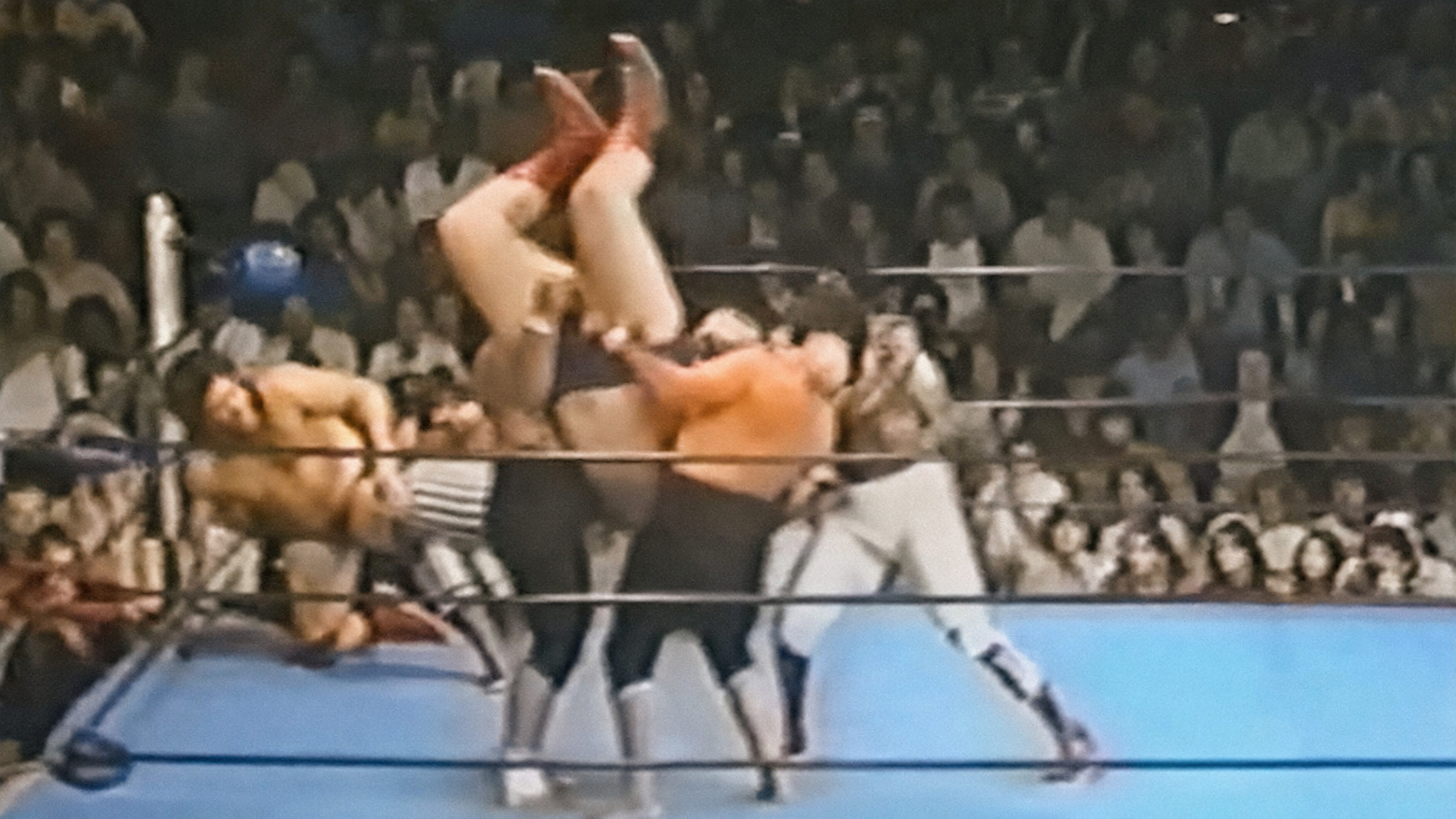
Afa and Sika, the Wild Samoans, were among the most physically credible tag teams of the early 1980s. Their January 14, 1982, encounter with Andre in Shreveport, Louisiana, documented a combined bodyslam, with both men acting together to put the Giant down. This was not the same as a solo slam, and the distinction matters. Two men lifting Andre protected the idea that he was still nearly impossible for one man to handle, while giving the Samoans a significant visual accomplishment.
The Samoans were moving through the same World Wrestling Federation and Mid-South Wrestling circuits where Andre’s drawing power was repeatedly used to establish dangerous heels. For a tag team, slamming Andre together was the equivalent of taking down a mountain.
15. Blackjack Mulligan Bodyslams Andre the Giant at the Philadelphia Spectrum (September 18, 1982)
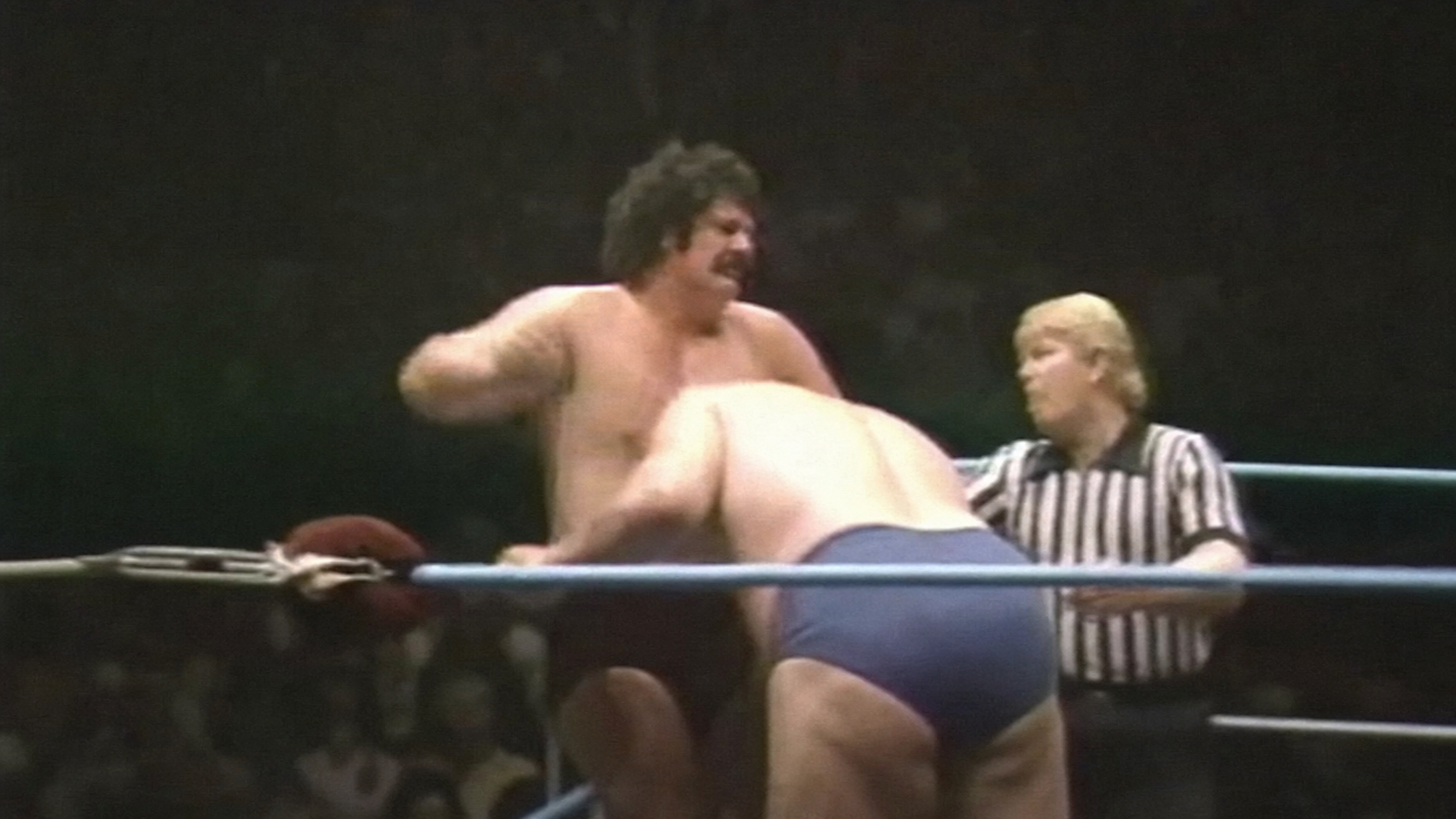
Blackjack Mulligan’s bodyslam of Andre the Giant took place on September 18, 1982, at the Philadelphia Spectrum, during fall 2 of a best-of-three-falls six-man tag match, with Mulligan partnering WWF Tag Team Champions Mr. Fuji and Mr. Saito against Andre, Chief Jay Strongbow, and Jules Strongbow. The card drew 9,464 fans and was televised on the PRISM Network. Fuji won the second fall by pin, the fall in which the bodyslam occurred, before Andre put the match away in fall 3 by pinning Saito with a sit-down splash. Mulligan earned the visual. Andre’s team earned the win.
Mulligan had the physical credibility for the feat. At approximately six feet nine inches and more than 300 pounds, he was one of the rare American heavyweights capable of lifting Andre without the audience rejecting the image.
The photograph above is drawn from the June 5, 1982 MSG Network broadcast, the only surviving televised footage from this rivalry.
Pro Wrestling Stories has previously covered Mulligan’s fierce history with Andre, including their legendary apartment fight involving Manny Fernandez.
16. Ken Patera and Bobby Duncum Double-Bodyslam Andre the Giant in St. Paul (November 7, 1982)
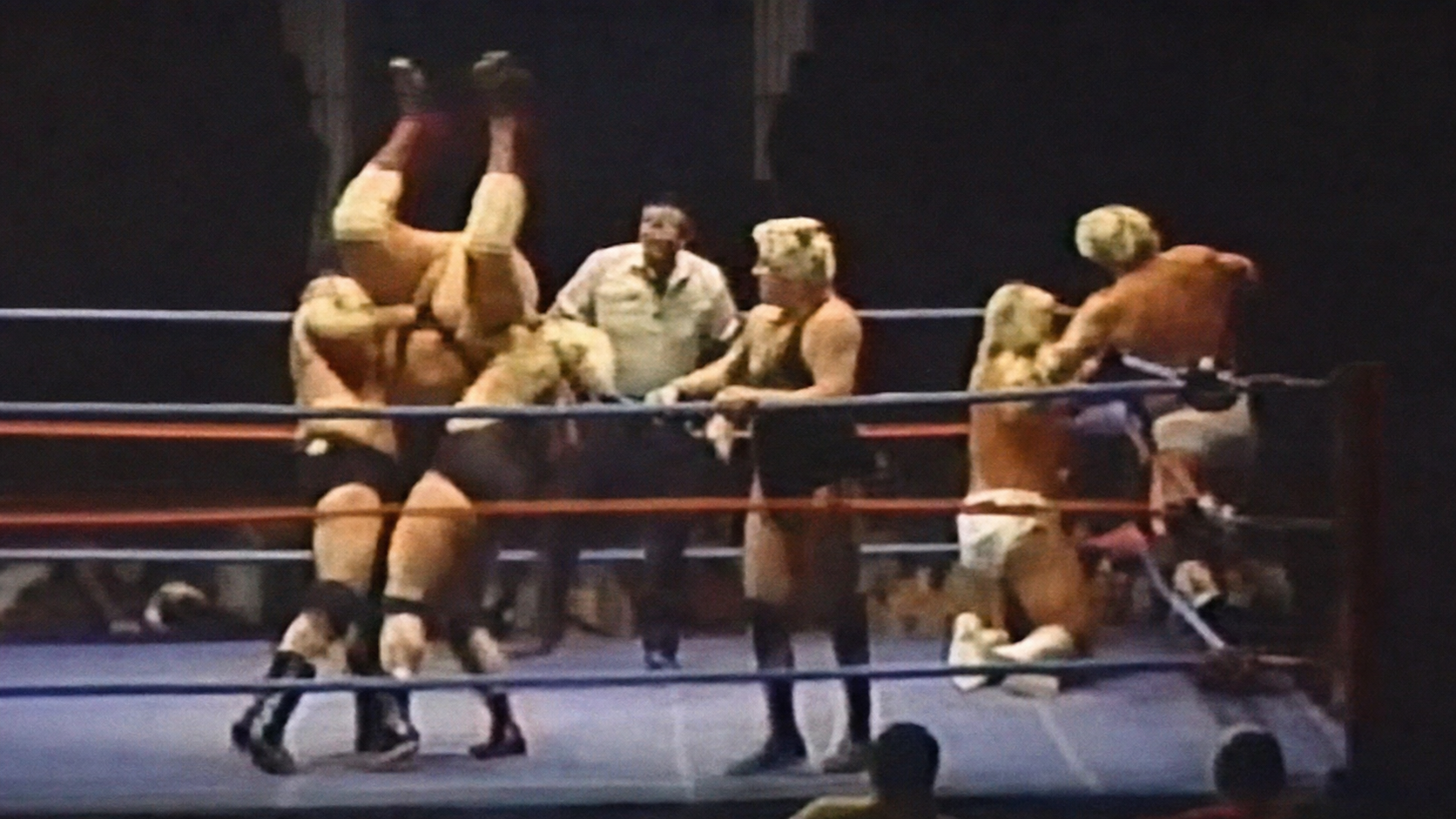
On November 7, 1982, Ken Patera and Bobby Duncum combined to bodyslam Andre the Giant in St. Paul, Minnesota. Like the Wild Samoans example, this was a two-man feat, but it belongs here because it shows how promoters repeatedly used the same visual to define threat.
Patera had legitimate strength credentials and a long history opposite Andre. Duncum was a rugged territorial heavyweight who worked well inside the American Wrestling Association system. A double slam of Andre gave two men immediate credibility. It also protected the larger myth by keeping the feat collective rather than individual.
17. Hulk Hogan Bodyslams Andre the Giant in Osaka (December 9, 1982)
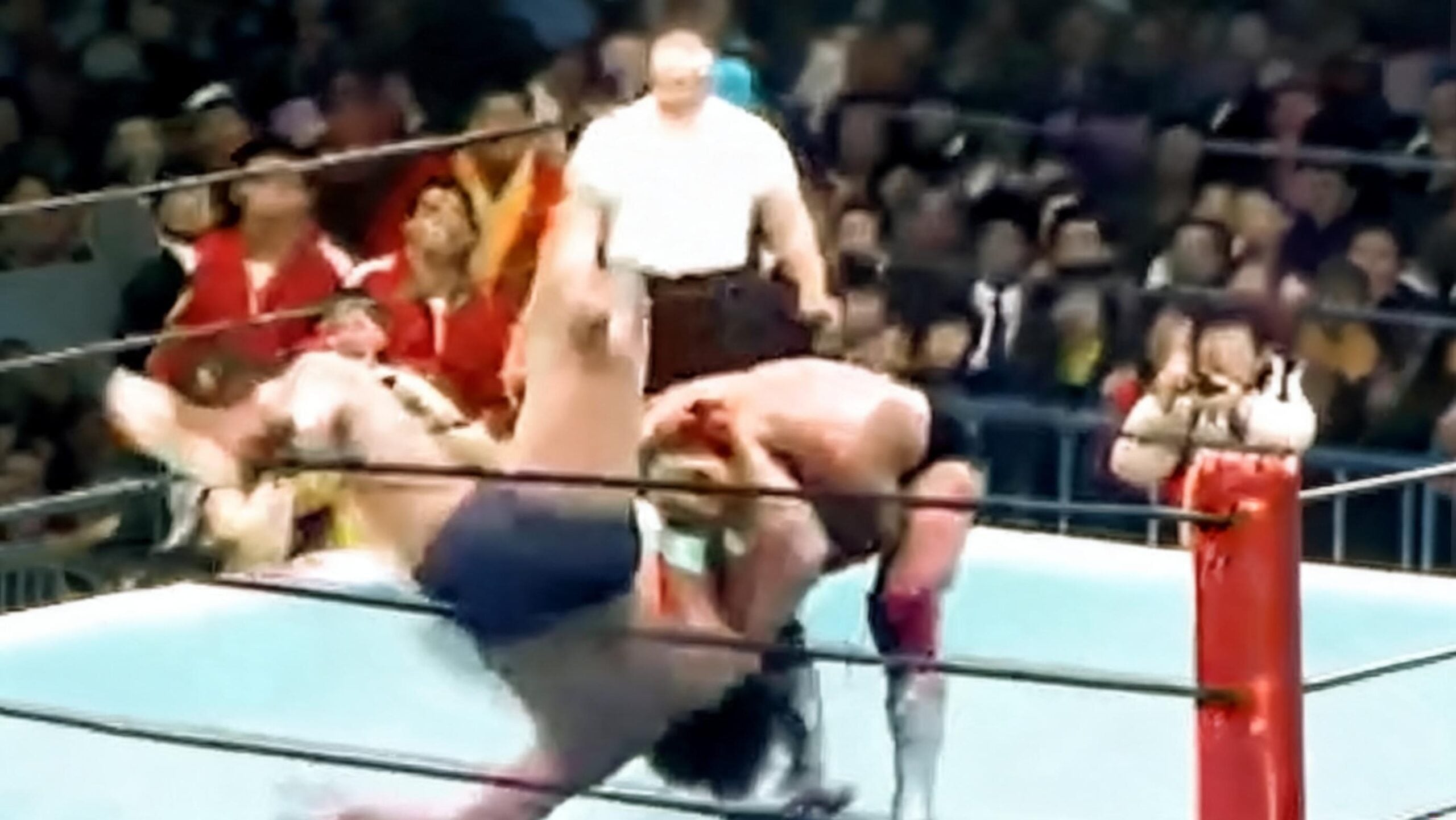
Hulk Hogan and Andre the Giant’s December 9, 1982, match in Osaka gave Japan another documented instance of Hogan slamming the Giant before WrestleMania III. By this point, Hogan had already done it at Shea Stadium, Hamburg, and Madison Square Garden.
In The Squared Circle: Life, Death and Professional Wrestling, historian David Shoemaker wrote that the relationship between Hogan and Andre hardened in their first matches, with Andre “taking it out on Hogan in the ring” after seeing him as “a presumptive bodybuilder more interested in fame than in wrestling.”
It was only after the two toured Japan, with Hogan “acting as his personal barback and even offering up a case of fine French wine in fealty to Andre on his birthday,” that “the men reached a sort of détente.”
Inside the ring, Japan allowed the slam to exist as a competitive spot, one that did not have to carry the entire business. By December 1982, Hogan had already given Japan the image multiple times.
18. Kamala Bodyslams Andre the Giant in Shreveport (February 10, 1983)
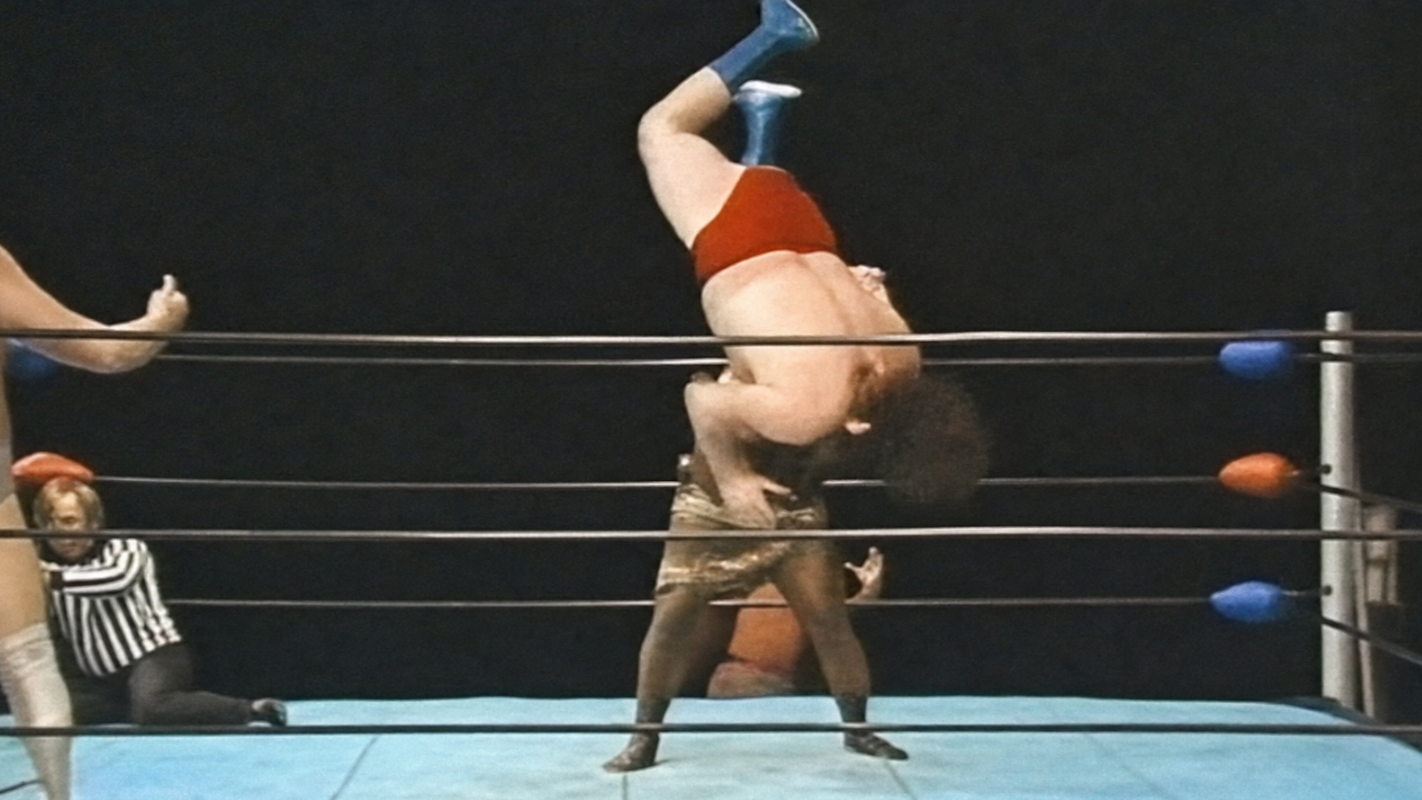
Kamala’s February 10, 1983, bodyslam of Andre the Giant in Shreveport, Louisiana, took place in one of America’s most respected wrestling territories.
Bill Watts understood how to use Andre. He was a traveling attraction who could make a local monster feel like a national threat overnight. Kamala, billed as the Ugandan Giant, had the body and presentation to make the moment believable. He was not asked to be a technician. He was asked to be overwhelming, frightening, and physically strange enough to threaten Andre’s scale.
The match also foreshadowed how Andre would later be used to elevate newer acts. The Giant did not need to lose all the time. He simply needed to give the right opponent one image the audience would remember.
19. Antonio Inoki Bodyslams Andre the Giant in Kagoshima (December 2, 1983)
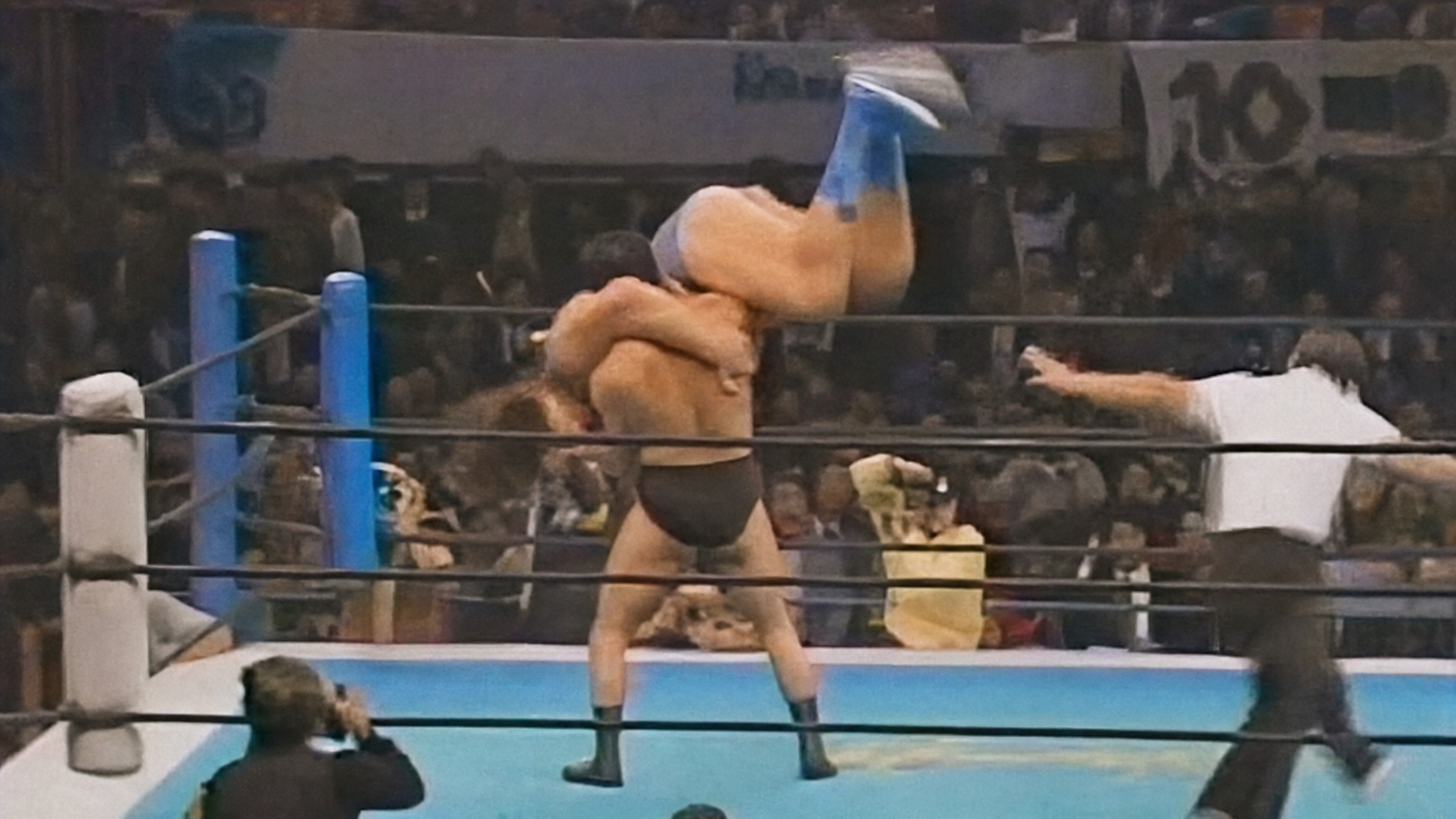
Antonio Inoki is one of the most important names in the entire Andre the Giant bodyslam record because he did it more than once.
His December 2, 1983, bodyslam in Kagoshima is one of the clearest examples from the New Japan Pro Wrestling side of the story. Inoki and Andre were not simply wrestler and attraction. They were two international business pillars whose matches carried meaning in multiple markets.
In The Squared Circle: Life, Death and Professional Wrestling, David Shoemaker recorded Jerry Lawler’s summary of Andre’s working philosophy: “He’d let you do anything you wanted in a match. Other than beat him.” Inoki was one of the men who could bend that rule because his own star power demanded a different balance.
In Japan, Andre could be treated like a massive obstacle without being presented as supernatural. That distinction allowed Inoki to slam him without damaging either man. The December 1983 Kagoshima example is the first of three confirmed Inoki entries in this record.
20. El Canek Bodyslams Andre the Giant Twice and Pins Him in Naucalpan (February 12, 1984)
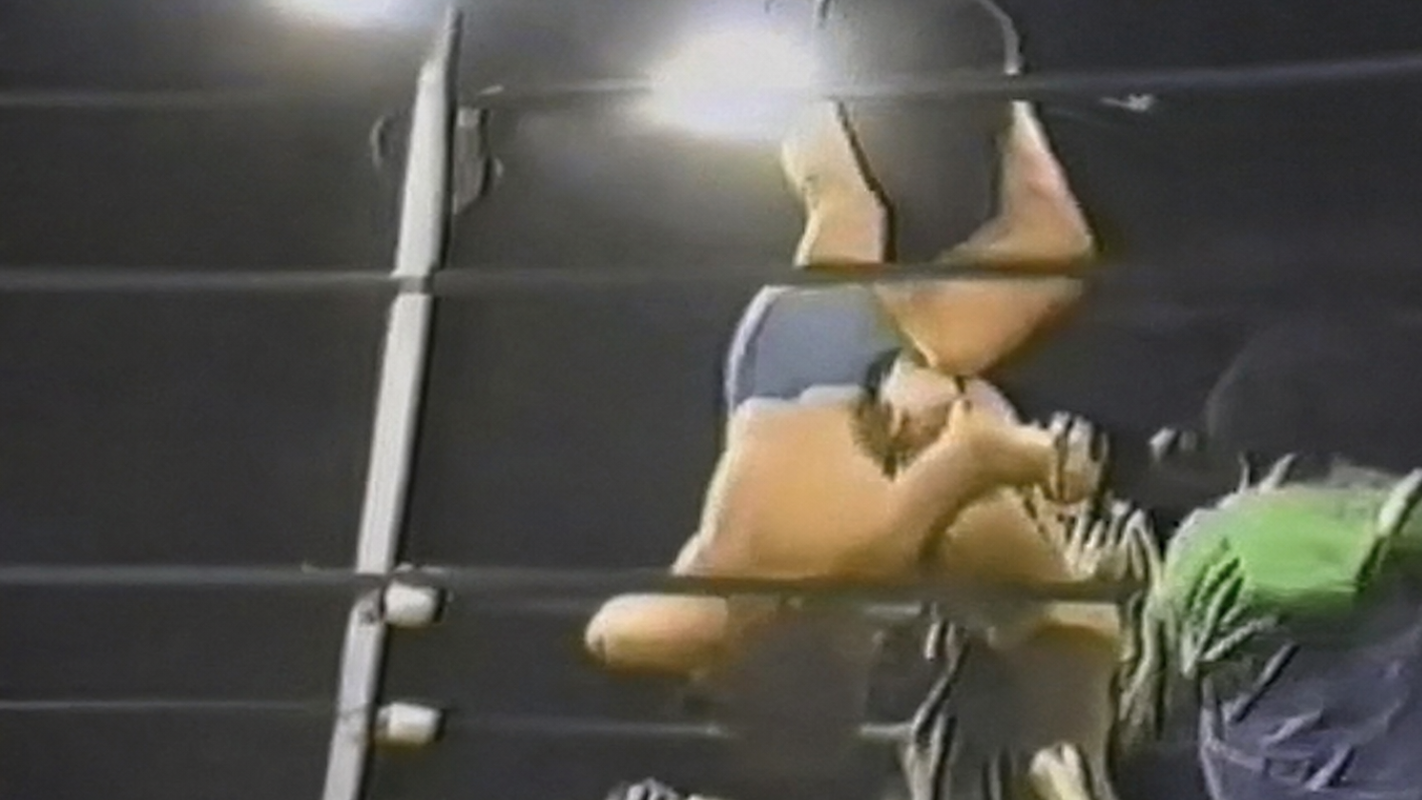
El Canek’s February 12, 1984, match in Naucalpan, Mexico, is one of the most extraordinary entries in the entire record. He did not just bodyslam Andre once. He did it twice.
El Canek was the Universal Wrestling Association World Heavyweight Champion and one of Mexico’s defining heavyweight stars. For a Mexican audience, his ability to move Andre was not a novelty. It was a national wrestling statement.
The match became notable for standing out from most North American examples, in which the slam was usually offset by Andre ultimately winning or being protected.
Visually, it may be the most impressive of all the Andre bodyslam examples because Canek repeats the feat and then defeats him outright.

21. Riki Choshu Bodyslams Andre the Giant in Takamatsu, Japan (June 1, 1984)
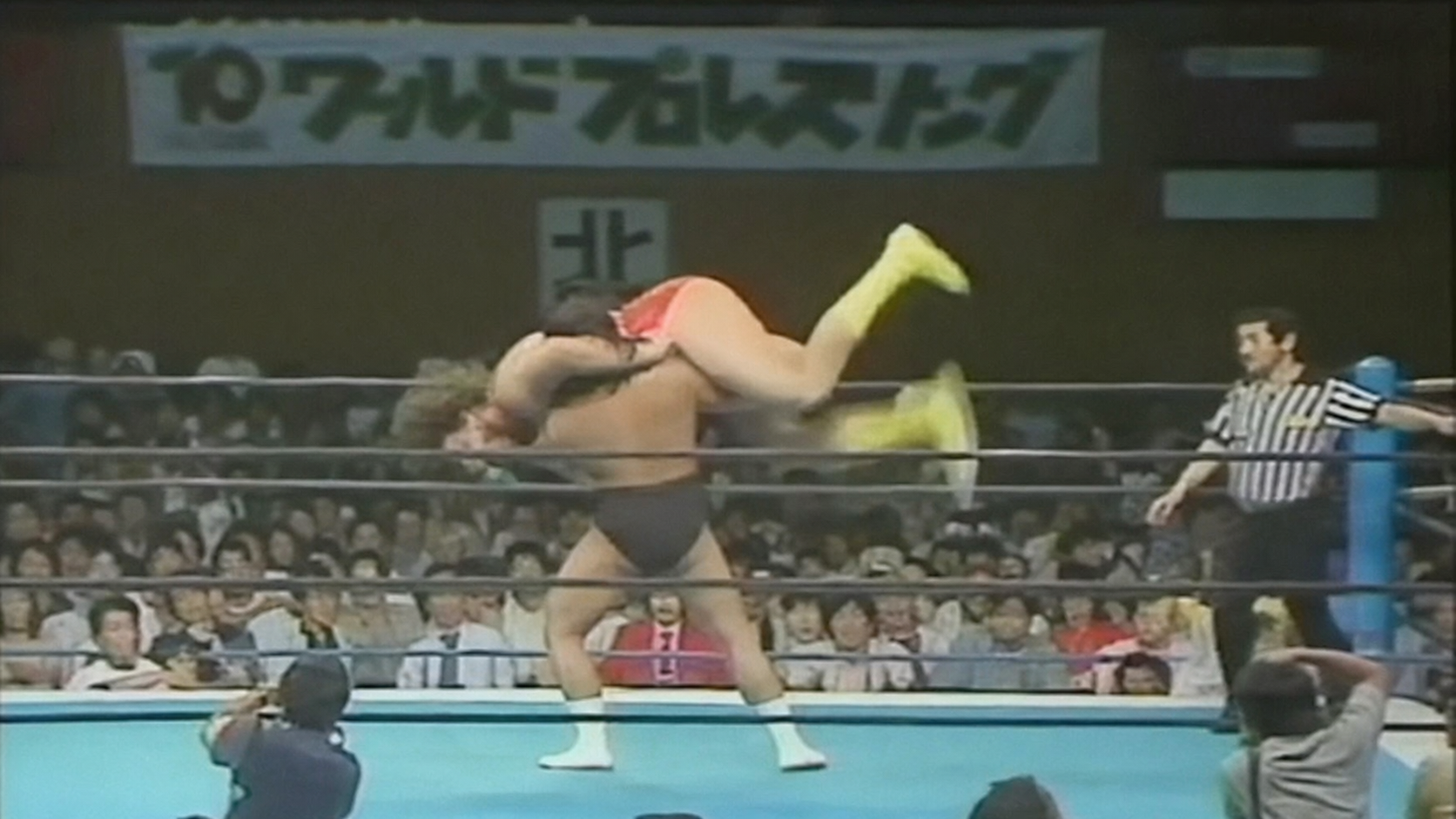
Riki Choshu’s June 1, 1984, bodyslam of Andre the Giant in Takamatsu came at a moment when Choshu was one of the most important wrestlers in Japan.
Choshu’s appeal came from intensity, realism, and a sense that his matches carried political weight within New Japan Pro Wrestling. Andre’s presence amplified that aura.
Riki Choshu bodyslamming Andre the Giant did not erase Andre’s size. It proved Choshu’s standing. That is the entire logic of the bodyslam as a wrestling device, used across five continents and five decades, whenever a promotion needed to make a wrestler feel like the biggest thing in the room. New Japan did not need to pretend no one had ever moved Andre. The Japanese audience understood hierarchy, struggle, and escalation differently.
22. Seiji Sakaguchi Bodyslams Andre the Giant in Japan (1984)
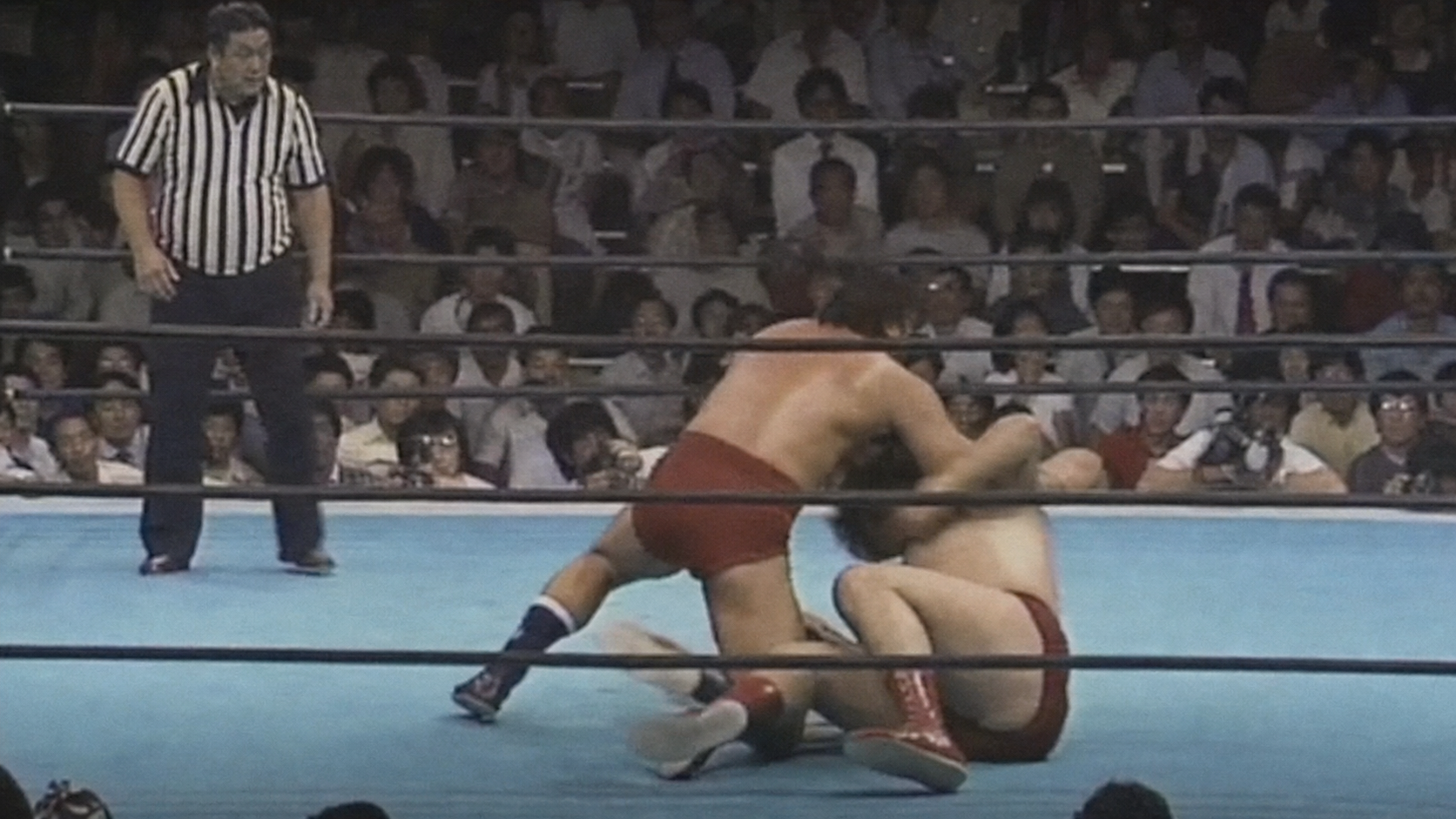
Seiji Sakaguchi is not a name that appears on casual lists, but the wrestling history record puts him squarely in this one. A former All-Japan Judo Champion (1965) with a seventh-dan red and white belt, and one of New Japan Pro Wrestling’s founding pillars alongside Antonio Inoki, Sakaguchi had both the physical credentials and the institutional standing to make a bodyslam of Andre meaningful in Japan. Andre’s willingness to take the spot from him carried weight with every Japanese fan watching.
The bodyslam is documented in Japan in 1984, with New Japan’s touring records showing multiple singles encounters between the two that year, including cards on May 16 in Saga, May 24 in Osaka, and November 29 in Shimizu. The bodyslam occurred within one of those meetings.
Ken Patera and Big John Studd Double-Bodyslam Andre on Television (November 13, 1984)
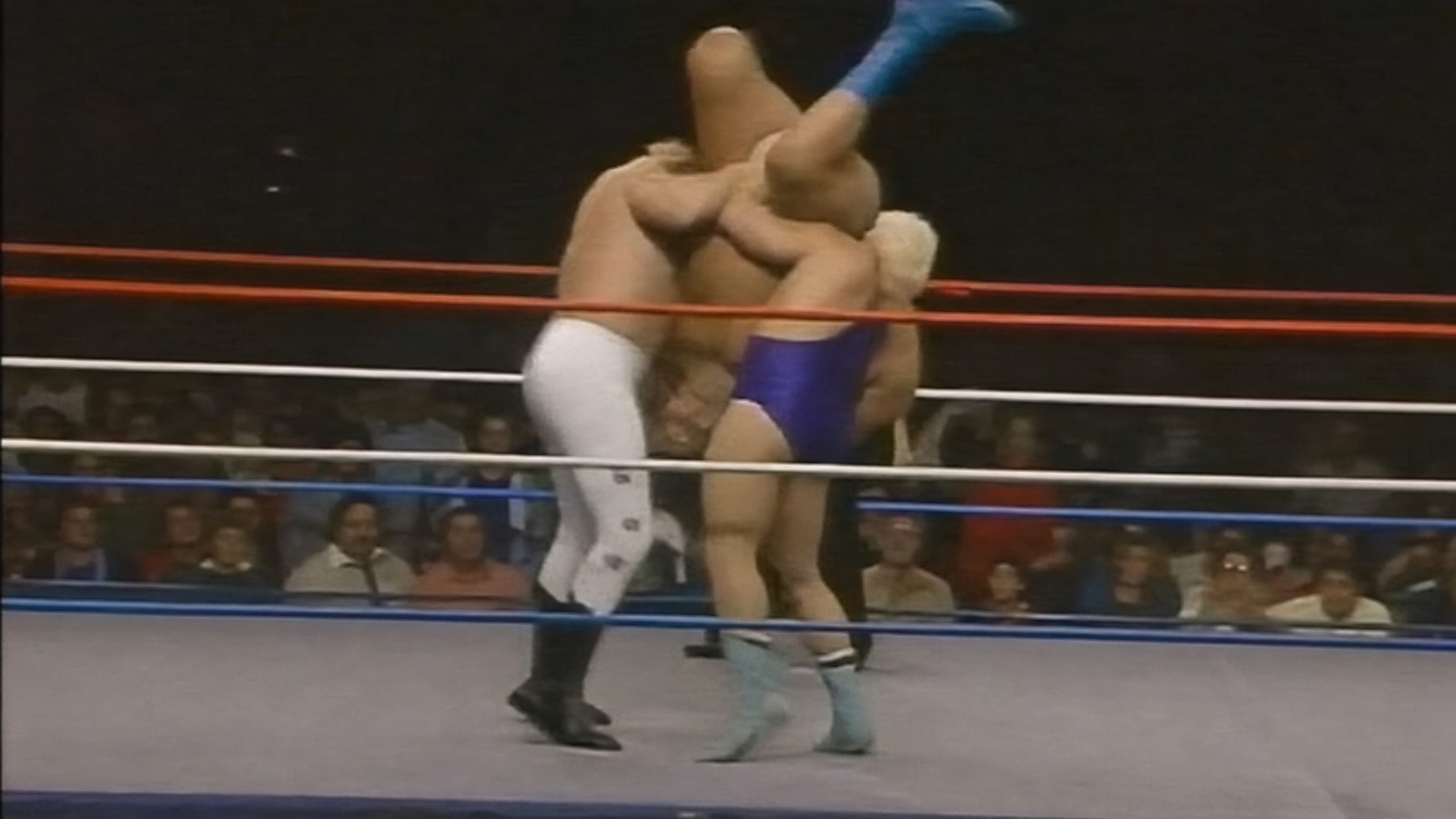
On November 13, 1984, in Poughkeepsie, New York, Ken Patera and Big John Studd combined to double-bodyslam Andre the Giant during a televised World Wrestling Federation event, then knocked him unconscious and cut his famous long hair in front of the cameras.
The humiliation was deliberate and total. It was the wound that would demand a reckoning.
The Poughkeepsie slam is one of the cleanest filmed and dated World Wrestling Federation examples in this entire record, precisely because of what followed it. It was a nationally televised story point, and the receipt was coming.
Big John Studd and the Bodyslam Challenge: The Reckoning at WrestleMania I
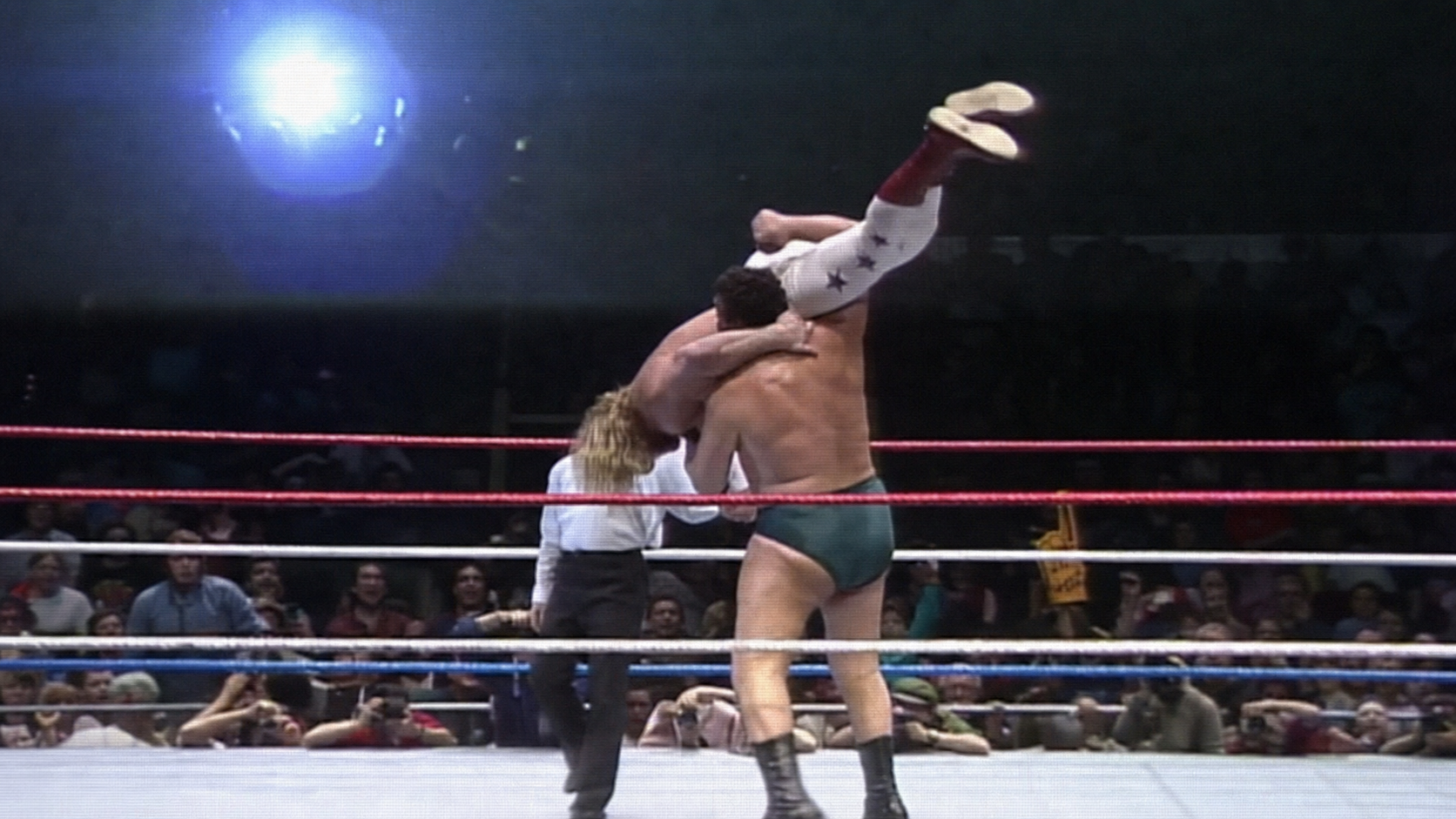
This section does not carry a number because no confirmed solo bodyslam of Andre the Giant by Big John Studd exists in the record. What does exist is the four-month reckoning that Poughkeepsie made inevitable.
Studd’s entire mid-1980s World Wrestling Federation identity revolved around one question: Who was the real giant? Managed by Bobby Heenan, Studd offered $10,000 to anyone who could bodyslam him, then watched his arrogance curdle into cowardice when Andre accepted.
Week after week on television, Studd claimed the title of the true giant. Those who were close to Andre at the time believed he took at least some of it personally.
The climax came at WrestleMania I. Andre slammed Studd, won the match, and sent the money flying into the crowd. Heenan snatched the bag back on the way out. Andre had made his point without saying a word.
24. Antonio Inoki Bodyslams Andre the Giant in the Philippines (December 8, 1984)
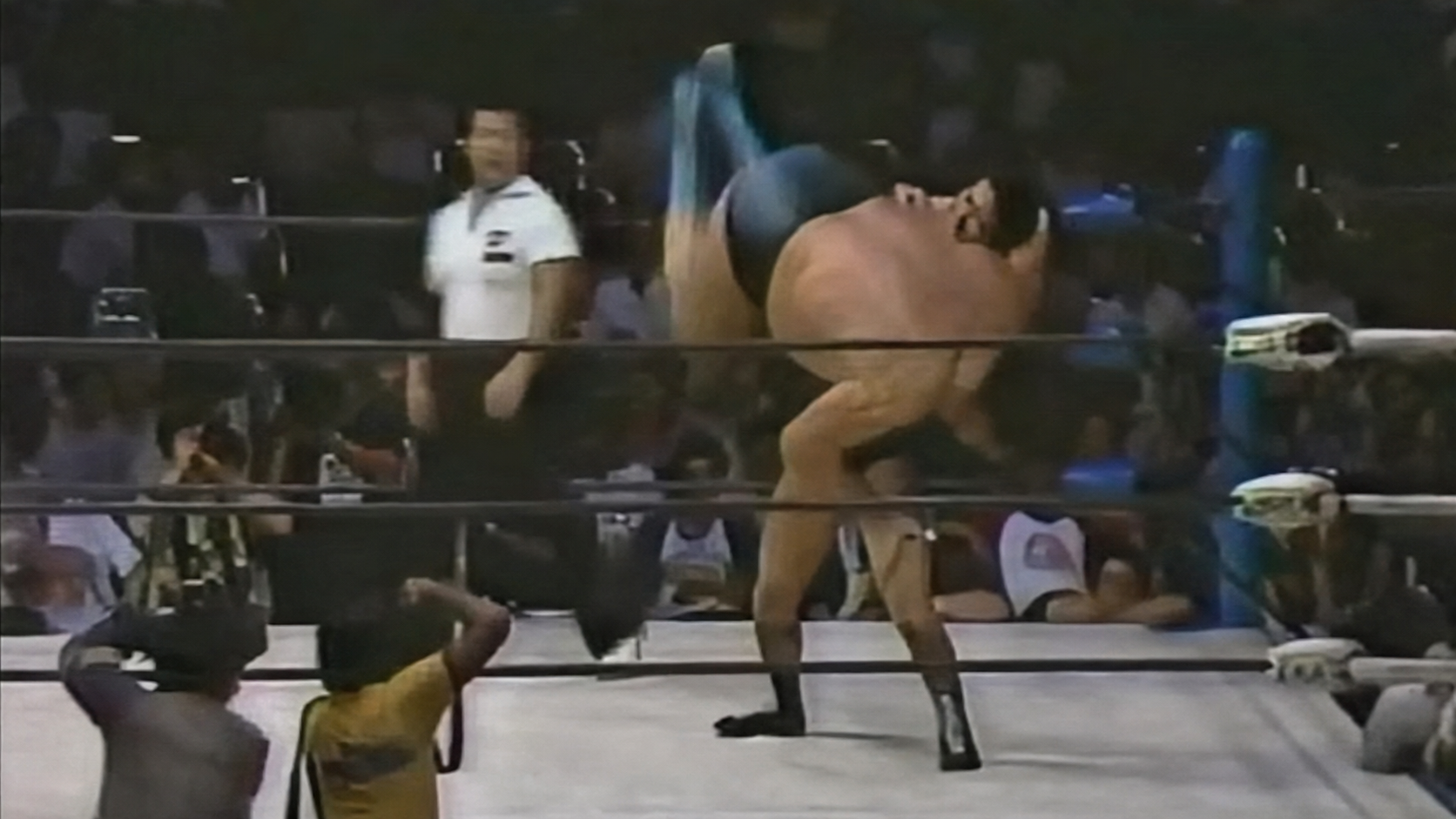
Antonio Inoki’s December 8, 1984, bodyslam of Andre the Giant in Quezon City shows how far Andre’s touring reach extended.
This was a New Japan Pro Wrestling tour stop in Southeast Asia built around international names. Andre’s value was portability. He could arrive in a market and instantly make the card feel bigger.
Andre’s travel schedule was central to his power, and he moved so frequently through territories that he vacated title reigns simply by not being present to defend them.
The Philippines bodyslam belongs to that same global pattern. For Inoki, the December 8, 1984, slam is his second confirmed entry in this record.
25. Antonio Inoki Bodyslams Andre the Giant in Tokyo (May 1, 1986)
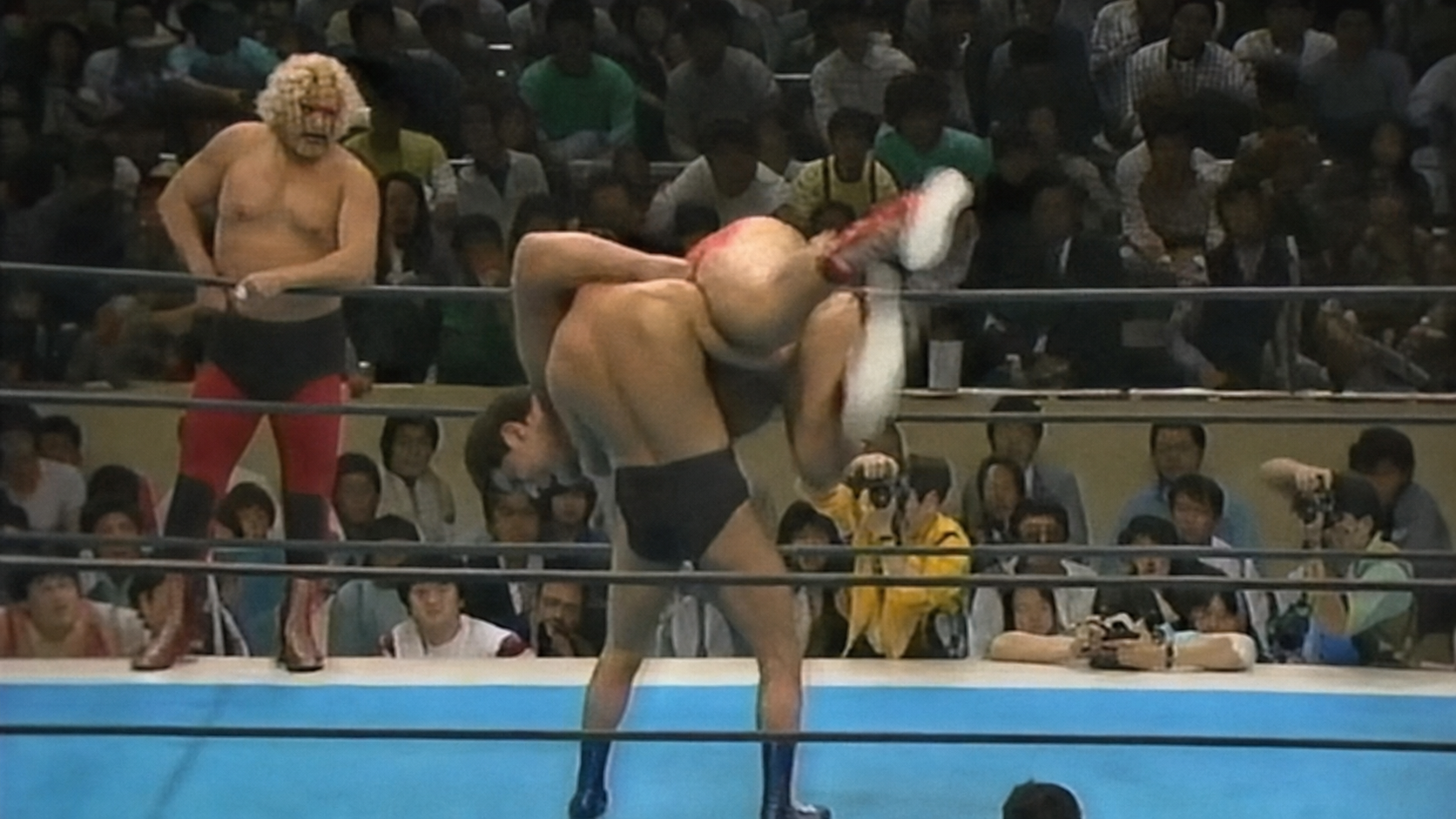
Antonio Inoki’s May 1, 1986, bodyslam in Tokyo happened less than a year before the World Wrestling Federation sold Hulk Hogan’s slam as a singular historical achievement.
By 1986, Andre the Giant was physically declining but still active enough for New Japan Pro Wrestling to build major matches around him. Inoki’s repeat entries show that the bodyslam was not a one-time accident in Japan. It was a recurring competitive visual used when the match, market, and opponent justified it.
That is why the WrestleMania III myth worked only if audiences were unaware of the global record. Japan alone had already produced several examples. May 1, 1986, is Inoki’s third and final confirmed entry in this record.
26. Otto Wanz Bodyslams Andre the Giant in Graz (July 5, 1986)
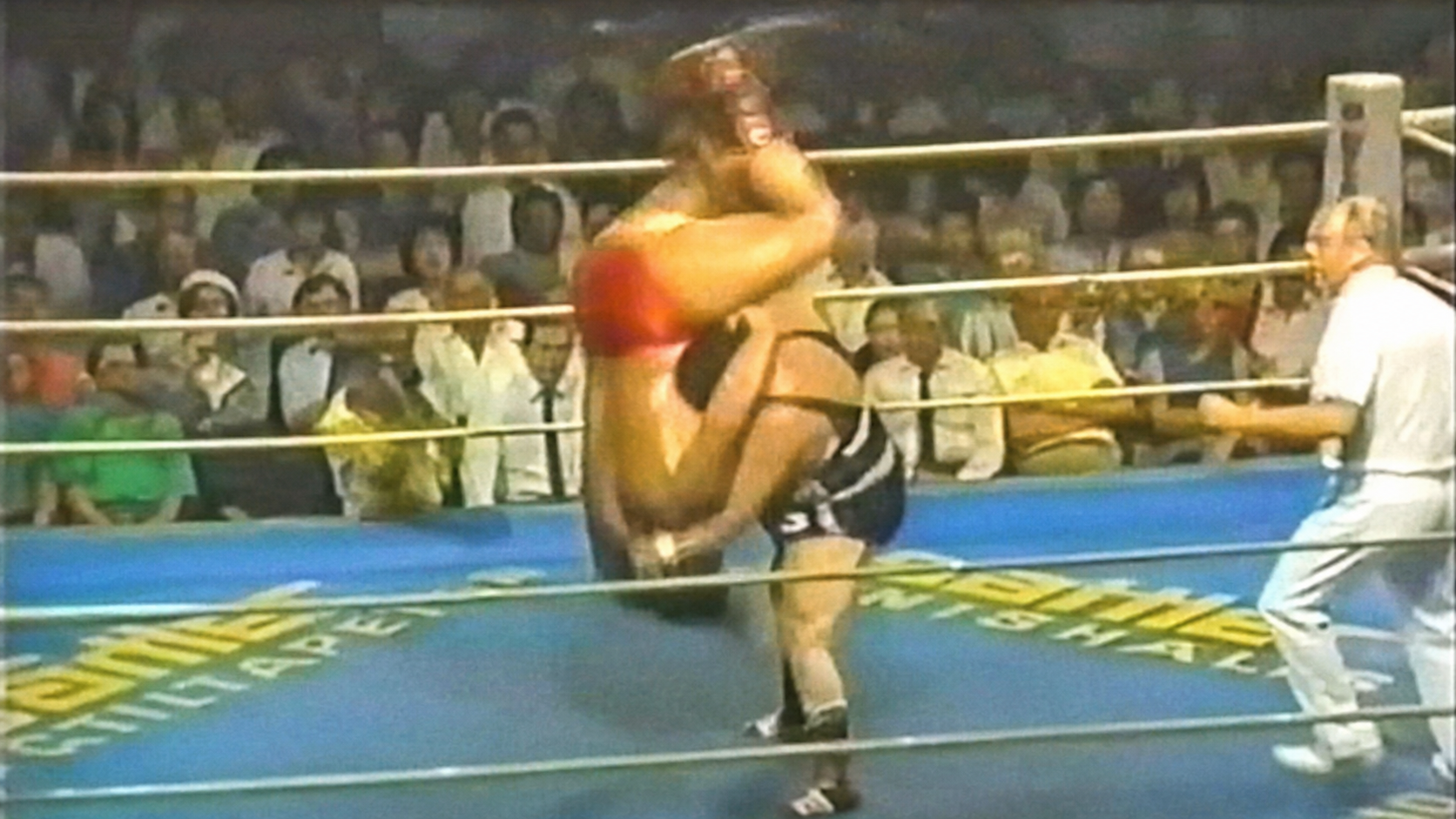
Otto Wanz’s July 5, 1986, bodyslam in Graz, Austria, is the closest pre-WrestleMania III example, occurring merely eight months before Hogan bodyslammed Andre on the Grandest Stage of them All. It is also one of the most geographically significant, proving the slam was not limited to North America, Japan, or Mexico.
Wanz was the leading figure of the Catch Wrestling Association and one of the strongest heavyweights in European wrestling. His size and reputation made him a credible local hero against Andre.
In Europe, the business used Andre the way it always had. He was a touring attraction whose rare vulnerability could validate a regional champion. Wanz did not need the World Wrestling Federation’s story to make the moment mean something. He had his own audience, his own territory, and his own history with the Giant.
27. Hulk Hogan Bodyslams Andre the Giant at WrestleMania III: The Night the Myth Was Sold (March 29, 1987)
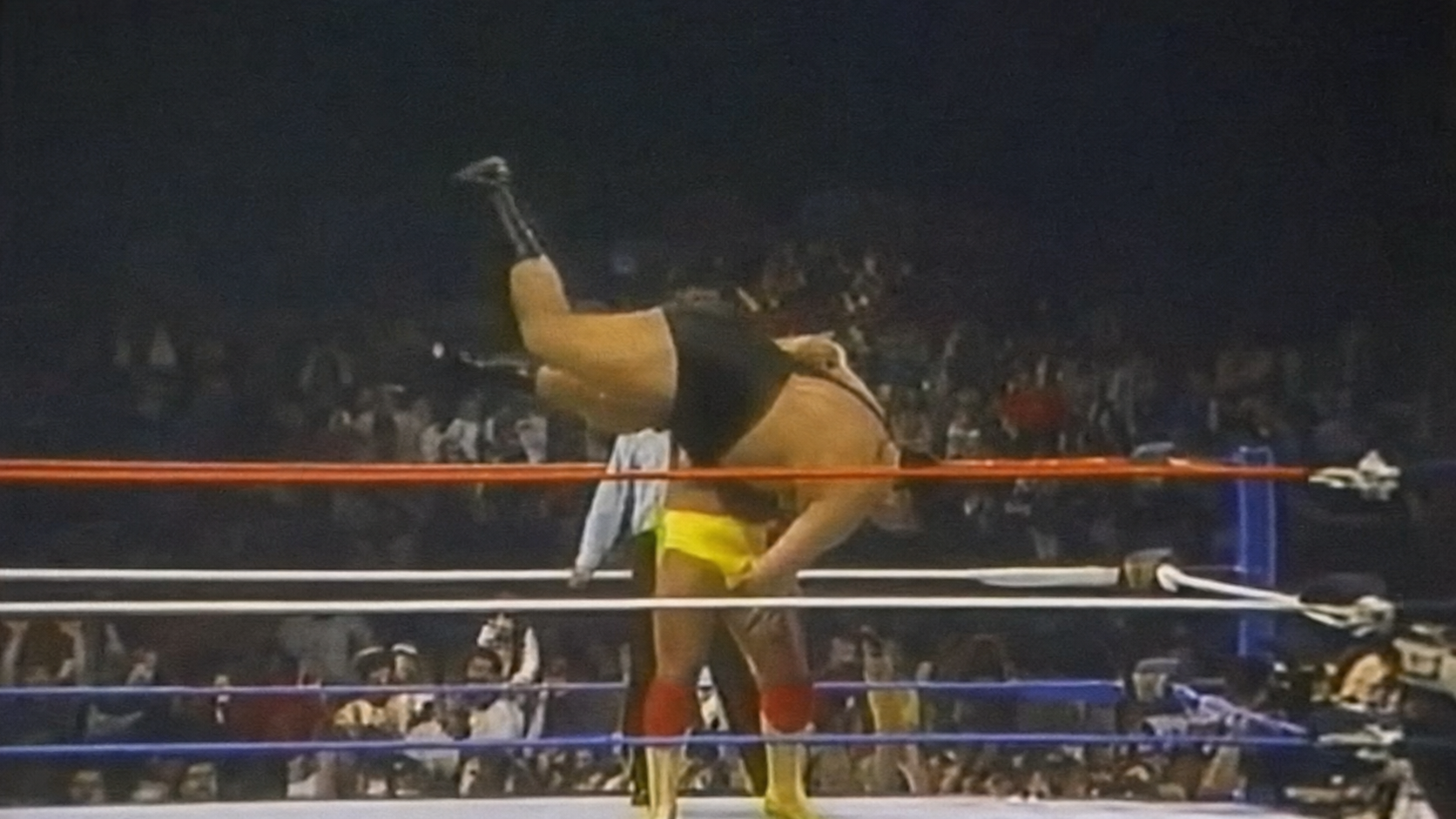
No bodyslam in professional wrestling history carries more cultural weight than Hulk Hogan bodyslamming Andre the Giant at WrestleMania III.
The moment gave the World Wrestling Federation a permanent image for its national expansion. On March 29, 1987, before a claimed indoor attendance of 93,173 fans at the Pontiac Silverdome, Hogan lifted Andre, slammed him, hit the leg drop, and retained the World Wrestling Federation Championship, setting the all-time indoor attendance record at the time.
The match had not been easy to make. By 1987, Andre was in serious physical decline, the accumulated damage of acromegaly, a punishing travel schedule, and decades of hard ring work having reduced his mobility to something far removed from the quick, athletic young giant who had first arrived in North America fifteen years earlier.
When Andre told Vince McMahon he was in no condition to wrestle, McMahon offered to fund whatever surgery he needed and to house him during rehabilitation. Andre accepted. The feud that followed turned on a single accusation: that Hulk Hogan had upstaged Andre during a trophy presentation celebrating the Giant’s career-long undefeated streak, and that Andre, after fifteen years of loyalty, had chosen to repay that friendship with betrayal.
The bodyslam itself nearly did not happen. Early in the match, Hogan attempted the slam and could not complete it, going down under Andre’s weight for a near-fall that had 93,000 people holding their breath.
Bobby Heenan, who managed Andre into the match, understood exactly why the spot worked the way it did. He later explained that once a wrestler managed to get his hands under Andre’s legs and begin the lift, Andre’s own momentum became the deciding factor. If Andre chose to go up, the man underneath could not stop him. The first failed attempt was not a mistake. It was the setup.
When Hogan completed the slam moments later, the crowd responded in a way that confirmed everything the World Wrestling Federation had built toward. The significance was not biological or athletic. It was commercial and narrative.
By 1987, it was no longer literally true that no one had ever bodyslammed Andre, and it was no longer literally true that Andre had never been defeated. But the majority of the crowd at the Silverdome believed both claims, and their belief was the product of years of careful, deliberate storytelling across every territory Andre had ever worked.
The match was the largest in professional wrestling history to that point, and that scale was inseparable from its meaning. Every prior slam in this record, from Harley Race in Houston in 1979 to Hulk Hogan at Shea Stadium in 1980 to El Canek in Naucalpan in 1984, had happened in front of crowds that numbered in the thousands, on cards that lived in regional memory or on collector tapes. WrestleMania III happened in front of nearly 100,000 people, on closed-circuit television, on a card that announced professional wrestling as a national entertainment business.
The slam was the same physical act it had always been. The stage was something no one had ever attempted before. That is what the Silverdome truly sold: not the first time, but the biggest time, at exactly the right moment in the history of the industry.
28. Hulk Hogan Bodyslams Andre the Giant at WrestleMania IV (March 27, 1988)
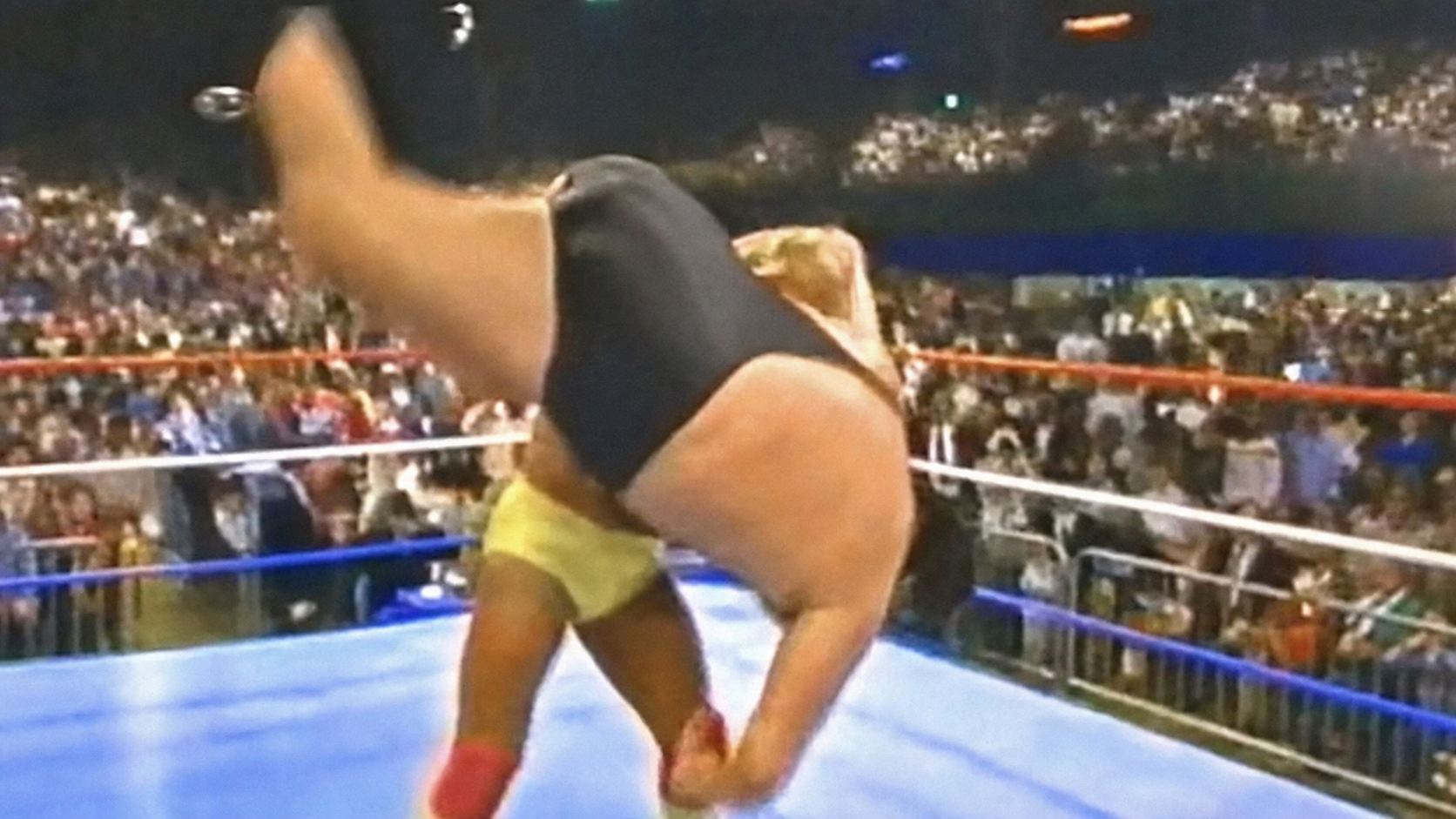
One year later, Hulk Hogan and Andre the Giant met again at WrestleMania IV on March 27, 1988, at Trump Plaza in Atlantic City. More than 19,000 people filled the convention center, and over 10 million viewers watched on pay-per-view.
By then, the landscape had shifted. Bobby Heenan had sold Andre’s contract to Ted DiBiase, repositioning the Giant as the instrument of DiBiase’s campaign to purchase the World Wrestling Federation Championship.
Andre arrived at WrestleMania IV already having cost Hogan the title on the February 5, 1988, NBC special The Main Event, helping engineer a win for DiBiase through a pair of crooked referees, an act so blatant that WWF President Jack Tunney declared the title vacant and ordered the tournament that became WrestleMania IV’s defining structure.
Heenan, having traded the greatest physical specimen in the industry for a management fee, quietly upgraded his stable: he retained King Harley Race and collected a substantial finder’s cut while leaving DiBiase to absorb whatever came next from Hulk Hogan.
What came next was chaos. The match was placed in the tournament’s second round, with the winner advancing toward the vacant championship. Andre attacked from the opening bell, and Hogan fought back with forearms and clotheslines that briefly sent both DiBiase and the Giant staggering.
When Hogan attempted the bodyslam, DiBiase intervened with a chair shot to the back. Hogan recovered the chair. Andre got hold of it. Both men swung. Referee Joey Marella had no choice but to issue a double disqualification, eliminating both of the company’s two biggest names from a tournament that Ted DiBiase would eventually reach, only to lose the title to Randy Savage in the main event.
The WrestleMania IV slam carried none of the weight of Pontiac. It was not designed to. By 1988, Hogan lifting Andre was a familiar visual, a shorthand the company used to close arenas and settle outstanding business rather than generate new meaning. What the match confirmed was that the Hogan-Andre story had moved into a second chapter with diminishing dramatic returns, and that the WWF’s center of gravity was already beginning to shift toward the figures who would define the next phase of its main event economy.
29. The Ultimate Warrior Bodyslams Andre the Giant in New York (September 30, 1989)
By 1989, Andre the Giant’s body was failing, and the World Wrestling Federation was using his remaining drawing power to elevate the next generation. The Ultimate Warrior was the primary beneficiary.
On September 9, 1989, the Ultimate Warrior pinned Andre at the Boston Garden in 18 seconds. Three weeks later, on September 30, the Warrior bodyslammed Andre in New York.
In Bodyslams!: Memoirs of a Wrestling Pitchman, Gary Michael Cappetta included George ‘The Animal’ Steele’s account of an earlier Warrior-Andre meeting in Pensacola, Florida. Steele recalled: “He beat Andre in fifteen seconds,” adding that the crowd threw posters and cursed the decision. Vince McMahon’s response, according to Steele, was: “No, we’re gonna make this work.”
That quote explains the entire program. Andre was being used to force credibility onto the Warrior, even when the crowd resisted. The September 30 New York slam was part of that sustained transfer of authority from one era to the next.
30. The Ultimate Warrior Bodyslams Andre the Giant at Maple Leaf Gardens (October 29, 1989)
The October 29, 1989, bodyslam in Toronto was not just one more stop in Andre the Giant’s late-career schedule. It was, as the record would later confirm, the last time another professional wrestler ever lifted Andre the Giant and bodyslammed him to the canvas. Andre was 43 years old. He would be dead in a little over three years.
By the autumn of 1989, Andre’s acromegaly had advanced to the point where his body required a back brace under his ring gear simply to absorb the impact of competition. He moved through matches with the support of ring ropes and the deliberate cooperation of opponents who understood that certain things were no longer possible.
In his final WWF programs against Jake Roberts and the Ultimate Warrior, Andre’s failing physical state was largely concealed through multi-partner tag matches designed to limit his exposure. The Warrior program in particular was not a test of Andre’s continued dominance but rather a vehicle to establish the Warrior as an unstoppable force, using Andre’s name as the instrument of elevation, suiting the same function Andre had served for Hulk Hogan two years earlier, now replicated at a fraction of the scale.
Bobby Heenan, who managed Andre through this period, described an incident during the Warrior feud in which the Warrior did not yet understand that a clothesline could appear devastating without being genuinely so. Andre waited for the Warrior to charge and met him with a closed fist, knocking him down.
The following match, the Warrior’s clothesline was considerably softer, and Andre sold it as though he had been hit by a freight train. Andre turned to Heenan and said simply, “He’s learning.”
The role Andre occupied in 1989 was less that of a competitor than of an instructor, a figure whose remaining value lay in the weight of what his name had meant for two decades.
One month after the Toronto slam, on December 13, 1989, Andre and Haku defeated Demolition to capture the World Wrestling Federation World Tag Team Championship as the Colossal Connection. It was the last significant title reign of Andre’s career.
Demolition would regain the belts at WrestleMania VI in Toronto the following spring, and when Bobby Heenan slapped Andre in the face after the loss, Andre turned on his manager and cleared the ring, receiving his final standing ovation from a WWF crowd.
He wrestled sporadically after that, primarily in Japan, and his final match anywhere took place on December 4, 1992, in All Japan Pro Wrestling. Andre teamed with Giant Baba and Rusher Kimura in a six-man tag against Masanobu Fuchi, Haruka Eigen, and Motoshi Okuma.
He needed help reaching the ring, could barely get through the ropes, spent most of the match leaning against the turnbuckles, and contributed almost nothing to the action. Those who were there described it as a sorry spectacle, even by the standards of the legends exhibition match it was intended to be. Fifty-four days later, Andre was dead.
On January 27, 1993, while in Paris attending his father’s funeral, Andre the Giant died in his sleep from heart failure. He was 46 years old. The condition that had made him the most recognizable physical presence in the history of professional wrestling had also, for his entire adult life, been destroying him.
The Toronto slam was therefore not a passing moment in a long schedule. It was the end of a chapter that had been running since Andre Bollet in the late 1960s, and through Hulk Hogan at the Silverdome in 1987, and through every entry on this list. No one bodyslammed Andre the Giant after October 29, 1989. The window closed quietly, on a house show card, in front of a crowd that did not know what it was witnessing.
How Many Times Was Andre the Giant Bodyslammed?
The narrative that Hulk Hogan performed the first bodyslam of Andre the Giant at WrestleMania III was not a historical claim. It was a promotional one, constructed with the same craft that built every territory feud in professional wrestling history.
Several further names circulate as having bodyslammed Andre, but the record for each requires an honest assessment. Ronnie Garvin is the most frequently cited name among fans who believe additional wrestlers bodyslammed Andre, and his case is the most clearly resolved.
In an interview on Jofo In The Ring Wrestling Podcast, Garvin was asked directly whether he had bodyslammed Andre, and his answer was unambiguous: “No, I didn’t slam him. But I’ll tell you what, I beat him. I beat him in Knoxville. I was the only one that beat him when he was the top guy, one-on-one, clean.”
King Kong Bundy, Jake “The Snake” Roberts, and Dr. Death Steve Williams have all been suggested in online discussions, but none of those claims trace back to a first-person account from any of the men, and no match records document it.
Jerry Lawler also once claimed in Apter magazine kayfabe coverage that he slammed Andre, a claim that has since been identified as a promotional story Lawler kept alive long after it should have been retired. None of the four belong in the confirmed record.
Andre was a man who understood exactly what he was doing with his body and his career. He chose his moments of vulnerability carefully, using them to elevate the business in every market he visited.
In My Life Outside the Ring, Hulk Hogan acknowledged the same reality, writing that WrestleMania III “was just the first time it happened on national television.” He never claimed it was the first time it had happened at all.
The 30 documented slams in this record span six countries, three decades, and wrestlers ranging from a British catch worker in a Hanley hall to Japan’s greatest heavyweights to the biggest card in American wrestling history. The illusion required the bodyslam to be presented as impossible. The record shows it was merely rare. And rare, in professional wrestling, was always enough.
These stories may also interest you:
- Hulk Hogan vs. Andre the Giant: The Full Story
- Showdown at Shea: The 1980 WWF Event That Started It All
- Blackjack Mulligan and Andre the Giant’s Wild Fight Story
- Andre the Giant: The Complete Legacy
Download PDF Version
Get the complete article as a formatted PDF for offline reading.