Author:
 Vince McMahon built one of the most recognized entertainment companies in the world, but he did not even know his own last name until he was 12 years old. While growing up in a North Carolina trailer park, his father, Vincent James McMahon, had already walked out, taking his eldest son, Rod, and quietly building the wrestling empire that would one day consume the son he left behind. The two eventually found each other. They grew close. And then, in a hospital room at the end of Vincent James McMahon’s life, something happened that Vince had waited his entire childhood for.
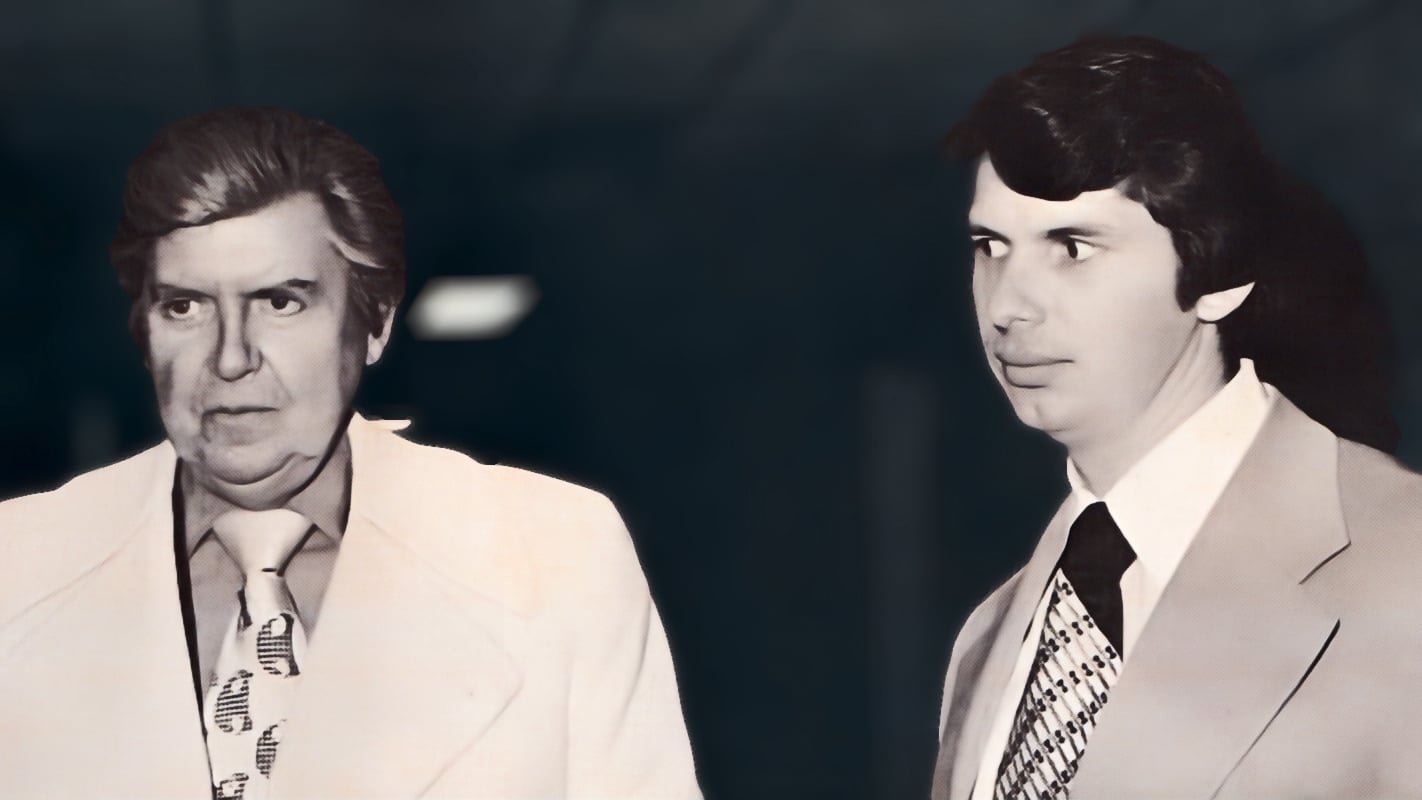
“When I met my dad, I fell in love with him. We got very, very close, but we both knew we could never go back.”
– Vince McMahon
Real Autographs. Only Few Remain.
These are hand-signed originals sold directly by Pro Wrestling Stories. Once they sell out, they are gone for good.
Own a Piece of Wrestling History
-

Baby Doll (Nickla Roberts) Signed 8×10 Photo Autograph (pictured with Ric Flair)
$35.00 Add to cart -
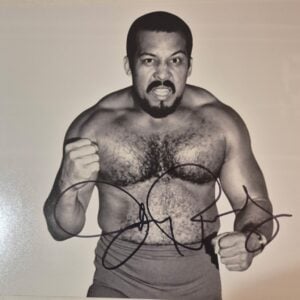
Johnny Rodz Signed WWF 8×10 Photo Autograph
$30.00 Add to cart -
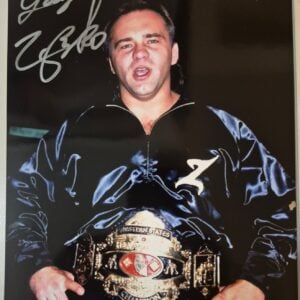
Larry Zbyszko Signed 8×10 Photo Autograph 2
$40.00 Add to cart -
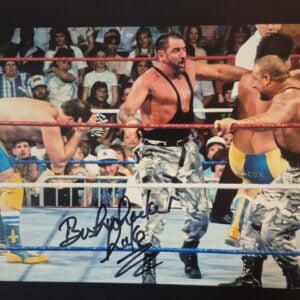
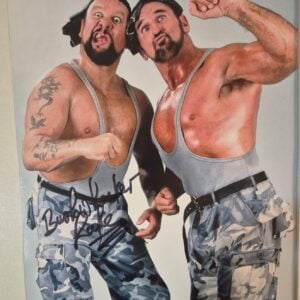
Bushwhacker Luke Signed WWF 8×10 Photo Autograph (of The Bushwhackers)
$30.00 Add to cart -
Johnny Rodz Signed WWF 8×10 Photo Autograph
$30.00 Add to cart -
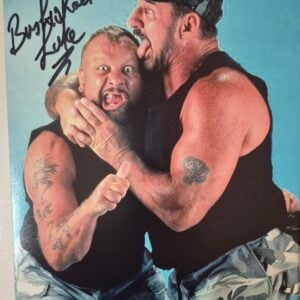
Bushwhacker Luke Signed WWF 8×10 Photo Autograph (with Bushwhackers Butch)
$30.00 Add to cart -
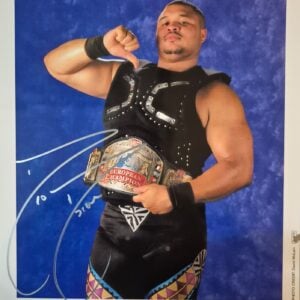
D’Lo Brown Signed WWF 8×10 Photo Autograph
$30.00 Add to cart -
The Tonga Kid (Sam Fatu) Signed WWF 8×10 Photo Autograph
$35.00 Add to cart -
Butcher Paul Vachon Signed WWF 8×10 Photo Autograph (Deceased Legend)
$45.00 Add to cart -
Ken Patera Signed WWF 8×10 Photo Autograph
$35.00 Add to cart -
Ken Patera Signed WWF 8×10 Photo Autograph (pictured with Bobby Heenan & John Studd)
$35.00 Add to cart -
Nikolai Volkoff Signed WWF 8×10 Photo Autograph 2 (Deceased Legend)
$45.00 Add to cart -
Bushwhacker Luke Signed WWF 8×10 Photo Autograph
$30.00 Add to cart -
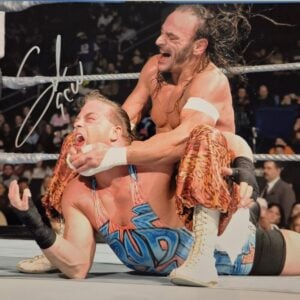
Justin Credible Signed 8×10 Photo Autograph
$30.00 Add to cart -
Koko B. Ware Signed WWF 8×10 Photo Autograph
$45.00 Add to cart -
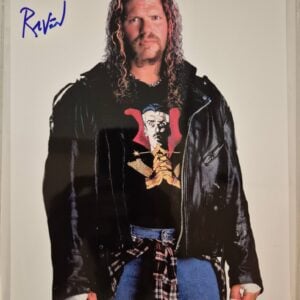
Raven Signed 8×10 Photo Autograph
$35.00 Add to cart -
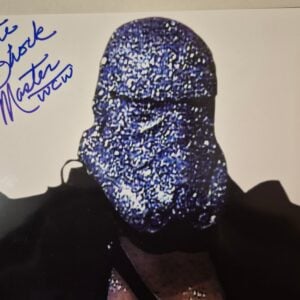
Fred Ottman Signed WCW 8×10 Photo Autograph (The Shockmaster)
$35.00 Add to cart -
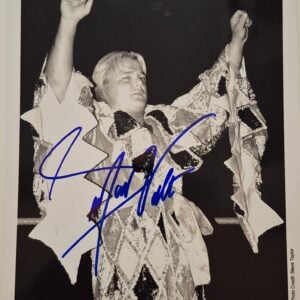
“Greg the Hammer” Valentine Signed WWF 8×10 Photo Autograph
$45.00 Add to cart -
Sabu Signed WWF 8×10 Photo Autograph (Deceased Legend)
$55.00 Add to cart -
Bushwhacker Luke Signed WWF 8×10 Photo Autograph (The Bushwhackers)
$30.00 Add to cart -
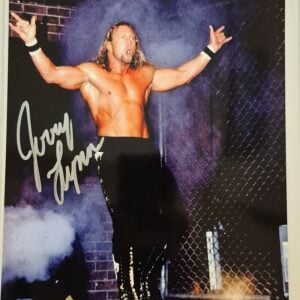
Jerry Lynn Signed 8×10 Photo Autograph
$35.00 Add to cart -
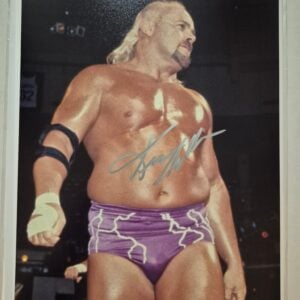
Kevin Sullivan Signed 8×10 Photo Autograph (Deceased Legend)
$45.00 Add to cart -
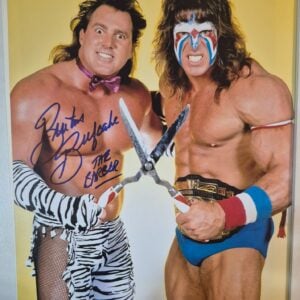
Brutus the Barber Beefcake Signed WWF 8×10 Photo Autograph (with Ultimate Warrior)
$35.00 Add to cart -
Sunny (Tammy Lynn Sytch) Signed WWF 8×10 Photo Autograph
$35.00 Add to cart -
Nikolai Volkoff Signed WWF 8×10 Photo Autograph (Deceased Legend)
$45.00 Add to cart -
Bushwhacker Luke Signed WWF 8×10 Photo Autograph (pictured with Bushwhacker Butch)
$30.00 Add to cart -
Jerry “The King” Lawler Signed 8×10 Photo Autograph
$50.00 Add to cart -
Steve Keirn Signed WWF 8×10 Photo Autograph (Fabulous Ones)
$30.00 Add to cart -
Johnny Rodz Signed WWF 8×10 Photo Autograph (pictured with The Grand Wizard)
$30.00 Add to cart -
Barry Windham Signed 8×10 Photo Autograph
$40.00 Add to cart -
Marcus “Buff” Bagwell Signed WCW 8×10 Photo Autograph
$30.00 Add to cart -
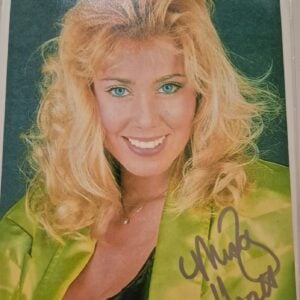
Missy Hyatt Signed 8×10 Photo Autograph
$35.00 Add to cart -
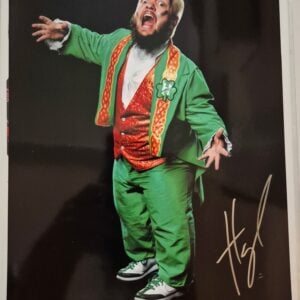
Hornswoggle (Dylan Postl) Signed WWE 8×10 Photo Autograph
$30.00 Add to cart -
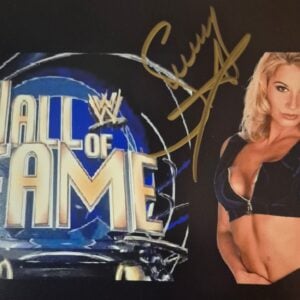
Sunny (Tammy Lynn Sytch) Signed WWF 8×10 Photo Autograph (WWE Hall of Fame)
$35.00 Add to cart -
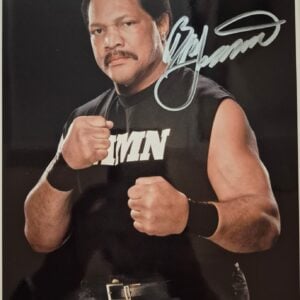
Ron Simmons Signed WWE 8×10 Photo Autograph
$40.00 Add to cart -
Johnny Rodz Signed WWF 8×10 Photo Autograph (wrestling Tony Atlas)
$30.00 Add to cart -
Tito Santana Signed WWF 8×10 Photo Autograph
$35.00 Add to cart -
Nikolai Volkoff & Boris Zhukov Signed WWF “The Bolsheviks” 8×10 Photo Autograph (Deceased Legend)
$60.00 Add to cart -
Leaping Lanny Poffo Signed WWF Turnbuckle Pose 8×10 Photo Autograph (Deceased Legend)
$45.00 Add to cart -
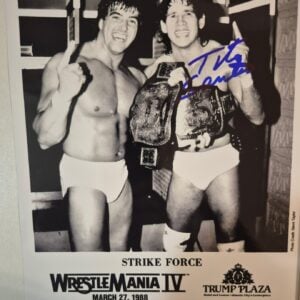
Tito Santana Signed WWF 8×10 Photo Autograph (Strike Force)
$35.00 Add to cart -
Larry Zbyszko Signed WCW 8×10 Photo Autograph
$40.00 Add to cart -
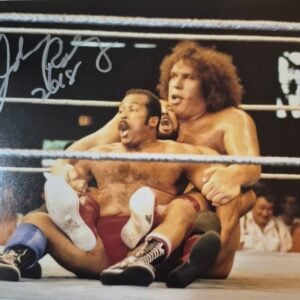
Johnny Rodz Signed WWF 8×10 Photo (wrestling Andre the Giant)
$30.00 Add to cart -
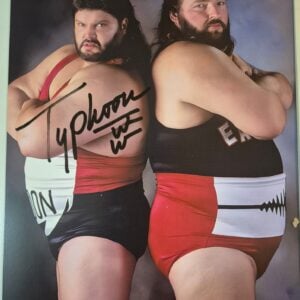
Fred Ottman Signed WWF 8×10 Photo Autograph (Typhoon)
$35.00 Add to cart -
Brutus the Barber Beefcake Signed WWF 8×10 Photo Autograph 2
$35.00 Add to cart -
Vince Russo Signed 8×10 Photo Autograph
$35.00 Add to cart -
Sunny (Tammy Lynn Sytch) Signed WWF 8×10 Glamour Photo Autograph
$35.00 Add to cart -
Sunny (Tammy Lynn Sytch) Signed 8×10 Photo Autograph
$35.00 Add to cart -
“Hacksaw” Jim Duggan Signed WWF 8×10 Photo Autograph
$40.00 Add to cart -
Steve Keirn Signed WWF 8×10 Photo Autograph (Skinner)
$30.00 Add to cart -
Jerry “The King” Lawler Signed WWE 8×10 Photo Autograph 2
$50.00 Add to cart -
Jimmy Hart Signed WWF 8×10 Photo Autograph (pictured with Bret Hart & Jim Neidhart)
$35.00 Add to cart -
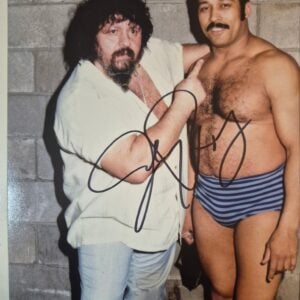
Johnny Rodz Signed WWF 8×10 Photo Autograph (pictured with Captain Lou Albano)
$30.00 Add to cart -
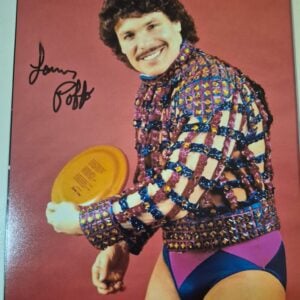
Leaping Lanny Poffo Signed WWF Frisbee Pose 8×10 Photo Autograph (Deceased Legend)
$45.00 Add to cart -
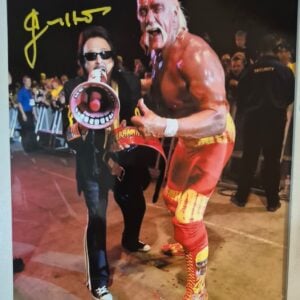
Jimmy Hart Signed WWF 8×10 Photo Autograph (pictured with Hulk Hogan)
$35.00 Add to cart -
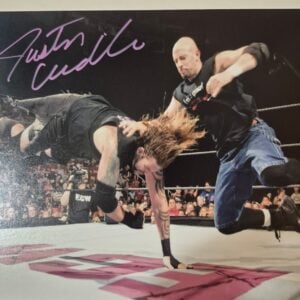
Justin Credible Signed 8×10 Photo Autograph 2
$30.00 Add to cart
How Vince McMahon Grew Up Without His Father, Vincent James McMahon
Vincent James McMahon walked away from his family when Vince Jr. was still an infant. He took his eldest son, Rod, with him and left the younger child behind. For the first twelve years of his life, Vince McMahon had no relationship with his father whatsoever. He was raised by his mother and, at times, by his maternal grandmother.
That absence shaped McMahon in ways that are difficult to quantify. Growing up without a father meant growing up without the man who quietly ran one of the most powerful regional wrestling promotions in the northeastern United States. McMahon had no idea what he was missing in that world, or in a paternal bond, until both arrived at roughly the same time.
The circumstances of McMahon’s early home life were not easy. His mother remarried multiple times, and by several accounts, at least one of those stepfathers was physical toward the young McMahon. It was a childhood defined less by stability and more by survival, moving between households and learning early that the adults in his life were not always reliable. That formative instability would later feed an obsession with control that became central to how McMahon operated in business.
The Day Vince McMahon Met His Father for the First Time at Age 12
When McMahon was 12 years old, living with his grandmother on his mother’s side, his father and his paternal grandmother visited. It was the first real contact between the two. McMahon recalled the moment years later in a candid 2001 interview with Playboy Magazine, one of the most revealing conversations he has ever given on record.
“When I was 12 or a little older, living with my grandmother on my mom’s side, my father and his mother came to visit. I must have behaved myself because I got invited up to be with him.”
That invitation changed the trajectory of McMahon’s life. A connection formed quickly between the two, an intense bond built partly on genuine affection and partly on the weight of lost time. But McMahon was clear-eyed about what that bond could and could not repair.
“It’s funny how you don’t know what you’re missing if you never had it. Then, when I met my dad, I fell in love with him. We got very, very close, but we both knew we could never go back. There’s a tendency to try to play catch-up, but you can’t. You missed those years. There would always be something missing between us, but there was no reason to discuss it. I was grateful for the chance to spend time with him.”
That gratitude coexisted with a quiet grief McMahon rarely put into words. He acknowledged the gap that would always exist between them. Rather than dwell in resentment, he chose to build from what remained.
Enjoying this story? Own it forever.
No ads. No interruptions. Download the full story as a beautifully formatted PDF at just $0.99.
Get My Copy — $0.99The Jobs Vince McMahon Worked Before His Father Let Him Into Wrestling
Despite his growing love of professional wrestling, Vince Sr. pushed his son toward stability rather than the wrestling business. The elder McMahon had lived through lean years in the industry and was pragmatic about its volatility.
“I loved wrestling from the day I saw it. The characters! But my dad was pragmatic. He remembered the bad years he’d had. He’d say, ‘Get a government job, so you can have a pension.'”
McMahon tried to follow that advice, or at least a version of it. He cycled through jobs that had little to do with entertainment or ambition. He worked with adding machines, a role he found entirely unsuitable. He sold cups and ice cream cones for the Maryland Cup Corporation in Owings Mills, outside Baltimore, working long hours without any real sense of direction. He drove a dump truck for Rockville Crushed Stone and eventually earned a promotion to pug mill operator, a position that involved combining different grades of rock and dirt.
None of it fit. McMahon knew it, and Vince Sr. likely knew it, too.
Love Pro Wrestling Stories? Add us as a Preferred Source on Google so our stories always show up first for you. It only takes one click.
Add Us on GoogleHow Vince McMahon Talked His Way Into His Father’s Wrestling Business

Vince McMahon spent years asking his father for a chance inside the wrestling business. The answer was always no, until a vacancy created the opening he had been waiting for.
“All this time, I’d been pestering my dad to let me work with him: ‘Come on, Pop. You know I love this stuff.'”
A promoter in Bangor, Maine, had been caught stealing at a level that even the loosely policed standards of territorial wrestling could not tolerate. Vince Sr. removed him and, almost reluctantly, handed his son the assignment. He was direct about what the opportunity meant.
“My dad tells me, ‘Look, the guy in Bangor, I just threw him the hell out. Go up there. You can’t ever say I didn’t give you an opportunity, but this is the first and last opportunity you’ll have in this company.'”
McMahon took it and never looked back. Bangor was the northernmost point of his father’s territory, the smallest and most remote outpost available. For anyone else, it might have felt like a punishment. For McMahon, it was a starting line.
“I went to Bangor, the northernmost outpost of my dad’s territory. Now I’m hustling, promoting a product I love. People cheer and boo and have a good time, and I leave with some money in my pocket. God****, life is good!”
From Bangor, McMahon pushed further, promoting territories that had never been worked before, gradually expanding his reach across New England. Before long, half of his father’s business ran through markets his son had developed.
With hundreds of amazing Pro Wrestling Stories to dive into, where do you start? Get the inside scoop, join our exclusive community of wrestling fans! Receive 10 hand-picked stories curated just for YOU, exclusive weekly content, and an instant welcome gift when you sign up today!
The Final Words Vince McMahon’s Father Said to Him Before He Died
Vince Sr. was diagnosed with cancer in the early 1980s. As his father’s health declined, McMahon went to the hospital to see him. What happened in that room became one of the most personal stories McMahon ever shared publicly.
McMahon described his father as old Irish in disposition, a man who did not express affection openly and was not comfortable receiving it. Vince Jr. was built differently. He, by his own admission, said “I love you” freely to his own children, Shane and Stephanie, and made physical affection a normal part of his family life. His father operated under an entirely different set of rules.
“That time in the hospital, I kissed him and said I loved him. He didn’t like to be kissed, but I took advantage of him.”
McMahon stood to leave. He had already passed through the doorway when something stopped him.
“Then, I started to go. I hadn’t quite gotten through the door when I heard him: ‘I love you, Vinnie!’ He didn’t just say it; he yelled it.”
Vincent James McMahon died in May 1984. Those words, called out across a hospital room, were the only time he ever said them directly to his son. For Vince McMahon, a man who built a career on spectacle and scale, that moment remains among the most quietly significant of his life.
These stories may also interest you:
- Intimidating Moments Vince McMahon Had with WWE Wrestlers
- Wrestlers Who Shouldn’t Have Followed Father’s Footsteps
- Vince McMahon and His Chaotic Injury at 2005’s Royal Rumble
Download PDF Version
Get the complete article as a formatted PDF for offline reading.