Author:
 The 1990s WWF produced some of the most imaginative, bizarre, and genuinely menacing heels in professional wrestling history. While names like Mr. Perfect, Owen Hart, and Triple H tend to dominate many conversations about villainy from that decade, an entire generation of antagonists worked through the same arenas, the same Monday nights, and the same pay-per-views without ever getting the credit their work deserved. Some drew genuine heat in front of thousands. Some played characters so strange they still live rent-free in the minds of fans who were there. And some left the company before anyone had a chance to see what might have been. From the cartoonish chaos of the Golden Era right through the attitude-soaked final years of the decade, here are fifteen WWF heels from the 1990s that deserve a second look.
1. Repo Man (1991-1993): Barry Darsow Takes a Stark Departure From Demolition Smash
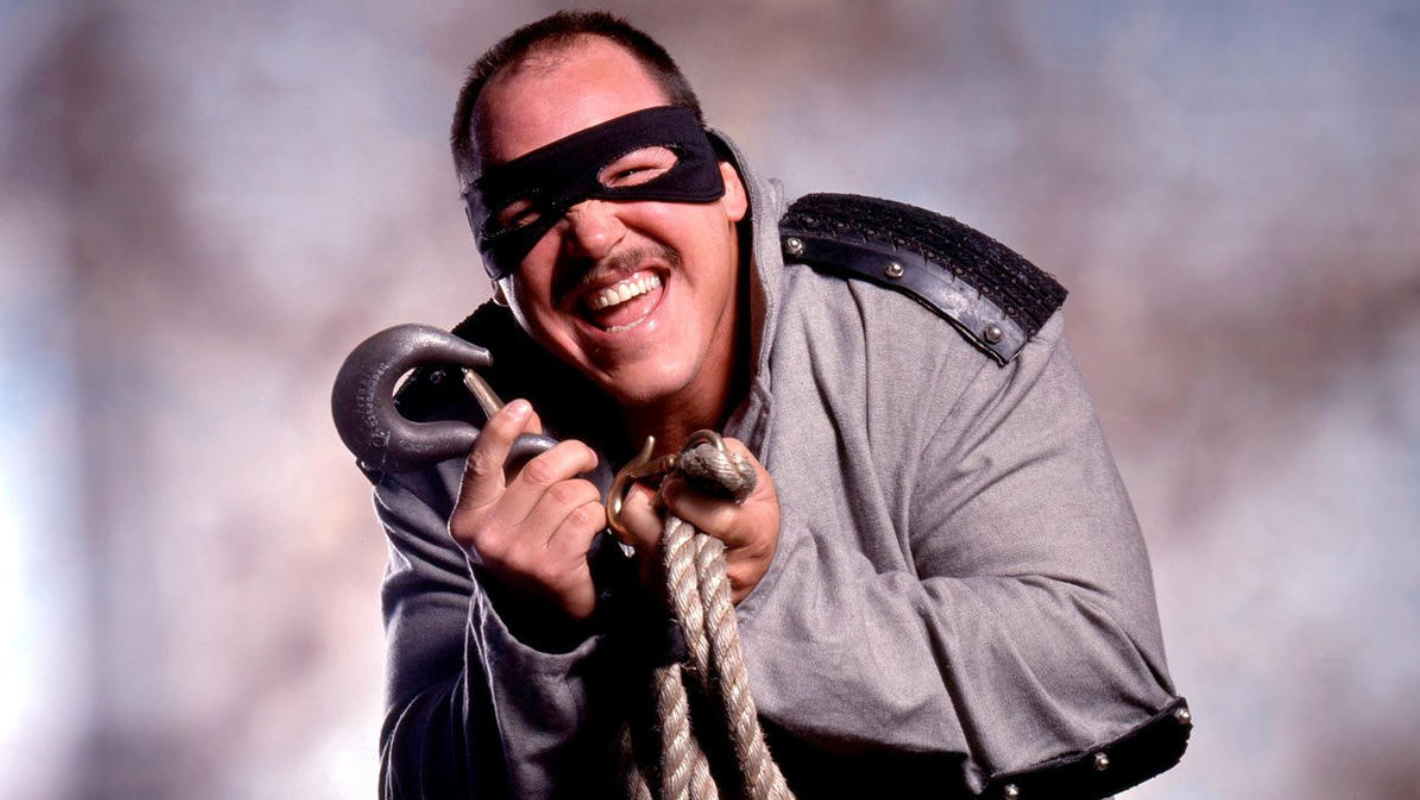
Barry Darsow spent years terrorizing opponents as one half of Demolition, the bruising tag team that dominated the WWF in the late 1980s. When the company repackaged him in 1991, however, the result was something far stranger.
Dressed in a black-and-white striped outfit complete with a grappling hook, Repo Man crept down the aisle to menacing music, stole props from the audience, and talked to himself about the joy of repossessing property. It was the kind of cartoonish gimmick that defined the early 1990s WWF, and Darsow committed to it entirely.
Despite the absurdity of the character, Repo Man was positioned against credible opponents throughout his two-year run, feuding with Shawn Michaels over the Intercontinental Championship and appearing in the 1993 Royal Rumble.
Whether the gimmick was a product of the era or a missed opportunity for a performer with proven credentials remains open to debate, but Darsow’s commitment to the character was never in question.
2. Skinner (1991-1993): The Alligator Hunter Who Built NXT
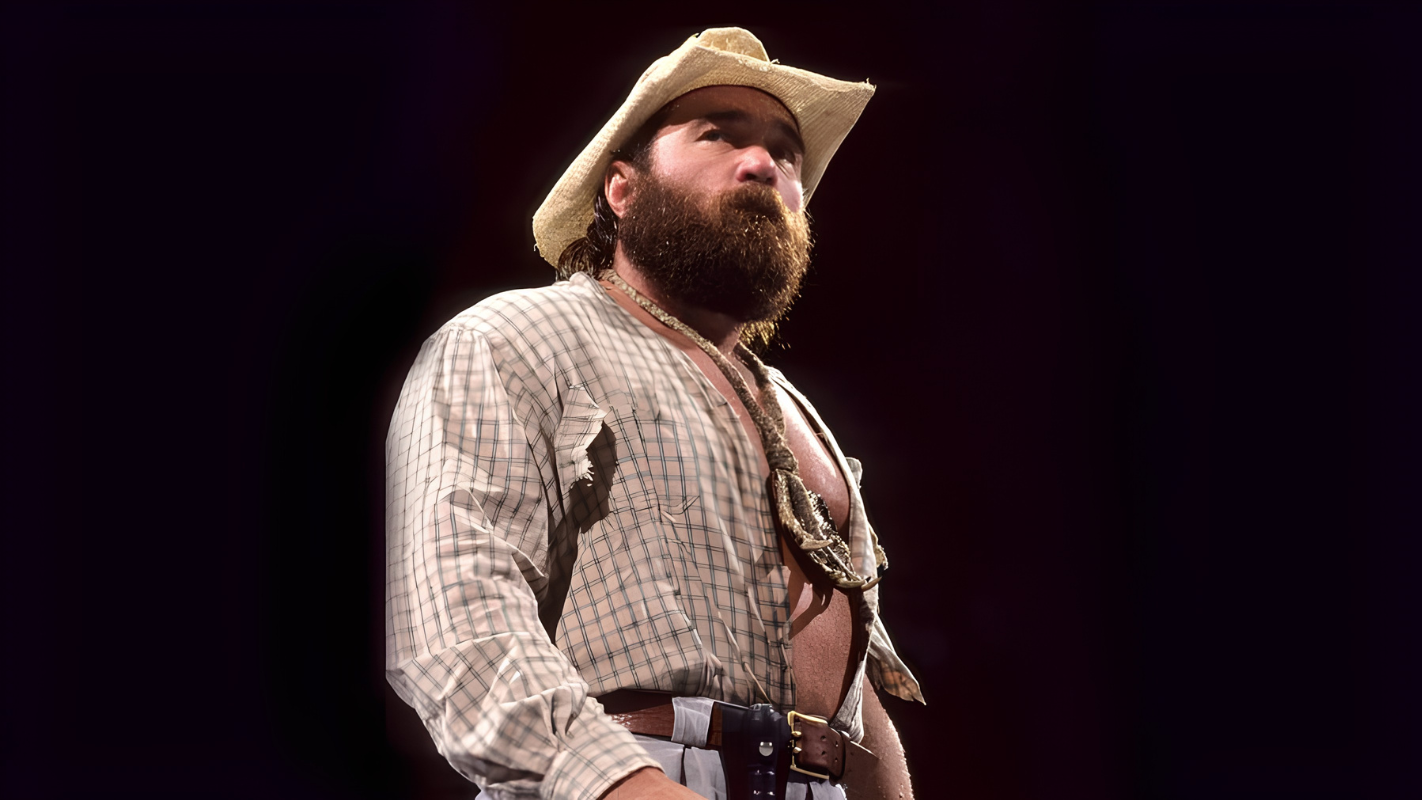
Before his WWF debut in 1991, Steve Keirn spent 20 years as a dominant tag-team wrestler for various southern promotions. However, the Florida native’s stint in the big leagues saw him make a two-year singles run as a tobacco-spitting alligator hunter from the Everglades named Skinner. The character, inspired by the film Deliverance, was one of the more authentically grounded gimmicks of the Golden Era, and Keirn played it with full conviction.
Keirn was introduced to then-WWF CEO Vince McMahon by iconic manager Jimmy Hart, who was impressed by Keirn’s in-ring abilities after watching him wrestle in Tampa. McMahon later pitched Keirn on the Skinner character, which Keirn explained during a 2017 interview with the Two Man Power Trip of Wrestling podcast.
“[In 1991] I had killed 15 alligators in the first harvest here in the state of Florida, so I took a skull, a hide, and a paw, and some other stuff up to Vince when I went to meet with him, and when I laid it out on his desk. I said, ‘I just killed 15 alligators, and I don’t know if there is something I can do with that.’ He said to go home and get rid of that blonde hair, let my hair grow out naturally, and grow a beard, but don’t keep it cut clean.
“A couple of months later, I came back up, and he introduced me to his idea of Skinner and asked me if I had seen the movie Deliverance. I said yes, and I loved that movie, and he said he wanted me to be one of those guys. I’m sitting here thinking of Burt Reynolds. When I asked if he wanted me to get a vest, Vince said no and that I had the wrong guy. He wanted me to be like the two guys in the woods with Ned Beatty.
“It was tremendous and the most fun I ever had being Skinner. My interviews went from zero to one hundred, and on a regular interview I couldn’t put two words together but when I was Skinner I brought the red-neck out from the Everglades and that was a piece of cake.”
Keirn did have some noteworthy in-ring moments, including wrestling Bret Hart for the Intercontinental Championship and appearing at several WrestleManias. His most notable WWF accomplishment came long after his retirement from active competition. In 2007, he founded Florida Championship Wrestling, the official developmental territory for WWE that eventually rebranded as NXT.
Enjoying this story? Own it forever.
No ads. No interruptions. Download the full story as a beautifully formatted PDF at just $0.99.
Get My Copy — $0.993. Damien Demento (1992-1993): The First Raw Villain Nobody Talks About
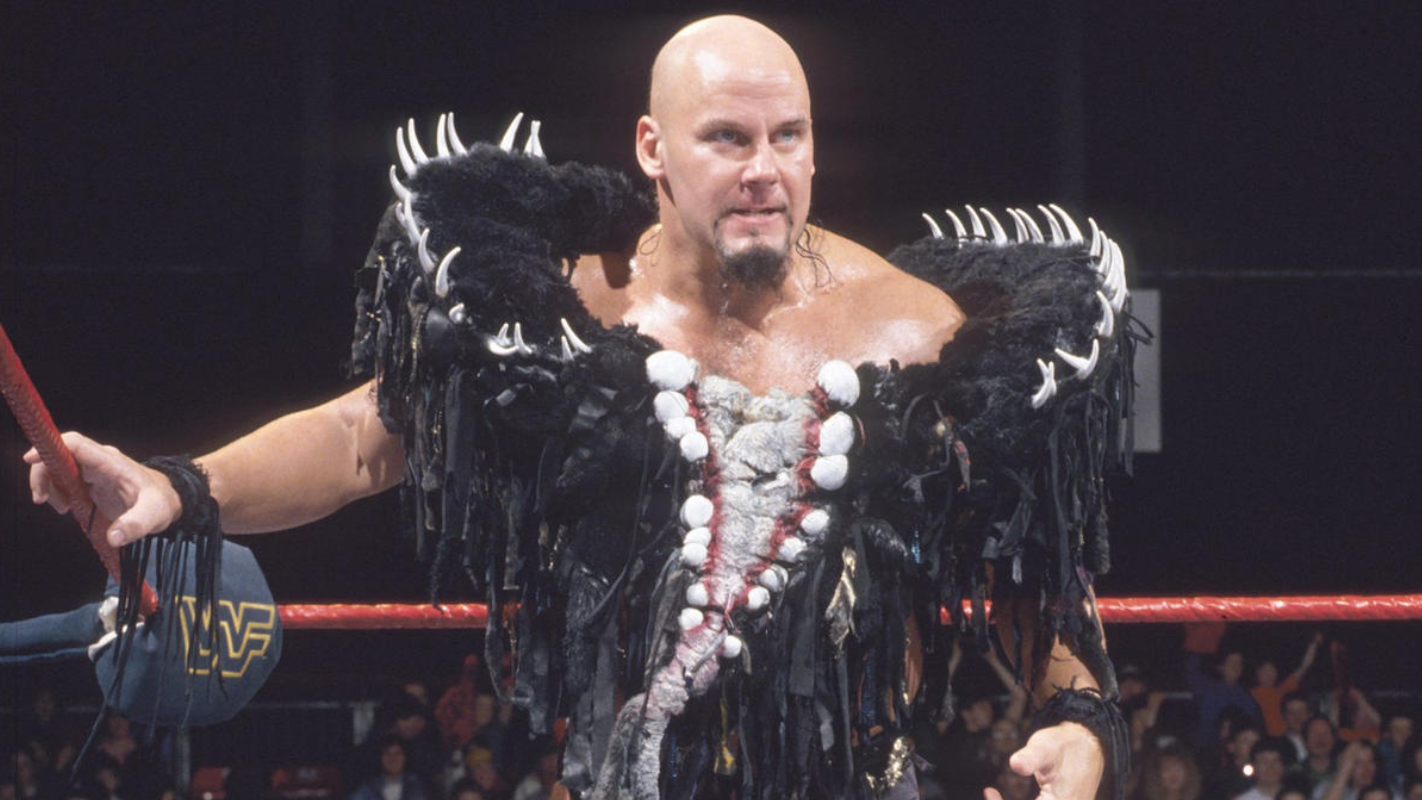
Damien Demento is a prime example of the WWF’s predilection for churning out heels that were almost cartoonish in their villainy in the early 1990s. Billed from “The Outer Reaches of Your Mind,” Demento dressed in a strange, almost otherworldly costume and frequently talked to himself to accentuate his bizarre personality.
Born Peter Theis, Demento only wrestled in the WWF from 1992 to 1993, but the Long Island, New York native holds an important place in wrestling history regardless. He wrestled in the main event of the first-ever Monday Night Raw on January 11, 1993, losing to The Undertaker in decisive fashion. His only other memorable matches included the 1993 Royal Rumble, where he lasted 12 minutes before being eliminated by Carlos Colon, and a losing effort to Bob Backlund at UK Rampage ’93.
Theis went on to pursue acting and artistry after his brief WWE stint, and during a 2023 episode of UnSKripted, he touched on his difficult time in the wrestling business.
“I didn’t have a problem walking away from it,” the former Damien Demento admitted. “They didn’t use me in a way that I felt that I could’ve made good money. I got into it late. I was 28 years old when I first started. And I’m a little dinged up from football. I’m thinking, ‘If I can do this for five-six years, I could at least save some money, make a couple of dollars.’ So I really wasn’t looking to make a long career out of it.”
4. Nailz (1992): The Heel Who Left the WWF After Legitimate Vince McMahon Altercation
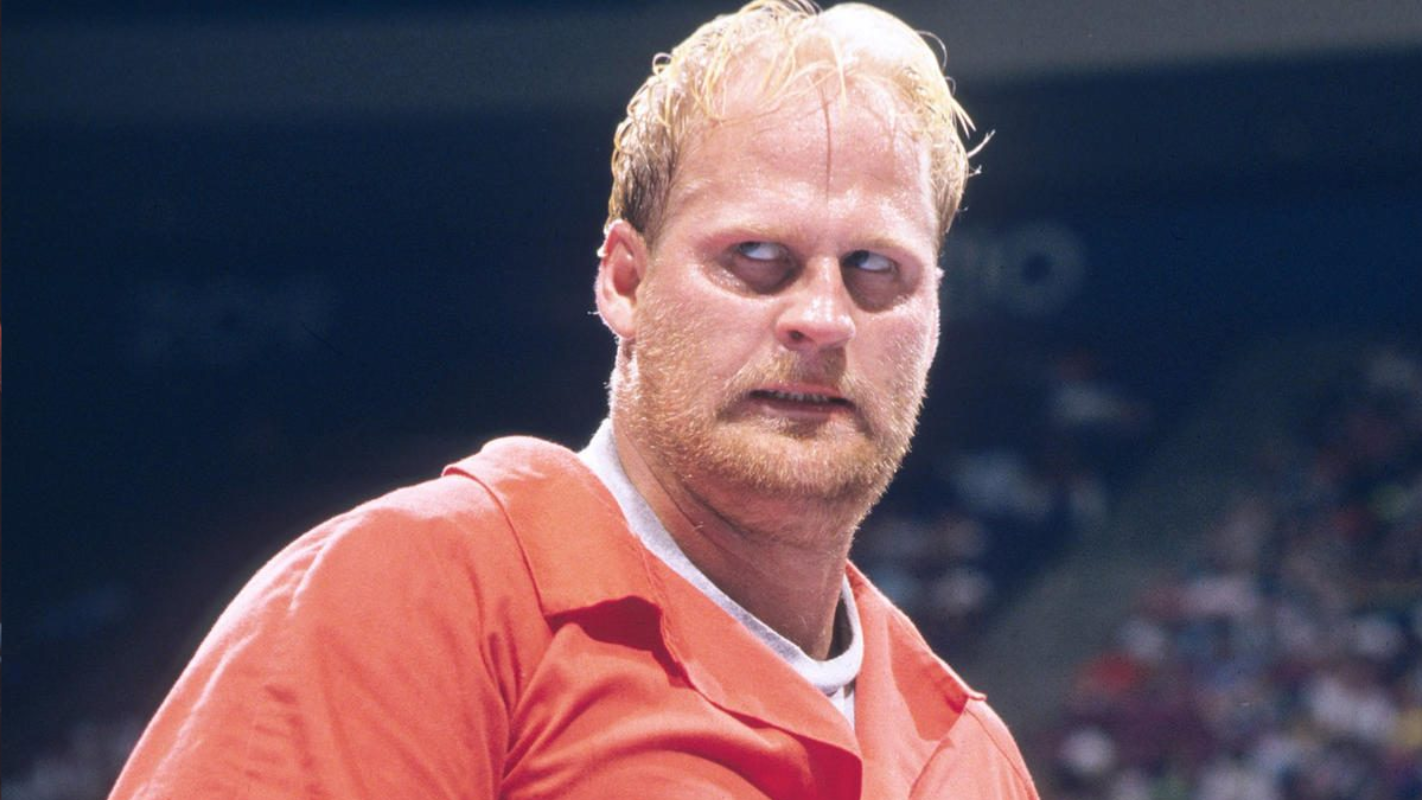
Few characters in WWF history made an entrance quite like Nailz. Played by Kevin Wacholz, a former AWA competitor longtime fans knew as Mr. Magnificent Kevin Kelly, Nailz debuted in 1992 as a vengeful ex-convict who blamed Big Boss Man for the maltreatment he claimed to have suffered while incarcerated.
He slid under the bottom rope as though squeezing beneath prison barbed wire, and his offense consisted almost entirely of chokes, punches, and more chokes. The portrayal was meticulous in its commitment to character.
In Hitman: My Real Life in the Cartoon World of Wrestling, Bret Hart recalled the dramatic end to Nailz’s short-lived WWF tenure.
“Kevin cornered Vince McMahon in his office and screamed at him for fifteen minutes about all the lies he’d been told. His yelling got so loud I had goose bumps up my back as I listened from down the hall. Suddenly there was a loud crash.”
Hart continued, “Nailz had knocked Vince over in his chair and violently choked him out until Blackjack Lanza, Sgt. Slaughter and a swarm of agents teamed up to pull him off.”
Nailz departed the company before a feud with The Undertaker that had been set up on television could ever materialize, and the character who genuinely frightened audiences vanished without a proper conclusion.
Love Pro Wrestling Stories? Add us as a Preferred Source on Google so our stories always show up first for you. It only takes one click.
Add Us on Google5. Kwang (1994-1995): Before Savio Vega, There Was a Mask
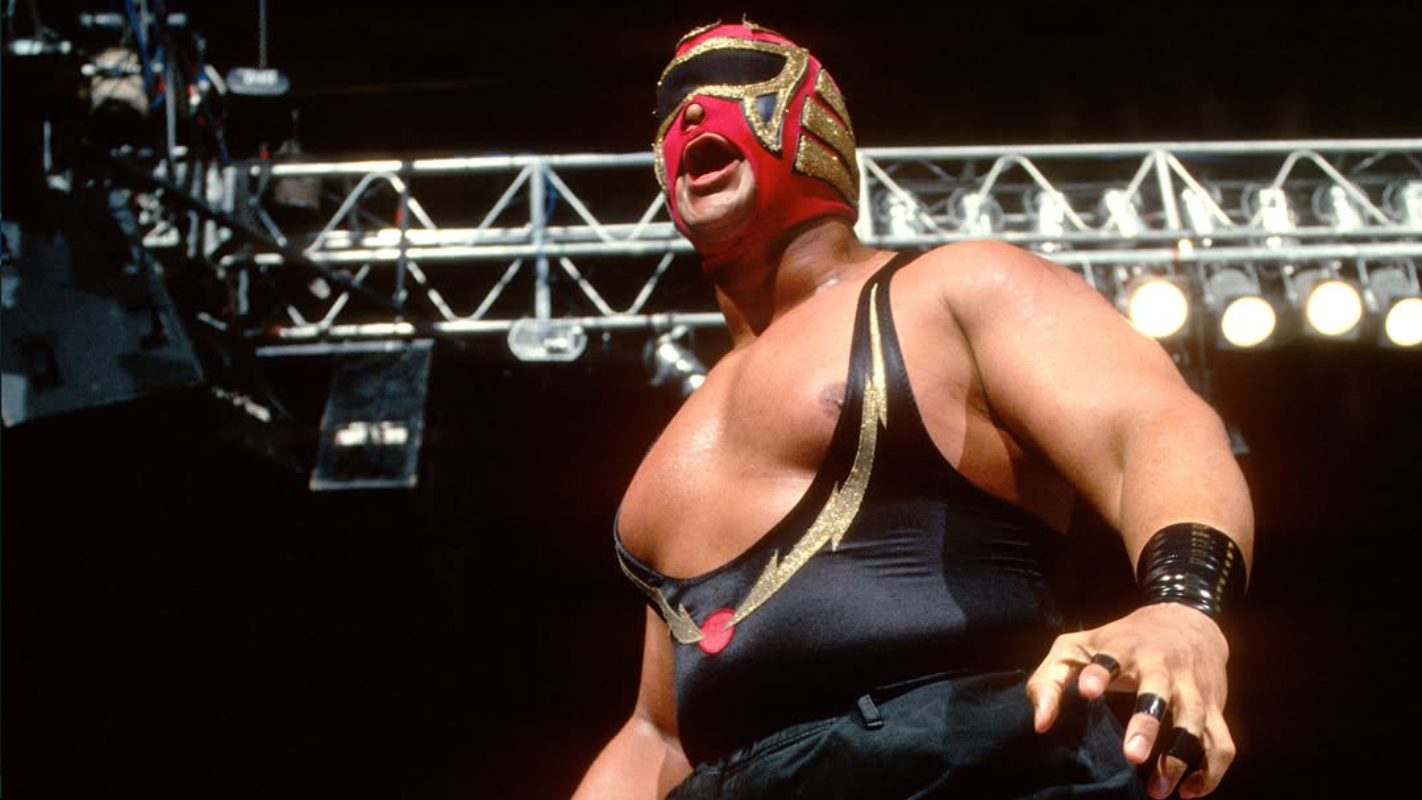
Before Puerto Rico’s Juan Rivera became the beloved Savio Vega, he spent over a year in the WWF under a masked, villainous character with a mystical Asian martial arts persona that had nothing to do with his actual background or authentic ability. Kwang debuted at the 1994 Royal Rumble, complete with Asian mist and ominous entrance vignettes, the kind of thinly conceived gimmick that the New Generation era produced with regularity. Rivera was a skilled, credible performer jammed into a costume that prevented any genuine connection with audiences.
Scott Hall was instrumental in getting Rivera his WWF opportunity, having recommended him directly to Vince McMahon based on their time working together in Puerto Rico. The Kwang character that followed, however, was not exactly what Rivera had envisioned for himself.
In his interview with Pro Wrestling Stories, Rivera reflected on the gimmick with candid humor. Kwang was TNT with a mask, so they saved me the trouble of painting my face,” he admitted. “I was thinking that I was a brown Puerto Rican with a Chinese name like Kwang. Okay then, let’s do it!”
Despite his reservations about the concept, Rivera believed the character carried genuine potential.
“I knew the character was pretty strong when I had a match with Bret Hart on a Monday Night Raw, and we broke the record for ratings,” he recalled. “People believed that Kwang could maybe beat Bret Hart. I loved that character. I don’t know why they didn’t push it a little more.”
The character was retired in mid-1995, and Rivera was repackaged as Savio Vega, a babyface from the Bronx who went on to become one of the more dependable mid-card performers of that era for the then-WWF. The transformation was immediate. The moment the company stopped hiding him under a mask, audiences responded entirely differently.
With hundreds of amazing Pro Wrestling Stories to dive into, where do you start? Get the inside scoop, join our exclusive community of wrestling fans! Receive 10 hand-picked stories curated just for YOU, exclusive weekly content, and an instant welcome gift when you sign up today!
6. Adam Bomb (1993-1995): A Concept the WWF Never Fully Committed To
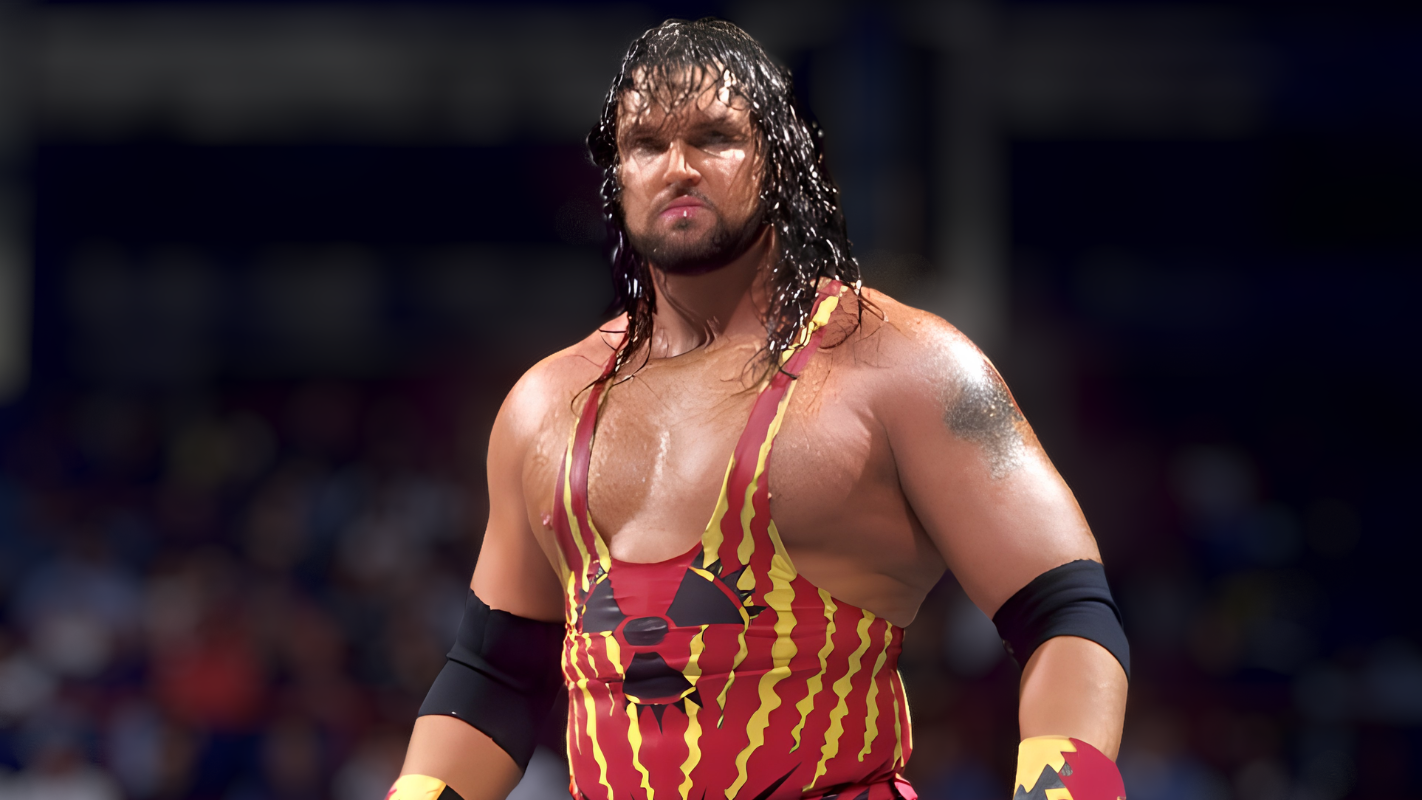
Bryan Clark arrived in the WWF in 1993 with one of the era’s more visually striking concepts. Adam Bomb was a radiation-scarred nuclear mutant with glowing contact lenses, toxic iconography across his gear, and a powerbomb finisher called the Atom Smasher. He was large, agile for his size, and generated legitimate crowd noise when his entrance hit. The character had every ingredient to succeed in the New Generation landscape, and the WWF proceeded to do almost nothing with it.
What makes Clark’s WWF tenure particularly frustrating is that the company’s own management acknowledged his potential and then walked it back.
In a 2013 interview with Kayfabe Wrestling Radio, Clark recalled being told directly that the Intercontinental Championship was headed his way.
“Mabel was sitting right next to me when they told me what they were going to do. Gerald Brisco and Pat Patterson said, ‘We’re going to put Mabel over at King of the Ring, after that we’re going to put the Intercontinental Title on you.’ And I’m like, ‘Great, that’s awesome.’ So, then they he basically lied about it and backed out on it.”
Clark left the company in August 1995 and resurfaced in WCW, first as Wrath and later as one-half of the tag team Kronik with Brian Adams. He was candid about why the WWF chapter never reached its potential.
“[Vince] was working the hell out of us. I was on the road 280, 285 days a year, and then our money kept going down,” he told False Count Radio in 2010. “I just had enough of being lied to.”
The character had the visual, the finisher, and the crowd response. What it never had was a company willing to commit to it.
Real Autographs. Only Few Remain.
These are hand-signed originals sold directly by Pro Wrestling Stories. Once they sell out, they are gone for good.
Own a Piece of Wrestling History
-

Johnny Rodz Signed WWF 8×10 Photo Autograph (pictured with The Grand Wizard)
$30.00 Add to cart -
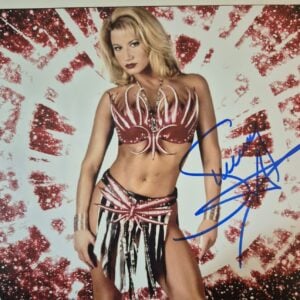
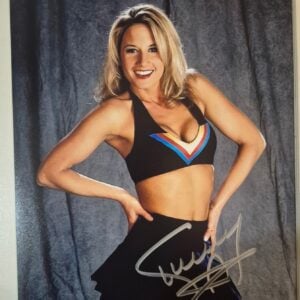
Sunny (Tammy Lynn Sytch) Signed 8×10 Photo Autograph
$35.00 Add to cart -
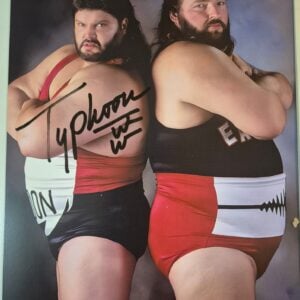
Fred Ottman Signed WWF 8×10 Photo Autograph (Typhoon)
$35.00 Add to cart -
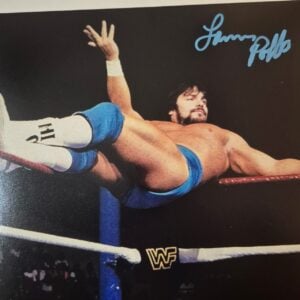
Leaping Lanny Poffo Signed WWF Turnbuckle Pose 8×10 Photo Autograph (Deceased Legend)
$45.00 Add to cart -
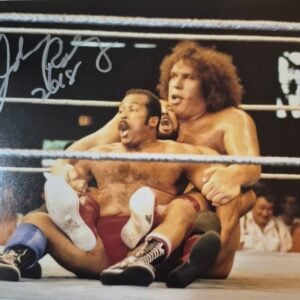
Johnny Rodz Signed WWF 8×10 Photo (wrestling Andre the Giant)
$30.00 Add to cart -
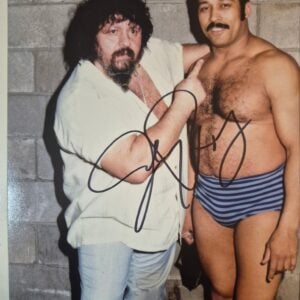
Johnny Rodz Signed WWF 8×10 Photo Autograph (pictured with Captain Lou Albano)
$30.00 Add to cart -
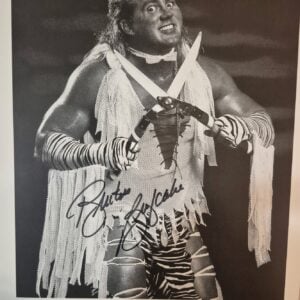
Brutus the Barber Beefcake Signed WWF 8×10 Photo Autograph 2
$35.00 Add to cart -
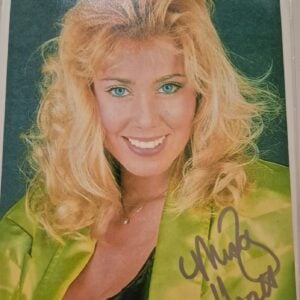
Missy Hyatt Signed 8×10 Photo Autograph
$35.00 Add to cart -
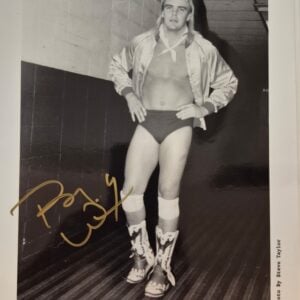
Barry Windham Signed 8×10 Photo Autograph
$40.00 Add to cart -
Sabu Signed WWF 8×10 Photo Autograph (Deceased Legend)
$55.00 Add to cart -
Ken Patera Signed WWF 8×10 Photo Autograph (pictured with Bobby Heenan & John Studd)
$35.00 Add to cart -
Johnny Rodz Signed WWF 8×10 Photo Autograph
$30.00 Add to cart -
Tito Santana Signed WWF 8×10 Photo Autograph
$35.00 Add to cart -
Larry Zbyszko Signed 8×10 Photo Autograph 2
$40.00 Add to cart -
Baby Doll (Nickla Roberts) Signed 8×10 Photo Autograph (pictured with Ric Flair)
$35.00 Add to cart -
Larry Zbyszko Signed WCW 8×10 Photo Autograph
$40.00 Add to cart -
Johnny Rodz Signed WWF 8×10 Photo Autograph
$30.00 Add to cart -
Brutus the Barber Beefcake Signed WWF 8×10 Photo Autograph (with Ultimate Warrior)
$35.00 Add to cart -
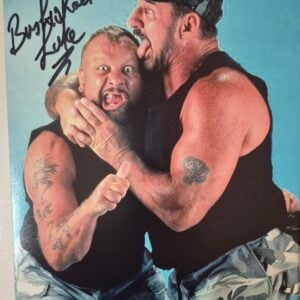
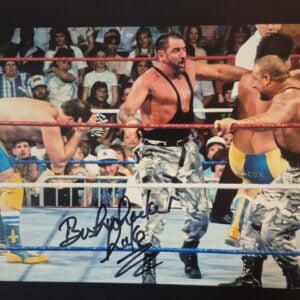
Bushwhacker Luke Signed WWF 8×10 Photo Autograph (pictured with Bushwhacker Butch)
$30.00 Add to cart -
D’Lo Brown Signed WWF 8×10 Photo Autograph
$30.00 Add to cart -
Koko B. Ware Signed WWF 8×10 Photo Autograph
$45.00 Add to cart -
Johnny Rodz Signed WWF 8×10 Photo Autograph (wrestling Tony Atlas)
$30.00 Add to cart -
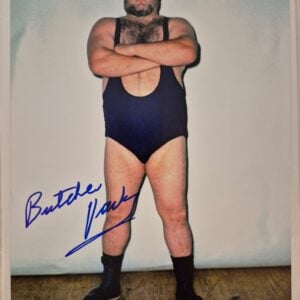
Butcher Paul Vachon Signed WWF 8×10 Photo Autograph (Deceased Legend)
$45.00 Add to cart -
Bushwhacker Luke Signed WWF 8×10 Photo Autograph (with Bushwhackers Butch)
$30.00 Add to cart -
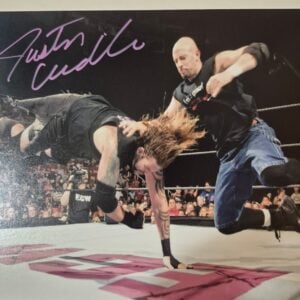
Justin Credible Signed 8×10 Photo Autograph 2
$30.00 Add to cart -
Sunny (Tammy Lynn Sytch) Signed WWF 8×10 Glamour Photo Autograph
$35.00 Add to cart -
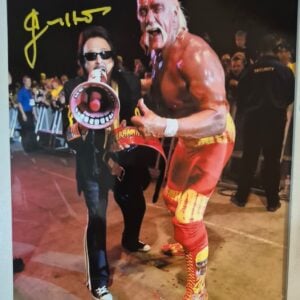
Jimmy Hart Signed WWF 8×10 Photo Autograph (pictured with Hulk Hogan)
$35.00 Add to cart -
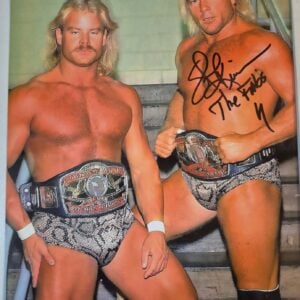
Steve Keirn Signed WWF 8×10 Photo Autograph (Fabulous Ones)
$30.00 Add to cart -
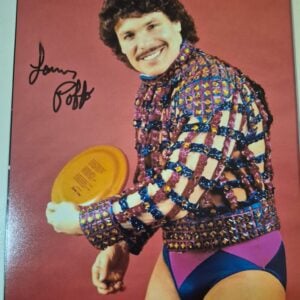
Leaping Lanny Poffo Signed WWF Frisbee Pose 8×10 Photo Autograph (Deceased Legend)
$45.00 Add to cart -
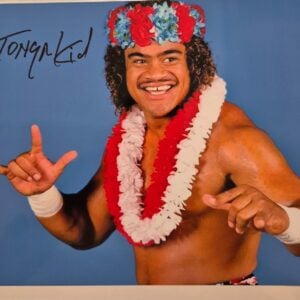
The Tonga Kid (Sam Fatu) Signed WWF 8×10 Photo Autograph
$35.00 Add to cart -
Sunny (Tammy Lynn Sytch) Signed WWF 8×10 Photo Autograph (WWE Hall of Fame)
$35.00 Add to cart -
Leaping Lanny Poffo Signed WWF 8×10 Photo Autograph (Deceased Legend)
$45.00 Add to cart -
Vince Russo Signed 8×10 Photo Autograph
$35.00 Add to cart -
Bushwhacker Luke Signed WWF 8×10 Photo Autograph (The Bushwhackers)
$30.00 Add to cart -
Justin Credible Signed 8×10 Photo Autograph
$30.00 Add to cart -
“Hacksaw” Jim Duggan Signed WWF 8×10 Photo Autograph
$40.00 Add to cart -
Ken Patera Signed WWF 8×10 Photo Autograph
$35.00 Add to cart -
Bushwhacker Luke Signed WWF 8×10 Photo Autograph
$30.00 Add to cart -
Kevin Sullivan Signed 8×10 Photo Autograph (Deceased Legend)
$45.00 Add to cart -
Jerry Lynn Signed 8×10 Photo Autograph
$35.00 Add to cart -
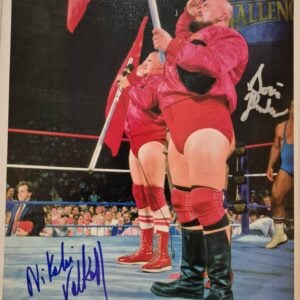
Nikolai Volkoff Signed WWF 8×10 Photo Autograph 2 (Deceased Legend)
$45.00 Add to cart -
“Greg the Hammer” Valentine Signed WWF 8×10 Photo Autograph
$45.00 Add to cart -
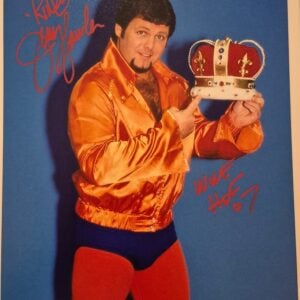
Jerry “The King” Lawler Signed WWE 8×10 Photo Autograph 2
$50.00 Add to cart -
Nikolai Volkoff Signed WWF 8×10 Photo Autograph (Deceased Legend)
$45.00 Add to cart -
Jimmy Hart Signed WWF 8×10 Photo Autograph (pictured with Bret Hart & Jim Neidhart)
$35.00 Add to cart -
Raven Signed 8×10 Photo Autograph
$35.00 Add to cart -
Nikolai Volkoff & Boris Zhukov Signed WWF “The Bolsheviks” 8×10 Photo Autograph (Deceased Legend)
$60.00 Add to cart -
Jerry “The King” Lawler Signed 8×10 Photo Autograph
$50.00 Add to cart -
Sunny (Tammy Lynn Sytch) Signed WWF 8×10 Photo Autograph
$35.00 Add to cart -
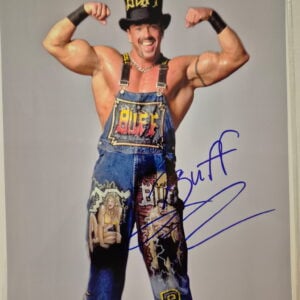
Marcus “Buff” Bagwell Signed WCW 8×10 Photo Autograph
$30.00 Add to cart -
Fred Ottman Signed WCW 8×10 Photo Autograph (The Shockmaster)
$35.00 Add to cart -
Tito Santana Signed WWF 8×10 Photo Autograph (Strike Force)
$35.00 Add to cart -
Hornswoggle (Dylan Postl) Signed WWE 8×10 Photo Autograph
$30.00 Add to cart -
Ron Simmons Signed WWE 8×10 Photo Autograph
$40.00 Add to cart -
Bushwhacker Luke Signed WWF 8×10 Photo Autograph (of The Bushwhackers)
$30.00 Add to cart
7. Jean-Pierre Lafitte (1995): The Pirate Who Could Actually Work
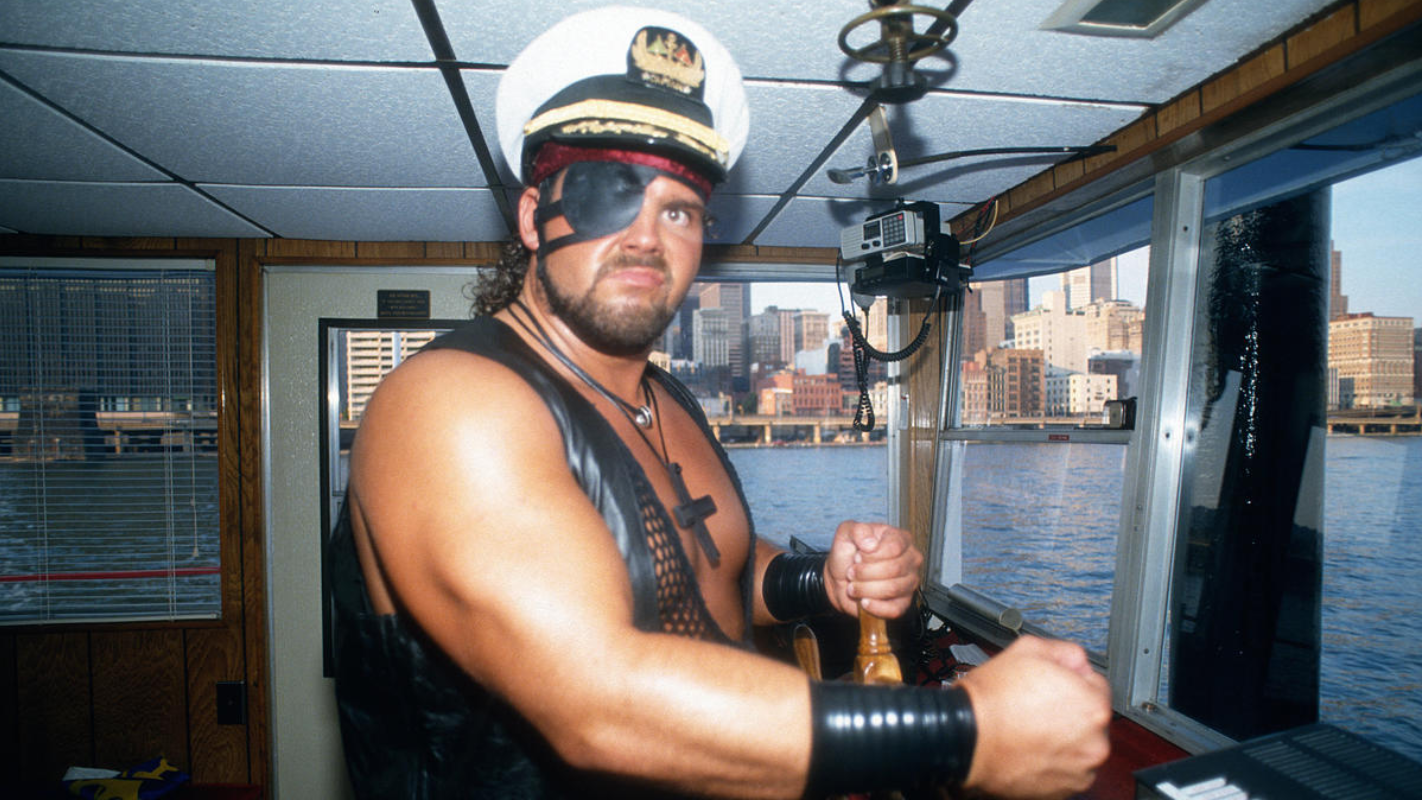
Carl Ouellet had already made an impression as one half of The Quebecers, but his 1995 solo run as Jean-Pierre Lafitte, a modern-day Cajun pirate from New Orleans, showed the range the performer actually possessed.
Physically imposing and technically sound, Lafitte was paired with Bret Hart, producing quality matches, including a competitive pay-per-view encounter at In Your House 3 in September 1995, where the Intercontinental title hung in the balance.
Lafitte, currently going by the name PCO, is among the New Generation performers who received less from the company than they gave back. By early 1996, he had returned to tag team work, and within a year, the act had run its full course. What remained was the memory of a performer who showed genuine ceiling in a program with the company’s best worker, and was then handed nothing from the experience. His program with Hart, brief as it was, remains one of the better mid-card heel stories the WWF produced in 1995.
8. Waylon Mercy (1995): Cape Fear Came to the WWF and Left Too Soon
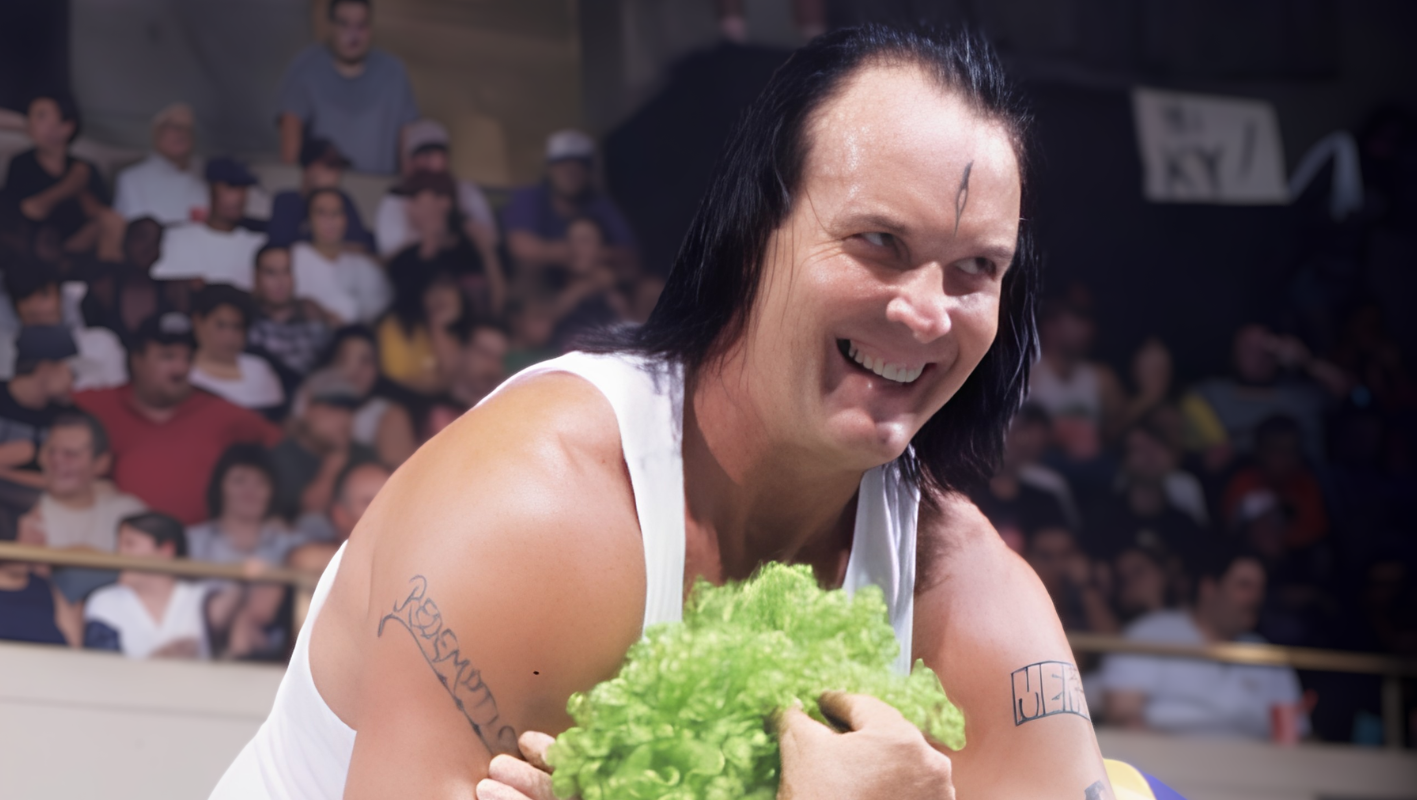
From 1985 to 1988, Dan Spivey primarily wrestled in the WWF as a babyface and was even compared to Hulk Hogan by fans for his golden-blonde locks and impressive physique. When he returned in 1995, Spivey became Waylon Mercy, a soft-spoken yet sinister heel inspired by Robert De Niro’s Max Cady character in Cape Fear.
The character’s cheerful-to-dangerous vocal delivery and meticulous attention to detail made him one of the more genuinely unsettling presences of the New Generation era, and his promos remain among the best examples of how to play a villain without shouting.
In a 2015 interview with Wrestling Inc., Spivey discussed the character and its abrupt end.
“They wanted me to come in and work with Diesel. That’s what they sold me on. I was all for it. Me, Vince [McMahon], and [former WWE producer] Gerry Brisco sat down and talked about the Waylon Mercy gimmick. Things started off really slow, they didn’t do much with me. I had a couple pretty good matches with Diesel.”
But then things took a turn.
“The last TV match I did was with him. I just got fed up, I wasn’t making any money. I did a pay-per-view and I remember outside it was really cold. Meanwhile in Tampa, it was 85 and sunny. I came out of the hotel and the Montreal airport was across the road, and I told them I was flying to the Tampa airport and I was done. I flew home, and Vince called me and told me a bunch of stuff they were going to do, but I was done. Two weeks later I had my knee replaced, then six months later I had my hip replaced.”
9. Rad Radford (1995-1996): A Gimmick That Worked, a Talent That Deserved More
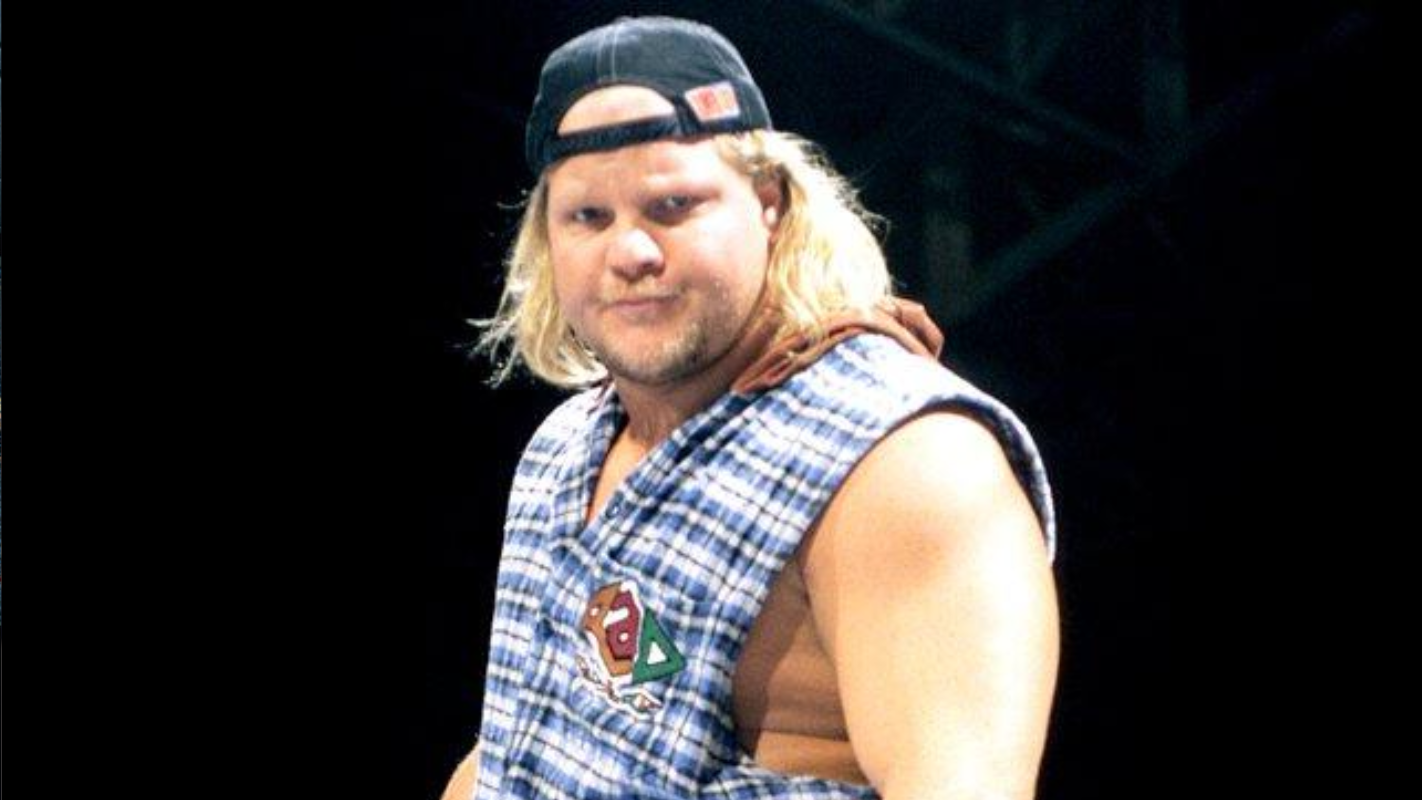
Louie Spicolli arrived in the WWF in 1995 as Rad Radford, a grunge-influenced slacker heel whose slovenly ring gear and counterculture attitude made him one of the more original-looking characters of the New Generation era.
The gimmick shared DNA with what ECW was producing at the time, and the performer behind it had genuine in-ring ability that the company rarely got to showcase properly. His appearances across the 1995 house show and television circuit consistently acknowledged that his performances outpaced his opportunities on the card.
Spicolli was released in 1996 and went on to work for AAA and later ECW before landing in WCW, where he gained wider recognition through his association with Scott Hall and his work as a commentator and television personality alongside the nWo.
By January 1998, it genuinely appeared as though Spicolli was on the verge of the breakthrough his ability had always warranted. He was scheduled to face Larry Zbyszko at WCW SuperBrawl VIII on February 22, 1998. That match never happened.
On February 15, 1998, five days after his 27th birthday, Spicolli was found dead at his home in Los Angeles. The official cause of death was an accidental overdose of prescribed painkillers mixed with alcohol, compounded by an enlarged heart. The WWF made no acknowledgment of his passing.
10. Hakushi (1995-1996): A WWF Talent Who Gave Far More Than He Received
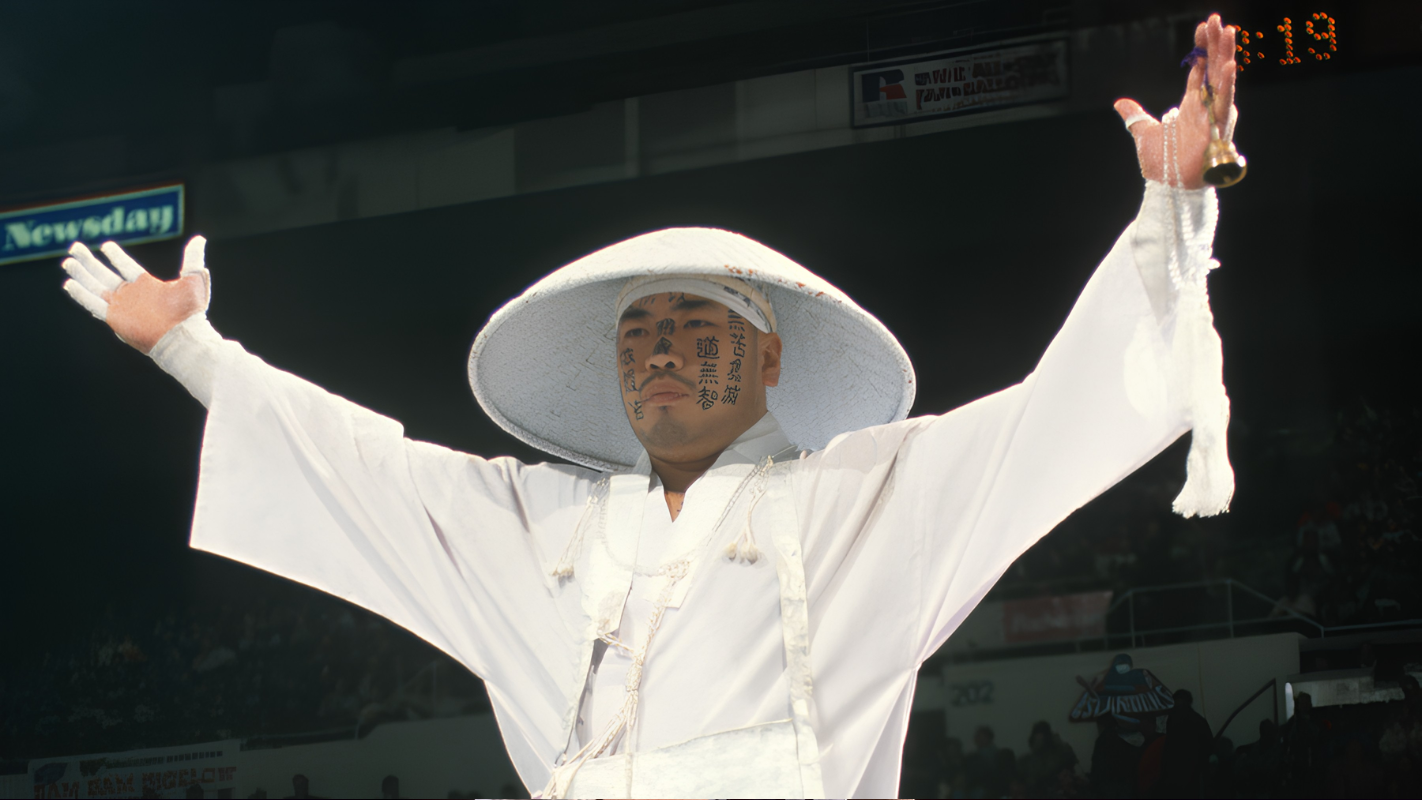
Jinsei Shinzaki was one of the hottest properties in professional wrestling when the WWF signed him in 1995. He had come through Michinoku Pro, one of the most exciting wrestling companies in the world at the time, and his star was rising fast. When he debuted in the WWF under the ring name Hakushi, which translates to White Messenger, his ring work was unlike anything American audiences had regularly seen from a heel performer. Handspring back elbows, the Space Flying Tiger Drop, slingshot variations, and a praying top rope walk were all part of his arsenal in an era when those moves genuinely stopped crowds cold.
Shinzaki kept a diary during his WWF run that he submitted to a Japanese wrestling magazine, writing openly, knowing no one inside the company would read it. His entry from his live Monday Night Raw debut on January 9, 1995, captures the tension of arriving in an entirely unfamiliar environment.
“Since it was live, I was nervous going into the match,” he wrote. “The match was a little rushed. There were Japanese fans in the crowd that screamed ‘come back to Japan!’ I was happy to hear that.” His opponent that night was a young Matt Hardy, then working television squash losses for the company.
His match with Bret Hart at In Your House in May 1995 and his encounter with the 1-2-3 Kid at SummerSlam that same year rate among the most underappreciated bouts of the entire New Generation era.
Despite the quality of that work, the company gradually steered Shinzaki away from credible programs and into a comedic partnership with perennial underdog Barry Horowitz, a repackaging that effectively ended any momentum the character had built.
He left in early 1996, returned to Japan, and went on to help lead the Michinoku Pro organization that had made him. The WWF chapter represented only a fraction of what he was capable of.
11. Isaac Yankem, D.D.S. (1995-1996): The Pre-Kane Character Worth Revisiting
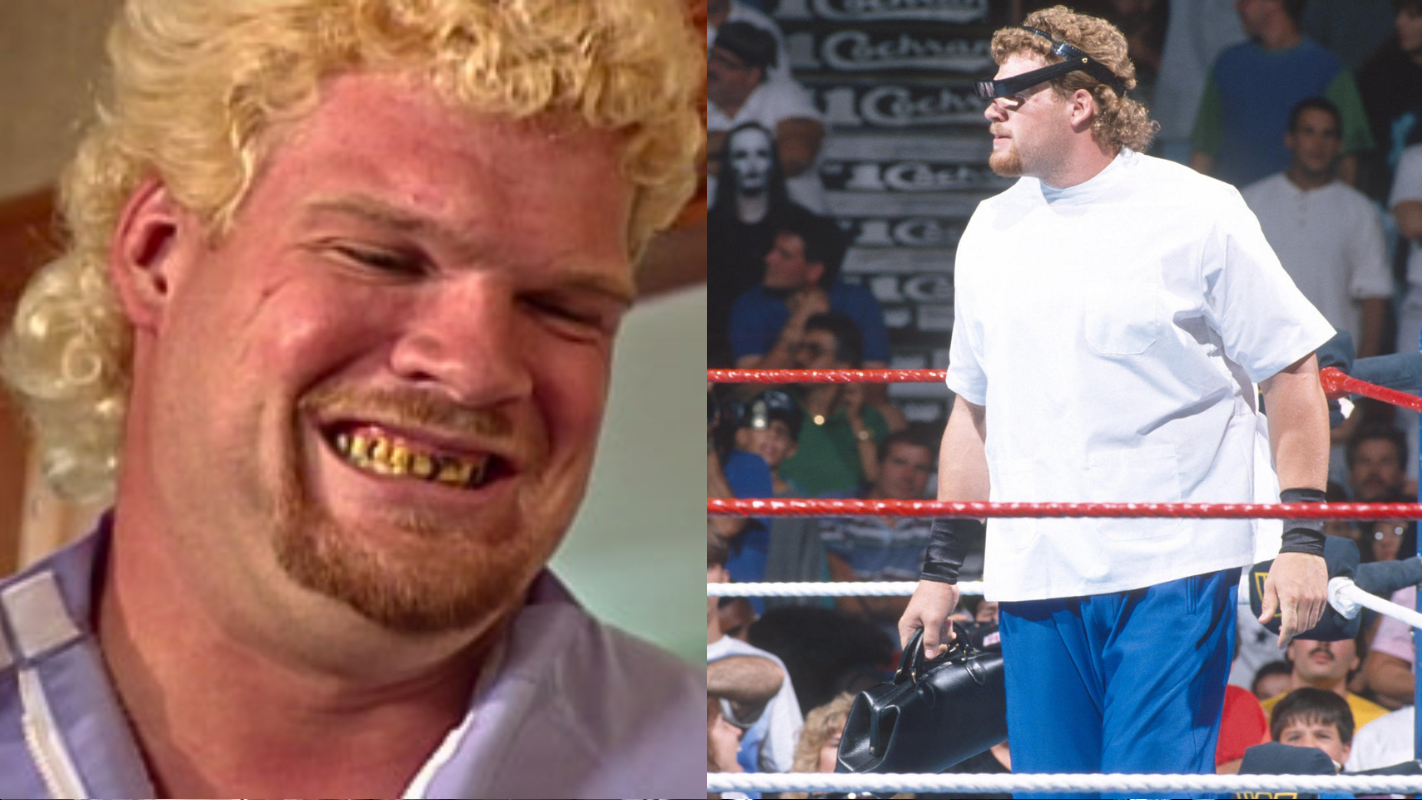
Before he became Kane, before he became Fake Diesel, Glenn Jacobs was Dr. Isaac Yankem, Jerry Lawler’s personal dentist and one of the more cartoonishly conceived heels of the mid-1990s WWF.
Introduced to feud with Bret Hart in the summer of 1995, Yankem wore a filthy white coat, had costumed rotten teeth applied over his own, and generated genuine crowd heat from audiences who understood instinctively what a villain in a lab coat was supposed to represent.
Jacobs has been candid in numerous interviews about his reaction when Vince McMahon first pitched the character. “I was mortified, actually,” he told The Ricky Cobb Show, “because here I was sitting across from Vince McMahon, the most powerful person in the wrestling industry, and all I could think was, ‘Wait, you flew me all the way from Knoxville, Tennessee, to New York to tell me that you want me to be a wrestling dentist?'”
Despite those reservations, Jacobs gave the gimmick everything he had. In a 2026 interview with Mostly Sports with Mark Titus and Brandon Walker, he reflected on why it ultimately fell short.
“The wrestling dentist thing was really in an era of WWE where everything was super PG and it was really cartoonish. Whereas the Undertaker was made for Mark Calaway, the Yankem character simply wasn’t me, and I couldn’t make it work.”
Everything Jacobs later became as Kane was built on a foundation laid in a dirty dentist’s coat.
12. Tennessee Lee (1997-1998): Robert Fuller’s Brief and Underappreciated WWF Chapter
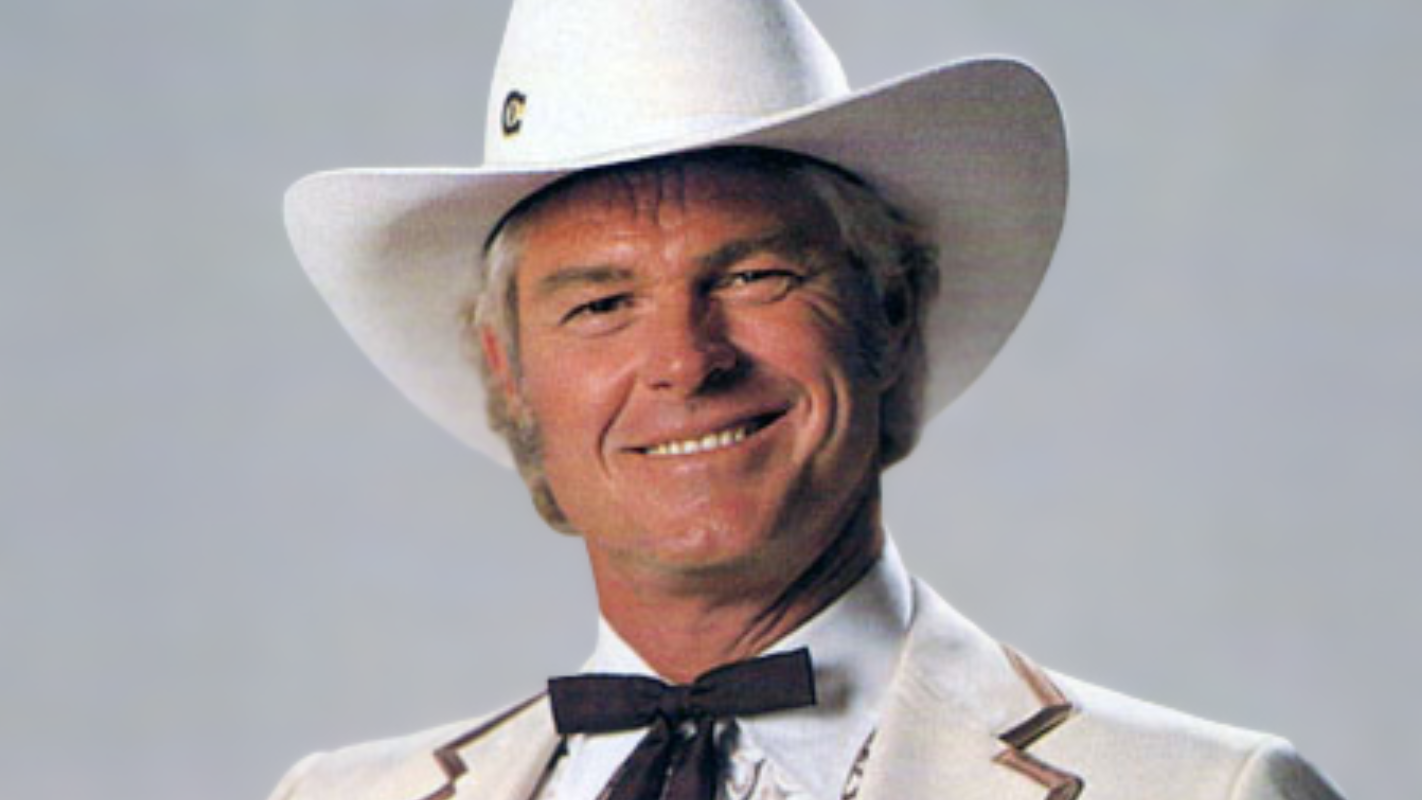
Memphis-born Robert Fuller spent only five months in the WWF as Tennessee Lee, a villainous manager with noticeable similarities to Colonel Robert Parker, Fuller’s WCW character that was inspired by Elvis Presley’s controversial talent manager, Colonel Tom Parker.
While Fuller had several significant moments in WCW, including feuding with Sting and managing “Stunning Steve” Austin before his Stone Cold transformation, he had a notable WWF storyline managing Jeff Jarrett during a brief 1997 to 1998 run.
That Tennessee Lee never quite landed with WWF audiences was no reflection of Fuller’s abilities, a point WWE Hall of Fame commentator Jim Ross made plainly during a 2023 episode of his podcast, Grilling JR.
“All those guys were talented as hell. I just think that their presentation wasn’t overwhelming. Anytime a guy that’s got the experience and the track record like a Robert Fuller, for example, you welcome into your locker room. If he can help one young guy with one thing in a match to make his matches better, safer, more efficient, what have you, then it’s good. The guy could always talk. I just thought we put him in a less-than-advantageous light.”
13. The Sultan (1996-1997): Rikishi Long Before the Dancing Started
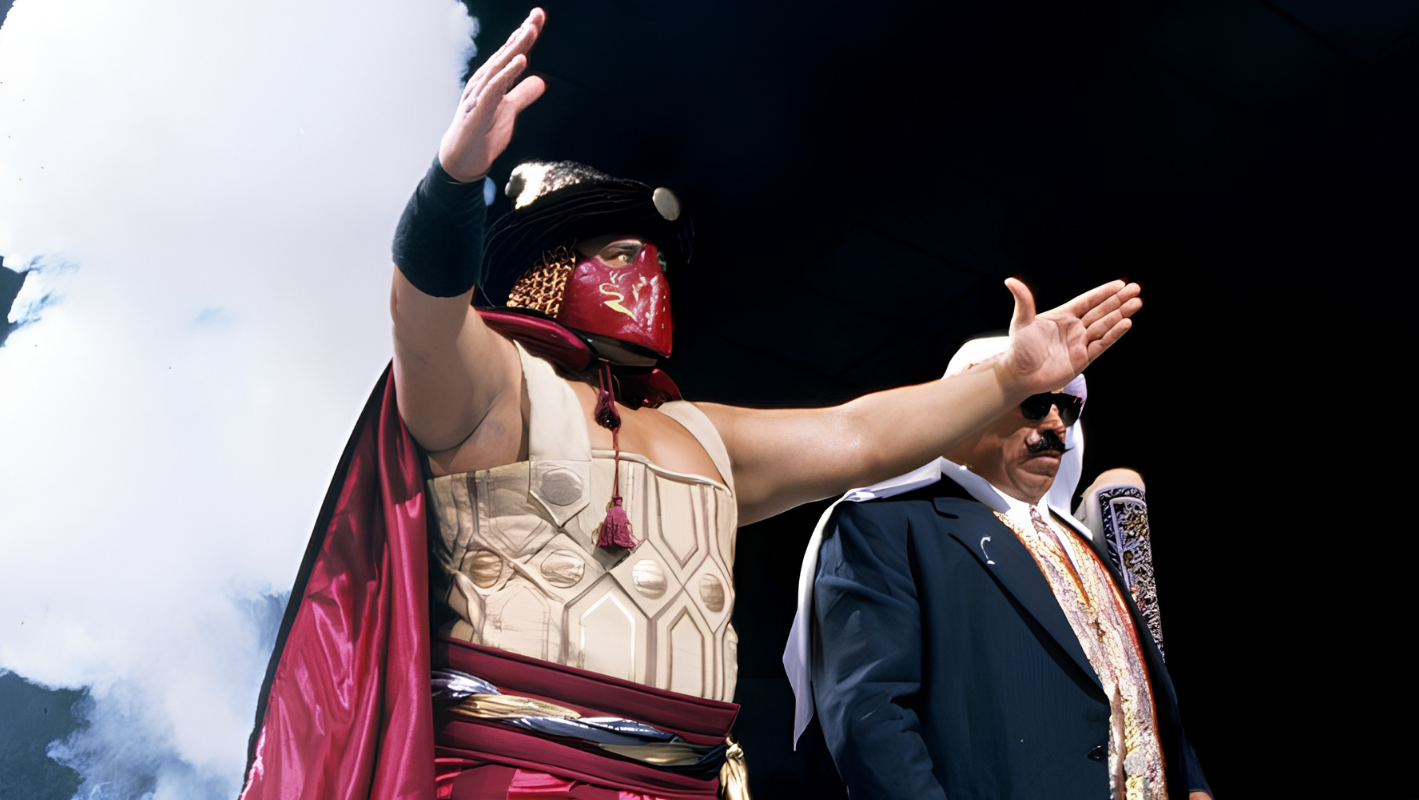
Solofa Fatu had already proven himself as part of The Headshrinkers, a legitimately credible tag team from the first half of the decade. When the WWF repackaged him beginning in August 1996 as The Sultan, a masked heel who never talked whose storyline explanation was that his tongue had been cut out, the company traded all of his established identity for a character whose heat derived almost entirely from his co-managers, Bob Backlund and The Iron Sheik.
The Sultan never spoke, never broke character, and never received a single moment to show the athletic ability that Fatu clearly possessed. The character received prominent placement at WrestleMania 13 in a singles match against Rocky Maivia, one of the future Rock’s earliest pay-per-view singles appearances. Despite that positioning, the run ended quietly later in 1997.
What followed was a transformation that underscored just how much The Sultan had suppressed. Fatu recalled the moment his post-Sultan future came into focus during a meeting with Vince McMahon.
“As soon as he said that, I thought of my cousin Yokozuna,” Fatu told Chris Van Vliet in 2021, recalling McMahon’s initial push for a sumo character. “I didn’t want to do a sumo character because my cousin had already done it. Then Vince was like, ‘Yours will be different. I want you to show your butt with the shoot sumo gear.'”
He took the idea home, thought about his kids, and eventually committed to it. The character that emerged, Rikishi, became one of the most organically popular acts of the Attitude Era.
14. Key (1998-1999): One Match, One Gimmick, One Unforgettable What-If
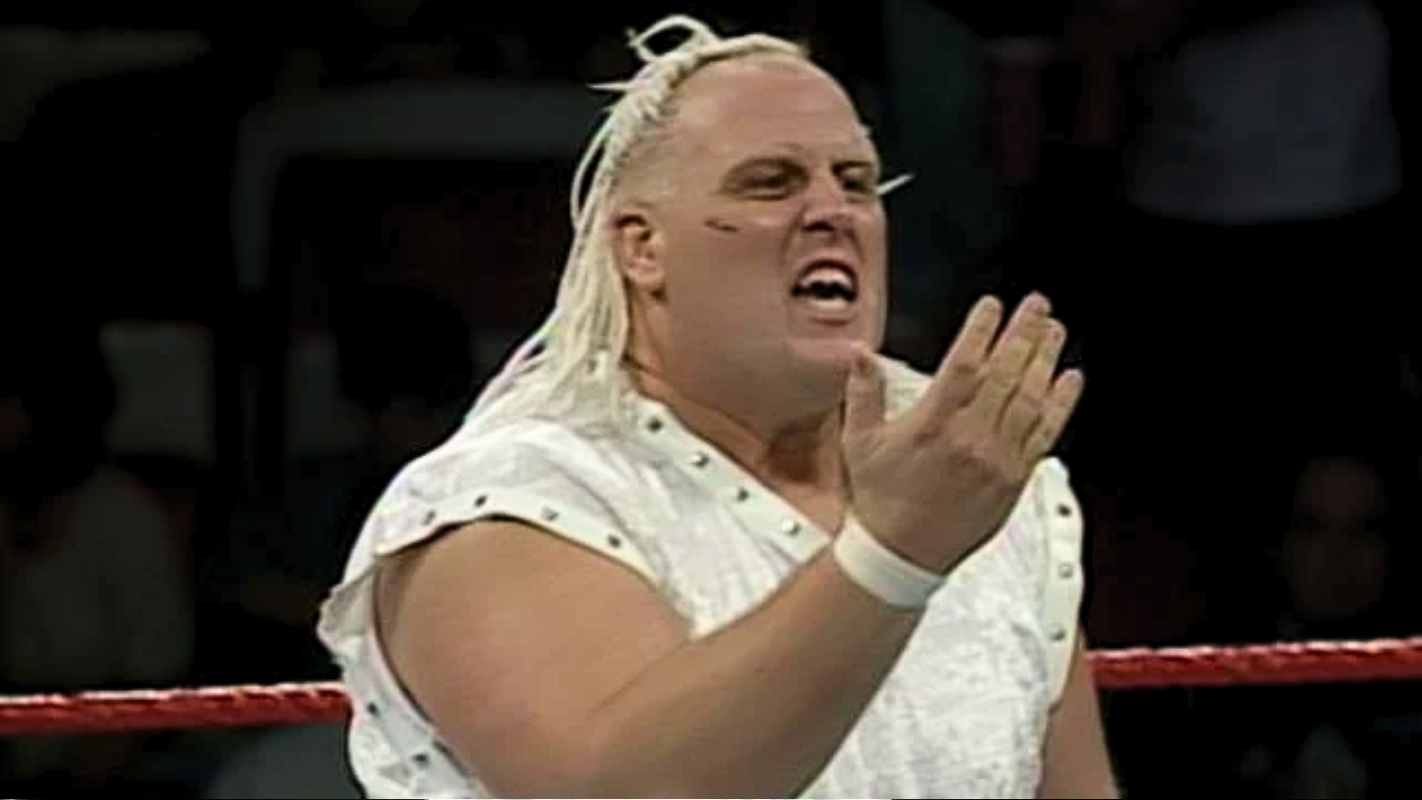
Victor Grimes didn’t get his start in wrestling until he was in his mid-30s, but after his matches with All Pro Wrestling caught the eye of former WWF booker Jim Cornette, he signed with the company in 1998. For his blink-and-you’d-miss-it stint, he wrestled as a character that was about as Attitude Era as it gets.
Key, a street hustler character who teamed up with Droz and Prince Albert, wrestled in just one televised match. He was set to feud with The Godfather, but the WWE Hall of Famer was injured before the program could develop.
On his Grilling JR podcast, Jim Ross explained what went wrong. “He brought with him a lot of indie wrestling habits. You don’t go out there for a big TV opportunity and shoes are going to make you slide around like you’re on ice. Socially, he didn’t fit in real well with a lot of guys. He just didn’t connect and he wasn’t unique enough to get over during that period of time.”
Ross was quick to add that the failure was circumstantial rather than personal. “I’m not saying anything about his attitude or his work ethic or things like that.”
15. Nicole Bass (1999): A Physically Imposing Presence the Attitude Era Has Largely Forgotten
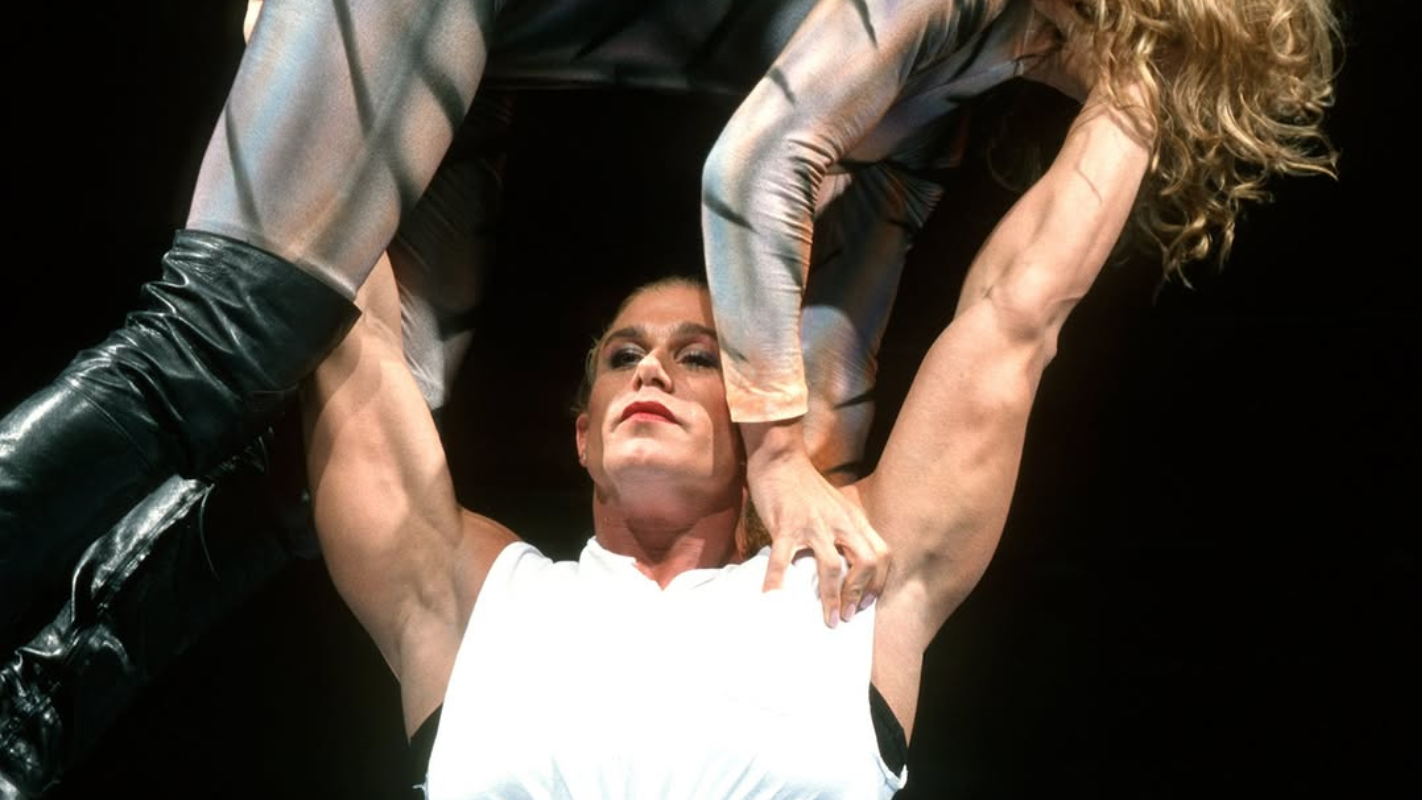
At 6’2″ and 231 pounds, Nicole Bass stands out as one of the most physically imposing female wrestlers in WWF history. The former bodybuilder born Nicole Fuchs debuted in the WWF in 1999 after spending a year in ECW.
She was first introduced as Sable’s heel bodyguard and helped her win the Women’s Championship over Tori at WrestleMania XV. Eventually, Bass made her own run, notably feuding with Debra McMichael in a storyline that peaked at the WWF Over the Edge pay-per-view in a mixed tag team match pitting Bass and Val Venis against McMichael and Jeff Jarrett.
Bass’s WWF career ended abruptly and unceremoniously. She left the company in 1999 and subsequently sued Steven Lombardi, best known as The Brooklyn Brawler, for harassment.
Her public profile outside wrestling was arguably more widely known than her in-ring work, as she was a longtime member of the Wack Pack on The Howard Stern Show. Following her passing, Howard Stern paid tribute, saying simply, “The great thing about her is she never took herself seriously. She always laughed with us.”
Pro Wrestling Stories Senior Editor Evan Ginzburg, who counted Bass among his closest friends, remembered her in a personal tribute on this site with characteristic honesty.
“Nicole Bass was special. Wonderful. Both fun and ever so funny with the biggest of hearts to match her biggest of bodies.”
Ginzburg recalled her confiding in him during a quiet moment, away from the demands of being a public figure. “Evan, I’d love to come to your party,” she told him, “but I don’t feel like being Nicole Bass tonight.”
Bass passed away from a heart attack in 2017 at the age of 52. Within the timeline of the Women’s Division’s expansion during the Attitude Era, her contributions as an enforcer and occasional competitor have largely been overlooked in the years since.
The 1990s WWF Heels Who Deserve Recognition
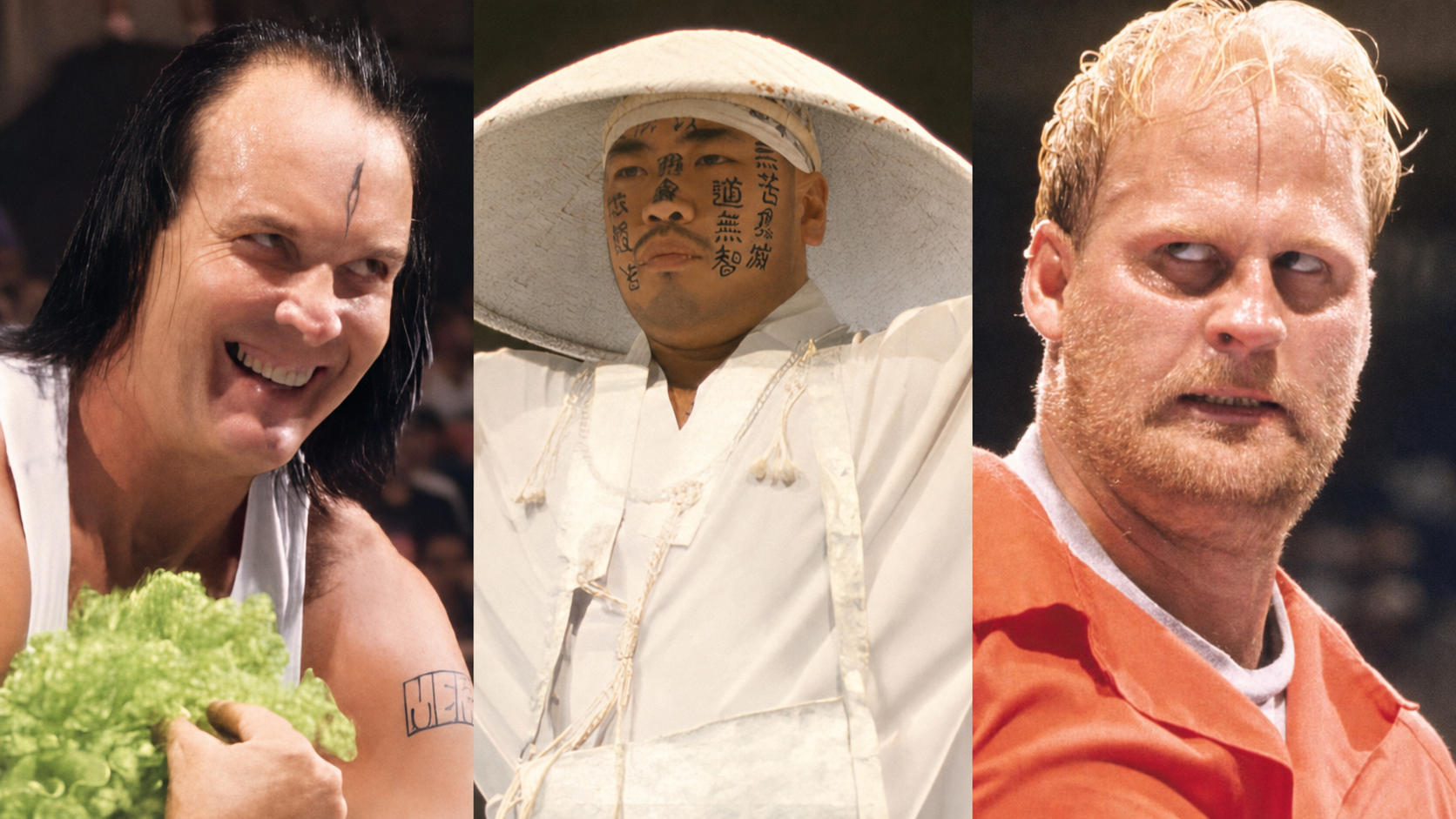
The 1990s WWF ran on a factory model for villainy. Some characters were built to last and given the time and booking to prove it. Many more were handed a costume and a concept, thrown into the rotation, and quietly discontinued when something else caught Vince McMahon’s eye.
The heels covered here range from genuinely frightening to professionally tragic to simply ahead of their time. Damien Demento was there for the very first Monday Night Raw. Waylon Mercy showed what a properly constructed character actor could do in a wrestling ring. And Glenn Jacobs carried a dentist gimmick with enough conviction to earn himself a second chance that became a career.
Their chapters in WWF history may be shorter than others, but the decade would not look the same without them.
These stories may also interest you:
- 25 Pre-TV Wrestling Heels Who Built the Modern Villain
- 15 Most Hated Heels of WWE’s 1970s WWWF Era
- 10 WWE Heels From the 1980s Who Deserve More Love!
Download PDF Version
Get the complete article as a formatted PDF for offline reading.