 Author:
 Giant Baba hid the truth from his own locker room for months. When he finally could not hide it any longer, the news stunned not only the pro wrestling industry in Japan but the entire country as well. What happened in the weeks that followed would be compared to the deaths of Elvis Presley and John Lennon. This is the story of how Shohei Baba, a boy once told he was too big for baseball, built an empire, led a decades-long rivalry, and kept a secret that shaped his final days.
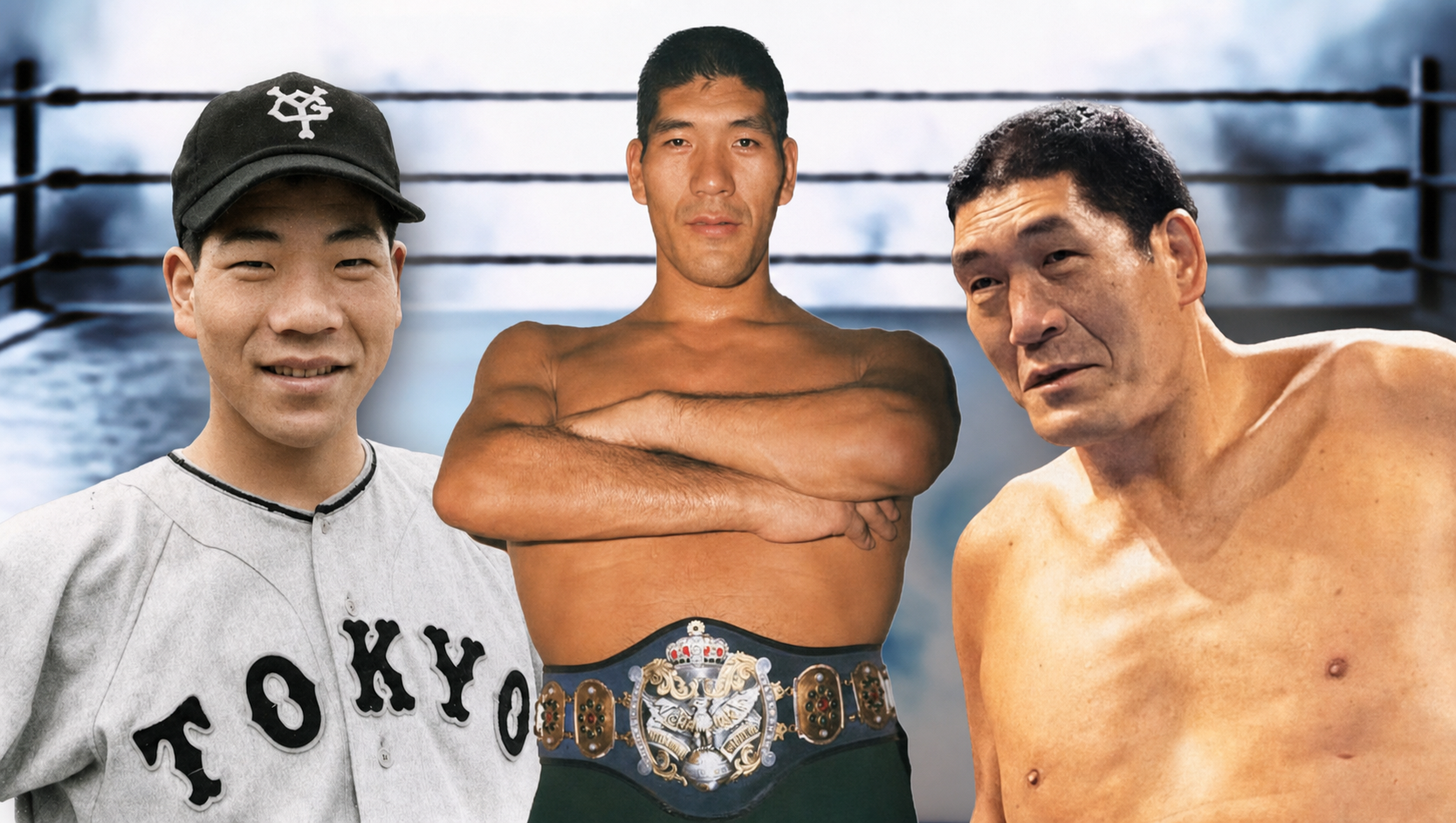
Giant Baba Was The Boy That Baseball Rejected Twice
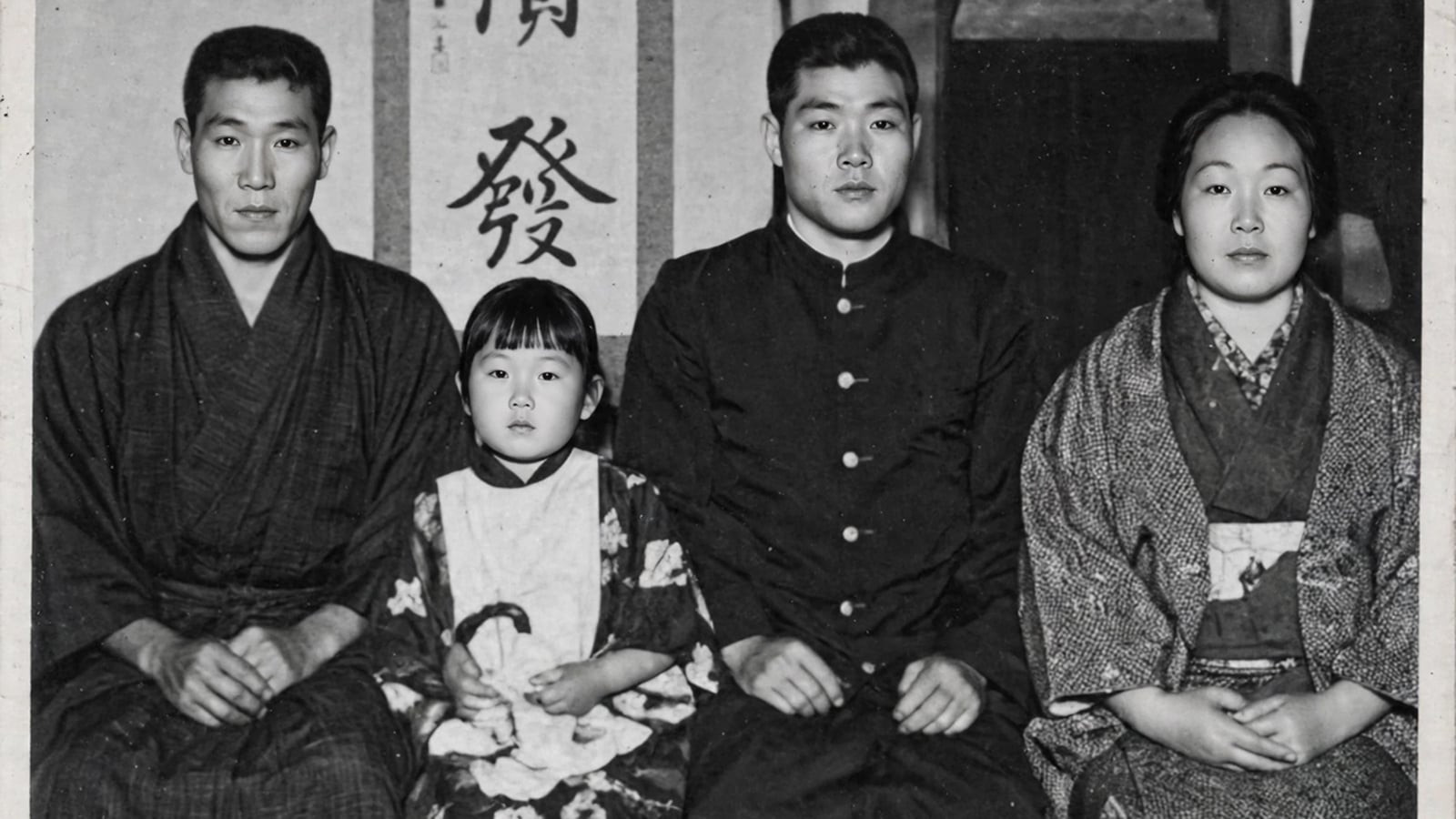
Shohei Baba was born on January 23, 1938, in Sanjo, Niigata Prefecture, Japan, to parents Kazuo and Mitsu Baba, who ran a fruit and vegetable business in the town.
As the youngest child in a large family, he grew up with an older brother, Shoichi, and several older sisters. Tragedy struck when Shoichi was killed in action during WWII on Guadalcanal, an event that left a deep impression on young Shohei.
He was raised in poverty caused by the intense hardships of the postwar years, which forced him into hard labor from a young age. It would be easy to assume that, given his great height, Baba towered over everyone even as a child, but this could not be further from the truth. His parents were both of average height, and Baba himself was not only the smallest child in his family but also the smallest in his class. Around the fifth grade, however, Baba experienced a major growth spurt, and by the time he reached ninth grade, he stood 176 centimeters, nearly six feet tall.
It was around this point that doctors determined Shohei had acromegaly, the same rare disorder later identified in fellow wrestling giants Andre the Giant and Paul Wight, known during his WWE run as Big Show, though Wight’s condition was halted through pituitary surgery in the early 1990s before it progressed as far as Baba’s or Andre’s.
Rather than letting this hinder him, Baba joined the baseball team and became a top player. Once he reached high school, though, Baba was forced to quit the team temporarily because his continuing growth had outpaced available cleat sizes, no matter how large. At 190 centimeters by age 16, Baba briefly joined the art club instead, before the team ordered him custom cleats and asked him to rejoin. He was talented enough that newspapers began writing about Sanjo High School’s “giant” pitcher.
He drew the attention of Nippon Professional Baseball scouts in 1954, when Hidetoshi Genkawa of the Yomiuri Giants visited the Baba family with a simple offer: drop out of high school and join the team. At just 16 years old, Shohei accepted.
In January 1955, the now 17-year-old made his professional debut wearing uniform number 59. It was also around this time that Baba met a young woman named Motoko Kawai, and the two began a relationship that would last a lifetime. She later became his advisor and most trusted ally, though the couple kept their relationship private due to Baba’s rising fame.
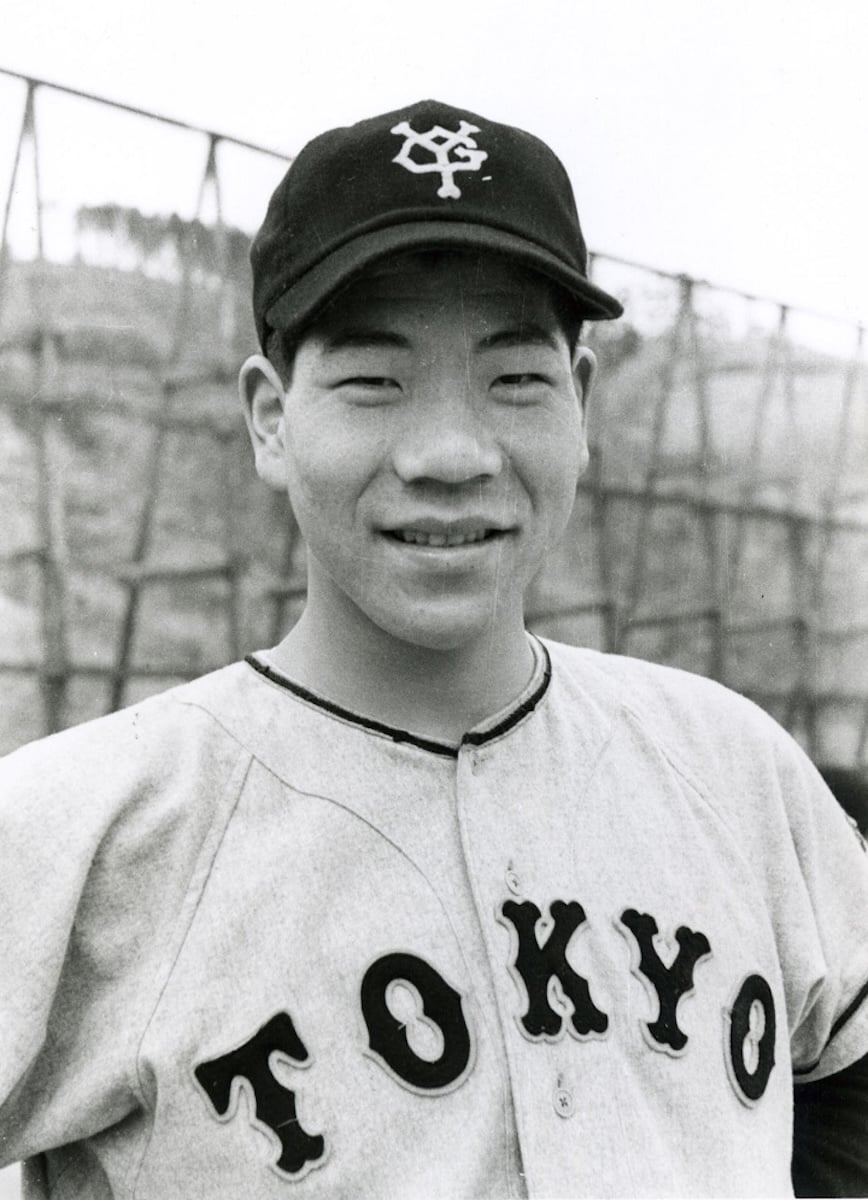
Baba spent most of his rookie year with the Giants’ farm team, going 12-1 in 1956 and earning Eastern League pitcher of the year honors. In 1957, he added 13 wins in the minors and received a brief call-up to the top squad, appearing in three games with a 0-1 record and a 1.29 ERA over seven innings.
For a time, it seemed the towering pitcher had a bright future with one of Japan’s most celebrated teams. Then injuries and health issues began to derail his path. Late in 1957, Baba began experiencing severe eyesight problems, and doctors discovered a brain tumor that required risky surgery. After his recovery, Baba continued with the Giants through 1959, but after a supportive coach left the team, Baba was released.
In Wally Yonamine: The Man Who Changed Japanese Baseball, Robert K. Fitts summarized Baba’s time with the Giants, writing, “The Giants signed him after he dropped out of Sanjo Jitsugyo High School in his junior year. As a schoolboy, he was a good enough pitcher, but the Giants hoped that with proper instruction, he could take advantage of his size and become a truly intimidating hurler. Despite Yomiuri’s efforts, Baba never emerged as a pro-caliber pitcher, throwing just seven innings for the Giants.”
He signed with the Taiyo Whales for the 1960 season, but fate intervened again. While at the team’s training camp, Baba slipped while exiting a shower and suffered a deep cut requiring 17 stitches, temporarily losing feeling in his pitching arm.
Though the injury was not career-ending, Baba could see the writing on the wall. Realizing he could no longer handle the demands of professional baseball, he retired from the sport. It would not be the end of his story. He would soon make his mark in an entirely different sport. Enter Rikidozan.
Rikidozan Meets Giant Baba: The Night That Changed Japanese Wrestling Forever
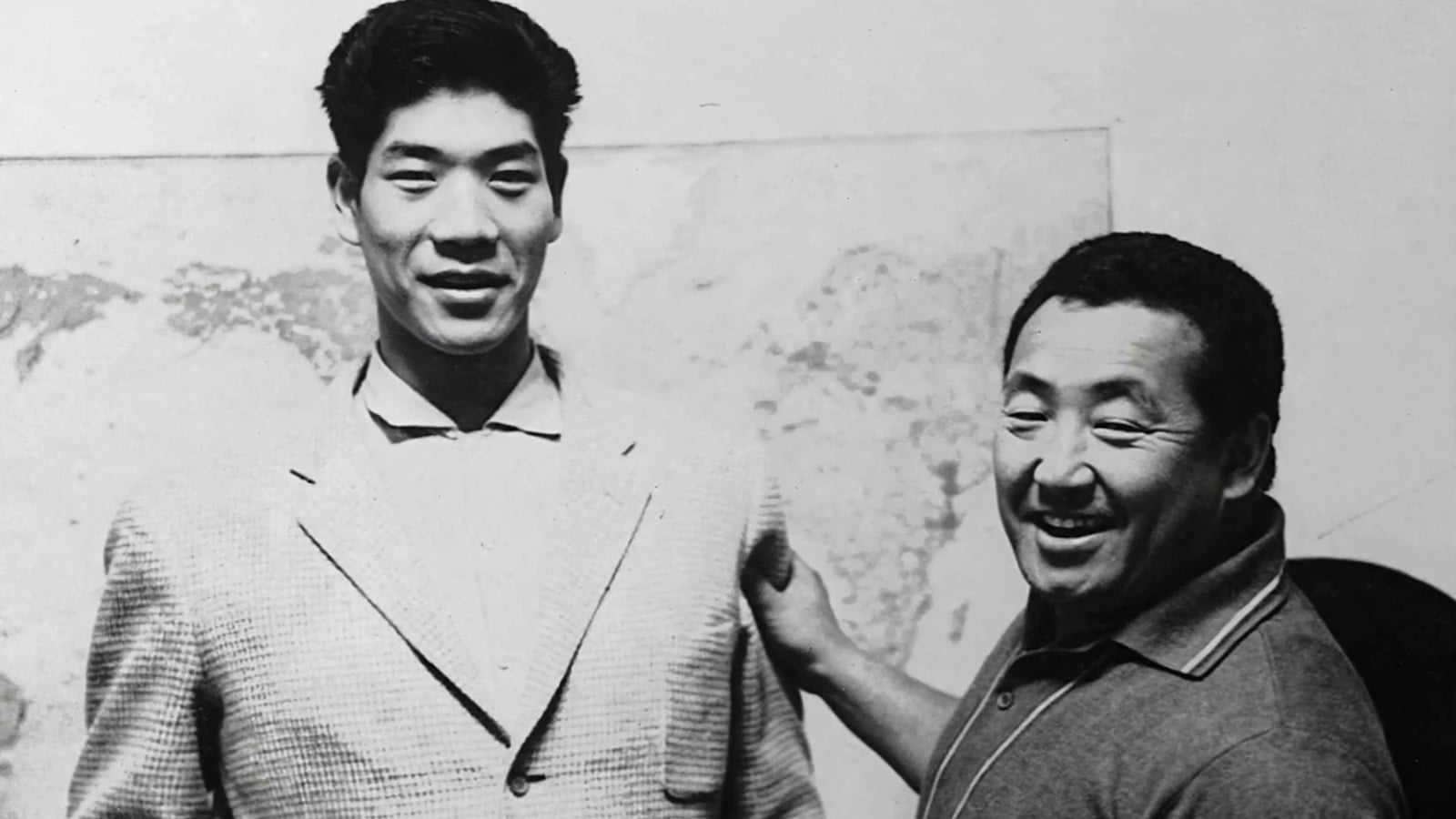
With his baseball career over, the future Giant Baba was listless and unsure what to do next. He considered acting, publishing, and even working as a travel agent, according to his own autobiography, 16 Sentences of Passionate Fighting Life. Regardless, he knew he had lofty goals to achieve and refused to return home to work in the family business. A meeting with Rikidozan, the father of puroresu, changed his fate forever.
Accounts of their first meeting differ slightly. Some say Rikidozan approached the towering former baseball player, impressed by his skills and athleticism, and confidently told him he could become a great professional wrestler. Another account says a journalist arranged the meeting in Tokyo. Whichever version is accurate, the encounter proved fruitful, as Rikidozan saw in Baba a future star in the making. Shohei began training alongside another promising student, Antonio Inoki, whom Rikidozan had met while touring Brazil after 17-year-old Inoki’s family relocated from Japan to São Paulo.
The two disciples debuted on the same night, September 30, 1960, for the Japan Wrestling Association. On that card, the much younger Inoki lost his debut match to Kintaro Oki, while 22-year-old Baba defeated his opponent, Yonetaro Tanaka. What seemed like a modest card proved to be the most consequential night in puroresu history. Over the following four decades, the two students would come to dominate Japanese wrestling like no others, with their respective promotions, All Japan and New Japan, defining a golden era of puroresu. Their influence built countless stars, shaped in-ring styles, and created business tactics still used today, changing wrestling from an uncertain venture into a cultural force rivaling baseball in Japan.
Enjoying this story? Own it forever.
No ads. No interruptions. Download the full story as a beautifully formatted PDF at just $0.99.
Get My Copy — $0.99Giant Baba Goes to America: Battles Against Sammartino and a Growing Reputation
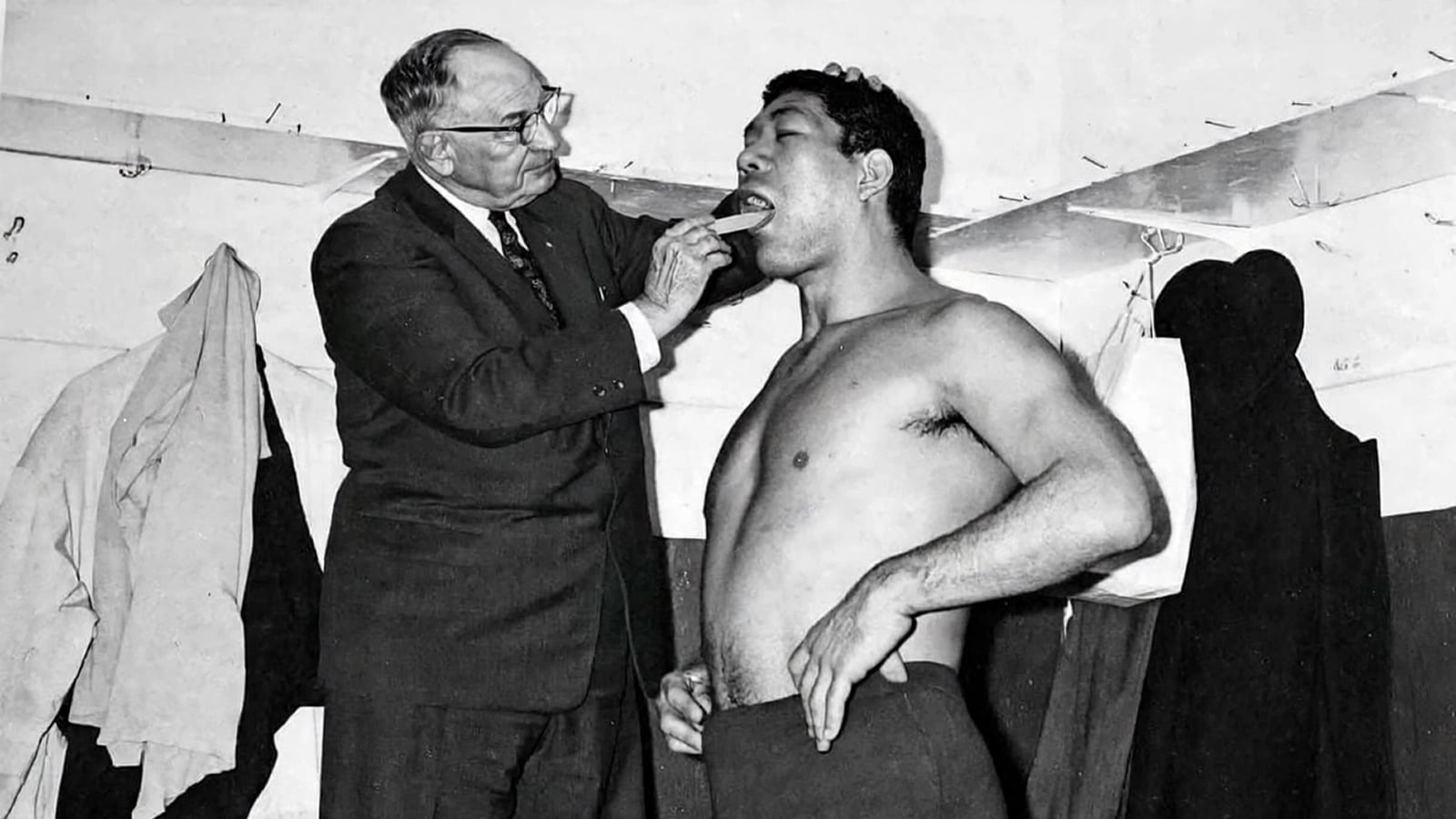
After only a few months of wrestling in Japan, Rikidozan sent Baba on a training excursion to the United States, where he was billed on the West Coast as the fan favorite “Big Shohei Baba” and in the East as the villainous “Baba the Giant.” He cut his teeth wrestling against stars such as Buddy Rogers and The Destroyer, often wrestling barefoot to add to his intimidating, distinctive look.
His biggest moment of the tour came when he challenged Bruno Sammartino for the WWWF World Championship at Madison Square Garden in February 1964. Though he did not capture the title, the exposure helped establish him as a main event-level performer.
His time in America also taught him valuable lessons in different wrestling styles, audience psychology, and the business side of the industry, knowledge that would later prove crucial when he built his own promotion. In the February 8, 1999 edition of Wrestling Observer Newsletter, Dave Meltzer described this period, writing that Baba, “because of his great size, being 6’10 and 300 pounds, went to the United States billed as a Japanese monster and was a major headliner around the country.”
While Baba was overseas in December 1963, tragedy struck. Rikidozan was stabbed at a Tokyo nightclub and died at age 39, sending shockwaves through the Japanese wrestling industry and leaving a significant leadership vacuum in the Japan Wrestling Association. Baba returned to Japan amid the mourning and, with his mentor gone, quickly stepped into one of the promotion’s top spots.
Baba’s American experience polished his in-ring work, and his popularity grew rapidly. Combined with his size, calm charisma, and hard-hitting style, Baba became a national hero whose popularity soon rivaled that of Japan’s biggest stars, making him the clear successor to his fallen mentor.
Teaming with Inoki as the BI-Gun, the duo won the NWA International Tag Team Championship four times, becoming one of the most popular tag teams in Japanese wrestling history. In singles competition, Baba won the JWA’s World League tournament in 1966, 1967, 1968, 1970, 1971, and 1972, and he captured the NWA International Heavyweight Championship on three occasions, with one reign lasting over 900 days, defeating opponents that included Dick the Bruiser, Bobo Brazil, and Gene Kiniski over the course of his championship history. He defended the title against top international stars, becoming the face of the promotion both domestically and on overseas tours.
The Split That Led to All Japan Pro Wrestling
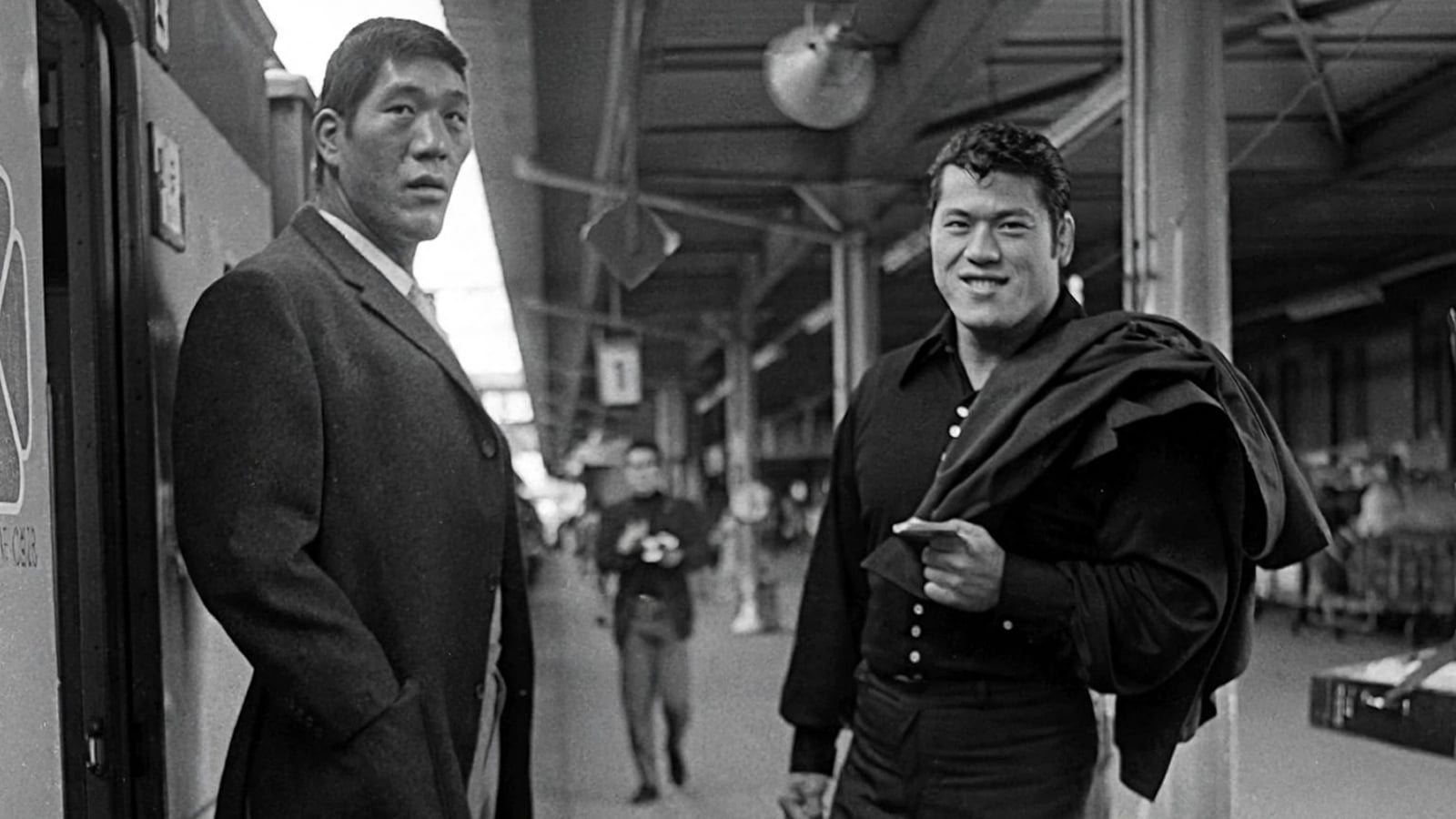
By the early 1970s, the Japan Wrestling Association was in serious decline. The loss of founder Rikidozan in 1963 had created a vacuum, and the promotion struggled with outdated management, shrinking crowds, and internal power struggles. Even the promotion’s top stars, Giant Baba and Antonio Inoki, grew increasingly dissatisfied. The breaking point came in 1971, when Inoki, along with several others, attempted a hostile takeover of the JWA to gain more control. The coup failed, and Inoki was fired.
Rather than wait for a new opportunity, Inoki, along with Toyonobori, founded Tokyo Pro Wrestling as an independent promotion, allowing him to stay active and begin building his own vision for wrestling. The venture quickly folded, leading to a brief return to the JWA, but in March 1972, Inoki made his final break, leaving to found New Japan Pro Wrestling and taking several key members with him.
Baba took a different path. Though he had not participated in the coup, he had grown frustrated with the JWA’s direction, including a television arrangement across two networks that he felt overexposed him and limited the promotion’s ability to build new stars. The Friday World Pro Wrestling program had previously been headlined by Inoki before his firing, adding to the strain on Baba’s schedule. Amid business disagreements and a desire for greater financial and creative control, Baba chose not to renew his contract when it expired in 1972.
In October 1972, Baba officially left the JWA.
Love Pro Wrestling Stories? Add us as a Preferred Source on Google so our stories always show up first for you. It only takes one click.
Add Us on GoogleGiant Baba Bets on Himself and Builds All Japan Pro Wrestling
With the backing of Nippon TV and Rikidozan’s sons, Mitsuo and Yoshihiro Momota, Giant Baba founded All Japan Pro Wrestling. The promotion held its first event on October 21, 1972, at Machida Gym in Tokyo, where Baba and Thunder Sugiyama faced Terry Funk and Bruno Sammartino in the main event, losing the bout by countout in the third fall. While they did not pick up the win, the match represented a declaration that All Japan was open for business on a big scale, showcasing international talent, strong in-ring action, and a focus on the promotion’s long-term future. Many wrestlers joined Baba, drawn by his popularity and reputation for integrity, and when the JWA folded in 1973, its remaining talent largely migrated to either All Japan or New Japan.
Giant Baba’s vision for All Japan was clear: a promotion built on hard-hitting wrestling, clean finishes, and long-term storytelling. With Nippon TV’s support and his own booking philosophy, All Japan quickly established itself as one of the best promotions in the world. Baba served not only as its top star but also as its president, booker, and head trainer for the next 27 years. What began as frustration with the old system became a movement that elevated puroresu to new heights.
One of Baba’s most important early moves was aligning All Japan with the National Wrestling Alliance shortly after the promotion’s launch, thereby making it the NWA’s official Japanese territory. This partnership gave All Japan immediate access to top international talent, including Harley Race, Ric Flair, and the Funk brothers, with NWA world champions and other major stars regularly touring Japan to face Baba’s roster. The decision proved highly beneficial, providing a steady stream of high-profile matches that helped draw crowds and establish All Japan as a major force in puroresu.
In Terry Funk: More Than Just Hardcore, Terry Funk wrote of the NWA board vote that favored Baba, “It was almost like the major population centers on the two coasts against the Midwest, but we ended up having the votes, and the NWA went with Baba.”
With hundreds of amazing Pro Wrestling Stories to dive into, where do you start? Get the inside scoop, join our exclusive community of wrestling fans! Receive 10 hand-picked stories curated just for YOU, exclusive weekly content, and an instant welcome gift when you sign up today!
Giant Baba as NWA Champion: The $25,000 Deal That Made Wrestling History in 1974
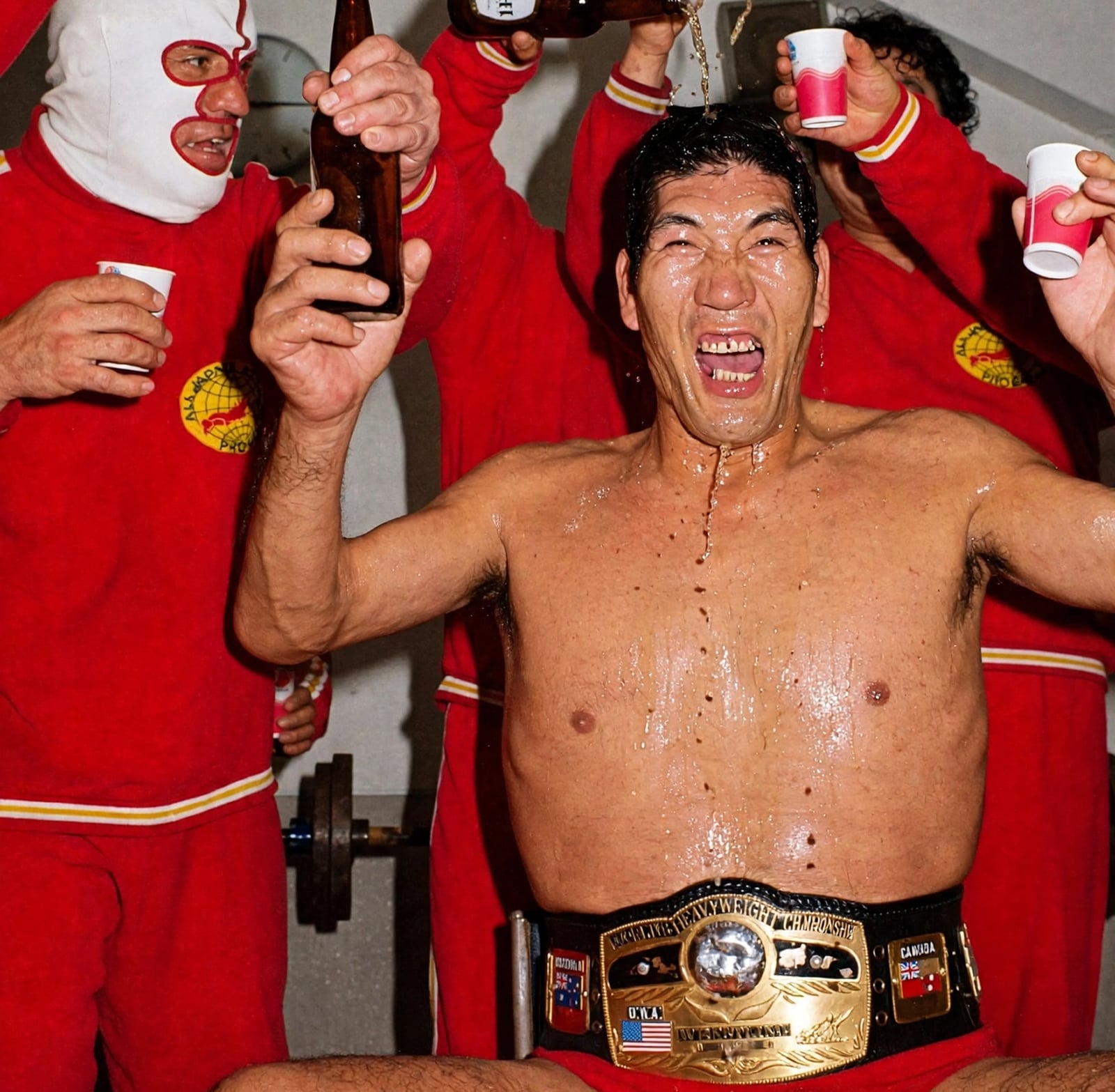
One of Giant Baba’s most iconic moments came on December 2, 1974, in Kagoshima, Japan, when, in a two-out-of-three-falls match, Baba defeated Jack Brisco to become NWA World Heavyweight Champion, the first Japanese wrestler ever to hold the title.
The switch was not a standard title change. Brisco needed money at the time, and a payout believed to be around $25,000 was involved. Brisco was also said to have wanted to lose the title in Japan specifically so the moment could give Baba and his new promotion a major credibility boost. With the help of Terry Funk, who had strong connections in Japan, the deal was arranged.
Baba held the title for one week. On December 9, in Toyohashi, he lost it back to Brisco in a rematch. This reign was never intended to be long-term. Instead, it generated enormous publicity for All Japan, elevated Baba’s status, and strengthened the promotion’s ties to the NWA. Baba would go on to win the NWA World Heavyweight Championship two more times against Harley Race, from October 31 to November 7, 1979, and again from September 4 to September 10, 1980. His 1974 victory over Brisco remains the most significant of the three, a landmark moment that proved a Japanese wrestler could reach the very top of the international wrestling world and helped put the young All Japan promotion on the map.
Baba was not a regular voting member of the NWA board of directors, but he maintained a strong and respected relationship with its members. Territorial promoters such as Jim Barnett, Eddie Graham, and Jim Crockett Sr. viewed Baba as a reliable, trustworthy partner. His reputation for honoring handshake agreements, paying talent fairly, and running professional shows earned him goodwill, and promoters, including Harley Race and the Funk brothers, frequently praised his professionalism. Even as the NWA’s territorial system began to crumble in the 1980s, Baba maintained a close, cordial relationship with the board and its members.
Terry Funk wrote in his book, “Baba inspired a great deal of loyalty on the part of the guys who wrestled for him in All Japan. I often like to think of myself as a good soldier, and I think a lot of Baba’s success came from his ability to select good soldiers.”
Real Autographs. Only Few Remain.
These are hand-signed originals sold directly by Pro Wrestling Stories. Once they sell out, they are gone for good.
Own a Piece of Wrestling History
-

Bushwhacker Luke Signed WWF 8×10 Photo Autograph (with Bushwhackers Butch)
$30.00 Add to cart -
Brutus the Barber Beefcake Signed WWF 8×10 Photo Autograph
$35.00 Add to cart -
Nikolai Volkoff & Boris Zhukov Signed WWF “The Bolsheviks” 8×10 Photo Autograph (Deceased Legend)
$60.00 Add to cart -
Brutus the Barber Beefcake Signed WWF 8×10 Photo Autograph (with Ultimate Warrior)
$35.00 Add to cart -
Baby Doll (Nickla Roberts) Signed 8×10 Photo Autograph (pictured with Ric Flair)
$35.00 Add to cart -
Sunny (Tammy Lynn Sytch) Signed WWF 8×10 Photo Autograph (Bikini Pose)
$35.00 Add to cart -
Missy Hyatt Signed 8×10 Photo Autograph
$35.00 Add to cart -
Nikolai Volkoff Signed WWF 8×10 Photo Autograph (Deceased Legend)
$45.00 Add to cart -
Bushwhacker Luke Signed WWF 8×10 Photo Autograph (of The Bushwhackers)
$30.00 Add to cart -
Steve Keirn Signed WWF 8×10 Photo Autograph (Fabulous Ones)
$30.00 Add to cart -
Nikolai Volkoff Signed WWF 8×10 Photo Autograph 2 (Deceased Legend)
$45.00 Add to cart -
Tito Santana Signed WWF 8×10 Photo Autograph (Strike Force)
$35.00 Add to cart -
Bushwhacker Luke Signed WWF 8×10 Photo Autograph (pictured with Bushwhacker Butch)
$30.00 Add to cart -
Johnny Rodz Signed WWF 8×10 Photo Autograph (wrestling Tony Atlas)
$30.00 Add to cart -
Fred Ottman Signed WCW 8×10 Photo Autograph (The Shockmaster)
$35.00 Add to cart -
Jimmy Hart Signed WWF 8×10 Photo Autograph (pictured with Hulk Hogan)
$35.00 Add to cart -
The Tonga Kid (Sam Fatu) Signed WWF 8×10 Photo Autograph
$35.00 Add to cart -
Brutus the Barber Beefcake Signed WWF 8×10 Photo Autograph 2
$35.00 Add to cart -
Sunny (Tammy Lynn Sytch) Signed WWF 8×10 Photo Autograph
$35.00 Add to cart -
“Hacksaw” Jim Duggan Signed WWF 8×10 Photo Autograph
$40.00 Add to cart -
Jerry Lynn Signed 8×10 Photo Autograph
$35.00 Add to cart -
“Greg the Hammer” Valentine Signed WWF 8×10 Photo Autograph
$45.00 Add to cart -
Larry Zbyszko Signed WCW 8×10 Photo Autograph
$40.00 Add to cart -
Ken Patera Signed WWF 8×10 Photo Autograph
$35.00 Add to cart -
Jimmy Hart Signed TNA 8×10 Photo Autograph (Mouth from the South)
$35.00 Add to cart -
Tito Santana Signed WWF 8×10 Photo Autograph
$35.00 Add to cart -
Marcus “Buff” Bagwell Signed WCW 8×10 Photo Autograph
$30.00 Add to cart -
Butcher Paul Vachon Signed WWF 8×10 Photo Autograph (Deceased Legend)
$45.00 Add to cart -
Justin Credible Signed 8×10 Photo Autograph
$30.00 Add to cart -
Johnny Rodz Signed WWF 8×10 Photo Autograph
$30.00 Add to cart -
Sunny (Tammy Lynn Sytch) Signed WWF 8×10 Glamour Photo Autograph
$35.00 Add to cart -
Larry Zbyszko Signed 8×10 Photo Autograph 2
$40.00 Add to cart -
Bushwhacker Luke Signed WWF 8×10 Photo Autograph (The Bushwhackers)
$30.00 Add to cart -
D’Lo Brown Signed WWF 8×10 Photo Autograph
$30.00 Add to cart -
Sunny (Tammy Lynn Sytch) Signed WWF 8×10 Photo Autograph (WWE Hall of Fame)
$35.00 Add to cart -
Ken Patera Signed WWF 8×10 Photo Autograph (pictured with Bobby Heenan & John Studd)
$35.00 Add to cart -
Bushwhacker Luke Signed WWF 8×10 Photo Autograph
$30.00 Add to cart -
Johnny Rodz Signed WWF 8×10 Photo Autograph (pictured with The Grand Wizard)
$30.00 Add to cart -
Justin Credible Signed 8×10 Photo Autograph 2
$30.00 Add to cart -
Raven Signed 8×10 Photo Autograph
$35.00 Add to cart -
Sabu Signed WWF 8×10 Photo Autograph (Deceased Legend)
$55.00 Add to cart -
Kevin Sullivan Signed 8×10 Photo Autograph (Deceased Legend)
$45.00 Add to cart -
Hornswoggle (Dylan Postl) Signed WWE 8×10 Photo Autograph
$30.00 Add to cart -
Koko B. Ware Signed WWF 8×10 Photo Autograph
$45.00 Add to cart -
Leaping Lanny Poffo Signed WWF Turnbuckle Pose 8×10 Photo Autograph (Deceased Legend)
$45.00 Add to cart -
Ron Simmons Signed WWE 8×10 Photo Autograph
$40.00 Add to cart -
Jerry “The King” Lawler Signed 8×10 Photo Autograph
$50.00 Add to cart -
Jerry “The King” Lawler Signed WWE 8×10 Photo Autograph 2
$50.00 Add to cart -
Johnny Rodz Signed WWF 8×10 Photo Autograph (pictured with Captain Lou Albano)
$30.00 Add to cart -
Sunny (Tammy Lynn Sytch) Signed 8×10 Photo Autograph
$35.00 Add to cart -
Johnny Rodz Signed WWF 8×10 Photo Autograph
$30.00 Add to cart -
Leaping Lanny Poffo Signed WWF Frisbee Pose 8×10 Photo Autograph (Deceased Legend)
$45.00 Add to cart -
Fred Ottman Signed WWF 8×10 Photo Autograph (Typhoon)
$35.00 Add to cart -
Johnny Rodz Signed WWF 8×10 Photo (wrestling Andre the Giant)
$30.00 Add to cart -
Steve Keirn Signed WWF 8×10 Photo Autograph (Skinner)
$30.00 Add to cart -
Barry Windham Signed 8×10 Photo Autograph
$40.00 Add to cart -
Jimmy Hart Signed WWF 8×10 Photo Autograph (pictured with Bret Hart & Jim Neidhart)
$35.00 Add to cart -
Vince Russo Signed 8×10 Photo Autograph
$35.00 Add to cart
Giant Baba: An Innovator of Pro Wrestling Worldwide That Even Vince McMahon Respected
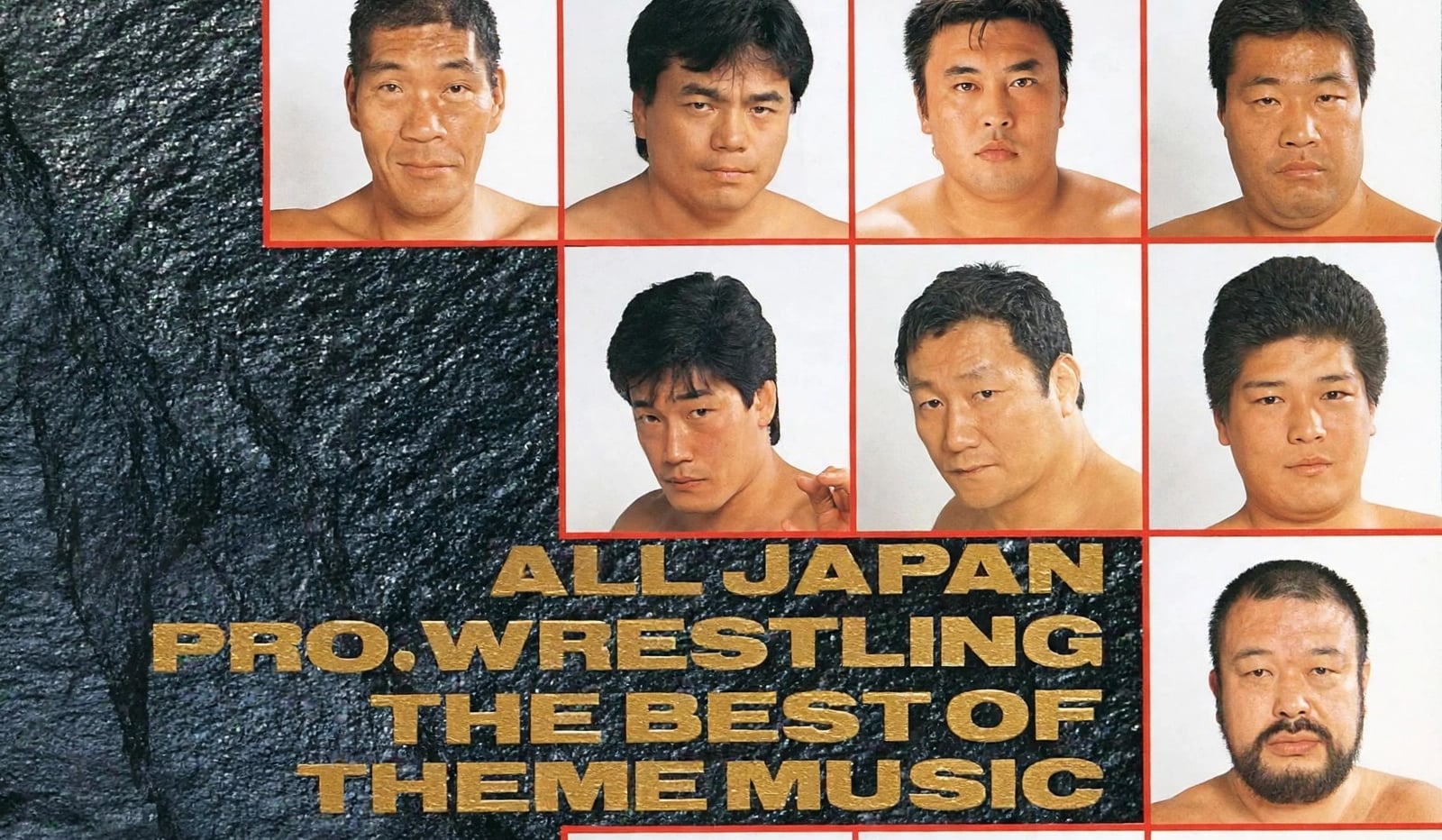
Giant Baba was not only a legendary in-ring competitor but also a forward-thinking promoter who helped modernize his brand. Under his leadership, All Japan refined several innovations that went on to influence the wider industry.
Baba understood the power of presentation. All Japan wrestlers often had custom entrance music, with Baba himself using the memorable theme “Ouja no Tamashii,” which translates directly to “The Soul of a Champion” or “The Spirit of a King” in English. The song immediately became synonymous with his larger-than-life persona. The use of music helped create an emotional connection with fans and gave the product a more cinematic feel, an approach that quickly became standard across puroresu.

Baba was also ahead of his time in merchandising. All Japan sold t-shirts, posters, CDs, masks, and many other items featuring its talent, and Baba’s own image was heavily monetized, turning him into a top-selling brand that helped finance the promotion and build loyalty among its fan base. Many of these tactics predated the marketing playbook fans associate with Vince McMahon and WWE today.
Dave Meltzer wrote that “All Japan was also the promotion that pioneered merchandising, t-shirts, and souvenirs, also in the early 1980s. McMahon Jr. saw wrestling operating on that level at a New Japan show and brought the concept to the United States.”
One of Baba’s most important contributions was his booking philosophy. All Japan emphasized clean finishes and carefully protected its top stars. Main event talent was only lost if it served the long-term story, and whenever it did happen, the bouts were hard-fought and elevated both competitors. Baba favored long, psychologically deep matches that tested endurance, with many All Japan bouts running 20 to 40 minutes or longer to tell stories of struggle, comebacks, and exhaustion.
This approach, later nicknamed the King’s Road style after the highway leading to the company’s early venues, became All Japan’s signature and influenced generations of wrestlers who followed. Fans believed in the outcomes and left with respect for both men in the ring. Baba often used the phrase “Hageshiku,” roughly translating to full effort, realism, and physicality, as a guiding philosophy for the promotion.
Shohei was not only a genius behind the scenes but also his company’s ace for nearly three decades. He held the PWF Heavyweight Championship four times, with one reign lasting over five years, captured the NWA International Heavyweight Championship three times, and won the Champion Carnival tournament a record seven times between 1973 and 1982, defeating opponents that included Abdullah the Butcher, Killer Kowalski, Don Leo Jonathan, and Gorilla Monsoon over the course of his championship reigns. His long and dominant title reigns earned him the nickname the Giant of the East.
Giant Baba as Mentor: The Pro Wrestlers That Giant Baba Built Into Legends
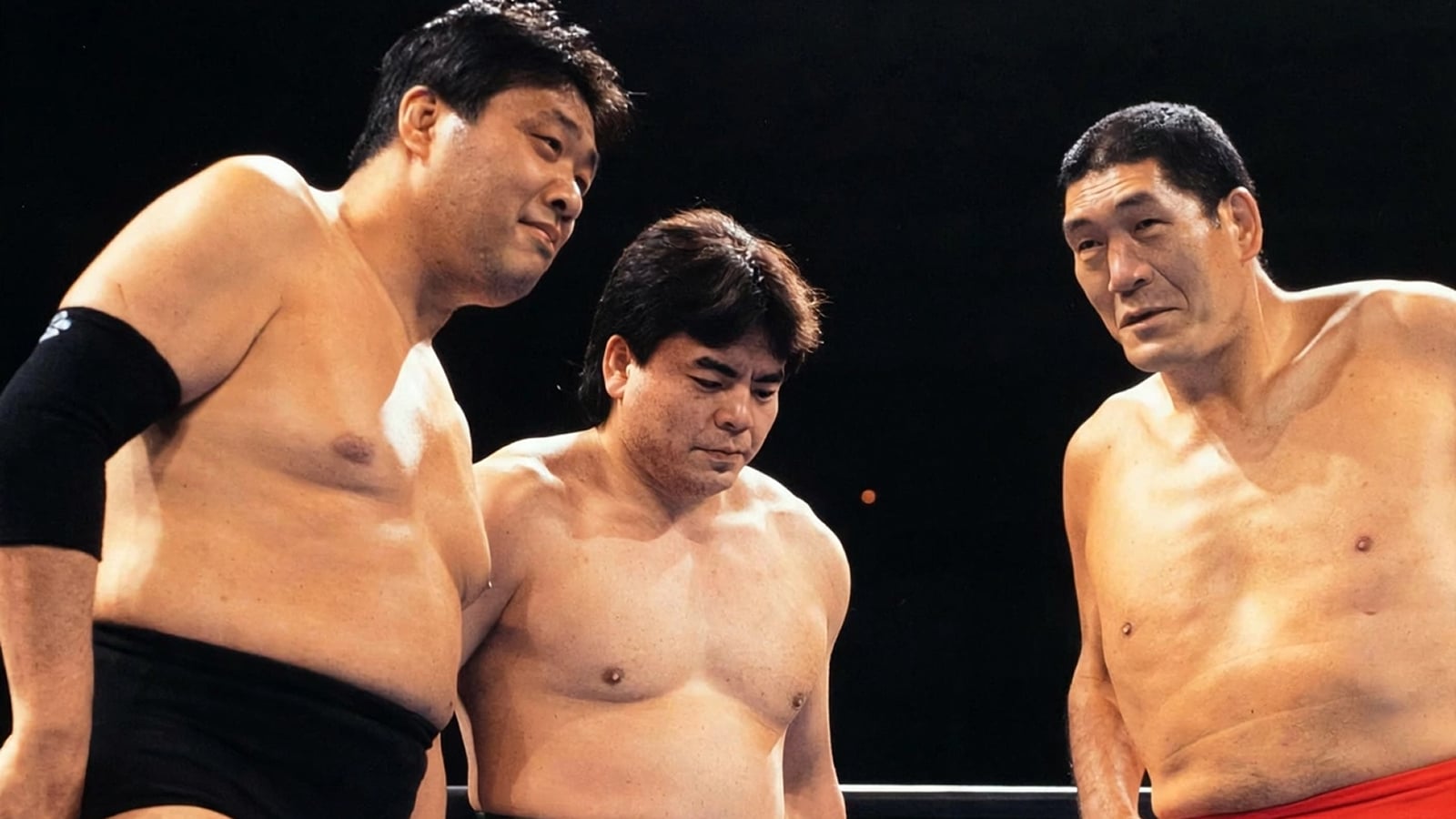
Knowing he would not be able to perform forever, Giant Baba developed a keen eye for scouting young talent. In the mid-1970s, he scouted a promising amateur wrestler named Tomomi “Jumbo” Tsuruta, an Olympic-level Greco-Roman wrestler, and, recognizing his talent, sent him to the United States to train under Dory Funk Jr. in Amarillo, Texas. Under Funk’s guidance, Tsuruta learned American-style chain wrestling, in-ring psychology, and the art of working long, dramatic matches, and he returned to Japan in 1976 as a polished performer whose powerful athletic style perfectly complemented All Japan’s vision.
Terry Funk recalled in his book, “Tsuruta took to wrestling like a duck to water, and it was immediately obvious he was destined for big things.”
Tsuruta quickly became one of All Japan’s biggest stars. He won the Champion Carnival multiple times, captured the PWF World Heavyweight Championship, and even held NWA tag team gold alongside his mentor, Baba.
For Baba, Tsuruta was more than a wrestler. He was the future, and Baba invested heavily in his development as the ideal successor to carry All Japan forward.
Another of Baba’s successful projects was Mitsuharu Misawa, an amateur wrestler he scouted and brought into All Japan in 1981. Misawa debuted as Tiger Mask II, following the original character in New Japan, a high-flying junior heavyweight persona that immediately made him a popular attraction. After several years refining his skills under the mask, Misawa eventually returned to wrestling under his real name, a transition that allowed him to move into the heavyweight division, where his powerful, hard-hitting style could shine.
Under Baba’s guidance, Misawa gradually rose through the ranks and formed legendary rivalries with Toshiaki Kawada, Akira Taue, and especially Kenta Kobashi. Their matches became the heart of All Japan’s Four Pillars era, epic, emotionally charged battles that defined the promotion throughout the 1980s and 1990s. Misawa’s work ethic, selling, and in-ring psychology made him a fan favorite and critical darling, as well as All Japan’s leading ace of the 1990s.
For international star power, Baba brought in Stan Hansen, already a rugged and respected performer in the United States, who joined All Japan in 1977 after receiving a lucrative offer. Hansen’s hard-hitting style and legendary lariat finisher fit perfectly with All Japan’s strong-style vision, and he quickly became a top foreign attraction, with memorable rivalries against Baba and Tsuruta. His success opened the door for more international talent, including Bruiser Brody and Terry Funk, gaijins whose matches with Japanese stars became unforgettable.
Baba’s recruitment strategy was built on trust and respect. He became known throughout the industry for treating foreign talent exceptionally well, making sure they received first-class plane tickets, quality hotels, and generous payoffs. In the locker room, he famously provided cold beer and took care of small details many promoters overlooked. Baba also protected his foreign stars’ credibility in the ring, giving them strong wins when appropriate and booking competitive, meaningful matches that let them look like legitimate threats.
This approach created a positive working environment and made All Japan one of the most desirable promotions for international talent. Many gaijin spoke fondly of Baba, crediting him with treating them fairly and like professionals.
Things were not always smooth for the promotion. In 1990, a mass defection nearly brought All Japan to its knees, as top stars including Genichiro Tenryu, Masanobu Fuchi, and The Great Kabuki left to join the newly formed Super World of Sports, a promotion heavily bankrolled by the eyeglass retail company Megane Super that offered massive contracts and aimed to become a WWF-style promotion capable of taking over puroresu. Left with a depleted roster, Baba elevated younger wrestlers, including Misawa, Kawada, Taue, and Kobashi, creating what became known as the Four Pillars of Heaven. The four men took Baba’s King’s Road style and pushed it to its zenith, selling out Tokyo’s prestigious Nippon Budokan dozens of times throughout the decade, so successfully that Baba felt no need to book larger arenas with bigger crowd potential.
Inside the Decades-Long Rivalry Between Giant Baba and Antonio Inoki
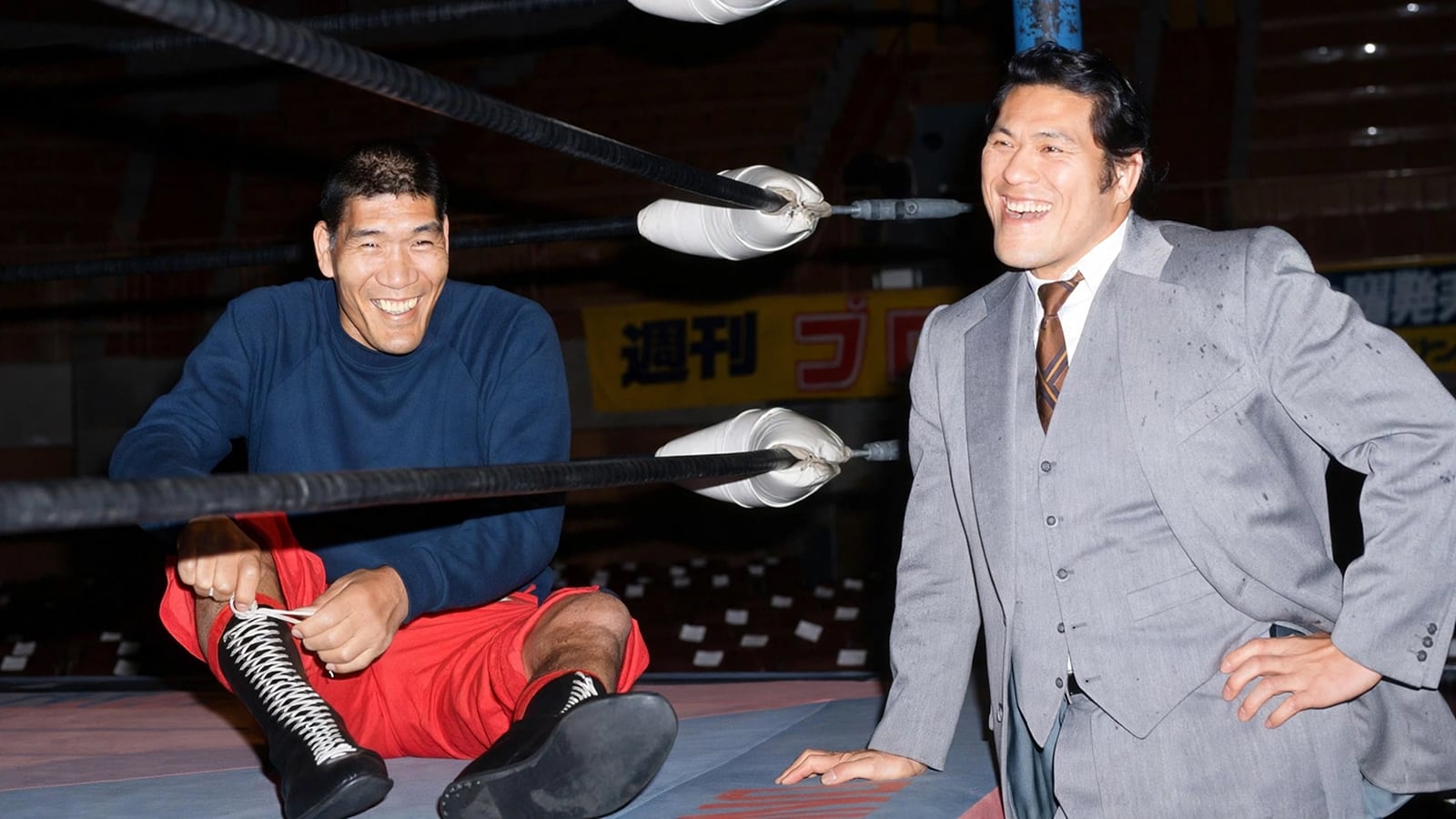
The rivalry between Antonio Inoki’s New Japan and Giant Baba’s All Japan became one of the most enduring in wrestling history, beginning in 1972 and lasting nearly three decades. The competition was fierce from the start, with the two men vying for top Japanese talent, television ratings, and fan loyalty. Their promotions represented contrasting philosophies. In Baba’s mind, wrestling was a traditional combat sport that should maintain its dignity, protecting its illusions through athletic excellence and fair booking. Inoki viewed it as entertainment that needed to evolve and blur the lines of reality, constantly innovating to stay relevant.
Terry Funk wrote of this difference in his book, “Baba was into gradually changing the business. He would stick with his formula and only develop and tweak it slightly. Inoki, on the other hand, was always trying to put out something different.”
One defining example was the 1976 mixed rules bout between Antonio Inoki and boxer Muhammad Ali in Tokyo. Billed as a boxer-versus-wrestler superfight, the match was heavily hyped worldwide. Inoki was not permitted to use most wrestling moves and spent much of the bout on the mat, throwing leg kicks at Ali. The fight went the full 15 rounds and ended in a draw, with both men colored and exhausted. The match itself was widely criticized for its lack of action, though it became a massive media event that drew enormous attention to Inoki and New Japan.
Terry Funk described the bout as potentially “the coup de grace for us if it had been successful,” while calling the actual match “a true stinkeroo.”
Because of Inoki’s persona and appetite for raising the bar, the 1980s saw New Japan take the lead over its rival. New Japan secured strong television slots and marketed itself as the more modern, exciting option, showcasing flashy, youthful talent including Tatsumi Fujinami, Riki Choshu, and The Great Muta as the future of puroresu. Baba refused to chase trends. Instead, he invested heavily in long-term storytelling and the Four Pillars of Heaven, building a deeply loyal fan base. While New Japan often won the ratings battle during the 1980s, All Japan remained respected for its in-ring quality and consistently sold out major shows. Despite the intense competition, direct confrontations between the two companies were rare, and both sides largely respected an unspoken truce while battling through talent raids, major tours, and the fight for mainstream attention.
On the night of April 13, 1990, the long rivalry between the two promotions gave way to a temporary truce for a show the Wrestling Observer Newsletter described as a landmark event in wrestling history.
The Wrestling Summit, hosted at the Tokyo Dome by the WWF, All Japan, and New Japan, was a twelve-match supercard that brought together talent from all three companies. The WWF aimed to build a larger international fan base, while New Japan and All Japan needed something to counter a surging new competitor, the Newborn UWF, led by Akira Maeda, which had drawn a sellout crowd of more than 60,000 fans to the Tokyo Dome in late 1989 with its realistic shoot-style presentation.
Newly appointed New Japan president Seiji Sakaguchi and Giant Baba both understood that if they did not present something unprecedented, they risked losing ground as the leading figures in Japanese combat sports. Card changes and disagreements between the promoters plagued the lead-up to the event, from where the ring should be placed to who should win which match. Even so, the show drew 53,736 fans, generating a massive live gate and halting the UWF’s momentum, which folded less than a year later.
The card featured matchups including Bret Hart vs. Tiger Mask II, Andre the Giant vs. Giant Baba, and Hulk Hogan vs. Stan Hansen, with The Ultimate Warrior defending the WWF World Championship against Ted DiBiase. By using the WWF as a neutral third party, All Japan and New Japan were able to coexist peacefully for one historic night, preserving their separate political landscapes while delivering a crossover event some have since called a forerunner to modern shows like AEW and New Japan’s Forbidden Door. The rivalry between the two promotions ultimately became the blueprint for success in Japanese wrestling, pushing both companies to test physical boundaries and shaping two distinct philosophies that still influence how matches are worked today.
The Final Years of Giant Baba and the Secret He Kept Until His Final Breath
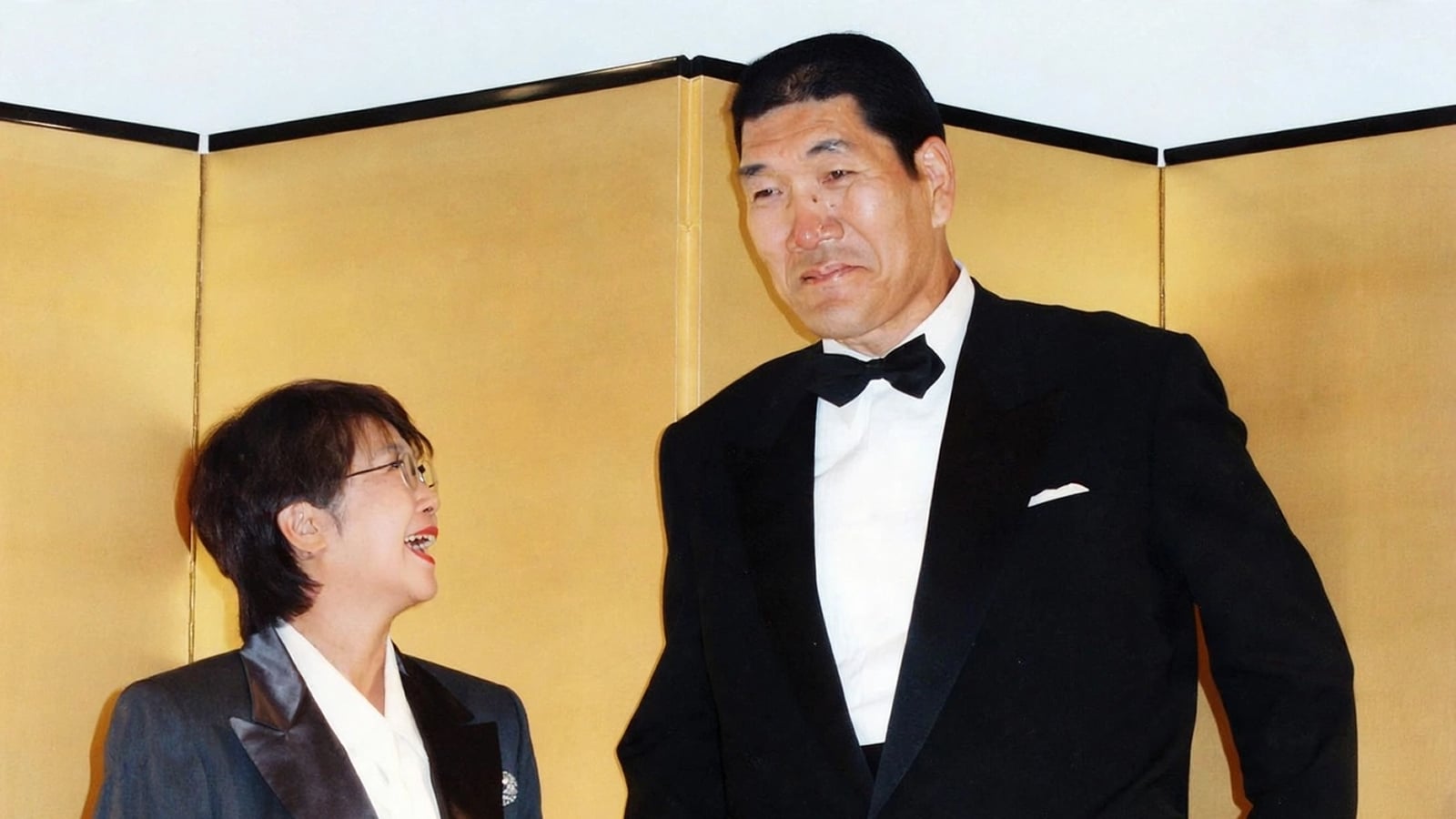
By the mid-1990s, Giant Baba was still the same steady, unshakable figure he had always been to the wrestlers and staff at All Japan. He ran the company, appeared at events, and kept up the same disciplined routine that had defined nearly four decades in the business. What almost no one around him knew was that Baba had quietly been diagnosed with colon cancer, and true to his stoic nature, he had decided to keep it that way.
Baba underwent surgery to remove the cancer, but he told almost no one, not the public and not most of those close to him within All Japan. He continued running the promotion and making appearances for as long as he could, according to multiple accounts from those close to him, brushing off any questions about his health as nothing more than fatigue.
On December 1, 1998, at the Nippon Budokan in Tokyo, Baba wrestled his final match at 60, teaming with Mitsuo Momota and Rusher Kimura against Haruka Eigen, Masanobu Fuchi, and Tsuyoshi Kikuchi. He was clearly limited physically but still showed the heart and presence that had defined his career. The match ended with Baba being pinned by Kikuchi, a respectable, low-key farewell rather than a grand spectacle, fitting for his humble personality. By that point, Shohei had wrestled more than 5,700 matches across four decades. No one in the ring or the crowd that night knew it would be his last, nor of the illness he was secretly battling.
Later that same month, Baba skipped his usual December vacation and canceled a planned trip, telling those around him it was because of a bad cold. In reality, he had been hospitalized for further treatment. He was released in late December 1998 with what appeared to be a positive prognosis, having been told the operation had removed the cancer. That relief did not last. By a follow-up checkup in January 1999, doctors discovered the disease had returned and spread.
Giant Baba’s Final Days and the Goodbye No One Saw Coming
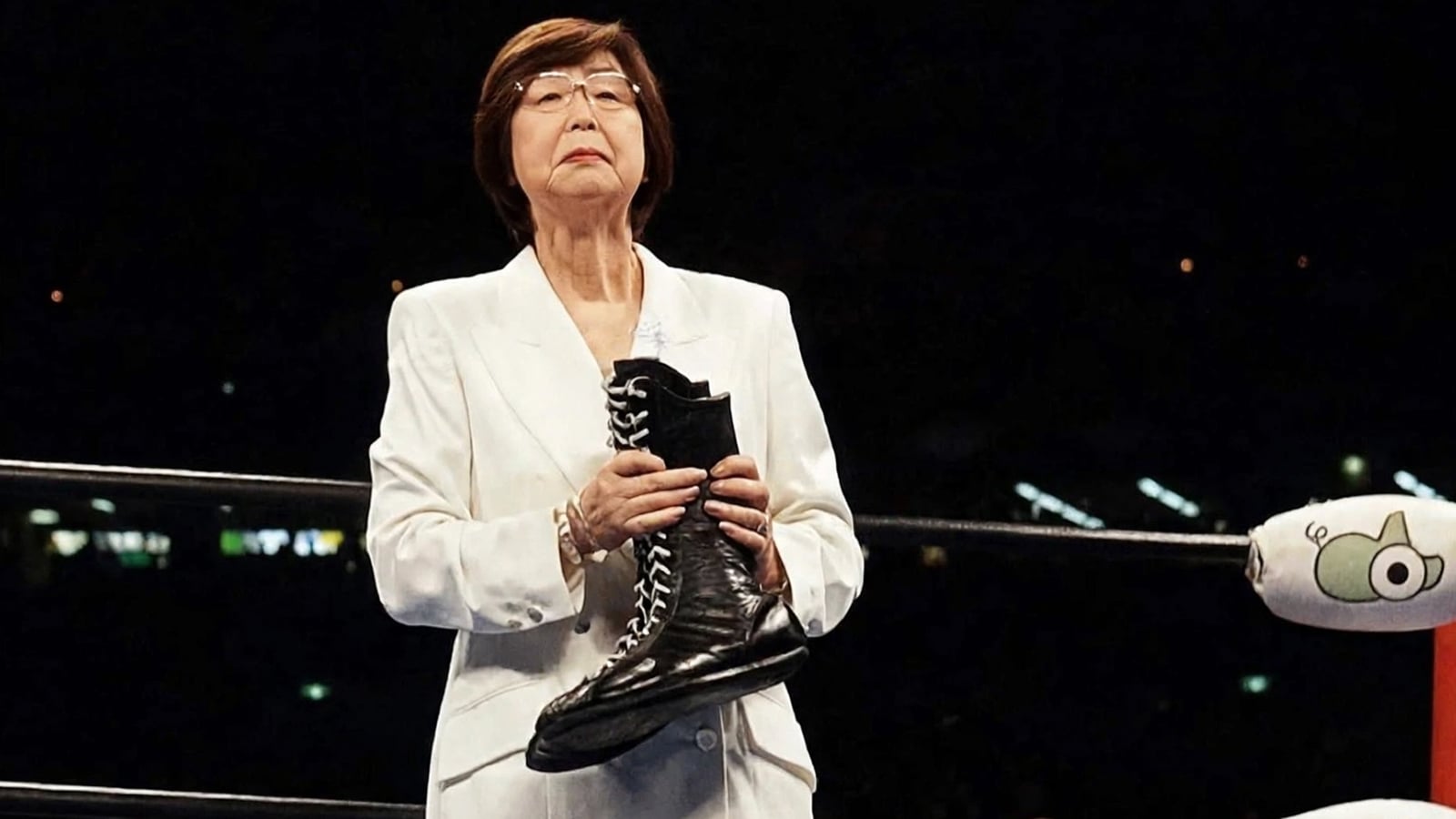
Giant Baba was hospitalized as his condition worsened, and the seriousness of his illness became clear to those around him. While there, Mitsuharu Misawa, one of his greatest protégés, visited him twice. The first visit went well, but on the second, Misawa was turned away, and the reason was never explained publicly, underscoring the emotional complexity of Baba’s final days.
His 61st birthday was celebrated with friends and family from his hospital bed, a somber occasion far removed from years prior. His final match as a spectator came on January 22, 1999, when Toshiaki Kawada defeated Misawa for the Triple Crown Heavyweight Championship.
Just nine days later, on January 31, 1999, Baba died at 61 from complications related to his cancer. His wife and older sister were at his bedside, along with All Japan ring announcer Ryu Nakada and referee Kyohei Wada.
Baba had no children of his own, which some accounts attribute to concerns that any offspring might inherit his gigantism. Some retrospective accounts have claimed that Baba considered adopting Atsushi Onita at one point, though this claim has not been verified. Onita has frequently spoken of Baba as a father figure who greatly influenced his life and career.
The Aftermath of the Death of Giant Baba and the Legacy He Leaves Behind
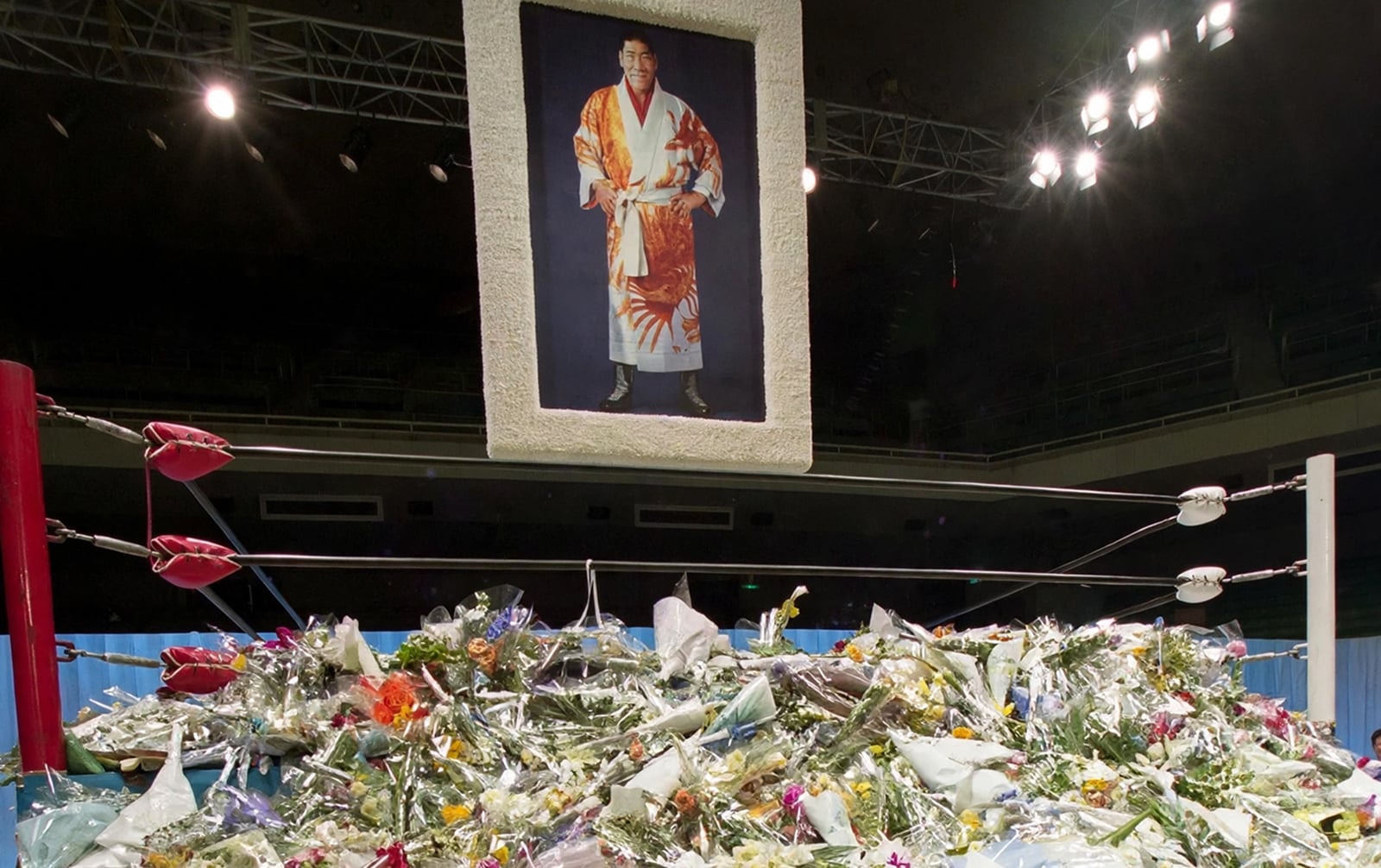
The news of Giant Baba’s death sent shockwaves across Japan. He was more than a wrestler or promoter; he was a national icon, and his death was treated with the gravity reserved for major public figures. Newspapers, television stations, and sports programs across the country provided extensive coverage, with many comparing the mourning to that for the death of a prime minister or a beloved athlete.
Fans gathered outside the All Japan offices, leaving flowers, notes, and memorabilia, and memorial services drew large crowds with tributes pouring in from politicians, celebrities, and fellow wrestlers. The outpouring of condolences was so overwhelming that the telegram company handling messages for the Baba family had to close temporarily, unable to keep up with the volume of telegrams from fans. Baba’s funeral drew thousands and was broadcast on national television.
In the February 15, 1999, edition of Wrestling Observer Newsletter, Dave Meltzer wrote of the scale of the public reaction:
“The public reaction to someone of Baba’s stature in U.S. culture, such as Mickey Mantle, was more comparable to the reaction to entertainment legends such as Elvis Presley, John Lennon, and Frank Sinatra.” Meltzer noted that Baba’s death dominated front-page coverage across Japanese newspapers for nearly two full days.
With Baba gone, the power structure of All Japan shifted dramatically.
Motoko Baba took control of the company and clashed with her husband’s chosen successor, Mitsuharu Misawa. Motoko wanted to run the company the way her husband had, while Misawa wanted to focus the booking on younger talent. The situation reached a breaking point in 2000, when Misawa and other top stars resigned from All Japan en masse, an exodus that took nearly the entire company’s roster. The group went on to form Pro Wrestling NOAH, with Misawa as its founder and president.
The departure left All Japan severely weakened, and Motoko had to rebuild the company from scratch, relying on remaining veterans such as Masanobu Fuchi. The promotion never fully recovered its previous status and struggled for years afterward, but even today, under new ownership, the soul of All Japan remains alive. The company continues to operate as one of the longest-running wrestling promotions in Japan, still creating new stars and memorable puroresu moments.
Giant Baba’s legacy is that of a trailblazer who elevated Japanese professional wrestling on both the domestic and international stages. He remains the only Japanese wrestler to have won the NWA World Heavyweight Championship, doing so three times against some of the sport’s most respected champions.
As a promoter, he was ahead of his time in using entrance music and talent merchandising, building the framework for All Japan’s golden era and producing some of the greatest wrestling matches of all time.
He was more than a wrestler or a promoter. Giant Baba was a national hero, a quiet giant who stood taller than the world around him, and the man who was once told he was too big for baseball became the giant Japan never forgot.
These stories may also interest you:
- The Tragic Killing of Rikidozan: The Father of Puroresu
- Four Pillars of Heaven of All Japan – Magic at the Budokan
- Muhammad Ali and Antonio Inoki Bizarre Encounter in Japan
Download PDF Version
Get the complete article as a formatted PDF for offline reading.