 Author:
 There is a phone call that changed the course of professional wrestling history, and Gerald Brisco made it from a rival promoter’s office, right across the desk from the man he was about to betray. There is a room in Montreal that most people who entered have spent years refusing to fully discuss. There is a boy from a Trail of Tears family in Oklahoma who competed against stadium rosters, international promoters, and his own body for over six decades, and never once asked anyone to stop the match. This is that boy’s story.
Jim Phillips, author of this article and a prized writer here at Pro Wrestling Stories, is in the challenge of his life after being paralyzed on January 21st, 2023. Learn his story and how you can help him in his goal of taking his first steps again!
In March 2026, I sat down with Gerald Brisco for what became a three-and-a-half-hour conversation that neither of us wanted to end. What emerged was the full, unguarded story of a man from Oklahoma Territory land who converted a life of genuine adversity into one of the most decorated careers the professional wrestling business has ever produced. That conversation became this article. This is his story.
Born of a Proud Nation: The Chickasaw Heritage That Forged the Brisco Brothers
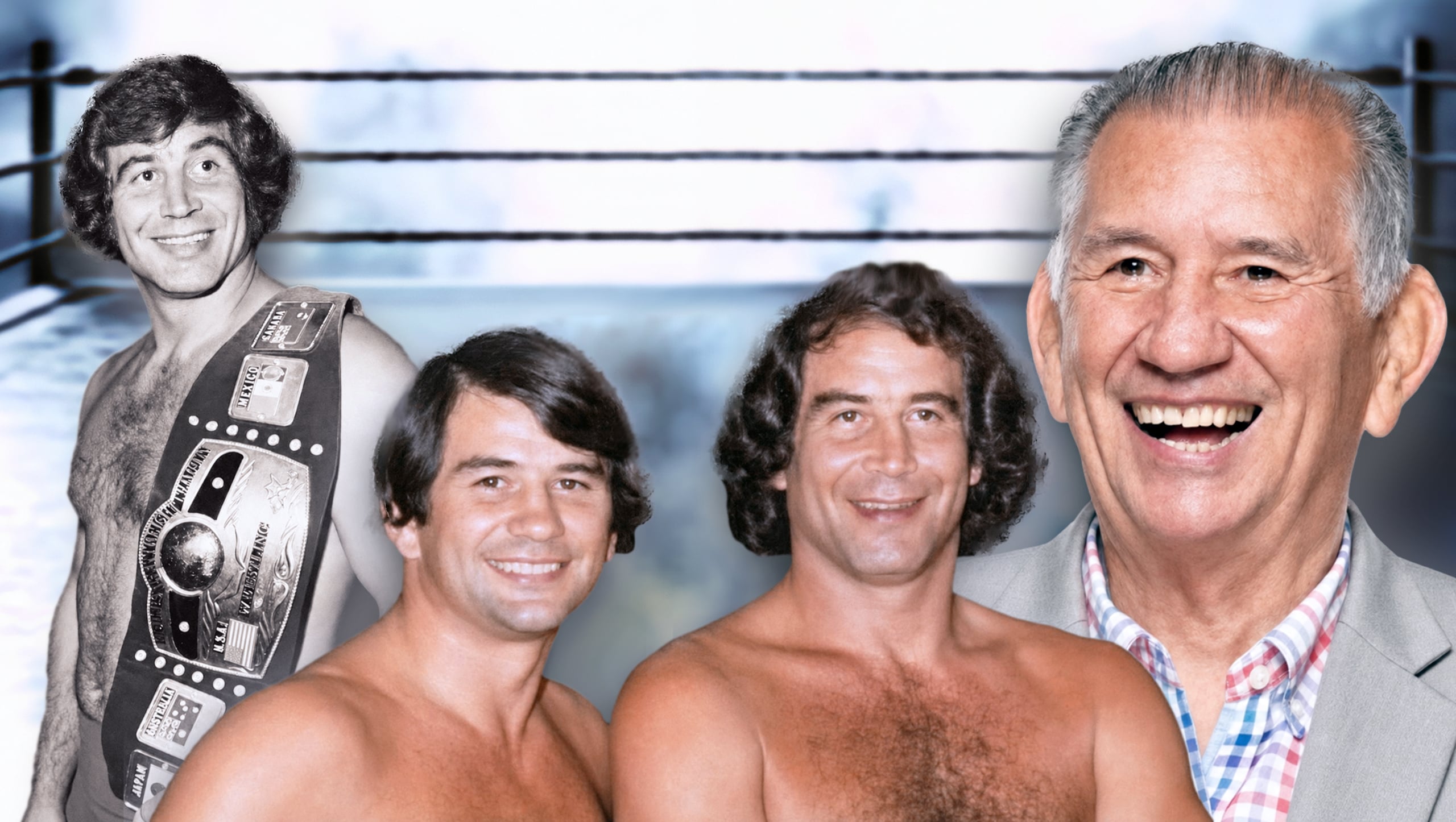
There are men in this business who have been standard bearers and commanded respect from their performance in the ring and how they carried themselves outside it. Men who helped move the needle of the business and sway the tides of its future. Gerry Brisco and his older brother Jack were two such men.
Born into a family of five brothers and sisters, Freddie Joe, more widely known as Jack, came along on September 21 of 1941, with his brother Floyd Gerald following him five years later, and almost to the day, on September 19th, 1946.
The two grew up in a hardscrabble environment and were moved around by their father, who would soon leave them to be raised by a single mother. Born Chickasaw Indian, their people had known hardship for as long as they could remember, not only as a single-parent family, but growing up in a nation that never wanted them to begin with.
The Chickasaw Culture and Nation dates back hundreds of years to the central and southeastern states of Alabama, Mississippi, Tennessee, and Kentucky. Made up of several tribes and closely related to the Choctaw Tribe, they were part of the Five Civilized Tribes. Long before they were encroached upon by white settlers, they were working the land and living at one with nature. They had formalized governments and a hierarchy of leadership that governed themselves. This would all change with the passing of the sands of time. Europeans had their eyes on the riches of the New World and came calling in 1540.
De Soto and his army arrived in the Southeastern area of the land and eventually came upon the Chickasaw. They allowed the Spanish to live among them for a few months and began to see that they had more in mind than the friendship they portrayed. The Chickasaw waited until the moment the Spanish were departing and launched a furious attack against them. The losses were great enough, and the savagery of the attack was such that no other Europeans would return for over one hundred and fifty years. A message well sent without a doubt of its intention: You are not welcome.
While the Chickasaw maintained a civility in trade with the French, who befriended most Native American tribes on their hunt for furs and lands, the forthcoming tenants of the land had no desire or intention of sharing anything with them, be it trade or otherwise. They wanted the land and all the riches it afforded them.
The Georgia settlers began a series of land grabs in what they considered their own type of Manifest Destiny on the young nation. What would be referred to as the Yazoo land scandals of 1795 and 1796 saw millions of acres of inhabited lands sold to private hands. This was the beginning of one of the most shameful chapters in American history, and sad to say, we have a few.
While the Chickasaw were able to make some profit and sell part of their land in the Jackson Purchase of 1818, they would soon be driven from their lands altogether on the now infamous Trail of Tears and forcibly relocated to Indian Lands in Oklahoma. That is where the Brisco family’s story on this continent begins, and where Gerald Brisco begins his own.
“Our family was on a trail of tears from Mississippi out to Oklahoma and assigned a plot of land. So I basically grew up in that environment there. I was born in Seminole, but we lived in a place called Bowlegs, a small town of about two or three hundred people, and mostly all my family on what was called allotment land.”
That Chickasaw bloodline was not a piece of marketing for Gerald Brisco. It was identity, and he wore it accordingly. When Gordon Solie built the Native American pride angle around the Brisco brothers in the Florida territory years later, he was not creating something out of nothing. He was simply giving a microphone to something that had always been there.
An Athletic Family Built on Grit
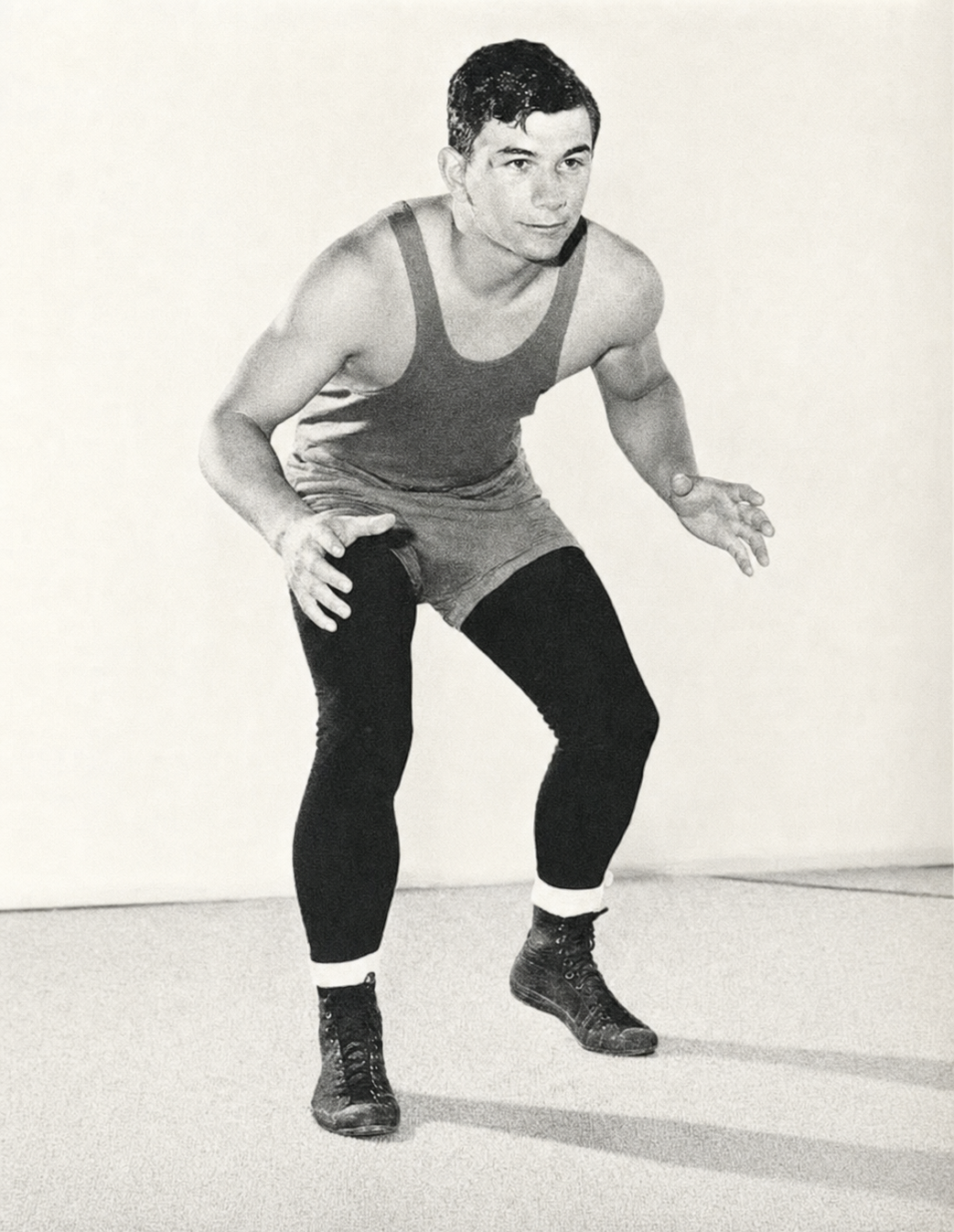
The Brisco athletic bloodline was formidable from top to bottom. Brother Gene was an All-American basketball player who attended college before serving in the Air Force. Brother Bill was an All-Marine football player who received a tryout with the San Francisco 49ers in the 1960s. The two oldest brothers had served multiple tours of duty overseas, something that hung over Gerald’s own military decisions later in life.
“I got no issues with those boys over there,” he said of the Vietnamese, echoing a sentiment that cost Muhammad Ali his heavyweight championship in the same era, “and I wasn’t going.”
He navigated his draft obligation through a National Guard connection, a phone call to the commanding officer of the Oklahoma National Guard from a wrestling friend in Perry, and spent six years spread across the Oklahoma, North Carolina, and Florida units. But the athletic peer who mattered most was Jack, five years older and the closest thing Gerald had to a constant in a childhood full of moving addresses.
Gerald’s oldest brother Gene had just turned ninety at the time of this conversation, still alive along with his sister. Jack and Bill were gone. “I lost brother Jack and brother Bill a few years back,” Gerald said, settling that arithmetic quietly before moving on. The generation before him had earned its grief, and he let it rest there.
Bred by Adversity: The Hardscrabble Road That Made Gerald Brisco
Growing up with five brothers and sisters, life was lean to say the least, and opportunities were not falling out of the trees for Gerald and his siblings. Their father was a mechanic, and it was a hand-to-mouth existence for them.
“I don’t have much recall of him because he took us out to the west coast, got that California fever after the Dust Bowl. He kept us out there about two months and decided he didn’t want us anymore, so he put us on a bus and shipped us back to Oklahoma to relatives. And so my mom was a single mom with six kids at that time.”
With their father gone, their mother became the sole provider for the household. She took a job at a local glass factory, the Hazel Atlas Glass Plant in Blackwell, Oklahoma, but that bounty was short-lived. Around 1956, a tornado tore through their town and leveled the plant. The same storm took out the zinc foundry where the town’s working men made their living. Thirty-some people lost their lives. The economic damage was total. She found work as a waitress at a local establishment called Bob’s Grill, which operated in Blackwell through 2024. She made a meager living and was able to help feed her family.
“We ate a lot of meals from the kitchen because the cooks knew we didn’t have a lot of money. My two older brothers had joined the military, so it was Jack, me, and my two sisters. The owner kind of turned the other way, and the cooks fed us in the morning and the evening.”
The little income she was able to earn rarely covered the rent, and the family found themselves moving every few months after being evicted or leaving just beforehand.
“About every three or four months, we had a new address,” Gerald affirmed. His sisters stayed with an aunt and uncle, but he and Jack always kept with their mother. Jack became that father figure and took the mantle of the home. The bond between the brothers became even closer over these years, forged in a specific kind of shared hardship that has a way of either breaking people apart or tying them together for life. For the Briscos, it did the latter.
Enjoying this story? Own it forever.
No ads. No interruptions. Download the full story as a beautifully formatted PDF at just $0.99.
Get My Copy — $0.99Honed by Excellence: Danny Hodge, Oklahoma State, and the Making of Two Champions
It was during their time in Blackwell, Oklahoma, that older brother Jack began to stand out as an athlete in school. Playing the fullback position on his football team, he found in sport the stability that was sometimes lacking in his home life.
As if that was not enough, he was also a star on the basketball court and in track and field. He was a three-time Oklahoma State Champion in wrestling and All-State in football.
The boys were fans of professional wrestling in the area. “We grew up watching Danny Hodge,” Gerald said, who grew up only about fifteen miles away. Hodge was famous for his grip strength, for crushing apples and breaking pliers with his bare hands, and for the kind of legitimate toughness that made even seasoned professionals lower their voices when his name came up.
The family did not own a television. Gerald would walk down to his aunt and uncle’s house on Saturday, and his uncle would turn it to wrestling. Danny Hodge. The Great Malenko. Leroy McGuirk. Those were the Oklahoma stars coming through at the time, and that was enough to plant the seed.
Jack made up his mind to follow in those footsteps and turned down a scholarship to play football for Bud Wilkinson at the University of Oklahoma, opting instead to wrestle for Oklahoma State. It was not a decision made lightly. Wilkinson was, as Gerald put it, “like Bear Bryant before Bear Bryant,” a man who had won forty-seven consecutive games and built one of the most storied programs in college football history.
Leroy McGuirk, the former Oklahoma State national champion who promoted wrestling across the mid-South under the NWA banner, personally sent wrestlers to Blackwell to recruit Jack and tip the scales toward the mat. It worked.
Jack’s wrestling career at Oklahoma State was without peer. During his junior year, he was runner-up in his weight class to the state champion. In his senior year, he had improved to the point that he won the NCAA National Wrestling Championship, becoming the first Native American to do so. He never allowed a single point scored against him that entire championship year. He was never taken down once.
Gerry followed his brother’s example and started out in youth wrestling. He had big shoes to fill, and his brother Jack would be looking on. He wanted to wrestle heavyweight and had been training with the heavyweights to help his strength. After making the team on that slot, it was time to work on his first tournament. Jack, then in high school, had some words of wisdom for his younger brother.
“Okay. You’re wrestling heavyweight in this tournament. The guy in the finals is my principal’s son. You’d better pin him in twenty seconds or less, or don’t come home.”
A combination of respect sprinkled with a nice helping of fear was enough to drive that point home. Gerald beat the boy in nineteen seconds, securing his first tournament win.
When Jack got his scholarship to Oklahoma State, the family moved to Stillwater to be closer to the campus. A bigger town meant more opportunities for the family as well. While Jack was setting records and cementing his collegiate legacy, Gerry was participating in football and won his first state wrestling tournament in his freshman year.
The following year, he was in football practice in a full-speed scrimmage, lined up at linebacker. Eyes on the ball and following its progression, he did not see but only heard footsteps closing in on him. When he turned to look, it was too late.
“This guy clipped me, hit me from behind, knocked me down, broke both bones in my lower leg. All I can hear is, ‘Brisco, get up. Brisco, get up.’ ‘I can’t, Coach.’ I looked down at my knee and my leg was all twisted out of shape.”
Both the fibula and tibia in his leg were broken. He was carried off in an ambulance, and the year was over for both football and wrestling. The doctors were not sure he would ever compete in those sports, or any, again. This was nothing but another obstacle for him to overcome.
Gerald had also won AAU tournaments in St. Louis, Lincoln, Nebraska, Tulsa, and southern Oklahoma, the last of which was particularly meaningful because it included college-age competition. Those results generated interest from college coaches, including a full scholarship offer from the University of Colorado. His mother overruled it. Seventeen hours from home was not acceptable. Gerald went to Oklahoma State on a partial scholarship, earning books, tuition, and twenty-five dollars a month. “Back in those days,” he said, “that went a long way.”
The Cascade of Setbacks That Nearly Ended Everything
It would have been remarkable enough if the leg break had been the only setback. But Gerald Brisco’s path back to college wrestling was interrupted a second time when he contracted infectious hepatitis from drinking out of an unwashed glass during a summer painting job on the Oklahoma State campus.
Foreign exchange students were renting the apartments he was painting. He grabbed a glass, did not wash it, and drank.
“I got infectious hepatitis,” he remembered. “Had to basically drop out of school and lighten my load. Couldn’t wrestle that entire year.”
Then, while he was recovering from the hepatitis and believing himself healthy, it emerged that the same leg that had been broken two years prior contained a torn ACL that had never been diagnosed. He had competed in football and wrestling on a torn ACL for over a year without knowing it. The repair surgery ended his third season.
Two years lost, back to back, to circumstances that had nothing to do with his ability.
Jack was, by that point, succeeding in professional wrestling. The dream that had been formed watching Danny Hodge on a borrowed television was now available. The obstacle was their mother.
“The hardest sell of anything I’ve ever had to do in my life was convincing her,” Gerald admitted.
He made his case carefully: he was losing his scholarship, could not afford school, and she was already supporting two younger sisters about to enter Oklahoma State. The financial arithmetic was real. She relented.
He called Leroy McGuirk. McGuirk, the same man who had sent wrestlers to Blackwell to recruit Jack years before, had no hesitation about Gerald either. Two weeks after the call, Gerald was training at the King’s Auditorium in Tulsa. The professional wrestling career had begun.
Gerald Brisco Joins the Carnival of Professional Wrestling: Jim Barnett, Australia, and the Education No School Could Provide
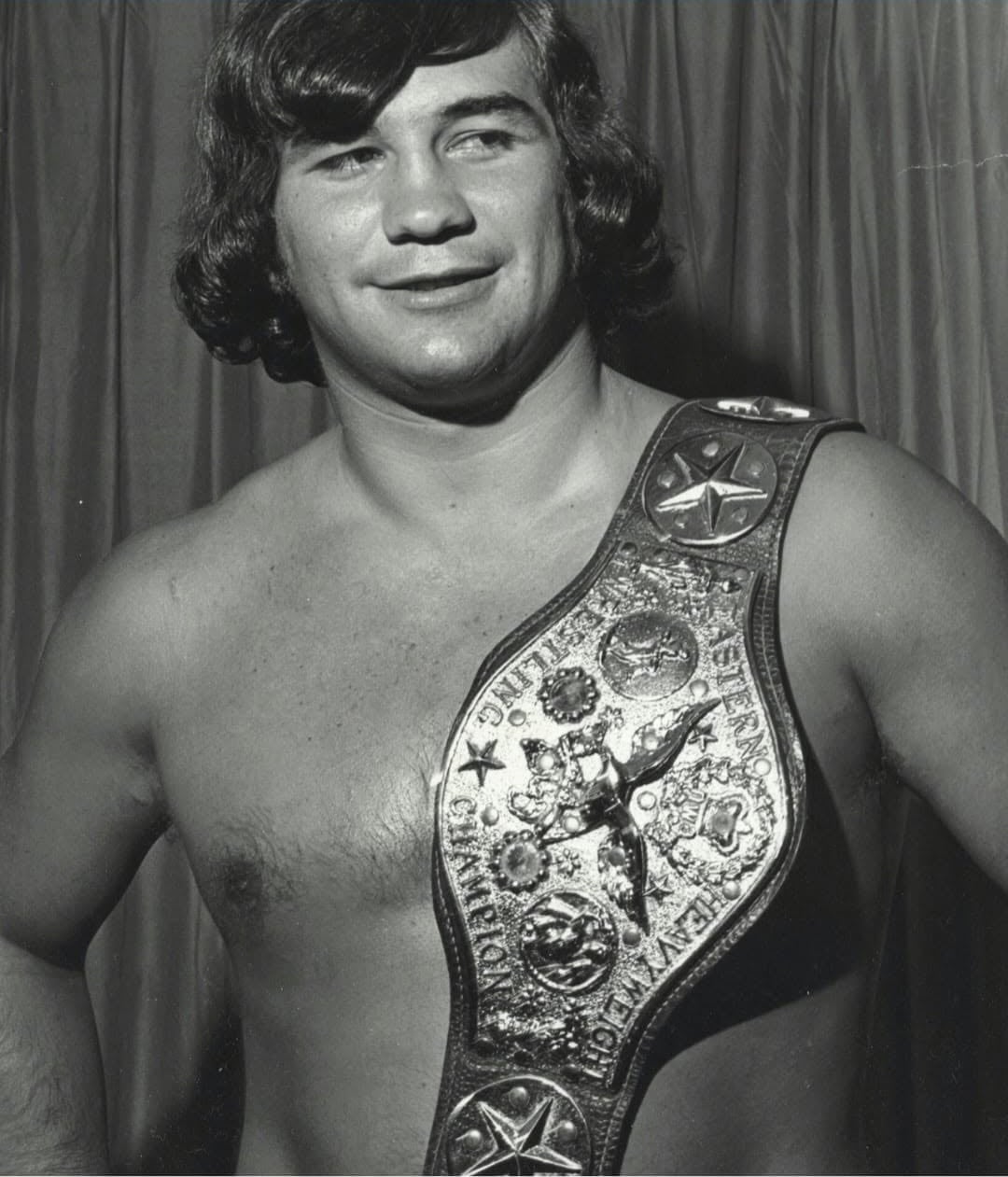
Leroy McGuirk’s NWA Tri-State territory covered Oklahoma, Arkansas, and parts of Missouri, and it was there that Gerald learned the craft from the ground up. Early match records show him working towns across the circuit in 1967, taking on opponents in Tulsa, Oklahoma City, Joplin, and Springfield, accumulating the kind of repetitions that no amount of amateur preparation could replace.
He was trained initially by Jack, adopting his older brother’s signature figure-four leglock as a calling card. The territory was a proving ground, not a showcase, and Gerald understood that distinction. He put in the work.
He did not stay in Oklahoma long. Word of the Brisco name traveled, and an opportunity arrived that few young wrestlers of that era could have imagined: a booking in Australia under the promotion of Jim Barnett. Gerald had already told all his friends he was going. When Barnett called to reduce the agreed fee from $500 to $300 a week, it barely mattered.
“If he told me all he could pay me was a hundred dollars, I sure would’ve gone,” Gerald declared. “I’d already told all my friends I was going to Australia. Back then, for a kid from Oklahoma, that was a big deal.”
Jim Barnett was openly gay in an era when that carried meaningful professional risk, and he did not apologize for it. Gerald’s description of the man is one of the more revealing passages in our three-hour conversation full of them.
“He would come up and brush the hair out of my eyes,” Gerald remembered. “I always felt a little strange when he did that, but it wasn’t an advance. It was just Jim being Jim. He was so good to me.”
What Barnett recognized in the young Oklahoman was not just ring potential. It was the quality of leadership.
“He said, ‘Gerald, my boy, you’re going to have a hell of a career. Not only in the ring, but after your career is over, backstage. I see how you are. You’re the youngest guy in my dressing room, and you get more fan mail and more respect from the veterans than most of them.’ He said, ‘You’re a natural leader.'”
That assessment would prove accurate in ways even Barnett could not have fully anticipated.
Barnett ran his Australian operation out of a suburb of Sydney called King’s Cross, which Gerald described as the party part of town. His office was above a venue called the Silver Spade, right off the main street. The environment was vivid, the performers were international, and for a kid from Blackwell, Oklahoma, all of it was something else entirely.
The Australia commitment began as three months at $500 a week, was immediately cut to $300 upon arrival, and was restored to the agreed amount two weeks later when Barnett acknowledged the original deal, and eventually climbed to $800 a week by the time Gerald left, eleven months later. The top earner in the territory was making $1,000. Gerald was right behind him.
“I was right behind King Curtis, Dominic DeNucci, all of those guys. I was making the money.”
The Australia stay was never supposed to last eleven months. It was booked as three months, but every time Gerald tried to leave, Barnett extended the deal. There was also the matter of the National Guard to manage.
Gerald had arranged with his commanding officer to compress his monthly service obligations into single week-long stints, allowing him to remain in Australia without going officially absent. That arrangement held for roughly six months. Then his mother called.
“There was a letter from the United States Army,” Gerald said. “It read if I didn’t report for duty, I was going straight to Vietnam.”
Barnett did not hesitate. He flew Gerald home, covered the cost himself, and told him to get his military obligations squared away and come straight back.
Gerald reported, completed two full weeks of service in one stretch, and was on a plane back to Sydney. When the Oklahoma National Guard finally decided they could not keep bending the rules, they called him in and told him the arrangement was over. He told Barnett. Barnett brought the run to a close, and Gerald’s eleven months in Australia ended the way they had lived, on Barnett’s terms and nobody else’s.
By the time he landed back in Oklahoma, he had saved more than $10,000. In the early 1970s, that was a serious sum. He bought his mother a new car. He gave his sister his old one. He bought himself a car. Then he pointed north and soon drove to North Carolina.
Japan, Joe Scarpa, and the Road to Florida
Before heading to the Carolinas, two more stops shaped Gerald’s early career. Through King Curtis, he was introduced to Giant Baba and booked on a six-week tour of Japan.
It was a different education than in Australia, tighter, more structured, and an introduction to the discipline of Japanese wrestling that would influence him throughout his career.
After Japan, a brief stop in Florida proved decisive. Brother Jack had already established himself there, having been brought in through Joe Scarpa, who would later become Chief Jay Strongbow. Jack had briefly worked for Fritz Von Erich in Texas, but, as Gerald told it, Dory Funk Sr. had been protective of Junior and did not want his son outshone by a decorated amateur. Scarpa offered an alternative.
“Jack said, anywhere I can get out from underneath Fritz’s control,” Gerald recalled. Eddie Graham signed Jack. Gerald came down for a few weeks on a specific assignment.
The angle was elegantly simple. Jack’s plane was advertised but delayed. A Florida heel named Dale Lewis took to the microphone and started cutting the Brisco brothers down for being no-shows, weak Oklahomans, all of it. Gerald, already in the building, stormed out and defended his family’s honor.
He took a beating from Lewis. He was locked into what Lewis called the Lewis Lock and would not quit.
“Gordon Solie called it as only Gordon could,” Gerald recalled. “He said, ‘He’s got that Native American spirit. He won’t give up. He’s a Brisco. That bloodline won’t let him quit.'”
Then Jack arrived, late from his flight, suitcases in hand, and cleaned house. From that point forward, the Brisco brothers were remembered in Florida as proud Native Americans. Gerald made sure it stayed that way.
“We would never wear the feathers and face paint, because we did not want to disgrace the heritage. We wanted it to mean something real, and it did.”
There was a side note to that Florida debut that Gerald told with obvious enjoyment. He was staying with twin girls he had met in the area, sharing their apartment for two weeks while doing the program. He was still wearing the required arm sling from the angle.
One afternoon, the twins were washing their cars in the Florida heat, and Gerald, helpful as ever, took the sling off to give them a hand. Who drove by but Stu Ward, Eddie Graham’s number one referee and office confidant.
Ward went straight to the office. The next morning Graham called.
“He said, ‘Kid, do you like this business?’ I said, ‘I love the business, Eddie, you know that.’ He said, ‘Do you respect what we’re doing?’ I said, ‘Of course I respect it, Eddie.’ He said, ‘What the hell were you doing without your sling on?’
“It taught me a real business lesson that day about keeping kayfabe wherever you are in the state of Florida.”
The Ribs, the Rookies, and the Economy of the Road
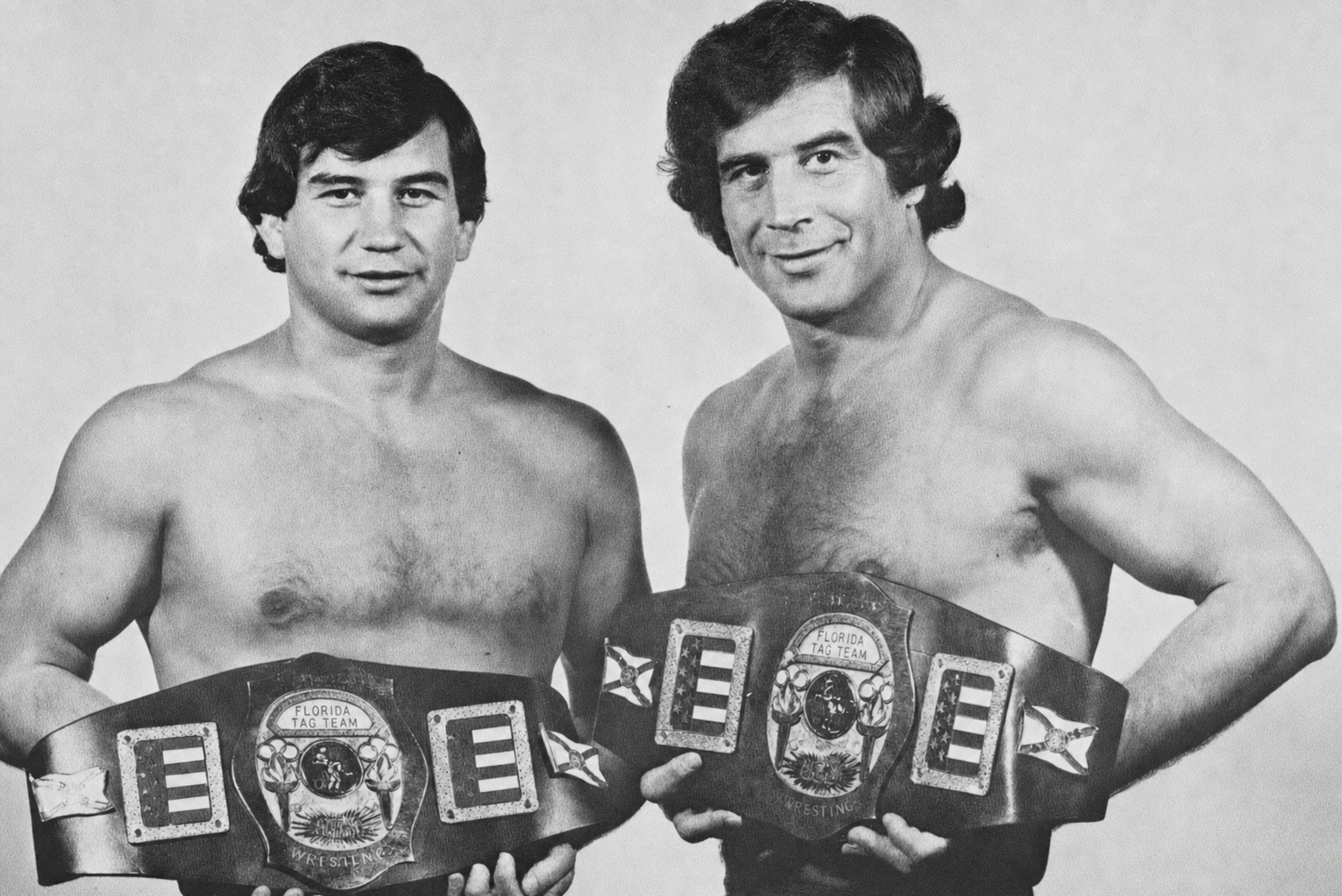
The territory road was long and frequently absurd, and the pranks, or ribs as the road called them, were practically a second profession.
Paul Jones, a performer working in the Carolinas alongside Gerald, who desperately wanted an introduction to Eddie Graham in Florida, walked into one of the most elaborate setups the Brisco brothers ever produced.
Gerald and Jack told Paul that Graham was hosting a wedding reception and to dress formally. It was the middle of July in Tampa. Jones arrived at the airport in a solid white suit, coat, and tie in what Gerald estimated was a hundred-and-twenty-degree Florida humidity. Gerald and Jack were in shorts.
Eddie Graham answered the door, working on his fishing boat in shorts, took one look at Jones in full formal wear, and immediately started giving him grief. Jones had gone through $ 700 worth of custom tailoring for nothing.
Jones had just purchased a brand-new blue Cadillac with a white custom top. While Jones was being lured into the clubhouse to escape the heat, Jack slid into the Cadillac, drove it to the back of the complex, and hid it. Jones returned to find his new car gone from the parking lot. He nearly called the police.
“He got to the last number,” Gerald remembered, “and that’s when Jack burst out laughing.”
The rookies, meanwhile, received a different kind of treatment. Gerald and Jack liked to drink on the road.
“We’d get a young rookie, and their payment was to drive us around in my car or Jack’s car. All the rookies went for it. No open container laws. We’d sit in the back and drink and smoke the whole way home.”
It was not hazing in any malicious sense. It was the economy of the road, where the veterans had the payoff and the young guys had the obligation. Everyone understood the deal.
Terry Bollea, Hiro Matsuda, and the Truth Behind the Twisted Ankle
One of the most discussed incidents in Florida wrestling history involved a young Terry Bollea, later known to the world as Hulk Hogan, and a workout with Hiro Matsuda, the promotion’s legitimate-submission specialist who served as the gatekeeper for anyone wanting to break into the business through Eddie Graham’s operation. Gerald was there. He helped set up the workout.
“It gets exaggerated to the point where he amputated his leg,” Gerald joked. “That’s not what happened.”
“Well, here’s what happened,” Gerald began. “Terry showed up. He had tennis shoes on. I have to give him credit because he played music with his band Ruckus till three o’clock in the morning and was at the Sports Auditorium at eight o’clock the next morning ready to work out.
“Terry starts to show he is not in great condition, cardio-wise. So, you know, that means a lot to Matsuda, how you show up. So he’s working Terry out, and Terry starts blowing up a little.
“‘Okay, well enough of that exercise, let’s do a little bit of wrestling.’ He dropped down, grabbed Terry’s leg, and started twisting it. Terry’s got a high pain threshold, and he’s not selling, not responding at all to what he’s doing to him. I mean, you could hear the ankle snap. It wasn’t a broken ankle. It was just a severely twisted ankle.
“Terry rode out of the ring, ‘I’ll be back.’ Sure, you’ll be back. Two weeks later, Terry comes back. By this time, he’d got himself a pair of boots, laced up tight instead of tennis shoes. He showed up in shape and made sure he took the night off before the workout so he wouldn’t gas out or anything.
“Nobody said to break his ankle. Nobody.” Gerald paused on that. “That’s just how Matsuda operated. Matsuda gets casted as a really bad guy for doing this, but he was just doing his job. He wasn’t doing anything out of the ordinary. If somebody came in and was respectful to the business and was really trying, you didn’t hurt them. You just taught them. Unless they got smart with you, or disrespected what you were doing, then you put the hurt on. But those things never happened unless it was deserved.”
If someone came in disrespecting the business, consequences followed. If they came in genuinely trying and showing respect, Matsuda was a teacher. The distinction mattered to Gerald, who had come up through the same culture and understood the logic of it.
Love Pro Wrestling Stories? Add us as a Preferred Source on Google so our stories always show up first for you. It only takes one click.
Add Us on GoogleChampions in Different Directions: How Gerald Brisco Kept the NWA World Running
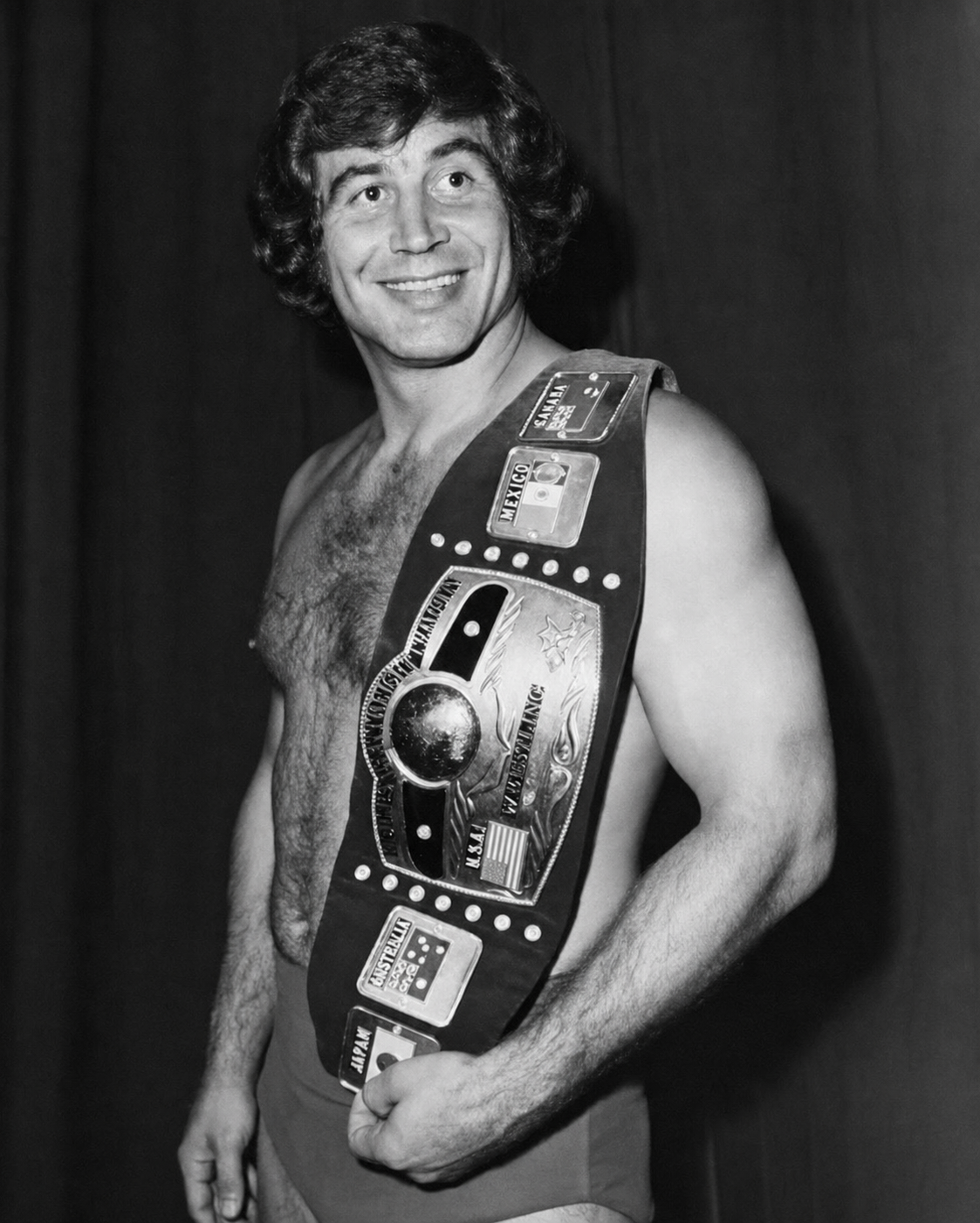
Jack Brisco captured the NWA World Heavyweight Championship on July 20th, 1973, at the Sam Houston Coliseum in Houston, Texas, defeating Harley Race in a two-out-of-three falls match. NWA president Sam Muchnick came in person from St. Louis to present the belt.
Eddie Graham was there. Pat O’Connor was there. It was a title transition that had been building for months, with Jack originally scheduled to win the belt from Dory Funk Jr. before Funk was injured in a vehicle incident on the family ranch in Texas.
Race, then a heel, served as a transitional champion, winning the title in Kansas City on May 24th, 1973, and losing it to Jack less than two months later in Houston.
Jack had systematically worked through every top name in the territory, including Superstar Billy Graham, the Sheik, and Abdullah the Butcher, so that when the title finally changed hands, it meant something.
Gerald was not in the building that night, but the aftermath of Jack’s title reign defined his own career for years to come. With Jack carrying the NWA’s top championship, the machinery of the territories required that Gerald remain credible and warm across multiple booking offices simultaneously. The NWA Southern Heavyweight Championship became the vehicle.
“The Southern Belt was designed to keep me hot in the Carolinas, hot in Georgia, and hot in Florida,” he said. “Jack was carrying the major belt. I was the setup man.”
Gerald was, in his own unflinching phrasing, “the fall guy.” He also made, in his own equally unflinching assessment, “a hell of a lot of money” doing it.
He went into Memphis and put Jerry Lawler over so Lawler could work a program with Jack. He went to Houston, to Kansas City, wherever the territory needed a credible Brisco to make a local star look important. It was unglamorous, intelligent, and lucrative in equal measure.
The NWA World title schedule that Jack maintained as champion was a different level entirely. Gerald picked him up once in Richmond, Virginia. They worked that night against the Andersons in a forty-five-minute Broadway.
Gerald then drove his brother to Washington, D.C., where Jack caught a plane to Tokyo.
He worked an hour Broadway with Giant Baba. Gerald picked him up two nights later in St. Louis and drove him to the Kiel Auditorium, where he went another hour against Harley Race.
Three nights, three different cities, multiple hour-long matches. That was a typical four-night schedule for the NWA World Heavyweight Champion.
“He was totally burned out,” Gerald admitted. The toll of that schedule would shape every decision both brothers made about the future.
Dick Slater, Dick Murdoch, and the Men Who Deserved More
The Southern Heavyweight Championship also brought Gerald Brisco into repeated programs with Dick Slater, a performer he described with genuine warmth and some frustration on Slater’s behalf.
“Dickie Slater, what a competitor, what an athlete,” Gerald reflected. “He probably doesn’t get the credit he deserves because he was caught in a time warp between Terry Funk and Dick Murdoch and couldn’t make up his mind which one he wanted to be. He was a combination of both of them.”
Slater was also responsible for one of the more memorable dressing room incidents of Gerald’s career, when a fireworks misadventure near Wahoo McDaniel resulted in a burning hole through Gerald’s brand new, $125 custom jeans. Gerald and Slater were nose to nose over it before Wahoo stepped in to defuse the situation. “I was glad he stepped in,” Gerald admitted with a laugh, “because Dickie probably would have kicked my ***. He was legitimately tough.”
The NWA Florida Junior Heavyweight Championship also came Gerald’s way during this period. His lifelong dream had been to win it by defeating Danny Hodge. When the belt came through a different path, the achievement was real but the personal meaning was diluted.
“When you grow up idolizing somebody and that’s the man you’ve targeted your whole career,” Gerald recalled, “and then it doesn’t happen that way, it just doesn’t mean the same.”
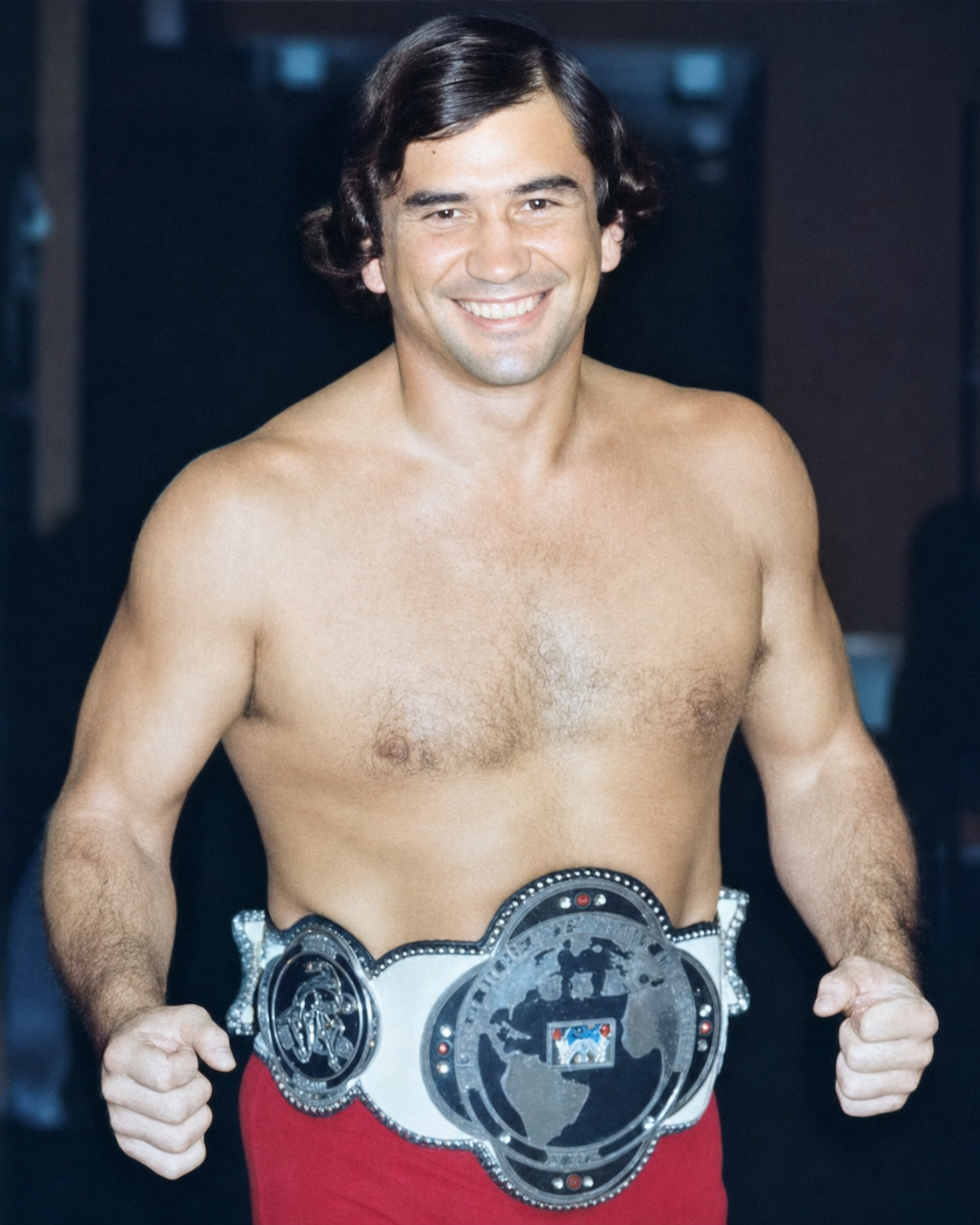
Gerald also deliberately did not want to be permanently classified as a junior heavyweight. Eddie Graham had applied the same thinking to others, including a young Superstar Billy Graham, whose path to heavyweight title opportunities would have been complicated by a junior heavyweight designation. Gerald understood the booking logic and appreciated that Eddie was protecting his future while giving him a short-term title run that kept him visible.
Ole Anderson was another figure who merited specific context. In the ring, Gerald noted, Ole was among the four performers he would most want to share the ring with on any given night.
“He challenged you every night. If you couldn’t hold up your end, he would eat you alive. But if you could, it was as good and as smooth and as gentle as anybody ever could be.”
As a business partner in Georgia, however, it was a different story. When financial irregularities began surfacing in the Georgia operation, with checks disappearing and multiple booking income streams converging in one person’s hands, Gerald and Jack had seen enough.
“We were making nothing,” Gerald emphasized. “The stockholders at Georgia weren’t making a dime.”
That situation would eventually push them toward the phone call that changed everything.
With hundreds of amazing Pro Wrestling Stories to dive into, where do you start? Get the inside scoop, join our exclusive community of wrestling fans! Receive 10 hand-picked stories curated just for YOU, exclusive weekly content, and an instant welcome gift when you sign up today!
Investing in Their Future: Brisco Bros. Body Shops, Real Estate, and Two Brothers Who Planned Ahead
The financial arc of Gerald Brisco’s career is one of the more instructive stories the territory era produced. He had saved money from Australia when most young performers in his situation would have spent it. He bought his mother a car when he got home. He reinvested earnings from wrestling into tangible assets rather than allowing the life of the road to consume everything.
By the time he and Jack were winding down their active careers, they owned the Brisco Bros. Body Shop in Tampa, which grew from four employees up to thirty-five at its peak, a small real estate company with approximately twenty-five rental houses, and additional investment properties scattered across the Tampa area.
“The financial part of it wasn’t, wasn’t catastrophic,” Gerald reflected of his eventual transition away from active competition. “We were fine.”
The body shop was doing tremendous business. The rental houses were growing. The financial position gave both brothers the ability to make decisions from strength rather than necessity, and that made every subsequent career move more deliberate.
Gerald could choose to take the local promoter arrangement in Michigan, Ohio, and West Virginia precisely because he did not need to take whatever Vince McMahon sent his way. Jack could retire if he so wished to precisely because retirement was not a financial disaster.
The philosophy behind it all came from an unlikely mentor. Frank Freeman, a Miami real estate man and ring announcer with deep ties to the Angelo Dundee circle, had taken a liking to both brothers early on, recognizing that they were young men hungry to learn.
“Diversify,” Gerald recalled Freeman telling him. “Do everything you could possibly do to make money. More options you have bringing money in, the more money you’re gonna make. Don’t stick with one thing. Diversify yourself.” Gerald let that be his model for the rest of his life.
Family was the other side of that equation. Gerald had two sons, and the road schedule of the territory era was not compatible with the kind of fatherhood he intended to provide.
“I didn’t wanna be one of those fathers that I was missing everything,” he explained. He knew what the road did to marriages and to men. He watched it happen around him constantly.
Ricky Steamboat’s departure from the Mid-Atlantic program, Gerald noted, was connected in part to the same pressures.
“His wife got tired of being on holidays and birthdays and stuff like that,” he recalled. “And you call, you get chewed out for not being there or something.”
I then offered a former road trucker’s version of the same truth, and Gerald nodded along without hesitation. “Damned if you do. Damned if you don’t. But that was the life we chose.”
He chose it with full awareness, and he chose the exit carefully when the time came.
Real Autographs. Only Few Remain.
These are hand-signed originals sold directly by Pro Wrestling Stories. Once they sell out, they are gone for good.
Own a Piece of Wrestling History
-

Johnny Rodz Signed WWF 8×10 Photo Autograph
$30.00 Add to cart -
Johnny Rodz Signed WWF 8×10 Photo Autograph
$30.00 Add to cart -
Jerry “The King” Lawler Signed WWE 8×10 Photo Autograph 2
$50.00 Add to cart -
Bushwhacker Luke Signed WWF 8×10 Photo Autograph (The Bushwhackers)
$30.00 Add to cart -
Fred Ottman Signed WWF 8×10 Photo Autograph (Typhoon)
$35.00 Add to cart -
Raven Signed 8×10 Photo Autograph
$35.00 Add to cart -
Missy Hyatt Signed 8×10 Photo Autograph
$35.00 Add to cart -
Sunny (Tammy Lynn Sytch) Signed 8×10 Photo Autograph
$35.00 Add to cart -
Steve Keirn Signed WWF 8×10 Photo Autograph (Skinner)
$30.00 Add to cart -
Steve Keirn Signed WWF 8×10 Photo Autograph (Fabulous Ones)
$30.00 Add to cart -
Barry Windham Signed 8×10 Photo Autograph
$40.00 Add to cart -
Jerry Lynn Signed 8×10 Photo Autograph
$35.00 Add to cart -
Bushwhacker Luke Signed WWF 8×10 Photo Autograph (pictured with Bushwhacker Butch)
$30.00 Add to cart -
Kevin Sullivan Signed 8×10 Photo Autograph (Deceased Legend)
$45.00 Add to cart -
“Hacksaw” Jim Duggan Signed WWF 8×10 Photo Autograph
$40.00 Add to cart -
Sunny (Tammy Lynn Sytch) Signed WWF 8×10 Glamour Photo Autograph
$35.00 Add to cart -
Ken Patera Signed WWF 8×10 Photo Autograph
$35.00 Add to cart -
Marcus “Buff” Bagwell Signed WCW 8×10 Photo Autograph
$30.00 Add to cart -
Sunny (Tammy Lynn Sytch) Signed WWF 8×10 Photo Autograph (WWE Hall of Fame)
$35.00 Add to cart -
Tito Santana Signed WWF 8×10 Photo Autograph
$35.00 Add to cart -
Koko B. Ware Signed WWF 8×10 Photo Autograph
$45.00 Add to cart -
D’Lo Brown Signed WWF 8×10 Photo Autograph
$30.00 Add to cart -
Jimmy Hart Signed WWF 8×10 Photo Autograph (pictured with Bret Hart & Jim Neidhart)
$35.00 Add to cart -
Johnny Rodz Signed WWF 8×10 Photo Autograph (wrestling Tony Atlas)
$30.00 Add to cart -
Larry Zbyszko Signed WCW 8×10 Photo Autograph
$40.00 Add to cart -
Leaping Lanny Poffo Signed WWF 8×10 Photo Autograph (Deceased Legend)
$45.00 Add to cart -
Johnny Rodz Signed WWF 8×10 Photo Autograph (pictured with Captain Lou Albano)
$30.00 Add to cart -
Brutus the Barber Beefcake Signed WWF 8×10 Photo Autograph (with Ultimate Warrior)
$35.00 Add to cart -
Nikolai Volkoff & Boris Zhukov Signed WWF “The Bolsheviks” 8×10 Photo Autograph (Deceased Legend)
$60.00 Add to cart -
Justin Credible Signed 8×10 Photo Autograph 2
$30.00 Add to cart -
Leaping Lanny Poffo Signed WWF Turnbuckle Pose 8×10 Photo Autograph (Deceased Legend)
$45.00 Add to cart -
Justin Credible Signed 8×10 Photo Autograph
$30.00 Add to cart -
Vince Russo Signed 8×10 Photo Autograph
$35.00 Add to cart -
The Tonga Kid (Sam Fatu) Signed WWF 8×10 Photo Autograph
$35.00 Add to cart -
Ken Patera Signed WWF 8×10 Photo Autograph (pictured with Bobby Heenan & John Studd)
$35.00 Add to cart -
Fred Ottman Signed WCW 8×10 Photo Autograph (The Shockmaster)
$35.00 Add to cart -
Jimmy Hart Signed WWF 8×10 Photo Autograph (pictured with Hulk Hogan)
$35.00 Add to cart -
Johnny Rodz Signed WWF 8×10 Photo (wrestling Andre the Giant)
$30.00 Add to cart -
Butcher Paul Vachon Signed WWF 8×10 Photo Autograph (Deceased Legend)
$45.00 Add to cart -
Tito Santana Signed WWF 8×10 Photo Autograph (Strike Force)
$35.00 Add to cart -
Bushwhacker Luke Signed WWF 8×10 Photo Autograph (of The Bushwhackers)
$30.00 Add to cart -
Jerry “The King” Lawler Signed 8×10 Photo Autograph
$50.00 Add to cart -
“Greg the Hammer” Valentine Signed WWF 8×10 Photo Autograph
$45.00 Add to cart -
Leaping Lanny Poffo Signed WWF Frisbee Pose 8×10 Photo Autograph (Deceased Legend)
$45.00 Add to cart -
Nikolai Volkoff Signed WWF 8×10 Photo Autograph (Deceased Legend)
$45.00 Add to cart -
Bushwhacker Luke Signed WWF 8×10 Photo Autograph (with Bushwhackers Butch)
$30.00 Add to cart -
Larry Zbyszko Signed 8×10 Photo Autograph 2
$40.00 Add to cart -
Sunny (Tammy Lynn Sytch) Signed WWF 8×10 Photo Autograph
$35.00 Add to cart -
Nikolai Volkoff Signed WWF 8×10 Photo Autograph 2 (Deceased Legend)
$45.00 Add to cart -
Sabu Signed WWF 8×10 Photo Autograph (Deceased Legend)
$55.00 Add to cart -
Johnny Rodz Signed WWF 8×10 Photo Autograph (pictured with The Grand Wizard)
$30.00 Add to cart -
Hornswoggle (Dylan Postl) Signed WWE 8×10 Photo Autograph
$30.00 Add to cart -
Baby Doll (Nickla Roberts) Signed 8×10 Photo Autograph (pictured with Ric Flair)
$35.00 Add to cart -
Bushwhacker Luke Signed WWF 8×10 Photo Autograph
$30.00 Add to cart -
Brutus the Barber Beefcake Signed WWF 8×10 Photo Autograph 2
$35.00 Add to cart
Exodus to the Frozen North: Steamboat, Youngblood, and One Last Run as a Worker
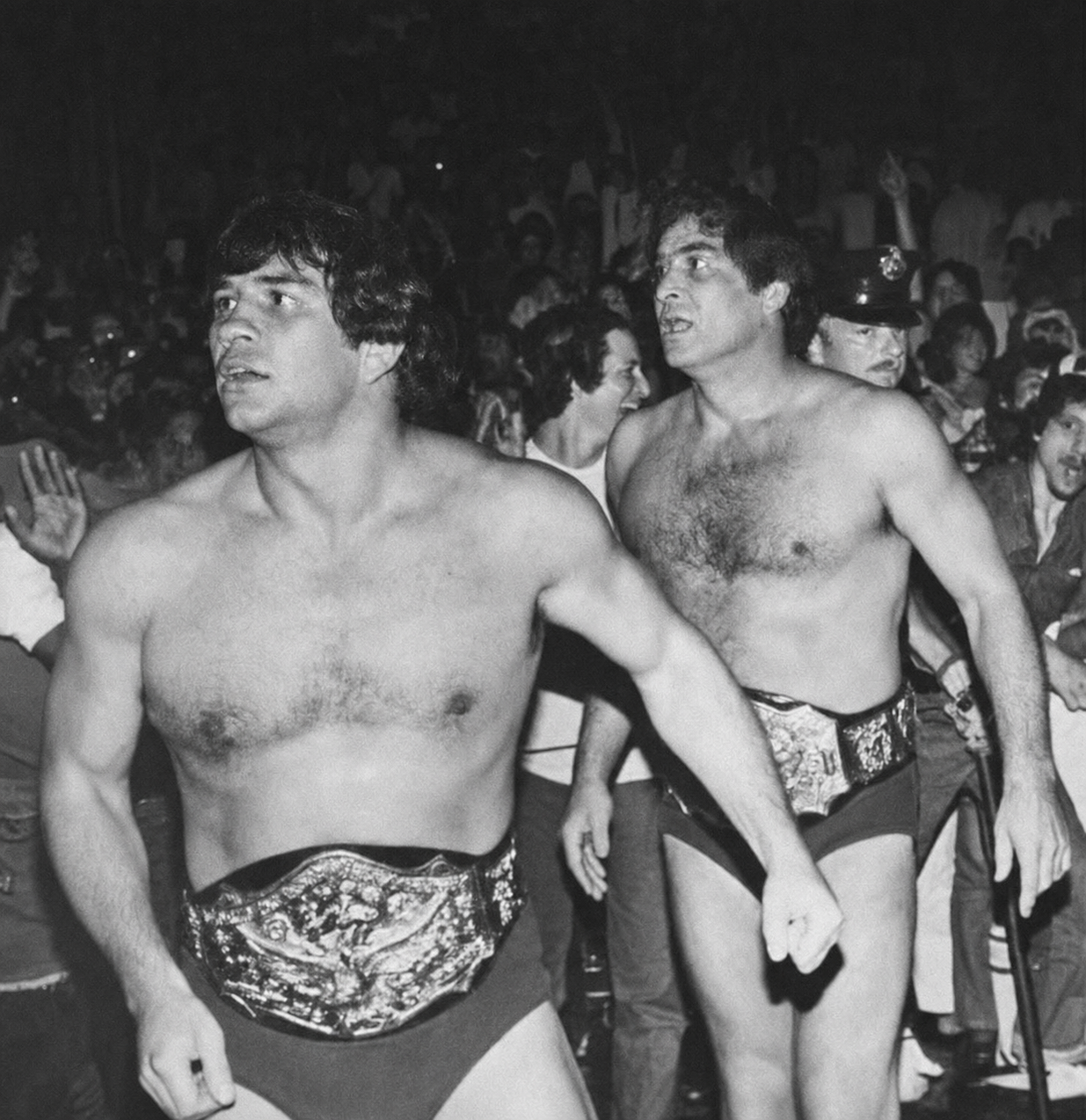
The call that brought Gerald and Jack Brisco to Jim Crockett’s Mid-Atlantic territory in 1983 came out of both opportunity and circumstance.
Jack had reached the end of his pro wrestling career ambitions, running the Brisco Bros. Body Shop in Tampa, watching the investments grow, and checking out of the professional wrestling business psychologically. Gerald was working as a local promoter on the Michigan, Ohio, and West Virginia circuit, appearing only every other week. Gerald’s son Wes had just been born.
Then the opening appeared. Sergeant Slaughter and Don Muraco had taken their heat north to the WWF. Ricky Steamboat and Jay Youngblood were the top babyfaces in Crockett’s program but needed a credible heel tag team to work with. Sarge and Don had, in Gerald’s words, “probably the greatest feud ever in tag team wrestling up there,” and now the slot was open.
“Then this opportunity comes along to get to Carolina and work with Ricky and Jay,” Gerald recalled. “And why not, you know, let’s do it.”
The hook they developed for the heel turn was not generic resentment. It was specific and, more importantly, logical. The two brothers had won championships across every territory and every promotion they had worked, but one distinction had eluded them.
Jack and I had won every tag team belt there was to win,” Gerald noted, “but we had never been classified as World Tag Team Champions. Crockett was using that belt at the time. So Jack and I talked about it and Jack told me, ‘This is my last run. I’m gonna quit the business after this.'”
What followed was not a simple handshake agreement. It took persistent negotiation just to get Crockett to agree to the premise. Jimmy Crockett ran three towns a night and needed all the babyfaces he could find. Convincing him to turn his two most credible veterans into heels was not a straightforward conversation.
“It took us forever to talk Jimmy Crockett into letting us turn heel,” Gerald explained. “Ricky and Jay were his top babyfaces. He had to, you know, think about that one long and hard.”
Once the turn was approved, the brothers were precise about how they wanted it framed. They came up with the angle on a car ride back from Raleigh, and the logic they agreed on became the backbone of everything that followed.
“We didn’t make it about us hating Ricky and Jay,” Gerald continued. “People wouldn’t buy that. But they’ll buy Jack and I going after something we never had. So we kind of made the title the issue more than anything else. We said, ‘We’ve won every belt there is to be had, but we’ve never been World Tag Team Champions together.’ We’re going to win this title and go back to Florida and retire with it. It just made the title mean something. It made our heel turn mean a little bit more than us just all of a sudden being the bad guys.”
The Brisco Brothers won the NWA World Tag Team Championship from Steamboat and Youngblood on June 18th, 1983, in Greenville, South Carolina, and the program produced multiple title changes before it concluded at Starrcade in Greensboro on November 24th, 1983. When Gerald looked back on what made those matches work, his answer was direct.
“When you have four guys out there that were good athletes, that had no ego during the course of the match, you’re gonna have magic out there,” he reflected. “We were in sync to do one thing, which was to entertain the people.”
The Road Warriors were also in the picture at that point, finishing up their Georgia commitments alongside the Briscos. In Cleveland, Animal pulled Gerald and Jack aside with a warning. He told them that a $5,000 bounty had been offered to anyone willing to break a bone in either Brisco. Animal had turned it down and came to warn them, and he urged them to keep the conversation between the four of them.
“He said, ‘Please don’t tell anybody. If you tell anybody, we’ll deny we told you,'” Gerald recounted. “He said they’d talked to several guys and told them, ‘Give them a $5,000 bonus if they break a bone, either your leg or your arm.’ He said, ‘We told them to go to hell, because you guys have been really good to us and we respect you for what you’ve done.'”
Animal added that one man had apparently decided to take the bounty up. Gerald and Jack knew exactly who it was and greeted the news with laughter rather than alarm. The man had been around them long enough that they had spent years working him over in conditioning drills just to keep him upright. They were not concerned. Both Road Warriors gave their word they would be straight. To their credit, they were.
“Animal was the one that smarted us up on that,” Gerald acknowledged. “And I tend to believe that one.”
It was one more reminder that the road, even in its final chapter, carried edges that did not always show from ringside.
Newark Airport, a Blizzard, and the End of a Career
The finality came in stages. After the Crockett program wrapped, Gerald and Jack honored their remaining commitments and headed home to Tampa. The body shop was booming. The retirement felt real.
Then the phone rang.
“Vince called me and he said, ‘I need you guys to help. You guys told me that if I ever needed help, you’d be there,'” Gerald recalled. “He said, ‘I put off calling, but I need some help. We had to let the Freebirds go. They had a little disagreement with Andre the Giant. They showed up drunk and Andre had them fired. I need somebody to come in and finish up their bookings. Just a short run, if you guys will help me.'”
Gerald was in immediately. Talking Jack back into it was the harder sell. Jack had just turned forty-four, was out of shape by his own standards, and had made up his mind that the professional wrestling business was behind him. Gerald worked the angle.
“I told him, ‘It’s a short period of time. We’re helping George Scott out; we got George Scott his booking job. We’re helping George out, and we’re helping Vince out. We’ll make ourselves a nice little payday,'” Gerald recalled saying to his brother.
“Jack said, ‘All right, I’ll do it for a few weeks and nothing more.’ He said, ‘By the way, who are we working with?’ I said, ‘Murdoch and Adonis.’ He said, ‘That’s perfect. Those guys will take care of us.'”
A two-week commitment turned into months, working against Dick Murdoch and Adrian Adonis across the WWF circuit. The matches were, by any honest accounting, among the finest tag team work either Brisco had done in years, four men with no egos sharing a ring and producing something that people still talk about. Gerald was proud of that run to his core.
The road and the cold finally had their say. The Briscos flew in from Los Angeles to Newark, New Jersey in the middle of a blizzard. Don Muraco met them at the gate. They walked into an airport bar and stayed until they could not stay any longer. Then they walked out into the full force of the storm.
“Jack froze his *** off,” Gerald laughed. “We’d just come from LA where it was nice. And we knew it was nice in Florida. We couldn’t even see the car for the snow packed around it.”
Jack looked up. A plane overhead was banked south.
“‘You see that airplane, Gerald?’ he asked me. ‘It’s headed south. I’m going to be on the next one.’ I said, ‘Sure.’ He turned around, walked back into the terminal, and bought a ticket to Tampa, Florida.”
Jack Brisco quit the professional wrestling business on the spot, at Newark International Airport, in a blizzard.
The retirement ceremony was more theatrical. Back in Florida, the brothers gathered their gear, loaded it into a fifty-five-gallon drum, poured fuel over it, and burned it.
“We were stupid doing that,” Gerald acknowledged with a wince. “Probably could have fetched thousands of dollars.”
Jack threw his gold Omega watch out into the lake behind the property and never wore a watch again for the rest of his life. They were also offered the opportunity to work WrestleMania I, turning heel against Mike Rotunda and Barry Windham, the U.S. Express. Jack looked at the proposal and declined without hesitation.
“‘Gerald, we just came off one of those and I’m retired,'” Jack told him, as Gerald recalled it. “‘I’m not going to get back into something where we’re wrestling two young guys and have to work our *** off every night just to keep up. I quit.’ He said, ‘You can do whatever you want, but I quit.'”
They passed. They came home. And this time, the retirement held.
Return to Florida: How Gerald Brisco Became Vince McMahon’s Southern Secret Weapon
Vince McMahon had a problem in the mid-1980s. He was expanding nationally, but his organization had no existing relationship with the building managers, local city officials, and arena operators across the American South, where the Brisco brothers had spent their entire careers building goodwill. Jim Barnett confirmed to McMahon that Gerald Brisco was the man in those rooms.
“I need some help down there,” Vince told him. “Barnett told me you were always real close to the building managers. You wanna help me out? You run my shows, I’ll make a deal you can’t refuse.”
Gerald took the agreement and went to work across North Carolina, South Carolina, and Georgia. He was not going to accept whatever second-tier card McMahon’s operation tried to send his way. He pushed back and demanded the best available lineup.
“My towns were doing good because I was always standing up to make sure I was getting the best card Vince had to offer,” he recalled. “I was getting the A-team cards instead of the B-team cards. So my business was doing great.”
What also stood out was what Gerald was doing with finishes and card flow when the visiting agents rolled into his towns. Before long, he was functionally booking entire live events while the agents sat back and collected the credit. George Scott noticed and told Vince. The structure shifted.
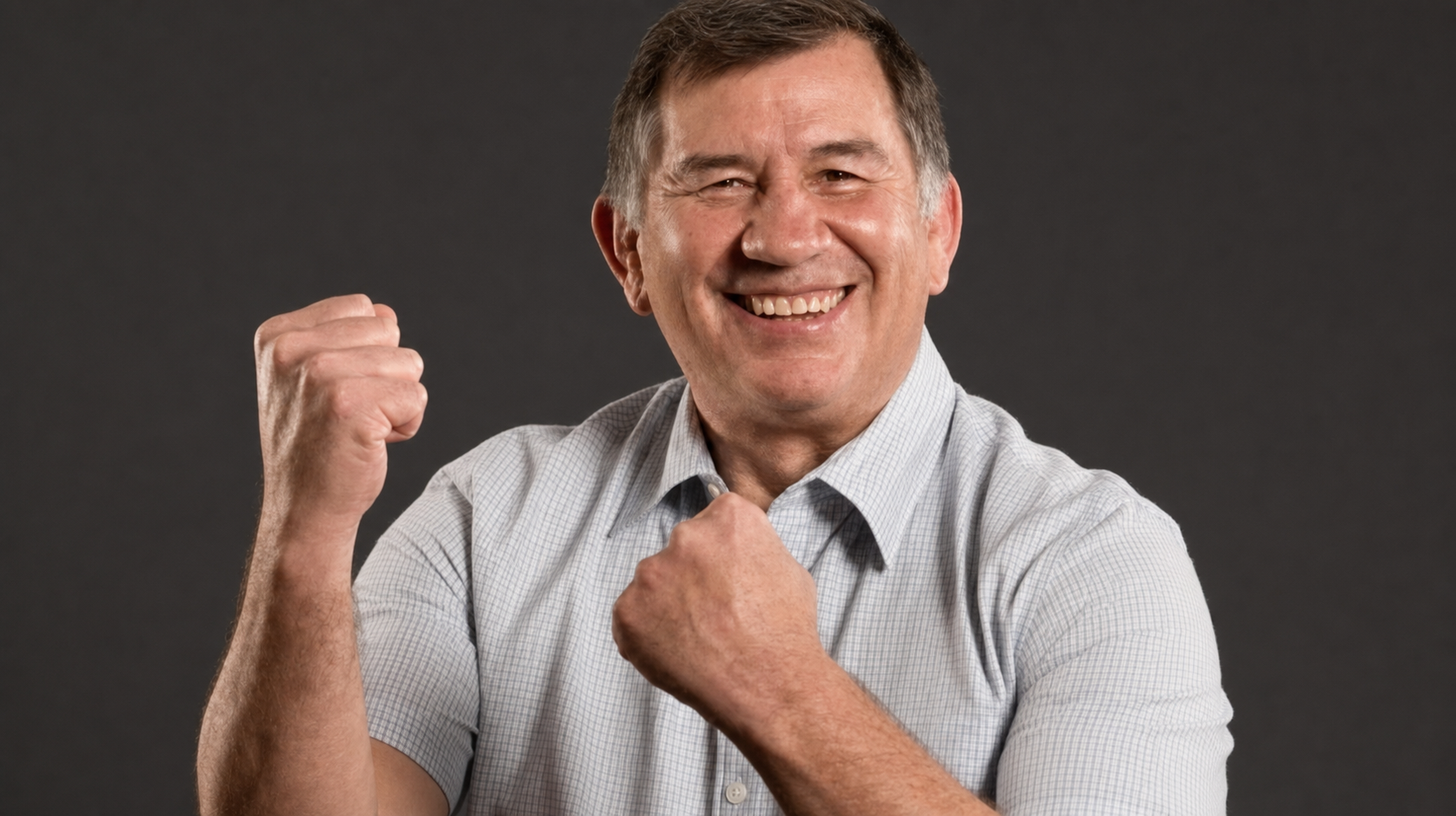
The steroid trial era of the early 1990s brought a more explicit offer. Vince McMahon assembled a small group of trusted operators around himself as insurance against whatever the courts might bring. Gerald was among the first he called.
“I can’t guarantee you anything,” Vince told him, “but I want you here, hand in hand with me in the office, just in case something happens.”
Gerald accepted, on the firm condition that he was not moving to Connecticut. He reiterated it so frequently and so cheerfully that McMahon reportedly got genuinely irritated every single time.
“I told him, the only good thing about Connecticut is I-95 South,” Gerald laughed. “He’d get pissed off every time I said it.”
Gerald never moved. He spent three weeks studying the international touring operation that had been consistently losing money, came back with a total restructure, and turned it profitable.
“We changed all the concepts and then we started making money over there.” He noted Vince McMahon was happy about that.
There was also the matter of how the Georgia stock was sold. It deserves telling in full.
Gerald and Jack had been stockholders in Georgia Championship Wrestling and had grown increasingly frustrated watching their investment generate nothing while Ole Anderson collected income from at least five separate revenue streams simultaneously.
“We did a little internal audit,” Gerald recalled. “He was getting paid to book Ohio, Michigan, and West Virginia. Plus he had a percentage we didn’t know about. He had bought Bill Watts out, which we didn’t know about. He was getting a check from Crockett for booking there, plus main event payoff. Plus he was booking Georgia and getting main event payoff. The stockholders in Georgia weren’t making a dime. He’s making six figures, high six figures. No wonder we didn’t see any money. He was keeping it all.”
One day in Jimmy Crockett Jr.’s office, word arrived that Roddy Piper had been injured at Madison Square Garden and might lose his fingers. Piper was a close friend, a traveling partner, one of their own. Gerald and Jack walked into the office and asked Crockett whether he had heard anything.
“‘You guys can call him if you want,'” Crockett told them.
Jack picked up the phone right there in Jimmy Crockett’s office and called Vince McMahon. Howard Finkel answered. Vince took the call immediately. “Jack, can you talk?” Vince asked. Jack told him not really. “When you get somewhere private, call me back. I’ve got something I want to ask you.”
They drove to Jack’s apartment. Vince was direct. “I understand you guys are unhappy in Georgia. You want to sell your stock. I’m interested in buying.”
They flew to New York. The deal got done. Gerald always appreciated the symmetry of it: the call that set a wrestling revolution in motion was made from Jim Crockett’s own office, right across the desk from Crockett himself.
Just When You Think You’re Out, They Pull You Back In: Gerald Brisco’s Involvement with the Montreal Screwjob
On a Friday afternoon in 1997, Gerald Brisco received a phone call in Florida. Vince McMahon was on the line. Bret Hart had refused to drop the WWF Championship to Shawn Michaels in Montreal, and the situation needed to be resolved.
“We’re having a little issue with Bret not wanting to drop the title in Montreal to Shawn,” Vince told him. “We need it done. I might need you to do something for me. We’ll talk when you get here.”
Gerald flew to Montreal a day early. He spent the day before the pay-per-view keeping his distance from Bret Hart, making sure Shawn Michaels was also not seen anywhere near Gerald.
At the production meeting, McMahon reached the main event section, told the room it was “to be continued,” and then sent everyone out and locked the door. He checked the bathroom to make sure no one was still in the room. Then he pulled a chair up and sat face-to-face with Gerald. Gerald thought he was in trouble.
“I need to come up with something,” Vince told him, “where Shawn can get out of it, and preferably as a tap-out. What do you got in mind?”
“This is too much for me to have something right here,” Gerald replied.
“Think about it,” Vince said. “Get with him tonight. Let’s have breakfast in the morning. By the way, Shawn’s getting in at one in the morning. I’d like you to go to his room, talk to him about the finish, and prepare him in case Bret gets physical with him.”
Gerald was sitting at the bar with Jim Ross, Bruce Prichard, and Pat Patterson when Shawn Michaels called for him.
“Shawn Michaels wants to talk to you,” the bartender told him. “Do you want to take the call here?” Gerald declined and went outside. The other three watched him go, knowing something was in motion. He went to Shawn’s hotel room. They spent two or three hours working through the finish.
“I said, ‘Shawn, I know in the past when two champions worked with each other they let each other put their finish over and move on. Do you guys have a spot in your match?’ He said, ‘Yeah, he hits me with the superkick, I kick out, and I get the Sharpshooter on him, and he gets to the ropes.’ I said, ‘When you get that Sharpshooter on, can you put it on where he can’t get to the ropes right away?'”
Shawn confirmed he could work the positioning.
The next piece was the instruction to Earl Hebner. Gerald had not yet approached Hebner, and he also had Tim White standing by as a backup official, which was standard procedure, nothing that would draw attention. As the ring entrances were getting underway, Gerald pulled Hebner aside in the stairwell.
“The bottom line is, you’ve got a job. You work for this company, and you need to do what the bosses want you to do. Can I count on you?” Hebner was reluctant. I don’t want to do it,” he told Gerald, “but I’ll do it because I feel like I have to.” Gerald walked away with his answer.
The Sharpshooter went on. Bret turned, put his hands on the mat, and began reaching toward the corner.
“As he reached out to pull himself to the corner, that to me could be construed as a tap-out,” Gerald explained. “Because he was patting the mat to pull himself in. That’s when the referee rings the bell.” The bell rang. “Ring the bell,” came from ringside. The bell rang again. “That’s when it all went down.”
McMahon himself walking out to ringside was never planned, Gerald noted. Vince did that entirely on his own, caught up in what was unfolding, and then had to live with the visual for the next thirty years. Gerald also gave Shawn one final instruction on the walk out.
“People always ask me, what did you say to Shawn on the way out? On the walk out in Montreal, if you were a heel they had to walk through the crowd. I told him, put the belt over the top of your head so if they’re throwing things or spitting at you, you can cover up with the belt. That’s why he walks out with the belt over his head like that. I said, basically, protect yourself on the way out.”
The Stooges, the Attitude Era Wave, and Feeling the Train Roll

The Montreal aftermath opened an unexpected on-screen chapter. Pat Patterson and Gerald Brisco had long been known internally as McMahon’s closest confidants. WWF writer at the time, Vince Russo, saw the comedic potential of making that relationship explicit on television and began writing segments in which the two men appeared alongside McMahon.
“We did a segment in Chicago where it was going to be a board meeting about how we were going to discipline Stone Cold,” Gerald recalled. “Pat and I were the board members. That’s how it rolled in.”
The rating spikes were immediate. Every time Gerald and Pat appeared in a fifteen-minute segment with Vince, the numbers jumped. Russo was paying attention.
“We started out as heels with Vince,” Gerald recalled, “and then organically people started liking us. We ended up being two of the hottest babyfaces they had on the roster.”
Gerald used to torment Patterson about it during the run. “I told Pat, for fifty years you and I worked in that ring trying to build some credibility to our names so we’d be remembered as great in-ring performers. That’s all gone to hell now. All we’re gonna be remembered as is two stumbling, bumbling fools!”
Patterson would get genuinely upset. Gerald found that equally entertaining.
“He’d get so mad, and I’d say, ‘Pat, forget that credibility stuff. We’re on TV and we’re over.’ He’d just stew.”
The larger context of that period, the Monday Night War against World Championship Wrestling, the audience erosion, and the eventual reversal of fortune, was something Gerald described with the kind of pride that belongs to someone who was in the room where it turned.
“We were getting our butts kicked,” he stated plainly. “We had to break down every quarter-hour rating. We knew what they were doing and how they were doing it.”
McMahon’s response was to keep preaching that the talent was superior and the commitment was there.
“We’ve got so much talent here,” Vince kept telling the group. “We’re not gonna get our *** kicked much longer. We got too much talent. Too much hard work going on here.”
Gradually, the tide turned.
“The houses started picking up, the ratings started picking up. All of a sudden, boom, Austin gets hotter. Rock comes on and he gets hot. Triple H starts getting hot. The Undertaker. Kane comes along. The New Age Outlaws catch fire. We just felt it. We felt that train rolling, and we felt unstoppable.”
The Undertaker character, Gerald was explicit about, belongs substantially to Bruce Prichard.
“Bruce handled the Taker situation. He and Mark were familiar with each other. Bruce has that knack where talent really likes him and trusts him. He gets the credit on my end, one hundred percent.”
He also specifically credited the backstage team.
“Your Jack Lanzas, your Pat Pattersons, your Bruce Prichards, your Jim Rosses. They were all competitive by nature. When everyone’s on the same page going toward the same goal, you get magic. That’s what we had. There were no egos. And that’s one of the greatest times I’ve ever had working in an office, because there just weren’t a lot of egos.”
An Agent of Attitude: A Front-Row Seat to the Business at Its Darkest
Gerald Brisco worked as a WWE road agent and producer from the early 1990s through 2008, a span that placed him at the center of the most turbulent and triumphant years the company has ever known. There was a dressing room and a set of decisions that did not always have the right answer. Gerald was in the room for all of them.
The Night Owen Hart Fell: Kemper Arena, May 23, 1999
On May 23, 1999, in Kansas City, Gerald was walking toward the gorilla position at Kemper Arena when he crossed paths with Bruce Prichard. Something in Prichard’s face stopped him before a word was spoken.
“I just see Bruce Prichard,” Gerald recalled. “He gets that glazed look. I said, Bruce, what’s wrong? He said, ‘Owen just fell. He fell from the rafters. He’s hurt bad.‘”
All the monitors backstage went dark. Gerald made his way to the curtain and peered through alongside everyone else, watching the crew work on Owen Hart in the ring below. When they loaded him onto the stretcher, he already knew.
“When they loaded him out of the ring, he was gone. I mean, he was gone.”
Vince McMahon came to Gerald directly. The instruction was clear and immediate.
“I’m gonna need you to go out into the talent and tell them it’s their choice. They can either continue or they don’t have to, and there’ll be no retribution whatsoever.”
Gerald walked into the dressing room and delivered the news.
“That was one of the roughest nights of my entire career.”
What happened next has never fully left him. The decision to continue the show that evening has circled back to Gerald in the years since, arriving unannounced in the middle of the night, sitting with him long after the fact.
“I always have mixed feelings about it,” he admitted. “Whether we should have gone ahead with the show or stopped the show. I sometimes wake up even thinking about it in the middle of the night, not dreaming about it, but just thinking what the decision should have been made that night. And there’s no winning way. There’s no winning answer to it. In the beginning, it was a nightly guilt on my part about trying to convince guys to go ahead and go out and work.”
He recalled the faces in that dressing room, the ones who had been closest to Owen, and the weight of asking them to step out under the lights anyway.
“I look back, guys like Double J Jeff Jarrett was supposed to go, and Deborah. They were all so close with Owen. Owen was so respected in the dressing room. You just don’t know at that time. You make what you think is right. In a way, I think it was the right decision to go ahead with it. And then I think, man, it wasn’t, out of respect to the family.”
He declined to put the verdict on Vince alone.
“I think it still weighs on Vince whether or not it was the right decision. Bottom line, he had the final call. Kevin Dunn came in from the truck and we were in a meeting, and the feeling was we probably need to go ahead with the show. So I had to go out and deal with the talent. And I’m not gonna judge anybody for making a decision to continue.”
He let the thought sit.
“There’s somebody with a higher authority that’ll judge that down the road.”
What gives this moment an additional dimension in the context of this article is that I (Pro Wrestling Stories author Jim Phillips) was in that building the night Owen Hart died.
My family lived close to St. Louis at the time, and we had driven up to Kansas City to buy the Sunday night pay-per-view at Kemper Arena, with plans to be at Monday Night Raw the next night in St. Louis (which ended up being the memorial). When that fact came out during the interview, the conversation shifted in a way neither Gerald nor I had anticipated.
Gerald did not ask me about it from the detached distance of a couch historian. He asked me as someone speaking to another person who had actually been there.
“You were there,” Gerald said. “You were actually there.”
I described what the building felt like from inside the stands.
The lights had gone out, and from where we were sitting, you could not see what had happened in the ring, but you could hear it.
The talking, the reaction, all of it was coming up from down below. As Jim Ross made his announcement that Owen had been hurt, word was already spreading through the crowd before most people fully understood what it meant.
I walked down by the concessions, and you could hear people all along by the merch talking, and you could tell something was bad. It was not just an accident. It took a while to get things going again after that, but by the main event, the crowd had pulled itself back in. As Gerald put it, they were “thrown back into the masses.”
“As a fan in the audience, you could feel the rest of the pay-per-view felt different,” I told him. “And then the next night in St. Louis at the memorial, oh man. So sad.”
Gerald pressed me, gently but directly, not as an outside observer but as someone who was actually in the room that night when the decision was made.
“What would you have done,” he asked, “if you were Vince?”
I told him that if I were Vince, I would have gotten ahold of the Hart family first and worked something out with them before anything else was decided.
Gerald’s response landed quietly.
“How much time do you have though?”
Not a whole lot, really. The decision had to be made in real time, in a building full of people, with a roster waiting in a dressing room and a production running live on pay-per-view. I told him that on the night itself, given everything in front of Gerald, I would have had to go along with what happened, too.
“It had to be tough on you guys sitting out in those stands,” Gerald reflected. “It had to be. It was, I hate to use the term, but it was dead in there. You had to get into something when you just watched somebody falling to their death.”
There is no clean answer to the question, and Gerald has never pretended there is. He has lived with it for many years since.
“I don’t think any of us slept an entire night,” he said. “We flew over to St. Louis and I don’t think anybody had any sleep.”
Eddie Guerrero and the Losses That Follow You Home
He was also backstage when word arrived about Eddie Guerrero. “Eddie was a tough one…” he added. Nothing more was needed.
There was also a moment Gerald described with a mix of amusement and genuine disbelief involving Dwayne “The Rock” Johnson.
Rocky Johnson was a close friend of both Brisco brothers, a tag team partner, a road companion. Jack was a devoted University of Miami Hurricanes fan and had watched the younger Johnson play football there. Whenever Rocky Sr. came to visit his parents, he would bring Dwayne by the Brisco body shop. Gerald’s son Wes collected an autograph. Years later, when Dwayne Johnson made his first steps in professional wrestling, Gerald had a front-row seat.
The Rock’s early gimmick as Rocky Maivia bothered him.
“I just thought it was a rip-off. We’d tried all these little hokey deals, with Tony Atlas and all these different things. We were taking a guy and putting him out of his element. Rocky was not a cabana boy. He was a main player. We just had him characterized the wrong way. Plus we told him to smile a lot, so he was smiling all the time. People don’t like that. Seventeen thousand fans booing Rock out of Madison Square Garden told us we had the wrong gimmick.”
The Nation of Domination solved it. Ron Simmons was the anchor who steadied the whole structure.
Ron should get a lot of credit for helping Rock grow through that Nation of Domination deal,” Gerald stated. “Rock was all ears, because he was an athlete. He knew he had to be coached. And when we finally gave Dwayne the microphone, he hit a home run. Still flying in the air.”
Gerald still gives The Rock a hard time on occasion about having known him since before he could walk on his own.
“I tell him, ‘Rock, I’m not gonna take too much of your time. I’ve known you since you were pooping in your diaper. You want me to tell that story?’ It gets him every single time.”
Gerald Brisco on Winning The WWE Hardcore Championship
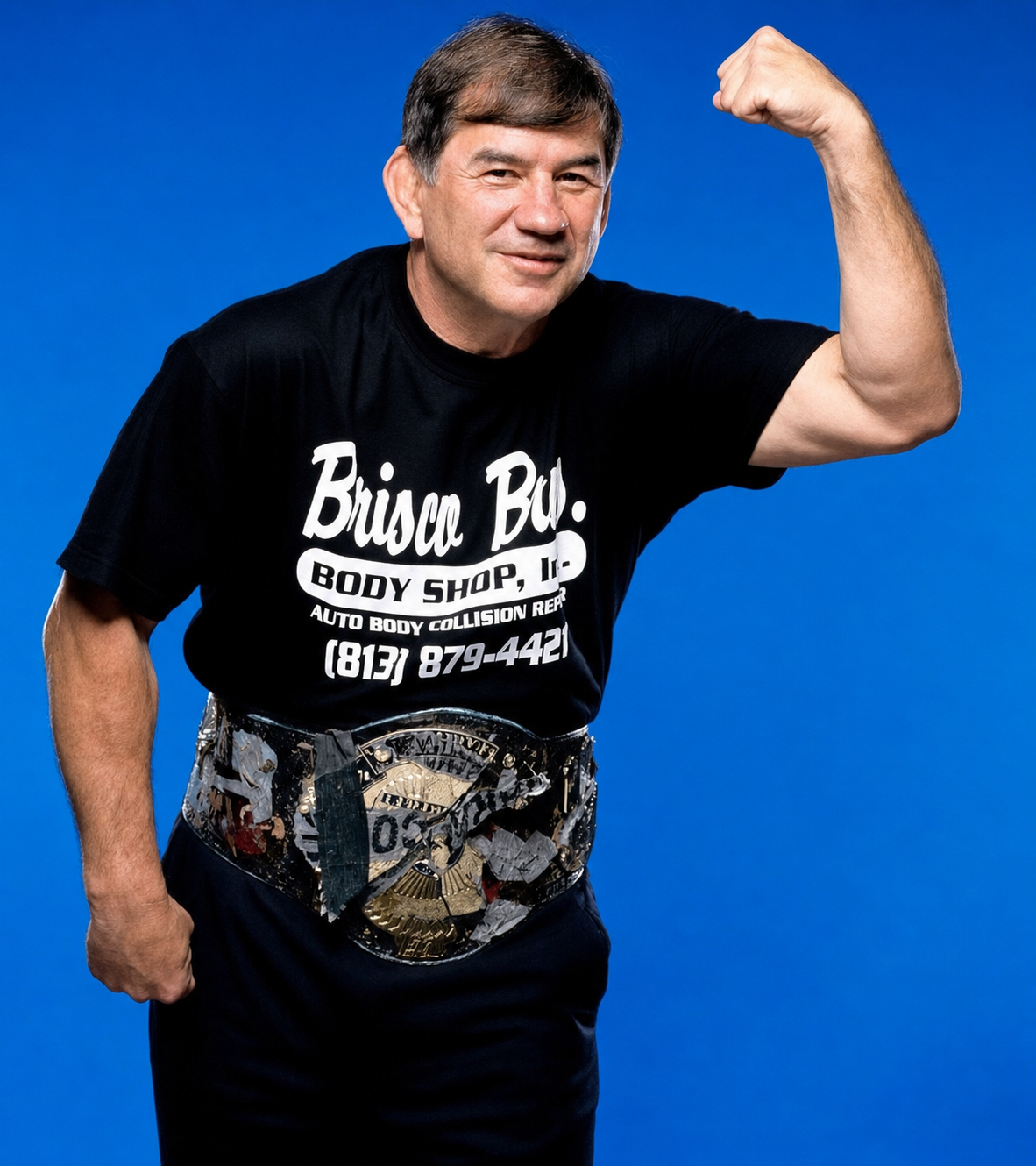
Some light moments came, too. The Hardcore Championship arrived by something close to accident.
A Detroit television taping had Sergeant Slaughter written in for the title segment, but concerns arose about what that might do to his standing as Commissioner. The feeling in the office was that putting a cartoonish belt on Slaughter would undercut his authority in that role, and the decision was made to find an alternative. Kevin Dunn was the one who put Gerald’s name forward.
They came to him during the course of the day and asked if he wanted to do it. Gerald was game, but he had a reasonable question about the mechanics of the whole thing.
“How am I going to do it?” he asked. “What are you gonna do, pin a sleeping guy? What kind of title is that? They said, ‘Just trust us.’ And Vince gave me the spill. So I trusted him, like everything else.”
A segment with guests Kid Rock and Joe C, along with the APA, followed, and it delivered.
On May 16, 2000, at a SmackDown! taping inside Detroit’s Joe Louis Arena, Gerald turned the Hardcore title’s 24/7 rule’s own logic against Crash Holly by locating the champion asleep backstage, placing a cover, and getting the referee’s three count while the man never stirred.
It was exactly the kind of absurd, chaotic energy the Hardcore division existed to produce, and Gerald played it straight down the middle. The celebration, however, was short-lived. His fellow stooge Pat Patterson seized the moment during the post-match festivities, smashing a champagne bottle over Gerald’s head and using the same 24/7 rule to pin him right there and take the title.
Patterson then complicated the retrieval by disguising himself in women’s clothing and hiding in the women’s locker room. Gerald responded in kind, the two of them eventually appearing at King of the Ring on June 25, 2000, at the Fleet Center in Boston for the first and mercifully only Hardcore Evening Gown match in professional wrestling history, which Crash Holly resolved by running in under the 24/7 rule and pinning Patterson to reclaim the belt while both men stood there in formal wear.
What followed was a run of hardcore matches that Gerald had not expected to find himself in at that stage of his life, and he would be the first to tell you it left its marks.
“I got to relive a phase of my career I never thought would happen at that time,” he admitted. “I’m in my fifties and I thought my hands-on days were over with. And I got the hell beat out of me in those hardcore matches.”
He held the WWF Hardcore Championship on two occasions across the Attitude Era, trading the belt back and forth as the division demanded, a man well into his fifties taking a pounding alongside talent half his age. He acknowledged with some amusement that he loved every second of it, even when his body was registering its disagreement.
A Final Title Reign: The WWE 24/7 Championship
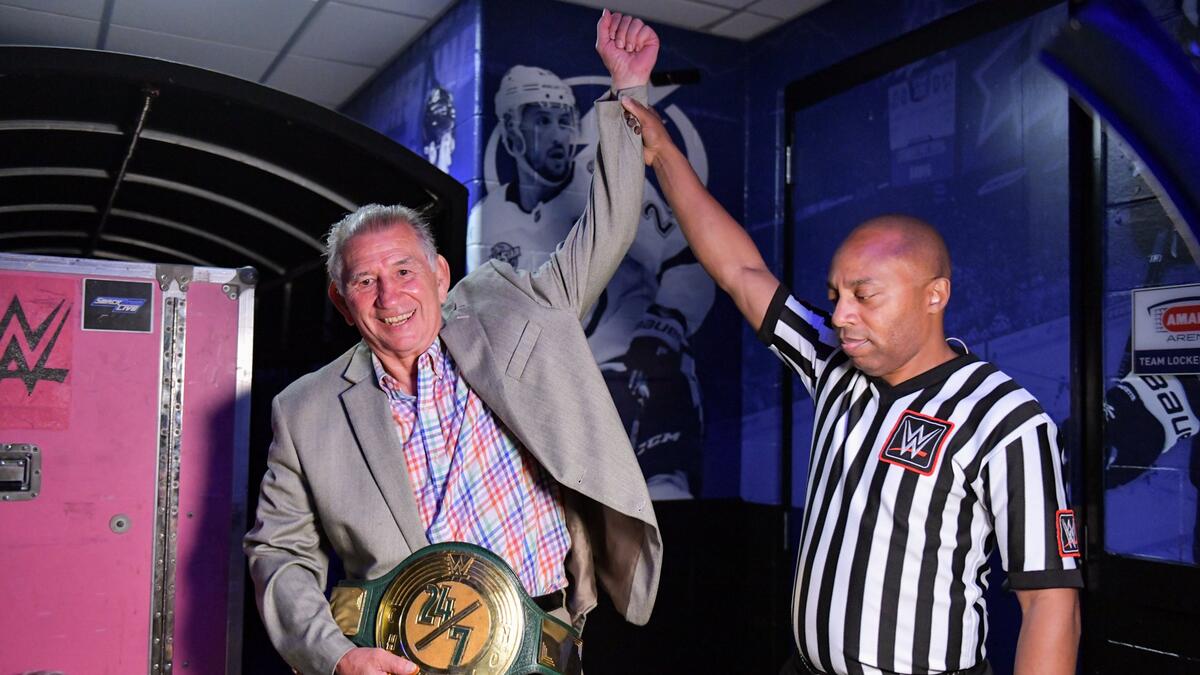
On July 22nd, 2019, WWE brought Gerald back for a Raw Reunion special episode of Monday Night Raw. The 24/7 Championship, the Hardcore title’s spiritual successor, was changing hands at a pace that made the old 24/7 rule look restrained by comparison, bouncing between legends, current talent, and WWE Hall of Famers in a rolling backstage comedy sequence that consumed most of the night.
Pat Patterson went first, pinning Drake Maverick to begin the cycle, and Gerald relieved his old ally of the belt almost immediately, picking up the fall during a commercial break.
His reign, true to form, lasted approximately as long as it took Kelly Kelly to round a corner and end it with a well-placed shot below the belt, becoming in the process the first woman to hold the championship. It was exactly the chaotic, good-natured spirit the evening called for, and Gerald played it without missing a beat.
The Prototype, Ohio Valley Wrestling, and a Generation Discovered
Another memory from Gerald Brisco’s time working in the WWE office came when he and Bruce Prichard flew to Los Angeles to visit a small training school run by a former Disney employee named Rick Bassman, who called it the Ultimate Pro Wrestling training facility. They were there to look at talent. At the top of the list was a young man going by The Prototype.
“He just looked the part,” Gerald recalled. “He was so smooth. Almost too smooth.”
He called Jim Ross from the parking lot. Ross took their word for it. The talent was signed, assigned to Ohio Valley Wrestling in Louisville under Danny Davis’s watchful eye, and placed into what Gerald considers one of the most remarkable developmental classes in WWE history.
“That OVW group was probably the most phenomenal group that ever came out of a training situation at one time.” The Prototype was John Cena.
“We called John up to the office out of necessity. We were hoping we could slowly bring him along until it came time where he could drink on his own. We had to babysit things, make sure things were going right.”
The moment that confirmed the investment had been correct came on SmackDown, when Cena reached over and slapped Kurt Angle in the face.
“When John finally reached over and slapped Kurt, I said, ‘Holy hell, this kid’s gonna have it.’ You knew right then he could play it on the main stage.”
The scouting work was not a formal assignment at first. Gerald was doing it on the side, building relationships with AAU coaches and the amateur wrestling community through contacts accumulated over a lifetime in the sport. Then his body intervened in a way that could not be ignored.
“I started having a series of strokes in June 2009,” he said. “I ended up having four of them in total. The doctor told me it’d be best if I got off the road. That fatigue, that’s what was wearing your body out.”
The strokes forced the formalization. With the travel schedule no longer viable, Gerald proposed a solution: make the scouting official.
“We’ve got everything, but we don’t have a scouting department,” he told Vince. “I sit here and go to all these college matches and recruit guys anyway. I’m basically doing it on the side. Let’s just make it official.”
McMahon agreed. The national amateur wrestling championships were three weeks away.
“Vince called me and said, ‘I hear you want to be a talent scout. When do you want to start?’ I said,’Nationals are coming up in about three weeks. Let me get in traveling shape and I’ll hit that tournament.'”
Gerald built the scouting infrastructure from the ground up, leveraging his amateur wrestling contacts, AAU coaching networks, and the Oklahoma State pipeline, which gave him an edge no one else in professional wrestling could match.
“I had contacts that nobody else in this business could have,” he noted. “Except maybe Kurt. But even then, I had more contacts than he did.”
Retirement and Hall of Fame Inductions: The Night Gerald Brisco Needed to Hurry Up
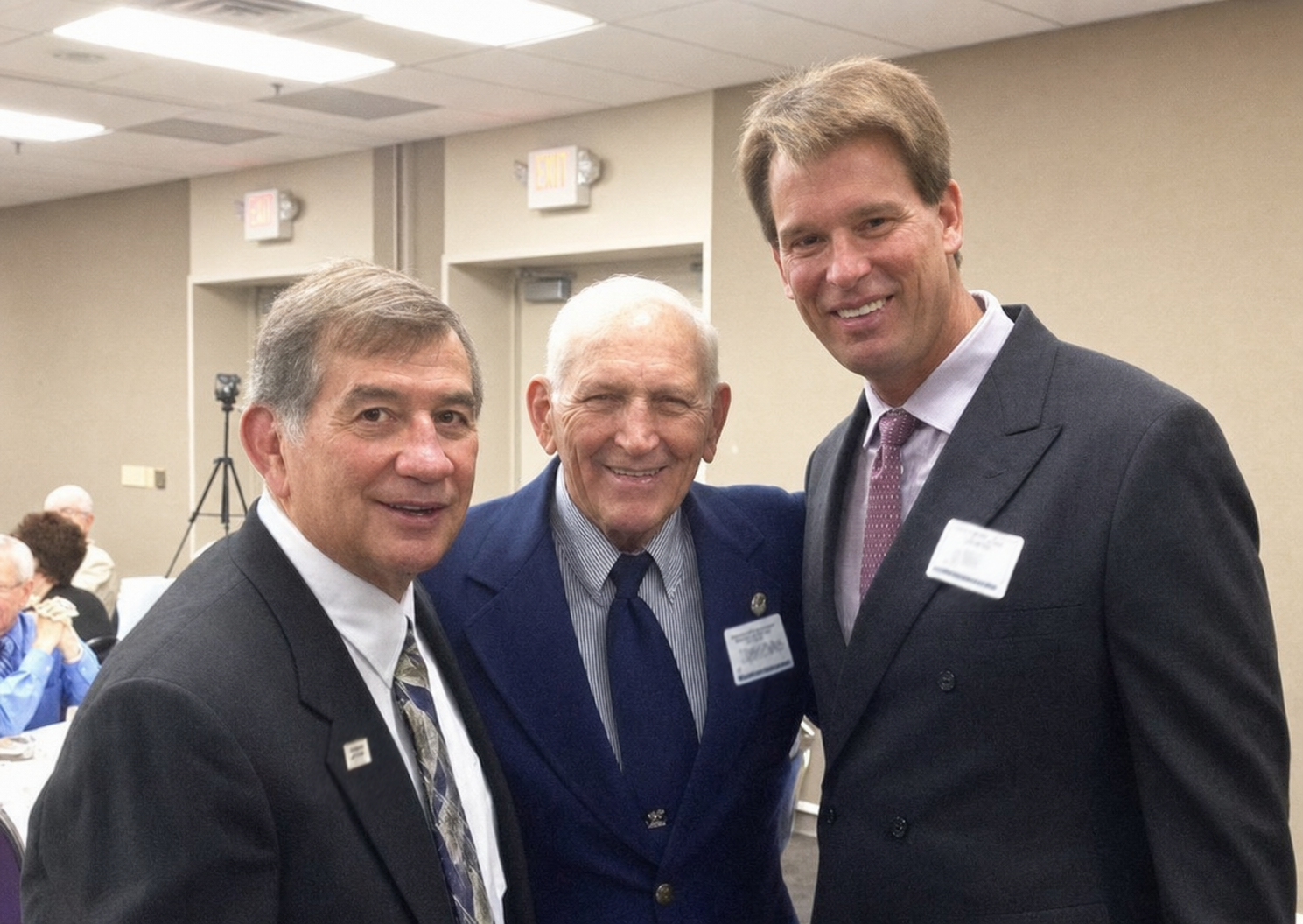
In 2005, Gerald Brisco was inducted into the George Tragos and Lou Thesz Professional Wrestling Hall of Fame at the National Wrestling Hall of Fame Dan Gable Museum in Waterloo, Iowa, which honors professional wrestlers with a legitimate amateur wrestling background.
Three years later, in 2008, he and Jack were inducted into the WWE Hall of Fame on March 29th at the Amway Arena in Orlando, Florida, the night before WrestleMania 24 at the Citrus Bowl. Jack’s health was declining sharply by that point, to the degree that he could not remain for the full second night of the WrestleMania weekend events.
“He had to leave early the next night because his health was so bad,” Gerald remembered. “He couldn’t stay.”
Gerald had known what was coming for some time.
“I just had that feeling. How much longer is my brother going to be able to appreciate something like this?”
He was glad they had that night in Orlando together.
Jack Brisco died on February 1st, 2010, in Tampa, Florida, from complications following open heart surgery. He was sixty-eight years old.
“When you win a title, you don’t win anything material,” Gerald reflected on what the Hall of Fame meant. “But you win the trust of the promoter. You win the trust of the fans. You win the trust of the office staff who are counting on you to help them feed their families. So you do win something. And it’s the same with the Hall of Fame. You’ve earned that respect from the promoters who put you up there and say this person is honored.”
He let a beat go by.
“And if they hadn’t honored the Brisco brothers, people were going to say something. Because we built Florida.”
Gerald Brisco’s Life After WWE: Over 1.5 Million Meals, a Lake in Tampa, and Still in the Fight
Gerald Brisco officially parted ways with WWE in October 2020, ending a thirty-six-year association with the company. He was seventy-four years old. His fifty-one-year professional wrestling career encompassed performing, booking, promoting, working as an agent, producing, and scouting across nearly every format the business has ever taken.
Retirement for Gerald has never meant stepping away from the business or the people who love it. Alongside fellow WWE Hall of Famer John “JBL” Layfield, he co-hosts the weekly podcast Stories with Brisco and Bradshaw, where the two veterans open up the learning tree of professional wrestling’s rich past to fans hungry for the real history behind the curtain. Week after week, the show delivers a first-hand perspective that no textbook or highlight reel can replicate.
In retirement, Gerald has also remained central to the Headlock on Hunger initiative, a charitable organization that uses amateur wrestling tournaments to generate meals for students who rely on school cafeterias during the week and have limited food access on weekends, over holidays, and during summer breaks. As of this writing, Headlock on Hunger has provided more than 1.5 million meals. It is the kind of work that does not generate television time, but changes lives in measurable numbers.
At home in Tampa, on the four acres of lakefront property he bought in 1976 with one eye on the future, the fight continues on multiple fronts. The property itself was in disarray at the time of the interview, with a broken pipe from the 1950s-era construction having caused significant damage requiring months of insurance battles and restoration work.
“I’m at ten yards from the finish line,” Gerald told me, “but that ten yards is the toughest ten yards I’ve ever had to go through.”
Jack threw his gold Omega watch into that lake the day they burned their gear. Gerald has lived on that same property for over fifty years.
“I’ve got four acres on the lake that I couldn’t duplicate,” he said plainly. “The property values have gone up and it’s beautiful lake frontage. Something I wouldn’t be able to afford to duplicate if I went out and looked for it right now.”
Giving Gerald Brisco His Flowers: The Wrestling World Speaks
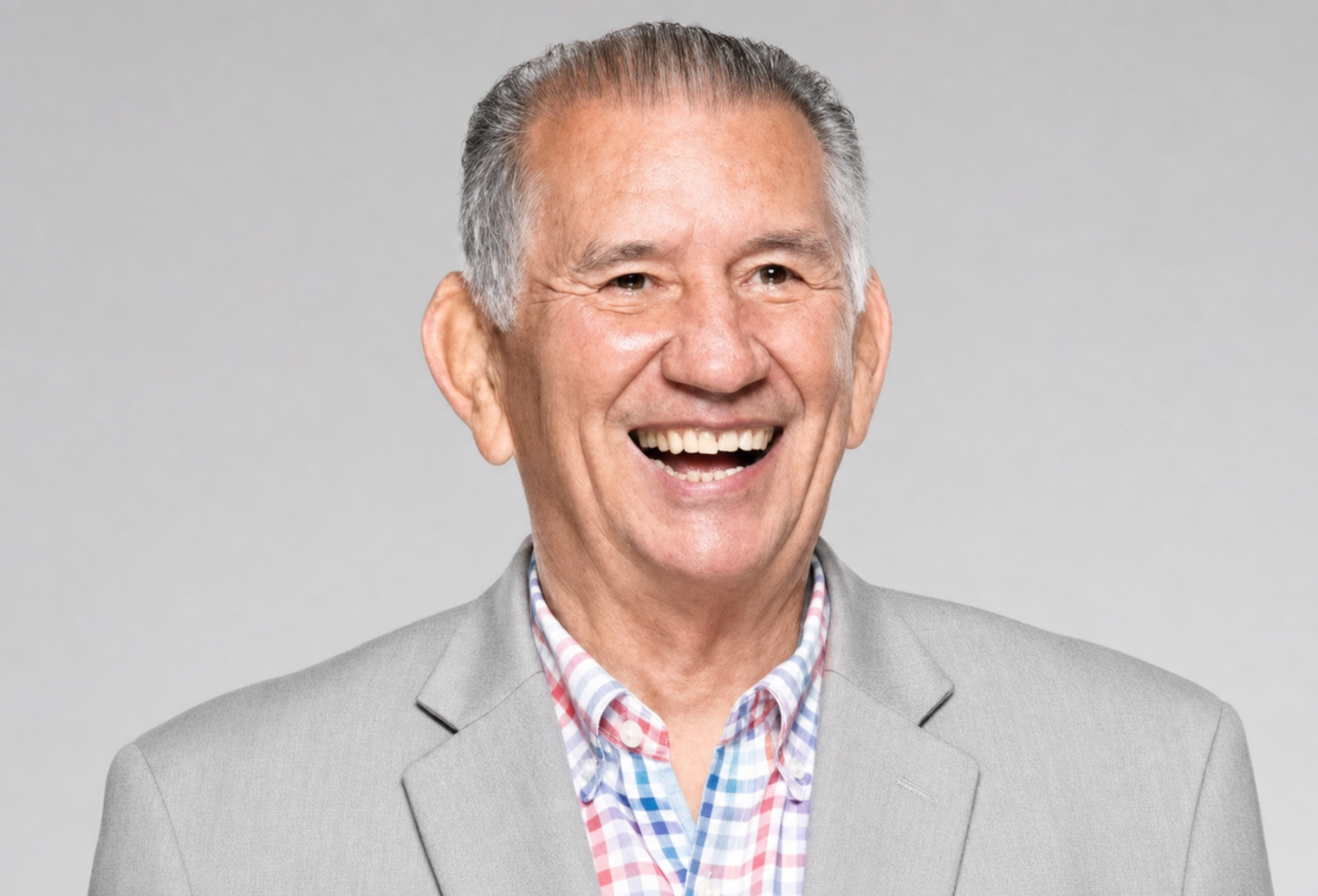
Gerald Brisco does not know this section of the article exists. What follows was gathered specifically as a tribute, offered by people who know him, for use in this piece. The quotes are their own words, shared exclusively for this article on Pro Wrestling Stories.
Jimmy Hart, the former manager and musical performer who worked alongside the Brisco brothers in Memphis, did not need long to find his words. When the Briscos arrived in Tennessee, Hart told us, it felt like the chance of a lifetime.
“Back then we didn’t have national television going around the country, so I knew them from the wrestling magazines and knew how big they really were,” Hart recalled. “Down in Florida. Really all over. Both of them had college backgrounds in wrestling, so they were the real deal.”
He had watched them from a distance for years through the magazines, and then there they were in the same dressing room.
“When they came to Memphis, I thought, this is great. I get to manage the Brisco brothers. And it was one hell of a match. They were the best, man. They were the real deal. And everybody knew it.”
Rip Rogers has known Gerald since the early days and credits him as one of the men who shaped his own understanding of the business. Rogers keeps things direct, and his tribute was no exception.
He ran Gerald’s career down to its essentials: heavyweight champion, promoter, office man, performer, mentor. “Gerald could do it all,” Rogers reflected. “Gerald will always be one of my coaches. He is one of the smartest guys in this business.”
Les Thatcher, who worked alongside Gerald in the Mid-Atlantic territory and holds him in genuine affection while also reserving the permanent right to give him grief, opened his tribute with characteristic warmth.
“Gerald Brisco, huh?” Thatcher began, already enjoying himself. “They asked me to say something nice, and I said, call me back in a few days. It’s going to take a while.”
What followed was a story that captures Gerald Brisco completely.
In mid-1970s Charlotte, Gerald convinced Thatcher they could drive from a match in Spartanburg, catch a Rod Stewart concert, and make it back in time. They drove at a hundred miles an hour, sprinted six blocks from the parked car to the arena entrance, pushed through the crowd, and arrived just in time to hear the master of ceremonies announce the last song of the evening.
“If you’re doing time management,” Thatcher told me, “don’t ask Gerald Brisco to help out. Gerald, I love you, but I can’t help picking on you, kid.”
Mike Jackson, known to a generation of wrestling fans across Georgia and Florida, worked with Gerald on multiple television tapings across both states, and the impression that stuck was the same every time. “He was always a class actor, a gentleman, and a good guy,” Jackson shared. “Good matches, good rapport. They were real wrestlers. The real deal.”
Jerry Stubbs, known to the wrestling world as Mr. Olympia, crossed paths with Gerald most often when Stubbs was working Atlanta and the Briscos were operating out of Tampa, their paths intersecting in television taping dressing rooms in both cities. The conversations in those rooms stayed with him. Gerald would talk wrestling and life in the same breath, and the volume of what he covered was almost impossible to keep up with.
“He gave me a lot of good advice,” Stubbs expressed. “He was telling me things and I said, I gotta write all this down, because you’re hitting me at both ends and I can’t remember all of it at once.”
Bill Murdock, who co-wrote Jack Brisco’s biography and has maintained one of the closest friendships with Gerald that either man has outside of family, was given no word limit. He did not need long to get to the heart of it.
“Jerry and I have been friends for more than twenty years,” he told Pro Wrestling Stories, and I consider him one of my closest friends, not only in wrestling but in life in general, period.”
He did not hedge.
“If there is any one person who is truly the heart and soul of wrestling, it is Jerry Brisco. I don’t believe you are going to find anyone better anywhere, not just in the world of wrestling, but anywhere.”
Murdock also turned to the Headlock on Hunger work, the part of Gerald’s legacy that does not show up on any title history.
“Since its inception, we have done more than a million and a half meals,” Murdock noted. “Jerry has been right at the head of all of that since the beginning. None of this would be happening if it hadn’t been for Jerry and Jack and George Scott and all those wonderful guys.”
Renowned Canadian wrestling trainer and Cauliflower Alley Club lifetime member Ron Hutchinson put it simply to us: “The professional wrestling business is much better because of people like Gerald Brisco in it.”
Hutchinson continued, “He’s knowledgeable, personable, and welcoming, and has spent a lifetime giving back to the business we all love. He’s a wrestler’s wrestler who can wrestle and entertain with the best of them.”
The personal note he added at the close carried as much weight as anything. “He’s earned my utmost respect and admiration.”
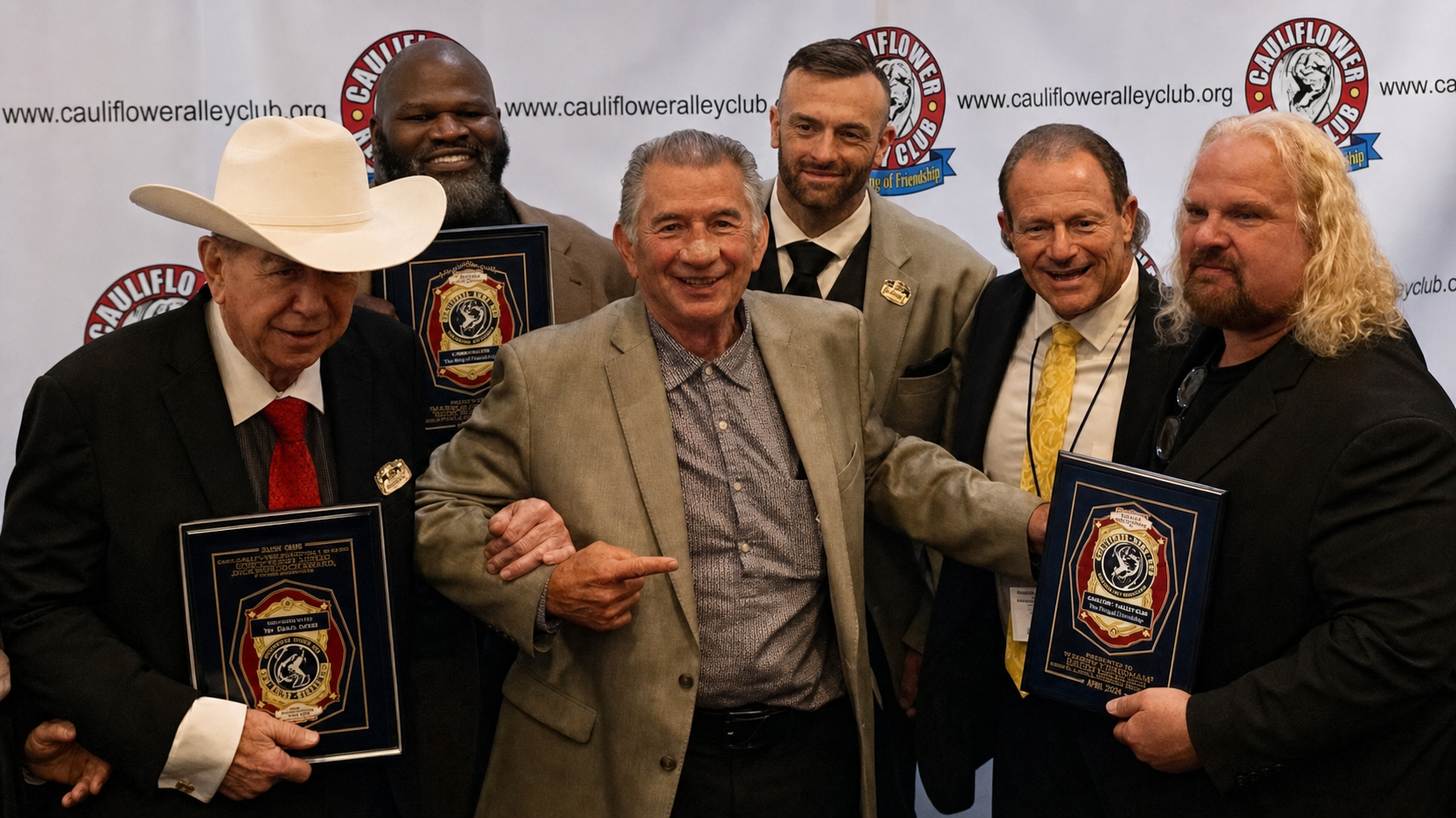
Independent wrestling standout, actor, and stuntman Andrew Anderson tied his tribute to a specific memory: the night at the Cauliflower Alley Club when he received the 2019 Men’s Wrestling Award, and Gerald was there in the room.
Gerry Brisco personified tag team wrestling with his late brother Jack,” Anderson told me. “The man is a shooter.”
Anderson attended one of Gerald’s seminars about nineteen years ago and drew from it for thirty-plus years afterward.
“I see Jerry every year at the Cauliflower Alley Club reunions and occasionally at the Florida Legends Lunch,” he added. “His smile and laugh are infectious. Just an awesome human being.”
Former WCW wrestler Bob Cook acknowledged the one thing he would always carry with him: that he never got to stand across the ring from Gerald Brisco, and that was the sport’s loss as much as his own.
“It would have been an honor to wrestle him,” Cook shared with Pro Wrestling Stories, “but it just wasn’t in the cards for me. I’ve known Jerry for decades. He is a great guy.”
Cauliflower Alley Club President and Brisco protege Brian Blair opened up. Jack Brisco was one of his chief mentors, he explained, and Gerald ran a close second, and it is nearly impossible to mention one without the other arriving right behind him.
“The time they invested in me is immeasurable,” Blair expressed. We spent countless hours discussing wrestling and ribbing, though unfortunately the ribs were usually on me.
He ran through the evidence: mooning a Stuckey’s restaurant having mistaken which car Pat Patterson and The Great Mephisto were in at a toll booth; falling asleep in Gerald’s Lincoln Versailles only for the Briscos to set the clock ahead an hour, so that Blair woke up, dressed in his gear in the car, and sprinted toward a building that was not yet open to the public. Then there was the truck stop bathroom shoot wrestling match.
Gerald and I once got into a shoot wrestling match in a truck stop bathroom and proceeded to tear down every stall until we were both drenched in a mess, only to burst out laughing at each other,” Blair recalled. “So many miles and so many smiles. These are times I will remember forever. Gerald Brisco is truly a man’s man and a beautiful soul.”
Cauliflower Alley Club Board Member and lifelong fan Darla Staggs kept her tribute personal and warm, the way close friendship tends to express itself. She has known Gerald for years, and the detail she chose to share was the kind that only a real friend would know: “Jerry loves steak, and his favorite is Steak ‘n Shake.”
Power Slap owner and independent wrestler Sinn Bodhi (also known for his time in WWE as Kizarny) distilled Gerald down to three qualities that have never varied in all the time he has known him. “Gerry is never without a smile. Gerry is kind, talented, and tough as nails.”
Territory wrestler and longtime friend Ric McCord traced his relationship with Gerald all the way back to childhood, to the first live event he ever attended at Starland Arena in Roanoke, Virginia, where Gerald Brisco was on the card working alongside Thunderbolt Patterson, Nelson Royal, and Ronnie Garvin.
“He was on the first live show I ever attended,” McCord told us. Decades later, when McCord found his own way into the wrestling business, that distance collapsed entirely.
“We got to know each other as wrestling brothers,” he reflected. “I always look forward to seeing my wrestling brothers, and sisters too, at the great reunions we have.”
Noted wrestling author and historian Brian Solomon placed Gerald’s contribution in institutional terms. “He was a crucial figure during the WWF’s expansion, especially into the South.”
Mike Mooneyham, lead wrestling writer for the Charleston Post and Courier, has followed Gerald Brisco’s career since the early 1970s, when Gerald Brisco first arrived in the Carolinas working for Jim Crockett Promotions. He watched Gerald prove himself in those rooms almost immediately, soaking up knowledge from veterans like Sandy Scott and Rip Hawk, and building a tag team partnership with Thunderbolt Patterson that Mooneyham considers among his favorites from that era.
“There’s very little that Jerry hasn’t accomplished in this industry,” Mooneyham told Pro Wrestling Stories, “and he’s done it with grace, style, and a high degree of professionalism.”
He pointed to the Funks feud as the measuring stick.
“Jack and Jerry Brisco versus Terry and Dory Funk Jr. was the stuff of legends.” And then there is what came after the ring. “From the ring to the front office, Jerry has played an influential role in helping perpetuate the profession. And he’s still raising the banner today, co-hosting a popular podcast with JBL.”
Thunderbolt Patterson, Gerald’s tag team partner across two territories and one of his oldest friends in the business, kept his tribute to what mattered most. “We had one of the hottest teams going,” Patterson told Pro Wrestling Stories. “Gerry was a great partner. Those were good days.”
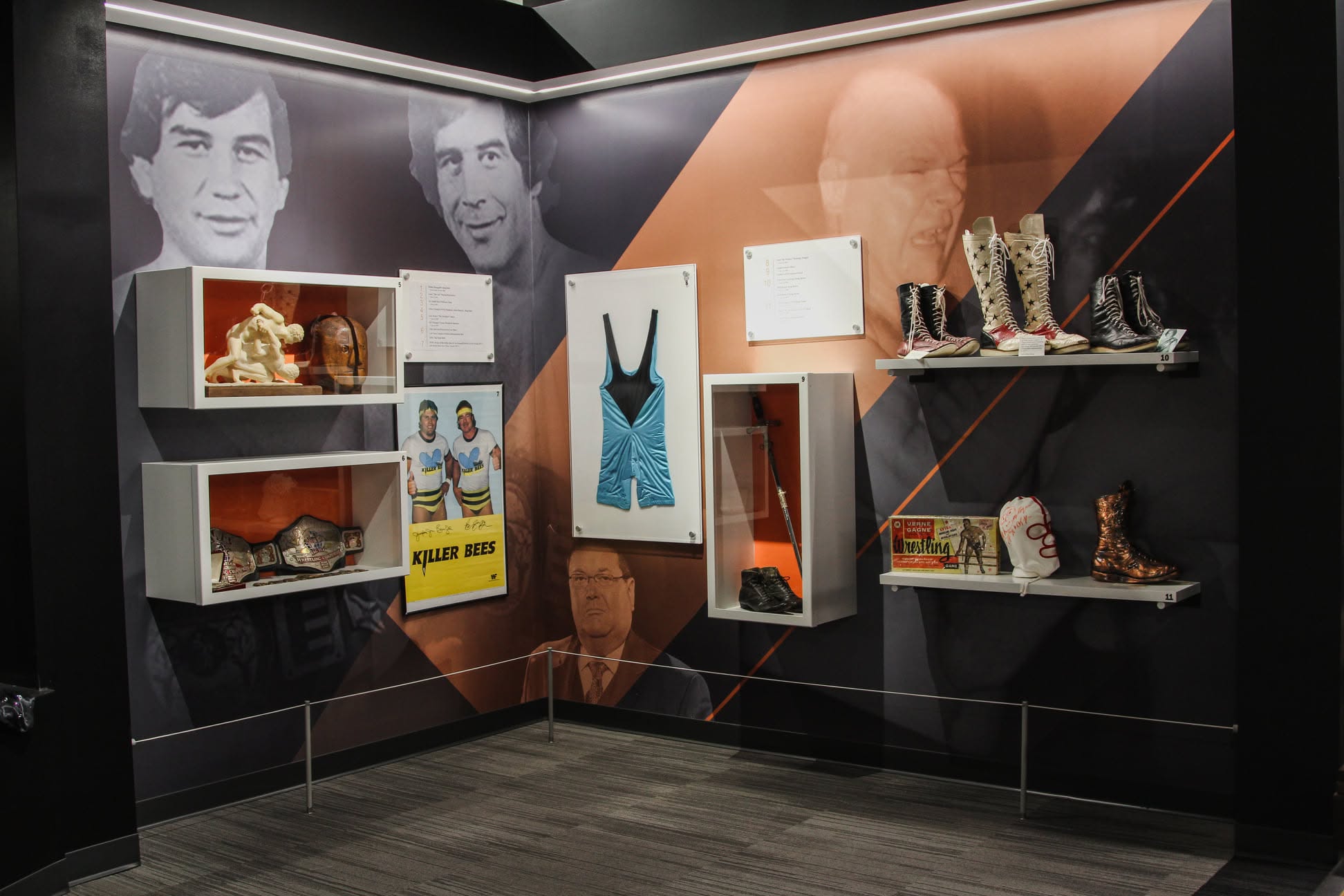
From the community of Bull Legs, Oklahoma, to the Trail of Tears bloodline he carried with quiet pride, to the amateur mats, the territories, the booking offices, the WWE locker rooms, and the scouting gymnasiums, Gerald Brisco never stopped finding the next thing to compete for.
A broken leg as a sophomore. Infectious hepatitis. A knee that should have ended his career before it started. A Vietnam draft that required a phone call and a general’s intervention. Four strokes and a hole in his heart that no one knew existed for sixty years. And through all of it, the same instinct that Jack saw in him before either of them had a nickel, the instinct to work, to study, to get back in and find a way.
In our conversation, he explained what he believed a championship title actually meant, and it applies to everything else he built as well.
“When you win a title, you won the trust of the promoter,” he shared. “You won the trust of the fans, you won the trust of the office staff to put you into that position to help them pay for their families and everything. So you do win something.”
Gerald Brisco won that trust in every room he walked into, from Jim Barnett’s Office in Sydney, Australia, to Eddie Graham’s Florida office to Vince McMahon’s Stamford boardroom, from the bleachers of the Kiel Auditorium to the gym floors where the next generation of WWE talent was discovered. He identified what others could not see and made six decades of wrestling history gold.
Pro Wrestling Stories thanks Gerald Brisco sincerely for the hours he gave to this conversation, for the honesty he brought to every story, and for the life he has lived with enough grace and grit to fill three careers. Well done, sir. Well done.
These stories may also interest you
- Mr. Olympia Jerry Stubbs: The Unmasked Truth Behind the Gimmick
- The Junkyard Dog: A Tragic Ending for a Wrestling Great
- The Real Dusty Rhodes: Stories From Inside the Business
- Harley Race: The Man Who Made the NWA World Title Mean Something
Download PDF Version
Get the complete article as a formatted PDF for offline reading.