 Author:
 He spent his whole career getting hit with mustard bottles, kitchen skillets, and jars of pickles, but he always got back up. On November 29, 2003, inside the Mid-South Coliseum he loved more than any arena in the world, that streak came to an end for Larry Latham. What happened to the man they called Moondog Spot, in the middle of Jerry Lawler’s 54th birthday show, still haunts the wrestlers who watched it unfold.
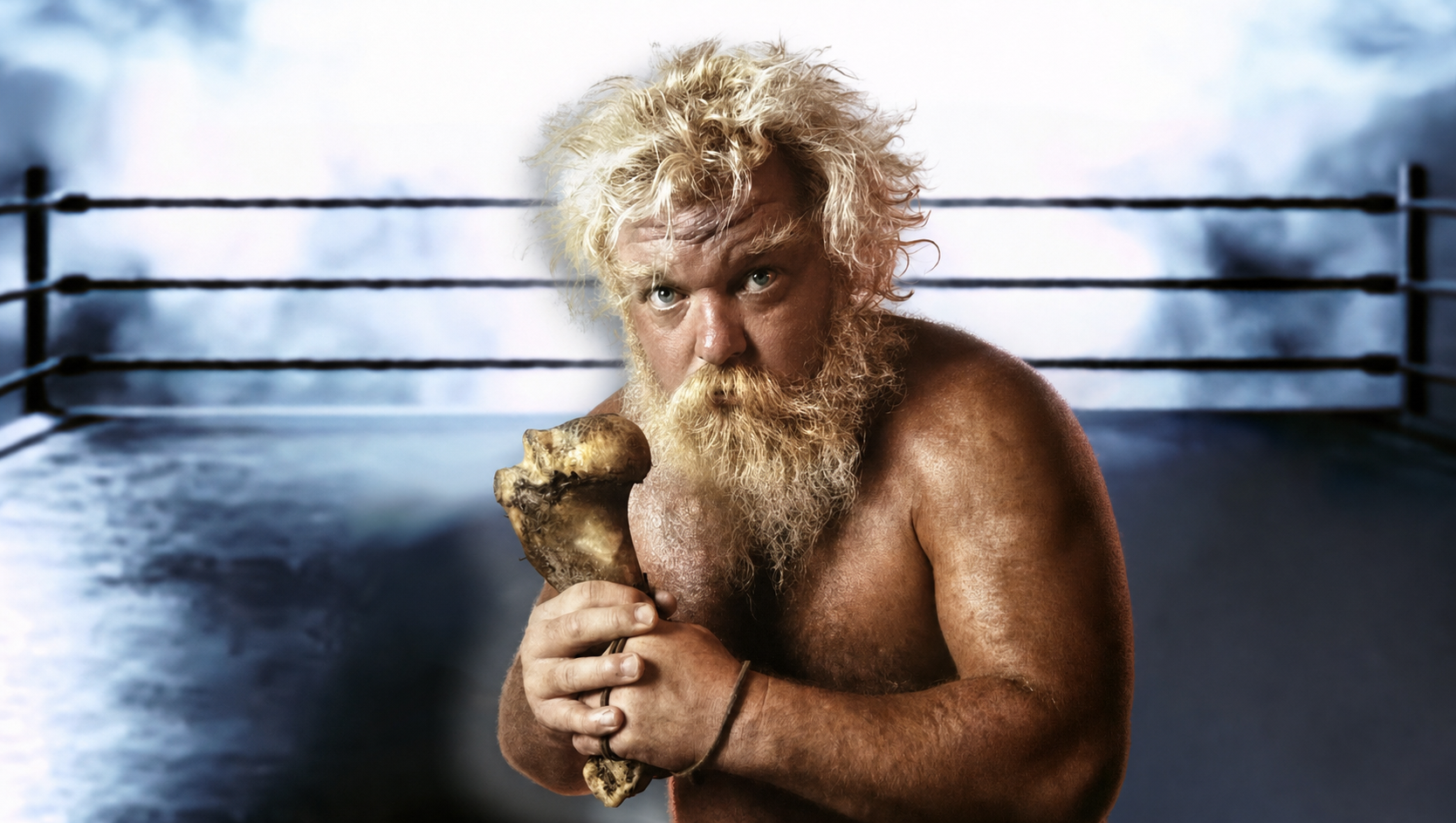
How Moondog Spot Broke Into Wrestling
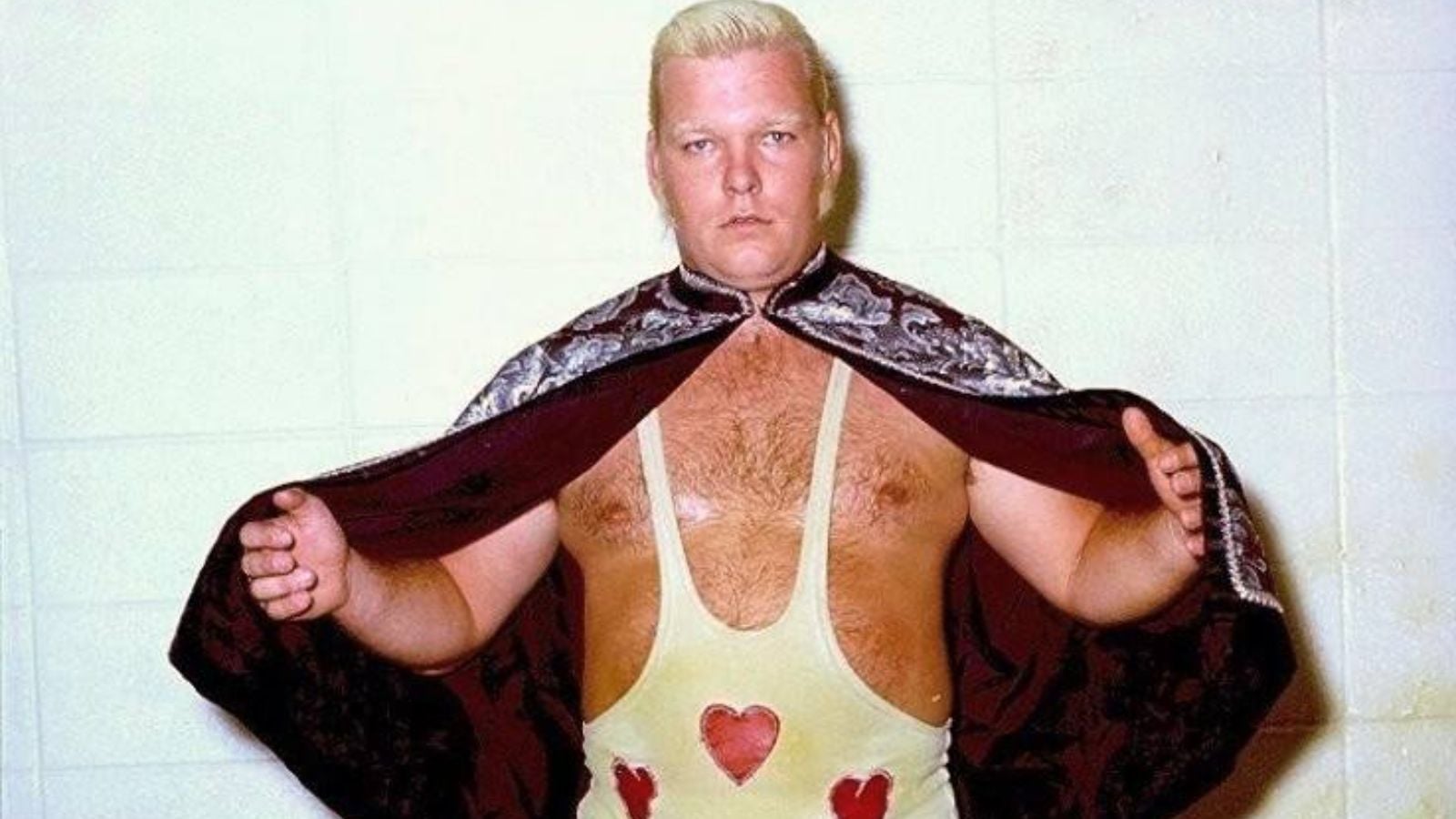
Before he was Moondog Spot, before he was even Larry Latham, he was Larry Booker, born in Louisiana and brought up in the West Tennessee wrestling scene under veteran trainer Herb Welch. Some sources, such as WWE.com, state he was also trained by Dominic DeNucci.
Booker would wrestle under his own name for years, then take on the Latham name for his biggest early break, before a chance recommendation from Andre the Giant turned him into one half of one of the most feared tag team gimmicks of his era. It is a journey that ran through concession stands, championship belts, and eventually, tragedy.
His first match can be traced back to 1973, when he competed across Missouri and Mississippi.
In those first few years, Larry Latham, as he was known, shared the ring with some of the greats of the industry, including Pat O’Connor, Paul Orndorff, and Terry Funk, paying his dues on the undercards of small towns across the South.
The Blond Bombers: Larry Latham’s Career Breakthrough
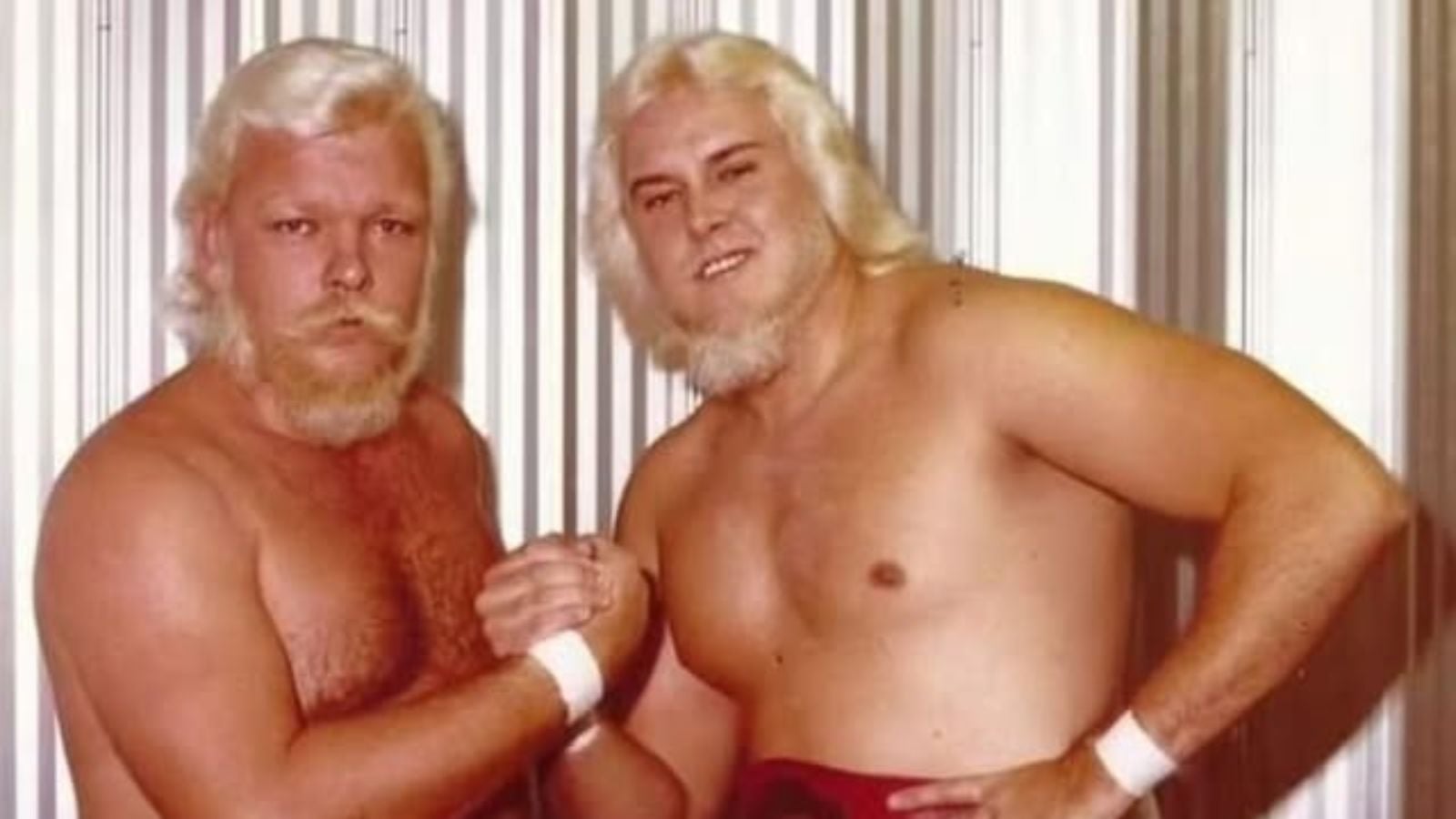
That breakthrough came in March 1978, when Latham teamed with another rookie, Wayne Ferris, to form the duo The Blond Bombers. Ferris would eventually become the Honky Tonk Man.
The twosome were not the first to use the moniker. The name had previously belonged to teams Rip Hawk and Swede Hanson and, most famously, Ray “The Crippler” Stevens and Pat Patterson.
Although the Blond Bombers would have their biggest run in Tennessee, they originally formed in Florida, where they went to the finals of a one-night tournament for the United States tag belts, falling short to Pak Song and Killer Khan. The team quickly slipped into the opening match slot in their short run in the Sunshine State.
Formed almost on a whim, the pairing was about to be handed the kind of unpredictable break that turns a team into stars overnight.
Enjoying this story? Own it forever.
No ads. No interruptions. Download the full story as a beautifully formatted PDF at just $0.99.
Get My Copy — $0.99Inside the Tupelo Concession Stand Brawl That Saved Memphis Wrestling

That break arrived on June 18th, 1979, in the form of the now-legendary Concession Stand Brawl, in which the Bombers fought Jerry Lawler and Bill Dundee in a bout born of last-minute planning that became TV gold.
Jim Cornette, manager and wrestling historian, explained in a 2010 Kentucky Fried Rasslin column why Jerry Jarrett was forced into such a drastic swerve that week.
“Almost all the top names featured on TV and in angles over the previous several months were gone. Robert Fuller, the Mongolian Stomper, Gorgeous George Jr., Mr. Fuji and Prof. Tanaka, Ronnie Garvin, Jimmy Golden, Dick Slater, Boris Malenko, Tony Charles, all were gone from the territory instantly after the June 11 Memphis card.”
“Jerry Jarrett, in my opinion a booking genius, realized he had to take the talent left available to him on short notice and do something that would get such attention, cause such talk, and most importantly, sell enough tickets, that the territory could weather this storm.
Cornette would later call the match “the greatest thing I’ve ever seen in my life.”
The only direction given to the teams that night was Jarrett’s instruction to “just tear up that concession stand,” and tear it up, they did.
The famous brawl took place after a tag bout in which the Blond Bombers defeated Lawler and Dundee for the AWA Southern tag belts in the Tupelo Sports Arena. Though the bell had rung, the battered babyfaces continued fighting, brawling all the way up to the concession stands, mixing a flurry of fists with stools, cookie sheets, mops, 10 gallons of mustard, and a jar of pickles to create a chaotic scene fans had never seen.
The gamble paid off in a way no one could have predicted. The event propelled the Blond Bombers’ Larry Latham and Wayne Ferris into becoming the most popular heel tag team in the region, and the group is often credited with boosting fan turnout from 4,000 to 7,000 fans a night.
Did This Memphis Brawl Invent Hardcore Wrestling?
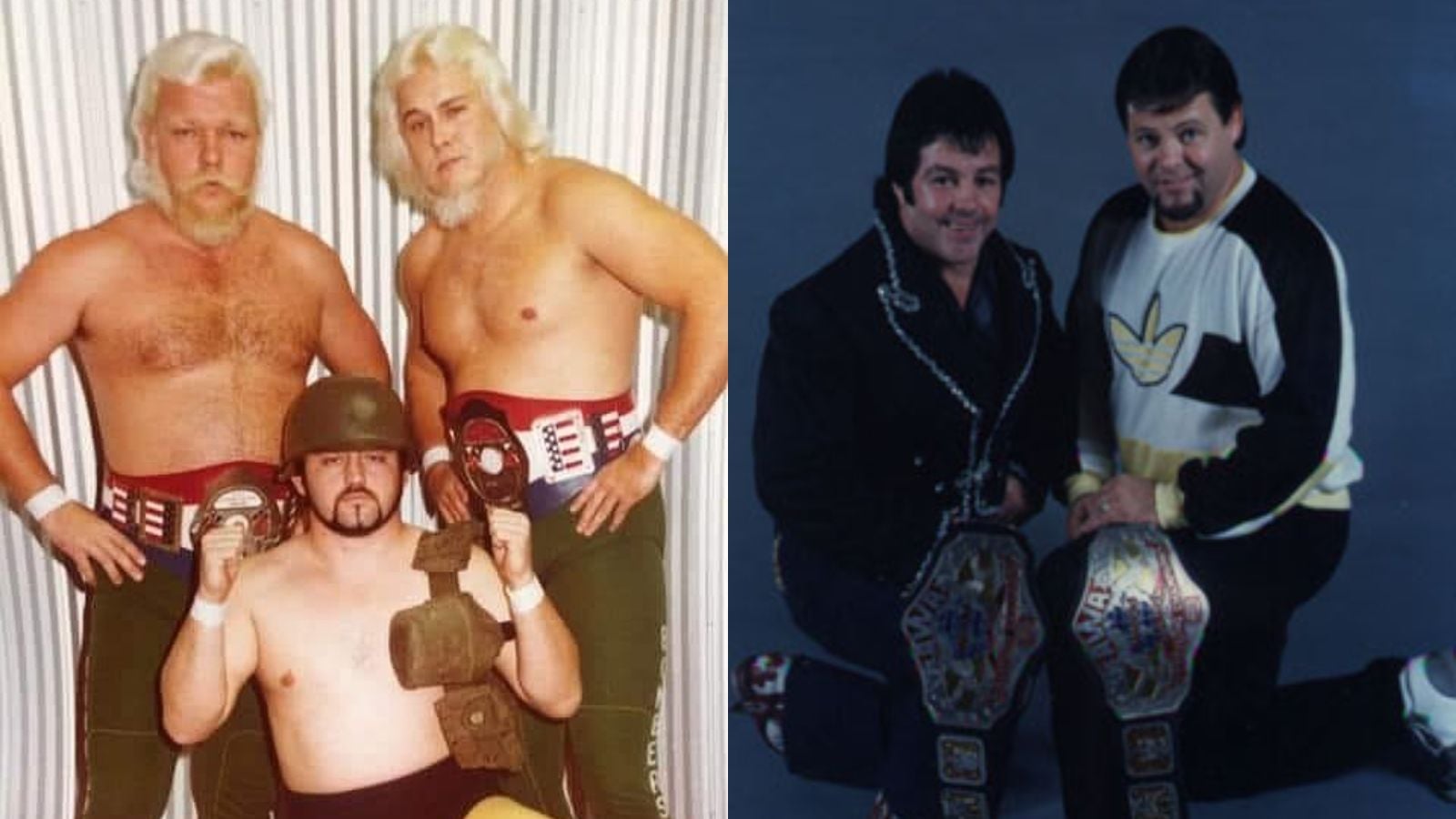
Beyond the box office numbers, the brawl carries a more lasting historical accolade: its claim to fame as the match that pioneered the hardcore wrestling style popularized through the 1990s.
Atsushi Onita, the founder of extreme wrestling promotion Frontier Martial-Arts Wrestling (FMW), later introduced the concept to Japan for the third iteration of the Concession Stand Brawl.
One participant in that Japanese brawl was Eddie Gilbert, whose father Tommy had been working in the Memphis territory back in June 1979. As Ferris has hypothesized, the original match must have left a lasting impression on the young Gilbert.
That theory is backed up by ECW founder Tod Gordon, who noted in his book Tod is God about how Gilbert’s memories of Memphis shaped ECW’s entire product.
“I hired Eddie Gilbert because I wanted that violence in the Lawler-booked product,” Gordon wrote. The mainstream wrestling product on national TV was lacking that danger in the early ’90s. The clips I saw from Memphis always looked like a crime scene. They did it on Memphis TV all the time, and I wanted that ****. Eddie was bringing Memphis up here, and I was happy.”
Love Pro Wrestling Stories? Add us as a Preferred Source on Google so our stories always show up first for you. It only takes one click.
Add Us on GoogleHow Larry Latham Became Moondog Spot in the WWF
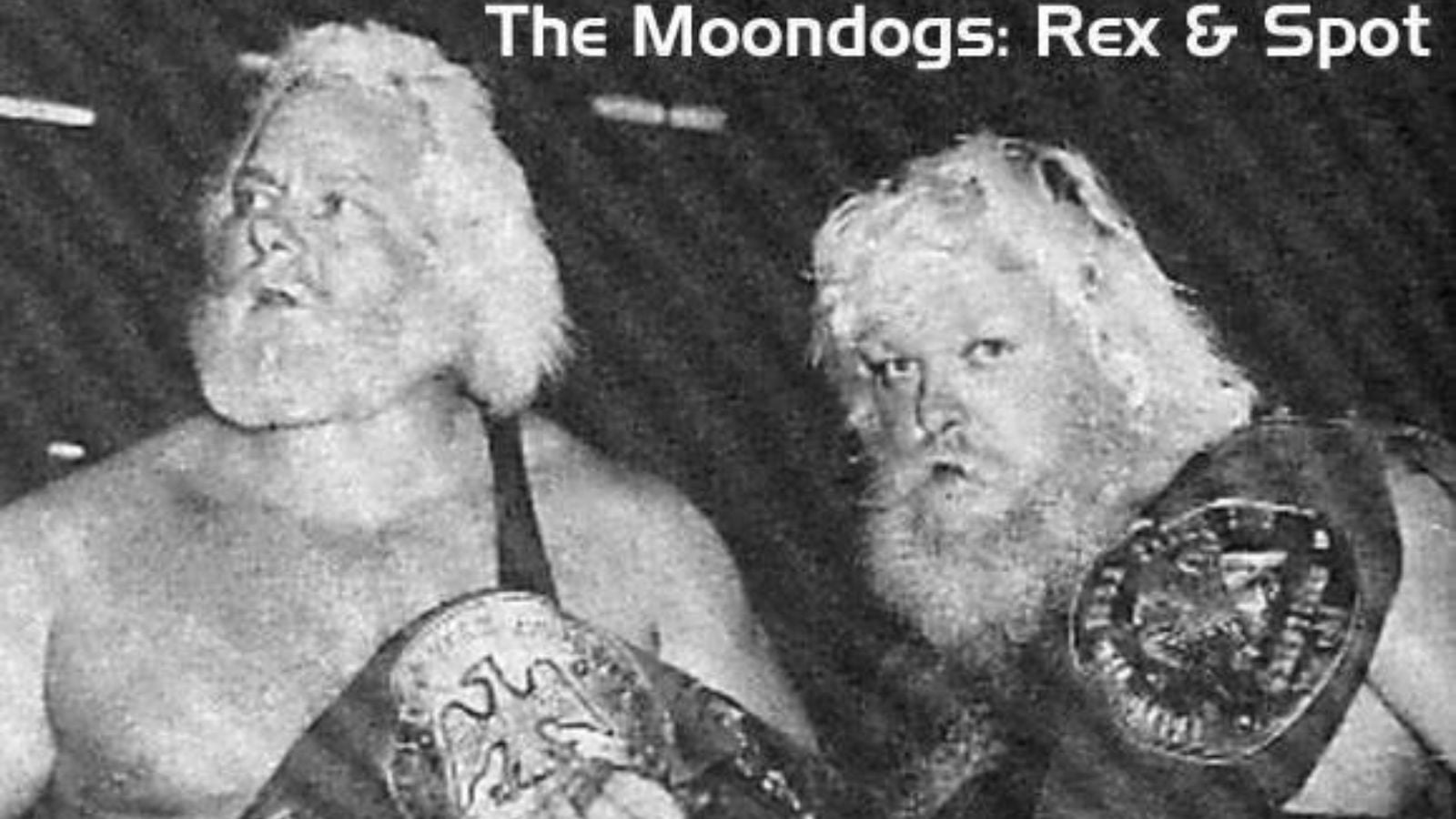
The Blond Bombers kept their heat well into the following year. In 1980, the second Tupelo Concession Stand Brawl saw them fight Ricky and Robert Gibson.
The Blond Bombers often teamed with manager Sergeant Danny Davis, the future OVW owner and not the wrestling referee of the same name, so the Gibson brothers enlisted the aid of Ricky Morton to even the odds.
The Blond Bombers remained a top-flight team, switching between the Continental Wrestling Association and NWA Mid-America, winning the AWA Southern titles four times and the NWA Mid-America belts on three occasions.
But by September, Ferris had departed for Puerto Rico. With his partner gone, Latham found himself working under Bill Watts in Mid-South, reduced to undercard enhancement talent.
Fate intervened elsewhere on the roster. At the Champlain border crossing, WWF World Tag Team champion Moondog King found his passport confiscated, the ex-criminal barred from re-entry into the United States.
Andre The Giant, who had worked in Mid-South on their April 1981 Superdome Extravaganza show, recommended the wild Latham to Vince McMahon, Sr. as a replacement. As Randy Colley recalled, “Andre the Giant had been to Louisiana, and he knew we were short on Moondogs. He said, ‘There’s a guy there that would probably fit in here real good.’ And just a few days after that, he showed up. I think it was Harrisburg, Pennsylvania. So it just went from there.”
Colley later reflected on the partnership that emerged with Slam Wrestling: “Me and Spot got along much better than me and Sailor White did, both of us being Southern boys and all. Also, we were more alike in the way we worked hard, tried to succeed and make things happen.”
Bizarrely, the WWF spun a kayfabe cover story that King had been injured chasing a car. Moondog Mayne, the first wrestling Moondog, had legitimately been killed in a car accident less than three years earlier, making the joke land with an unintended edge.
With hundreds of amazing Pro Wrestling Stories to dive into, where do you start? Get the inside scoop, join our exclusive community of wrestling fans! Receive 10 hand-picked stories curated just for YOU, exclusive weekly content, and an instant welcome gift when you sign up today!
Moondog Spot and Moondog Rex Capture the WWF Tag Titles
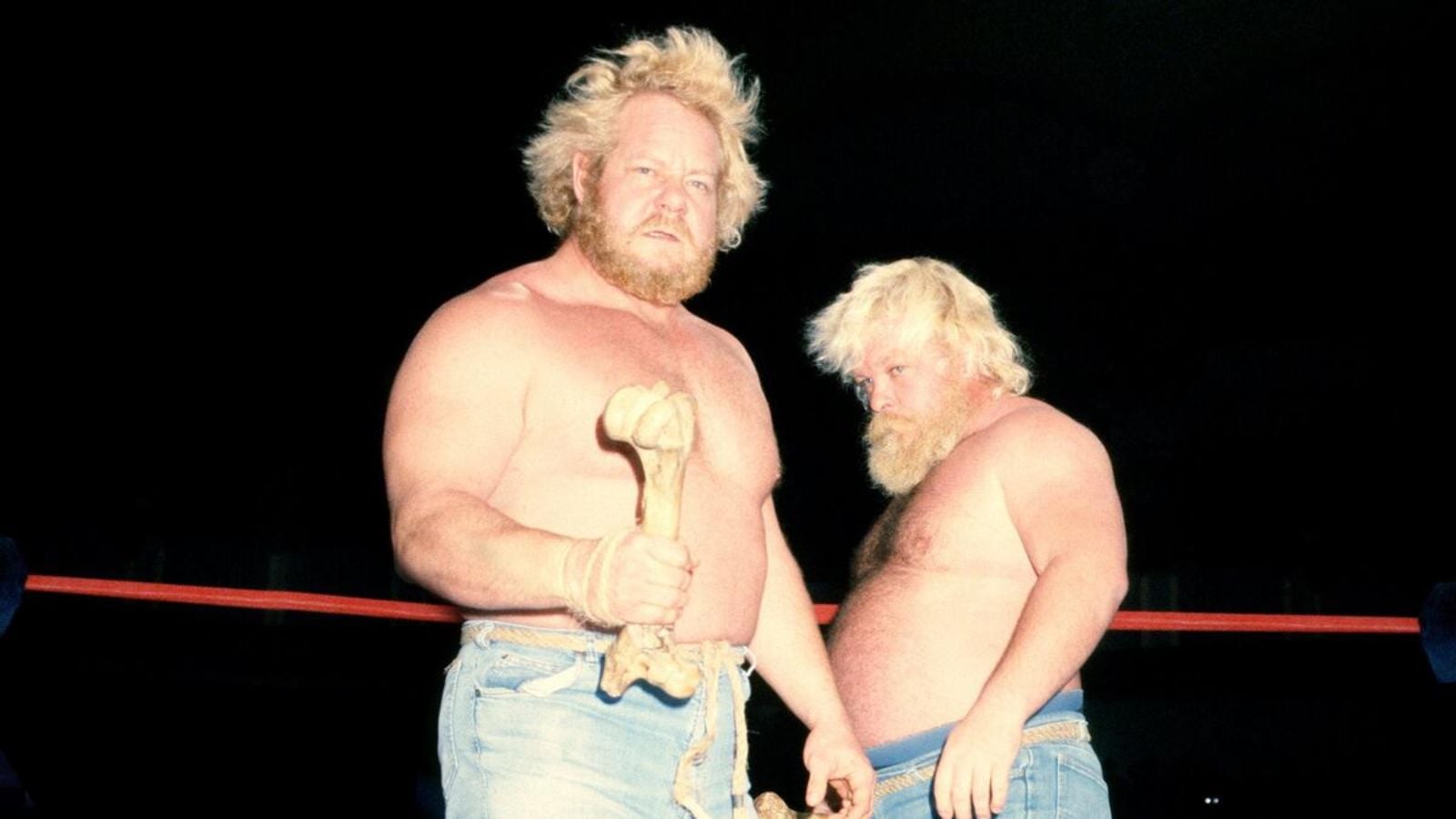
As Moondog Spot, he made his first televised appearance on the May 30th, 1981 edition of All Star Wrestling.
In this new role, Spot joined Rex under the management of “Captain” Lou Albano, feuding with the team of Rick Martel and Tony Garea, from whom the Moondogs had won the titles and would drop them again in July.
On the house show circuit, the duo mixed with the company’s top stars, including WWF champion Bob Backlund, Pedro Morales, and Andre the Giant. In a Madison Square Garden bout, they were defeated by Japanese legends Tatsumi Fujinami and The Great Yatsu (Yoshiaki Yatsu).
By August ’81, the team had worked their final tag match together in Poughkeepsie, with Spot’s last match on this run being a singles bout against Rick Martel at MSG.
Real Autographs. Only Few Remain.
These are hand-signed originals sold directly by Pro Wrestling Stories. Once they sell out, they are gone for good.
Own a Piece of Wrestling History
-

Bushwhacker Luke Signed WWF 8×10 Photo Autograph (pictured with Bushwhacker Butch)
$30.00 Add to cart -
Marcus “Buff” Bagwell Signed WCW 8×10 Photo Autograph
$30.00 Add to cart -
Brutus the Barber Beefcake Signed WWF 8×10 Photo Autograph (with Ultimate Warrior)
$35.00 Add to cart -
Ken Patera Signed WWF 8×10 Photo Autograph
$35.00 Add to cart -
Steve Keirn Signed WWF 8×10 Photo Autograph (Fabulous Ones)
$30.00 Add to cart -
Bushwhacker Luke Signed WWF 8×10 Photo Autograph
$30.00 Add to cart -
Nikolai Volkoff & Boris Zhukov Signed WWF “The Bolsheviks” 8×10 Photo Autograph (Deceased Legend)
$60.00 Add to cart -
Koko B. Ware Signed WWF 8×10 Photo Autograph
$45.00 Add to cart -
Tito Santana Signed WWF 8×10 Photo Autograph
$35.00 Add to cart -
Tito Santana Signed WWF 8×10 Photo Autograph (Strike Force)
$35.00 Add to cart -
Sabu Signed WWF 8×10 Photo Autograph (Deceased Legend)
$55.00 Add to cart -
Justin Credible Signed 8×10 Photo Autograph 2
$30.00 Add to cart -
Johnny Rodz Signed WWF 8×10 Photo Autograph
$30.00 Add to cart -
Sunny (Tammy Lynn Sytch) Signed 8×10 Photo Autograph
$35.00 Add to cart -
Butcher Paul Vachon Signed WWF 8×10 Photo Autograph (Deceased Legend)
$45.00 Add to cart -
Barry Windham Signed 8×10 Photo Autograph
$40.00 Add to cart -
“Greg the Hammer” Valentine Signed WWF 8×10 Photo Autograph
$45.00 Add to cart -
Raven Signed 8×10 Photo Autograph
$35.00 Add to cart -
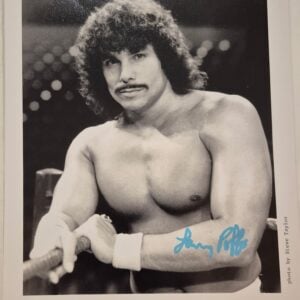
Leaping Lanny Poffo Signed WWF 8×10 Photo Autograph (Deceased Legend)
$45.00 Add to cart -
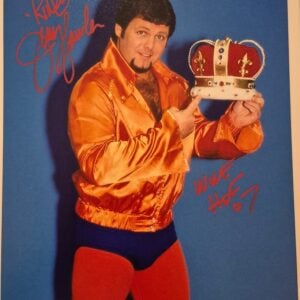
Jerry “The King” Lawler Signed 8×10 Photo Autograph
$50.00 Add to cart -
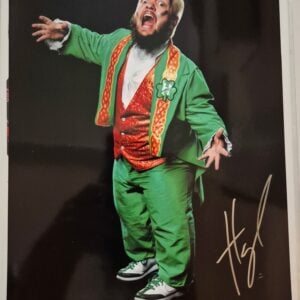
Hornswoggle (Dylan Postl) Signed WWE 8×10 Photo Autograph
$30.00 Add to cart -
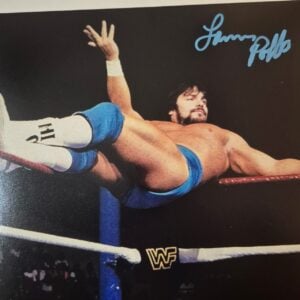
Leaping Lanny Poffo Signed WWF Turnbuckle Pose 8×10 Photo Autograph (Deceased Legend)
$45.00 Add to cart -
Kevin Sullivan Signed 8×10 Photo Autograph (Deceased Legend)
$45.00 Add to cart -
Johnny Rodz Signed WWF 8×10 Photo (wrestling Andre the Giant)
$30.00 Add to cart -
Vince Russo Signed 8×10 Photo Autograph
$35.00 Add to cart -
Johnny Rodz Signed WWF 8×10 Photo Autograph
$30.00 Add to cart -
Larry Zbyszko Signed WCW 8×10 Photo Autograph
$40.00 Add to cart -
Bushwhacker Luke Signed WWF 8×10 Photo Autograph (The Bushwhackers)
$30.00 Add to cart -
Jimmy Hart Signed WWF 8×10 Photo Autograph (pictured with Bret Hart & Jim Neidhart)
$35.00 Add to cart -
Bushwhacker Luke Signed WWF 8×10 Photo Autograph (of The Bushwhackers)
$30.00 Add to cart -
Ken Patera Signed WWF 8×10 Photo Autograph (pictured with Bobby Heenan & John Studd)
$35.00 Add to cart -
Brutus the Barber Beefcake Signed WWF 8×10 Photo Autograph 2
$35.00 Add to cart -
Sunny (Tammy Lynn Sytch) Signed WWF 8×10 Glamour Photo Autograph
$35.00 Add to cart -
Baby Doll (Nickla Roberts) Signed 8×10 Photo Autograph (pictured with Ric Flair)
$35.00 Add to cart -
Ron Simmons Signed WWE 8×10 Photo Autograph
$40.00 Add to cart -
Fred Ottman Signed WWF 8×10 Photo Autograph (Typhoon)
$35.00 Add to cart -
Nikolai Volkoff Signed WWF 8×10 Photo Autograph 2 (Deceased Legend)
$45.00 Add to cart -
“Hacksaw” Jim Duggan Signed WWF 8×10 Photo Autograph
$40.00 Add to cart -
Sunny (Tammy Lynn Sytch) Signed WWF 8×10 Photo Autograph (WWE Hall of Fame)
$35.00 Add to cart -
Jerry “The King” Lawler Signed WWE 8×10 Photo Autograph 2
$50.00 Add to cart -
D’Lo Brown Signed WWF 8×10 Photo Autograph
$30.00 Add to cart -
Jerry Lynn Signed 8×10 Photo Autograph
$35.00 Add to cart -
Justin Credible Signed 8×10 Photo Autograph
$30.00 Add to cart -
Johnny Rodz Signed WWF 8×10 Photo Autograph (pictured with The Grand Wizard)
$30.00 Add to cart -
Sunny (Tammy Lynn Sytch) Signed WWF 8×10 Photo Autograph
$35.00 Add to cart -
Larry Zbyszko Signed 8×10 Photo Autograph 2
$40.00 Add to cart -
Nikolai Volkoff Signed WWF 8×10 Photo Autograph (Deceased Legend)
$45.00 Add to cart -
Jimmy Hart Signed WWF 8×10 Photo Autograph (pictured with Hulk Hogan)
$35.00 Add to cart -
Bushwhacker Luke Signed WWF 8×10 Photo Autograph (with Bushwhackers Butch)
$30.00 Add to cart -
Leaping Lanny Poffo Signed WWF Frisbee Pose 8×10 Photo Autograph (Deceased Legend)
$45.00 Add to cart -
Johnny Rodz Signed WWF 8×10 Photo Autograph (pictured with Captain Lou Albano)
$30.00 Add to cart -
The Tonga Kid (Sam Fatu) Signed WWF 8×10 Photo Autograph
$35.00 Add to cart -
Fred Ottman Signed WCW 8×10 Photo Autograph (The Shockmaster)
$35.00 Add to cart -
Johnny Rodz Signed WWF 8×10 Photo Autograph (wrestling Tony Atlas)
$30.00 Add to cart -
Missy Hyatt Signed 8×10 Photo Autograph
$35.00 Add to cart
The Moondogs Become a Sensation in South Africa
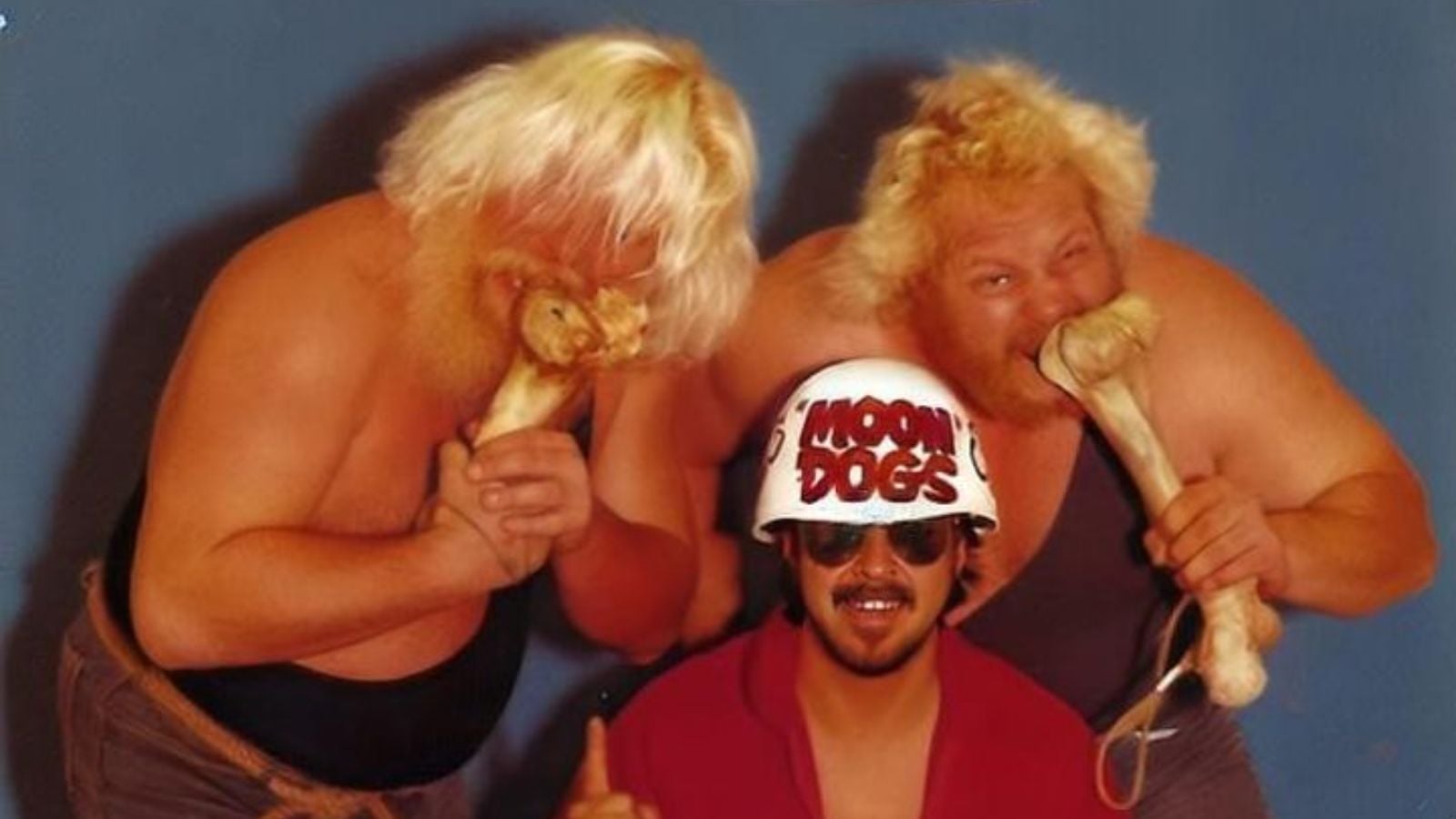
All three Moondogs teamed up for the only time on a tour of South Africa, where the team became a genuine national sensation. One edition of Wrestling Training Illustrated put it plainly: “the sport of wrestling has never seen anything like the Moondogs when they hit South Africa.”
The team, photographed in seven major newspapers, caused several sell-outs, including a crowd of 18,000 fans in Durban in late 1981.
Following a short Puerto Rico run, the duo won a $30,000 Thanksgiving tag tournament in Georgia, beating Johnny and Tommy Rich in the finals. The Moondogs then worked across the south, including stints under Bill Watts in Oklahoma and Paul Boesch in Texas.
As Latham had long desired, the Moondogs finally made their return to Memphis in March 1983, promoted through a music video of the team in which the duo chewed on bones, howled at the moon, and traipsed through a boggy swamp.
Once there, the team quickly captured the Southern Tag belts, sparking a long feud with the Fabulous Ones (Stan Lane and Steve Keirn, also known as Skinner). The teams fought in stretcher, steel cage, and Texas death matches, with manager Jimmy Hart at their side. After a Loser Leaves Town match, the group jumped back to the WWF.
Moondog Spot’s Fall Down the WWF Card in the 1980s
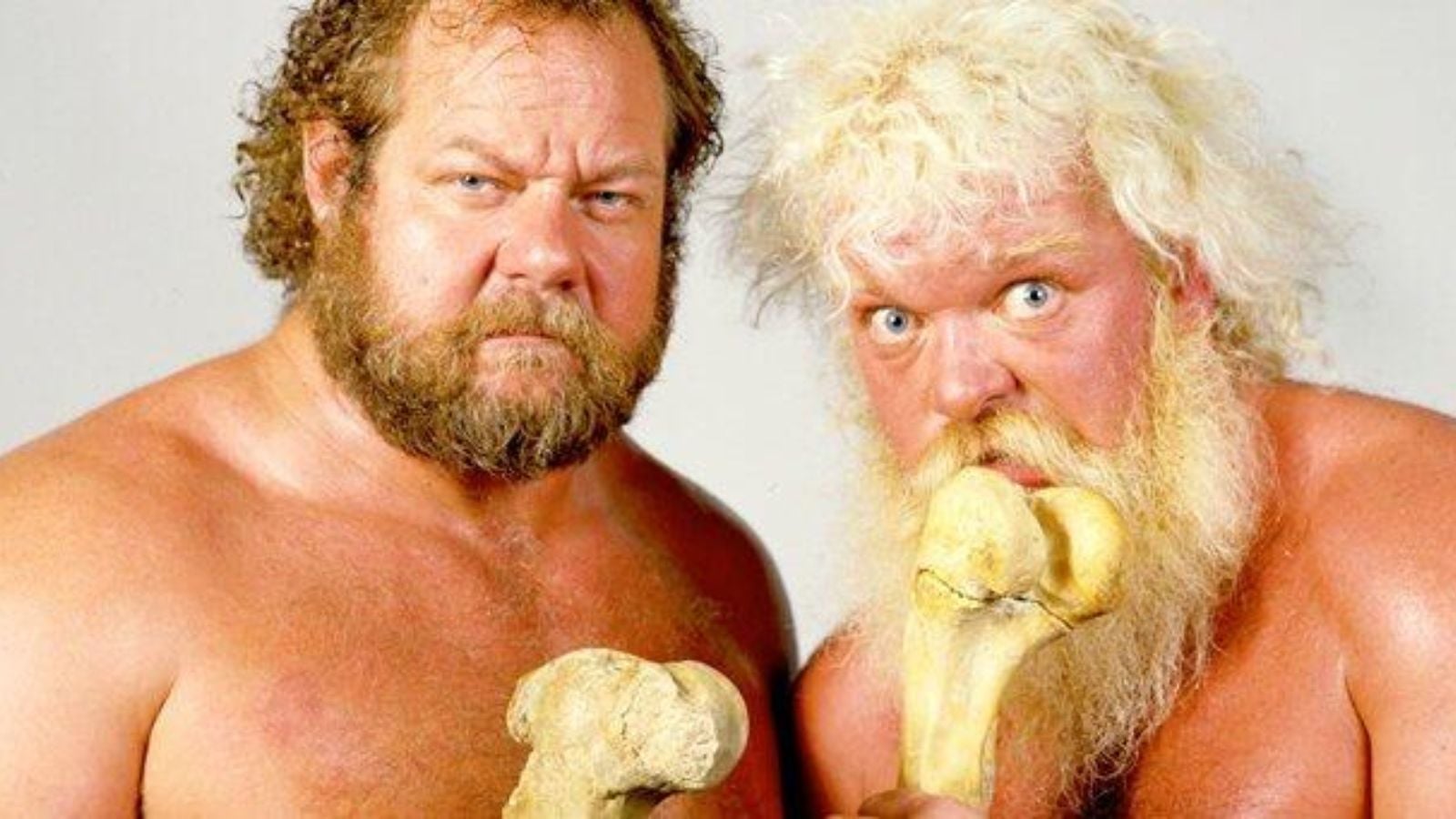
In 1984, the Moondogs returned to the WWF, expected to be a top challenger for the Soul Patrol (Rocky Johnson and Tony Atlas). But the team disbanded before the dogs could reemerge, and new ownership under Vince McMahon, Jr. meant the Moondogs slid down the priority list regardless.
The group became journeymen almost overnight, losing to teams such as the Fabulous Freebirds, the Wild Samoans, and the Brisco Brothers. Spot even dropped singles matches to fellow enhancement talent like SD Jones and George Wells.
By February 1985, Moondog Rex had left the WWF to work under Bill Watts in Mid-South, his last WWF match a house show tag loss against Hillbilly Jim and Hulk Hogan.
Moondog Spot’s Record-Setting Loss on the WWF’s First Pay-Per-View
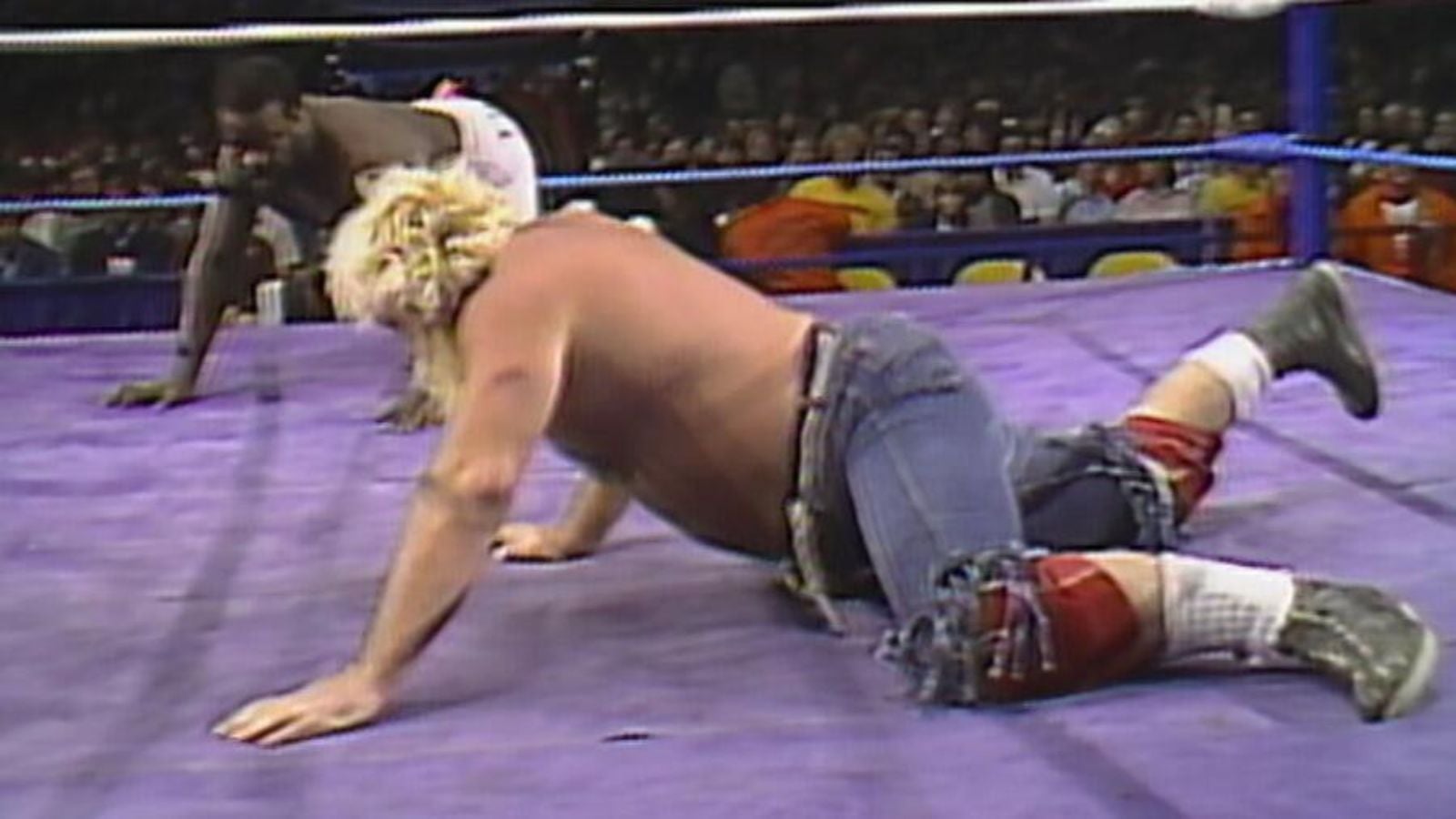
Moondog Spot carried on as a singles wrestler, often serving as an undercard opponent on WWF cards at Madison Square Garden, losing to higher-profile competitors such as Blackjack Mulligan, Ivan Putski, and Ricky Steamboat.
Though he missed WrestleMania, Spot did wrestle on the WWF’s first pay-per-view event, the Wrestling Classic, a single-elimination, one-night tournament.
In the first round, Spot defeated Terry Funk by count-out. After both heels agreed to walk out together, Funk tried to rush back in, accidentally backdropping Spot into the ring in time to beat the 10 count. Spot emerged victorious in a sub-30-second bout he never really had to win on his own merits.
In the quarter-finals, things went less smoothly. He lost to the Junkyard Dog in 45 seconds, and for reasons unknown beyond speculation of a disorganized and chaotic production, no referee was present. Junkyard Dog counted his own pin, a decision that was allowed to stand despite the incredulous responses from the commentators.
The match received a historic negative five-star rating from Wrestling Observer‘s Dave Meltzer, the first match ever to receive such a scathing review.
By 1986, Colley had returned from Mid-South and the Moondogs reunited, but only as enhancement talent, regularly putting over younger, more popular teams on TV like the British Bulldogs and the Islanders at MSG shows.
The team had disbanded again by 1987. Moondog Rex (Randy Colley) dropped the gimmick to become the original Demolition Smash, while Spot continued as a solo performer, notably serving as the opponent for debuting babyface “Hacksaw” Jim Duggan. His final broadcast WWF match came in March 1987, a loss to Jake Roberts on Superstars.
Moondog Spot Returns to Memphis for a Career-Defining Feud

Moondog Spot went home to Memphis, initially finding success as a solo performer before Rex rejoined him. In between, it was in Giant Baba’s All Japan Pro Wrestling that Spot first teamed with a new partner, Moondog Spike. Spot and Spike also competed for CMLL in the historic Arena Mexico.
In late 1991, the new Moondogs made a more permanent return to Memphis, winning the USWA tag titles for the first of many occasions for Spot in his new gimmick.
1992 proved to be a pivotal year. Spot, alongside rookie Moondogs Spike and Cujo, engaged in a long-running and intense feud with the team of Jerry Lawler and Jeff Jarrett. Within months, the wild brawls between the teams pushed Memphis crowds from 600 up to 2,000.
Jeff Jarrett later recalled the feud’s texture on his My World podcast: “There were no high spots. It was just a lot of brawling and a lot of storytelling with just wild, ultra violence … That was the story.”
He also explained how stiff the matches truly were, stating the teams were “kicking the **** out of each other.”
The popularity of the feud led to it being voted Pro Wrestling Illustrated’s feud of 1992, the only non-WWF or WCW winner of that award, outpolling feuds such as Ric Flair vs Randy Savage in the WWF and Rick Rude vs Ricky Steamboat in WCW. The Moondogs also finished as third runners-up for the Most Hated Wrestler(s) Award, trailing only all-time heels Rick Rude, Ric Flair, and Jake Roberts.
Legends of Memphis Wrestling writer Steve Crawford goes so far as to argue the Moondogs “may have actually extended the life of the Memphis territory,” while Dave Meltzer has stated that the Jarrett and Lawler feud may be the last important regional wrestling rivalry.
Moondog Spot’s Final Years Wrestling in Memphis and Tennessee
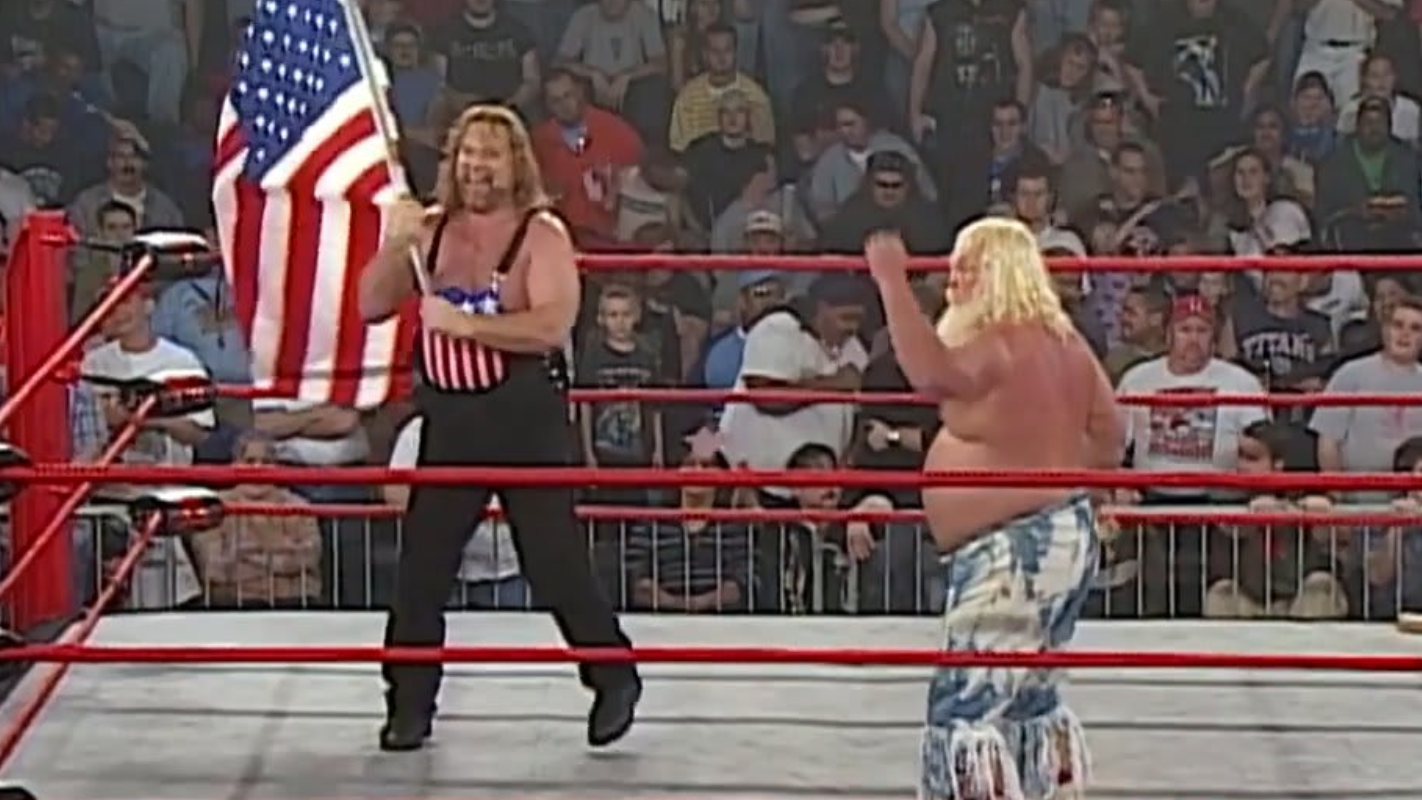
After the Jarrett-Lawler feud cooled, the Moondogs spent the next few years splitting time between Memphis and Jim Cornette’s Smoky Mountain Wrestling in Tennessee, revitalizing programs with the Bruise Brothers (Ron and Don Harris) and The Rock ‘n’ Roll Express.
Moondog Spot captured his 14th and final USWA tag title in 1996, this time with Moondog Rover.
He kept wrestling in the Memphis area for years afterward, with his last taste of national exposure coming at TNA’s 37th pay-per-view event in March 2003. There, he made a surprise appearance, cracking his opponent with his trademark dog bone as he and Jim Duggan defeated ex-WCW stars Glenn Gilberti (Disco Inferno) and Mike Sanders.
Away from the ring, he also opened a wrestling school back home in Osceola, Arkansas.
Jerry Lawler’s Birthday Show Becomes Moondog Spot’s Final Match
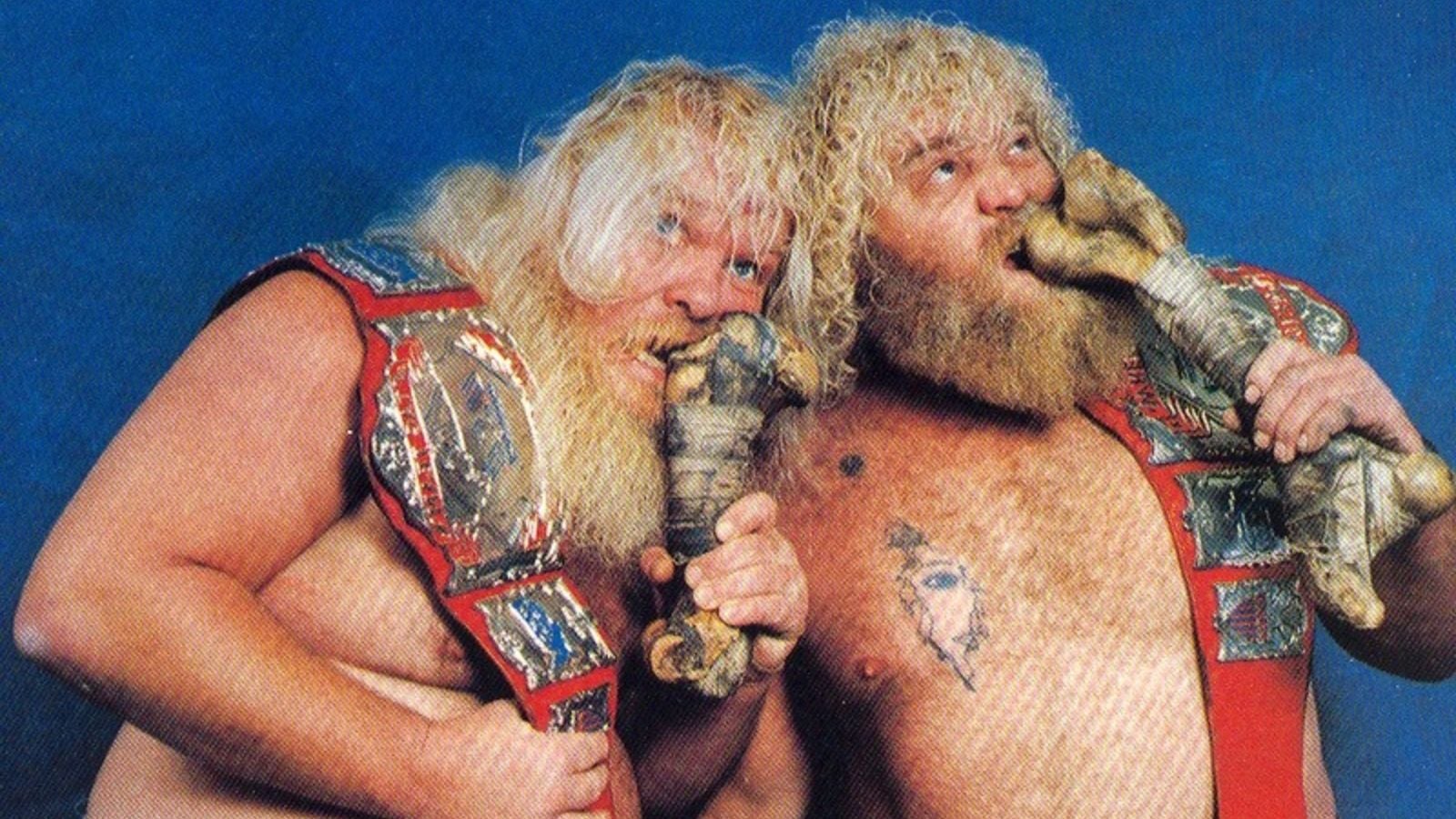
On November 29, 2003, Memphis fans flocked to the Mid-South Coliseum for Jerry Lawler’s 54th birthday bash, A Night Fit for A King.
As a loyal Memphis legend, Moondog Spot was on the card, teaming with Moondog Puppy Love, a wrestler named Mike Flowers, after Rex was unable to compete while undergoing heart surgery of his own. The team competed in a four-team “Concession Stand Battle Royal,” which also involved the Rock ‘n’ Roll Express.
Sharing a card with the greats of yesteryear, like Bill Dundee, Koko B. Ware, and Rocky Johnson, the 1,100 fans in attendance looked to be in for a great night of nostalgia and old-style wrasslin’. Instead, as the Wrestling Observer put it, “it turned into anything but fun when Larry Booker passed away from a massive heart attack suffered during a match type that he, in another lifetime, helped put on the wrestling map.”
Wrestler Alan Steel Recalls Moondog Spot’s Final Moments
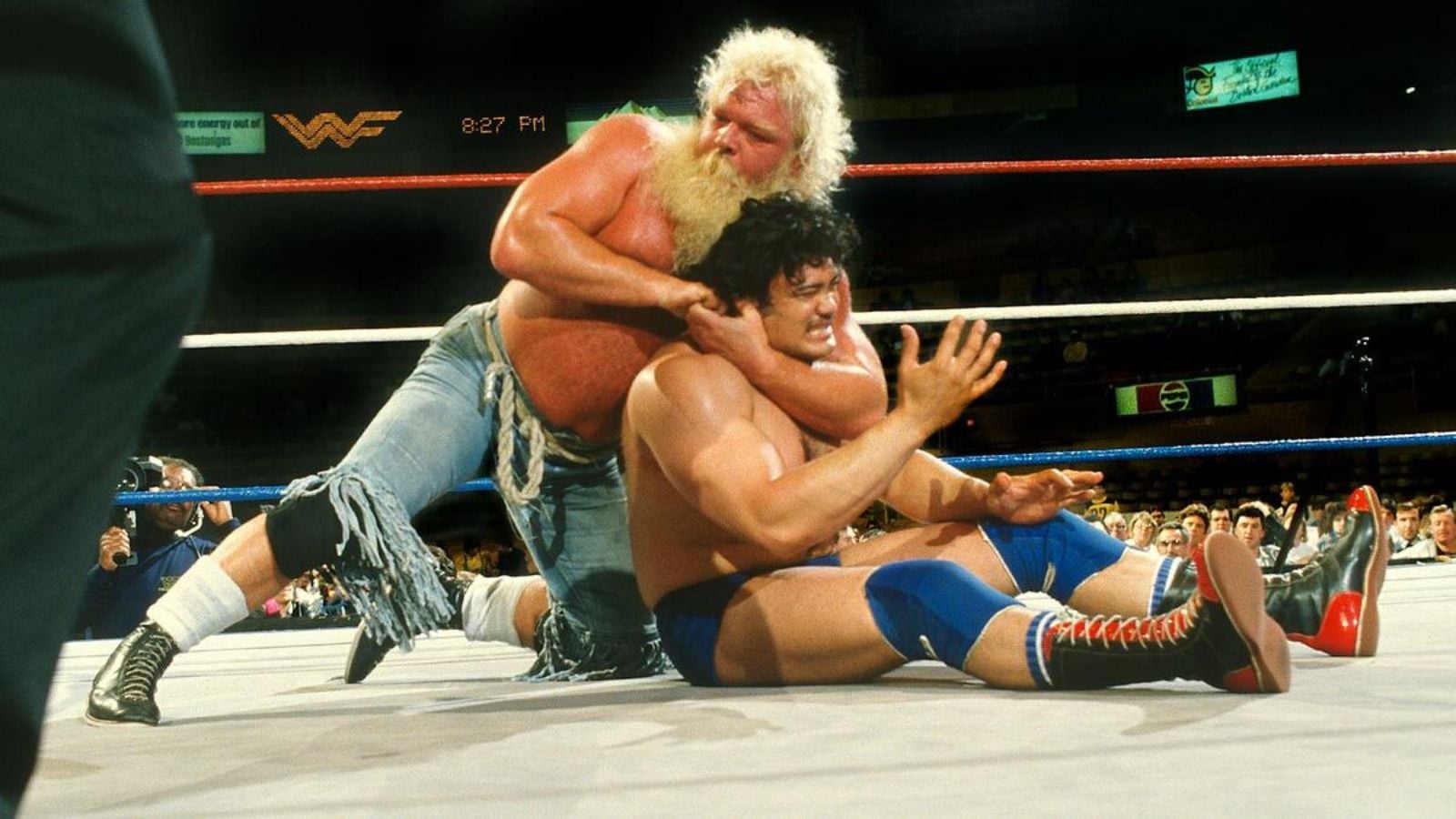
Speaking exclusively to Pro Wrestling Stories, Alan Steel, who competed opposite Moondog Spot in the match, recalled the experience in vivid detail:
“Let me start by saying that Larry ‘Moondog Spot’ Booker was a great man who always treated me fairly and showed me more respect than I probably deserved.
“I was born and raised in Memphis, Tennessee, so I got to see the utter chaos that the Moondogs caused on a regular basis. I watched them every Saturday morning on TV brutalize their opponents with any and every object that wasn’t nailed down. I also saw them do the same thing up close and personal at the Mid-South Coliseum on Monday nights.
“Fast forward to the late ’90s, and I’d started on my own journey as a professional wrestler when I met Moondog in person.
“He protected his character by acting as if he couldn’t speak and as if shaking hands was odd to him when I first introduced myself. After observing how I carried myself and watching my match, he came up to me and asked me about coming to wrestle for his company in Osceola, Arkansas, MCW. To this day, I couldn’t tell you the actual name of that company; it will always be Moondog Championship Wrestling to me.
“He put me in the ring with some of his already established guys and trainees, eventually even wrestling against his son. We were around each other, here and there at different events for the rest of his life. At one point, he asked me if I’d be willing to grow out and bleach my hair and beard to be the newest Moondog because he liked the way I swung chairs, brooms, etc.
“On November 29, 2003, I was competing in a Moondog Concession Stand Battle Royal at the Mid-South Coliseum. Moondog was having the time of his life hitting us younger guys across the back with a kitchen skillet. Everybody was trying to stay away from him, but he grabbed me and nailed me with the skillet, which was like getting the hardest chop ever on your back. I jumped and hollered in a very animated fashion, which made him laugh out loud.
“My reward for that was getting hit a second time. I remember that somebody hit him from behind, and he dropped the skillet. I ran over and kicked it out of the ring to keep from receiving a third shot. I was eliminated shortly after that.
“After I made it to the back, I stood near the curtain, right beside Moondog’s youngest son to be able to peek through and watch the remainder of the match. It wasn’t very long after that, Ricky Morton of the Rock ‘n Roll Express came running through the curtain yelling for help and saying: ‘there’s something wrong with Larry!’
“Moondog was having a heart attack and went over to the corner of the ring and sat on the turnbuckle pad.”
Robert Gibson and Others Describe Moondog Spot’s Collapse
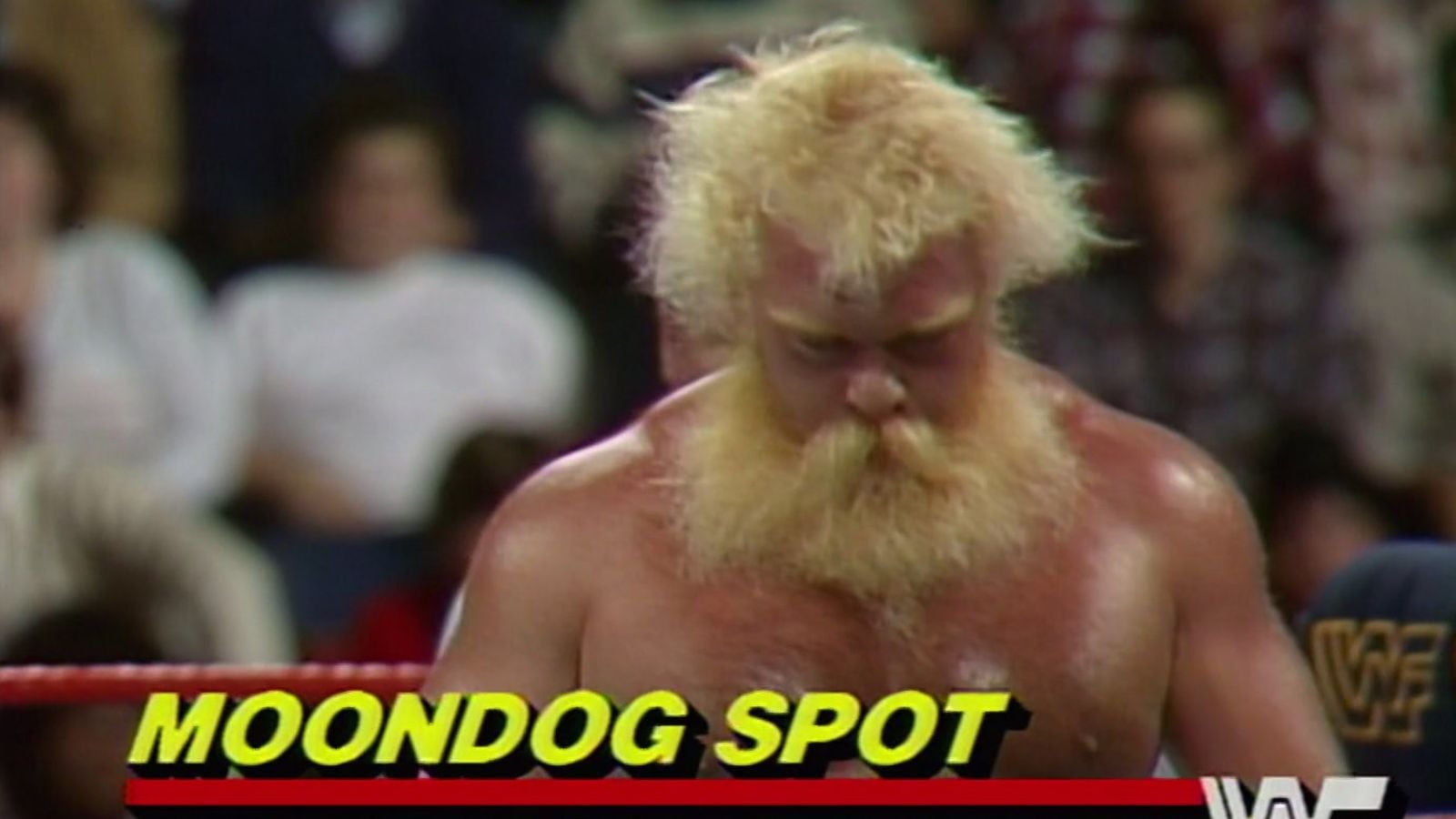
Alan Steel was not the only man in that ring who watched things go wrong in real time. On a Facebook post years later, Robert Gibson reflected, “I was in the match in Memphis when Moondog Spot had his heart attack. I was in one corner, and I could see him across in the opposite corner. He dropped to one knee and did not move.
“I went across and grabbed his beard. He just stared at me. I slapped him, but no response. I turned to Lance Russell and screamed, ‘Call 911!’
“We lost our brother that night.”
The Wrestling Observer described the confusion in the ring in similarly stark terms.
“At one point during the match, Moondog Spot collapsed in the corner. At first they thought he was selling but soon, the wrestlers realized something was amiss and they rushed to a finish as paramedics hit the ring and 911 was called. CPR was performed and several wrestlers, Lawler included, came out from the locker room to survey the scene. Spot was taken out on a stretcher and intermission was called.”
One eyewitness account posted to Reddit added further texture.
The match in question was a glorified food fight, just a bunch of slow old dudes hitting each other with bags of popcorn and hot dog buns and whatnot.
“We actually noticed Moondog Spot lying in the corner before anyone in the ring did, and we started joking that he was sleeping because he wasn’t doing anything. Needless to say, we were horrified a few seconds later when everyone realized something was wrong, and the match came to a very sudden stop, and it was panic.
“I remember there was a scaffold match booked for later in the night, and they had to get several people to help carefully move the scaffold to get the stretcher over to the right side of the ring where Spot was lying.
“When they eventually got him out of the ring, they sprinted up the aisle pushing the stretcher right past us. I remember vividly that his face was completely blue. They announced an intermission that lasted probably 30-45 minutes, and we were in the concourse area, and everyone was kinda stunned. I remember seeing a group of people (some kids and a woman) crying and rushing through the crowd at one point. I always assumed that was his family…
“The show went on, but it felt pretty weird the rest of the night.”
Promoter Cory Macklin, piecing together what happened from the wrestlers involved, remarked to the Sun-Sentinel: “From what I understand from one of the wrestlers, he went to hit Larry and grabbed him. When he grabbed [Moondog Spot] by the beard, he laid back and collapsed.”
“Moondog Spot” Larry Booker Pronounced Dead at Age 51
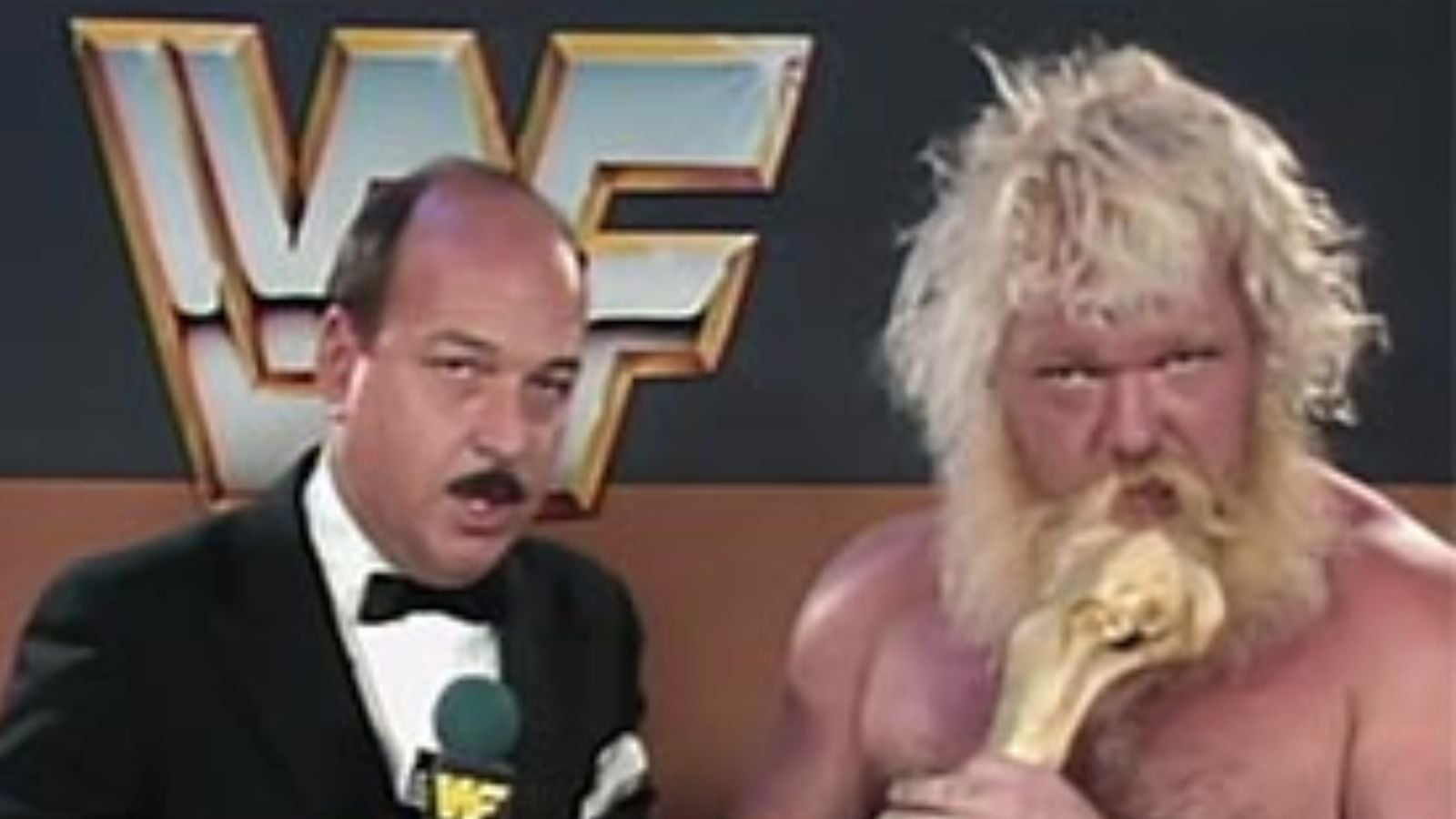
“Moondog Spot” Larry Booker was rushed to Methodist Central Hospital, where he was pronounced dead on arrival. He was only 51.
Old Moondog partner Randy Colley later reflected on the cruel irony of where it happened: “And in all of the towns too, for him to die, Memphis, Tennessee. That was his favorite place to be. He’d rather be in Memphis, Tennessee than Madison Square Garden any day.”
Alan Steel told Pro Wrestling Stories the scene backstage was just as harrowing.
“By the time the paramedics got to him, it was too late. I remember them wheeling him through the curtain and his body was already a blue-purple color. I’m not certain how long it was before they made the official declaration that he had passed.”
“His son was confused and scared at the same time,” Steel continued. “Everybody shifted their focus to him and tried to console him until his mom arrived.”
Out front, the show continued. The news was not announced to fans until after the main event, in which Jerry Lawler and Brian Christopher defeated Doug Gilbert and Dutch Mantell. The wrestlers then held a 10-bell salute in tribute to their fallen comrade.
Why Moondog Spot’s Death Raised Questions About Wrestler Safety
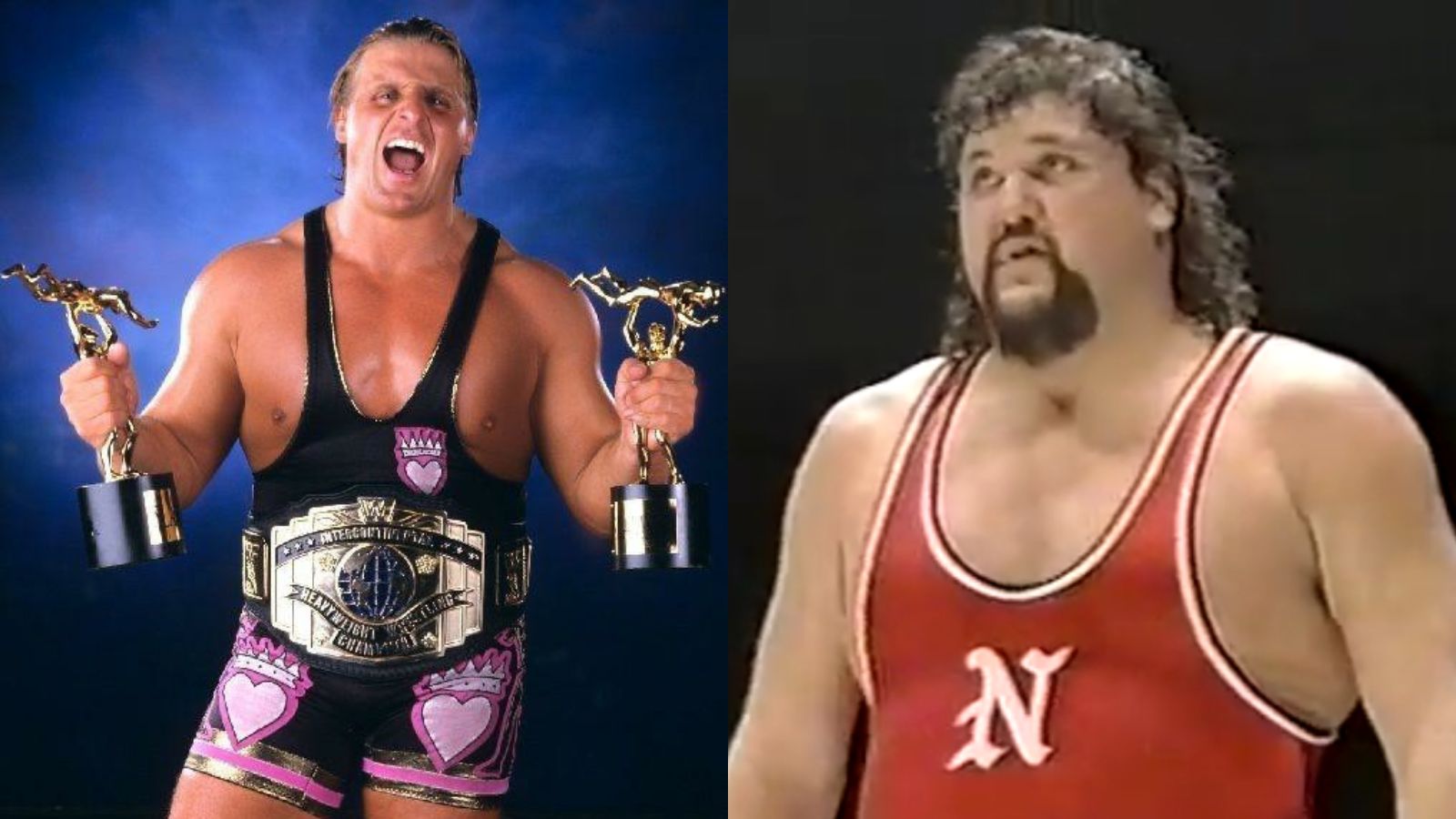
The tragedy drew wider scrutiny, coming as the third in-ring death in less than five years, following the deaths of Owen Hart and Gary Albright.
Reports at the time indicated that Moondog Spot, Larry Booker, was not only severely overweight, something he had been for most of his career, but had also been suffering from diabetes for the previous three or four years.
Booker had signed a waiver absolving MCW of liability in case of an accidental death, but the underlying circumstances still raised concern among those covering the story.
According to reporting by Alex Marvez, promoter Cory Macklin admitted he did not know the full extent of Booker’s health condition going into the show. In the same piece, Marvez raised the uncomfortable question that lingered afterward: “It’s fair to question whether Booker’s death could have been prevented if Tennessee required wrestlers to undergo physical examinations before performing.”
Larry Latham’s Funeral and Lasting Legacy in Memphis Wrestling
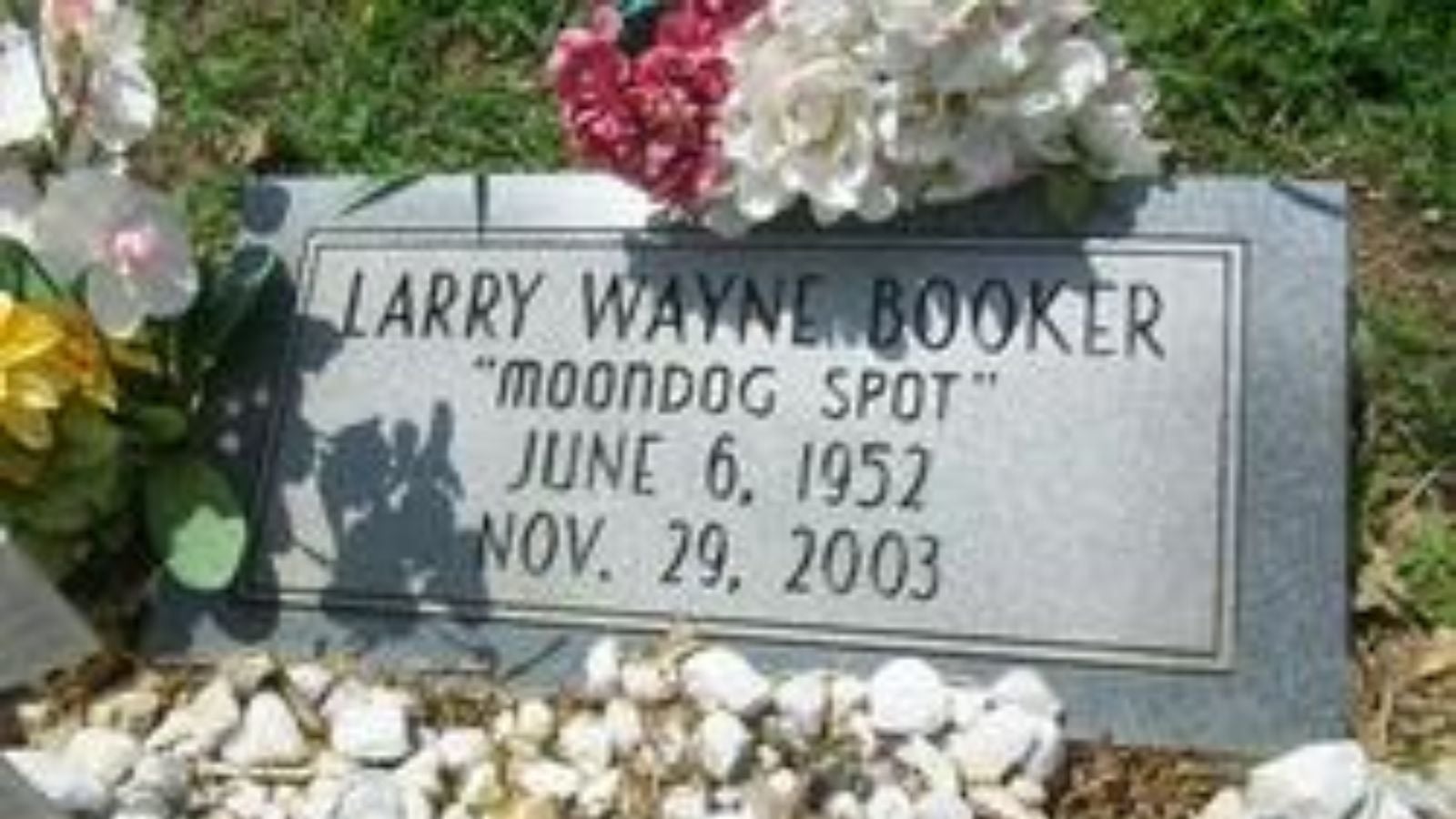
Larry Booker was laid to rest the following week, on Wednesday, December 3rd, in Dyersburg, Tennessee. His final resting place is the Zion Hill Church Cemetery in Friendship, Tennessee.
The funeral drew his many siblings, six wives, and seven children, alongside a large number of wrestling fans. Several wrestlers attended as well, among them Jerry Lawler, who recalled, “It was a horrible day, just raining and cold all day long.”
Alan Steel closed his recollection to Pro Wrestling Stories with a reflection on the man’s lasting impression.
“A lot of us attended the funeral. There were a ton of pictures of his life and career displayed for everybody to see. I was in awe of all of the memories he got to experience during his lifetime.
“To this day, MCW still has weekly events and has a banner hanging in their building to honor Moondog.
He is still missed by a lot of us, his Wrestling Family. Thank you for allowing me to share this with you.”
Larry Booker spent his life turning condiments and folding chairs into a legacy. Memphis never forgot him, and neither did the business he helped shape.
These stories may also interest you:
- Owen Hart’s Death: What Really Happened, From Those There
- Chief Don Eagle: Haunting Secrets of Wrestler’s Mysterious Death
- Hayabusa’s Last Match: When Loyalty Turned to Tragedy
Download PDF Version
Get the complete article as a formatted PDF for offline reading.


