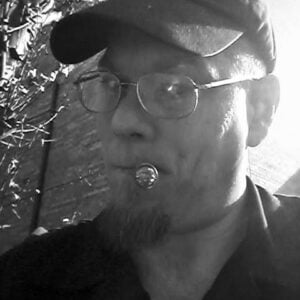
 Author:
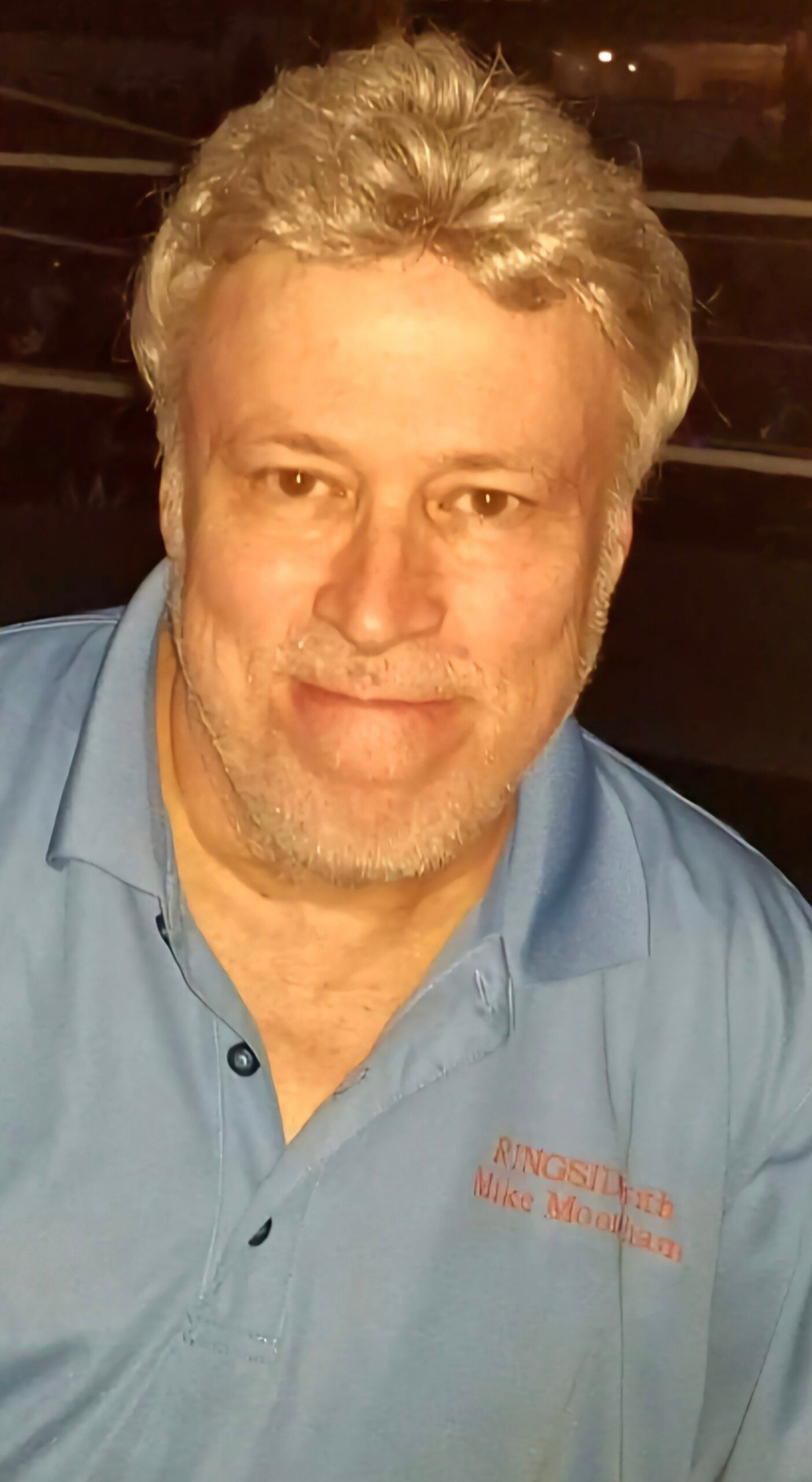
 Backstage after a live WWE Raw event at the North Charleston Coliseum in 2002, Vince McMahon put an arm around a longtime newspaperman, looked toward Jim Ross, and declared, “Jim, this man gets it!” The journalist smiled and held his tongue. McMahon had no idea that the man he was praising had co-authored a tell-all book examining his rise, ruthlessness, and the business he built, due to be released within months. That man was Mike Mooneyham, whose more than sixty years inside wrestling brought the trust of the boys in the back, friendships across generations, painful losses, and the longest-running pro wrestling column in the country. How he earned that rare place began with a black-and-white television set and a small South Carolina promoter who opened the door.

Jim Phillips, author of this article and one of the great wrestling historians here at Pro Wrestling Stories, is in the challenge of his life after being paralyzed on January 21st, 2023. Learn his story and how you can help him reach his goal of taking his first steps again!
How a Black-and-White Television Set Lit a Fire in Charleston’s Future Wrestling Historian Mike Mooneyham
The story begins, as Mike Mooneyham tells it, with a Saturday afternoon in front of a black-and-white television set in Charleston, South Carolina. A pro wrestling broadcast came on, and a competitor billed at 601-pound named Haystacks Calhoun filled the screen alongside Johnny Weaver, squaring off against a pair of villains, Aldo Bogni of Buenos Aires, Argentina, and Bronco Lubich of Belgrade, Yugoslavia, managed by a cane-wielding character billed as Kentucky Colonel Homer O’Dell.
"It’s like everything black and white turned into color, even though it was a black-and-white TV," Mooneyham recalled during our July 2026 phone conversation for Pro Wrestling Stories. We had known each other for years, brought together by local South Carolina wrestling shows and a shared love of the sport’s history. "It’s like all of these amazing personalities just came to life, and we were all mesmerized."
The broadcast announced that fans could see wrestling like that in person the following Friday night at County Hall in Charleston, and a lifelong fan was born before the closing credits rolled.
On July 2, 1964, sixty-two years before this conversation took place, a young Mooneyham attended his first live wrestling show at the old County Hall. The card featured Tim Woods, later known as Mr. Wrestling, against Pedro Godoy, a little person tag team bout pitting Lord Littlebrook and Chief Littlehawk against a villainous German duo billed as Fritz and Hans Hermann, and a main event that saw Haystacks Calhoun and Johnny Weaver battle The Masked Bolos, who would later become The Assassins. “I was hooked. I was hooked. July 2nd, 1964. Never looked back,” Mooneyham remembered.
He remembers the date with such precision because he still owns the original newspaper clipping advertising that very show, a keepsake handed down to him by the promoter who ran County Hall for nearly five decades, Henry Marcus, shortly before Marcus passed away.
From a Fan Club Mimeograph Machine to a Press Card in the Southeast
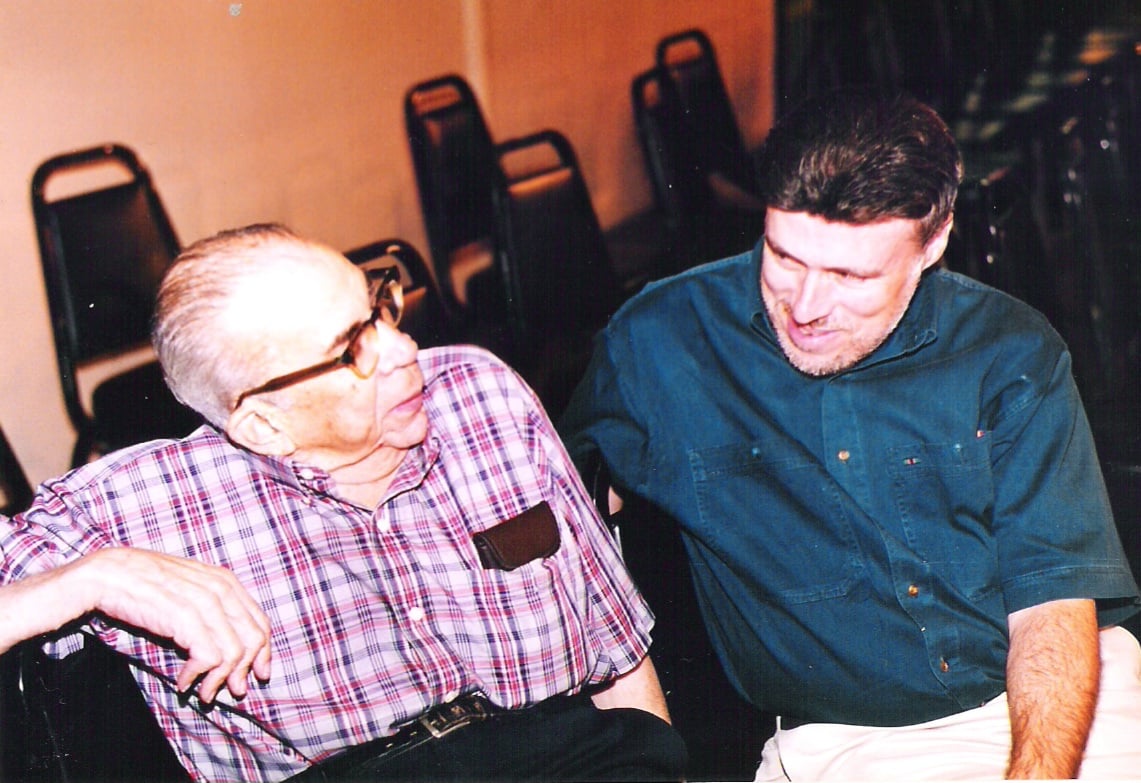
Not long after that first live show, barely a teenager, Mooneyham began submitting stories and articles to national wrestling magazines. Editors liked what they read and issued him press credentials, which sent him traveling to shows across Charleston, Charlotte, Columbia, Atlanta, Savannah, Orlando, and Miami Beach, covering what was essentially the entire Southeastern wrestling circuit as a kid.
Out of that experience came his own fan club and monthly newsletter, the Championship Wrestling Fan Club bulletin, produced on a mimeograph machine and mailed to members across the country and as far away as Cairo, Egypt. Correspondents in other cities sent him results from their local shows, and the operation gave Mooneyham an early education in reporting, sourcing, and the discipline of meeting a deadline, well before he ever held a newspaper job.
“I just got deeper and deeper into that part of the business, and obviously got to know a lot of the performers,” Mooneyham explained. “That was a big influence on me becoming a newspaper writer.”
His parents repeatedly asked what he intended to do with his fascination for professional wrestling. By then, the answer was already taking shape: what began as a childhood interest was becoming the foundation of a reporting career.
Enjoying this story? Own it forever.
No ads. No interruptions. Download the full story as a beautifully formatted PDF at just $0.99.
Get My Copy — $0.99The Wrestling Deaths That Left a Lasting Mark on Mike Mooneyham
Not every story from Mike Mooneyham’s decades in the business is a happy one. He recalled the case of Ox Baker. Baker earned an unwanted reputation as “the Killer” after a tag match in Omaha in the early 1970s, when he and a partner faced Alberto Torres and Cowboy Bob Ellis. Torres suffered a ruptured pancreas during the bout and died a day or two later. Mooneyham was careful to note that, in his understanding, the injury stemmed from a knee drop rather than Baker’s signature heart punch.
A year or two later, in Savannah, Georgia, a city Mooneyham covered extensively during his years on the Southeastern wrestling beat, Baker delivered a heart punch to popular wrestler and promoter Ray Gunkel during a match. Gunkel later collapsed in the dressing room shower and died of a heart attack. “I wouldn’t 100% directly attribute his death to that particular move that night,” Mooneyham cautioned, but the association stuck with Baker for the rest of his career. “Poor Ox. He never lost that reputation,” Mooneyham lamented, noting that Baker was also connected to riots that broke out in Cleveland during a match alongside Ernie Ladd.
Mooneyham’s account showed his care in separating the reputation Baker carried from what the known evidence established. He remembered the dates, cities, and consequences, but resisted turning an association into a definitive cause.
Landing at the Post and Courier and Sneaking Wrestling Onto the Front Page
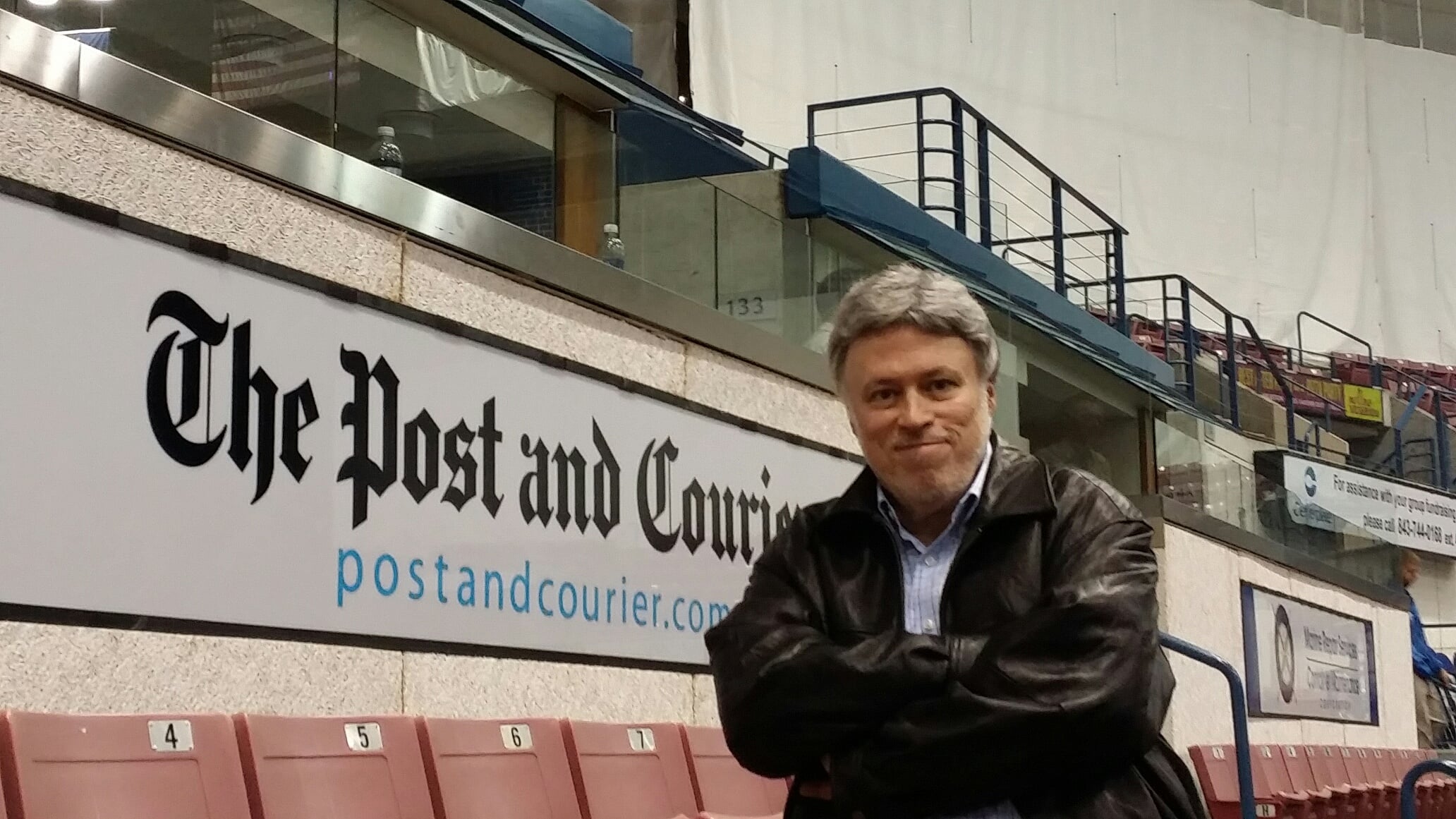
Mike Mooneyham’s newspaper career began in the mid-1970s in an advertising role he landed through a fraternity brother, while he was still in college. From there, he moved to The Times and Democrat in Orangeburg, South Carolina, where he worked as an editor before returning to what was then called The News and Courier in Charleston for a job in the sports department in 1979. Within a couple of years, he had been promoted to assistant sports editor. Even while working in Orangeburg, he had quietly kept slipping wrestling coverage on figures like Ric Flair into the paper whenever he could find an opening.
It was during a Sunday layout session, coinciding with the heavily hyped closed-circuit broadcast of the Larry Holmes-Gerry Cooney heavyweight boxing match, that Mooneyham made his boldest editorial decision yet. He stripped a small boxing item across the top of the front page and gave the rest of the page, more than half of it, spread across two open jump pages, to an extensive feature on a professional wrestler. His editor was baffled that so much space had gone to pro wrestling coverage, but the response from readers was strong enough to keep the door open.
Several years later, around early 1989, the newspaper’s executive editor approached Mooneyham directly and asked if he would be interested in writing a regular pro wrestling column. Wrestling was in the middle of a national boom at the time, and Mooneyham, ever the strategist, laid out two conditions before agreeing: the column had to run in the sports section, not arts and entertainment or features, and it had to appear in the Sunday edition, which carried the paper’s largest circulation.
“I was thinking ahead. If I’m gonna do it, I’m gonna do it right,” Mooneyham noted. When his editor proposed running the piece monthly, Mooneyham pushed for weekly instead, and got it. That column has now run for 37 years as of this writing, and Mooneyham described it as the longest-running pro wrestling column in the country. Once the paper moved online, he said, the column was typically the most-read article on The Post and Courier’s website during the week it was published.
Mooneyham described the reach of that column as the most rewarding part of the job. Fans have told him for decades about riding bicycles to the supermarket just to grab the paper, or digging up back issues at the library. A friend in Asheville, North Carolina, still reminds him every time they meet that he used to pedal to Aitken’s Supermarket every week to get the column before anything else.
Love Pro Wrestling Stories? Add us as a Preferred Source on Google so our stories always show up first for you. It only takes one click.
Add Us on GoogleEarning Trust in the Business by Knowing What Not to Print
What separated Mike Mooneyham’s column from many of the wrestling publications of the era, in a business still steeped in kayfabe, was his willingness to report honestly on sensitive subjects, including a lengthy series on the steroid scandal that rocked the industry in the late 1980s and early 1990s. Yet Mooneyham also drew a firm ethical line: he says he never once betrayed a confidence, and he killed stories he believed would unfairly damage a performer, even when those stories were true and would have generated significant attention.
He described one such instance involving Bill Goldberg, early in Goldberg’s undefeated streak, when Goldberg spoke candidly and critically about Hulk Hogan during an interview. Mooneyham recognized the comments would be picked up widely and could hurt a still-green Goldberg’s career, so he contacted WCW’s public relations department, thanked them for the interview, and declined to run the column at all.
That kind of discretion built Mooneyham a reputation that opened doors most reporters never got near. He recalled a moment when Cowboy Bill Watts held up one of Mooneyham’s columns in the Center Stage Atlanta locker room and warned the roster that anyone caught feeding Mooneyham information would be fired, a story Mooneyham only learned about after Paul Heyman called to relay it. Heyman told him not to worry and dismissed Watts’ warning with a laugh. Mooneyham says he and Watts remained friends for years afterward despite the incident. “They knew they could trust me,” Mooneyham stressed. “But if it was a serious subject, then let the chips fall where they may.”
Mooneyham was quick to point out that reporting in that era meant something different than it does today. There was no internet, no search engines, and no shortcut to information. “You had to work, you had to dig,” he remarked, describing the relationships built over decades as the only real currency a professional wrestling reporter had before Google existed.
With hundreds of amazing Pro Wrestling Stories to dive into, where do you start? Get the inside scoop, join our exclusive community of wrestling fans! Receive 10 hand-picked stories curated just for YOU, exclusive weekly content, and an instant welcome gift when you sign up today!
The Night the Legends Returned and a Tribute to Henry Marcus
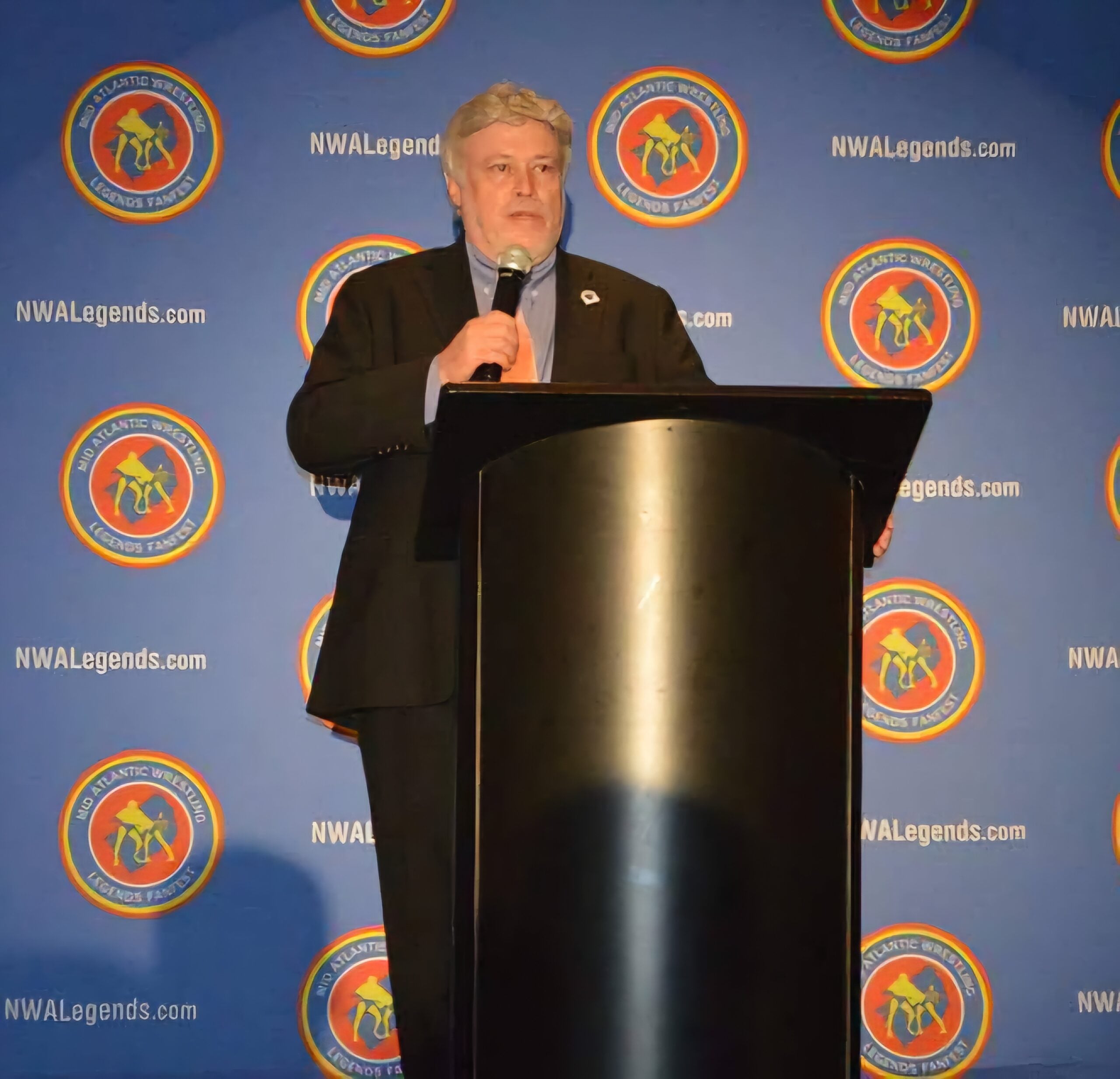
In 1998, Mike Mooneyham and fellow wrestling enthusiast Amy McDaniel organized one of the early wrestling legends reunions of its kind, an event titled “Lowcountry Legends: The Night the Legends Returned, A Tribute to Henry Marcus.” The weekend-long gathering centered on honoring the promoter who had run wrestling shows in Charleston and Columbia for nearly five decades, and it doubled as the final event ever held at the historic County Hall building, by then renamed the King Street Palace.
Marcus, whom performers affectionately nicknamed “High Pockets” for the way he wore his pants, was a promoter in the truest old-school sense, booking everything from the Harlem Globetrotters to Dick Clark rock-and-roll revues to touring Superman and Lois Lane stage shows over the decades. Marcus had ridden trains with boxing legends Jack Dempsey and Rocky Marciano and attended Broadway plays in New York, a well-traveled and well-read man whose stories, by Mooneyham’s account, shaped his early understanding of the wrestling business from the promotional side. Marcus died at age 93.
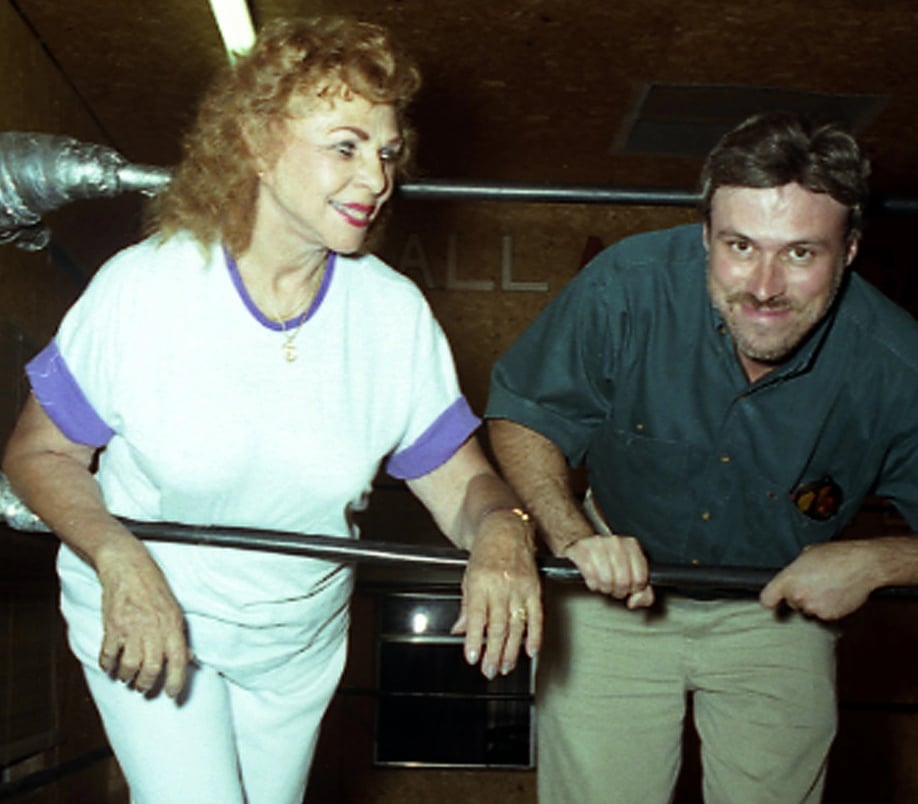
Performers from the County Hall era traveled to Charleston largely for free, motivated by loyalty to Marcus and to the building itself rather than any payday. The lineup included Sandy Scott, Tim Woods, Abe Jacobs, Rip Hawk, Swede Hanson, Thunderbolt Patterson, Fabulous Moolah, Penny Banner, Diamond Lil, Leilani Kai, and Susan Green, along with Johnny Valentine and Jose Lothario. Referees from both eras, including Ron West, Tommy Young, Charles Robinson, and Mark Curtis, were brought in for the occasion. Curtis, who worked in WCW, spent his honeymoon in Charleston that same weekend and passed away only a year or two later.
Mooneyham remembers watching Rip Hawk and Swede Hanson reunite in the hotel lobby after not having seen each other in 15 years, an emotional moment between two longtime partners that stuck with him. “You can’t buy moments like that,” he mused. He also recalled delivering a speech at the banquet acknowledging that the gathering marked the final time that particular group of performers would ever be together in one place, and noted, with some pride, that his event predated most of the legends conventions that have since become a regular circuit for the wrestling community.
Real Autographs. Only Few Remain.
These are hand-signed originals sold directly by Pro Wrestling Stories. Once they sell out, they are gone for good.
Own a Piece of Wrestling History
-

Justin Credible Signed 8×10 Photo Autograph 2
$30.00 Add to cart -
Johnny Rodz Signed WWF 8×10 Photo Autograph
$30.00 Add to cart -
Bushwhacker Luke Signed WWF 8×10 Photo Autograph (with Bushwhackers Butch)
$30.00 Add to cart -
Nikolai Volkoff Signed WWF 8×10 Photo Autograph (Deceased Legend)
$45.00 Add to cart -
The Tonga Kid (Sam Fatu) Signed WWF 8×10 Photo Autograph
$35.00 Add to cart -
Johnny Rodz Signed WWF 8×10 Photo Autograph
$30.00 Add to cart -
Sunny (Tammy Lynn Sytch) Signed WWF 8×10 Photo Autograph (WWE Hall of Fame)
$35.00 Add to cart -
Larry Zbyszko Signed 8×10 Photo Autograph 2
$40.00 Add to cart -
Johnny Rodz Signed WWF 8×10 Photo Autograph (pictured with The Grand Wizard)
$30.00 Add to cart -
Ken Patera Signed WWF 8×10 Photo Autograph
$35.00 Add to cart -
Jerry Lynn Signed 8×10 Photo Autograph
$35.00 Add to cart -
Jimmy Hart Signed WWF 8×10 Photo Autograph (pictured with Bret Hart & Jim Neidhart)
$35.00 Add to cart -
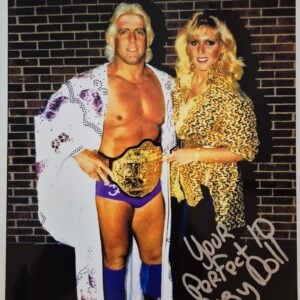
Baby Doll (Nickla Roberts) Signed 8×10 Photo Autograph (pictured with Ric Flair)
$35.00 Add to cart -
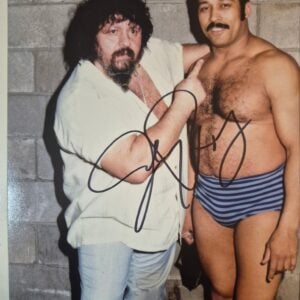
Johnny Rodz Signed WWF 8×10 Photo Autograph (pictured with Captain Lou Albano)
$30.00 Add to cart -
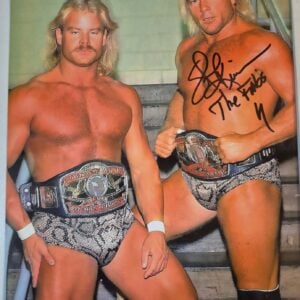
Steve Keirn Signed WWF 8×10 Photo Autograph (Fabulous Ones)
$30.00 Add to cart -
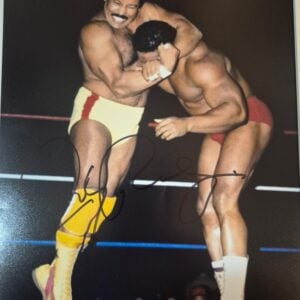
Johnny Rodz Signed WWF 8×10 Photo Autograph (wrestling Tony Atlas)
$30.00 Add to cart -
Leaping Lanny Poffo Signed WWF Frisbee Pose 8×10 Photo Autograph (Deceased Legend)
$45.00 Add to cart -
Bushwhacker Luke Signed WWF 8×10 Photo Autograph (pictured with Bushwhacker Butch)
$30.00 Add to cart -
Koko B. Ware Signed WWF 8×10 Photo Autograph
$45.00 Add to cart -
Sunny (Tammy Lynn Sytch) Signed WWF 8×10 Photo Autograph
$35.00 Add to cart -
Fred Ottman Signed WWF 8×10 Photo Autograph (Typhoon)
$35.00 Add to cart -
Raven Signed 8×10 Photo Autograph
$35.00 Add to cart -
Fred Ottman Signed WCW 8×10 Photo Autograph (The Shockmaster)
$35.00 Add to cart -
Marcus “Buff” Bagwell Signed WCW 8×10 Photo Autograph
$30.00 Add to cart -
Nikolai Volkoff Signed WWF 8×10 Photo Autograph 2 (Deceased Legend)
$45.00 Add to cart -
Jerry “The King” Lawler Signed 8×10 Photo Autograph
$50.00 Add to cart -
Tito Santana Signed WWF 8×10 Photo Autograph (Strike Force)
$35.00 Add to cart -
Missy Hyatt Signed 8×10 Photo Autograph
$35.00 Add to cart -
Sunny (Tammy Lynn Sytch) Signed WWF 8×10 Glamour Photo Autograph
$35.00 Add to cart -
Bushwhacker Luke Signed WWF 8×10 Photo Autograph
$30.00 Add to cart -
“Greg the Hammer” Valentine Signed WWF 8×10 Photo Autograph
$45.00 Add to cart -
Bushwhacker Luke Signed WWF 8×10 Photo Autograph (The Bushwhackers)
$30.00 Add to cart -
Leaping Lanny Poffo Signed WWF Turnbuckle Pose 8×10 Photo Autograph (Deceased Legend)
$45.00 Add to cart -
Tito Santana Signed WWF 8×10 Photo Autograph
$35.00 Add to cart -
Ron Simmons Signed WWE 8×10 Photo Autograph
$40.00 Add to cart -
Bushwhacker Luke Signed WWF 8×10 Photo Autograph (of The Bushwhackers)
$30.00 Add to cart -
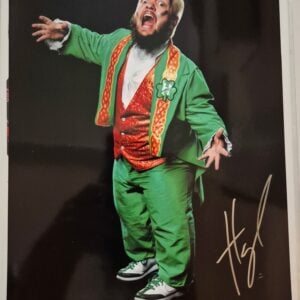
Hornswoggle (Dylan Postl) Signed WWE 8×10 Photo Autograph
$30.00 Add to cart -
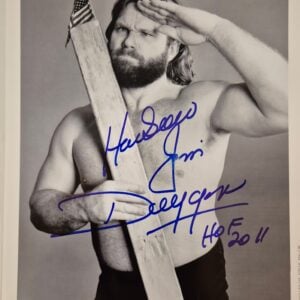
“Hacksaw” Jim Duggan Signed WWF 8×10 Photo Autograph
$40.00 Add to cart -
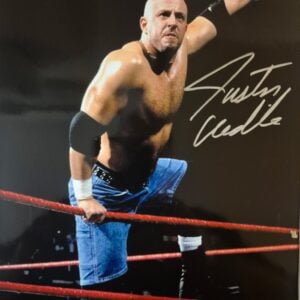
Justin Credible Signed 8×10 Photo Autograph
$30.00 Add to cart -
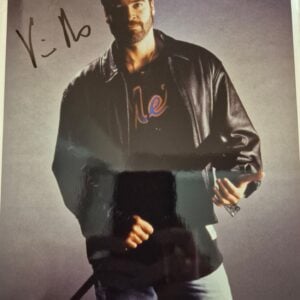
Vince Russo Signed 8×10 Photo Autograph
$35.00 Add to cart -
Barry Windham Signed 8×10 Photo Autograph
$40.00 Add to cart -
Larry Zbyszko Signed WCW 8×10 Photo Autograph
$40.00 Add to cart -
Jimmy Hart Signed WWF 8×10 Photo Autograph (pictured with Hulk Hogan)
$35.00 Add to cart -
Sunny (Tammy Lynn Sytch) Signed 8×10 Photo Autograph
$35.00 Add to cart -
Kevin Sullivan Signed 8×10 Photo Autograph (Deceased Legend)
$45.00 Add to cart -
D’Lo Brown Signed WWF 8×10 Photo Autograph
$30.00 Add to cart -
Sabu Signed WWF 8×10 Photo Autograph (Deceased Legend)
$55.00 Add to cart -
Brutus the Barber Beefcake Signed WWF 8×10 Photo Autograph 2
$35.00 Add to cart -
Ken Patera Signed WWF 8×10 Photo Autograph (pictured with Bobby Heenan & John Studd)
$35.00 Add to cart -
Butcher Paul Vachon Signed WWF 8×10 Photo Autograph (Deceased Legend)
$45.00 Add to cart -
Steve Keirn Signed WWF 8×10 Photo Autograph (Skinner)
$30.00 Add to cart -
Nikolai Volkoff & Boris Zhukov Signed WWF “The Bolsheviks” 8×10 Photo Autograph (Deceased Legend)
$60.00 Add to cart -
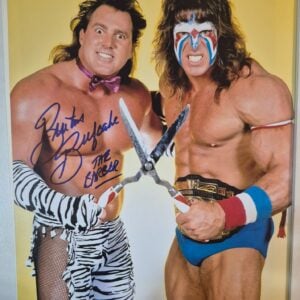
Brutus the Barber Beefcake Signed WWF 8×10 Photo Autograph (with Ultimate Warrior)
$35.00 Add to cart -
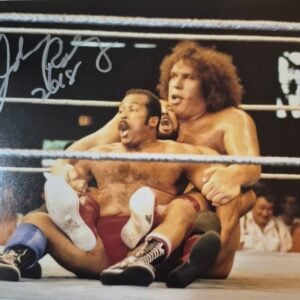
Johnny Rodz Signed WWF 8×10 Photo (wrestling Andre the Giant)
$30.00 Add to cart -
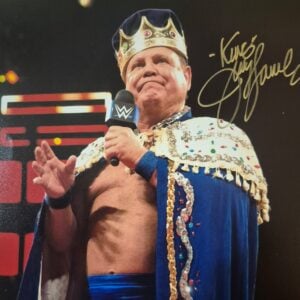
Jerry “The King” Lawler Signed WWE 8×10 Photo Autograph 2
$50.00 Add to cart
Sixty-Two Years of Friendships With Pro Wrestling’s Biggest Names
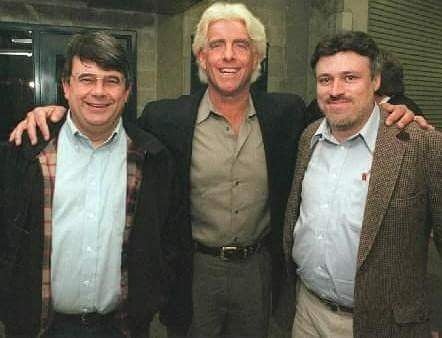
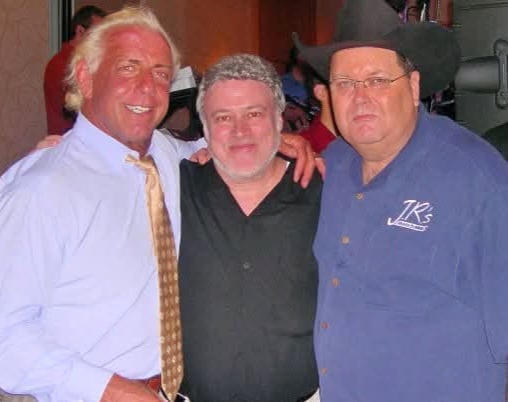
Among the most memorable stories Mike Mooneyham shared involved a night out with Ric Flair that began with a limousine pickup at the newspaper office, continued through a local hockey game where Flair performed a ceremonial puck drop, and eventually wound through a country-western bar called Desperado’s, where a performing musician, singer Tracy Lawrence, stopped his set mid-song to acknowledge Flair’s presence. Flair then took the microphone.
The night stretched on to the Hard Rock Cafe in North Charleston, where, by coincidence, Mooneyham’s own executive editor walked in on his own unrelated business and found Mooneyham seated with Flair and a group of admirers. “This was just par for the course for Nature Boy Ric Flair,” as Mooneyham put it. The evening continued still further, eventually landing at an all-night spot in the Charleston City Market before the sun came up.
Mooneyham also recalled testing Flair’s legendary stamina at a Christmas party years later. After watching Flair still going strong on the dance floor at four in the morning, Mooneyham woke up exhausted, only to find Flair fully dressed and composed at breakfast a few hours later. “I will never question his ability again,” Mooneyham conceded. “He’s the man.”
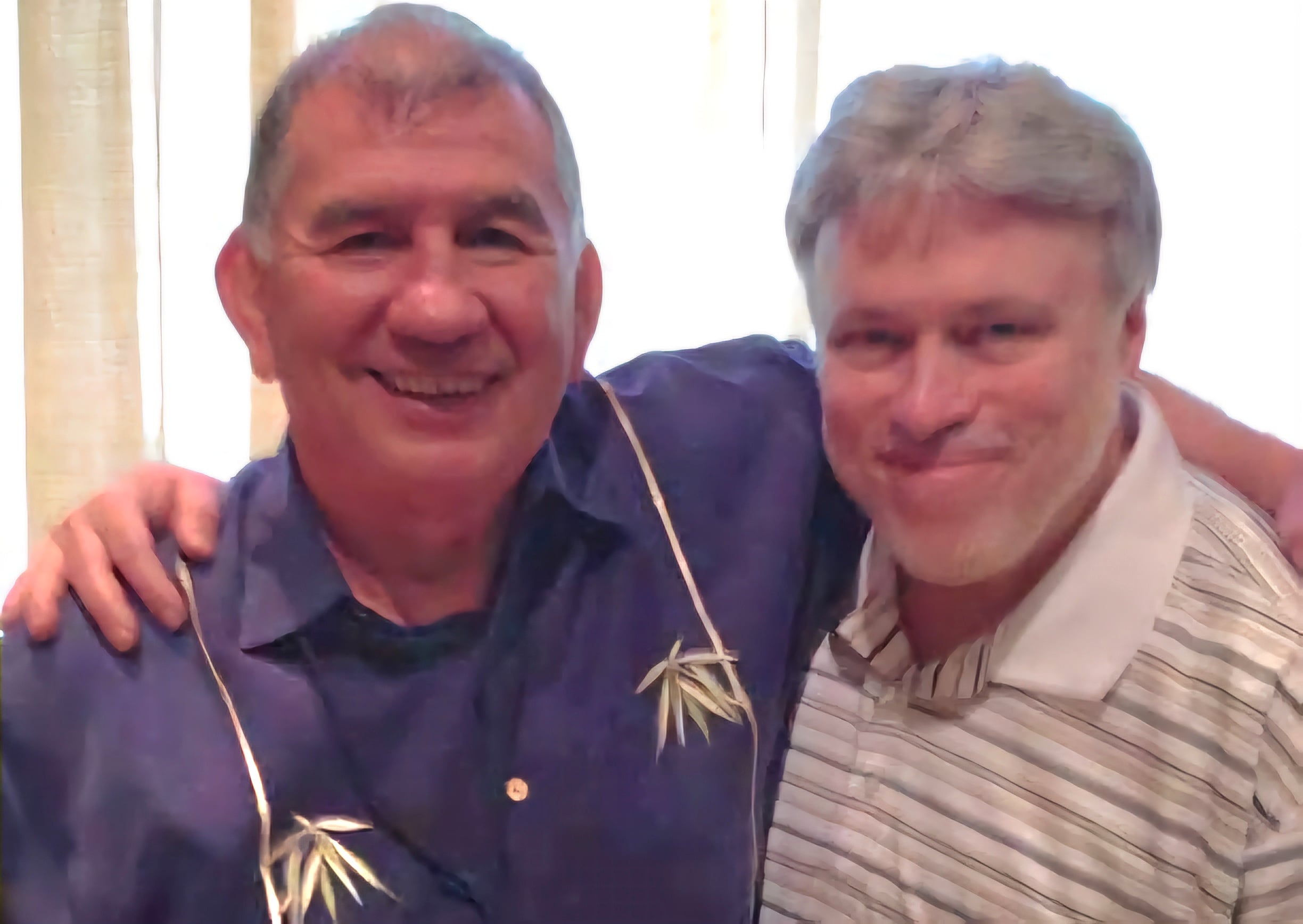
Beyond Flair, Mooneyham pointed to friendships spanning multiple generations of the business, from Lou Thesz and Jack and Gerald Brisco to Dory Funk Jr., Jerry Jarrett, Les Thatcher, Abe Jacobs, Thunderbolt Patterson, and Tim Woods.
“These are larger-than-life personalities,” Mooneyham offered. “What other profession or business would offer me the opportunities to meet these guys and be friends with these guys? I cannot think of one.”
Sex, Lies, and Headlocks: The Book That Made the New York Times Bestseller List
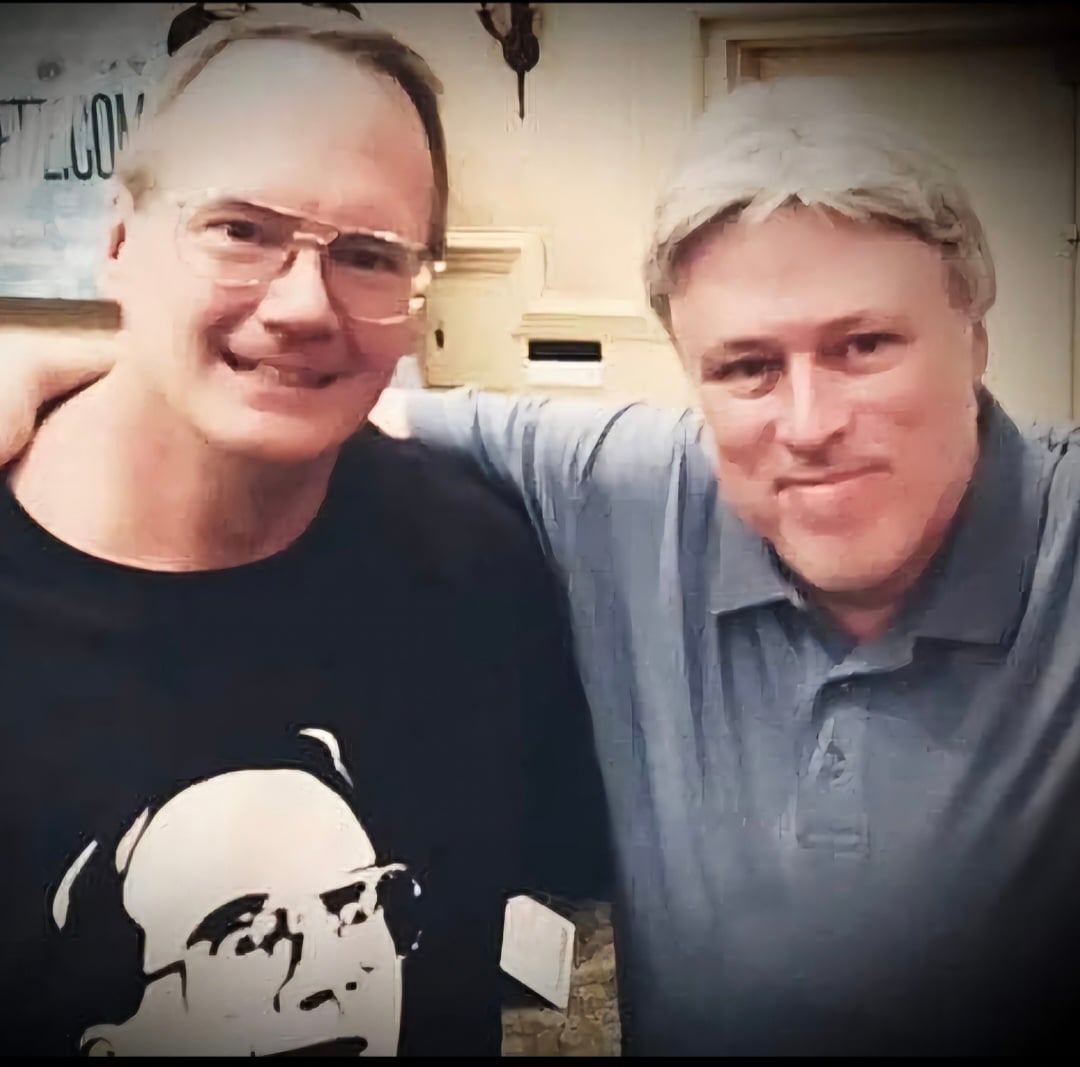
Mooneyham’s first book, “Sex, Lies and Headlocks: The Real Story of Vince McMahon and the World Wrestling Federation,” released through Random House in 2002, came about after ESPN investigative journalist Shaun Assael reached out and insisted the project could not be completed without Mooneyham’s involvement. The two conducted well over 100 interviews for the book, examining the business side of professional wrestling alongside its most prominent personalities, and covering the industry’s steroid trial and its history dating back to the 1970s.
“It was the cornerstone of the whole thing, how Vince McMahon, through his vision and his ruthless aggression, became the last man standing in this dog-eat-dog world of professional wrestling,” Mooneyham observed. The book made the New York Times bestseller list, a result neither author fully expected, and it opened doors to national television and radio appearances that extended Mooneyham’s reach far beyond his newspaper column.
Mooneyham’s reach also extended briefly to a weekly wrestling program on ESPN Radio, where his guests included Ric Flair, Chris Jericho, and Bobby Eaton. He remembered asking Jericho to record a promotional tag for the program, only to watch one of wrestling’s most confident talkers repeatedly stumble over it. Mooneyham finally teased him that the famously soft-spoken Eaton had delivered a better promo, drawing a laugh from Jericho.
It also came at a cost. “As a result, I was no longer on Vince McMahon’s Christmas card list,” Mooneyham joked, confirming the comment was not a work of wrestling storytelling but a real consequence of the book’s publication.
The Night Vince McMahon Praised Mike Mooneyham Without Knowing What Was Coming
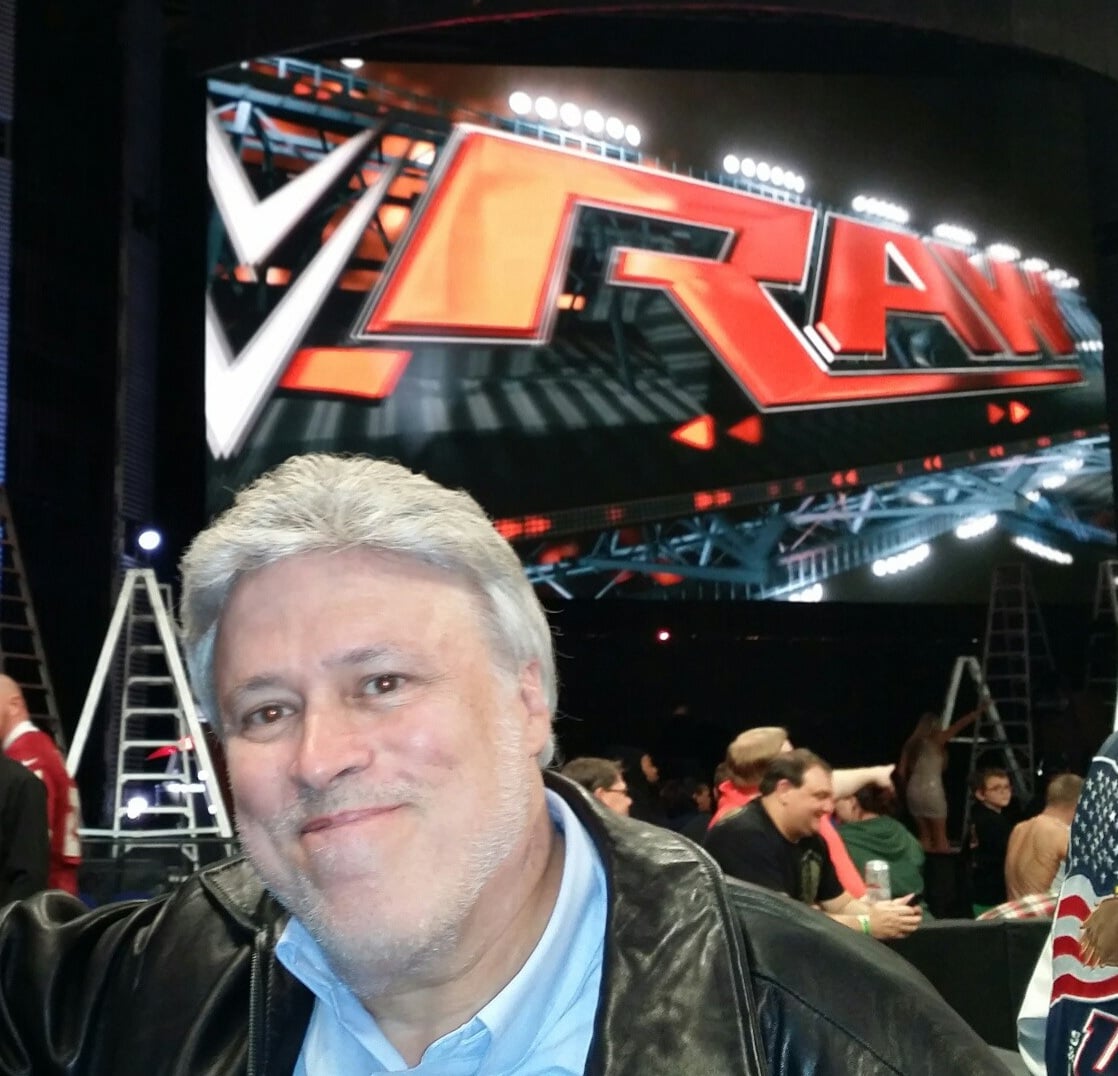
The most striking anecdote from Mike Mooneyham’s decades in the business came just a few months before “Sex, Lies and Headlocks” was set to publish. Mooneyham was backstage at a WWE Live Raw taping at the North Charleston Coliseum, talking with friends that included Steve Austin, Jim Ross, and Paul Wight, when someone pushed open the door he was leaning against. It was Vince McMahon.
Mooneyham had approached McMahon roughly a year earlier, requesting an interview related to the book, only to be told through a representative that McMahon was not interested in participating at that time. McMahon, at that point, had no idea the book existed or that it was nearing release. As McMahon came through the door that night, he put his arm around Mooneyham and told Jim Ross, “Jim, Mike Mooneyham gets it.”
Mooneyham faced an immediate decision: say nothing, or tell McMahon directly that a book examining his career and business practices was about to hit shelves.
“Discretion is the better part of valor,” Mooneyham reflected. “I didn’t say a word, because, had I done that, you know what would happen.”
Revealing the book, he reasoned, risked derailing the project not just for himself but for his co-author as well. He kept quiet, and the book was released on schedule not long after.
“I got it all right,” Mooneyham summed up. “It was in print.”
A College C-Minus and the Professor Who Finally Understood
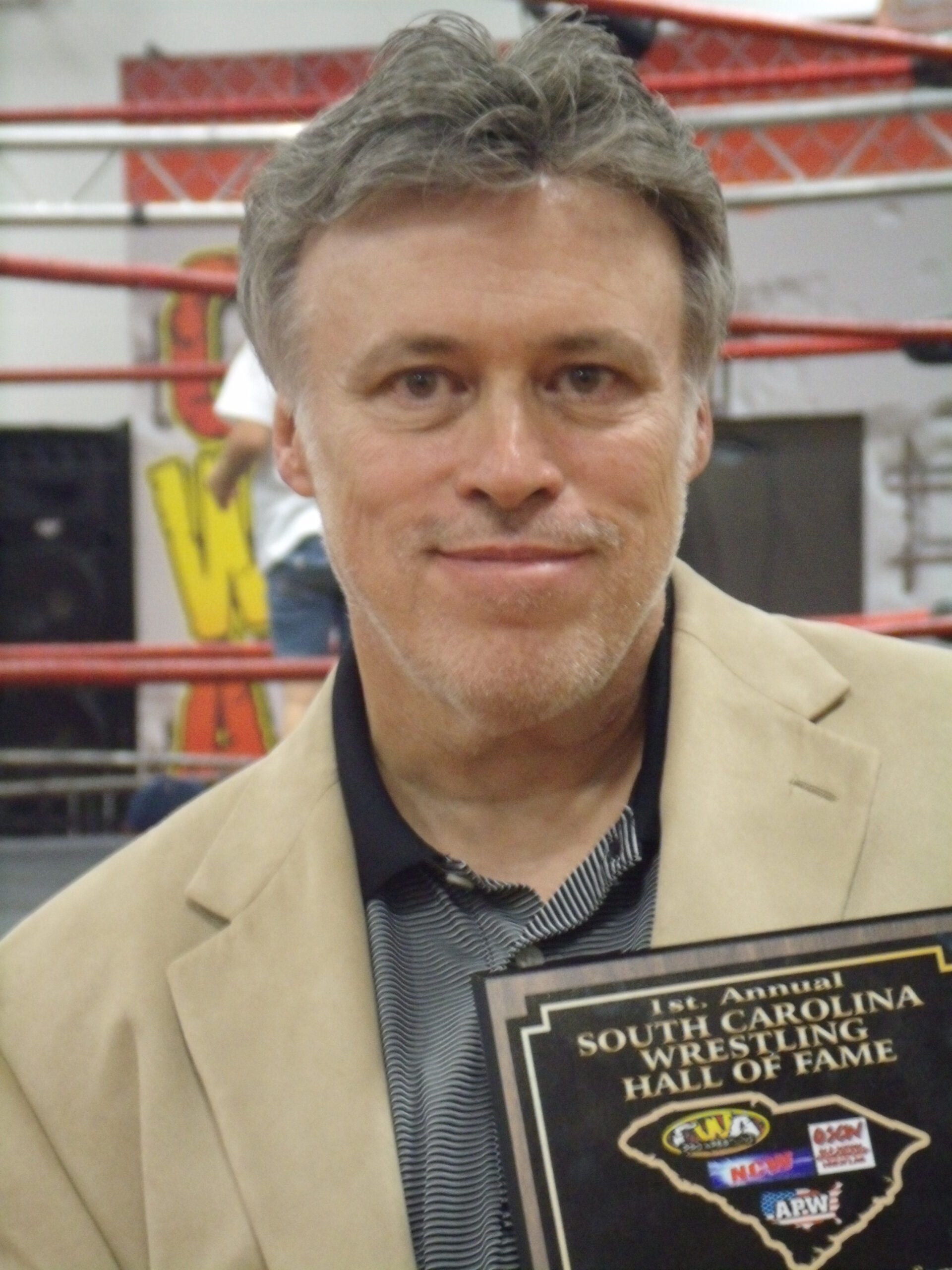
One of the more quietly satisfying stories Mike Mooneyham shared dates back to his college years in the mid-1970s, when he wrote a term paper on professional wrestling for an English course and received a C-minus from a strict department chair named Nan Morrison, who Mooneyham believed simply did not care for professional wrestling as a subject.
Roughly 25 years later, after writing a front-page human interest feature about a local wrestler, Ashley Souther, and his journey to train under a Palestinian wrestling coach before eventually competing in Japan, Mooneyham received an unexpected email from the same Nan Morrison, praising the piece as first-rate and expressing surprise that The Post and Courier had given him a full page for the story. “The writing was so crisp and the details so interesting that I was sorry when it ended,” Morrison wrote, adding that she was impressed the paper had given him that much space.
Mooneyham could not resist including a pointed reminder in his reply, thanking her for the kind words and noting that the assessment was considerably better than the C-minus she had given him nearly three decades earlier, adding that he had also co-authored a New York Times bestseller in the interim. Morrison replied that she had no idea he was “that” Mike Mooneyham. “That was one,” Mooneyham recounted. “I got my heat back all those years later.”
Final Bell and the Friends Mike Mooneyham Chose to Remember
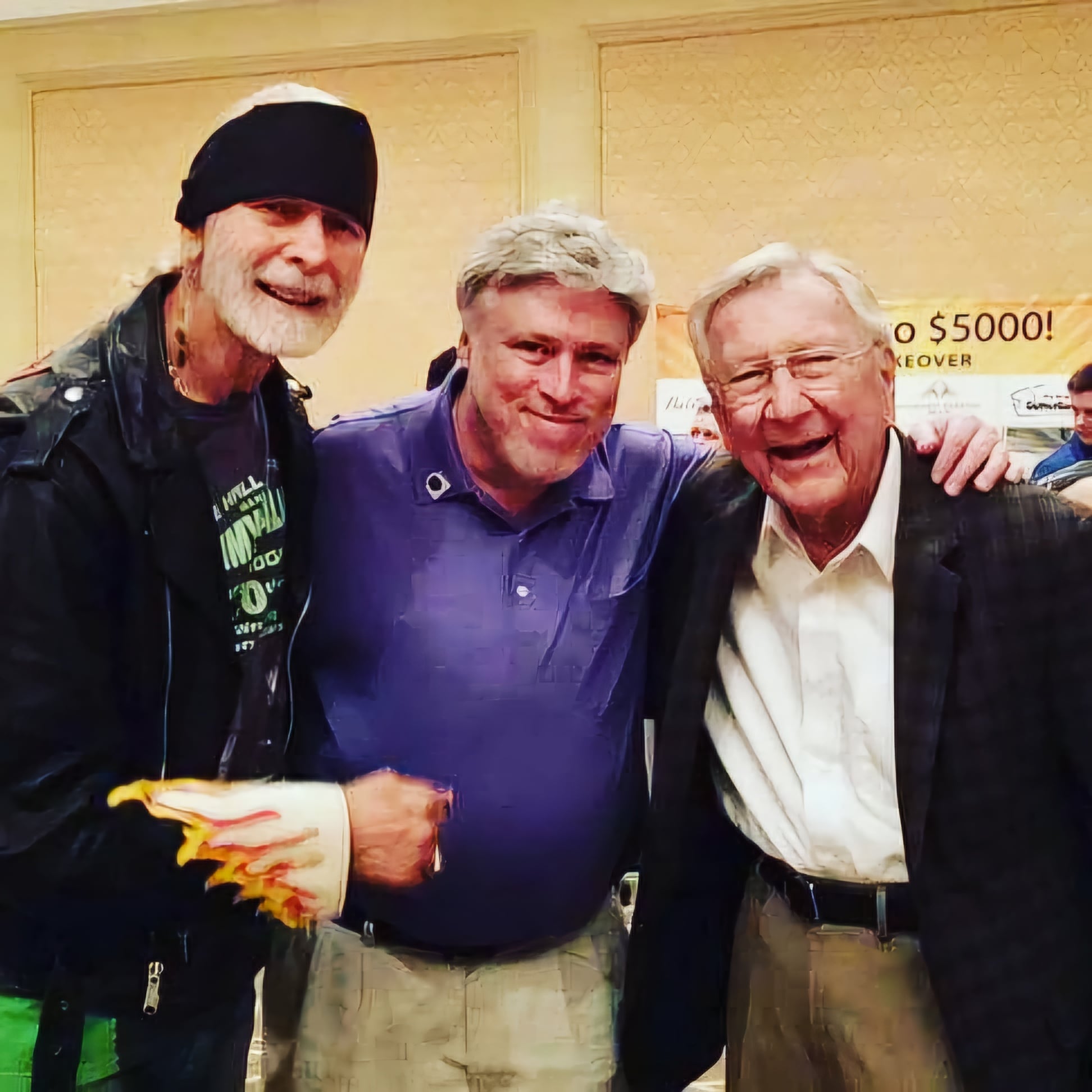
After retiring from full-time newspaper work in 2016, Mooneyham began contemplating a project that would honor the many friends in the wrestling business who had passed away over his decades of coverage. Working with his newspaper company’s publishing arm, he compiled columns and profiles into “Final Bell,” released in 2019, recalling that he began with roughly 50 possible subjects before narrowing the selection. The published 256-page collection ultimately included more than 35 tribute columns.
The book was organized into sections: champions such as Jack Brisco, Verne Gagne, Ivan Koloff, Dusty Rhodes, Bruno Sammartino, Randy Savage, and Lou Thesz; originals including Freddie Blassie, Chyna, Killer Kowalski, Wahoo McDaniel, Sputnik Monroe, Roddy Piper, Johnny Valentine, and Mae Young; a section on other highly regarded figures such as Penny Banner, Eddie Guerrero, Buddy Landel, and Danny Miller; Mid-Atlantic mainstays including Rip Hawk, Swede Hanson, Burrhead Jones, Bronco Lubich, Nelson Royal, George Scott, Sandy Scott, Johnny Weaver, Tim Woods, and Jay Youngblood; and a section called the Brain Trust honoring behind-the-scenes figures Jim Barnett, Bobby Heenan, Oliver Humperdink, Henry Marcus, Lance Russell, and Gordon Solie.
Among all of them, Johnny Valentine stood out in Mooneyham’s memory as a study in contrast. “The guy was brilliant,” Mooneyham marveled. “He read classical. He was a poet. He read all of these classics, classical books, literature, and poetry.” That intellectual depth, hidden behind one of wrestling’s toughest and most intimidating on-screen personas, left a lasting impression on Mooneyham, who also recalled Valentine’s uncanny ability to draw heat from a crowd simply by staring silently at a single fan in the balcony. Even after the plane crash that left Valentine with lasting mobility issues, he agreed without hesitation to travel to Charleston for a legends reunion, and Mooneyham later spent an unforgettable evening in a hotel room with Valentine, his wife Sharon, and Thunderbolt Patterson, trading stories he still wishes he had recorded.
Mooneyham also singled out figures from the Brain Trust section as some of the business’s most fascinating characters, including Jim Barnett, whose career carried its own remarkable story, and Oliver Humperdink, whom Mooneyham remembered fondly for his behind-the-scenes stories. Gordon Solie, he noted, would often plug Mooneyham’s column on the air during Florida, Georgia, and Continental broadcasts, a small gesture Mooneyham never forgot.
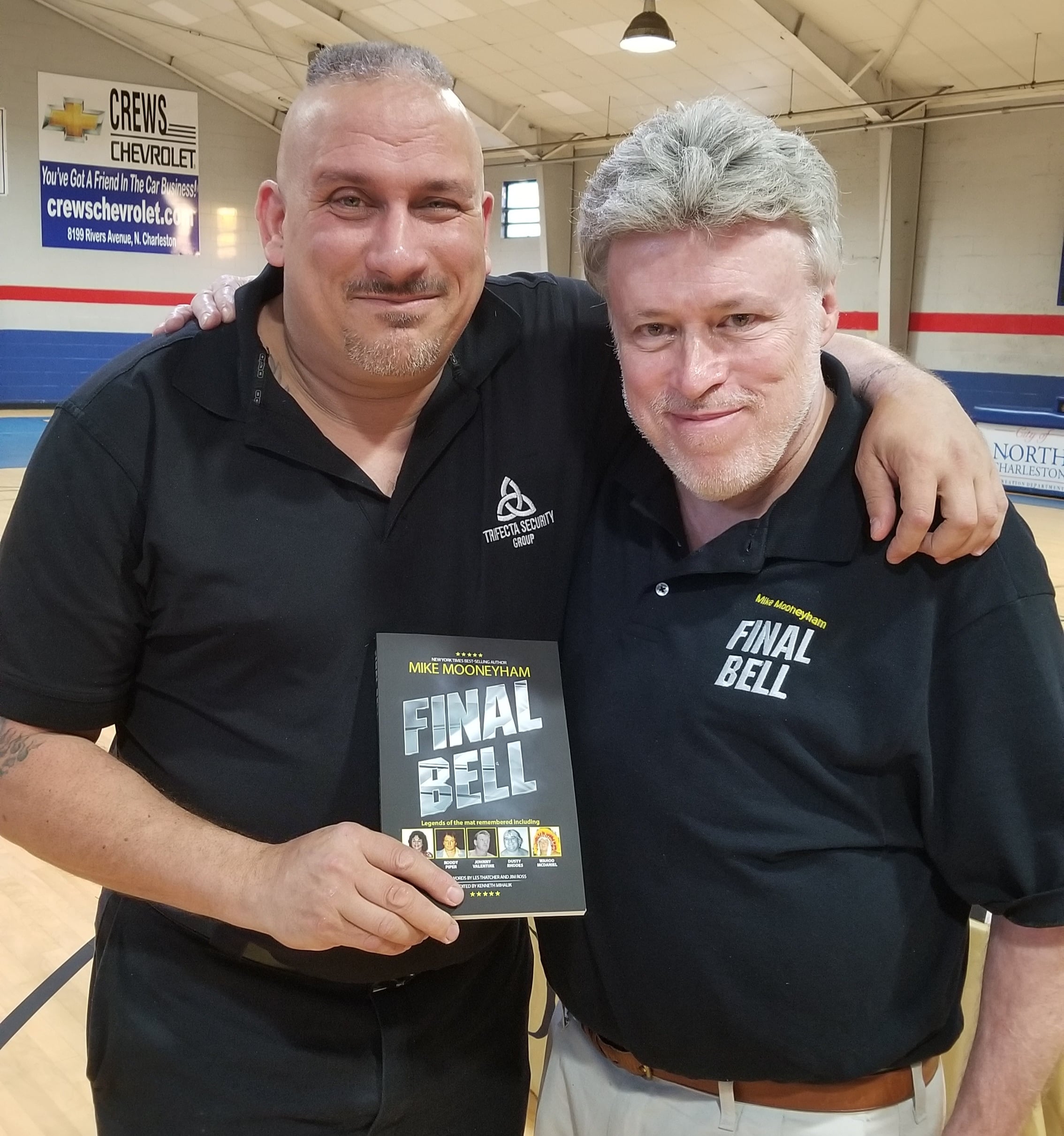
Excerpt from Final Bell:
I have followed and covered the pro wrestling business, in varying capacities, for more than 50 years. A month from now will mark 30 years of my wrestling column in the sports section of this newspaper.
And although I retired from The Post and Courier three years ago, after nearly 40 years at this paper, I have continued writing my weekly Sunday column.
“Why?” you might ask. One of the main reasons is a conversation I had many years ago with a wrestling friend named Tim Woods. Longtime, old-school fans may remember Tim as the masked “Mr. Wrestling.” A true legend in the business, Tim wore a white mask, white trunks, and white boots, and was a good guy behind a hood, a rarity during an era when most masked wrestlers were hated villains.
But the Mr. Wrestling mat moniker fit Tim to a tee. A decorated amateur and professional, no one was ever more tailor-made for the role than Tim. To a generation of fans, he epitomized wrestling. He was a good guy, make that a great guy, inside and outside the ring.
A faithful reader of my wrestling writings over the years, Tim once asked me, “Who’s going to write my obituary once I’m gone?” I had to think long and hard about an answer. Tim and I had made it a habit of notifying one another when one of our mutual friends in the business had died, passing on the sad news years before the phenomenon of social media would routinely flash such somber news across worldwide computer screens.
Sadly, Tim passed away just a few years later and, as promised, I gave him a befitting send-off the following week in my column. It was never easy saying that final goodbye to a friend, but it has become an exercise that I’ve felt obligated to fulfill over these many years. I’ve lost too many good friends in this business, many of whom were childhood heroes who made a lasting impression on myself and other fans.
It’s also the reason behind my later book, Final Bell, which was released by Evening Post Books. It’s a compilation of some of my most well-read columns over the years, tributes to men and women who made their mark on the wrestling profession. It’s an anthology of people stories, many of whom were extraordinary, that transcends generations. It’s about talented athletes and their careers. It’s about men and women who followed their dreams and lived by the credo that the show must go on.
Final Bell can be purchased online through Amazon or Evening Post Books.
Staying True to the Old School Era of Professional Wrestling
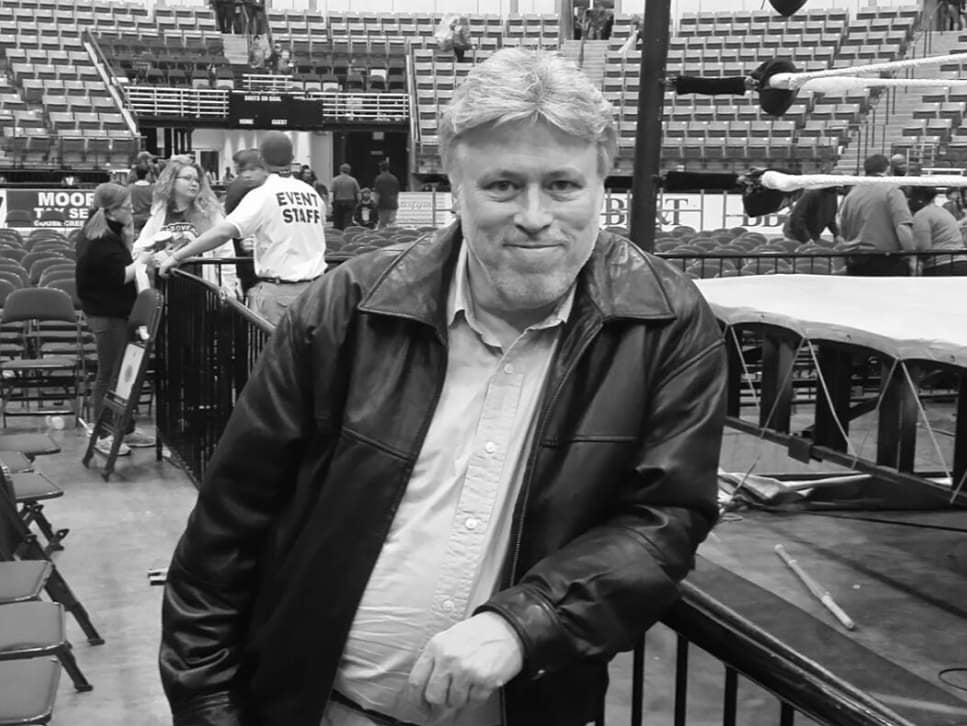
Mike Mooneyham retired from full-time newspaper work in 2016 but has continued writing his column since, focused almost entirely on the eras and personalities that first drew him into the business. He acknowledges he does not closely follow the current professional wrestling product, though he stops short of criticizing it, attributing the difference to generational taste rather than a decline in quality.
“I’m glad I was born when I was,” Mooneyham admitted. “My column is basically just old school stuff, guys that I’ve written about, new stories about old things. I still have that passion for the old school part of the business.” Mooneyham said he had attended few live shows since 2020, though his love of writing about the sport’s history never wavered.
One return trip to Savannah showed Mooneyham how much of that old wrestling world now existed through memory. As a young reporter, he had covered stars such as Lou Thesz and Bobby Shane at the Savannah Sports Center on Gwinnett Street, a building that had seemed enormous from the floor. Years later, he went looking for the arena and could not find it until a nearby shopkeeper pointed toward a Piggly Wiggly. The former wrestling venue had been converted into a supermarket. "Memories remain large," Mooneyham reflected.
Bringing Wrestling’s Biggest Names Back to South Carolina
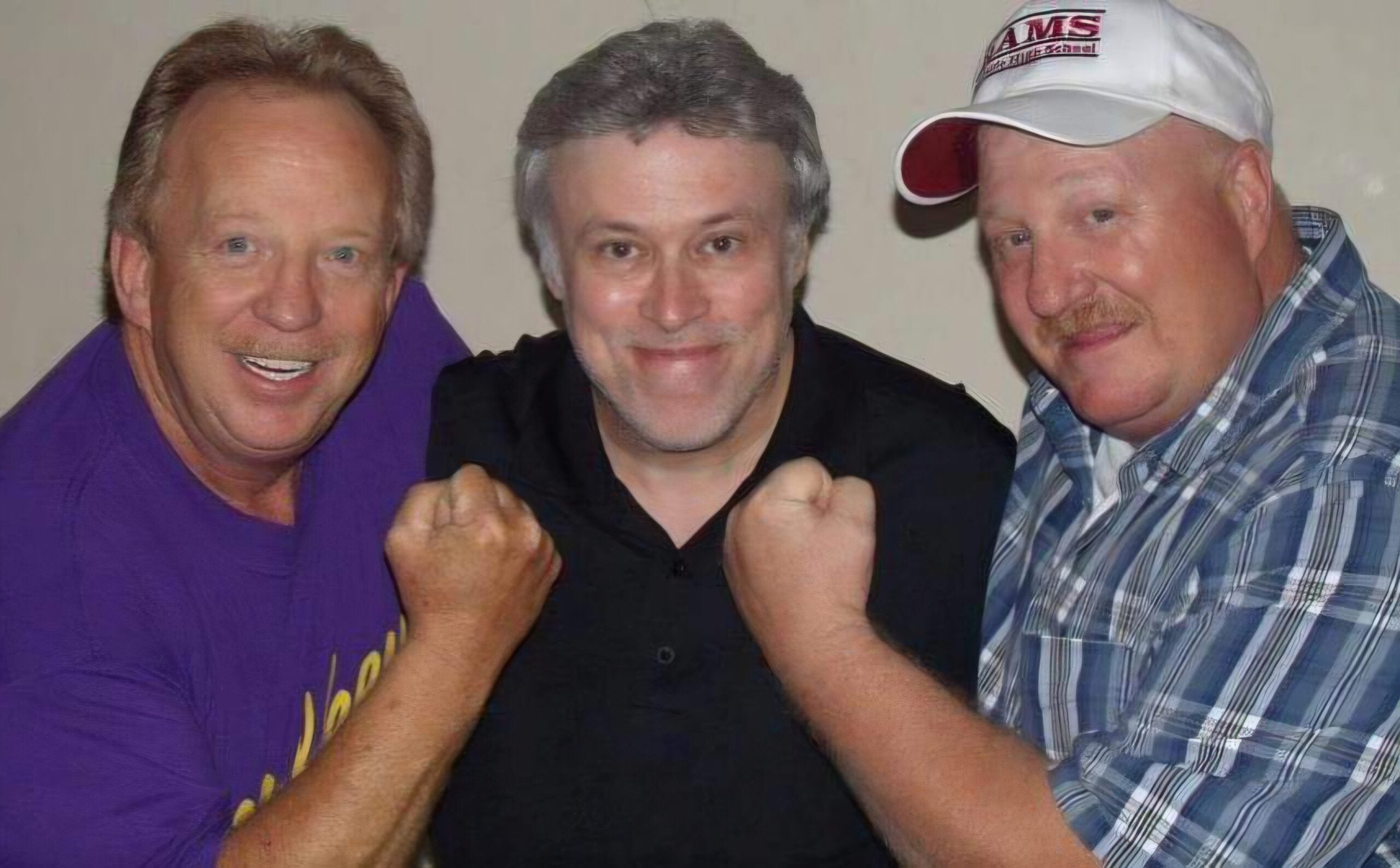
Mike Mooneyham’s decades of relationship-building in the industry did not stay confined to the page. His standing with performers, promoters, and executives across the business helped keep Charleston and the greater South Carolina area on the map for major promotions long after the old territory system faded, from WWE Live Raw tapings at the North Charleston Coliseum to independent groups building a foothold in the region.
That legacy carried into recent years when Major League Wrestling, under CEO Court Bauer, relocated its headquarters to Charleston and made its regional debut in the city. Bauer personally invited Mooneyham to be honored on the show for his decades of contributions to wrestling in the area.
“He’s not even 50 years old, man, but he’s got an old soul,” Mooneyham enthused of Bauer. “He loved the old school. He loves Carolina wrestling. He loves promotion. That’s why he’s moved down here to Charleston from New York.”
Mooneyham called the two shows he attended since 2020, that MLW debut and the 20th anniversary event for Old School Championship Wrestling, the only live cards he had returned to since stepping back from the road.
Remembering Brett Wolverton and the Family Behind Old School Championship Wrestling
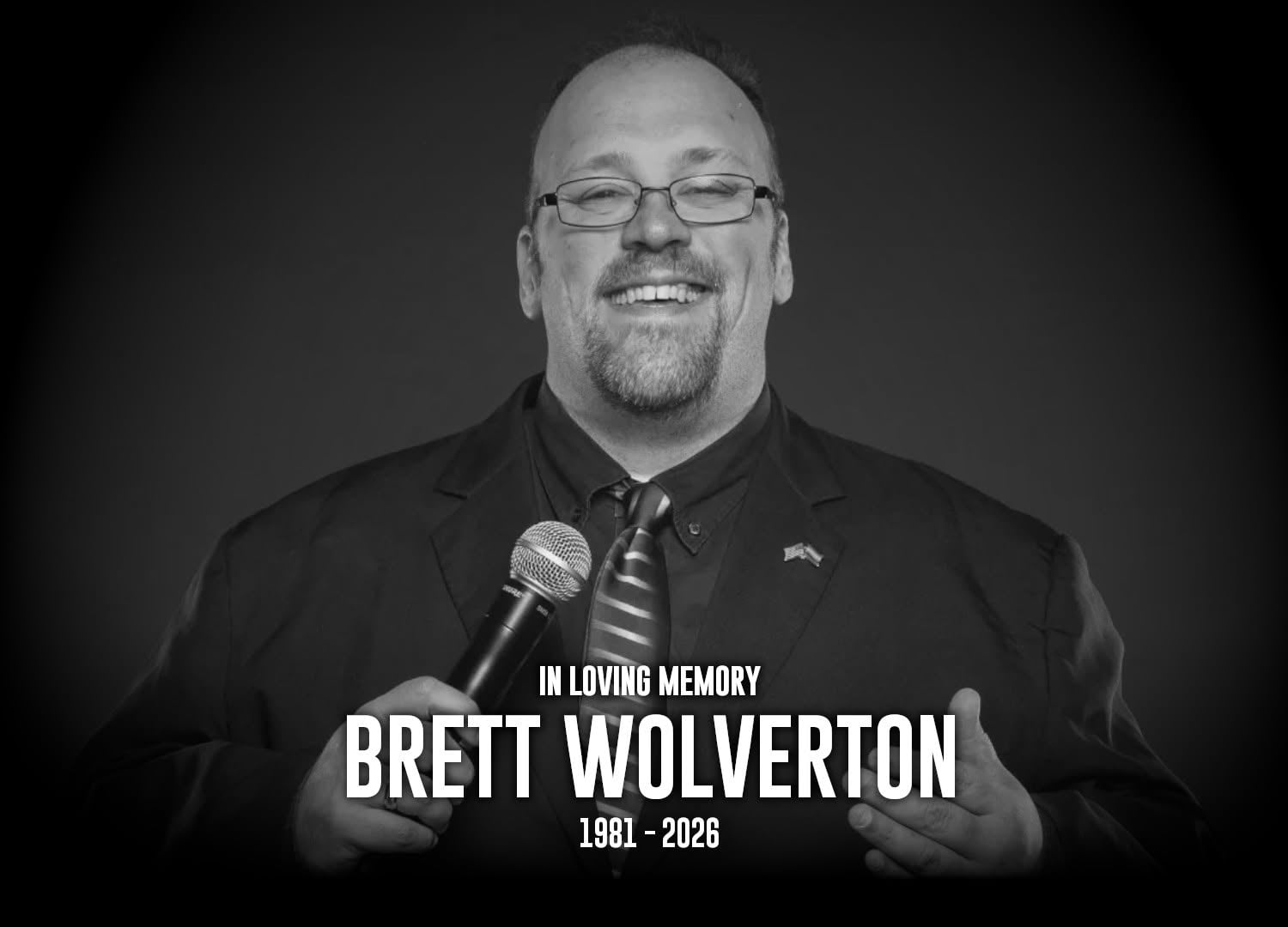
Toward the end of Mike’s conversation with me, the talk turned to Old School Championship Wrestling, a longtime independent promotion in the Charleston area, run by Joe and Mary Sue Blumenfeld. Mooneyham praised the couple’s dedication to the local wrestling community, describing their promotion as a true family affair built on quality and consistency rather than spectacle, and lingered on the now-legendary post-show gatherings at the Blumenfeld home, complete with themed dinners, ranging from Italian night to Mexican night, and a rotating cast of major stars who would end up staying until sunrise rather than catching a red-eye flight out of town.
For me, those gatherings carried a personal history. Mooneyham and I first met through South Carolina’s local wrestling community and became friends through the shows, gatherings, and relationships surrounding it. What began with a shared enthusiasm for wrestling history developed into the kind of friendship that allowed our conversation to move beyond familiar interview questions and into the memories Mooneyham valued most.
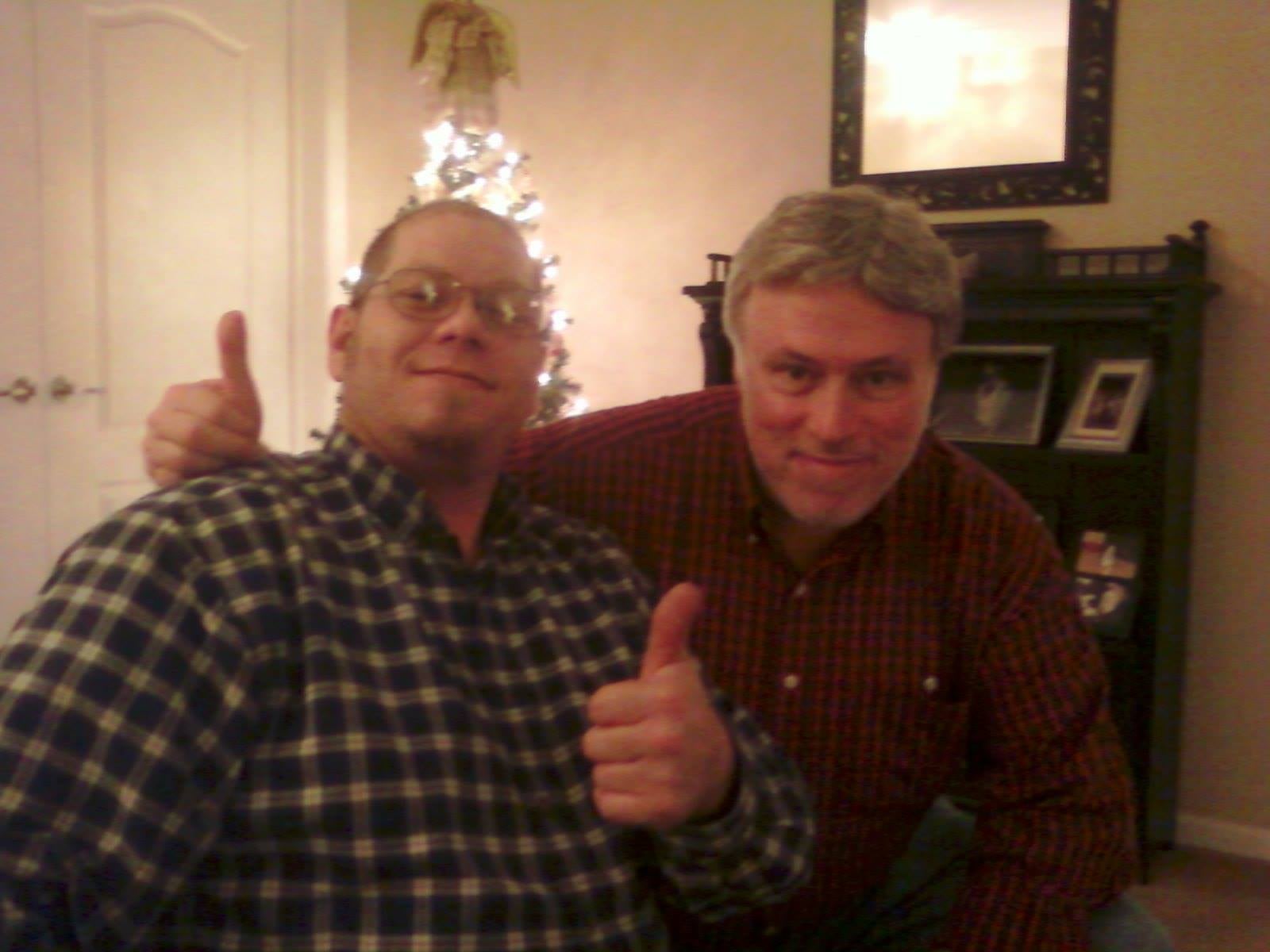
One evening at the house stands out above the rest. Former WWE and ECW star Al Snow arrived ahead of Joe Blumenfeld and stopped a hungry crowd from lining up for food, insisting that nobody touch a plate until Joe himself had gotten his first.
Then there was Bruno, the Blumenfelds’ small dog, who developed a habit of stealing unattended plates and became widely known among the wrestlers as “a shooter’s friend,” a running joke that lasted for years among the promotion’s regulars.
Talk turned as well to Brett Wolverton, a beloved ring announcer connected to the promotion who passed away at a young age.
“I never saw Brett without a smile on his face,” Mooneyham recalled. “He was a highlight of the after-parties that we had. He’d always have cooked big sweets, and he was the go-to guy at those parties. Brett was a legendary announcer, but even more, he was a very kind and caring friend.”
Wolverton had built a reputation across the Carolinas as a ring announcer and earned recognition as ring announcer of the year, along with awards at his television station, Fox Carolina, in the Upstate region. His loss was felt deeply within the tight-knit Charleston wrestling community, and the promotion honored him accordingly at its 20th anniversary show.
For more information about Old School Championship Wrestling, call 843-743-4800 or visit www.oscwonline.com.
What Sixty-Two Years in Wrestling Has Meant to Mike Mooneyham
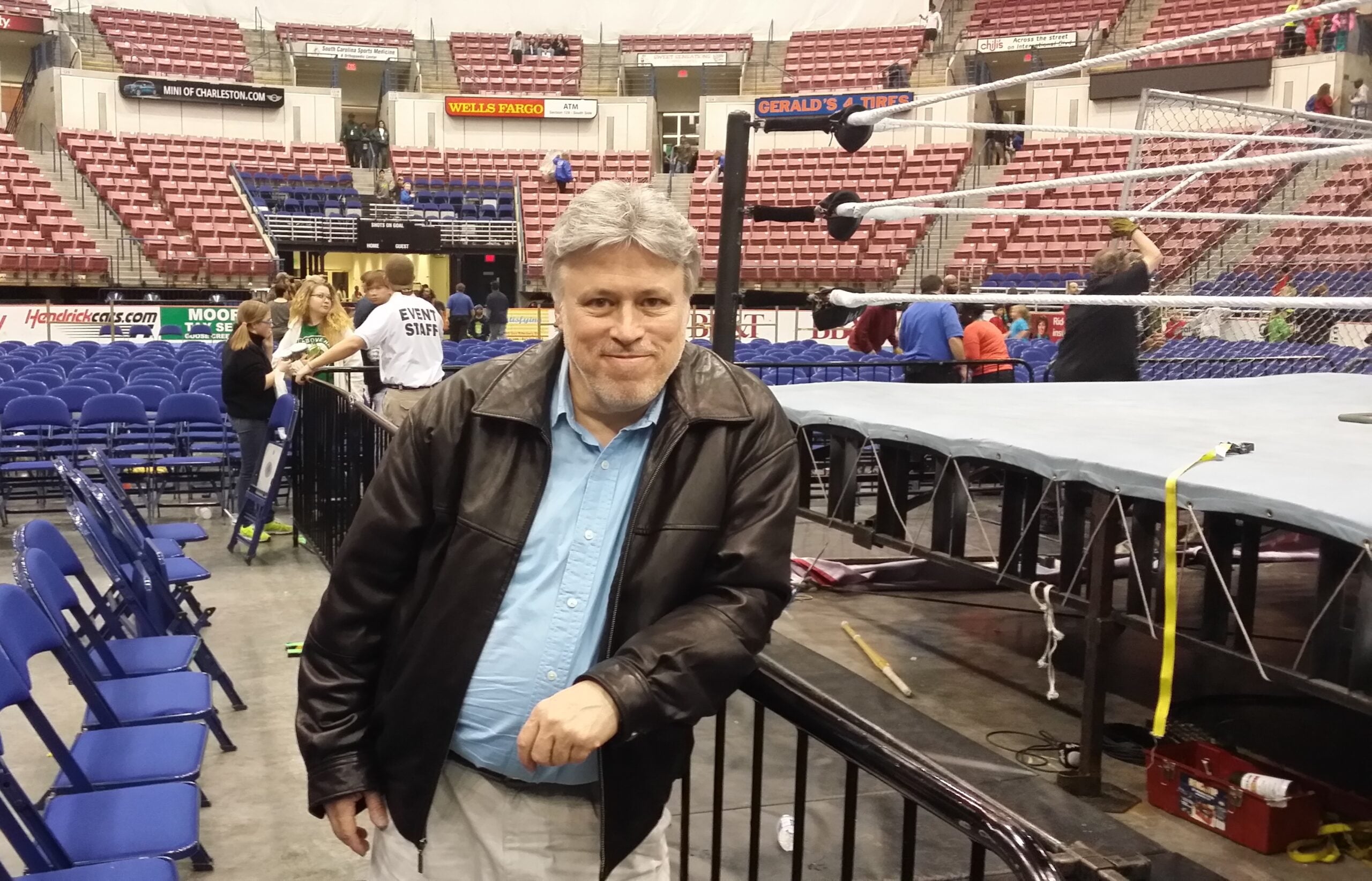
Much of our conversation focused on the people who had shaped Mike Mooneyham’s life in professional wrestling. I have long affectionately called him “the Guru” for his remarkable knowledge of the sport and its history. Without his knowing, I also contacted two of the editors who knew his work best and asked what his decades at The Post and Courier had meant to them and their readers.
Dave Hale, sports editor at The Post and Courier, spoke first of the man behind the byline. “I’ve known Mike for nearly 20 years, and in addition to being one of the finest people you’ll ever meet, he’s also one of the best storytellers I’ve had the privilege of working with. He’s spent the majority of his life chronicling pro wrestling’s history and the people who shaped it. If you’re looking for fascinating stories from the glory days of wrestling, Mike’s the guy you want to talk to. A true professional and, above all, just a class act. The Post and Courier is lucky to have been an outlet for his writing for decades.”
Jeff Taylor, executive editor and vice president of news at The Post and Courier, reflected on what Mooneyham’s work had meant to the newspaper and its audience. “Mike has been a dedicated columnist for Post and Courier readers, delivering authoritative insights, historical columns, and features that were greatly appreciated by his fans. Likewise, we appreciate his many years of work for The Post and Courier, and columns that have been a regular fixture in the sports experience we deliver to readers.”
Readers who would like to contact “The Guru” can reach Mooneyham at bymikemooneyham@gmail.com, follow him on X at @ByMikeMooneyham, or find him at Facebook.com/MikeMooneyham. His books include Sex, Lies, and Headlocks: The Real Story of Vince McMahon and World Wrestling Entertainment, co-authored with Shaun Assael, and Final Bell. Both can be purchased through the linked titles.
Mooneyham pointed to receiving the Jim Melby Award in 2009 at the George Tragos/Lou Thesz Professional Wrestling Hall of Fame weekend in Waterloo, Iowa, as a moment when his lifelong pursuit came into focus. During the same trip, he visited the Field of Dreams site in Dyersville, bringing together his love of wrestling history and his lifelong passion for baseball.
Borrowing from the film’s famous exchange, Mooneyham described what that moment in Iowa meant to him. “To me, it’s Iowa, but it feels like heaven right now,” he confided. “There was a reason I did this.”
The question his parents once asked, what he intended to do with his fascination for professional wrestling, had been answered many times over. More than six decades after a black-and-white television broadcast first pulled him in, Mike Mooneyham remains one of the sport’s most trusted chroniclers. He built that trust by knowing when history needed to be written down and, on one memorable night backstage in North Charleston, when the story depended on saying nothing at all.
Thank you, Mike, for your friendship, for trusting me with these stories, and for taking the time to look back on a life spent documenting the people and places that shaped professional wrestling. The local shows and shared love of professional wrestling history that first brought us together made preserving your memories here especially meaningful to me.
Until next time, brothers and sisters. And always remember: our wrestling history is gold!
These stories may also interest you:
- Gerald Brisco: The Untold Story of a Champion’s Life
- Action Mike Jackson: Ageless Wonder Still Wrestling in His 70s
- Mr. Olympia Unmasked: Secret Story of Jerry Stubbs
Download PDF Version
Get the complete article as a formatted PDF for offline reading.