 Author:
 A single phone call was supposed to settle it, one legend being welcomed home to the WWE Hall of Fame. Instead, the answer that came back was no, and for some, that refusal lasted years, decades, or forever. Behind each of these ten rejections sits a story far more complicated than the honor itself, buried in grudges, grief, unresolved principles, and family loyalty that outweighed even professional wrestling’s highest individual distinction.
The WWE Hall of Fame Was Never as Simple as an Honor
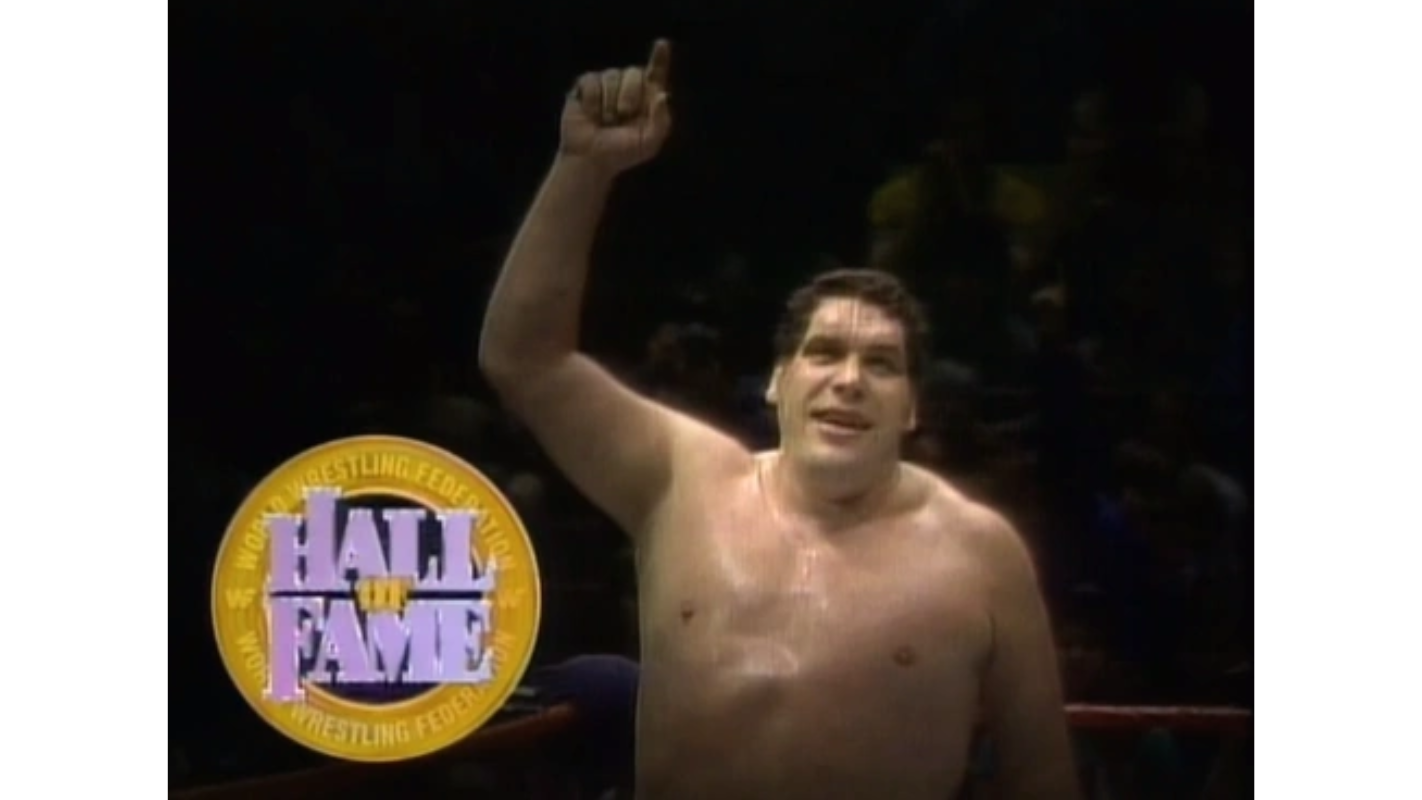
A Hall of Fame was first introduced by the World Wrestling Federation on March 22, 1993, during that week’s episode of Monday Night Raw. WCW had been planning to unveil its own Hall of Fame concept at the Slamboree pay-per-view that May, but the World Wrestling Federation moved first, announcing the honor on that Monday Night Raw broadcast before WCW ever got the chance.
Andre the Giant had died on January 27, 1993, and the WWF, as the company was still known at the time, created the honor specifically to induct him posthumously, making his death the reason the Hall of Fame exists at all. Vince McMahon was consolidating creative control over every aspect of WWF programming at the time, and the Hall of Fame quickly became another tool the company used to shape its own version of wrestling history.
That control extended well beyond who got inducted. Induction has never simply been a reward for in-ring accomplishment. It has depended just as heavily on whether a performer remained on good terms with the company, a standard that quietly kept several deserving names out of the conversation for years even when they wanted in.
For two years, ceremonies were held annually alongside pay-per-view events like King of the Ring, and in 1996 the ceremony moved to Survivor Series weekend before quietly disappearing without any formal explanation from WWE.
When the World Wrestling Federation became WWE in 2002, the Hall of Fame ceremony was revived in 2004 as part of the WrestleMania XX festivities at Madison Square Garden, the same building where Bruno Sammartino had built his legend. Since then, it has become an annual tradition and one of WrestleMania week’s signature events, broadcast live and packaged into the weekend’s home video release.
Hundreds of professional wrestlers, wrestling personalities, and behind-the-scenes figures have accepted the honor since, often describing it as the moment their careers came full circle. But that same standard, requiring good standing with WWE, is precisely why the ten stories that follow are so compelling. Each of these refusals sparked debate throughout the wrestling world, because turning down an invitation to WWE’s version of immortality meant something had gone wrong first.
1. Bruno Sammartino Said No, and WWE Waited Nine Years for an Answer
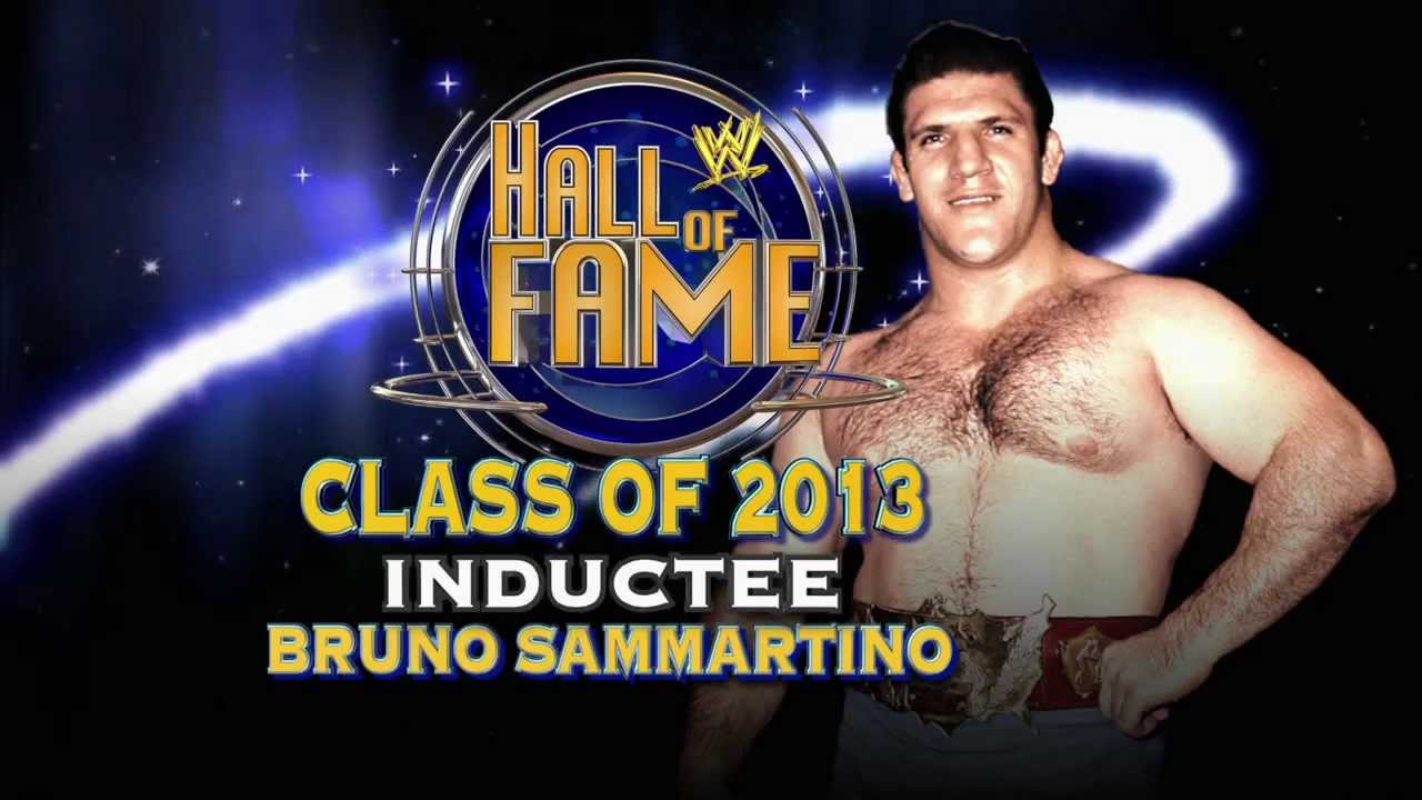
By the time WWE revived its Hall of Fame in 2004, there was one omission that overshadowed every inductee announced for the class. Bruno Sammartino had been the face of the World Wide Wrestling Federation long before Hulk Hogan transformed professional wrestling into mainstream entertainment. Between 1963 and 1987, he held the WWWF Championship for a combined 4,040 days, nearly 12 years, and headlined Madison Square Garden so often that his name became synonymous with the arena itself, selling it out 187 times during his career, a figure few performers in any sport or sports entertainment have approached.
When WrestleMania XX returned to Madison Square Garden in March 2004, WWE believed the timing was perfect. If the Hall of Fame ceremony was coming home, then surely one of its greatest icons should come home with it. But Bruno Sammartino politely declined the honor.
On a July 2019 episode of his podcast Grilling JR, Jim Ross recalled flying to Pittsburgh personally to meet Sammartino and convince him to headline the revived Hall of Fame ceremony. Ross remembered the meeting as respectful rather than confrontational, recalling, “I sensed more frustration and ‘I’m just not ready to go back there yet’ type of scenario. It was a very cordial meeting.”
Ross later explained that Sammartino still had deep-rooted issues with the direction WWE had taken during the 1980s and 1990s. While many fans viewed the WWE Hall of Fame as overdue recognition, Sammartino believed accepting it would also mean endorsing a product he no longer recognized. For years, he had been one of WWE’s most outspoken critics, repeatedly condemning the industry’s increasing reliance on graphic violence, profanity, adult content, and PEDs.
Speaking to CBS Pittsburgh shortly after finally agreeing to enter the WWE Hall of Fame in 2013, Sammartino explained why he had refused for so long.
“So much steroids and unfortunately other drugs involved in that. And I was very appalled by that. I hated seeing the game that I had been in for all those years come down to that.”
He added that the deaths connected to drug abuse within professional wrestling deeply troubled him and left him feeling disconnected from the business he had helped build. Those objections were never aimed at the WWE Hall of Fame itself; they were philosophical. Sammartino believed the wrestling he represented, family-friendly, athletic, and built around credibility, had been replaced by something altogether different.
The breakthrough came nearly a decade later. Rather than simply extending another invitation, Paul Levesque (Triple H) chose to rebuild trust first. In that February 2013 interview, Sammartino revealed what finally changed his mind.
“Triple H contacted me and he started telling me everything that was going on with WWE. There had been issues and things that I was not happy with, but when I saw the changes, I was very, very impressed.”
In that same article, Triple H admitted the Hall of Fame always felt incomplete without its longest-reigning champion.
“Without the history, there is no today and there is no tomorrow. To look back on the history of WWE, one of the most important figures in the long story of where this all came from wasn’t recognized. And that was Bruno. It’s important to be able to allow the fans that do know who Bruno is to have the opportunity to pay tribute to him one more time. Arguably the biggest name ever in the history of the business is Bruno Sammartino.”
On April 6, 2013, nine years after turning down Jim Ross in Pittsburgh, Bruno Sammartino finally walked onto the WWE Hall of Fame stage inside Madison Square Garden. The company had changed enough for its greatest champion to come home, and the Hall of Fame had finally welcomed the one man many believed it could never truly be complete without.
Enjoying this story? Own it forever.
No ads. No interruptions. Download the full story as a beautifully formatted PDF at just $0.99.
Get My Copy — $0.992. Randy Savage Had One Condition Before He Would Accept
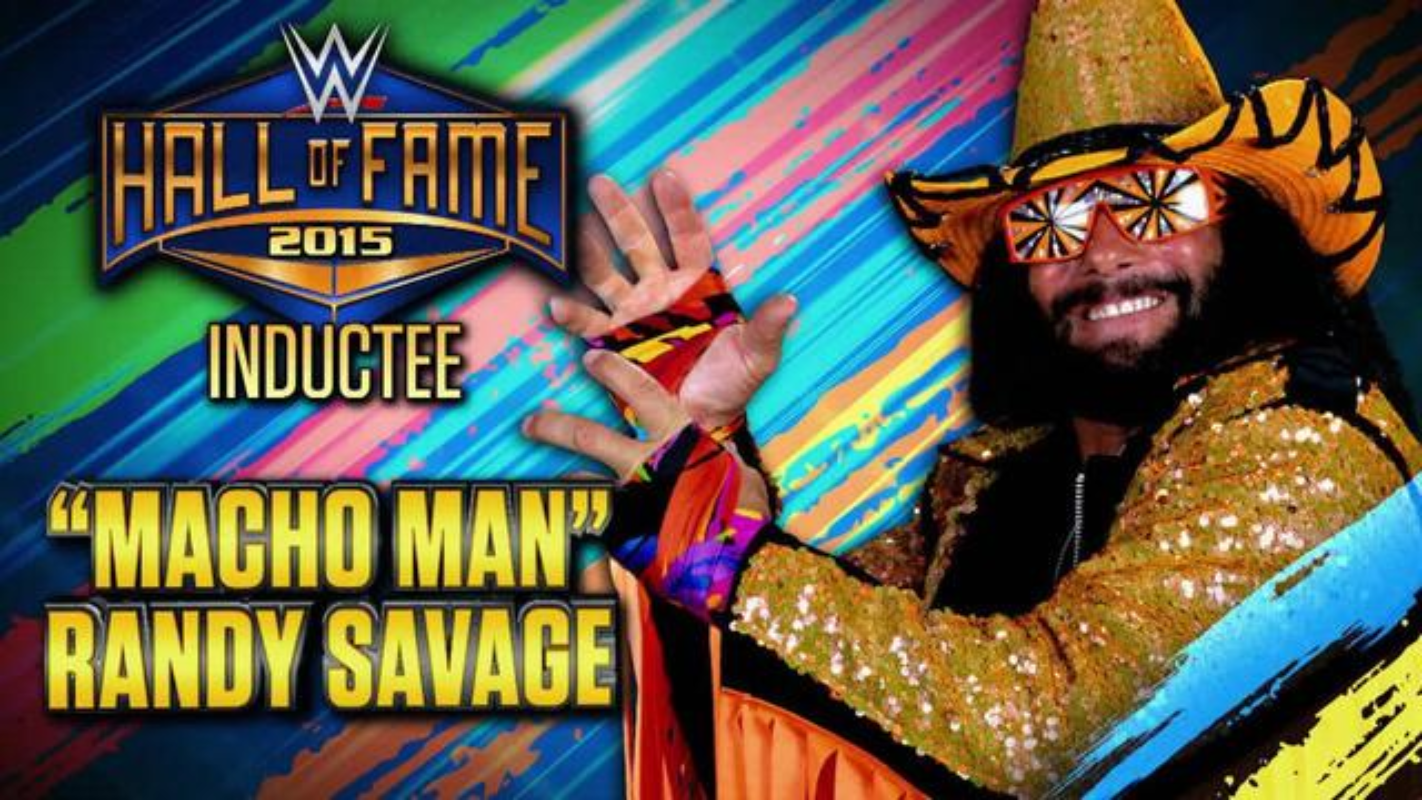
Few absences from the WWE Hall of Fame generated as much discussion as Macho Man Randy Savage‘s. By the mid-2000s, Savage’s resume had long since made him one of the most obvious omissions. He headlined multiple WrestleManias, held world championships in both WWF and WCW, and helped define professional wrestling’s boom period of the 1980s, yet every spring his name remained absent.
For years, the situation gave rise to countless fan theories and rumors, the most persistent being that Vince McMahon had personally blocked Savage’s induction because of a long-rumored falling out. Others speculated about backstage politics or alleged personal issues involving the McMahon family, though none of those claims were ever addressed by Randy Savage himself or the company, and several have since been publicly contradicted.
The clearest explanation instead came from the person closest to Savage. On The Genius Cast with Lanny Poffo, episode 1, recorded by Pro Wrestling Stories and originally aired September 3, 2018, Savage’s brother, Lanny Poffo, revealed that the decision had come directly from Randy himself and not the company. According to Poffo, Savage had only one condition, recalling the exact moment his brother first raised it after learning the entire Von Erich family had been inducted together.
“How do you like that?” Lanny remembers his brother Randy saying to him. “They’re putting the entire Von Erich family in the WWE Hall of Fame? I can understand Fritz and Kevin and Kerry and David, but my God, can you imagine that? Mike and Chris in the Hall of Fame? Lou Thesz isn’t even in the Hall of Fame.” His point was if the Vachons or Von Erichs can get in the Hall of Fame, then why not the Poffos?”
Lanny explained that after their father, Angelo Poffo, passed away, Randy made his wishes explicit. If anything happens to me, don’t let them put me in the Hall of Fame unless it’s the Poffo family. It’s Lanny, Randy, and Angelo. And that’s the only way I go in.” Lanny added that Randy repeated that same condition to their mother numerous times in the years that followed.
The request was deeply personal rather than political. Angelo Poffo had introduced both of his sons to professional wrestling and remained one of the defining influences on Savage’s career, a bond Lanny Poffo revisited in his own tribute to his brother, Lanny Poffo: Remembering My Brother, Randy Savage. To Savage, accepting the industry’s highest individual honor without recognizing the family that built him and played their part in the business felt incomplete.
Savage never lived to see that compromise happen. On May 20, 2011, he passed away after suffering a heart attack while driving in Seminole, Florida, at the age of 58. Four years later, WWE announced that Savage would finally headline the Hall of Fame Class of 2015, and the decision ultimately rested with Lanny Poffo.
Accepting the invitation meant going against his brother’s wishes, something Lanny openly acknowledged. He explained that although their mother initially opposed the decision because Randy had been clear about wanting the entire family inducted together, he believed millions of wrestling fans deserved the opportunity to celebrate Savage’s legacy:
“My mother was still alive, and she was really mad that I wasn’t honoring Randy’s wishes when WWE wanted to induct him. But I told her, ‘Mom, I used to be the youngest in the family, and I didn’t always get my wishes. In fact, I seldom got my wishes. And I’m now older than Randy was when he died. And my feeling is the Macho fan is bigger than the Macho Man. And the Macho fan wants to see Randy in the WWE Hall of Fame.'”
At the 2015 ceremony, Hulk Hogan inducted Savage while Lanny accepted the honor on behalf of his late brother. Angelo Poffo was recognized during the presentation but was not formally inducted alongside his sons. The WWE Hall of Fame induction finally happened, but not in the way Macho Man Randy Savage had envisioned it.
3. Bret Hart Declined the WWE Hall of Fame After Montreal
The fractured relationship between Bret Hart and WWE is no secret after what happened on November 9, 1997, at the Survivor Series in Montreal. With Hart preparing to leave for World Championship Wrestling, Vince McMahon orchestrated the infamous Montreal Screwjob, instructing referee Earl Hebner to call for the bell while Hart was trapped in his own Sharpshooter submission hold despite never submitting. The decision stripped Hart of the WWF Championship without his knowledge and permanently altered one of wrestling’s most celebrated careers, a story Pro Wrestling Stories has documented in detail.
The fallout stretched far beyond Montreal. Hart left WWE immediately afterward, later suffered a career-ending concussion against Goldberg at WCW’s Starrcade 1999, and endured the deaths of both his brother Owen Hart in 1999 and fellow Hart Foundation member Davey Boy Smith in 2002. By the early 2000s, returning to WWE was the last thing on his mind, but WWE tried nonetheless.
According to Jim Ross on his Grilling JR podcast, Hart simply turned down an invitation to return in 2002. Ross recalled, “Back in 2002, five years after the screwjob, Bret was spoken to about refereeing a match at WrestleMania, but he turned it down.
Around WrestleMania XX in 2004, the company quietly explored the possibility of bringing Hart back for the WWE Hall of Fame ceremony at Madison Square Garden. Ross recalled that Bret was simply not interested.
Asked by host Conrad Thompson whether Hart was being pitched by Vince McMahon for something physical or simply invited to the WWE Hall of Fame, Ross explained, “I’m sure if Vince had his way, like any other promoter, you would want a star like Bret doing something physical, if nothing else, getting a sharpshooter on somebody or punching somebody, something along those lines and of course, Bret’s a great storyteller. He would have been a tremendous addition to the folks at the Hall of Fame, that was a very special Hall of Fame, quite frankly. But Bret just wasn’t interested.”
Like Bruno Sammartino’s refusal, Hart’s decision was never about negotiating leverage or publicity. It reflected wounds that had not yet healed. Even after privately agreeing to the Hall of Fame, Hart continued going back and forth before finally giving WWE his decision in February 2006, marking the first meaningful reconciliation between Bret Hart and WWE in nearly nine years.
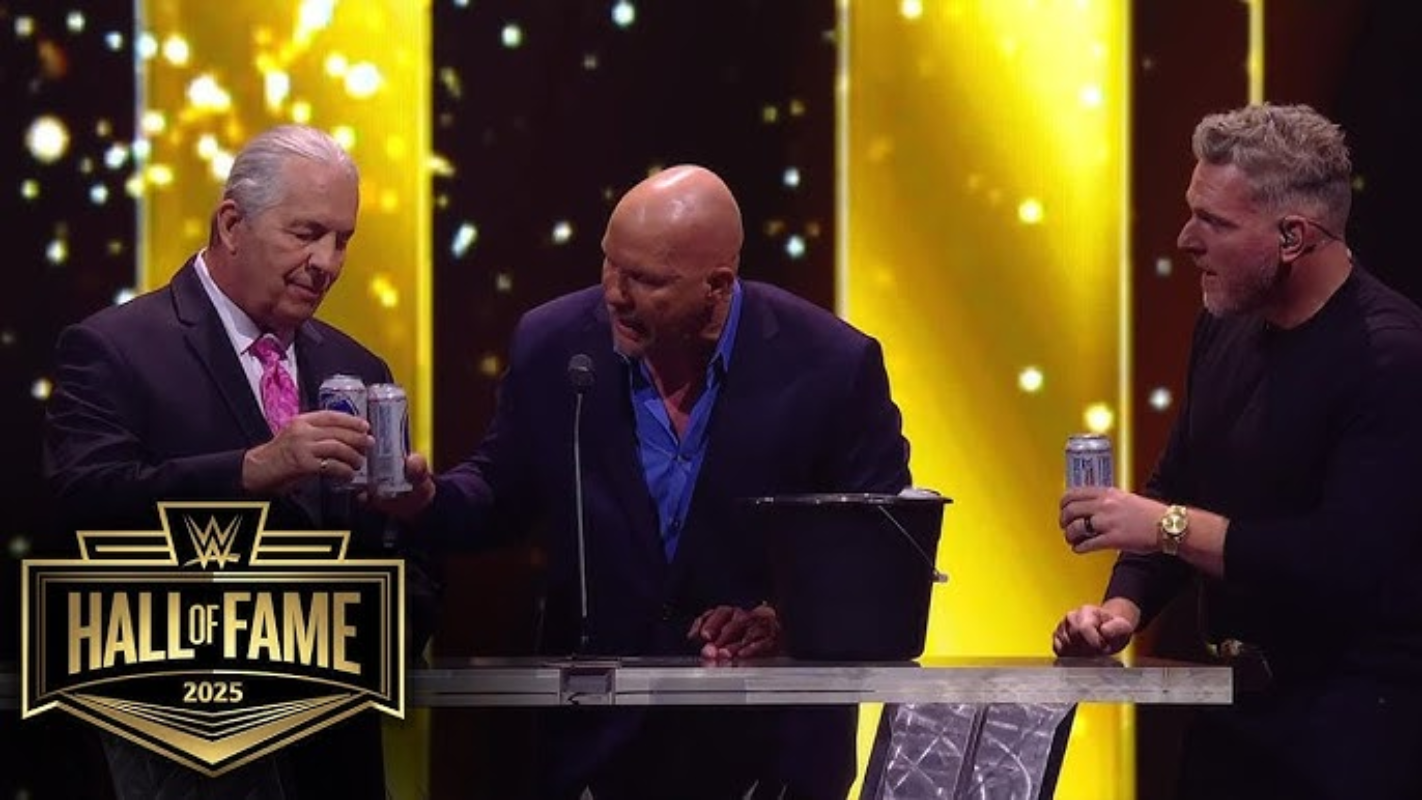
On April 1, 2006, Hart accepted induction into the WWE Hall of Fame at the Rosemont Theatre in Rosemont, Illinois. The honor carried added symbolism because Stone Cold Steve Austin, the man with whom Hart had produced one of wrestling’s defining rivalries during the Attitude Era, served as his inducting presenter. The image of Austin embracing Hart on stage stood in sharp contrast to the bitterness that had surrounded Hart’s WWE departure for almost a decade.
Even then, Hart’s return remained measured. He agreed only to the Hall of Fame ceremony and declined WWE’s request to appear at WrestleMania 22 the following evening, making it clear that accepting the honor did not mean every old wound had fully disappeared. His full reconciliation with WWE, and eventually with Shawn Michaels and Vince McMahon on WWE television, would not come until 2010.
Love Pro Wrestling Stories? Add us as a Preferred Source on Google so our stories always show up first for you. It only takes one click.
Add Us on Google4. The Ultimate Warrior Turned Down Vince McMahon Himself
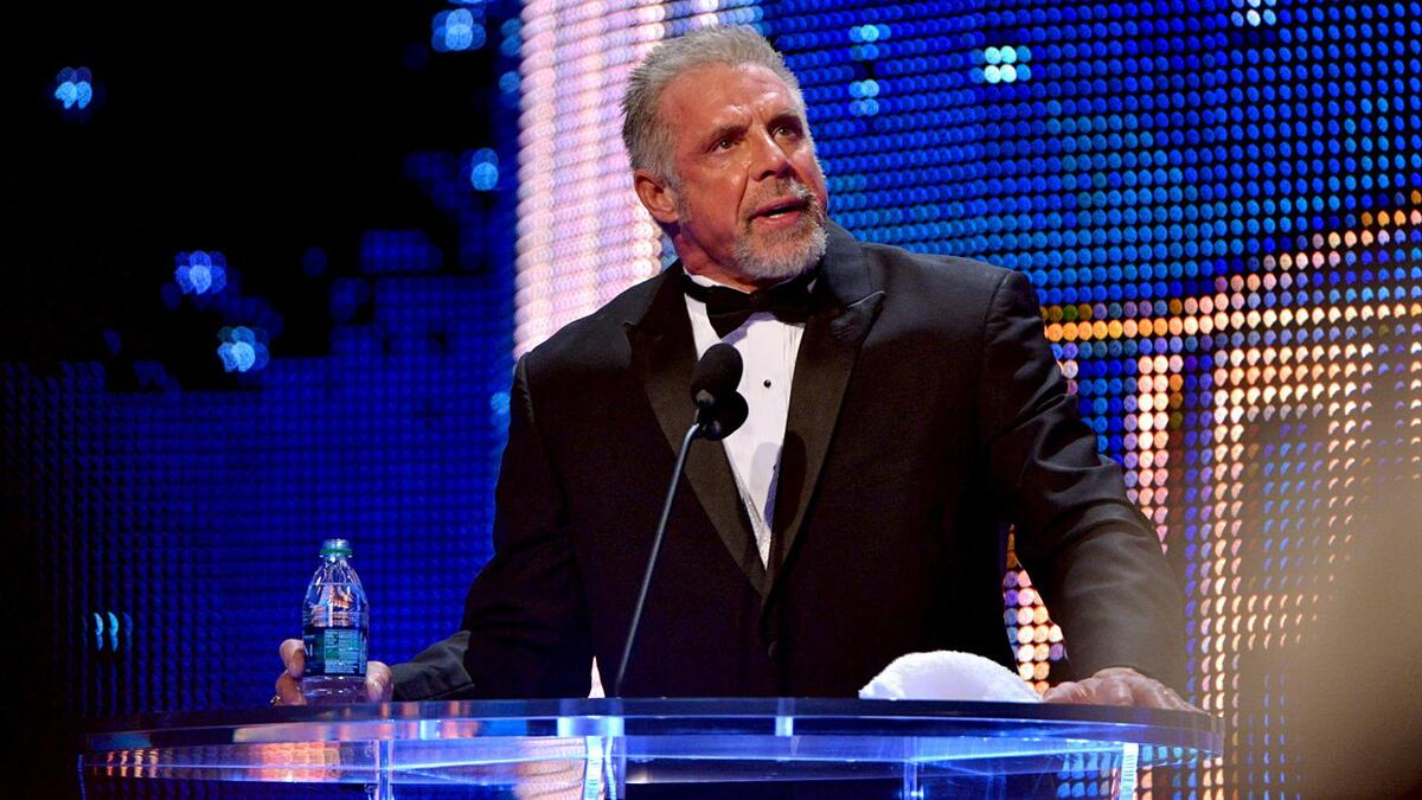
Unlike Bruno Sammartino or Bret Hart, The Ultimate Warrior’s refusal was not rooted in years of silence between himself and WWE. By late 2009, the two sides had already begun repairing their fractured relationship after settling a lengthy legal dispute, progress that led Vince McMahon to invite one of WWE’s biggest stars of the late 1980s to headline the 2010 Hall of Fame class.
The invitation came personally. In a now-deleted blog post published on his official website, UltimateWarrior.com, in March 2010, Warrior revealed that Vince McMahon had called him on December 23, 2009, leaving a voicemail that included the words, “Let’s get you in the Hall of Fame where you belong.”
Warrior returned the call after the Christmas holidays but wanted to meet Vince McMahon face to face rather than discuss the induction over the phone. Recalling the conversation, Warrior wrote that McMahon initially agreed to arrange an in-person meeting, one that never materialized.
“When we finally connected, I told him I would rather meet with him in person than talk over the phone. He said that would be great. He said he would find time on his calendar and call me back to set it up. When he called back a couple of weeks later, he didn’t even mention finding a time scheduled to meet. So, given only the option to say either yes or no, my answer was quick and clear; I declined Vince’s invitation to headline the Hall of Fame event.”
Warrior’s refusal was not simply about a missed meeting. Instead, it centered on WWE’s 2005 documentary, The Self-Destruction of the Ultimate Warrior. Although Warrior and WWE had settled their litigation surrounding the project, he believed the underlying issue remained unresolved.
“Although Vince and I decided to settle the litigation over the production of the Self-Destruction DVD, the DVD is still what it is, a defamatory, negative, inaccurate portrayal of my professional sports entertainment career and my personal character while working in the WWF.”
He then delivered the line that ultimately defined his refusal, “Vince personally inviting me to be the headliner inductee to his Hall of Fame means either the DVD or his Hall of Fame is a joke. One is not credible. It’s inarguable.” He concluded, “I thought it was reasonable to ask Vince to explain it. Still do. Always will. That’s it. Pretty simple.”
The standoff lasted another four years. In April 2014, WWE announced that The Ultimate Warrior would headline that year’s Hall of Fame class during WrestleMania XXX weekend in New Orleans. He accepted the invitation, delivered one of the weekend’s most emotional speeches, appeared on Monday Night Raw the following evening, and was introduced as a WWE ambassador.
Just three days after his WWE Hall of Fame induction, on April 8, 2014, Warrior collapsed outside an Arizona hotel and died from a heart attack at the age of 54. His final public appearances had come during the same WrestleMania weekend that had finally brought one of wrestling’s longest-running estrangements to a close.
With hundreds of amazing Pro Wrestling Stories to dive into, where do you start? Get the inside scoop, join our exclusive community of wrestling fans! Receive 10 hand-picked stories curated just for YOU, exclusive weekly content, and an instant welcome gift when you sign up today!
5. Owen Hart: Why His WWE Hall of Fame Induction Will Never Come
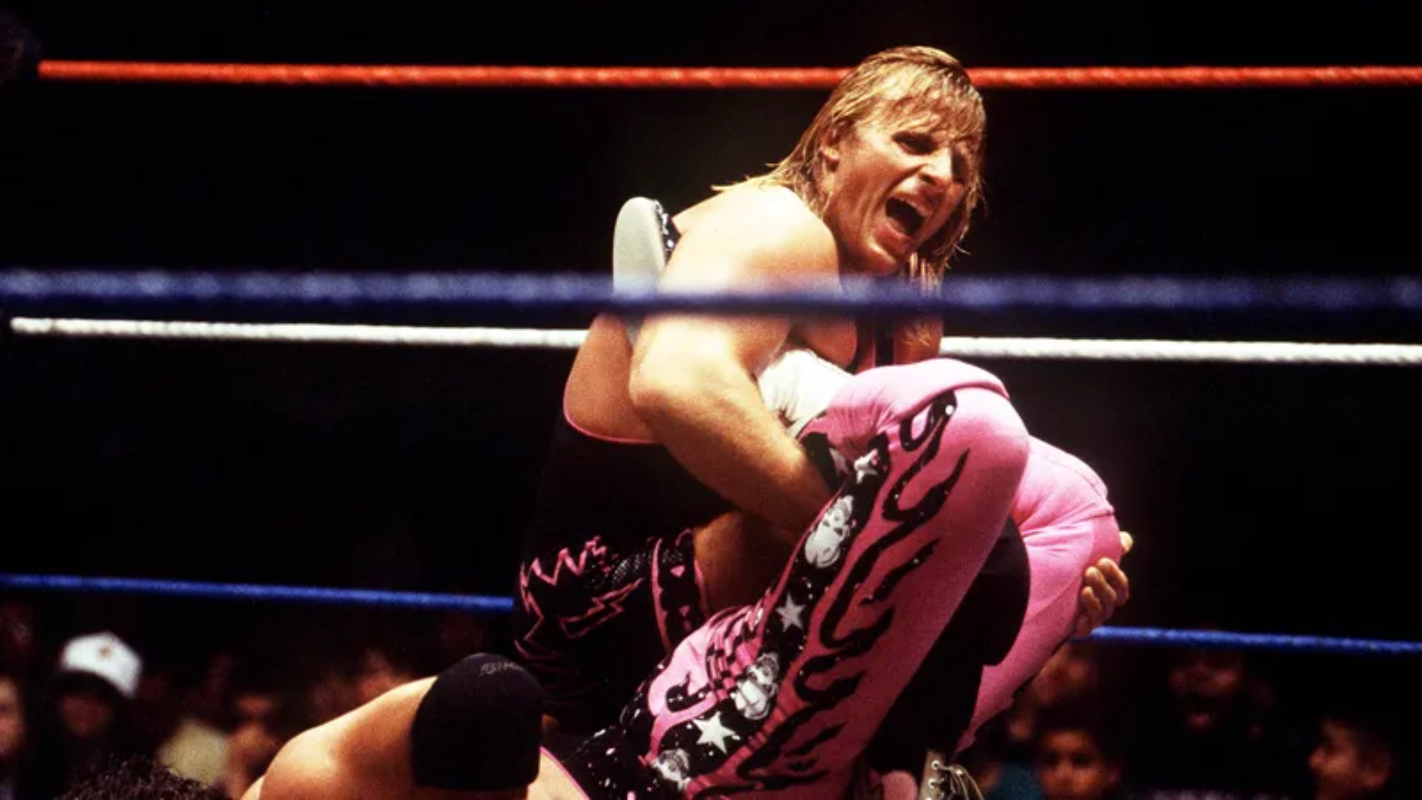
Owen Hart’s name has appeared in nearly every annual discussion surrounding the WWE Hall of Fame, yet unlike the others on this list, Owen Hart never personally declined an induction. He never had the opportunity due to his tragic death at 34 years old. The tragedy remains one of the darkest moments in professional wrestling history, and it fundamentally shaped how his widow, Martha Hart, viewed WWE for decades to come.
In the months after Owen’s death, Martha filed a wrongful death lawsuit against WWE, alleging that the company had failed to provide a safe working environment. The lawsuit ended in November 2000 with an $18 million settlement, but the legal resolution never repaired the relationship between the two sides.
As WWE revived its Hall of Fame in 2004, speculation quickly turned to whether Owen would eventually be inducted, but the answer never rested with WWE alone. Because Owen was deceased, any induction required the approval of his estate, which Martha Hart has consistently controlled, and her position has never changed.
During a wide-ranging interview with CBS Sports in May 2020, conducted ahead of Vice TV’s Dark Side of the Ring episode on Owen Hart, Martha explained why she had repeatedly rejected the idea of a WWE Hall of Fame induction:
“There’s always been this talk that, ‘Oh, we want to put Owen in the WWE Hall of Fame.’ Their Hall of Fame? They don’t even have a Hallway of Fame. It doesn’t exist. There’s nothing. It’s a fake entity. There’s nothing real or tangible. It’s just an event they have to make money. They put it on TV and have a celebration, and it’s just so ridiculous. I would never even entertain it. It’s garbage.”
Her criticism extended beyond the Hall of Fame itself. Martha has long argued that allowing WWE to celebrate Owen’s legacy would contradict her belief that the company bore responsibility for the circumstances surrounding his death. Rather than partnering with WWE, she devoted herself to preserving Owen’s memory through the Owen Hart Foundation, which has funded scholarships, housing initiatives, and charitable programs since 2000.
And since 2022, AEW has hosted an annual Owen Hart Foundation Tournament, informally known as the Owen Hart Cup, in partnership with the Owen Hart Foundation and Martha Hart, where winners are presented with a trophy called “The Owen” at the promotion’s Double or Nothing pay-per-view each spring.
Despite his absence from WWE’s Hall of Fame, Owen’s wrestling legacy has not gone unrecognized elsewhere. He has been inducted into the Wrestling Observer Newsletter Hall of Fame, the NWA Hall of Fame, and several other wrestling institutions that celebrate his contributions independently of WWE. As of 2026, Martha Hart’s position remains unchanged, and Owen Hart occupies a unique place on this list because the decision has never belonged to the wrestler himself.
Real Autographs. Only Few Remain.
These are hand-signed originals sold directly by Pro Wrestling Stories. Once they sell out, they are gone for good.
Own a Piece of Wrestling History
-

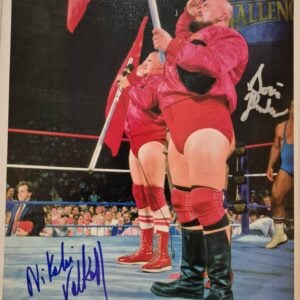
Nikolai Volkoff Signed WWF 8×10 Photo Autograph (Deceased Legend)
$45.00 Add to cart -
Bushwhacker Luke Signed WWF 8×10 Photo Autograph (with Bushwhackers Butch)
$30.00 Add to cart -
Bushwhacker Luke Signed WWF 8×10 Photo Autograph (of The Bushwhackers)
$30.00 Add to cart -
Bushwhacker Luke Signed WWF 8×10 Photo Autograph (The Bushwhackers)
$30.00 Add to cart -
“Greg the Hammer” Valentine Signed WWF 8×10 Photo Autograph
$45.00 Add to cart -
Justin Credible Signed 8×10 Photo Autograph
$30.00 Add to cart -
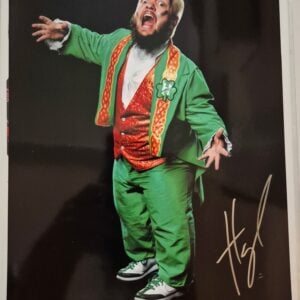
Hornswoggle (Dylan Postl) Signed WWE 8×10 Photo Autograph
$30.00 Add to cart -
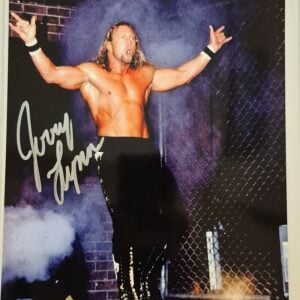
Jerry Lynn Signed 8×10 Photo Autograph
$35.00 Add to cart -
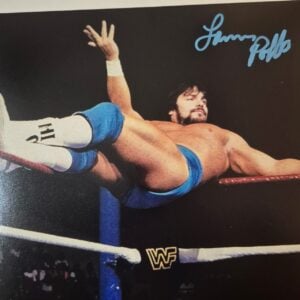
Leaping Lanny Poffo Signed WWF Turnbuckle Pose 8×10 Photo Autograph (Deceased Legend)
$45.00 Add to cart -
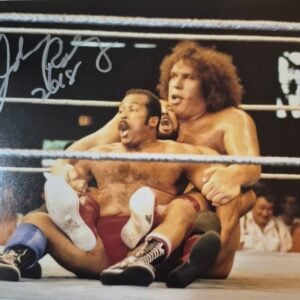
Johnny Rodz Signed WWF 8×10 Photo (wrestling Andre the Giant)
$30.00 Add to cart -
Baby Doll (Nickla Roberts) Signed 8×10 Photo Autograph (pictured with Ric Flair)
$35.00 Add to cart -
Bushwhacker Luke Signed WWF 8×10 Photo Autograph
$30.00 Add to cart -
Brutus the Barber Beefcake Signed WWF 8×10 Photo Autograph 2
$35.00 Add to cart -
Johnny Rodz Signed WWF 8×10 Photo Autograph (pictured with The Grand Wizard)
$30.00 Add to cart -
Johnny Rodz Signed WWF 8×10 Photo Autograph (pictured with Captain Lou Albano)
$30.00 Add to cart -
Jerry “The King” Lawler Signed WWE 8×10 Photo Autograph 2
$50.00 Add to cart -
Fred Ottman Signed WCW 8×10 Photo Autograph (The Shockmaster)
$35.00 Add to cart -
Leaping Lanny Poffo Signed WWF Frisbee Pose 8×10 Photo Autograph (Deceased Legend)
$45.00 Add to cart -
Barry Windham Signed 8×10 Photo Autograph
$40.00 Add to cart -
Justin Credible Signed 8×10 Photo Autograph 2
$30.00 Add to cart -
Ken Patera Signed WWF 8×10 Photo Autograph
$35.00 Add to cart -
Sabu Signed WWF 8×10 Photo Autograph (Deceased Legend)
$55.00 Add to cart -
D’Lo Brown Signed WWF 8×10 Photo Autograph
$30.00 Add to cart -
Nikolai Volkoff Signed WWF 8×10 Photo Autograph 2 (Deceased Legend)
$45.00 Add to cart -
Sunny (Tammy Lynn Sytch) Signed WWF 8×10 Glamour Photo Autograph
$35.00 Add to cart -
Vince Russo Signed 8×10 Photo Autograph
$35.00 Add to cart -
Jimmy Hart Signed WWF 8×10 Photo Autograph (pictured with Hulk Hogan)
$35.00 Add to cart -
Johnny Rodz Signed WWF 8×10 Photo Autograph
$30.00 Add to cart -
Tito Santana Signed WWF 8×10 Photo Autograph
$35.00 Add to cart -
“Hacksaw” Jim Duggan Signed WWF 8×10 Photo Autograph
$40.00 Add to cart -
Sunny (Tammy Lynn Sytch) Signed 8×10 Photo Autograph
$35.00 Add to cart -
Larry Zbyszko Signed WCW 8×10 Photo Autograph
$40.00 Add to cart -
Tito Santana Signed WWF 8×10 Photo Autograph (Strike Force)
$35.00 Add to cart -
Ken Patera Signed WWF 8×10 Photo Autograph (pictured with Bobby Heenan & John Studd)
$35.00 Add to cart -
Butcher Paul Vachon Signed WWF 8×10 Photo Autograph (Deceased Legend)
$45.00 Add to cart -
Raven Signed 8×10 Photo Autograph
$35.00 Add to cart -
Ron Simmons Signed WWE 8×10 Photo Autograph
$40.00 Add to cart -
Sunny (Tammy Lynn Sytch) Signed WWF 8×10 Photo Autograph (WWE Hall of Fame)
$35.00 Add to cart -
Jerry “The King” Lawler Signed 8×10 Photo Autograph
$50.00 Add to cart -
Bushwhacker Luke Signed WWF 8×10 Photo Autograph (pictured with Bushwhacker Butch)
$30.00 Add to cart -
Kevin Sullivan Signed 8×10 Photo Autograph (Deceased Legend)
$45.00 Add to cart -
Missy Hyatt Signed 8×10 Photo Autograph
$35.00 Add to cart -
Brutus the Barber Beefcake Signed WWF 8×10 Photo Autograph (with Ultimate Warrior)
$35.00 Add to cart -
Nikolai Volkoff & Boris Zhukov Signed WWF “The Bolsheviks” 8×10 Photo Autograph (Deceased Legend)
$60.00 Add to cart -
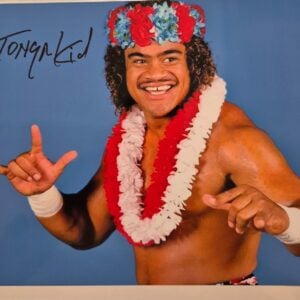
The Tonga Kid (Sam Fatu) Signed WWF 8×10 Photo Autograph
$35.00 Add to cart -
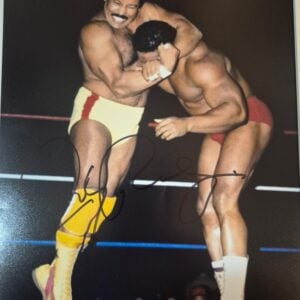
Johnny Rodz Signed WWF 8×10 Photo Autograph (wrestling Tony Atlas)
$30.00 Add to cart -
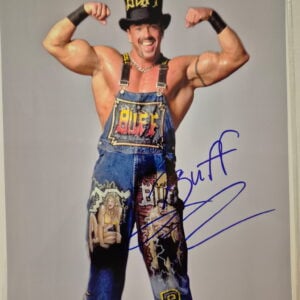
Marcus “Buff” Bagwell Signed WCW 8×10 Photo Autograph
$30.00 Add to cart -
Steve Keirn Signed WWF 8×10 Photo Autograph (Skinner)
$30.00 Add to cart -
Johnny Rodz Signed WWF 8×10 Photo Autograph
$30.00 Add to cart -
Jimmy Hart Signed WWF 8×10 Photo Autograph (pictured with Bret Hart & Jim Neidhart)
$35.00 Add to cart -
Larry Zbyszko Signed 8×10 Photo Autograph 2
$40.00 Add to cart -
Fred Ottman Signed WWF 8×10 Photo Autograph (Typhoon)
$35.00 Add to cart -
Sunny (Tammy Lynn Sytch) Signed WWF 8×10 Photo Autograph
$35.00 Add to cart -
Leaping Lanny Poffo Signed WWF 8×10 Photo Autograph (Deceased Legend)
$45.00 Add to cart -
Steve Keirn Signed WWF 8×10 Photo Autograph (Fabulous Ones)
$30.00 Add to cart

6. Bob Backlund Has Quietly Declined the WWE Hall of Fame for Years
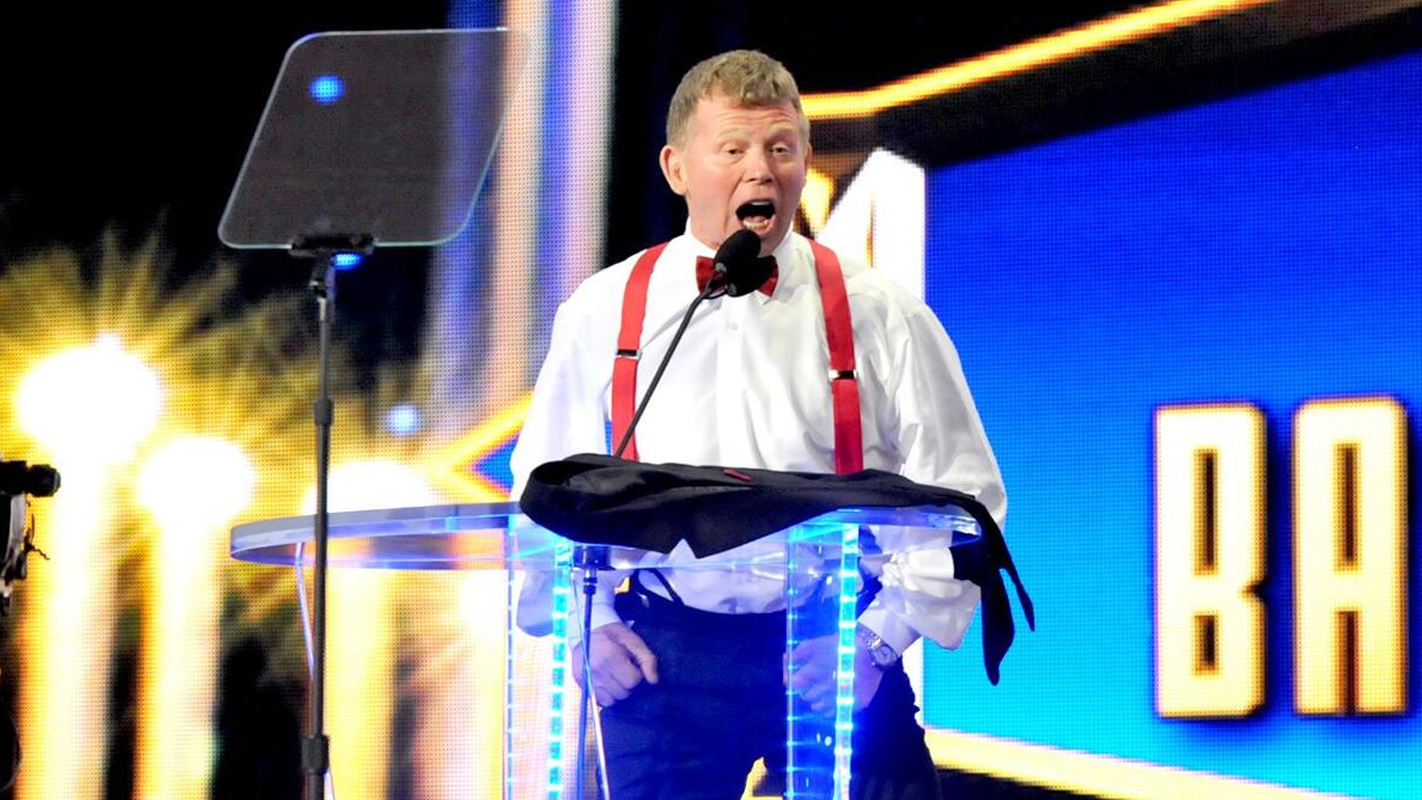
Compared to the public disputes involving Bruno Sammartino or The Ultimate Warrior, Bob Backlund‘s reluctance toward the WWE Hall of Fame received relatively little attention. There was no public falling out, no lengthy war of words, and no dramatic rejection. Instead, those close to WWE have acknowledged over the years that Backlund declined Hall of Fame consideration on multiple occasions before eventually accepting the invitation in 2013.
The precise reasons were never explained in detail by Backlund himself, and WWE has never publicly outlined why earlier approaches were unsuccessful, so it is important not to overstate his motivations. What is documented is that Backlund remained absent from the Hall of Fame for nearly a decade after WWE revived the ceremony in 2004, despite possessing one of the most accomplished resumes in company history.
His first WWE Championship reign lasted 2,135 days, second only to Bruno Sammartino’s record, and helped bridge the company’s transition from the territorial era into the national expansion that followed.
Yet year after year, Backlund remained outside the Hall of Fame while many of his contemporaries were inducted. His famously reserved personality throughout much of his post-retirement life has often been cited, though none establish a single definitive reason for his earlier refusals.
That finally changed in 2013. On February 4, 2013, WWE officially announced that Bob Backlund would join the Hall of Fame Class of 2013 alongside Bruno Sammartino, Mick Foley, Trish Stratus, Booker T, and others. The ceremony, fittingly, returned to Madison Square Garden, the same building where Backlund had spent years defending the WWE Championship before sold-out crowds. Unlike Bruno Sammartino, whose acceptance followed a highly public reconciliation with WWE, Backlund’s induction arrived quietly and without controversy.
7. The Reasons Behind Honky Tonk Man Turning Down the WWE Hall of Fame
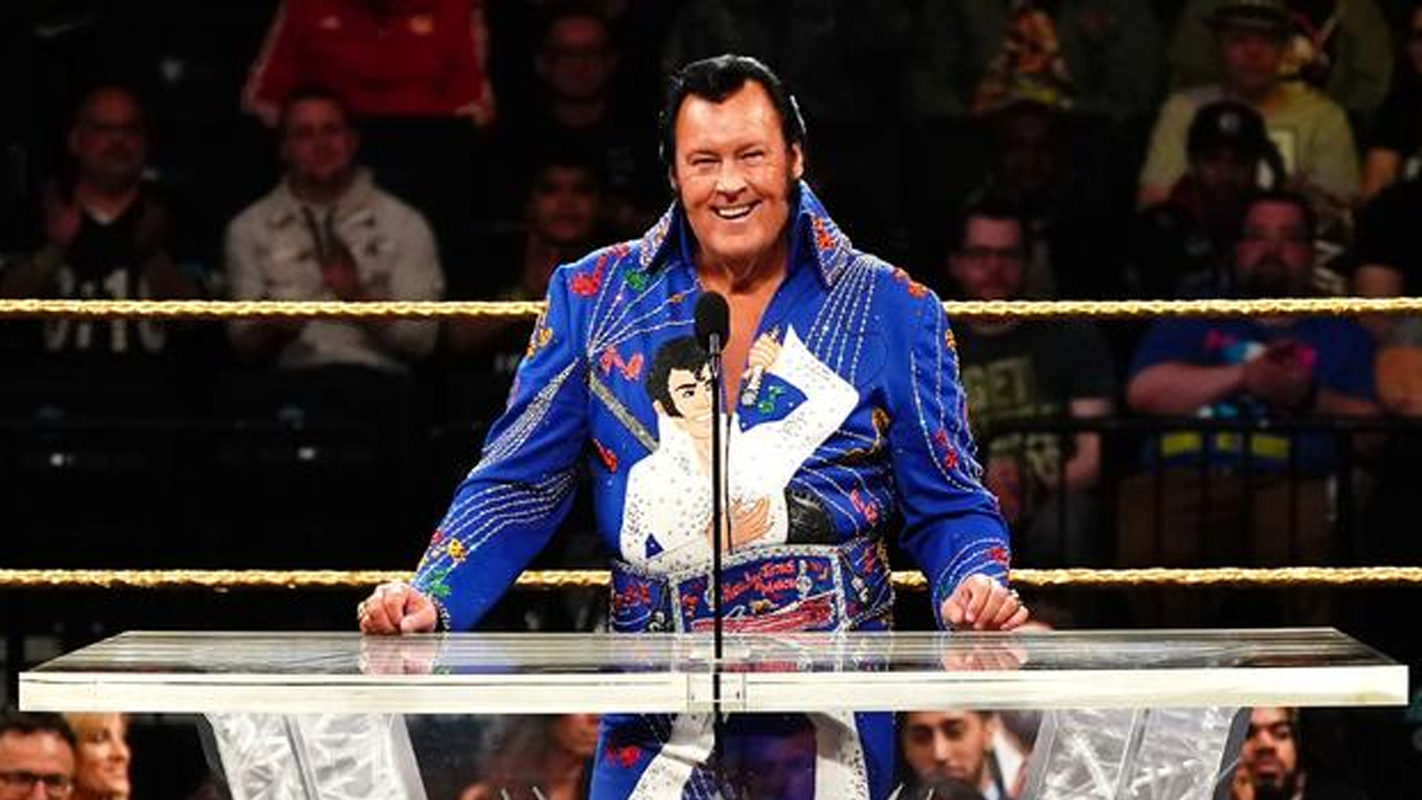
When WWE assembled its Hall of Fame Class of 2010, one name many expected to see was Honky Tonk Man. At the time, he still held one of the company’s most enduring records, the longest single Intercontinental Championship reign in WWE history at 454 days. More than two decades after dropping the title to The Ultimate Warrior at SummerSlam 1988, his place in WWE history had long since been secured.
According to Honky Tonk Man himself, the company contacted him in early 2010 with an invitation to join that year’s Hall of Fame class. Rather than accepting immediately, he declined.
In 2009, he had attended the Hall of Fame ceremony to induct his former training partner Koko B. Ware. In a 2012 interview with WrestlingInc, he explained why he declined the offer the following year.
“Well, they called me the next year (after Koko B. Ware’s induction). I was living here in Phoenix and they wanted to do it in Phoenix but I was already booked doing the Wizard World Comic Book Convention. I had a contract with those guys. I had a Toronto date the same weekend.”
If scheduling had been the only obstacle, the story might have ended there. But Honky Tonk Man also pointed to pay structure issues around his independent appearances. Asked whether he received any backlash for turning down the appearance, he answered, “I’m sure. But, hey. It is what it is. Every now and again, I speak with my friend, Jimmy Hart. Jimmy is back with the company. I say, ‘You know, Jimmy, they have their show to run, and I have mine.'”
In another interview published on Wrestling Inc. in March 2018, he criticized the WWE Hall of Fame directly, calling it simply a television show.
“The WWE Hall of Fame, if it comes, it comes. It’s not something I pander for, or I wait on. I’ve been critical of the Hall of Fame and some of the things they’ve done and how they do it. To the fans, I know that you’re gonna say I’m bitter, I’m hateful and all those things, but I’m not. It’s a TV show right now, it’s not a Hall of Fame.”
Those criticisms did not amount to lifelong opposition. Nearly a decade later, WWE approached him again, and on February 26, 2019, WWE officially announced Honky Tonk Man as a member of its 2019 Hall of Fame Class. Rather than revisiting old disagreements, he accepted the invitation and was inducted during WrestleMania 35 weekend at the Barclays Center in Brooklyn, New York.
8. Dave Bautista on the Main Reason Why He Still Has Not Gone Into the WWE Hall of Fame
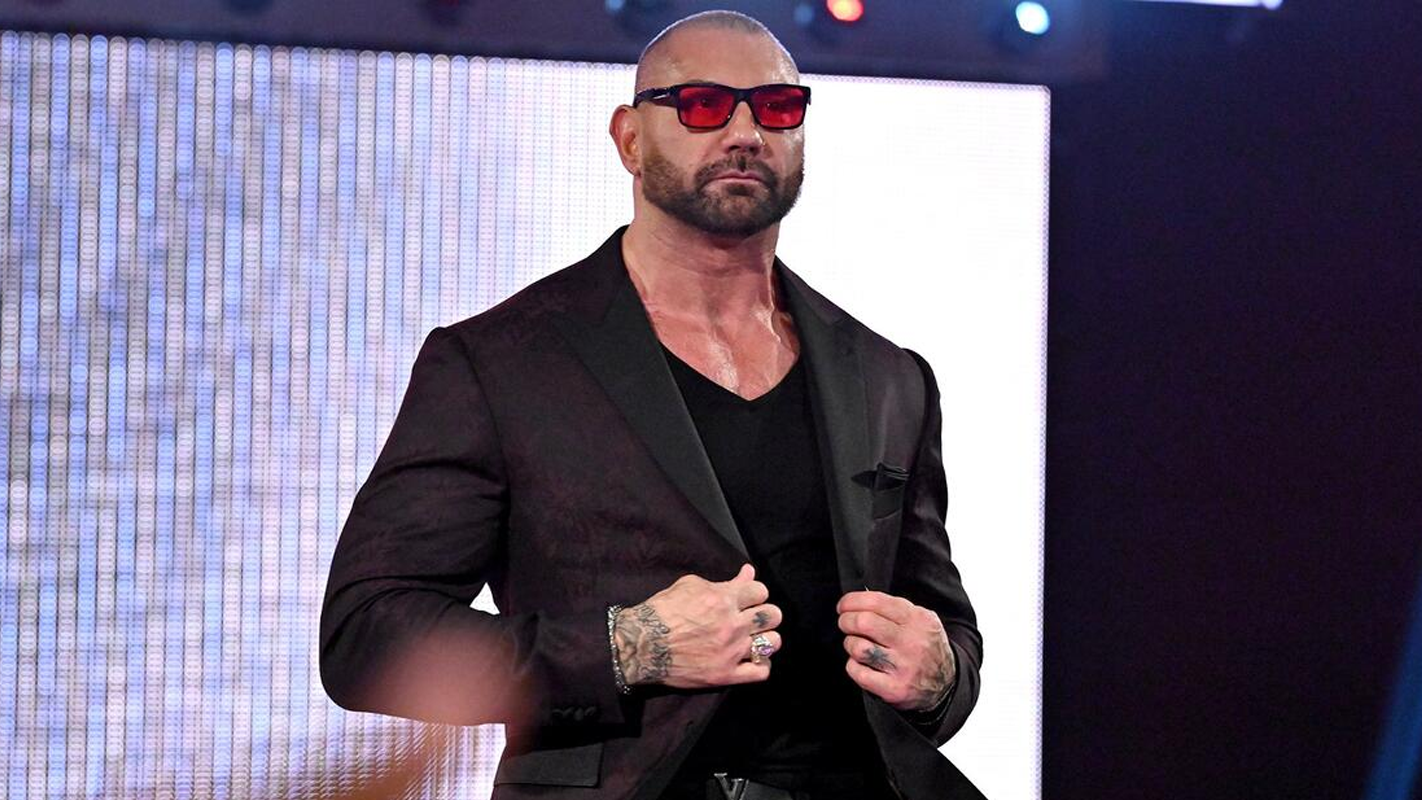
Dave Bautista never rejected the WWE Hall of Fame out of bitterness toward the company. His hesitation came from a simpler belief that his wrestling career was not yet over and that he still had more to achieve.
Bautista’s retirement match against Triple H at WrestleMania 35 in April 2019 appeared to close the final chapter of his in-ring career. He later explained that he had long felt uncomfortable with the idea of entering the WWE Hall of Fame while he still believed he had unfinished business as a performer.
Speaking to Chris Van Vliet in September 2024, Bautista addressed the subject directly, admitting, “I’ve had the conversation with Hunter about going to the Hall of Fame and there was always a part of me that makes me feel like my career is not worthy of going into it.”
Bautista viewed the Hall of Fame not as recognition for what he had already accomplished, but as something that should come only after he had accomplished enough to satisfy himself. WWE announced him for the honor before that process could naturally play out, revealing on December 9, 2019, that Bautista would headline the Hall of Fame Class of 2020. Months later, the COVID-19 pandemic brought professional wrestling to a standstill, WrestleMania 36 was held without fans, and the WWE Hall of Fame ceremony was postponed.
Bautista confirmed the delay in a statement released through his X account, known as Twitter at the time, on March 23, 2021, sharing, “To the WWE Universe, unfortunately, due to previous obligations, I am unable to be a part of the WWE HOF this year. By my request, they have agreed to induct me at a future ceremony where I’ll be able to properly thank the fans and people who made my career possible.”
That induction has still not happened as of this writing, but in the same 2024 interview with Chris Van Vliet, Bautista showed continued interest in eventually going in. Asked whether he still planned to do so, he responded, “I will. I want to, and there was a good opportunity for me to go in a couple years ago. Hunter asked me to do it, and I said, yeah, of course, but it was here in LA, and I thought it was perfect. It was storybook because I won my first title here in LA. But yeah, I’m still open to it and one day I would like to.”
9. Sting Almost Said No Because of What Induction Might Mean
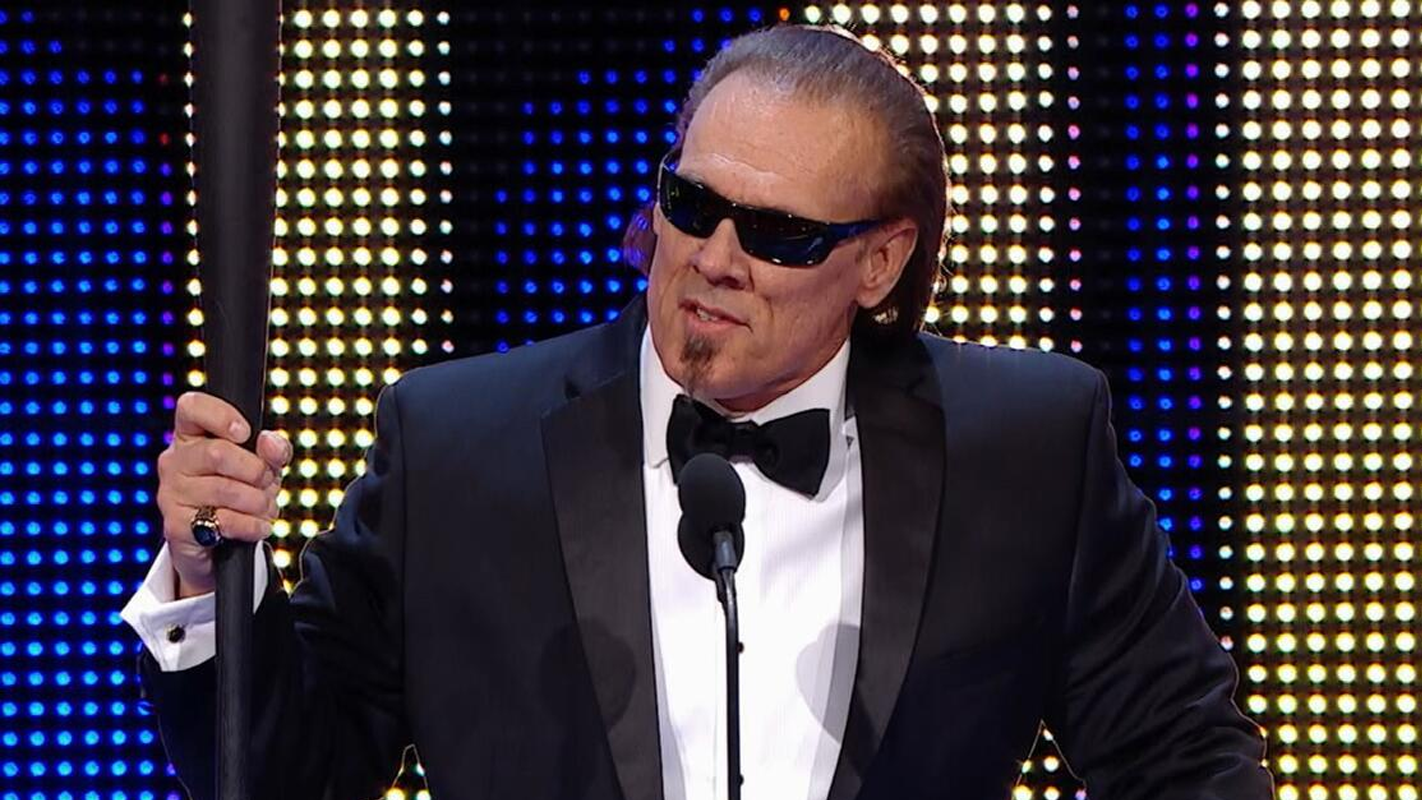
Much like Dave Bautista, Sting’s hesitation had nothing to do with bitterness toward WWE. It stemmed from something much simpler: he did not believe his wrestling career had actually ended.
By early 2016, Sting’s in-ring future had become uncertain following the neck injury he suffered against Seth Rollins at Night of Champions in September 2015. WWE announced him as a member of the 2016 Hall of Fame class, but Sting privately questioned whether accepting such an honor would effectively close the door on any chance of wrestling again.
Speaking on AEW Unrestricted in December 2020, Sting revealed that he initially pushed back against the idea.
I was reluctant to do it because I was still scheduled to work and wrestle. I said to Triple H, ‘Listen, I’m still wrestling.’ He says, ‘Yeah, but we think it’s still gonna be good. Just because you’re inducted doesn’t mean you’re retiring or it’s over.'”
According to Sting, it was Triple H who eased those concerns, assuring him that accepting the WWE Hall of Fame was not a declaration of retirement and that the induction recognized everything he had already accomplished rather than preventing anything he might still accomplish. That reassurance changed Sting’s perspective. He accepted WWE’s invitation and was inducted into the Hall of Fame on April 2, 2016, the night before WrestleMania 32.
Ironically, Triple H’s words proved prophetic. Although Sting never wrestled for WWE again, his career was not over. Five years later, he returned to the ring in All Elite Wrestling, where he enjoyed one last late career run, culminating in his retirement following the AEW Revolution pay-per-view in March 2024.
10. Jeff Hardy Turned Down the Hall of Fame for a Reason WWE Did Not Expect
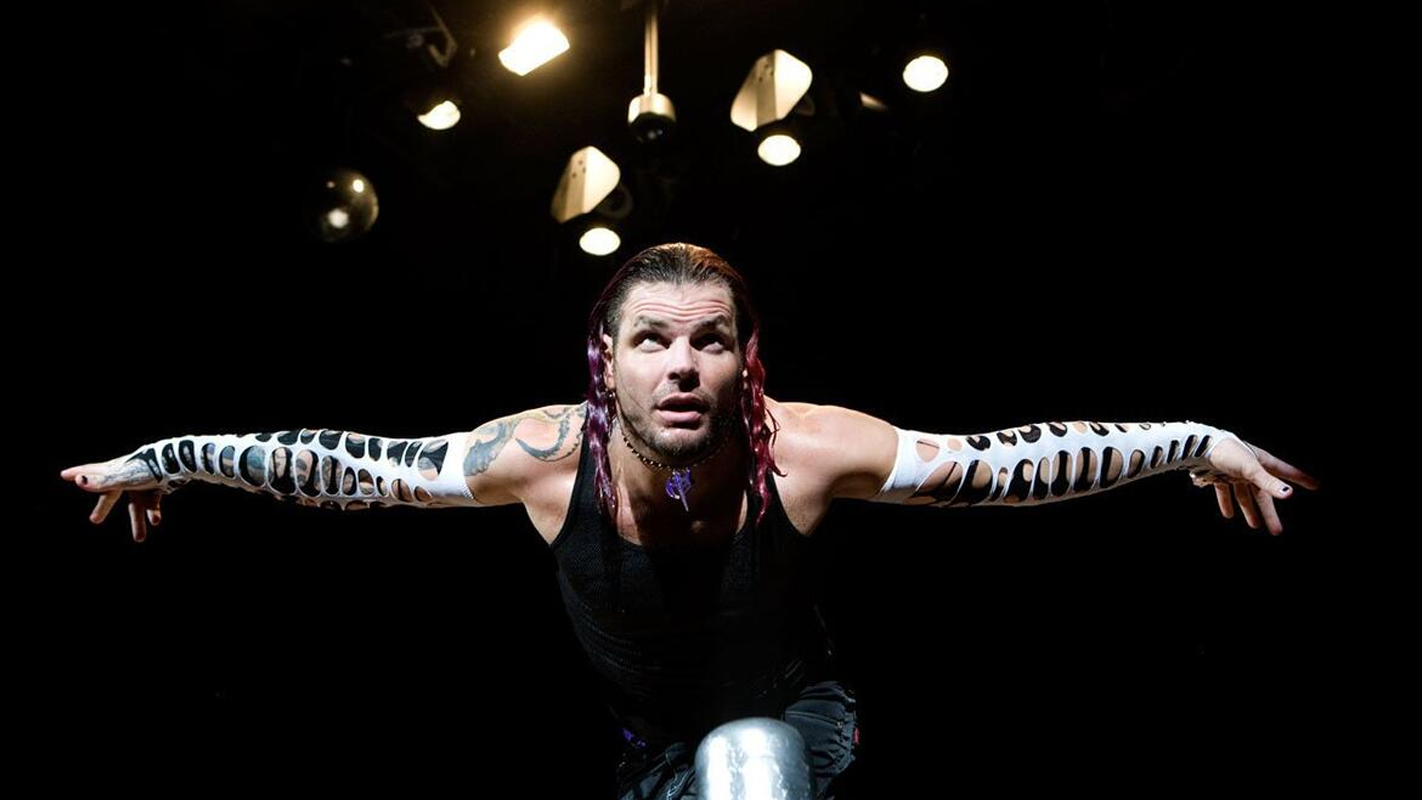
Jeff Hardy‘s refusal was one of the most recent and least contentious cases of a wrestler declining induction into the WWE Hall of Fame.
Jeff Hardy was released by WWE in December 2021, and he was about to join his brother Matt Hardy to reform the tag team the Hardy Boyz at AEW. But just a few months after his release, as WWE prepared its 2022 Hall of Fame class, the company approached him about inducting him into the Hall of Fame. Jeff would decline.
Discussing his refusal on the Extreme Life of Matt Hardy Podcast, he explained how he almost felt offended when offered a spot in the WWE Hall of Fame.
“It felt completely wrong. It didn’t feel like the time at all. I almost felt offended. I was very emotional and almost felt offended. My mind and emotion went crazy and I was in tears. This is my career. I know I’ve been a very influential person to a lot of young and misunderstood individuals, but it felt so wrong. Especially because it feels like something Matt and I should go in together, as the Hardy Boyz, when the time is right.”
That reasoning was later reconfirmed on a June 2022 episode of Talk Is Jericho. Jeff said, “Well first of all, I don’t want to go in there (in the Hall of Fame) without my brother and it’s not my time. This is too early. This is crazy. So yeah, it was very emotional. I was like, ‘What are they trying to do because, naturally, I’m going to be reunited with my brother in AEW when I’m free of WWE.'”
He added, “I told my wife what had happened, I said, ‘I can’t believe what they just offered me.’ So it was very emotional but I happily declined it.”
Matt Hardy later added further context on his decision in a post on his X account on July 18, 2026, writing, “For the record, WWE offered Jeff the Hall of Fame because his drug test returned as no drugs, but alcohol was the problem. The WWE wanted to keep Jeff from going to AEW by any means necessary, so they offered the HOF but he had to re-sign. Jeff chose to reunite with me at AEW.”
Hardy’s decision reflected timing rather than conflict. As of this writing, neither Jeff nor Matt Hardy has been inducted into the WWE Hall of Fame, and their eventual induction is widely viewed as a matter of when rather than if.
What These Refusals Reveal About the WWE Hall of Fame
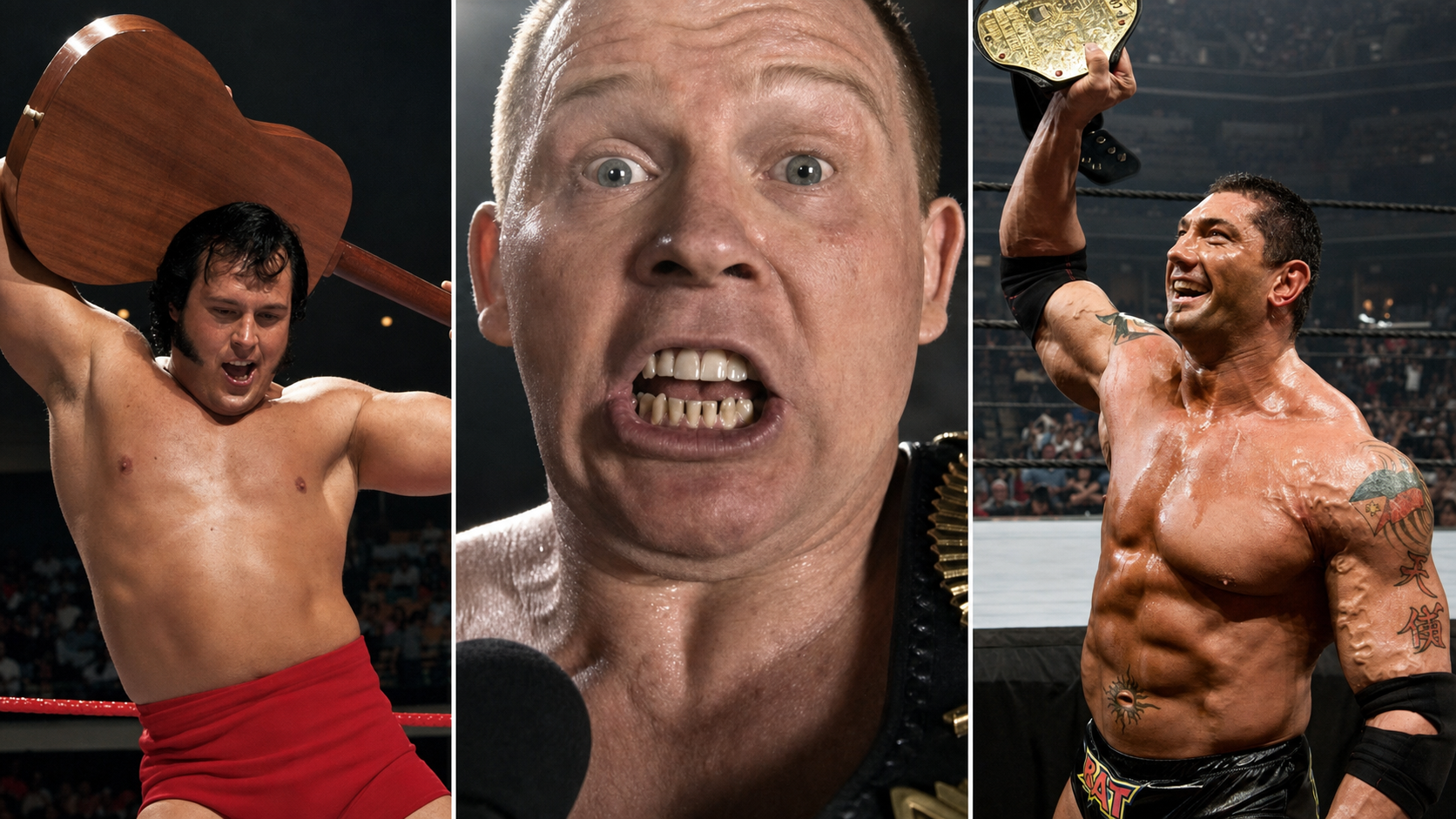
The WWE Hall of Fame has long been presented as the company’s highest individual honor, a final acknowledgment of a career that helped shape professional wrestling. Yet as these stories show, even the industry’s most celebrated recognition has never meant exactly the same thing to every wrestler.
For some, acceptance required old wounds to heal. For others, it had to happen alongside family, at the right stage of their career, or not at all. In Owen Hart’s case, the decision has never belonged to the wrestler himself, but to the family left behind after an unimaginable tragedy.
What united these stories was not a rejection of legacy. Each decision reflected the deeply personal way wrestlers chose to protect their own story, their principles, or the people they believed should share the spotlight with them.
Most eventually entered the WWE Hall of Fame. A few still have not. But together, they proved that while WWE may offer an induction, its true significance has always belonged to the people asked to accept it.
These stories may also interest you:
- Lanny Poffo: Remembering My Brother, Randy Savage
- 10 Legends Who Deserve to Be in the WWE Hall of Fame
- 7 Hall of Fame Stories WWE Prefers Not Told
Download PDF Version
Get the complete article as a formatted PDF for offline reading.