Author:
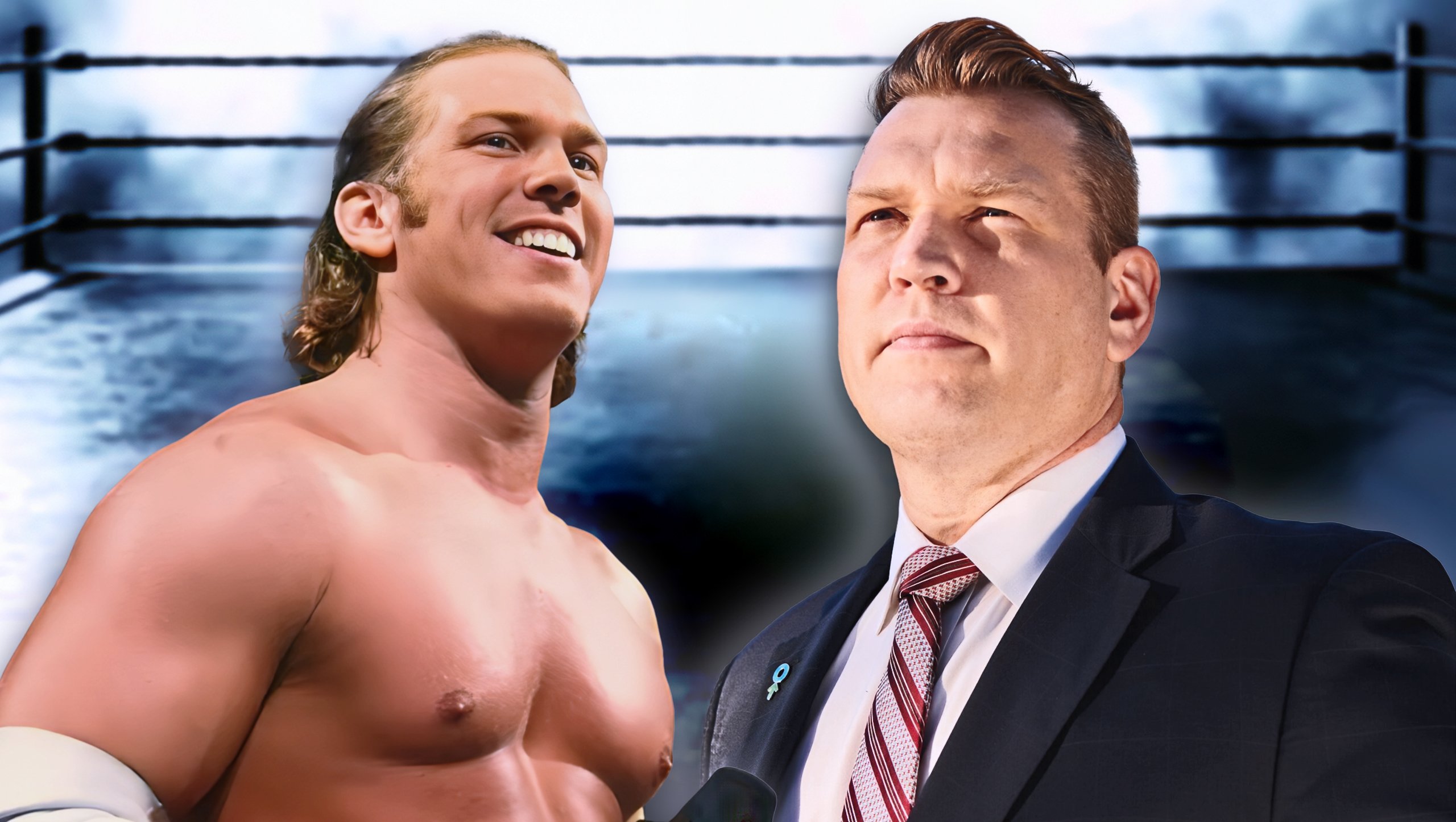
 A single moment inside a WWE ring didn’t just end Christopher Nowinski’s wrestling career; it set him on a collision course with a discovery that would haunt the entire sports world. It began with a seemingly routine match at the 2003 Royal Rumble: an accidental kick to the head, a three-year migraine that wouldn’t stop, and memories that simply vanished. While WWE moved on to the next broadcast, Nowinski remained trapped in his own mind, experiencing cognitive decline doctors couldn’t explain. What he would eventually uncover in the years that followed would transform not just his life, but how the world understands brain injury. Today, the Harvard-educated former wrestler stands as the foremost expert on Chronic Traumatic Encephalopathy (CTE), a disease many athletes didn’t even know they had. But his journey began not in research labs, but in the dark aftermath of a career-ending concussion he was never supposed to survive.
Quick Tip for Facebook Readers
Many of our readers connect with our content through our Facebook page. However, Meta's built-in browser (which opens by default on mobile) occasionally freezes mid-article- a known issue unrelated to our site. To enjoy uninterrupted reading: Tap the three dots in the top right corner → Select 'Open in external browser.' This will resolve the glitch. Thanks for your support. We want your wrestling stories to stay as smooth as a top-rope hurricanrana!
Christopher Nowinski: From Arlington Heights to Harvard
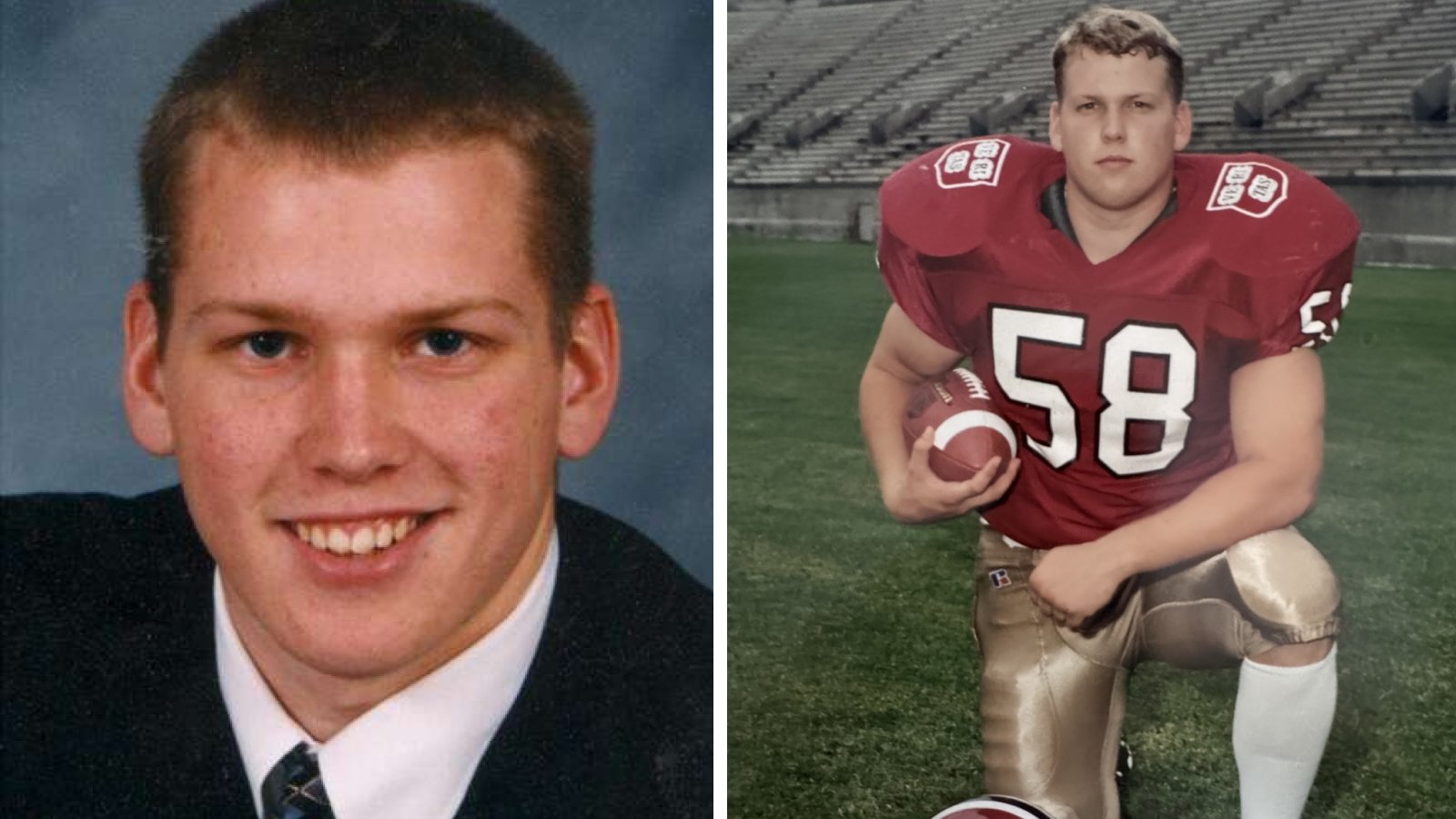
Christopher Nowinski was born in Chicago, Illinois, and raised in the northwest suburb of Arlington Heights, where he displayed athletic excellence from a young age.
He attended John Hersey High School, where he captained both the football and basketball teams, setting the stage for his competitive drive and leadership potential.
He later enrolled at Harvard University and graduated in 2000 with a Bachelor of Arts in Sociology.
During his time at Harvard, Nowinski played defensive tackle for the Crimson football team, earning second-team All-Ivy League honors, a rare academic and athletic feat. Before embarking on his wrestling journey, he briefly worked as a pharmaceutical and biotech consultant.
WWE’s Tough Enough: How a Harvard Grad Became ‘Chris Harvard’ in the Ring
Christopher Nowinski’s journey into professional wrestling was anything but typical.
Unlike many lifelong fans who dreamed of wrestling stardom from childhood, Nowinski didn’t watch his first full wrestling match until his senior year at Harvard.
But when he did, he was instantly captivated by the theatricality, the athleticism, and the raw storytelling that played out inside the ring. The spectacle, the drama, and the challenge of combining physical strength with on-the-mic charisma ignited something in him.
Fueled by this newfound passion, Nowinski made the bold decision to shift paths after graduation.
He enrolled at the renowned Killer Kowalski wrestling school in Malden, Massachusetts, an institution that had produced some of the industry’s biggest names, including Triple H and Chyna.
There, he immersed himself in the gritty fundamentals of the business: bump drills, promos, ring psychology, and endurance training. It was a sharp pivot from Ivy League classrooms and consulting work, but Nowinski’s academic discipline translated well into the grueling regimen of pro wrestling.
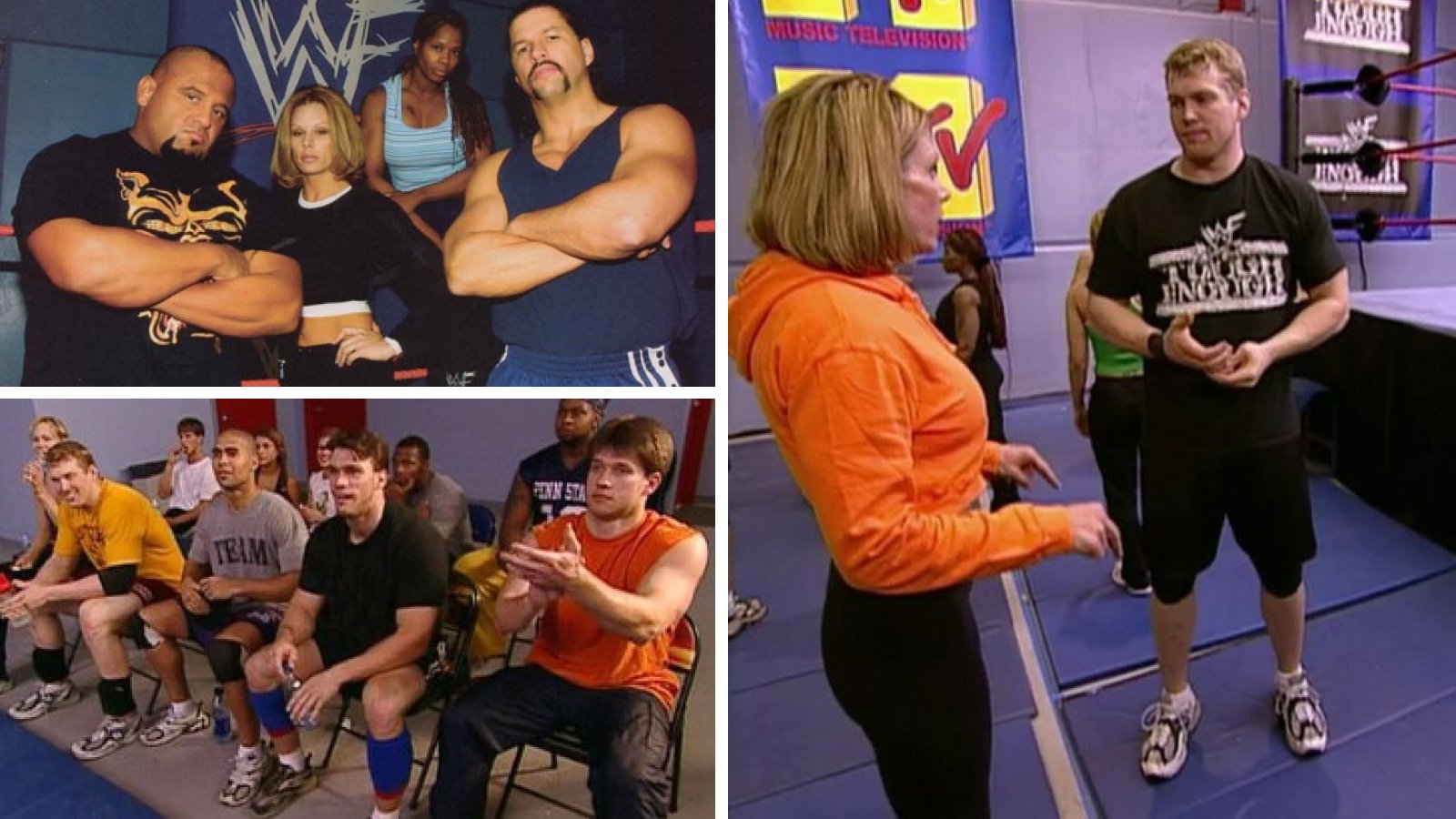
During his time at Kowalski’s school, Nowinski learned of WWE’s upcoming reality television project, Tough Enough, a talent search designed to find the next breakout superstar.
The show offered aspiring wrestlers a chance to train, compete, and earn a WWE contract, all under the watchful eyes of industry veterans. Nowinski jumped at the opportunity. He quickly emerged as one of the most compelling contestants, standing out not only for his athleticism but also for his distinct "smart guy" persona and quick wit.
Though he ultimately finished as a runner-up, losing to Maven Huffman in the finals, Nowinski had made a lasting impression.
WWE scouts saw potential – not just in his physical ability, but in his marketable character and presence.
The Ivy League Heel Arrives on Monday Night RAW in June 2002
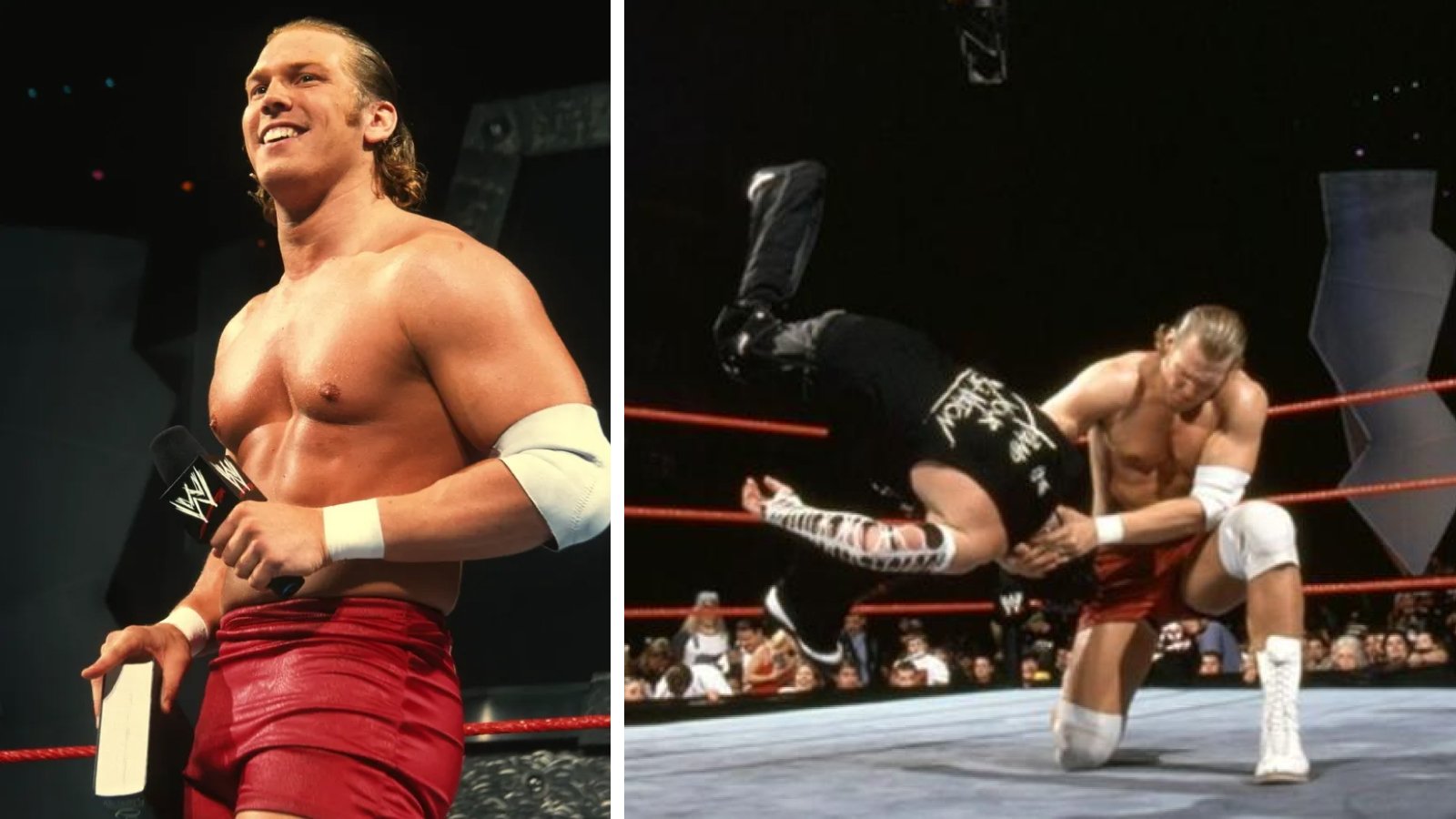
WWE officially signed Christopher Nowinski not long after Tough Enough.
He made his on-screen debut on the June 10, 2002, episode of Monday Night RAW. That night, he appeared at ringside to assist William Regal in retaining the WWE European Championship in a match against Bradshaw.
It was a strategic introduction that immediately positioned Nowinski as an opportunistic figure aligned with one of the most technically proficient and villainous wrestlers in the company.
Adopting the persona of "Chris Harvard," Nowinski leaned heavily into his Ivy League pedigree to craft a smug, arrogant, and condescending character.
He portrayed himself as intellectually superior to both his opponents and the audience, often cutting promos that mocked fans for their lack of education or sophistication. It was a fresh angle in WWE at the time, blending real-world credentials with wrestling theatrics to generate heat.
Nowinski’s crisp delivery and elitist attitude made him a natural heel, and he quickly established himself as a character fans loved to hate.
Nowinski’s initial partnership with William Regal helped raise his profile, but the alliance was short-lived. When Regal later joined the anti-American faction known as the Un-Americans, Nowinski branched out on his own, determined to prove himself as a singles competitor.
Rather than fade into the background, he doubled down on his persona and took on increasingly high-profile opponents, demonstrating both his ring skills and his commitment to character work.
One of his most memorable rivalries came against ECW veteran Tommy Dreamer. The feud played off their clashing personas: Nowinski, the academic elitist, versus Dreamer, the gritty, no-nonsense brawler.
In one standout segment, Dreamer ambushed Nowinski in a mock classroom, attacking him in a symbolic takedown of Nowinski’s arrogant persona.
Their feud culminated in a match on the October 14, 2002, episode of RAW, where Nowinski emerged victorious, signaling his rise as a credible mid-card talent.
Building on that momentum, Nowinski picked up wins against some of WWE’s most popular names at the time, including Jeff Hardy and Booker T.
He also reignited his on-screen rivalry with his former Tough Enough trainer, Al Snow, and eventually circled back to feud with the man who had beaten him in the Tough Enough finals, Maven Huffman.
These storylines allowed Nowinski to showcase both his technical development and his ability to carry compelling narratives.
In a feature story for PBS Frontline, Chris Nowinski shared his view of his character and where he was in his career at the time.
“Coming off of a reality show I was on called Tough Enough, I got to play a snobby, arrogant, Ivy League type. I basically was inspired by certain people I didn’t necessarily like going to college with who thought of themselves differently than the rest of us. It was a ton of fun. I got to just travel the world insulting people, and really challenged myself physically and mentally for this performance. That was a ton of fun.”
The Royal Rumble Concussion That Ended Christopher Nowinski’s Career
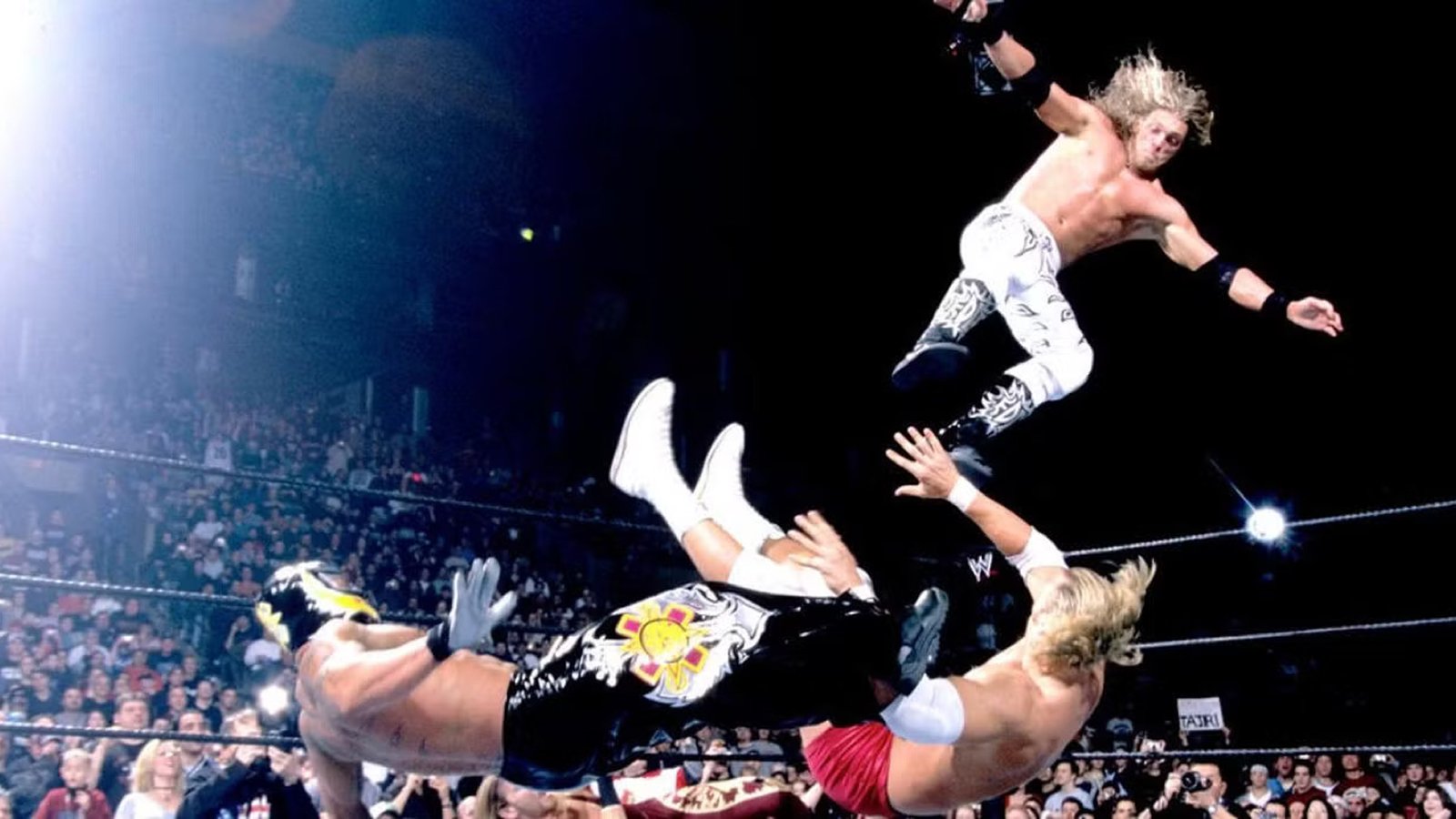
On January 19, 2003, Christopher Nowinski took part in the biggest match of his young WWE career – the Royal Rumble.
Entering at the challenging #3 spot, he had a golden opportunity to deliver a career-defining performance and make his mark.
During the match, a double missile dropkick sequence involving Edge and Rey Mysterio went dangerously wrong. Edge mistimed his landing and came crashing down directly on Nowinski’s head. The result was a brutal and unintentional blow that caused a severe concussion.
At the time, neither the audience nor WWE staff fully grasped the gravity of the injury.
In an era when concussions were still largely misunderstood in the sports world, Nowinski – like many athletes – was expected to "tough it out." But the damage had been done.
The effects were immediate and long-lasting. Nowinski began experiencing persistent symptoms of post-concussion syndrome: headaches, disorientation, memory issues, and mood disturbances. Despite the discomfort and lack of medical clarity at the time, he continued wrestling, believing it was just part of the grind.
He was sent back to WWE’s developmental system, Ohio Valley Wrestling (OVW), in hopes of refining his in-ring work and recovering physically.
While there, he continued performing and even experimenting with new character nuances, trying to evolve the "Chris Harvard" persona into something sustainable for the long term.
Eventually, Chris Nowinski returned to WWE television in a new role as part of the controversial faction Thuggin’ and Buggin’ Enterprises, managed by Theodore Long.
The group, which used racial injustice as its core storyline theme, included African American superstars like Rodney Mack and Mark Henry. Nowinski’s involvement as a white, Ivy League-educated outsider added complexity and controversy to the angle. While divisive, the storyline offered Nowinski a chance to stay visible on television while limiting the physical demands placed on him.
His inclusion in the faction also gave him the rare opportunity to wrestle on pay-per-view. Teaming with Rodney Mack, Christopher Nowinski picked up a significant win over The Dudley Boyz at the Bad Blood pay-per-view in June 2003. This was his first and only pay-per-view victory in WWE, a moment that, under different circumstances, might have marked the beginning of a major push.
But behind the scenes, Chris Nowinski’s condition was deteriorating.
On PBS Frontline, Nowinski discussed a key injury that occurred to Bubba Ray Dudley during this period, leading to his in-ring career coming to an end.
“The injury that ended it all was June 2003. I just got a kick to the head. It wasn’t expected, meaning that I knew a kick was coming, but I didn’t expect it to be so close, and I really wasn’t ready for it.”
“t caused me to black out,” he continued. “It caused me to be completely confused. I forgot where we were and what we were doing out there. Massive headache immediately.
“But of course we didn’t stop the match. We finished the match. And then the mistake I made was that I lied about it; I lied about how bad I felt every day for five weeks.”
On June 23, 2003, Nowinski stepped into the ring for what would be his final televised WWE match. In a poetic twist, it came against his longtime Tough Enough rival, Maven Huffman – the very man who had edged him out for the WWE contract two years earlier. The match was a relatively short affair, with Nowinski taking the loss.

Though fans may not have realized it at the time, the encounter quietly closed the chapter on Nowinski’s in-ring career.
Despite taking extended time off and undergoing various treatments, the symptoms of post-concussion syndrome never fully subsided.
After spending over a year attempting to rehabilitate and reclaim his physical and mental health, Nowinski made the painful decision to retire from professional wrestling in 2004. At just 25 years old, his wrestling dream had ended, not with a championship run, but with a traumatic injury that would eventually lead him toward a new and far more impactful mission.
Concussion Awareness and the Start of a New Mission
In 2007, Christopher Nowinski sat down with CNN to share the harrowing impact that concussions had taken on his mind and body. What began as occasional dizzy spells soon evolved into a relentless barrage of neurological symptoms: visual disturbances, memory lapses, intense depression, and a constant ache that throbbed through his skull.
These weren’t just inconvenient side effects. They were warning signs of something far more serious. Yet, like many athletes before him, Nowinski didn’t initially understand the magnitude of the damage.
He vividly recalled moments in the ring and on the field when his vision would blur, or the sky would seem to flicker in and out, filled with stars.
"The sky would change colors, or I would see stars, and get really dizzy," he told CNN. "And I would just collect myself on the field or in the ring, and continue going, because that’s what I thought I was supposed to do."
These weren’t isolated incidents; they were recurring symptoms of traumatic brain injury. But in a culture that glorified toughness and perseverance, stopping to recover was never part of the script.
As the concussions piled up, so did the consequences.
"After my last concussion," he said, "I was stuck with four years of headaches and immediate memory problems and depression and sleep-walking."
The neurological effects were not fleeting. They altered his day-to-day reality.
"My head just feels differently all the time," he explained, offering a glimpse into the chronic discomfort and cognitive dissonance that became his new normal. Wrestling, once his passion and purpose, was no longer an option. The risks were too high, and his brain had paid the price.
Unable to continue his in-ring career, Nowinski pivoted toward a mission that would shape the rest of his life. He dedicated himself to researching the effects of concussions and educating the public, players, and professionals about the invisible injuries plaguing contact sports.
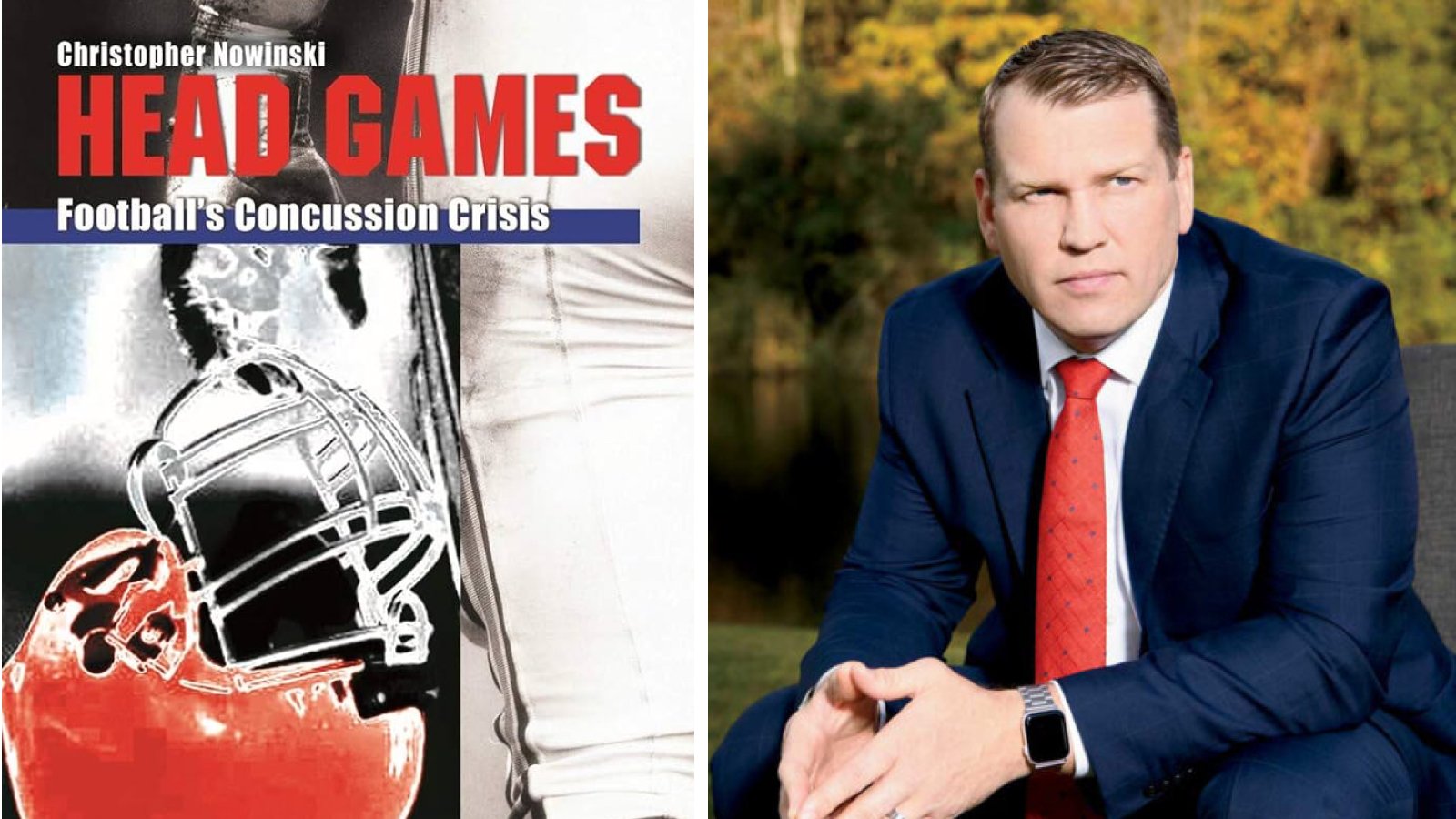
In 2006, he authored Head Games: Football’s Concussion Crisis, a groundbreaking book that exposed the systemic neglect and denial surrounding concussions in American football. The book’s success would later inspire a documentary of the same name, bringing the conversation to an even wider audience.
Through this work – and thanks to his intelligence, media savvy, and firsthand experience – Chris Nowinski became the face of a movement.
Whenever concussions in sports made headlines, he was the expert that networks called for insight. Nowinski was challenging the status quo and demanding better protections for athletes.
In transforming his pain into purpose, Nowinski helped spark a revolution in how sports leagues, medical professionals, and fans understand brain trauma, and how seriously we take it.
Examining the Brains of Fallen Athletes for CTE

Christopher Nowinski began working closely with the families of deceased athletes, determined to uncover the long-term effects of repetitive head trauma.
A part of that was research, of course. But he was also listening, empathizing, and helping grieving loved ones make sense of sudden and tragic losses. His mission was clear: to expose the dangers of Chronic Traumatic Encephalopathy (CTE) and ensure no more athletes suffered in silence or died without answers.
It doesn’t come without its challenges, however.
Nowinski revealed in an interview with PBS Frontline how difficult it is to arrange for an investigation of an athlete’s brain during such a sensitive time in the lives of their loved ones.
“One of the hardest parts about this is having to call grieving families within hours or days of losing a loved one and ask for the brain. At the beginning it was, you know, it was unprecedented. It was not done. And I kind of made a decision early on that this was the only way we were going to get answers quickly.”
One of the earliest and most impactful cases involved Andre Waters, a hard-hitting NFL defensive back known for his aggressive playing style.
Waters died by suicide in 2006 at the age of 44, leaving friends, family, and former teammates shocked and heartbroken. Nowinski, already immersed in studying the effects of concussions, reached out to Waters’ family and encouraged them to consider brain donation for scientific analysis. They agreed, hoping to find clarity.
The findings were staggering. Waters’ brain exhibited severe damage consistent with CTE. In fact, it was comparable to the brain of an 85-year-old suffering from advanced Alzheimer’s disease. The result was a sobering wake-up call and a tragic confirmation of the degenerative toll football could take on the brain.
Another notable case followed closely behind. Justin Strzelczyk, a former offensive lineman for the Pittsburgh Steelers, died in 2004 during a bizarre and fatal high-speed car crash. His behavior in the years leading up to the accident had grown increasingly erratic, and his death raised red flags for many.
Dr. Julian Bailes, the Steelers’ neurosurgeon and a respected figure in the field of neurotrauma, contacted Nowinski and suggested that CTE might be a contributing factor in Strzelczyk’s demise. With the blessing of Strzelczyk’s mother, Nowinski arranged for an analysis of the former lineman’s brain.
Once again, the results confirmed their worst fears: the presence of CTE, deeply embedded and unmistakable.
But the most high-profile and devastating case came in 2007, when professional wrestling was thrust into a tragic spotlight. Chris Benoit, a former WWE Champion and revered in-ring performer, perpetrated a shocking and deeply disturbing murder-suicide, killing his wife, Nancy, and 7-year-old son before taking his own life.
The incident rattled the sports and entertainment worlds and sparked intense debate about mental health, steroid use, and the hidden dangers of repeated concussions.
Amid the confusion and speculation, Nowinski pushed for Chris Benoit’s brain to be analyzed, believing there might be a link between years of head trauma and his actions. The findings were grim. Benoit’s brain was so severely damaged that it resembled that of a person with advanced dementia. The CTE was pervasive.
On an episode of Talk is Jericho, Chris Nowinski discussed his analysis of the Chris Benoit CTE results.
“You can’t say that disease caused that single act, because … there’s so many other variables involved. That being said, I think we have maybe… 10 murders in the brain bank [that] all have sort of the same story: that they were fine, then they started having some mental health problems, then they went off and killed people.”
This analysis didn’t just validate Nowinski’s growing concerns. It thrust the issue into the mainstream.
Media coverage exploded, and the Benoit case became a turning point in the conversation around sports-related brain trauma. For Nowinski, it was heartbreaking validation, but also the fuel he needed to keep fighting. His work was no longer a niche concern. It was a national conversation.
Co-Founding the Concussion Legacy Foundation with Dr. Robert Cantu
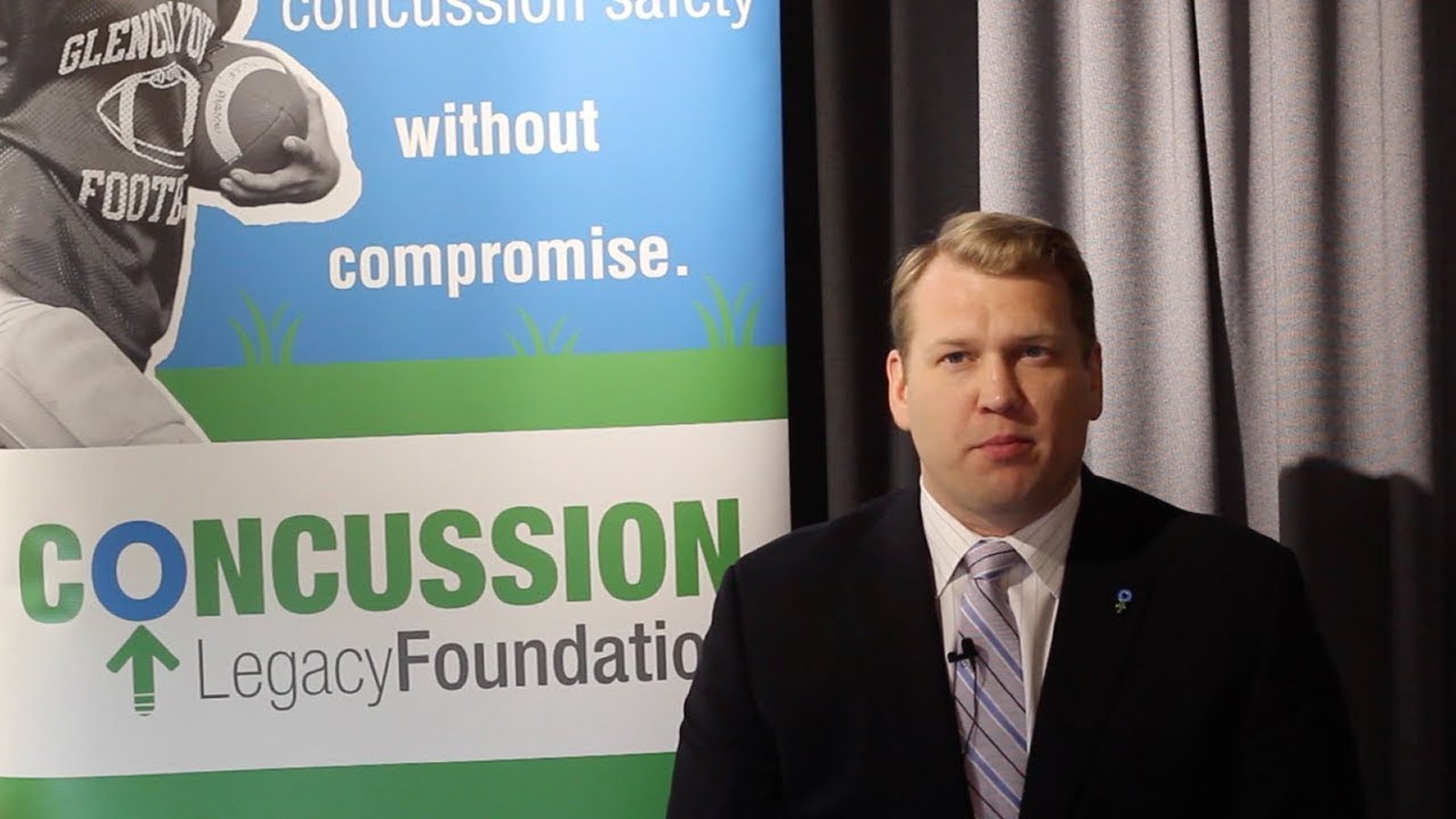
In June 2007, Christopher Nowinski took a groundbreaking step in the world of sports medicine by co-founding the Sports Legacy Institute alongside renowned neurosurgeon Dr. Robert Cantu.
The organization was born from a shared concern about the growing evidence of brain trauma in athletes and a determination to do something about it. Today, the organization is known as the Concussion Legacy Foundation (CLF), and its mission remains both simple and ambitious: to change how the world understands, diagnoses, and prevents brain injuries related to sports and military service.
From the beginning, CLF set out to fill a gap in awareness and research around chronic traumatic encephalopathy (CTE), a degenerative brain disease linked to repeated head impacts.
Through a three-pronged approach – research, education, and advocacy – the foundation has evolved into a global leader in brain trauma prevention. Its work reaches across the fields of medicine, sports, education, and public policy.
One of its most impactful partnerships emerged in 2022, when CLF teamed up with Boston University’s CTE Center to launch the world’s first brain bank focused entirely on the study of CTE. This initiative has become a cornerstone of their scientific research, giving doctors and researchers unprecedented access to donated brains for postmortem analysis.
A major moment in the foundation’s public-facing work came in 2016 when Nowinski delivered a powerful TED Talk titled "Can I Have Your Brain?" Speaking with the clarity of a scientist and the passion of an advocate, Nowinski delivered a sobering message.

He shared compelling statistics from CLF’s ongoing research: of the 111 NFL player brains examined, 110 showed signs of CTE. The numbers were similarly alarming at the collegiate level – 48 out of 53 tested positive. These revelations drew international media attention and fueled a deeper public conversation about the hidden risks of contact sports.
To turn awareness into action, CLF launched the Brain Donation Registry, which encourages athletes, military veterans, and everyday individuals to pledge their brains for future study.
To date, more than 2,500 individuals have committed to this cause, making it one of the largest initiatives of its kind. By building this registry, CLF is helping ensure that future generations of researchers will have the data needed to better understand CTE and develop effective treatments and policies.
In an interview with ACC Mag, Kevin Nash discussed donating his brain to the CTE Center at Boston University and the Concussion Legacy Foundation after he passes away.
“Chris Nowinski started the program, and I’ve had several concussions throughout my life and had scans done and stuff and knew that somewhere down the line, I’ve already had short-term memory problems. I decided to go ahead. The only way you can diagnose this is after you’re dead.”
Thanks to Nowinski’s vision, tireless energy, and ability to inspire others, the Concussion Legacy Foundation has transformed from a bold idea into a powerful force for change. His leadership has helped shift how athletes, parents, coaches, and entire industries think about head trauma.
The once-taboo topic of concussions has become central to conversations in locker rooms and boardrooms alike. More than just raising awareness, Nowinski and CLF have sparked a cultural reckoning, and one that prioritizes athlete safety without compromising the integrity of sport.
Changing Policy Across NFL, NHL, and Youth Sports: Christopher Nowinski’s Legacy Today
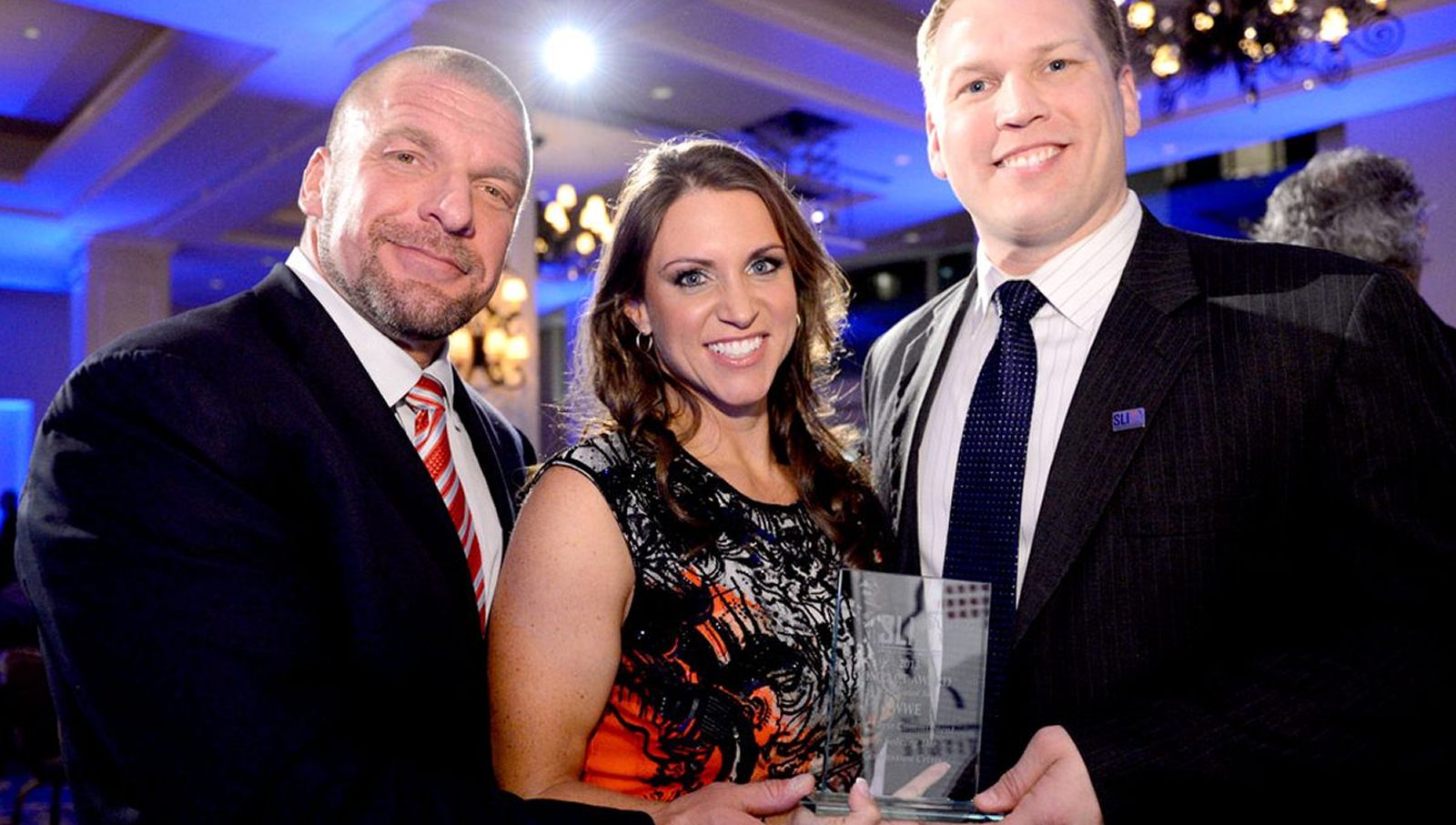
Christopher Nowinski continues to push for safer sports protocols, using his voice and platform to advocate for changes that prioritize athlete health and long-term well-being.
His efforts include lobbying for stricter rules around head contact, championing advancements in helmet technology, and supporting the implementation of more rigorous concussion management protocols across both amateur and professional leagues.
From football to hockey and beyond, Nowinski’s mission has always centered on creating safer environments where athletes can compete without risking their futures.
He remains a sought-after expert in the fields of sports medicine and traumatic brain injury, frequently delivering keynote speeches at major medical, athletic, and academic conferences around the world. His insights have influenced real-world change, most notably policy shifts within the NFL, NHL, and NCAA, as well as changes to concussion guidelines at the youth and high school levels.
Despite the challenges, Nowinski remains optimistic about the future. He believes that a cure – or at least a reliable treatment – for CTE could emerge through continued research, especially with growing support from the scientific community and increased public awareness.
At the same time, he emphasizes that prevention remains critical. By educating coaches, parents, and athletes about the dangers of repeated head trauma, Nowinski hopes to reduce the number of future cases and protect the next generation of competitors.
During a 2019 interview on Talk Is Jericho, Nowinski shared how proud he is of how the professional wrestling world responded to CTE research.
“Wrestling is dramatically safer than it used to be, because they’re putting top down constraints on what can happen. We all want to be the star of the show, have the biggest bump, take the biggest risk, but if everybody does that, it gets out of control; people get hurt. So, I couldn’t be more proud of the way the wrestling industry has responded to this work.”
What WWE Stars Say About Christopher Nowinski’s Impact on Wrestling Safety
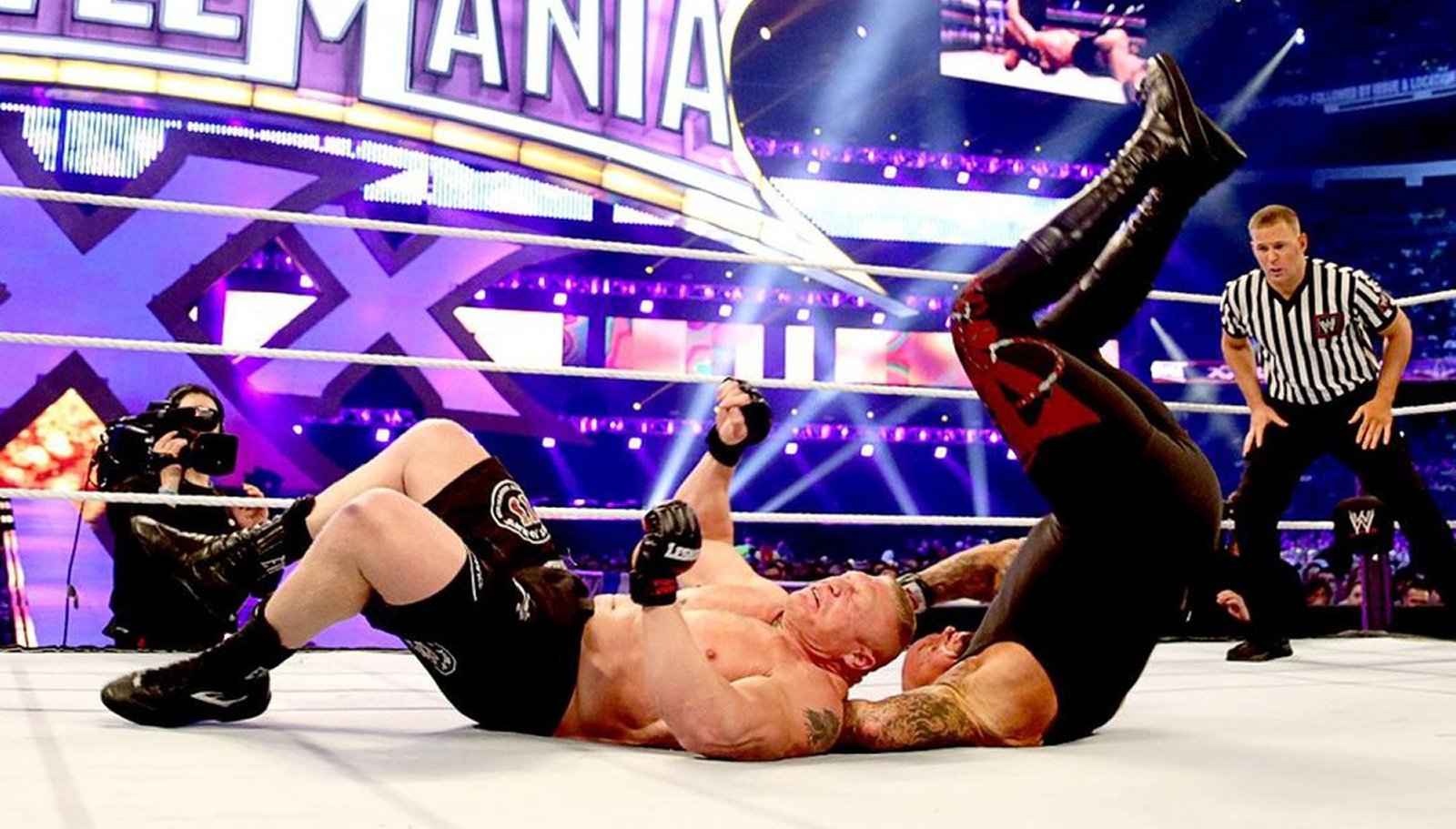
In an interview with Bill Prichard, Christopher Nowinski’s long-term wrestling nemesis, Maven Huffman, was asked for his thoughts on the former Tough Enough alumni. Maven replied that his former opponent was "truly making a difference in the world now. He will leave this world a better place than he found it."
On an episode of his Art of Wrestling podcast, Colt Cabana discussed the difficult reality of not knowing how well his brain is doing in the moment, sharing, “While I was with the NWA, Chris Nowinski came in to talk to us. He basically said ‘we’ll never know what’s going on with any of your brains, until you die and we dissect it.’ I was like ‘Wait, you can’t do studies?'”
Jeff Hardy is one of several pro wrestlers committed to donating their brain to CTE research, sharing his perspective in an episode with Ring Rust Radio.
“I’ve rung my bells so many times especially back in the day when chair shots to the head were legal. My goodness, I took so many of those. Luckily, I’m only aware of about two or three concussions that I have had but there’s really no way of telling how many overall. When Nash announced he was doing that I was on board and I didn’t know that RVD did as well. That really inspired me to do the same thing."
Why Christopher Nowinski Left Wrestling to Lead CTE Research Movement
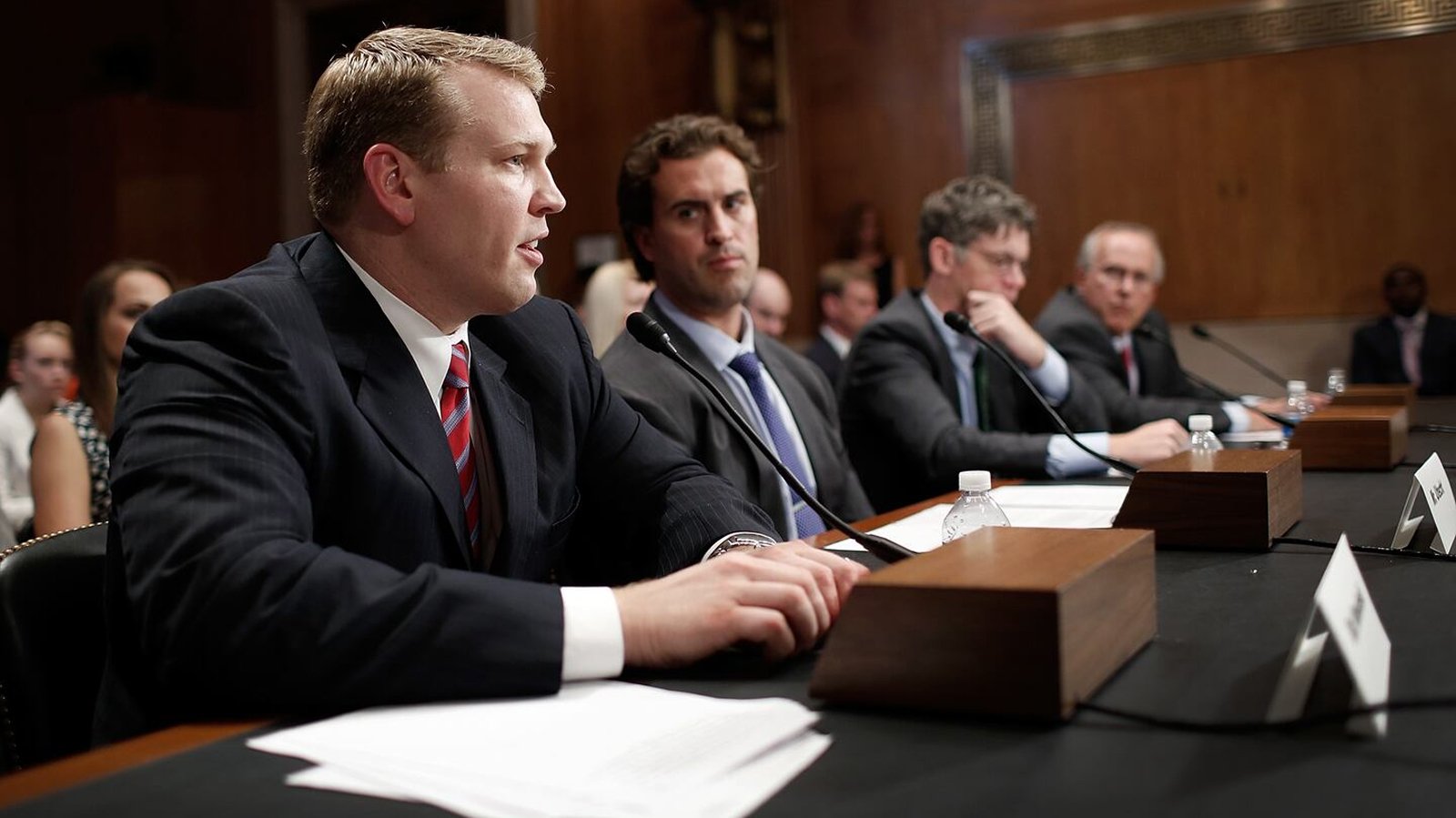
Though Christopher Nowinski’s in-ring career was short-lived, his work as a neuroscientist and advocate has left a lasting imprint on the world of sports, medicine, and athlete safety.
What began as a setback due to a career-ending concussion transformed into a life’s calling and one that has helped reshape the conversation around traumatic brain injuries and their devastating long-term effects.
Nowinski’s ability to bridge the gap between sports entertainment and scientific rigor has given athletes, families, coaches, and leagues the knowledge and tools to prioritize safety and long-term health.
Through tireless research, education, and public engagement, Nowinski has redefined what it means to be a hero, not with dropkicks or finishing moves in the ring, but through relentless advocacy, groundbreaking data, and a commitment to making sports safer for future generations.
His work with the Concussion Legacy Foundation and Boston University has influenced policy changes, inspired new research initiatives, and empowered athletes at every level to speak up about their health.
From media interviews to medical summits, Nowinski remains a powerful voice for truth, awareness, and progress in a space that once silenced these concerns.
Christopher Nowinski proved something the sports world didn’t want to admit: that protecting brains matters more than protecting reputations. That research conducted by a former wrestler carries more credibility than denial from established authorities. That one person willing to spend twenty years in the difficult work of science can accomplish what decades of industry denial could not.
His legacy is written not in wrestling history books but in the new safety protocols adopted by the NFL, NHL, NCAA, and youth organizations worldwide, in the lives that will be lived without the neurological devastation he endured. The greatest match of his career was never televised.
These stories may also interest you:
- Bret Hart and Goldberg – The Kick That Ruined Bret’s Career
- 13 Times a Wrestler Got Legit Knocked Out During a Match
- Sean Waltman – The Injury That Almost Derailed His Career
Can’t get enough pro wrestling history in your life? Sign up to unlock ten pro wrestling stories curated uniquely for YOU, plus subscriber-exclusive content. A special gift from us awaits after signing up!
Want More? Choose another story!
Be sure to follow us on Facebook, X/Twitter, Instagram, Threads, YouTube, TikTok, and Flipboard!
Pro Wrestling Stories is committed to accurate, unbiased wrestling content rigorously fact-checked and verified by our team of researchers and editors. Any inaccuracies are quickly corrected, with updates timestamped in the article's byline header.
Got a correction, tip, or story idea for Pro Wrestling Stories? Contact us! Learn about our editorial standards here. Ever wanted to learn more about the people behind Pro Wrestling Stories? Meet our team of authors!

ProWrestlingStories.com participates in affiliate marketing programs. This post may contain affiliate links, meaning we may earn commissions at no extra cost to our readers. This supports our mission to deliver free content for you to enjoy!

"Evan Ginzburg’s stories are a love letter to wrestling, filled with heart, humor, and history. A must-read for any true fan." — Keith Elliot Greenberg
Wrestling Rings, Blackboards, and Movie Sets is the latest book from Pro Wrestling Stories Senior Editor Evan Ginzburg. 100 unforgettable stories—from sharing a flight on 9/11 with a WWE Hall of Famer to untold moments in wrestling history. A page-turner for fans of the ring and beyond. Grab your copy today! For signed editions, click here.