Author:
 The call came in the summer of 1999. Paul Heyman finally had what he had chased for years: a national television deal for Extreme Championship Wrestling (ECW). Thirteen months later, that same deal would be the thing that broke the promotion for good.
Before National Television, ECW Was Already Rewriting Wrestling’s Rules
Before any national television deal existed, Extreme Championship Wrestling had already changed the way professional wrestling was presented.
The promotion popularized anti-establishment characters, realistic promo delivery, adult-oriented storytelling, and a faster, less scripted pace than the two larger companies of the era, the WWF and WCW.
Paul Heyman, reflecting years later in WWE’s 2004 documentary The Rise and Fall of ECW, stated the company deliberately rejected wrestling’s existing conventions: “We needed to do something that separated us from the old school of the business.”
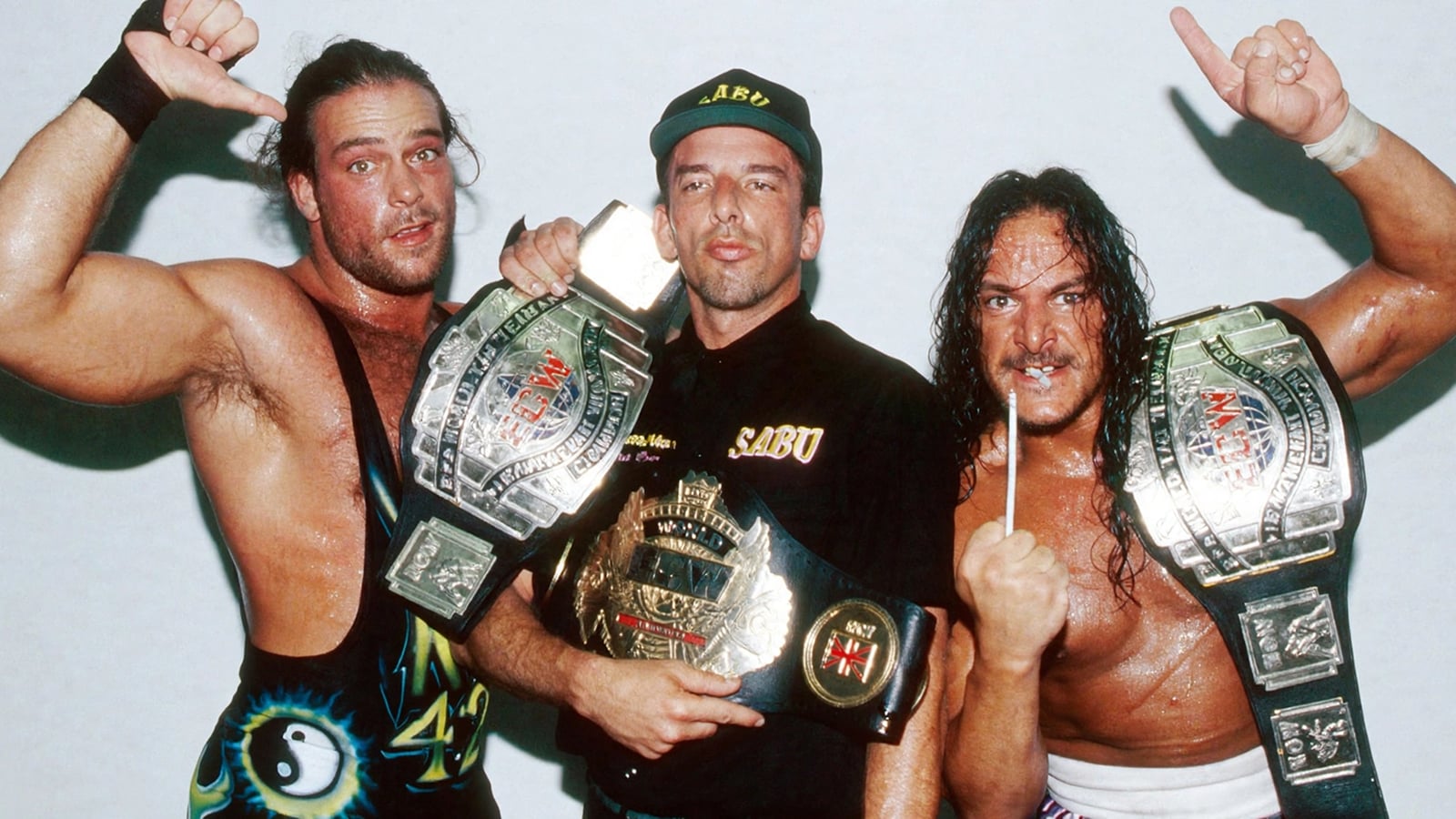
Wrestlers including Rob Van Dam, Mick Foley, Eddie Guerrero, Chris Jericho, Rey Mysterio, and the Dudley Boyz either passed through the company or were shaped by its influence during this period.
Behind the product’s growing reputation, however, the promotion operated with little financial stability. Wrestlers have described inconsistent pay and delayed checks throughout ECW’s history, with Heyman working week to week to keep the company running.
A national television deal appeared to offer a way out of that instability.
According to contemporaneous trade coverage in Multichannel News, Heyman signed a three-year distribution agreement with TNN in the summer of 1999, with the network set to air a weekly one-hour series beginning August 27.
The agreement gave ECW its first national exposure after years of syndication and pay-per-view events. It also became, within a little more than a year, the backdrop for the company’s collapse.
Inside the TNN Contract: The Financial Terms That Worked Against ECW
The terms of the TNN agreement were less favorable to ECW than the exposure alone suggested.
The deal noted TNN would receive a share of revenue not only from the weekly television series but from ECW’s pay-per-view events, arena events, home video releases, magazines, merchandise, and e-commerce sales.
The network provided distribution, while the promotion largely bore the cost of producing a weekly national program. That imbalance created immediate pressure.
In The Rise and Fall of ECW, Heyman described the broader financial climate of the industry at the time as unsustainable. The wrestling business at that stage became almost like the dot-com industry, in that it was an inflated bubble. It had to burst.”
He also pointed to the cost of retaining talent during a period when rival companies were spending heavily. “These guys are turning down hundreds of thousands of dollars to go elsewhere just to stay with us.”
Production expectations compounded the problem. Former ECW producer Ron Buffone expressed in the same documentary that TNN expected a level of production quality comparable to WWF Raw and WCW Monday Nitro without providing a budget to match: “TNN wanted us to look like Raw and Nitro. They wanted the high production value. But they were giving us zero budget to do it. They didn’t understand that the bare-bones, down-and-dirty look was what our fans loved about us, and what made ECW different.”
The company was now expected to produce a national weekly program, maintain its touring schedule, retain talent, and compete with two far better-funded promotions, without the infrastructure to do all four at once.
Enjoying this story? Own it forever.
No ads. No interruptions. Download the full story as a beautifully formatted PDF at just $0.99.
Get My Copy — $0.99ECW’s Rocky Debut Still Beat Every Other Show on TNN’s Schedule
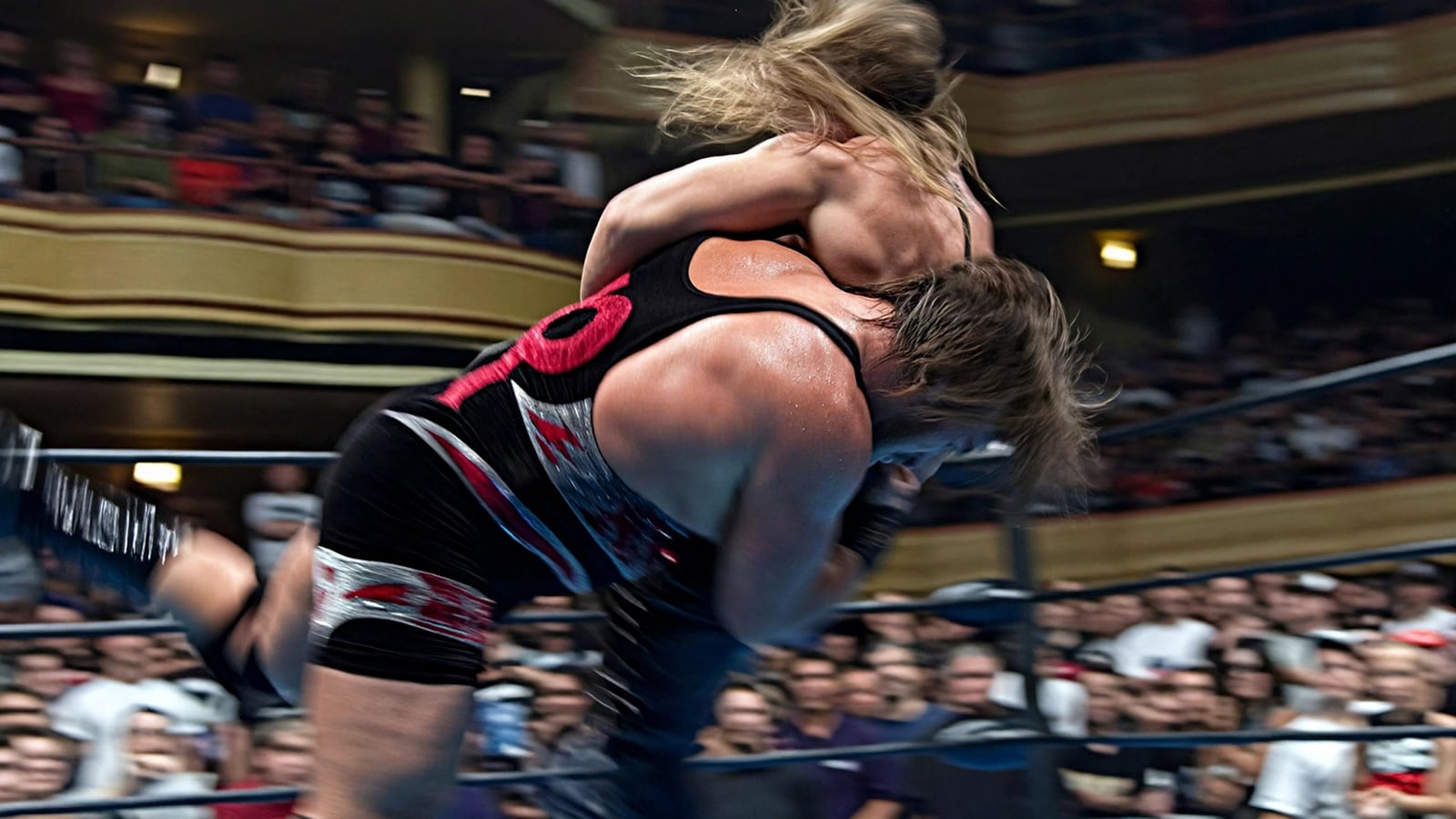
ECW on TNN premiered August 27, 1999, from the Mid-Hudson Civic Center in Poughkeepsie, New York.
The original television taping had gone so badly that the debut ended up airing as a “best of” compilation rather than a fresh show, built around Rob Van Dam’s defense of the ECW World Television Championship against Jerry Lynn, footage pulled from that summer’s Hardcore Heaven event. It was an inauspicious way to introduce the promotion to a national audience, and reviewers at the time treated it that way.
The episode offered almost nothing in the way of new storylines, leaning instead on old squash matches and one marquee bout from months earlier.
What followed those first few weeks moved fast by wrestling standards. The September 3 episode featured the Dudley Boyz challenging Balls Mahoney and Spike Dudley for the tag titles on what was billed as their last night with the company, days before Bubba Ray and D-Von left for the WWF.
The following week’s show built around another Van Dam-Lynn title defense alongside the debut of Rhino, and by September 19, the ECW World Heavyweight Championship had changed hands at Anarchy Rulz, with Mike Awesome capturing the title in a moment recapped for TNN viewers the next week. Raven‘s return to address his history with Tommy Dreamer, Taz defending the world title against Tajiri, and Van Dam’s ongoing television title reign filled out the fall as ECW tried to establish its cast for an audience that had never seen most of these performers before.
Behind the scenes, the numbers told a more complicated story than the on-air product suggested. TNN had reportedly been promised a consistent 2.0 rating, but the premiere pulled only a 0.9. That was still enough to matter: episodes through the fall and winter climbed steadily, hitting 1.2 in mid-October, another 1.2 in late October, and settling into the 0.9 to 1.2 range through November and December before pushing to 1.2 and 1.3 in January 2000.
By the six-month mark, ECW had become TNN’s highest-rated original program, and the network itself claimed a significant improvement in its young-male demographic on Friday nights because of the show.
That success didn’t translate into the treatment ECW had hoped for.
Why ECW’s Rabid Fan Base Rejected the Idea of Corporate Wrestling
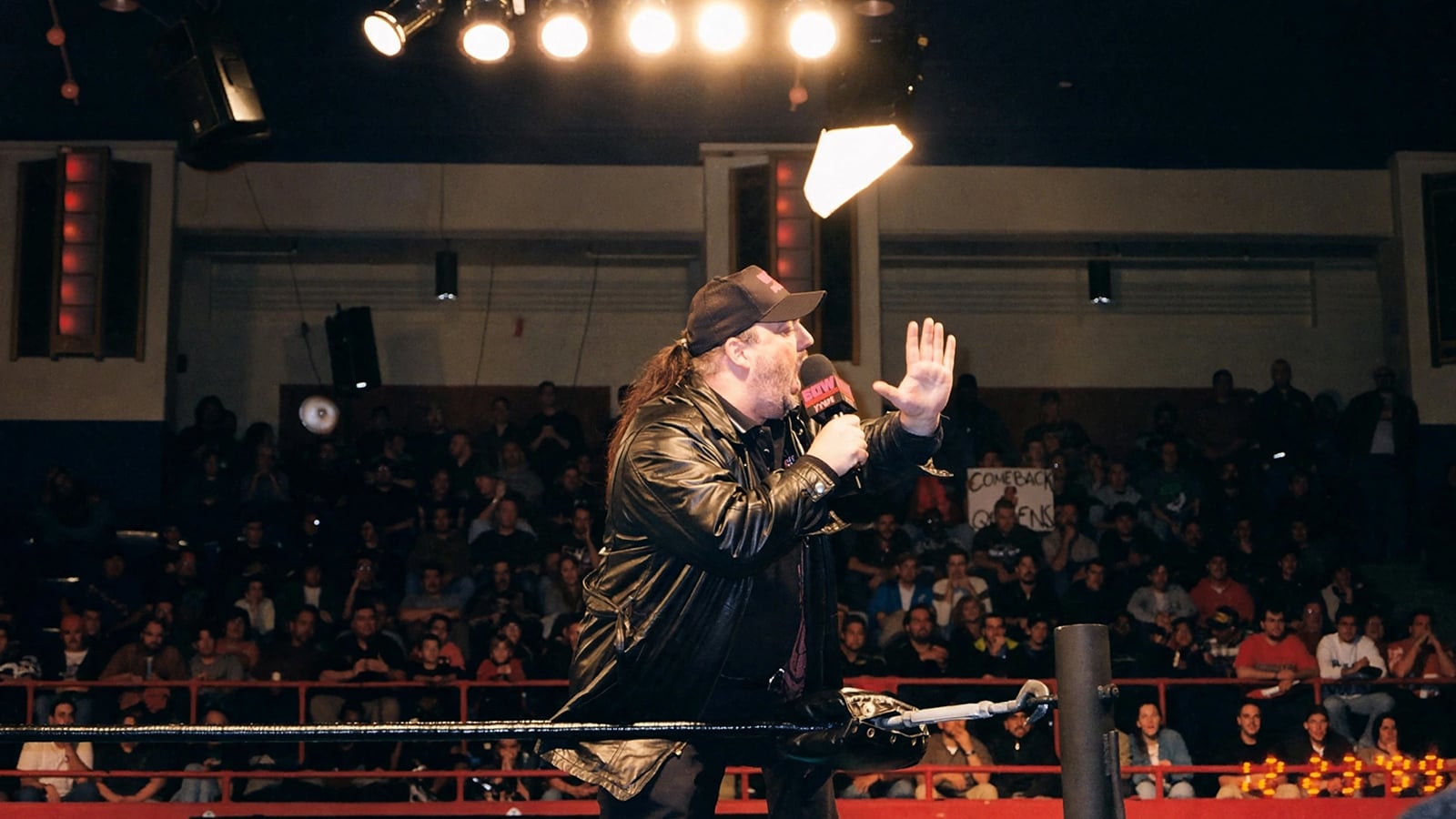
By the late 1990s, ECW’s audience had developed a reputation distinct from that of any other promotion in the industry.
Crowds were loud and emotionally invested, and fans frequently described feeling like participants in the show rather than spectators watching a finished television product. Former ECW wrestler Tommy Dreamer summarized that relationship in The Rise and Fall of ECW: “ECW never lied to the fans.”
That sense of authenticity became one of the company’s defining strengths. While the World Wrestling Federation and World Championship Wrestling increasingly presented polished, mass-market television, ECW leaned into realism, unpredictability, and a rejection of the cartoonish presentation that had defined earlier eras of the business. For a segment of fans who wanted something different from mainstream wrestling, that approach built unusual loyalty.
On an episode of the podcast Something to Wrestle With, Bruce Prichard explained his take on the ECW brand and how the promotion stood apart.
“Paul wanted to be different. Paul didn’t want to do the same old, same old. So Paul went extreme, as far as extreme different as he could get. Hence, Extreme Championship Wrestling. It wasn’t for everybody, but there was an audience out there.”
The move to national television complicated that sort of extreme, blood-and-guts identity, which is where it started to veer away from established fan expectations. The promotion still featured hardcore matches and unfiltered promos, but the show no longer carried the same underground character once it appeared on a cable network with its own standards and practices department.
Fans, wrestlers, and Heyman himself acknowledged the tension on air and in interviews as the relationship with the network deteriorated. The company’s greatest asset, its identity as an alternative to corporate wrestling, became harder to maintain once it operated inside a corporate broadcast structure.
Love Pro Wrestling Stories? Add us as a Preferred Source on Google so our stories always show up first for you. It only takes one click.
Add Us on GoogleTNN Wanted ECW’s Ratings But Not Its Extreme Identity
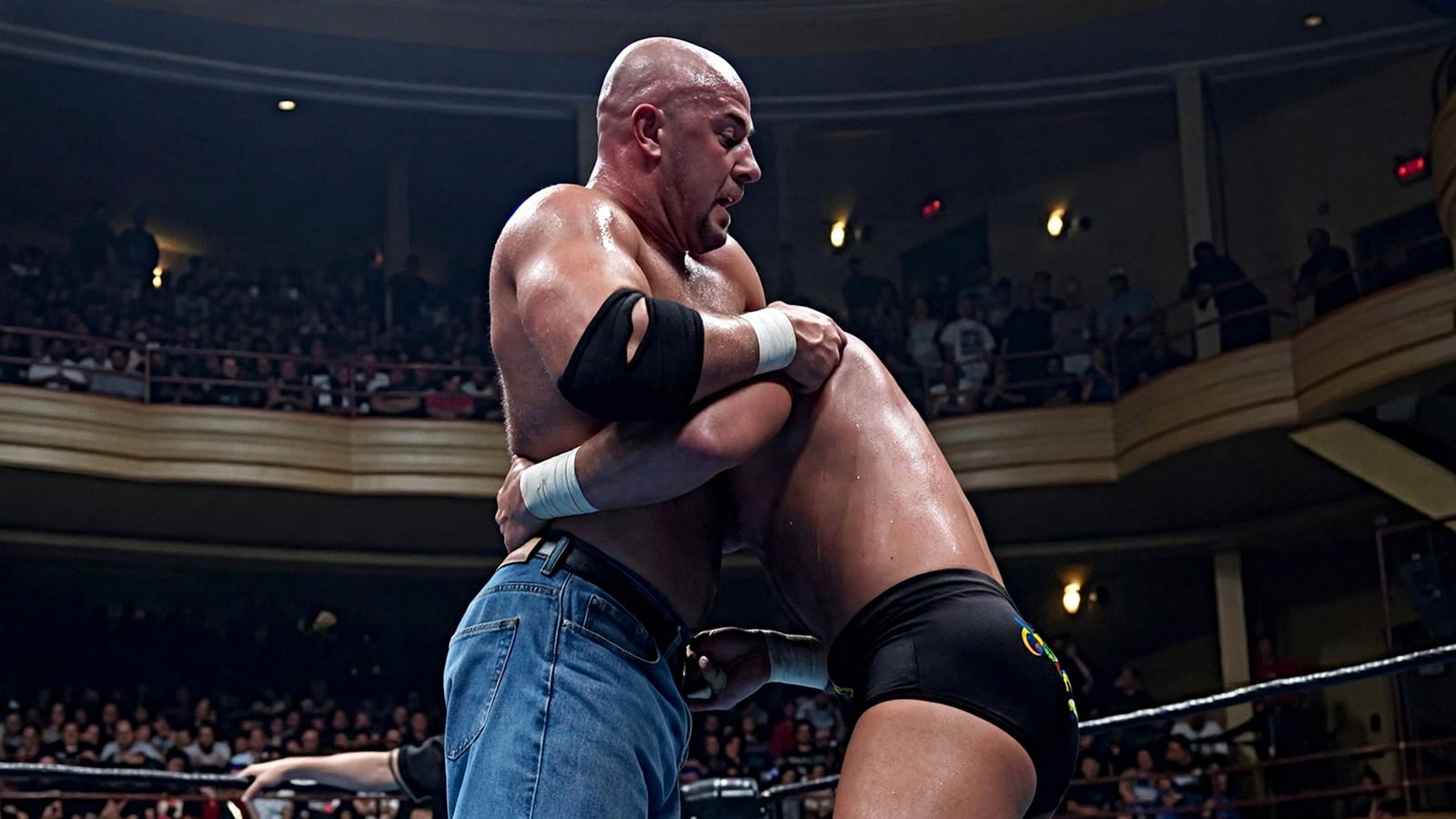
Tension between ECW and TNN surfaced almost immediately.
TNN network president David Hall told Variety ahead of the show’s debut that the network intended to moderate the promotion’s content for basic cable: “We’re not going to go off the deep end. The WWF has gone a little too far.”
That public framing set the tone for a relationship in which the network wanted a hardcore product presented without much of what made it hardcore.
In The Rise and Fall of ECW, Heyman said the network objected to violent content, certain language, and even elements of the promotion’s presentation and music, describing one specific note in blunt terms: “They preferred ‘intense dislike’ instead of ‘hate.'”
Commentator Joey Styles in The Rise and Fall of ECW shared, “TNN wouldn’t let us say swears, but they wanted us to have a gutsy product that drew ratings. They wanted the Attitude Era numbers without the attitude.”
Styles also delivered an on-air line mocking the network’s promotional effort during a 1999 broadcast: “The only reason people are finding this show is by accident because they were looking for a tractor pull or roller derby.”
Tommy Dreamer, in the 2005 documentary Forever Hardcore, said the locker room felt the network relied heavily on the promotion’s production knowledge without reciprocating: “We were TNN’s guinea pig. They had never done wrestling before. We taught their production crew how to shoot matches, cut to the action, and frame high-flying moves. We did great ratings for them with zero promotional budget.”
The result placed ECW in an uncomfortable position: too unpredictable for the network’s standards department and, to some longtime viewers, no longer fully underground either.
With hundreds of amazing Pro Wrestling Stories to dive into, where do you start? Get the inside scoop, join our exclusive community of wrestling fans! Receive 10 hand-picked stories curated just for YOU, exclusive weekly content, and an instant welcome gift when you sign up today!
Taz, the Dudley Boyz, and the Roster Exodus That Weakened ECW
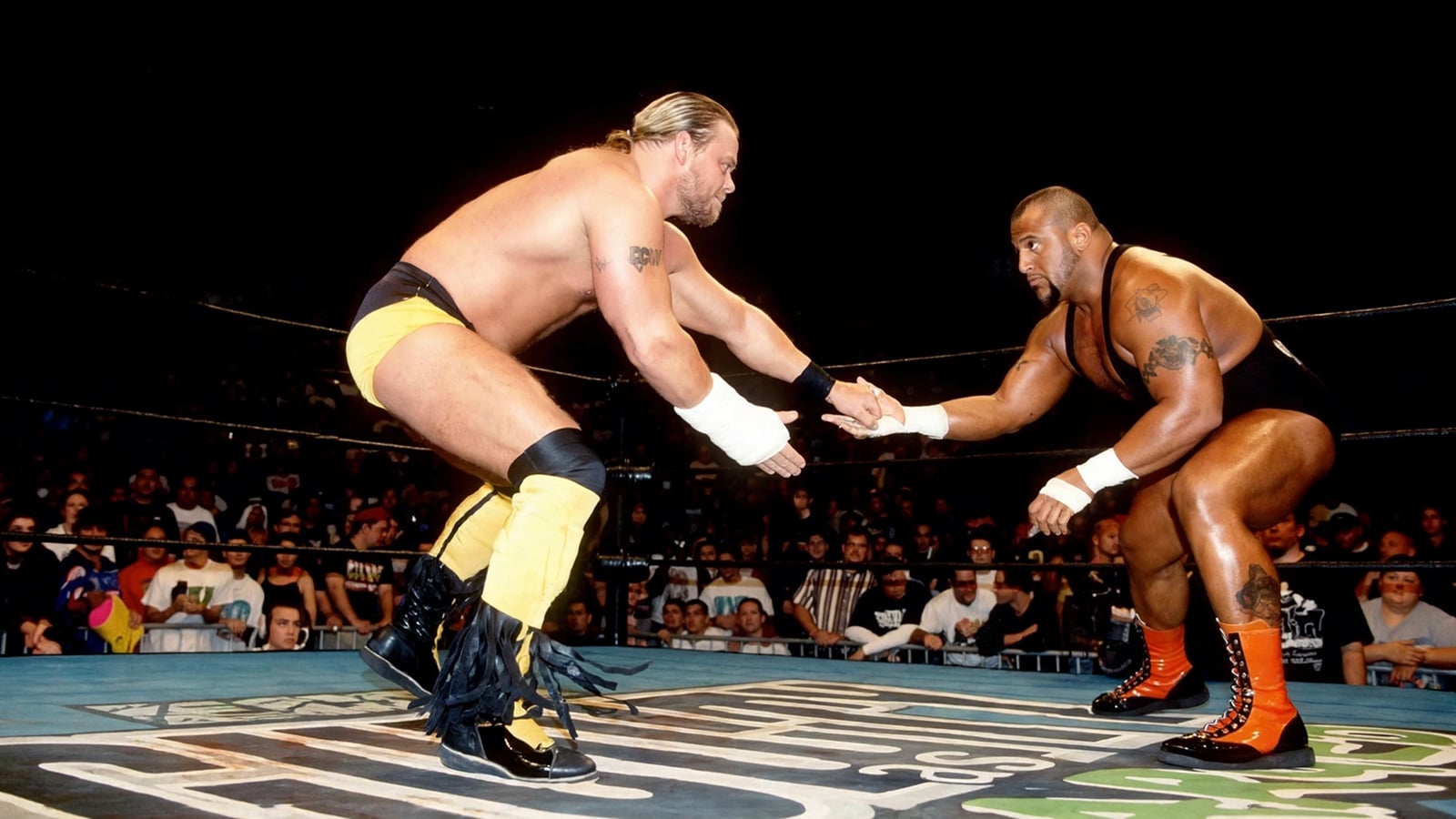
As financial pressure mounted, the roster began to erode. Taz left for the World Wrestling Federation within months of the show’s premiere. Multiple accounts of the period describe the network as having placed particular importance on Taz remaining with the company, making his departure a further source of friction between ECW and TNN.
Speaking on why he left, Taz shared this in a 2008 interview with WWE.com.
“My mission was to be the best I could be from a business standpoint. I never thought I’d leave the original ECW; if you had asked me that question from 1994 to 1998, I would have said that the original ECW wasn’t going anywhere. However, if you had asked me that same question in early 1999, I’d have said, ‘Actually, maybe I will end up in WCW or WWE,’ because I knew it wasn’t going great for ECW. Our show and talent were great, but we lacked the funding and television exposure. But toward late 1999, I knew things were bad in ECW, and I was also having business problems with Paul Heyman.”
The Dudley Boyz had left a few months earlier, and additional established performers continued to depart for the financial security offered by the WWF or WCW.
In The Rise and Fall of ECW, Bubba Ray Dudley attributed his departure to Paul Heyman’s management of ECW at the time.
“Paul did things his way. Paul was gonna live by the sword and die by the sword. He lived by his ways, and he died by his ways. And that’s why ECW’s not around today. Because of… mismanagement is probably the best word I could give it.”
Not everyone left. Wrestlers who stayed often did so despite worsening financial conditions rather than because of improving ones.
Matt Hyson, who wrestled as Spike Dudley, described how difficult conditions had become in the same documentary, admitting, “It was a struggle… a lot of the guys were starving.” He also described the toll of remaining loyal to a company that could no longer reliably pay him: “My checks are bouncing. Why should I be loyal to this guy now?”
Rob Van Dam, who remained with the promotion through this period, said his motivation was rooted in belief rather than financial logic: “We all believed in ECW.”
That belief could not offset the loss of established stars, and each departure made it more difficult for the promotion to hold the network’s attention or meet the ratings expectations built into its contract.
Real Autographs. Only Few Remain.
These are hand-signed originals sold directly by Pro Wrestling Stories. Once they sell out, they are gone for good.
Own a Piece of Wrestling History
-

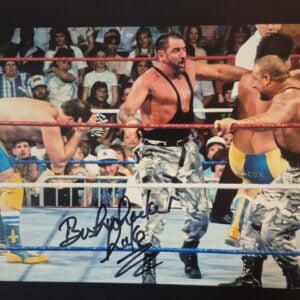
Bushwhacker Luke Signed WWF 8×10 Photo Autograph (with Bushwhackers Butch)
$30.00 Add to cart -
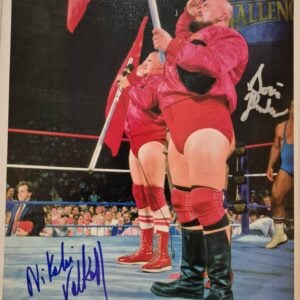
Nikolai Volkoff Signed WWF 8×10 Photo Autograph 2 (Deceased Legend)
$45.00 Add to cart -
Jimmy Hart Signed WWF 8×10 Photo Autograph (pictured with Bret Hart & Jim Neidhart)
$35.00 Add to cart -
Fred Ottman Signed WWF 8×10 Photo Autograph (Typhoon)
$35.00 Add to cart -
Leaping Lanny Poffo Signed WWF 8×10 Photo Autograph (Deceased Legend)
$45.00 Add to cart -
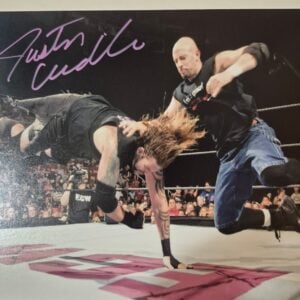
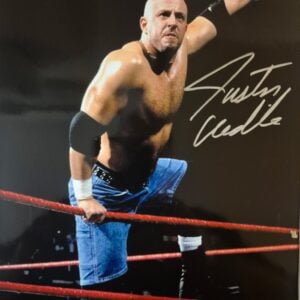
Justin Credible Signed 8×10 Photo Autograph 2
$30.00 Add to cart -
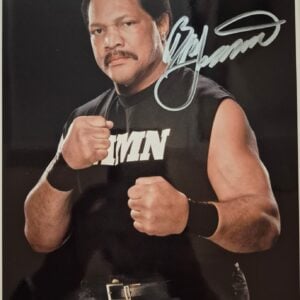
Ron Simmons Signed WWE 8×10 Photo Autograph
$40.00 Add to cart -
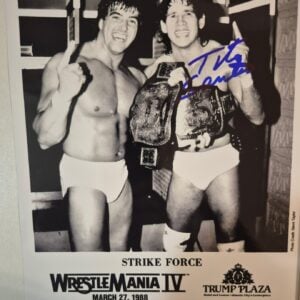
Tito Santana Signed WWF 8×10 Photo Autograph (Strike Force)
$35.00 Add to cart -
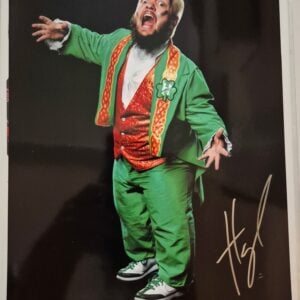
Hornswoggle (Dylan Postl) Signed WWE 8×10 Photo Autograph
$30.00 Add to cart -
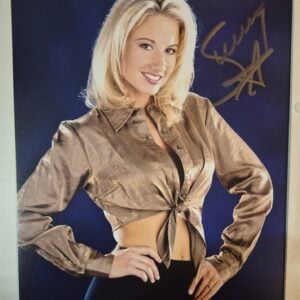
Sunny (Tammy Lynn Sytch) Signed WWF 8×10 Photo Autograph
$35.00 Add to cart -
Butcher Paul Vachon Signed WWF 8×10 Photo Autograph (Deceased Legend)
$45.00 Add to cart -
Larry Zbyszko Signed 8×10 Photo Autograph 2
$40.00 Add to cart -
Tito Santana Signed WWF 8×10 Photo Autograph
$35.00 Add to cart -
Nikolai Volkoff & Boris Zhukov Signed WWF “The Bolsheviks” 8×10 Photo Autograph (Deceased Legend)
$60.00 Add to cart -
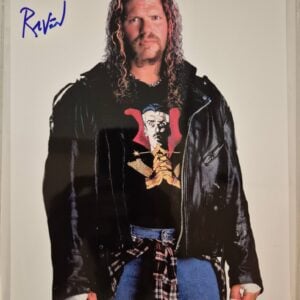
Raven Signed 8×10 Photo Autograph
$35.00 Add to cart -
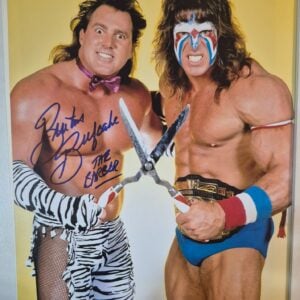
Brutus the Barber Beefcake Signed WWF 8×10 Photo Autograph (with Ultimate Warrior)
$35.00 Add to cart -
D’Lo Brown Signed WWF 8×10 Photo Autograph
$30.00 Add to cart -
Larry Zbyszko Signed WCW 8×10 Photo Autograph
$40.00 Add to cart -
The Tonga Kid (Sam Fatu) Signed WWF 8×10 Photo Autograph
$35.00 Add to cart -
Nikolai Volkoff Signed WWF 8×10 Photo Autograph (Deceased Legend)
$45.00 Add to cart -
Ken Patera Signed WWF 8×10 Photo Autograph (pictured with Bobby Heenan & John Studd)
$35.00 Add to cart -
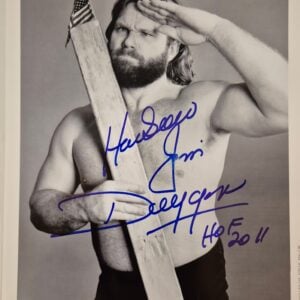
“Hacksaw” Jim Duggan Signed WWF 8×10 Photo Autograph
$40.00 Add to cart -
Sunny (Tammy Lynn Sytch) Signed 8×10 Photo Autograph
$35.00 Add to cart -
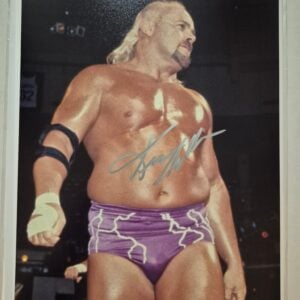
Kevin Sullivan Signed 8×10 Photo Autograph (Deceased Legend)
$45.00 Add to cart -
Bushwhacker Luke Signed WWF 8×10 Photo Autograph (of The Bushwhackers)
$30.00 Add to cart -
Johnny Rodz Signed WWF 8×10 Photo Autograph
$30.00 Add to cart -
Sunny (Tammy Lynn Sytch) Signed WWF 8×10 Photo Autograph (WWE Hall of Fame)
$35.00 Add to cart -
Ken Patera Signed WWF 8×10 Photo Autograph
$35.00 Add to cart -
Johnny Rodz Signed WWF 8×10 Photo (wrestling Andre the Giant)
$30.00 Add to cart -
Jimmy Hart Signed WWF 8×10 Photo Autograph (pictured with Hulk Hogan)
$35.00 Add to cart -
“Greg the Hammer” Valentine Signed WWF 8×10 Photo Autograph
$45.00 Add to cart -
Jerry “The King” Lawler Signed WWE 8×10 Photo Autograph 2
$50.00 Add to cart -
Johnny Rodz Signed WWF 8×10 Photo Autograph (wrestling Tony Atlas)
$30.00 Add to cart -
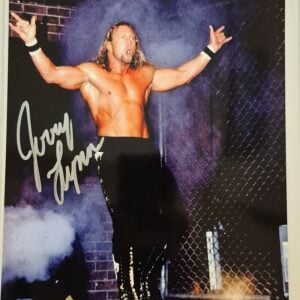
Jerry Lynn Signed 8×10 Photo Autograph
$35.00 Add to cart -
Leaping Lanny Poffo Signed WWF Frisbee Pose 8×10 Photo Autograph (Deceased Legend)
$45.00 Add to cart -
Leaping Lanny Poffo Signed WWF Turnbuckle Pose 8×10 Photo Autograph (Deceased Legend)
$45.00 Add to cart -
Johnny Rodz Signed WWF 8×10 Photo Autograph
$30.00 Add to cart -
Bushwhacker Luke Signed WWF 8×10 Photo Autograph (pictured with Bushwhacker Butch)
$30.00 Add to cart -
Barry Windham Signed 8×10 Photo Autograph
$40.00 Add to cart -
Johnny Rodz Signed WWF 8×10 Photo Autograph (pictured with Captain Lou Albano)
$30.00 Add to cart -
Steve Keirn Signed WWF 8×10 Photo Autograph (Skinner)
$30.00 Add to cart -
Bushwhacker Luke Signed WWF 8×10 Photo Autograph
$30.00 Add to cart -
Steve Keirn Signed WWF 8×10 Photo Autograph (Fabulous Ones)
$30.00 Add to cart -
Koko B. Ware Signed WWF 8×10 Photo Autograph
$45.00 Add to cart -
Johnny Rodz Signed WWF 8×10 Photo Autograph (pictured with The Grand Wizard)
$30.00 Add to cart -
Brutus the Barber Beefcake Signed WWF 8×10 Photo Autograph 2
$35.00 Add to cart -
Jerry “The King” Lawler Signed 8×10 Photo Autograph
$50.00 Add to cart -
Baby Doll (Nickla Roberts) Signed 8×10 Photo Autograph (pictured with Ric Flair)
$35.00 Add to cart -
Vince Russo Signed 8×10 Photo Autograph
$35.00 Add to cart -
Justin Credible Signed 8×10 Photo Autograph
$30.00 Add to cart -
Marcus “Buff” Bagwell Signed WCW 8×10 Photo Autograph
$30.00 Add to cart -
Bushwhacker Luke Signed WWF 8×10 Photo Autograph (The Bushwhackers)
$30.00 Add to cart -
Sunny (Tammy Lynn Sytch) Signed WWF 8×10 Glamour Photo Autograph
$35.00 Add to cart -
Fred Ottman Signed WCW 8×10 Photo Autograph (The Shockmaster)
$35.00 Add to cart -
Missy Hyatt Signed 8×10 Photo Autograph
$35.00 Add to cart
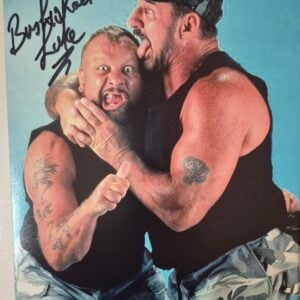
A Cancellation Storyline That Turned Into Real Life
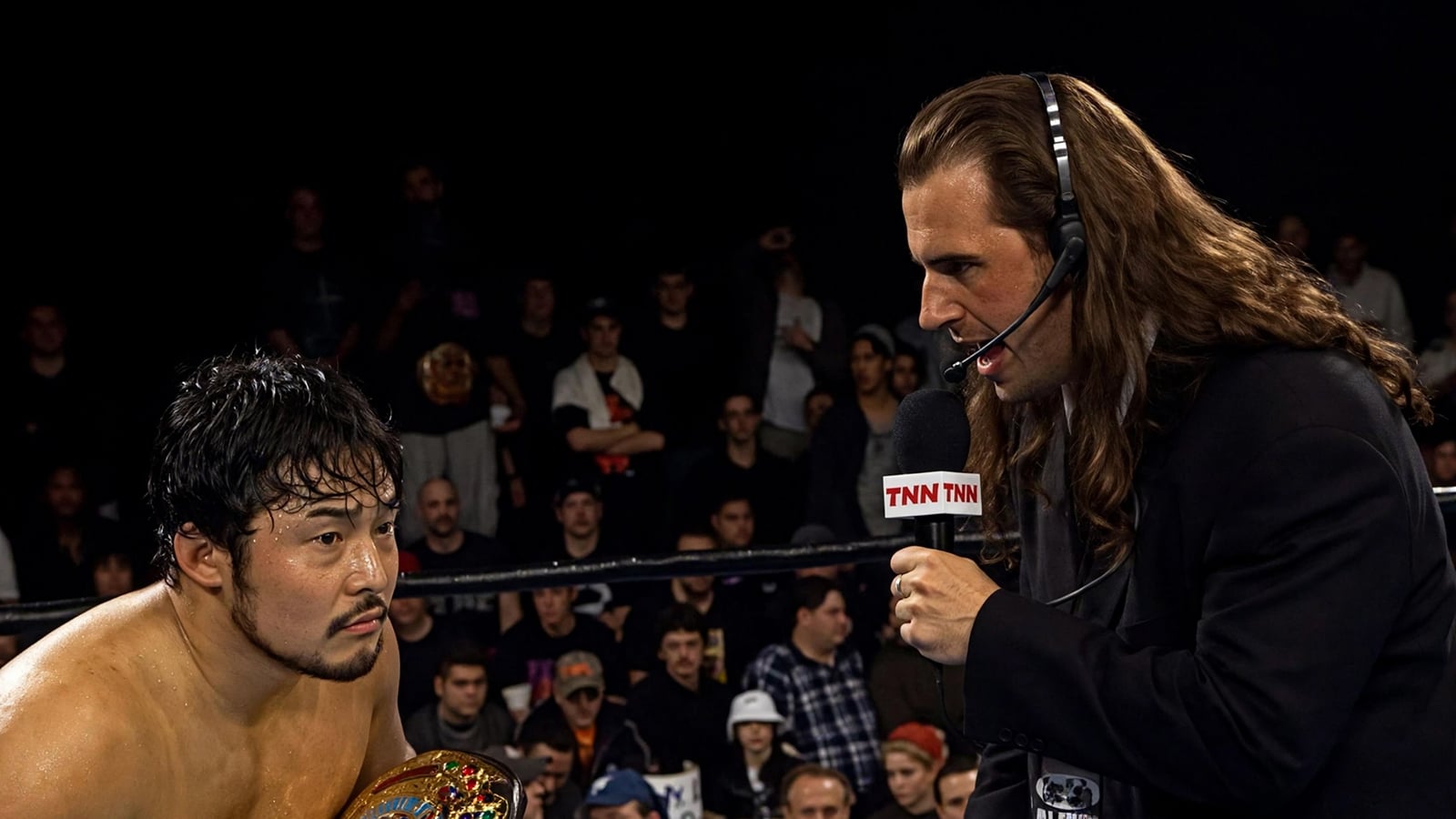
By the summer of 2000, the show that had once out-rated everything else on TNN’s schedule was fading. Weekly ratings that had peaked above 1.3 in the spring had slid into the high 0.7s and 0.8s by June. The roster driving the promotion’s biggest angle that summer, Justin Credible as ECW World Champion feuding with Rhino and the rest of Cyrus’s “Network” stable against Jerry Lynn, Tommy Dreamer, and a returning Rob Van Dam, was fighting for a shrinking audience.
The final stretch of episodes still delivered plenty of content. The August 25 show built its main event around Rhino and Justin Credible against Kid Kash and Rob Van Dam, part of a tag team tournament storyline that ran through the following weeks. On September 1, Rhino and Credible advanced through the tournament’s first round before Jerry Lynn and Tommy Dreamer beat them in the semifinals, and a week later, Kid Kash dethroned Rhino for the ECW Television Championship on the show itself.
By September 29, Justin Credible was defending the World Heavyweight Championship against both Jerry Lynn and Steve Corino in what turned out to be the second-to-last episode TNN ever aired.
Commentary in these final weeks leaned into the tension rather than away from it, with Joey Styles and Joel Gertner openly needling TNN on air and making little effort to hide that the partnership was collapsing.
The Cyrus, or “Network,” storyline, which had spent a year dramatizing ECW’s real friction with the channel, kept feeding that mood. It had always been Heyman’s way of turning a business problem into television, and as the actual cancellation drew closer, the on-screen version and the real one began to blur. Cyrus’s threats to shut the show down stopped playing like fiction and started playing like a preview.
Losing the Timeslot: How the WWF Pushed ECW Off TNN
As ECW’s financial position weakened, a larger competitive threat emerged.
By 2000, the World Wrestling Federation’s relationship with USA Network had grown strained as television rights to wrestling programming became increasingly valuable, and TNN, already carrying a wrestling program, ECW, became a candidate to carry the larger company’s flagship show as well.
Once the WWF became available to the network, ECW’s position changed quickly. Raw Is War debuted on TNN on September 25, 2000.
Tommy Dreamer, reflecting on the period in The Rise and Fall of ECW, described a locker room that understood what was coming: “We knew what was happening. We knew we were losing the battle.”
Joey Styles offered a similarly direct assessment of the financial mismatch: “There was no competing with Vince McMahon‘s money.”
Even as the odds against ECW mounted, some of the promotion’s talent still held out hope that a change in fortune could turn things around. In conversation with SLAM! Wrestling during this time, Jerry Lynn said, “We’re all hoping we get on USA because we at least know they’ll try for us. Hopefully, they’ll want to invest some money in us, and that’ll make them try harder to get a nice return out of us.”
ECW’s final episode on TNN aired October 6, 2000, less than two weeks after Raw Is War‘s debut on the same network.
ECW on TNN’s last episode was built largely around recapping the Anarchy Rulz pay-per-view from days earlier. It closed with Joel Gertner wrestling Cyrus in the main event, the show’s own commentator against the fictional face of the network that had just canceled him, a fitting end for a storyline built on real resentment. That final broadcast drew a record-low 0.6 rating, a steep drop from the show that had once topped TNN’s lineup without a single commercial to help it get there.
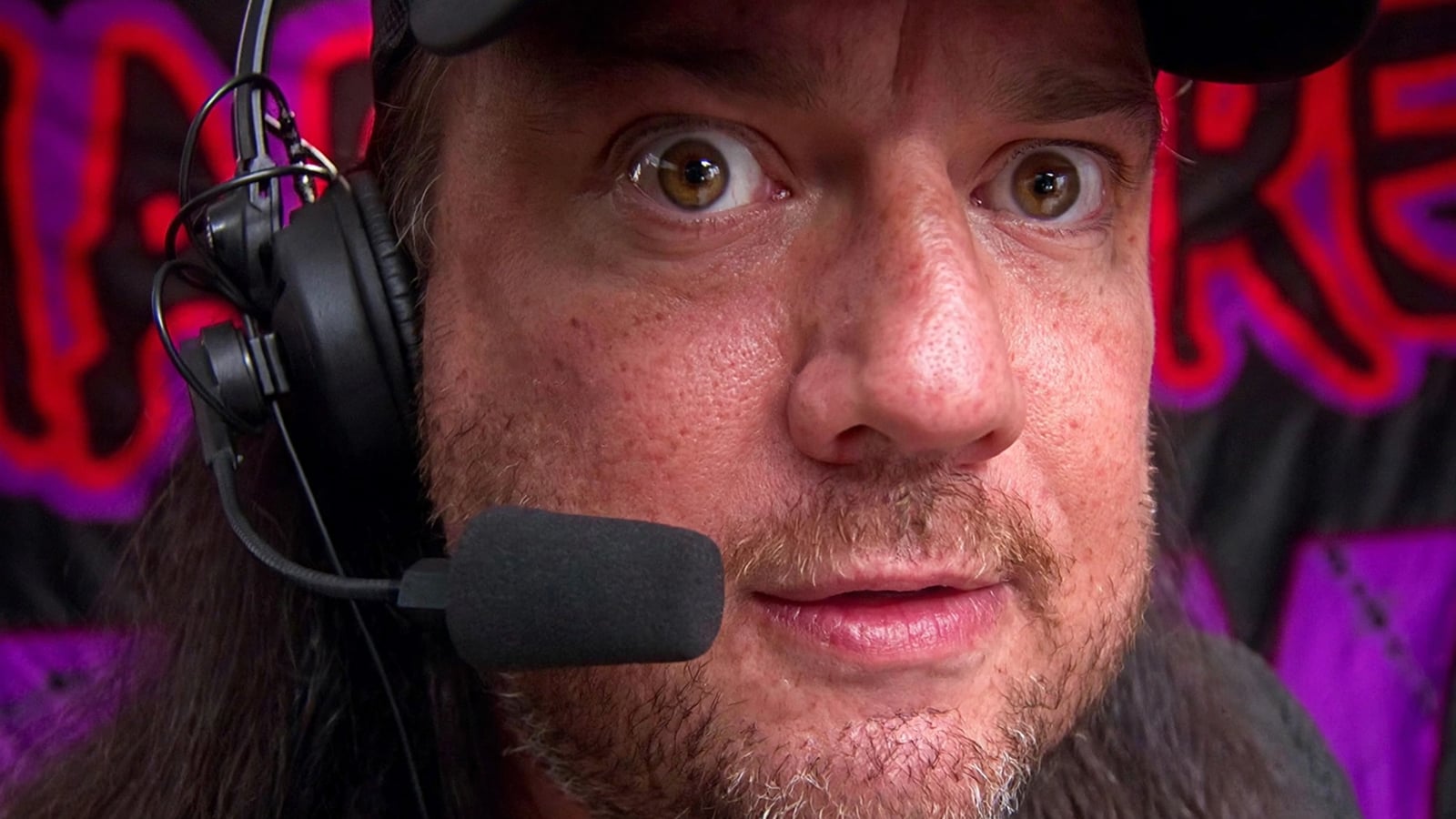
Paul Heyman’s Unscripted On-Air Break With TNN
Warning signs had suggested the relationship between ECW and TNN was never built for the long haul. Eventually, that tension reached television directly.
During an August 11, 2000, broadcast, Heyman delivered an unscripted-sounding promo criticizing the network for moving forward with WWF programming instead of continuing to support ECW.
Addressing the audience directly, he said in the segment: “You have to be an ECW fan to watch this show, because God knows the network has never put out one freaking commercial or one press release to let you know that we’re here, but that’s their scheme of things.”

Reports from the period describe the network muting portions of the segment and running text crawls across the screen during the broadcast. Inside the arena, the crowd responded the way ECW crowds typically did to Heyman’s promos, treating his frustration as their own.
That blurred line between storyline and reality had defined much of ECW’s appeal throughout its run.
In this instance, it also marked one of the clearest public signs that the company’s national television arrangement was ending, roughly two months before the final episode aired.
The TNN Deal’s True Cost: ECW’s Final Breath
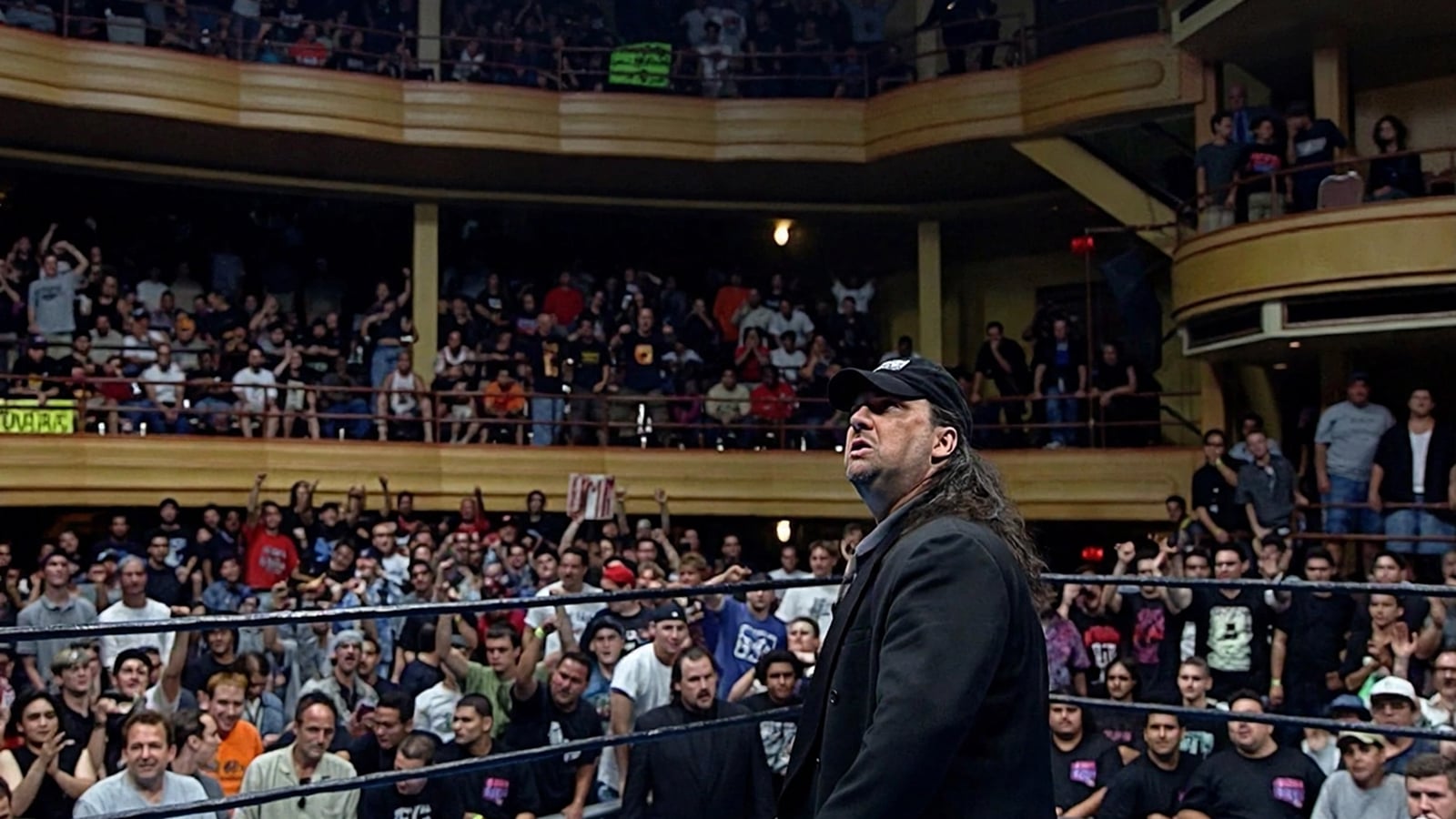
To put it simply, ECW’s collapse did not result from its audience losing interest. The promotion’s final broadcasts still carried the intensity that had defined it for most of a decade, and wrestlers who lived through its final years have consistently described a fan base that remained committed even as conditions worsened.
What changed was the company’s ability to sustain a national television deal that required production spending, ratings performance, and talent retention, which it did not have the financial base to support, while operating opposite a rival with far greater resources. That’s it.
ECW ceased operations in early 2001, a matter of months after the TNN relationship ended. Its influence on the wrestling industry, however, did not end with the company itself. Everything ECW helped popularize before it ever reached national television became standard tools across the industry that outlasted it.
As Heyman once put it: “ECW was never supposed to survive. It was supposed to change the business.”
These stories may also interest you:
- JBL vs. Blue Meanie ECW Incident That Went Too Far
- Women of ECW: Untold Stories (More Than Meets the Eye!)
- Mass Transit Incident: The Day That Altered ECW Forever
Download PDF Version
Get the complete article as a formatted PDF for offline reading.