Author:
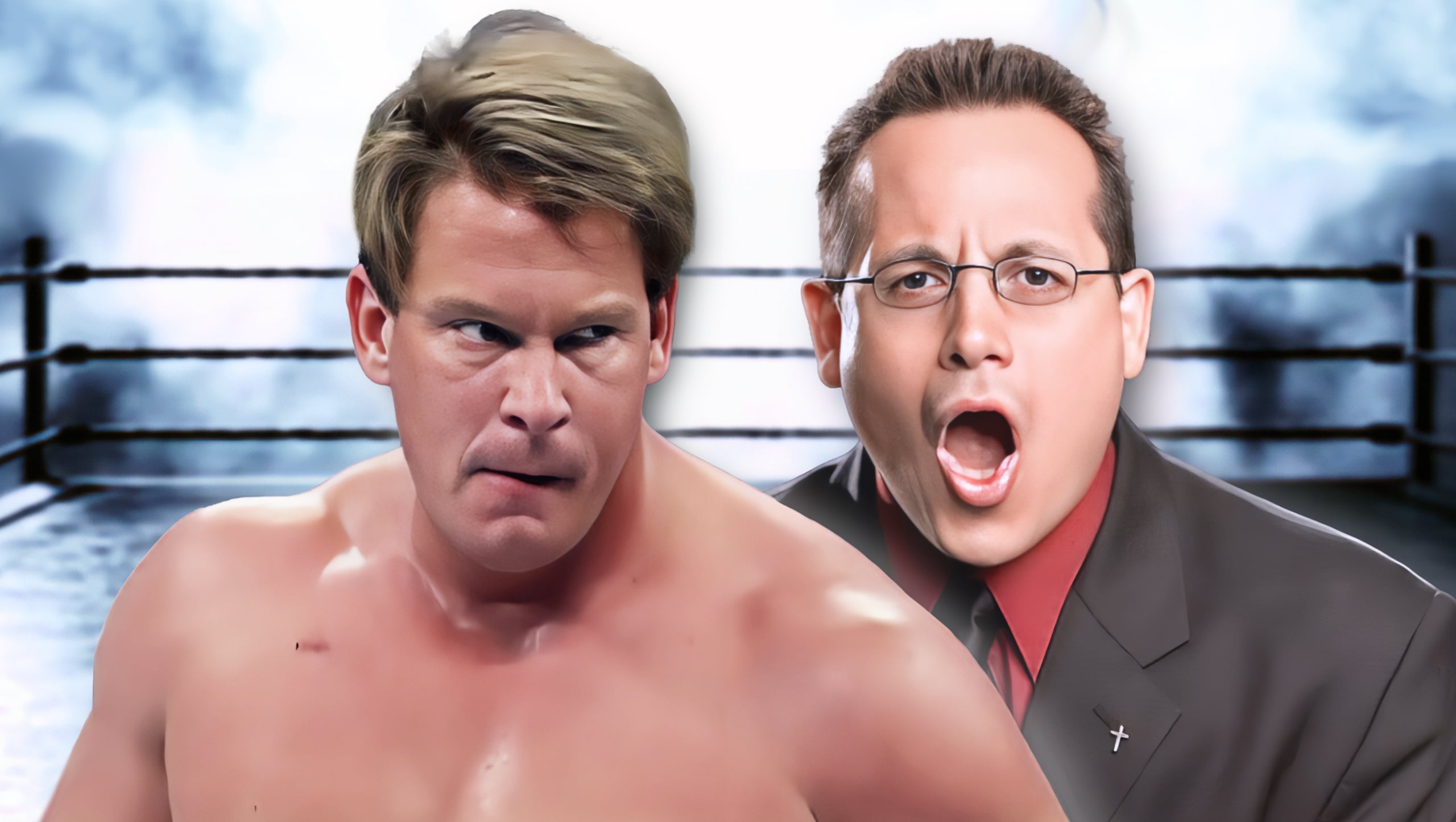
 Nobody on that flight expected Joey Styles to be the one. Not John Cena, not Shad Gaspard, not the dozens of wrestlers and staff packed onto a return flight from a 2008 WWE overseas troops tour. But when JBL (John Bradshaw Layfield) pushed too far one time too many, the ECW announcer nobody had ever seen throw a punch threw one that mattered. The story spread before the plane even landed, creating an uncomfortable situation behind the scenes.
JBL And Joey Styles On A Collision Course
By the mid-2000s, John "Bradshaw" Layfield reinvented himself from a tag team bruiser into a main-event antagonist, holding the WWE Championship and working at the top of the card for much of 2004 and 2005. His real-life size, booming voice, and willingness to work stiff helped make the "JBL" character a natural villain on television.
Joey Styles, by contrast, had made his name far from the main event spotlight. As the voice of Extreme Championship Wrestling through the 1990s, he called the promotion’s wildest moments largely on his own, mixing detailed move calls with a famous exclamation that ECW fans could recite by heart. When ECW closed, he eventually accepted an offer from World Wrestling Entertainment, first calling the ECW reunion shows and then moving into roles on Raw, the revived WWE-ECW brand, and later digital media for WWE.com.
On paper, the two men occupied very different corners of the company: one, a towering Texan who relished his role as an on-screen bully; the other, a well-prepared announcer who still sent holiday cards to his colleagues years later. Yet the culture that surrounded them, especially on long overseas tours, brought them together on a collision course.
JBL’s Backstage Reputation As A Locker Room Enforcer
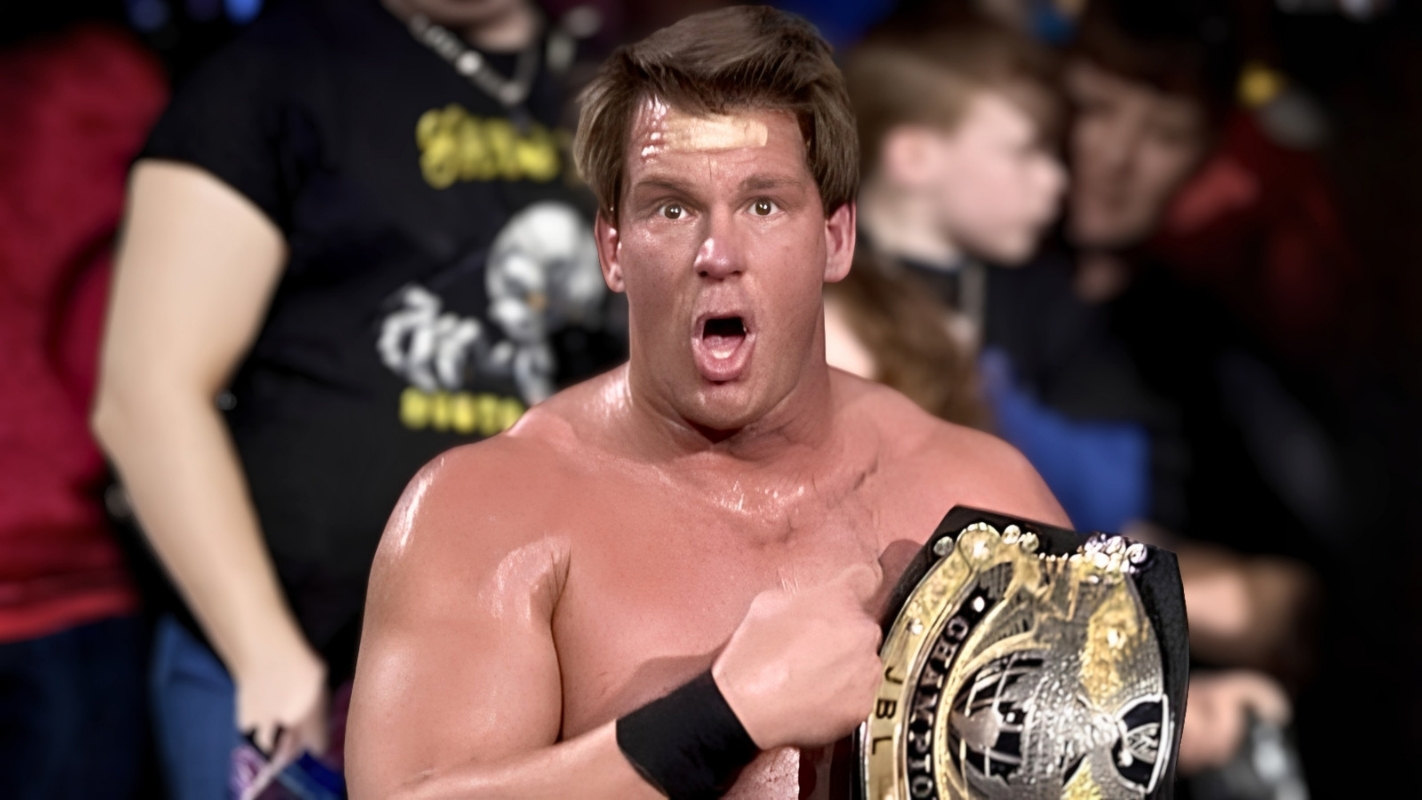
Stories about JBL’s behavior outside the ring became almost as well-known in wrestling circles as his Clothesline from Hell. Over time, many colleagues would describe him as an unofficial "policeman" who tested newcomers and younger staff, sometimes at the explicit or implicit encouragement of management. Multiple former employees recalled Layfield serving as a kind of enforcer who "tested" talent through pranks and confrontations, part of a wider culture of hazing in the company.
Former ECW ring announcer Stephen DeAngelis later summed up the general feeling among many who had crossed paths with him, stating that "everybody had a Bradshaw story" and that "we all know that Bradshaw bullied everybody," while still emphasizing that he personally remained fond of Joey Styles and admired his preparation.
Ring announcer Justin Roberts offered his own perspective on that period. In an appearance on the Two Man Power Trip of Wrestling podcast, he recalled that JBL and a small group around him "made life hell" for him in the early 2000s, describing a bullying culture that, in his view, was tolerated and sometimes encouraged by upper management. Roberts’ account of his passport being taken on a European tour and how it was treated as a joke internally became one of many examples cited when the discussion turned to bullying in WWE around the time of the JBL and Joey Styles altercation.
Enjoying this story? Own it forever.
No ads. No interruptions. Download the full story as a beautifully formatted PDF at just $0.99.
Get My Copy — $0.99Joey Styles: From ECW Voice To WWE Insider
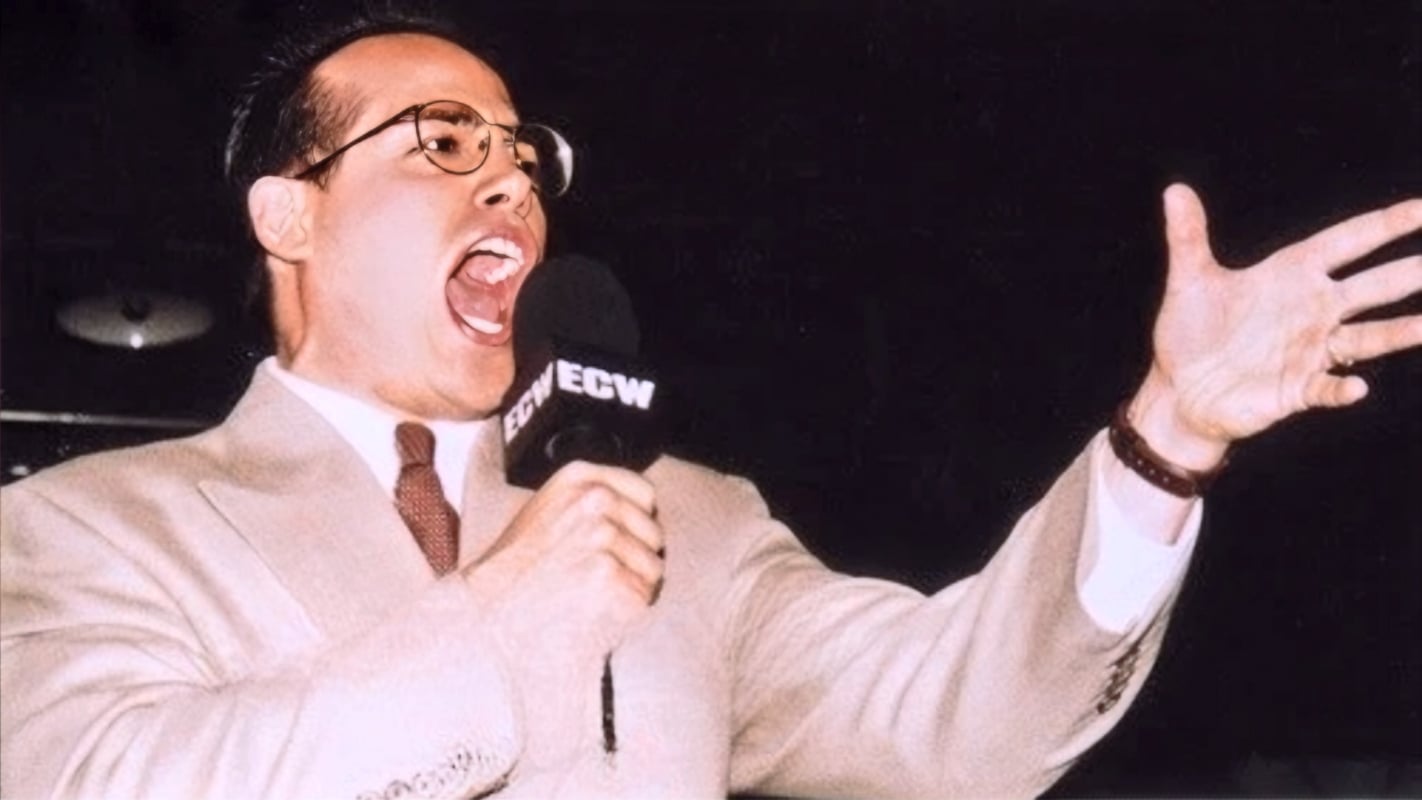
Long before his name was attached to a real-life fight with JBL, Joey Styles was best known for doing the work of an entire commentary team on his own. From the mid-1990s through ECW’s initial closure in 2001, he called nearly every major show and pay-per-view, mixing rapid-fire move identification with genuine enthusiasm that resonated deeply with fans.
After ECW closed, Styles worked elsewhere before returning to the national stage when Paul Heyman and World Wrestling Entertainment reunited the ECW brand on pay-per-view in 2005. He later moved to the Raw announce team, then became the lead voice of the revived ECW on Syfy, and eventually stepped away from full-time commentary to become Director of Digital Media Content for WWE.com.
In an interview with WWE.com, Styles described this period in his career.
“On RAW, I was specifically told not to identify and analyze the wrestling holds and moves, which is half of what I thought made me a good play-by-play man in ECW,” he shared. “I was told not to be passionate, not to be opinionated, and not to be sarcastic. Those were all things that I believed contributed to my success as a commentator.”
He continued, “After months of being put in a position where I felt I was set up to fail, my frustrations boiled over and I quit [my on-air role].”
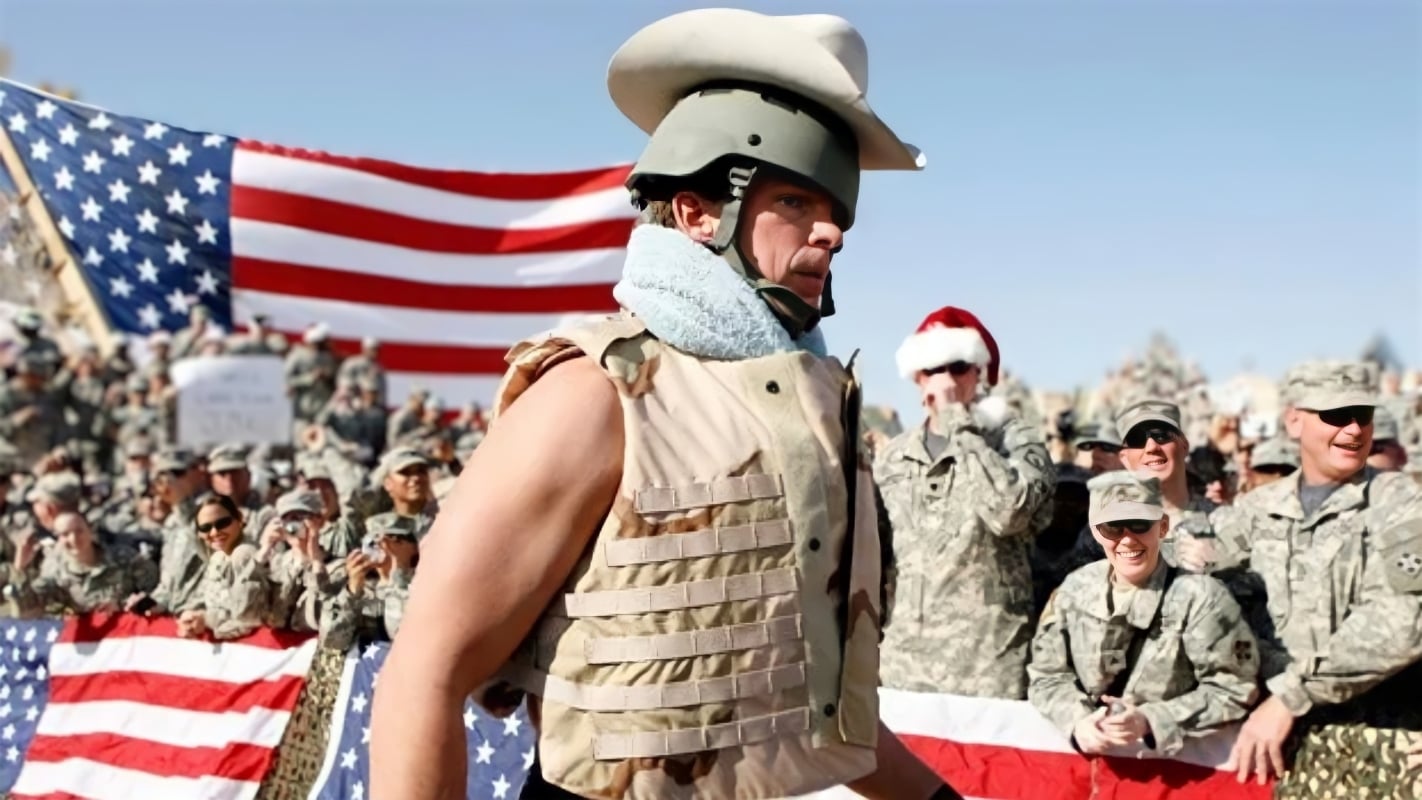
By 2008, when the incident with JBL occurred, Styles had shifted primarily to backstage and digital responsibilities. He was no longer the nightly voice of Raw or ECW, but he still traveled on overseas tours, including the annual Tribute to the Troops events that took wrestlers and staff into active overseas military bases to perform for U.S. military personnel.
Tribute To The Troops: Long Days, Longer Flights
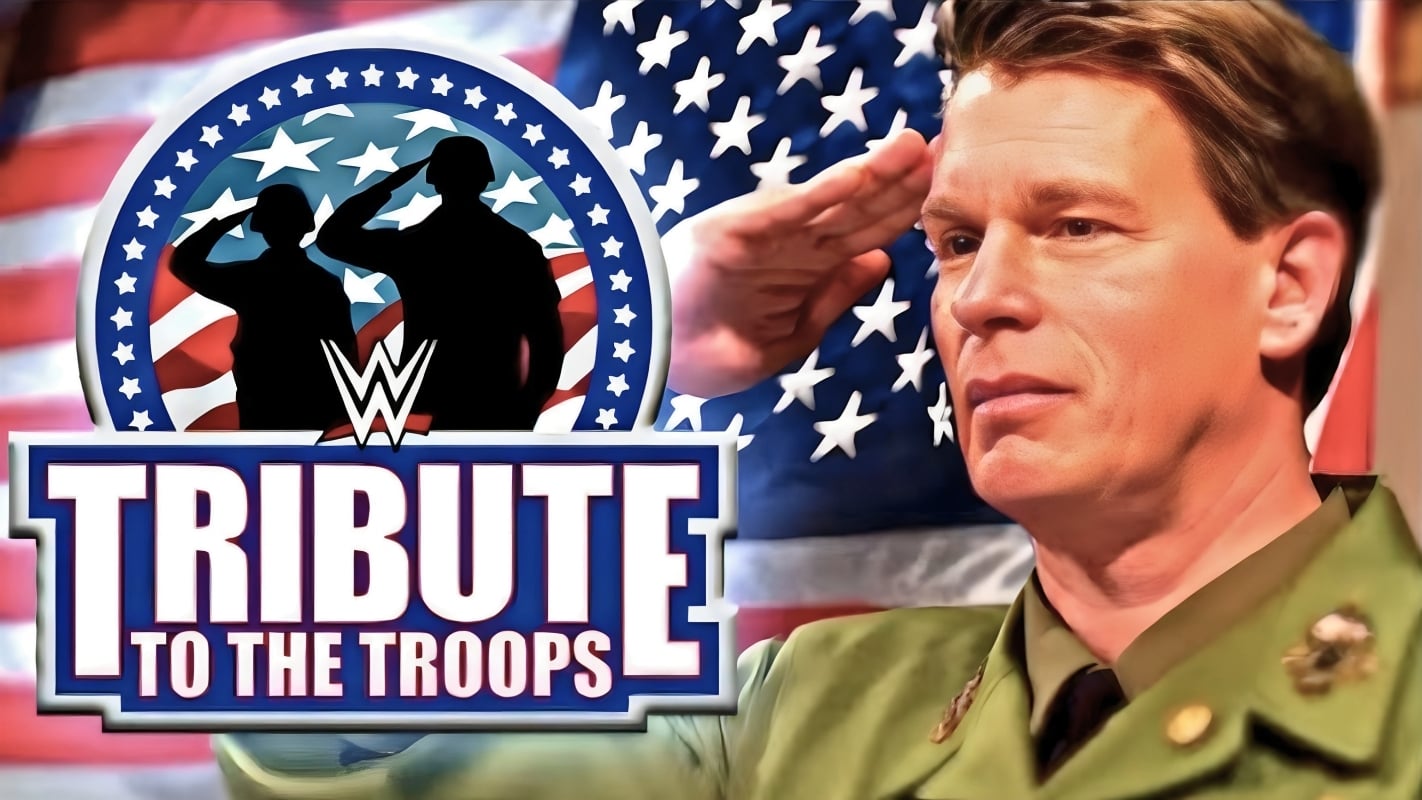
World Wrestling Entertainment’s Tribute to the Troops shows placed performers and staff in unusual circumstances. Instead of charter flights to familiar arenas, talent boarded military transports and commercial connections, flying from the United States to Europe and then on to bases in Iraq or Afghanistan.
Those trips involved long days, minimal sleep, and prolonged stretches in cramped conditions. On such tours, ribs and pranks often filled the downtime.
A 2008 piece on Bleacher Report described JBL as being in "full hazing mode" during one of these tours, noting that he dumped a bucket of ice on ring announcer Lilian Garcia while she slept on a flight before turning his attention to Joey Styles.
The late Shad Gaspard gave one of the most detailed first-hand accounts of the trip. In an interview on NFG Radio, he recalled how he and fellow wrestler Ken Doane of the Spirit Squad set the tone early, getting the crew to announce over the intercom: “We just want to congratulate John Bradshaw Layfield on becoming straight edge and natural.”
Gaspard remembered Vince McMahon’s reaction clearly: “Vince is like, ‘More, more, more.’ So we’re just like, ‘Keep going!'”
Once the plane landed in Germany for a layover, things shifted. According to Gaspard, JBL “pretty much drank everything on the table” before reboarding. “Now he’s off,” Gaspard recalled. “He’s intoxicated, and he’s certainly mean, angry, just surly.”
Love Pro Wrestling Stories? Add us as a Preferred Source on Google so our stories always show up first for you. It only takes one click.
Add Us on GoogleThe Plane Ride: From Hazing To A Fight
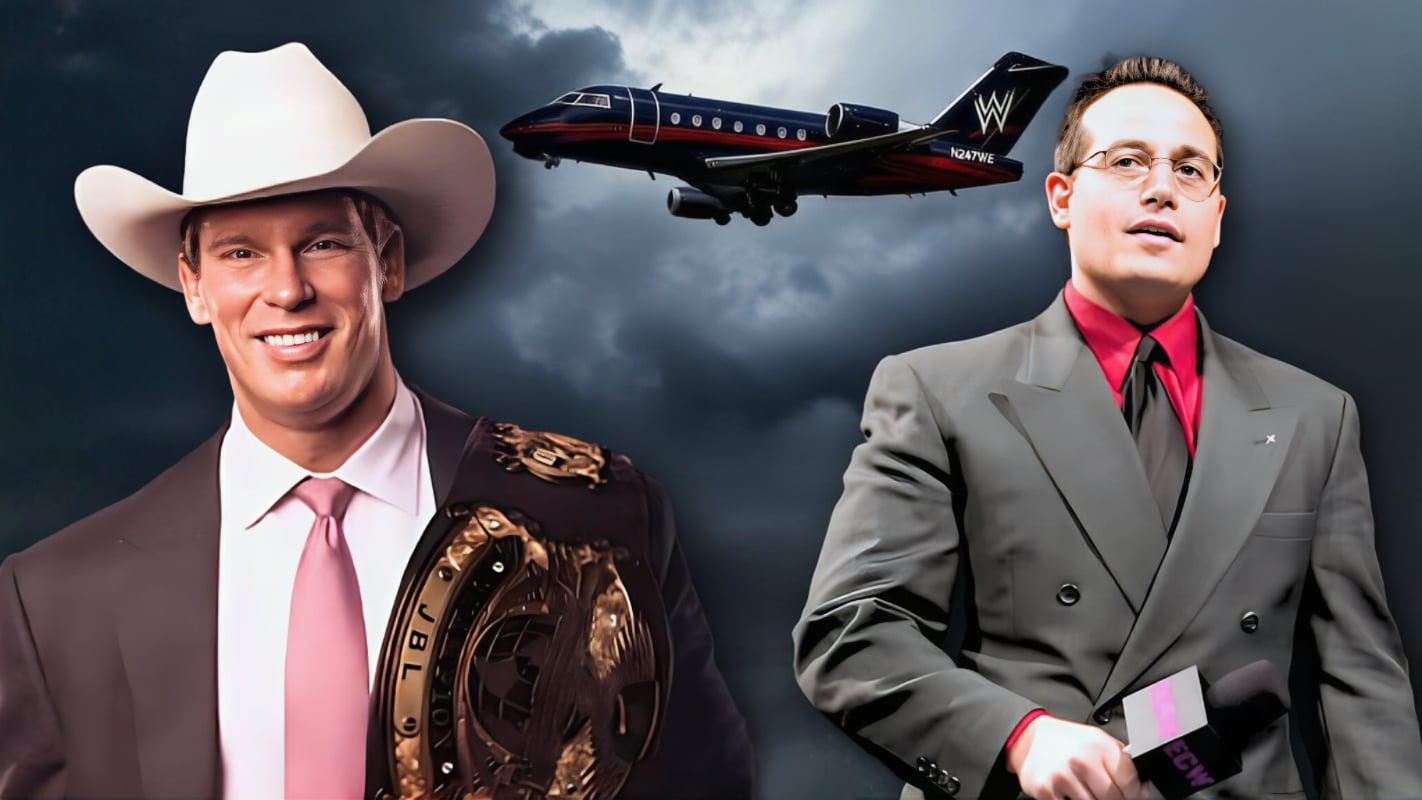
The precise sequence of events on the flight has been described in slightly different ways by those who have spoken publicly about it, but several details appear consistently across accounts.
From Gaspard’s perspective, JBL began targeting Joey Styles during the later leg of the journey once the drinks were flowing. He recalled JBL pouring beer on Styles at his seat, then grabbing the much smaller announcer and shoving him back down.
“You piece of ****, I’ll beat your ***!” Gaspard recalled JBL saying.
He and John Cena moved in to calm things down.
“Me and John Cena, we go to Joey. We were like, ‘Yo, man, just chill it out. Let it go. It’s not a big deal. You know, it’s Bradshaw, whatever.'”
Styles was not having it.
“Joey’s like, ‘No, **** that. **** that. Not today. Not me.'”
Some time passed before JBL made his way back down the aisle.
“We see Joey, and he unbuckles his seatbelt, and Bradshaw’s by him,” Gaspard remembered.
Styles shot in from behind, taking JBL off his feet. When JBL swung back, Gaspard watched Styles unload.
“Joey gets up, and we’re like, ‘Holy ****.’ And Joey goes, ‘Come on.’ Bradshaw just looks at him, hauls off, and Joey, wide hook, and you just see Bradshaw going down. We’re all jumping up and running across. Bradshaw falls into the side seats on the plane, and Joey’s just still teeing off, and we gotta pull Joey off.”
Other accounts focused less on a prolonged scuffle and more on a single decisive shot.
On his Café de René podcast, Rene Dupree noted he was not present but had heard that Styles “put [JBL] in his place with a one shot knockout,” adding, “It doesn’t matter the size. You get the guy in the right spot, it’s done.” He also noted that after the fight, he heard JBL “would just sit in a corner on his laptop” and not talk to anyone.
Stephen DeAngelis, who was not on the tour but stayed in close contact with friends in the company, recalled how quickly the story traveled.
“He knocked him out from what I understand. I was not there, but when I heard that, that was one of those stories that spread like wildfire. We heard about it, I would joke and say, we heard about it ten minutes after it happened because people couldn’t wait to share.”
DeAngelis connected that enthusiasm directly to JBL’s reputation.
“We all know that Bradshaw bullied everybody. So everybody had a Bradshaw story. So the fact that he got his comeuppance, people couldn’t wait to share the story. And I know it had so much to do with Joey as it did the fact that Bradshaw no longer could operate with the same mystique.”
With hundreds of amazing Pro Wrestling Stories to dive into, where do you start? Get the inside scoop, join our exclusive community of wrestling fans! Receive 10 hand-picked stories curated just for YOU, exclusive weekly content, and an instant welcome gift when you sign up today!
One Punch Or A Flurry? How The Story Grew
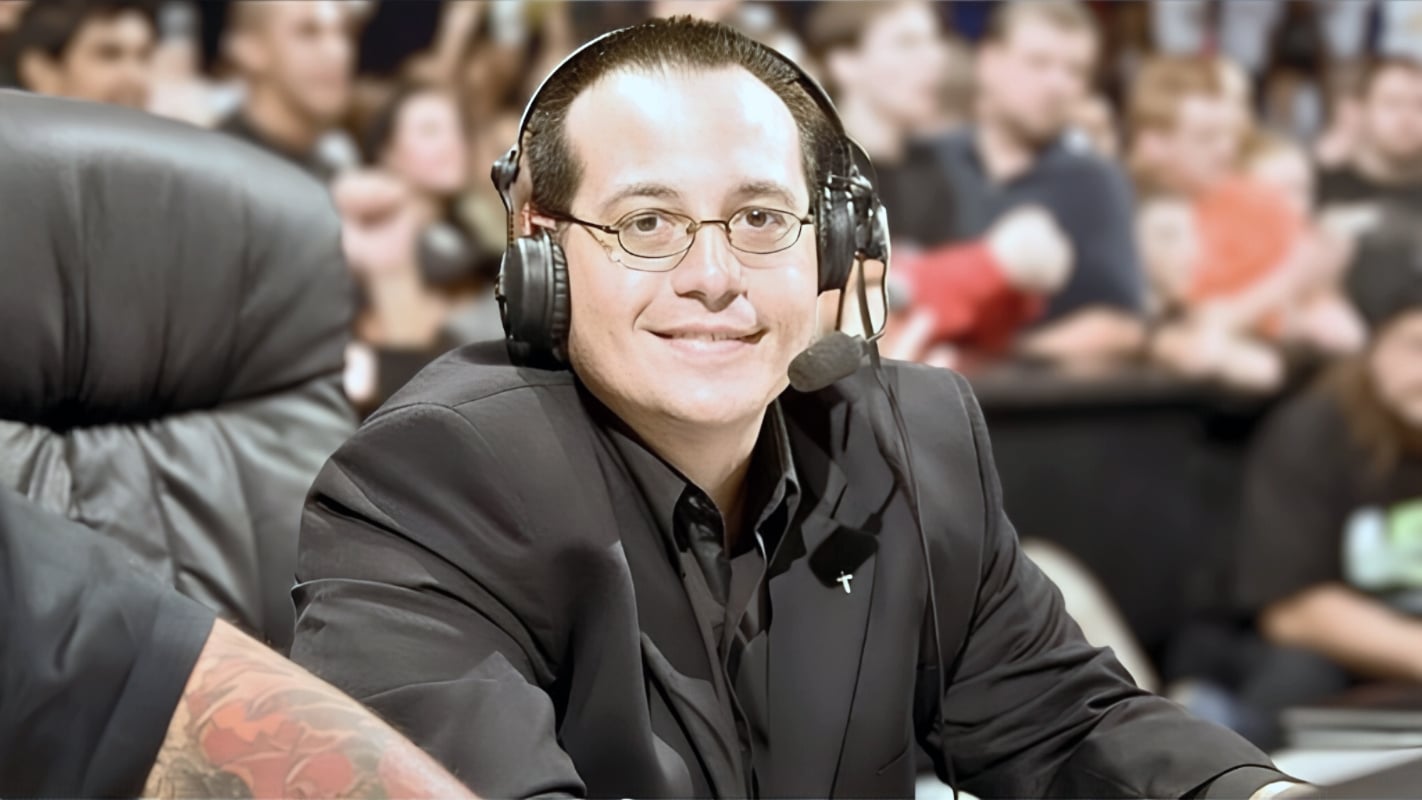
Even contemporary written reports of the incident vary on specifics. A Wrestling Observer Newsletter report stated that after days of heavy drinking and verbal taunts, tempers flared on the flight. The two men tangled and fell to the floor before being separated, at which point Joey Styles threw a punch that JBL "didn’t see coming." That report emphasized that JBL was not knocked down by the punch but was left badly cut and visibly marked, a detail that aligns with accounts of him arriving at television with a visible mark under his eye.
Bleacher Report’s coverage of the story similarly described JBL spending much of the Iraq tour intoxicated, "viciously hazing" Styles, and ultimately being dropped by a punch that resulted in a cut and blackened eye. The article noted that the injury was still visible on Monday Night Raw beneath heavy makeup, and that JBL spent most of that night keeping to himself in the locker room, focusing on his phone.
Not everyone remembered the confrontation as a definitive knockout. On the Something To Wrestle podcast, Bruce Prichard, who was not on the flight, was straightforward about the limits of what he actually knew.
“They were on their way back from Tribute to the Troops, and John had been messing with him, and Joey fired back.”
As for the more dramatic details that had circulated for years, Prichard offered a more measured version.
“When I spoke with both Layfield and Joey, never ever did either one of those mention those specifics about knocking him out, or any of that. That’s why I think the story has grown and taken on a life of itself.”
Real Autographs. Only Few Remain.
These are hand-signed originals sold directly by Pro Wrestling Stories. Once they sell out, they are gone for good.
Own a Piece of Wrestling History
-

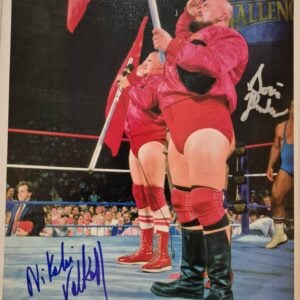
Nikolai Volkoff & Boris Zhukov Signed WWF “The Bolsheviks” 8×10 Photo Autograph (Deceased Legend)
$60.00 Add to cart -
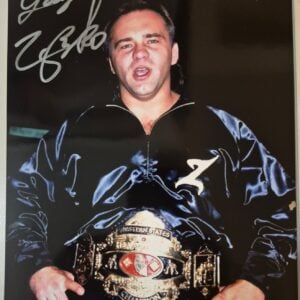
Larry Zbyszko Signed WCW 8×10 Photo Autograph
$40.00 Add to cart -
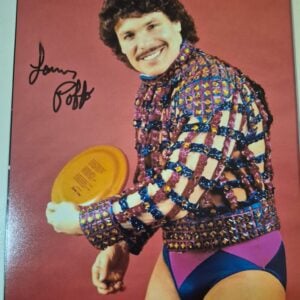
Leaping Lanny Poffo Signed WWF Frisbee Pose 8×10 Photo Autograph (Deceased Legend)
$45.00 Add to cart -
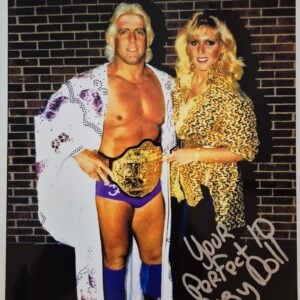
Baby Doll (Nickla Roberts) Signed 8×10 Photo Autograph (pictured with Ric Flair)
$35.00 Add to cart -
Missy Hyatt Signed 8×10 Photo Autograph
$35.00 Add to cart -
Brutus the Barber Beefcake Signed WWF 8×10 Photo Autograph 2
$35.00 Add to cart -
Tito Santana Signed WWF 8×10 Photo Autograph (Strike Force)
$35.00 Add to cart -
Bushwhacker Luke Signed WWF 8×10 Photo Autograph
$30.00 Add to cart -
Johnny Rodz Signed WWF 8×10 Photo Autograph
$30.00 Add to cart -
Jerry “The King” Lawler Signed WWE 8×10 Photo Autograph 2
$50.00 Add to cart -
Sunny (Tammy Lynn Sytch) Signed 8×10 Photo Autograph
$35.00 Add to cart -
Leaping Lanny Poffo Signed WWF 8×10 Photo Autograph (Deceased Legend)
$45.00 Add to cart -
Ken Patera Signed WWF 8×10 Photo Autograph (pictured with Bobby Heenan & John Studd)
$35.00 Add to cart -
Fred Ottman Signed WCW 8×10 Photo Autograph (The Shockmaster)
$35.00 Add to cart -
Barry Windham Signed 8×10 Photo Autograph
$40.00 Add to cart -
Sunny (Tammy Lynn Sytch) Signed WWF 8×10 Photo Autograph
$35.00 Add to cart -
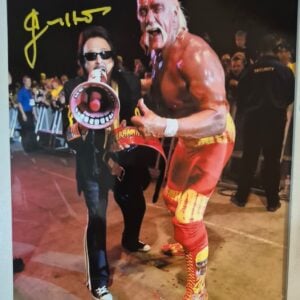
Jimmy Hart Signed WWF 8×10 Photo Autograph (pictured with Hulk Hogan)
$35.00 Add to cart -
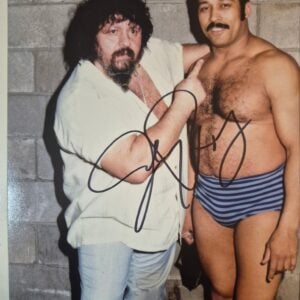
Johnny Rodz Signed WWF 8×10 Photo Autograph (pictured with Captain Lou Albano)
$30.00 Add to cart -
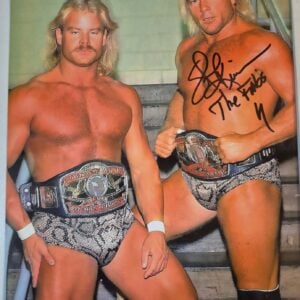
Steve Keirn Signed WWF 8×10 Photo Autograph (Fabulous Ones)
$30.00 Add to cart -
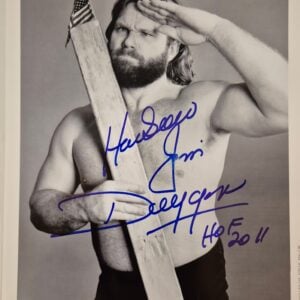
“Hacksaw” Jim Duggan Signed WWF 8×10 Photo Autograph
$40.00 Add to cart -
D’Lo Brown Signed WWF 8×10 Photo Autograph
$30.00 Add to cart -
Nikolai Volkoff Signed WWF 8×10 Photo Autograph 2 (Deceased Legend)
$45.00 Add to cart -
Justin Credible Signed 8×10 Photo Autograph 2
$30.00 Add to cart -
Justin Credible Signed 8×10 Photo Autograph
$30.00 Add to cart -
Koko B. Ware Signed WWF 8×10 Photo Autograph
$45.00 Add to cart -
Larry Zbyszko Signed 8×10 Photo Autograph 2
$40.00 Add to cart -
Butcher Paul Vachon Signed WWF 8×10 Photo Autograph (Deceased Legend)
$45.00 Add to cart -
Sunny (Tammy Lynn Sytch) Signed WWF 8×10 Photo Autograph (WWE Hall of Fame)
$35.00 Add to cart -
Jerry Lynn Signed 8×10 Photo Autograph
$35.00 Add to cart -
Raven Signed 8×10 Photo Autograph
$35.00 Add to cart -
Brutus the Barber Beefcake Signed WWF 8×10 Photo Autograph (with Ultimate Warrior)
$35.00 Add to cart -
Nikolai Volkoff Signed WWF 8×10 Photo Autograph (Deceased Legend)
$45.00 Add to cart -
Marcus “Buff” Bagwell Signed WCW 8×10 Photo Autograph
$30.00 Add to cart -
Johnny Rodz Signed WWF 8×10 Photo Autograph (wrestling Tony Atlas)
$30.00 Add to cart -
Fred Ottman Signed WWF 8×10 Photo Autograph (Typhoon)
$35.00 Add to cart -
Bushwhacker Luke Signed WWF 8×10 Photo Autograph (pictured with Bushwhacker Butch)
$30.00 Add to cart -
The Tonga Kid (Sam Fatu) Signed WWF 8×10 Photo Autograph
$35.00 Add to cart -
Jimmy Hart Signed WWF 8×10 Photo Autograph (pictured with Bret Hart & Jim Neidhart)
$35.00 Add to cart -
Vince Russo Signed 8×10 Photo Autograph
$35.00 Add to cart -
Ron Simmons Signed WWE 8×10 Photo Autograph
$40.00 Add to cart -
Bushwhacker Luke Signed WWF 8×10 Photo Autograph (of The Bushwhackers)
$30.00 Add to cart -
Jerry “The King” Lawler Signed 8×10 Photo Autograph
$50.00 Add to cart -
Leaping Lanny Poffo Signed WWF Turnbuckle Pose 8×10 Photo Autograph (Deceased Legend)
$45.00 Add to cart -
Johnny Rodz Signed WWF 8×10 Photo Autograph
$30.00 Add to cart -
Johnny Rodz Signed WWF 8×10 Photo Autograph (pictured with The Grand Wizard)
$30.00 Add to cart -
Tito Santana Signed WWF 8×10 Photo Autograph
$35.00 Add to cart -
“Greg the Hammer” Valentine Signed WWF 8×10 Photo Autograph
$45.00 Add to cart -
Bushwhacker Luke Signed WWF 8×10 Photo Autograph (with Bushwhackers Butch)
$30.00 Add to cart -
Ken Patera Signed WWF 8×10 Photo Autograph
$35.00 Add to cart -
Hornswoggle (Dylan Postl) Signed WWE 8×10 Photo Autograph
$30.00 Add to cart -
Bushwhacker Luke Signed WWF 8×10 Photo Autograph (The Bushwhackers)
$30.00 Add to cart -
Johnny Rodz Signed WWF 8×10 Photo (wrestling Andre the Giant)
$30.00 Add to cart -
Kevin Sullivan Signed 8×10 Photo Autograph (Deceased Legend)
$45.00 Add to cart -
Sunny (Tammy Lynn Sytch) Signed WWF 8×10 Glamour Photo Autograph
$35.00 Add to cart -
Steve Keirn Signed WWF 8×10 Photo Autograph (Skinner)
$30.00 Add to cart
The Fallout, The Friendship, And Where Both JBL and Joey Styles Ended Up
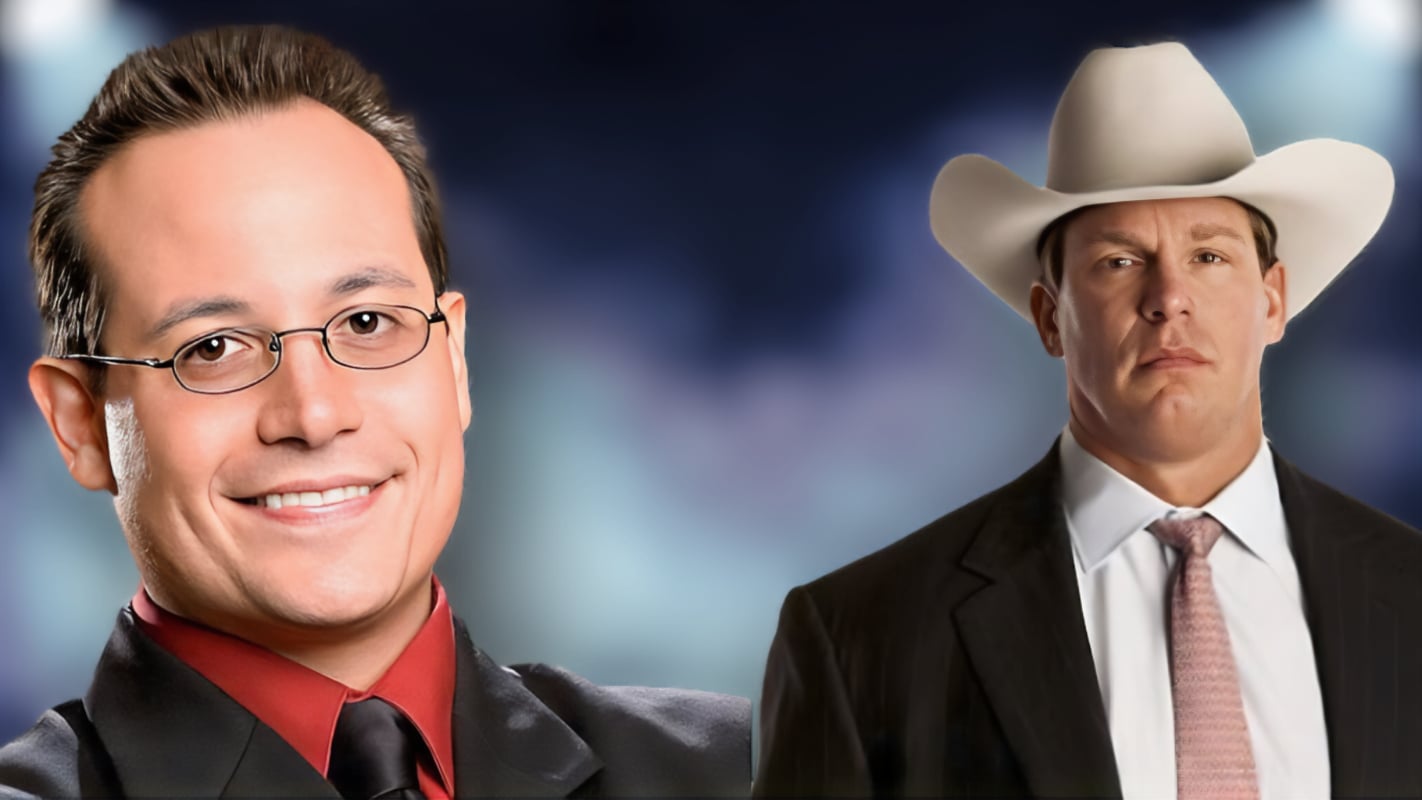
Beyond the dispute over whether it was one punch or several, nearly everyone who was there or close to the company agrees on what happened next: the story moved fast.
As Stephen DeAngelis joked, colleagues heard about it “10 minutes after it happened because people couldn’t wait to share,” connecting that enthusiasm not only to support for Styles but to the sense that something had shifted. “Bradshaw no longer could operate with the same mystique.”
Justin Roberts, who had endured his own difficult years in that same environment, tied the incident directly to a change he felt across the locker room. “Once Joey Styles and JBL had their altercation on that plane, that’s when, shortly after, JBL was gone. And that’s when the problems really just started to change.”
What nobody predicted was the ending. Shad Gaspard, who watched the whole thing unfold from across the aisle, recalled that on the tarmac in Washington, D.C., for the traditional group photo after landing, certain wrestlers were quietly positioned between the two men just in case.
“McMahon stood in the middle, smiling. JBL,” Gaspard remembered, “stood on one side just looking like, ‘I’m gonna get that ****!'”
But that was not where the story ended.
“They become the best of friends afterwards,” Gaspard revealed. “I remember we’d see them in catering just laughing with each other. Once you fight somebody, you’re just friends with them. You can’t hold grudges. That’s just the way it is in this company.”
Bruce Prichard, who spoke with both men in the aftermath, confirmed that neither JBL nor Styles offered him the dramatic version that had been circulating for years. Both, he noted, treated it as something they could laugh about in hindsight.
“I can’t tell you the number of times that John’s punched me in the mouth and vice versa,” Prichard joked. “To me, it’s just another night out with Layfield.”
In recent years, JBL has largely stepped back from a full-time role in WWE, though he has made occasional appearances on television and at live events.
JBL has addressed the subject of hazing directly over the years. In a 2010 interview on the Right After Wrestling radio show, he was unequivocal.
“Did I haze? Hell yes. A lot of people want to talk about me and my hazing. Yes, I did. I make no apologies about it whatsoever.”
He continued, “When I started, guys were hazed, and for good reason. They wanted to know that in a riot, which we had a few back in the day, were you going to be on the side of the boys or the fans?”
As for the incident with Joey Styles specifically, JBL has not addressed it publicly.
What he has leaned into is storytelling. On his podcast Stories With Brisco And Bradshaw, JBL and WWE Hall of Famer Gerald Brisco trade firsthand accounts with some of wrestling’s most celebrated names, offering the kind of deep institutional knowledge that only decades inside the business can provide.
Joey Styles took a different path entirely. After leaving WWE, he stepped away from professional wrestling altogether, transitioning first into advertising and later into the pharmaceutical industry.
Rob Van Dam, a longtime colleague of Styles from their ECW and WWE days, opened up on his podcast 1 of a Kind with RVD about what has stood out most to him in the aftermath.
“I could never really get Joey Styles to really come out and talk about it because, you know, he’s not a braggadocious kind of guy.”
Van Dam understood exactly why.
“That’s not somebody who’s gonna brag about it because it makes you so much cooler if you don’t. Let the story grow on its own. That’s the way to do it.”
And grow it did. The details of exactly how many punches landed, or whether JBL was truly knocked out cold, may never be fully settled. What is not in dispute is that on a crowded return flight from a combat zone, an announcer best known for a headset and a microphone decided he was done absorbing what colleagues had been absorbing for years, and threw a punch that locker rooms were still talking about long after both men had moved on.
For a business built on larger-than-life personas, it remains one of the most unlikely and most retold real stories the industry has produced.
These stories may also interest you:
- Randy Savage vs. Road Warrior Hawk: Their Real-Life Fights
- Bob Holly and René Duprée: Brutal Real-Life Fight Over A Ticket
- Haku and Brutus Beefcake: The Real Locker Room Fight
Download PDF Version
Get the complete article as a formatted PDF for offline reading.