When 20-year-old French-Canadian star René Duprée borrowed veteran Bob “Hardcore” Holly’s rental car for a quick gym visit in 2004, he had no idea that a $50 parking violation would trigger one of the most brutal real-life assaults in wrestling yore. What happened next at a WWE house show in Syracuse, New York, would leave one wrestler hospitalized and another facing a massive fine. The chair shots were real. The dripping crimson was real. And the consequences would haunt both men for decades to come.
Bob Holly and René Duprée’s traffic ticket fight left one hospitalized, one fined, and changed the course of a WWE career forever. Photo Credit: WWE. Artwork by Pro Wrestling Stories.
Our wrestling history is gold, and so are readers like you!
If the following story adds to your collection of wrestling knowledge, you can:
Bob Holly vs. René Duprée: WWE Veteran Clashes with a Rising Star
René Duprée debuted in the WWF on the April 28, 2003 episode of Raw as part of La Résistance alongside Sylvain Grenier, launching an anti-American heel act that quickly gained attention. Just weeks later, on June 15, 2003, at WWE Bad Blood 2003, the duo defeated Kane and Rob Van Dam to win the World Tag Team Championship, making Duprée the youngest champion in WWE history at just 19 years old. Photo Credit: WWE.
“Hardcore” Bob Holly was the epitome of wrestling’s old-school mentality in 2004. At 41 years old, the Arkansas native had spent over a decade grinding through WWE’s ranks, evolving from the NASCAR-themed “Thurman ‘Sparky’ Plugg” into one of the company’s most feared locker room enforcers. Known for his stern demeanor and zero tolerance for what he perceived as disrespect, Holly had built a reputation as someone you didn’t cross lightly.
Holly’s intimidating presence wasn’t just for show. Standing 6’0″ and weighing 234 pounds, the veteran had legitimately earned his “Hardcore” moniker through years of brutal matches and a no-nonsense attitude that made even seasoned wrestlers think twice about crossing him.
At just 20 years old, the French-Canadian had already made history as the youngest WWE Tag Team Champion ever, capturing gold with La Résistance at age 19. Despite his impressive size – standing 6’3″ and weighing 270 pounds – Duprée was still viewed by many veterans as an inexperienced rookie who hadn’t yet earned his stripes.
“Everyone hated René Duprée, including Bob, for how he acted backstage,” one insider revealed. The young wrestler’s perceived arrogance and lack of respect for professional wrestling’s unwritten rules had already put him on thin ice with several locker room veterans.
The Traffic Ticket Incident That Sparked Bob Holly’s Anger Towards René Duprée
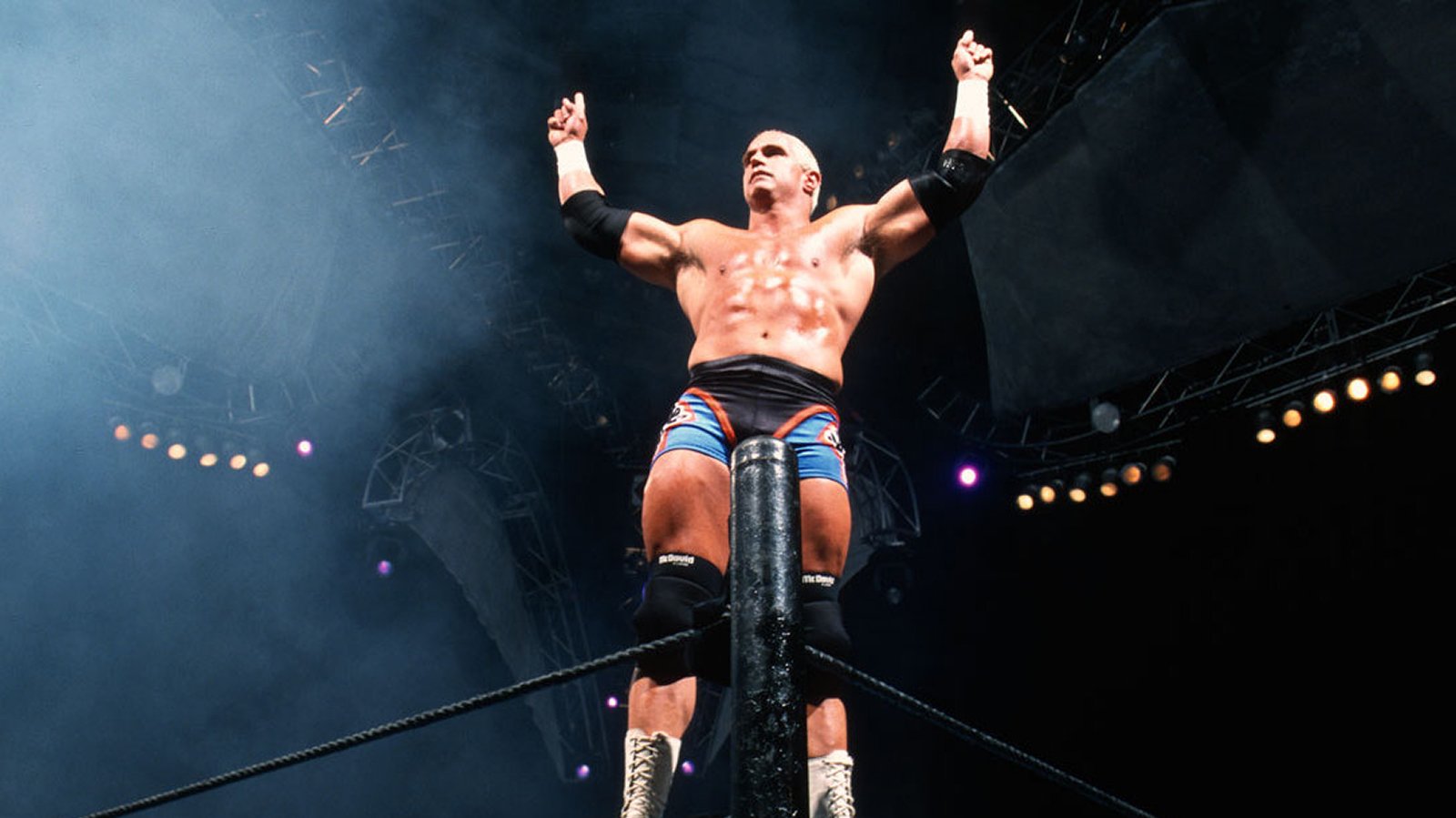
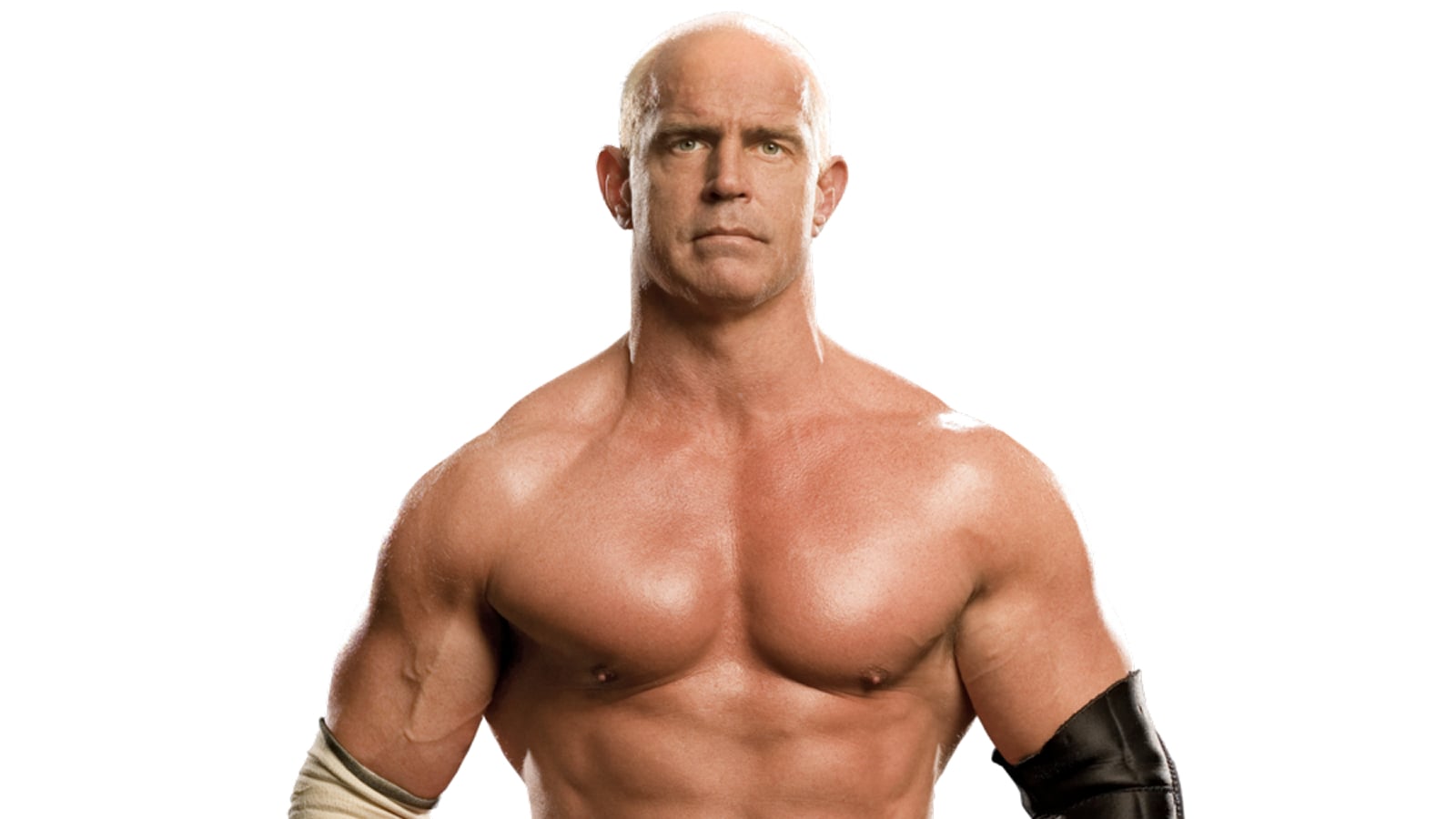
By the late 1990s and early 2000s, Hardcore Holly became a reliable Attitude Era mainstay in WWF/WWE, known for his toughness, no-nonsense style, and willingness to endure brutal matches. Holly’s combination of hardcore brawling, comedic segments, and veteran ring psychology made him a versatile performer. Photo Credit: WWE.
The seeds of the brutal confrontation between Bob Holly and René Duprée were planted during what should have been a routine road trip. As travel partners, Holly and Duprée shared transportation costs and responsibilities – a common practice among WWE wrestlers during the company’s grueling house show schedule.
According to multiple sources, the trouble began when Duprée borrowed Holly’s rental car to visit a gym while they were on the road. Unknown to Holly, Duprée received a speeding ticket during this trip, issued to the rental car registered under Holly’s name.
“René Duprée got his *** handed to him by Bob Holly because René parked the car illegally at the gym, got a ticket, and supposedly threw it away without Bob knowing,” Kurt Angle recalled during a 2023 podcast interview.
The situation became even more problematic when Duprée made no attempt to resolve the matter. Holly remained oblivious to the citation until approximately two months later, when the rental car company contacted him about the unpaid fine.
“Holly returned the car, oblivious to the fact, and received a call from the rental car service a few months later to pay the fine,” one report detailed. The ticket not only required payment but also impacted Holly’s insurance rates and driving record, adding insult to injury.
Syracuse House Show 2004: Bob Holly’s Steel Chair Attack Goes Too Far
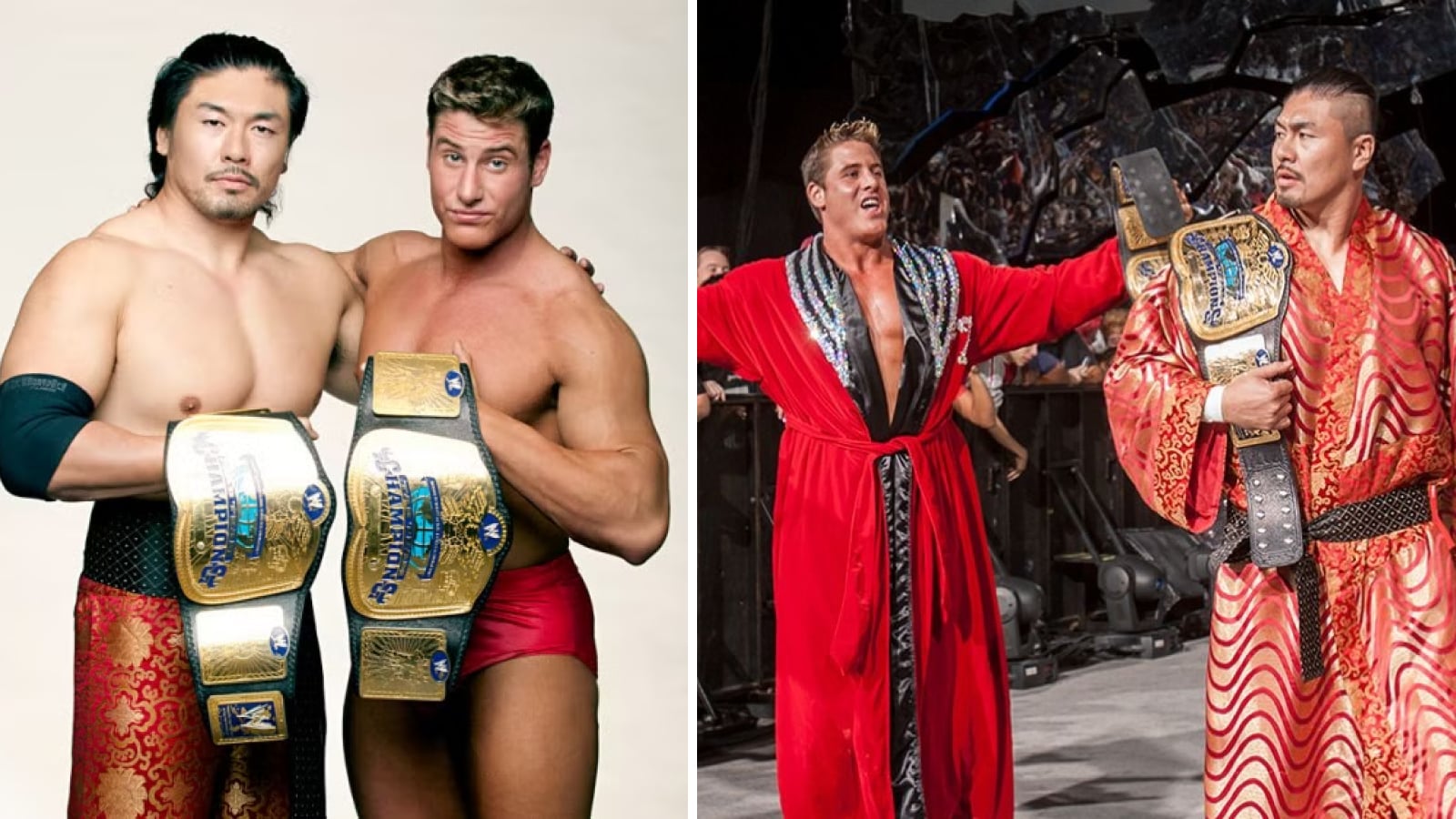
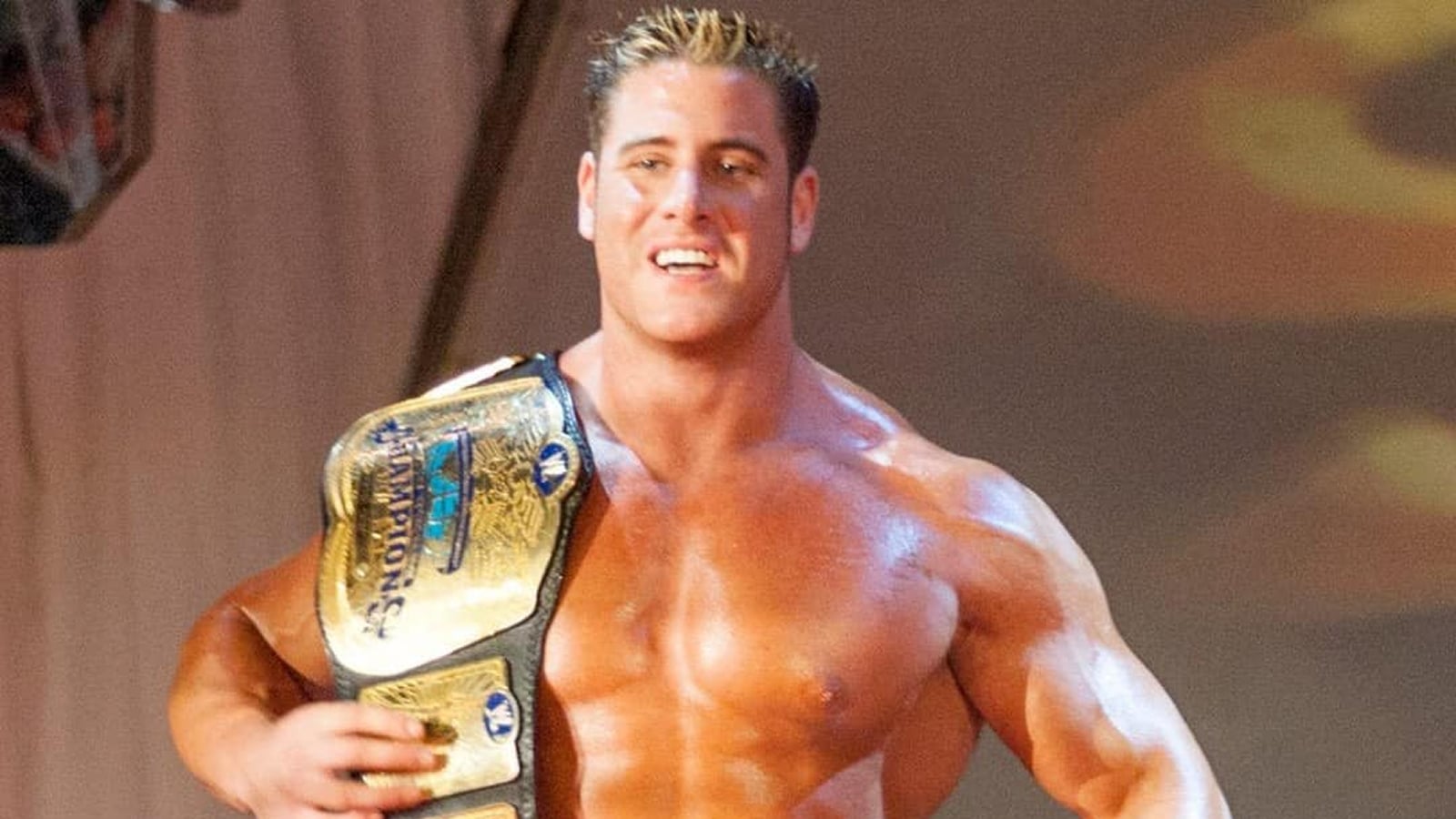
In late 2004, René Duprée formed a team with Kenzo Suzuki on WWE SmackDown!, and on September 9, 2004, they captured the WWE Tag Team Championship by defeating Billy Kidman and Paul London, holding the titles for four months. Photo Credit: WWE.
A WWE house show in Syracuse, New York, was meant to be just another routine evening of wrestling entertainment.
The card featured a tag team match pitting Bob Holly and Charlie Haas against René Duprée and Kenzo Suzuki for the WWE Tag Team Championship. What made this match unusual was its hardcore stipulation, the first such match WWE had booked in years.
“They hadn’t had a Hardcore match in the company since Raven had been there, which would have been, I don’t know, four or five years prior,” Paul London noted, suggesting the match stipulation was deliberately chosen to give Holly the perfect opportunity for revenge.
As the match began, spectators in the arena had no idea they were about to witness one of the most brutal real-life assaults in wrestling history.
WWE Hall of FamerKurt Angle was present at the event and provided one of the most detailed accounts of what transpired that night. His testimony reveals the calculated nature of Holly’s attack.
“René Dupree was in the ring. Bob waited until René got done, went out to the ring with a chair, and started pounding the **** out of René with a chair,” Angle recalled.
“René was blocking the chair shots,” Angle continued. “He got out of the ring, and Bob chased him backstage. He got back there, whacked him a few more times, and it was like, ‘Holy ****, man. What is going on?'”
Rob Van Dam Stops Bob Holly’s Backstage Assault on René Duprée
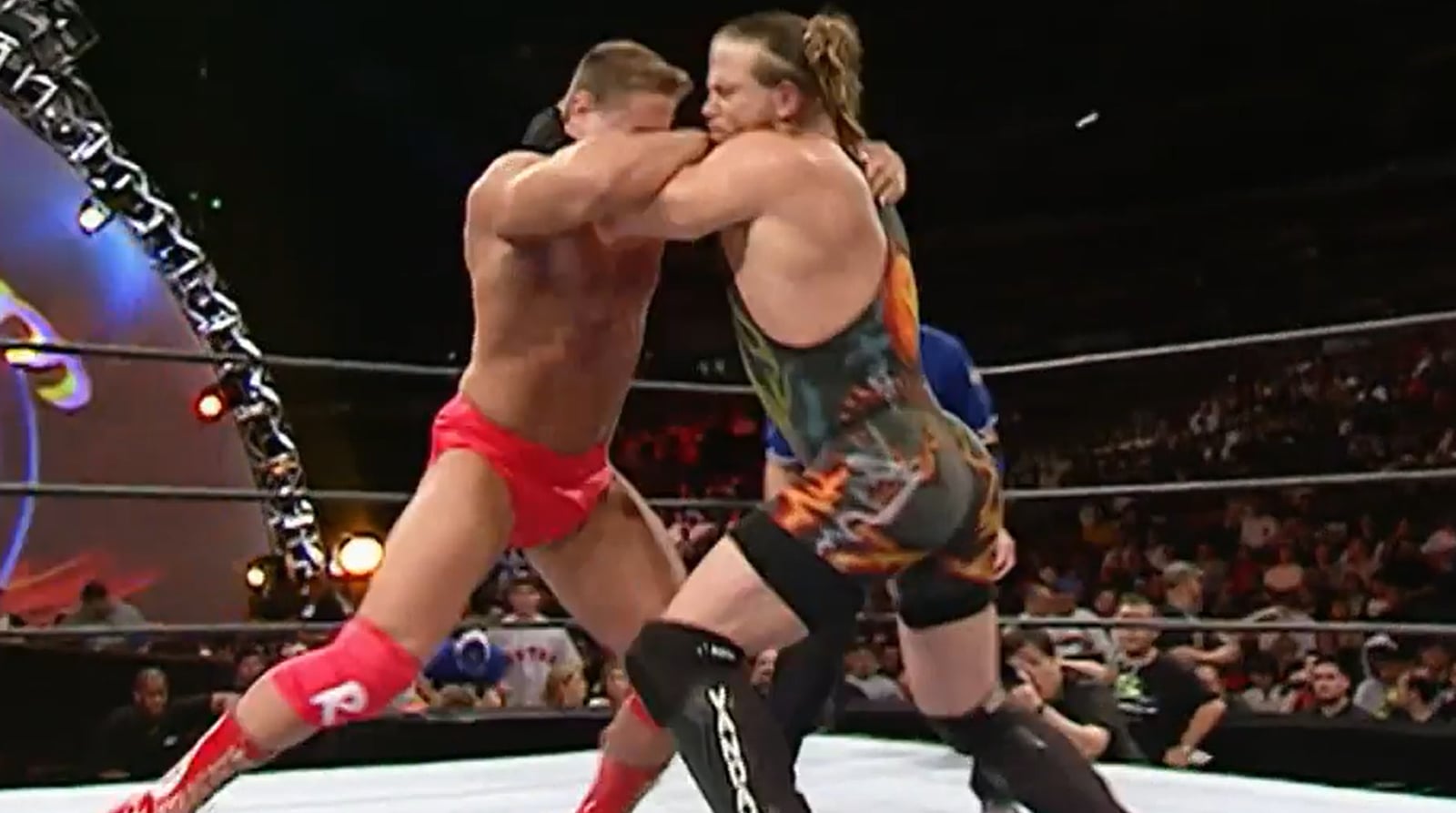
On the October 26, 2003 episode of WWE Heat, René Duprée faced Rob Van Dam in a high‑energy matchup that showcased Duprée’s athleticism against one of WWE’s top high-flyers at the time. Photo Credit: WWE.
What happened after the wrestlers returned backstage was perhaps even more disturbing than the in-ring assault itself. Holly, still fueled by rage, apparently wasn’t finished exacting his revenge on the young French-Canadian.
Paul London provided crucial details about the attack’s backstage continuation. “I just remember [Duprée] taking one breath, like, ‘****, thank God that ****’s over. What a nightmare,'” London shared. “And then it was: ‘WHAM!’ Cheap shot through the curtain from behind. He kept on you.”
It was at this critical moment that Rob Van Dam stepped in to prevent further violence.
“In like less than a minute, Van Dam hopped on, pulled Bob off, like, ‘That’s enough, get the **** off of him. That’s enough,'” London recounted.
Van Dam’s intervention likely prevented the situation from escalating into something far worse. As London noted, “For however people want to look at Van Dam, he’s a legit tough guy. He did a lot of toughman tournaments. He knows his ****, so nobody was gonna mess with him.”
The respect Van Dam commanded in the locker room made him one of the few wrestlers capable of physically confronting Hardcore Holly and ending the assault. “I remember specifically we were just in shock, everybody was like a deer in headlights, ‘Holy ****,'” London added.
With hundreds of amazing Pro Wrestling Stories to dive into, where do you start? Get the inside scoop – join our exclusive community of wrestling fans! Receive 10 hand-picked stories curated just for YOU, exclusive weekly content, and an instant welcome gift when you sign up today!
WWE Management Reacts to the Hardcore Bob Holly and René Duprée Fight
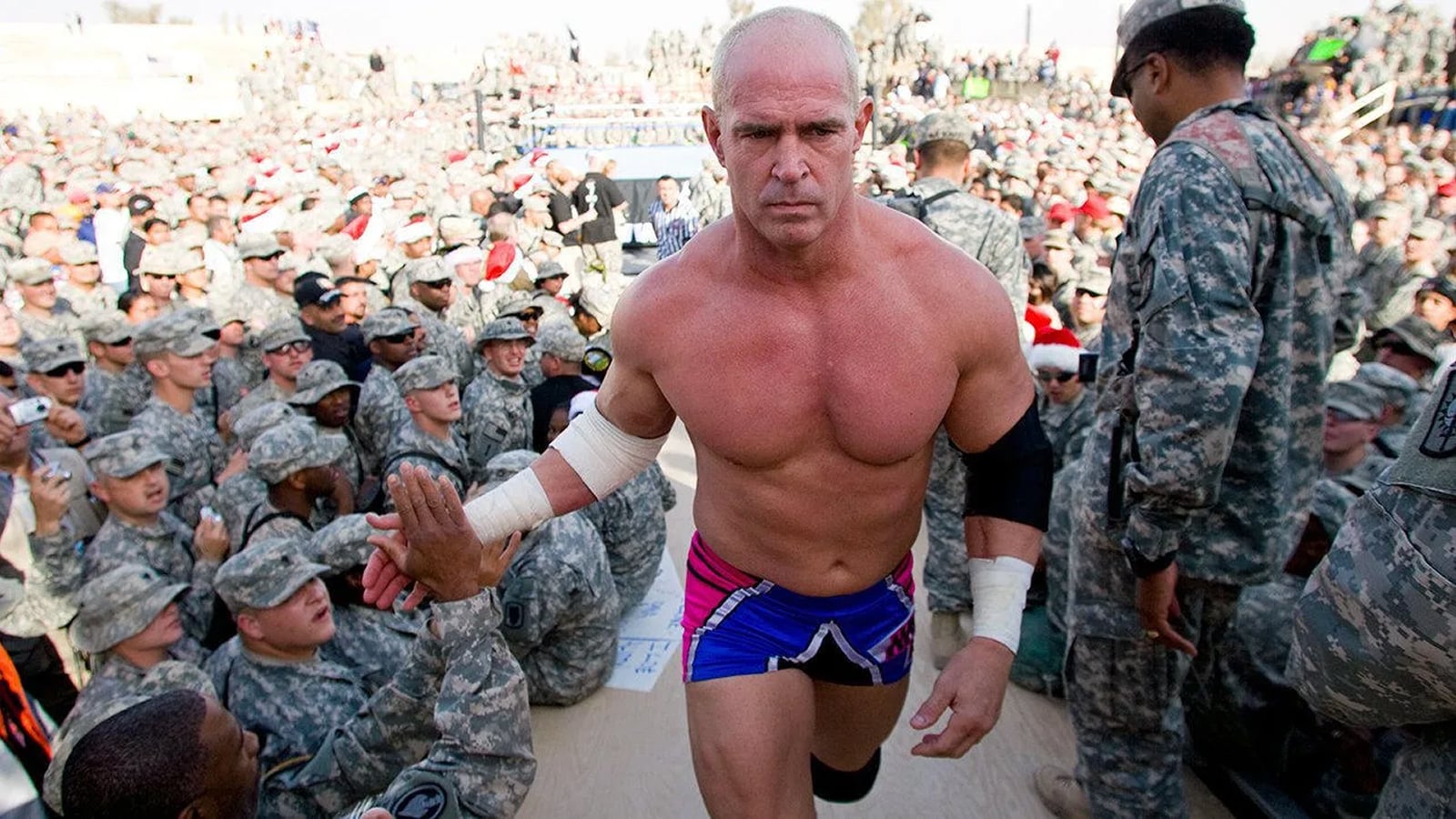
At the 2004 WWE Tribute to the Troops show taped on December 23, 2004, in Tikrit, Iraq, Hardcore Holly walks to the back after defeating Kenzo Suzuki in a singles match dedicated to the deployed servicemen and women. Photo Credit: WWE.
The severity of the incident prompted immediate action from WWE management. John Laurinaitis, who served as WWE’s Vice President of Talent Relations at the time, was forced to address the situation and its potential ramifications.
Paul London recalled Laurinaitis’s conversation with Duprée in the aftermath. “I remember specifically in the airport [Duprée] speaking to Johnny Ace [John Laurinaitis] on the phone and him saying, ‘Don’t worry about anything. I don’t want you to feel threatened at work. That’s unprofessional, that’s not the way it should be. Nobody should have to come to work feeling in danger for their life or their safety. I’m going to put a stop to this right now, and you don’t have anything to worry about.'”
However, Duprée himself would later make explosive allegations about Laurinaitis’s role in the incident. During a 2015 shoot interview, Duprée claimed that management was complicit in what happened:
“John Laurinaitis was behind it all, too, because he was the one who booked me in a ****ing match with him, and they knew exactly what they were doing. They knew exactly what was going to happen and they were laughing at it, you know that place is ****ing corrupt.”
These allegations suggest that, rather than an isolated incident of wrestler-on-wrestler violence, the attack may have been sanctioned, or at least anticipated, by WWE management as a form of backstage discipline.
Bob Holly Gets Fined By WWE as René Duprée Suffers Lasting Injuries
In 2004, Hardcore Holly was formally reprimanded by WWE after a legitimate backstage altercation with René Duprée at a house show, but he was not fired, presumably due to his decades of reliable service and veteran status. Photo Credit: WWE.
WWE’s official response to the incident was swift but relatively lenient given the circumstances. According to multiple sources, Bob Holly was fined for his actions during the match. However, he managed to avoid termination despite the severity of his assault on a fellow performer.
“Holly was fined $10,000 by the WWE for his misconduct and was told that his long tenure with the company saved him from getting fired,” Jim Ross revealed. This decision would send a troubling message about WWE’s tolerance for workplace violence, particularly when it involved veteran wrestlers “disciplining” younger talent.
For Duprée, the physical and psychological impact of the assault was significant. The young wrestler required medical attention for his injuries, which included welts on his head from the repeated chair shots and other trauma from Holly’s attack.
“I got kicked about fifteen or twenty times in the ****ing head with a wrestling boot. You know how hard the sole of a wrestling boot is? It’s like a steel-toed boot,” Duprée recalled in a later interview.
Beyond the immediate physical damage, the incident left lasting psychological scars. Duprée would later describe feeling unsafe in the workplace and struggling with the knowledge that management had potentially been complicit in his assault.
Bob Holly Confronts René Duprée at 2017 Wrestling Convention
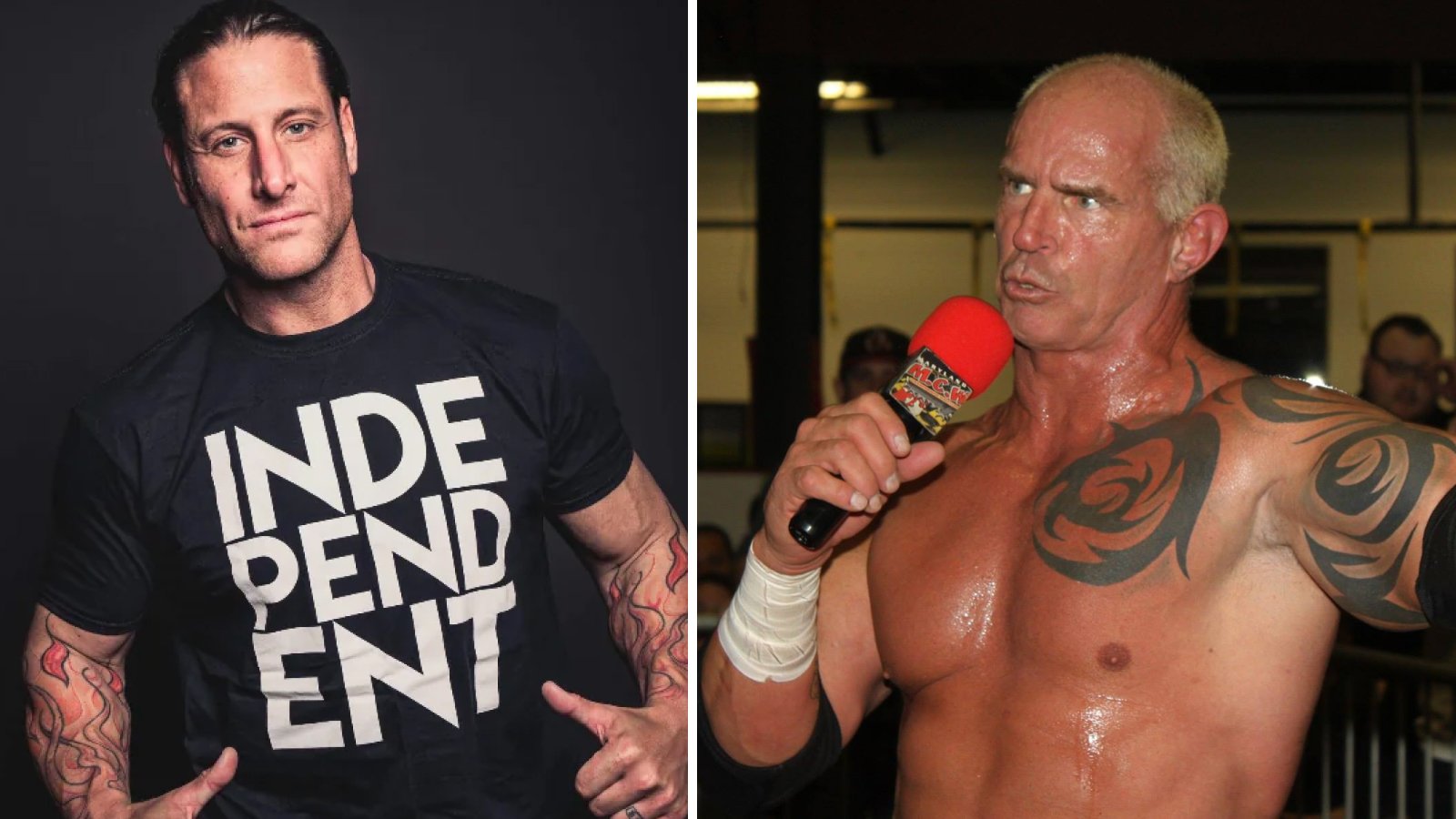
Bob Holly and René Duprée crossed paths again at a 2017 wrestling convention, where Holly confronted Duprée about lingering bad blood. Holly later explained he thought their past issues were resolved, while Duprée still harbored frustration over the old backstage dispute, illustrating that time hadn’t fully healed their professional rift. Photo Credit: René Duprée.
The bad blood between Bob Holly and René Duprée didn’t end with the 2004 incident. More than a decade later, in 2017, the two wrestlers would have another confrontation, this time at a wrestling convention attended by fans and other wrestlers.
During an interview with the Two Man Power Trip podcast, Holly recounted his version of this later encounter: “René was saying how the next time he saw me that he was going to beat me up. So, I was like, René is here, and there’s Sylvan (and I love Sylvan), so I wanted to say hi to Sylvan anyway.”
According to Holly’s account, when he approached Duprée at the convention, the French-Canadian initially shook his hand but then became confrontational. “He just said very arrogantly, ‘Well, I opened up this WWE Magazine, and I saw you were talking about and bragging about kicking me in the head.'”
Holly’s response was characteristically direct. “I said, ‘You did say the next time you saw me that you were going to beat me up. Now I am standing right here, so what are you going to do?”
The confrontation reportedly ended without violence, but it demonstrated that more than a decade after the original incident, neither man had fully moved past their animosity.
WWE’s Old School Mentality vs Modern Wrestling Workplace Safety
Hardcore Holly’s legacy in WWE is often tied to his reputation as a tough, no-nonsense locker room veteran, but his stiff treatment of René Duprée as well as his handling of other matters over the course of his career cemented his image as aggressive towards others. Photo Credit: WWE.
The Hardcore Bob Holly and René Duprée incident occurred during a transitional period in professional wrestling, as the industry slowly began moving away from the hyper-masculine, hazing-heavy culture that had dominated for decades.
However, as this case demonstrated, old-school attitudes about respect, hierarchy, and discipline were still deeply entrenched in WWE’s locker room in 2004.
The incident was a clear reminder of how wrestling’s distinct culture – with its emphasis on toughness, respect for veterans, and secretive nature – could sometimes enable and even encourage workplace violence. The fact that Hardcore Holly received only a financial penalty while avoiding termination sent an unmistakable, vivid message about WWE’s priorities during this era.
The case also highlighted the vulnerable position of young wrestlers entering the industry. Despite Duprée’s impressive size and wrestling ability, he was still subject to the whims and violent impulses of veterans who felt he had violated their codes of conduct.
How a Traffic Ticket Changed WWE Backstage Politics
René Duprée arrived in WWE as a prodigious talent, combining athleticism, size, and charisma that positioned him as a potential future World Champion at just 19 years old. However, repeated backstage incidents, including stiff treatment and altercations with veterans like Hardcore Holly, along with locker-room heat, ultimately derailed his momentum. Photo Credit: WWE.
More than two decades later, the Bob Holly vs. René Duprée incident remains one of the most brutal boundary-crossing and unprofessional examples of real-life violence in modern wrestling history.
The incident exposed the risks of unchecked power and toxic work environments in professional wrestling and demonstrated how seemingly minor infractions could spiral into life-altering violence when filtered through the sport’s unique blend of machismo, hierarchy, and institutional tolerance for brutality.
For Holly, the incident remains one of the more controversial moments of his career, echoing in some ways the same no-nonsense attitude he displayed toward Matt Cappotelli in 2002. While some saw his actions as old-school locker room justice, others viewed them as an indefensible assault on a younger colleague who posed no real threat.
For Duprée, the attack became a defining moment that affected not just his WWE career but his entire relationship with the wrestling business. The psychological trauma of being assaulted by a colleague, potentially with management’s knowledge, left scars that persisted long after his physical injuries healed.
In the world of professional wrestling, sometimes the most brutal battles happen not in the ring, but behind the curtain, where a simple parking ticket can ignite a feud that burns for decades.
Pro Wrestling Stories is committed to accurate, unbiased wrestling content rigorously fact-checked and verified by our team of researchers and editors. Any inaccuracies are quickly corrected, with updates timestamped in the article's byline header.
Got a correction, tip, or story idea for Pro Wrestling Stories? Contact us! Learn about our editorial standards here. Ever wanted to learn more about the people behind Pro Wrestling Stories? Meet our authors! Want to write for us? Learn how to join the team.
Quick Tip for Facebook Readers
Many of our readers find us through
our Facebook page.
Meta's built in browser (which opens by default on mobile) can occasionally freeze mid article, a known issue unrelated to our site.
For uninterrupted reading: tap the three dots in the top right corner then select 'Open in external browser'.
That usually resolves the glitch. Thanks for your support and we want your wrestling stories to stay as smooth as a top rope hurricanrana!
ProWrestlingStories.com participates in affiliate marketing programs. This post may contain affiliate links, meaning we may earn commissions at no extra cost to our readers. This supports our mission to deliver free content for you to enjoy!
If you love movies and pro wrestling, don’t sleep on this one.Grindhouse, Arthouse, and Wrestling Flicks by Pro Wrestling Stories Senior Editor Evan Ginzburg dives into the fascinating world where cinema and wrestling collide. Packed with hundreds of reviews, hidden gems, and fascinating turns from wrestlers on the big screen, it covers everyone from André the Giant and Roddy Piper to CM Punk, DDP, Chris Jericho, Pat Roach, and The Rock. Smart, passionate, and endlessly browsable, it’s the kind of book fans will keep returning to. Grab your copy today!
JP Zarka is the founder of Pro Wrestling Stories, established in 2015, where he serves as a senior author and editor-in-chief. From 2018 to 2019, he hosted and produced The Genius Cast with Lanny Poffo, brother of WWE legend “Macho Man” Randy Savage. Beyond wrestling media, JP’s diverse background spans education as a school teacher and assistant principal, as well as being a published author and musician. He has appeared on the television series Autopsy: The Last Hours Of and contributed research for programming on ITV and the BBC. JP is a proud father of two daughters and a devoted dog dad, balancing his passion for history and storytelling with family life in Chicago.
 Author: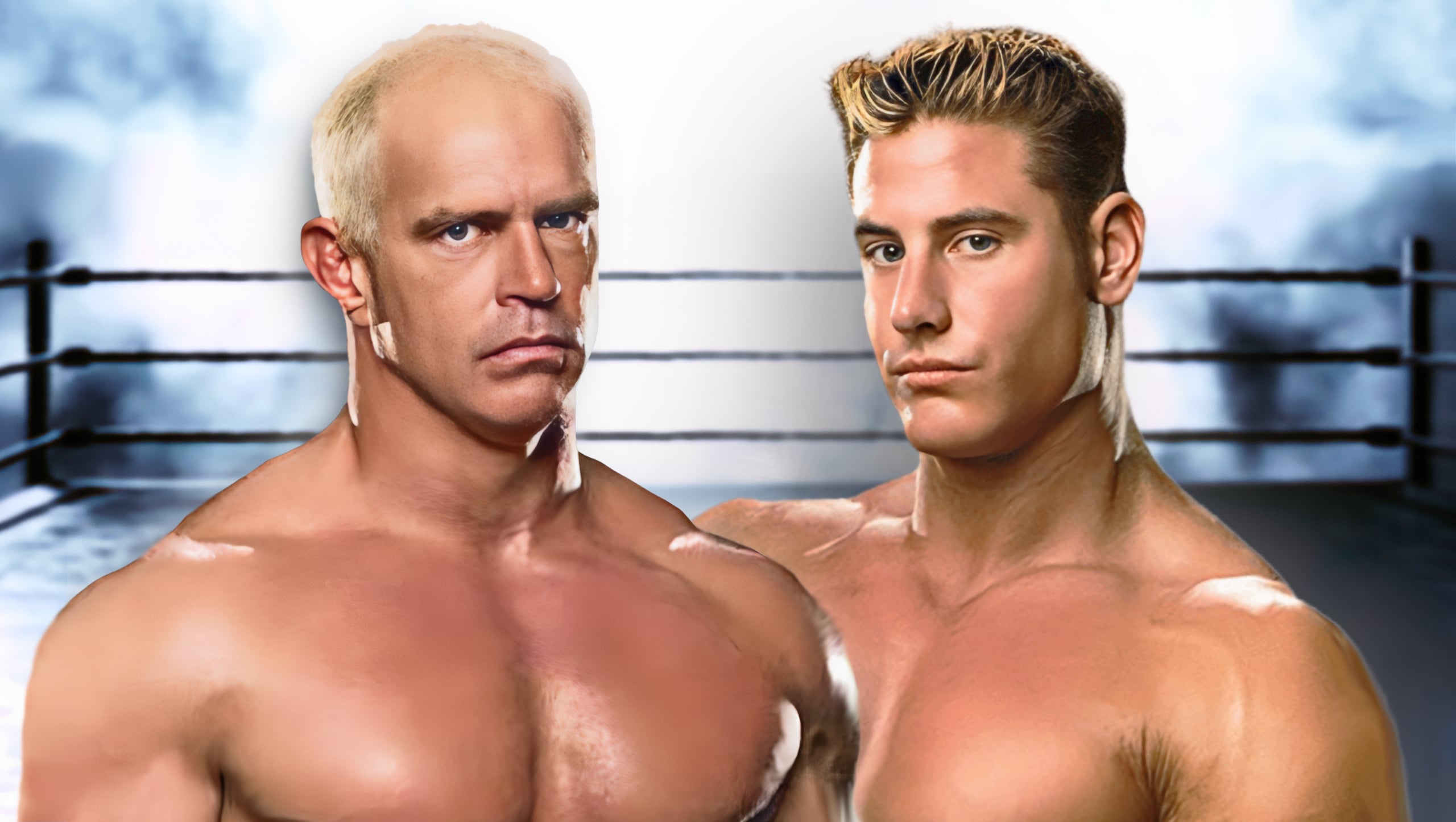



 If you love movies and pro wrestling, don’t sleep on this one.
Grindhouse, Arthouse, and Wrestling Flicks by Pro Wrestling Stories Senior Editor Evan Ginzburg dives into the fascinating world where cinema and wrestling collide. Packed with hundreds of reviews, hidden gems, and fascinating turns from wrestlers on the big screen, it covers everyone from André the Giant and Roddy Piper to CM Punk, DDP, Chris Jericho, Pat Roach, and The Rock. Smart, passionate, and endlessly browsable, it’s the kind of book fans will keep returning to. Grab your copy today!
If you love movies and pro wrestling, don’t sleep on this one.
Grindhouse, Arthouse, and Wrestling Flicks by Pro Wrestling Stories Senior Editor Evan Ginzburg dives into the fascinating world where cinema and wrestling collide. Packed with hundreds of reviews, hidden gems, and fascinating turns from wrestlers on the big screen, it covers everyone from André the Giant and Roddy Piper to CM Punk, DDP, Chris Jericho, Pat Roach, and The Rock. Smart, passionate, and endlessly browsable, it’s the kind of book fans will keep returning to. Grab your copy today!