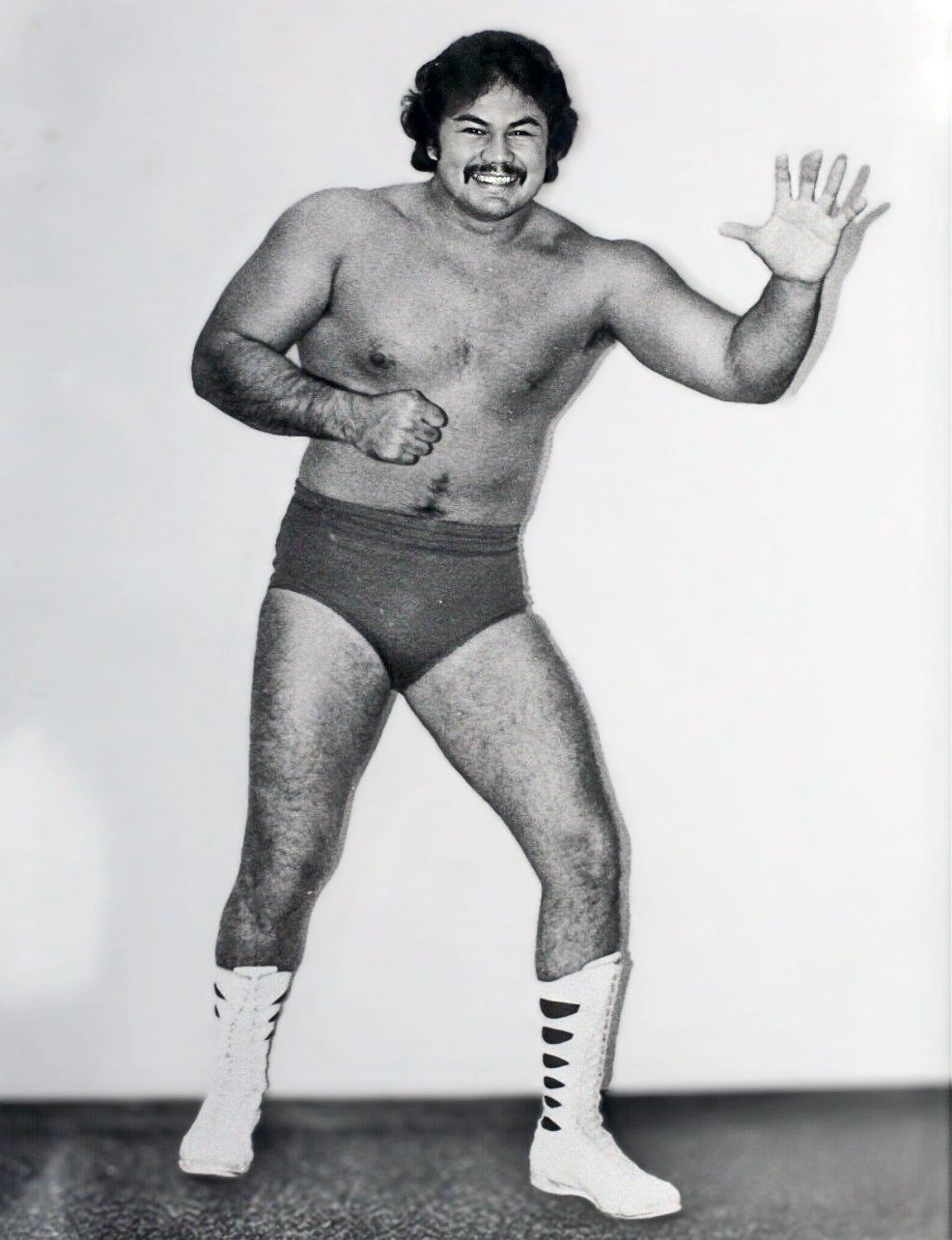
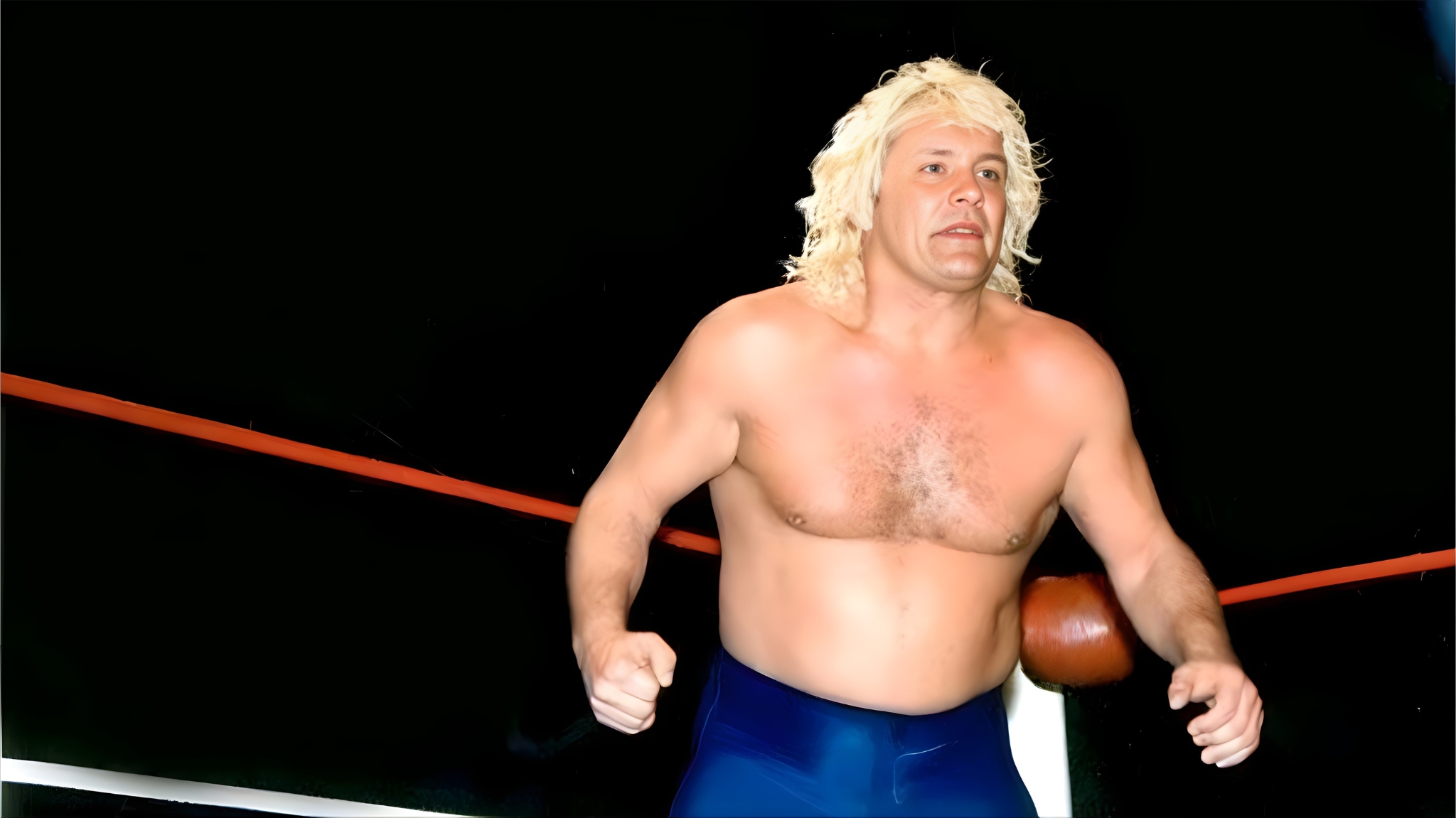
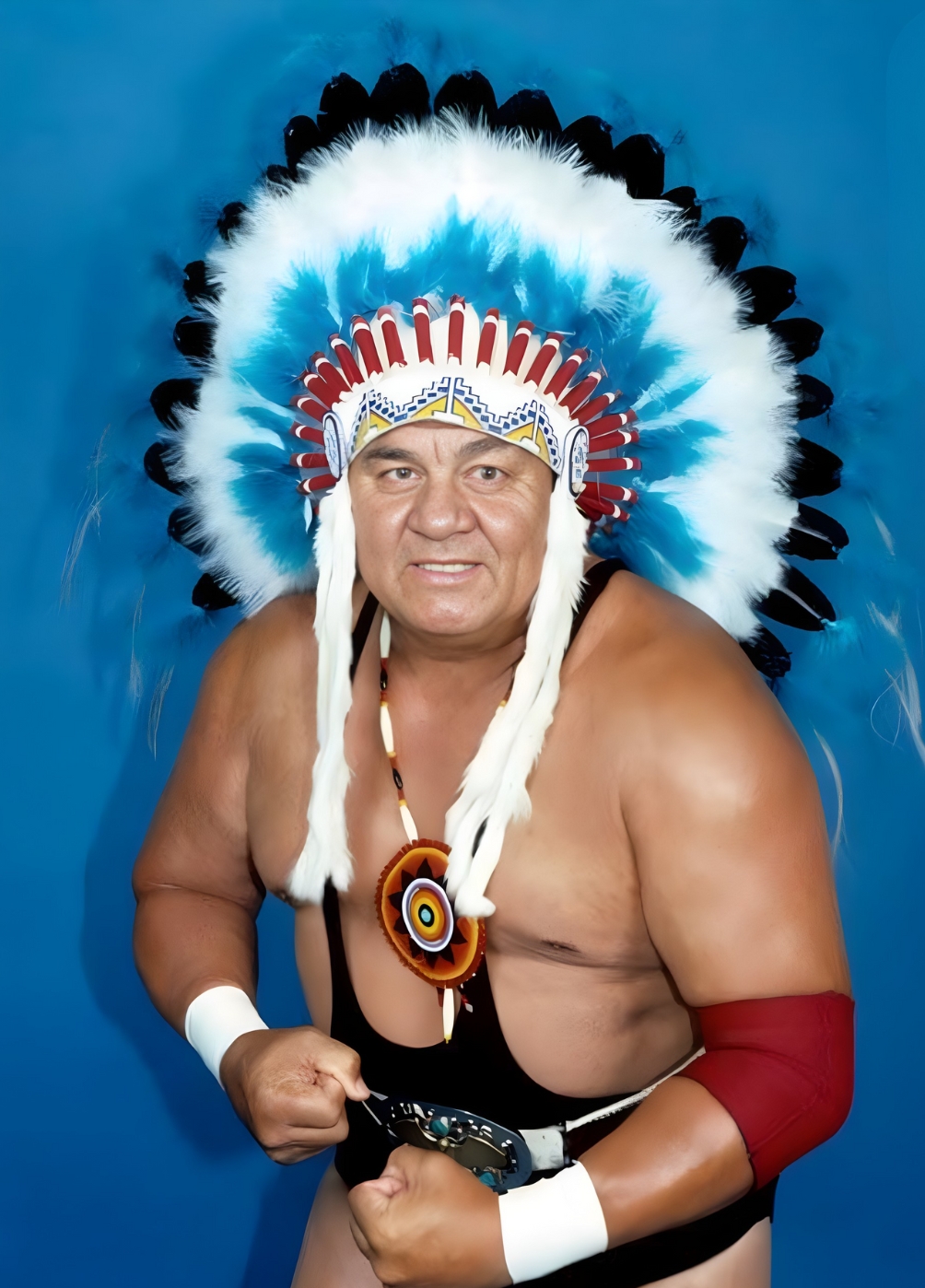
In the heart of San Antonio, Texas, a wrestling territory rose as a promotion that challenged wrestling’s establishment with fierce determination and Texas-style brutality. Southwest Championship Wrestling (SWCW) emerged under the vision of promoter Joe Blanchard and his ambitious son, Tully, during the late 1970s and early 1980s. Operating as an independent NWA-affiliated territory, they carved out their own identity and became a proving ground for legendary wrestlers and innovative feuds that captivated loyal fans across South Texas. From stiff matches and brutal rivalries to the development of future superstars, SWCW left a unique and memorable mark on wrestling history until its sad demise in 1985.
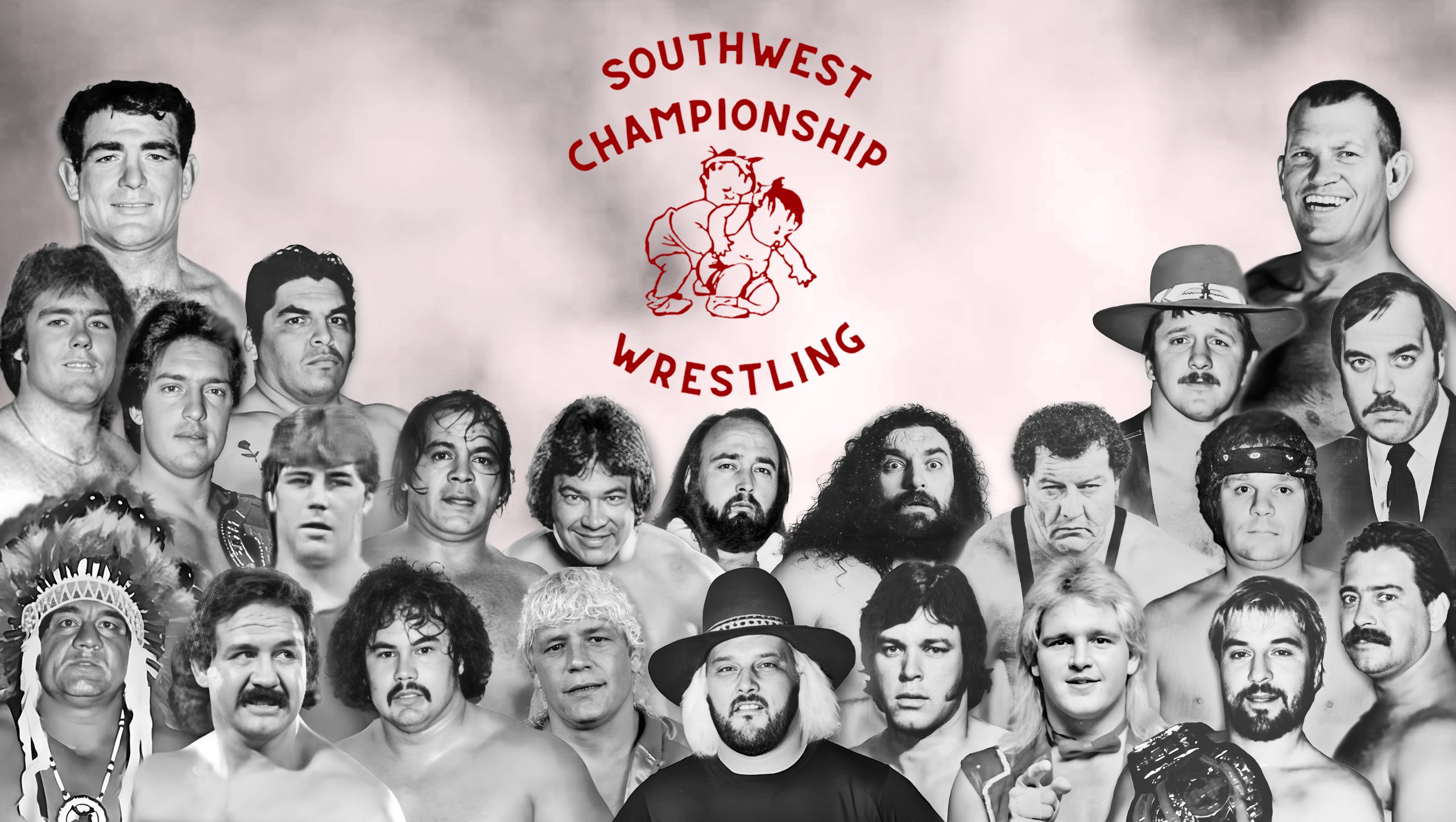
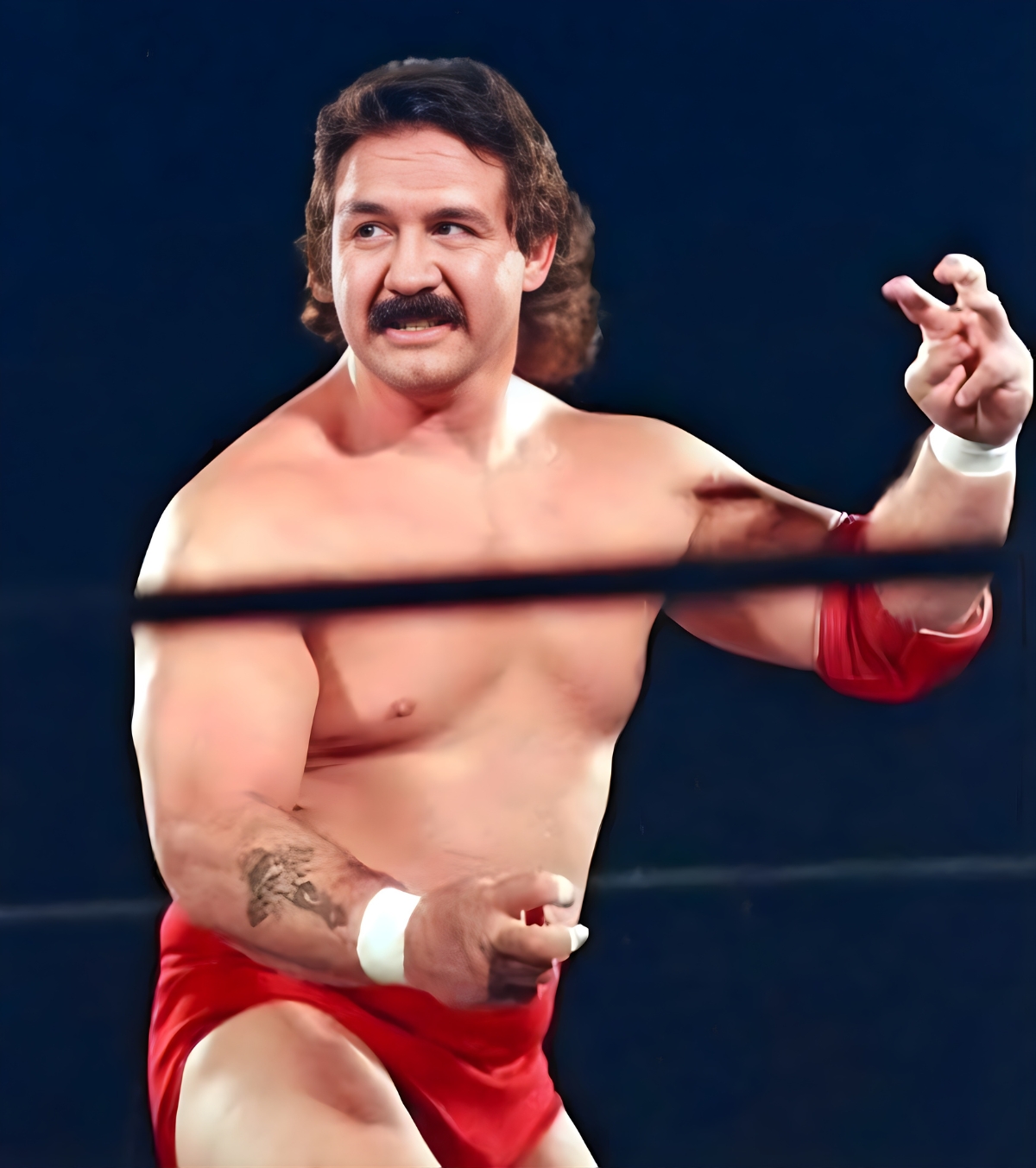
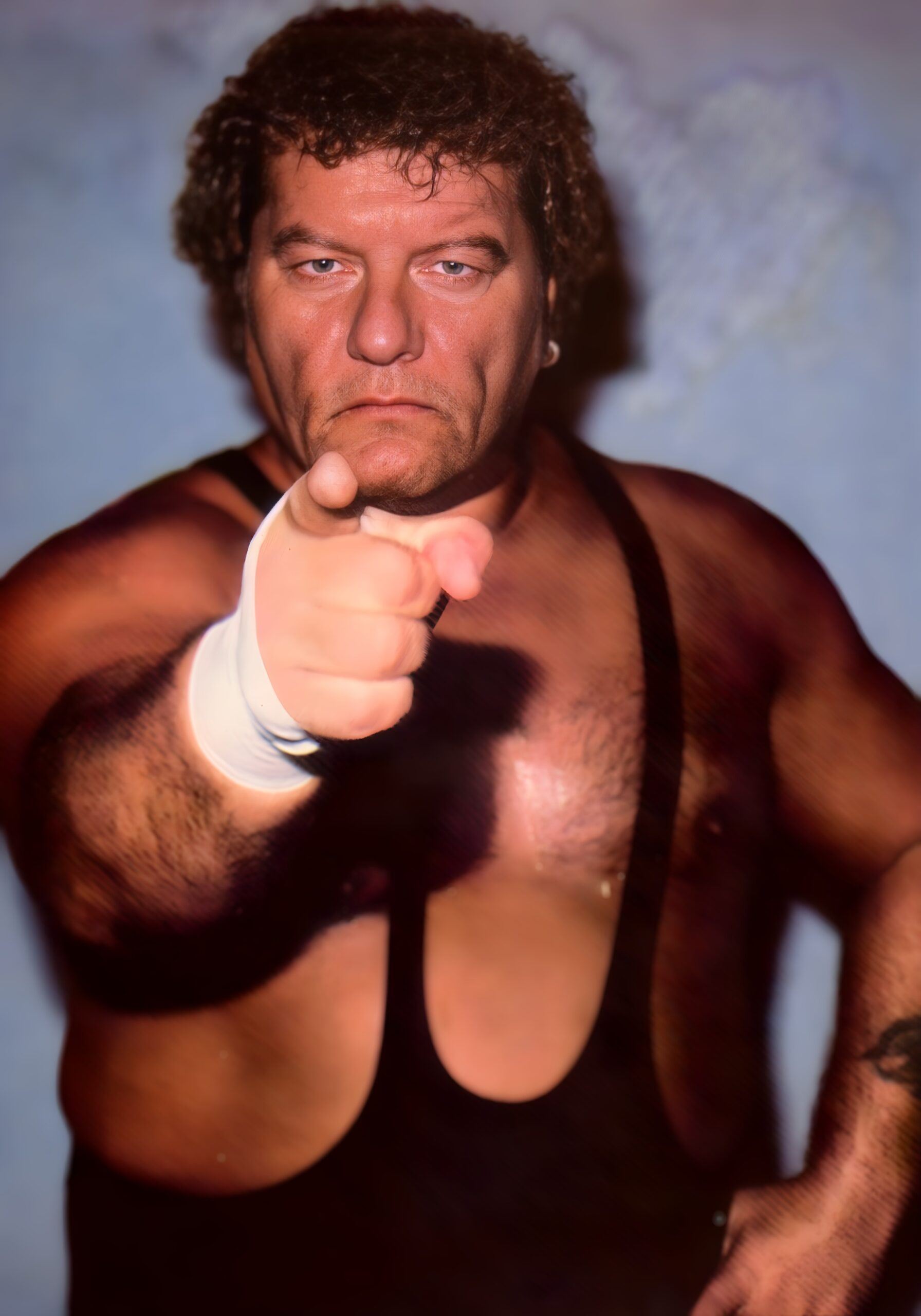
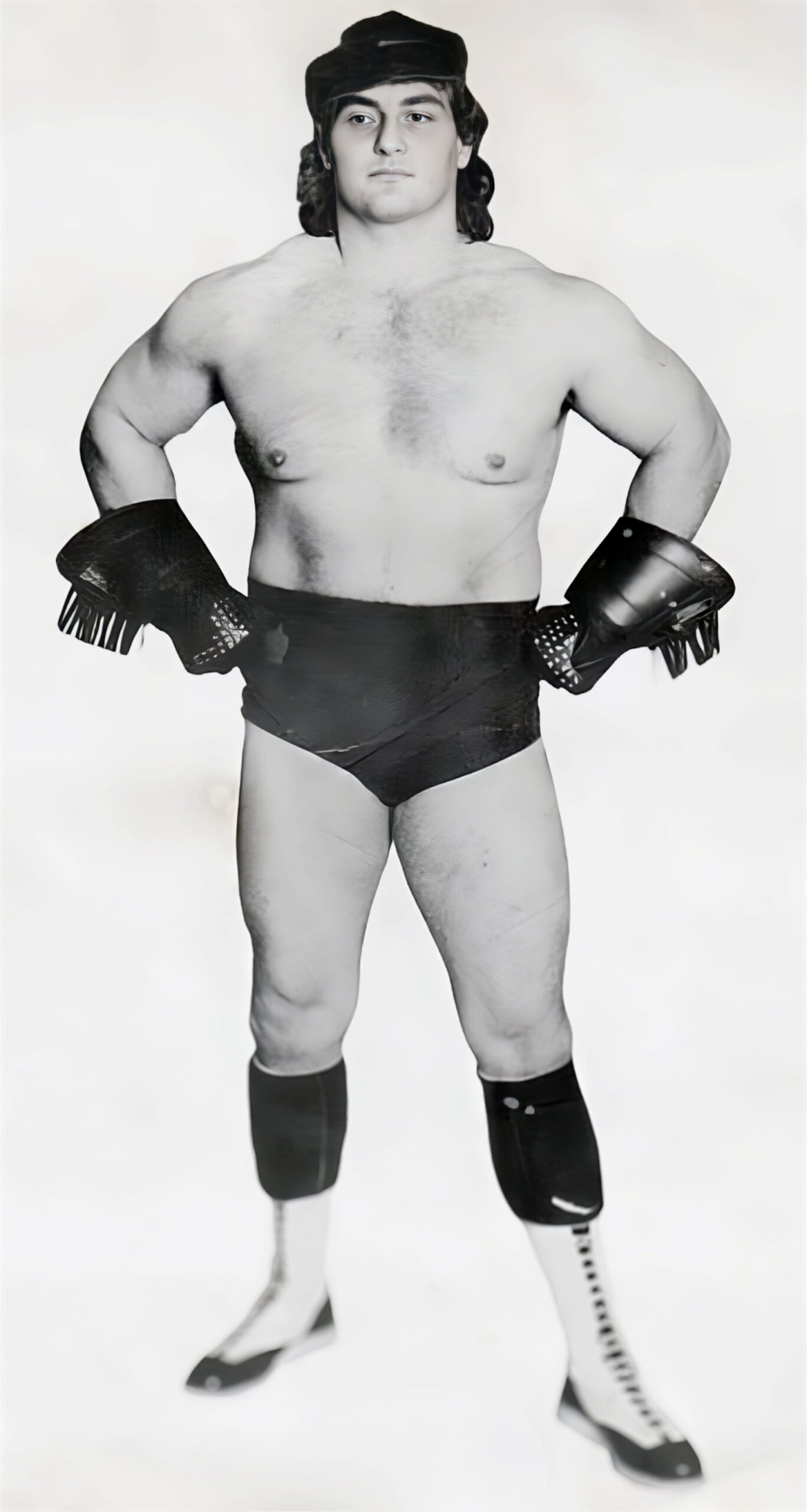
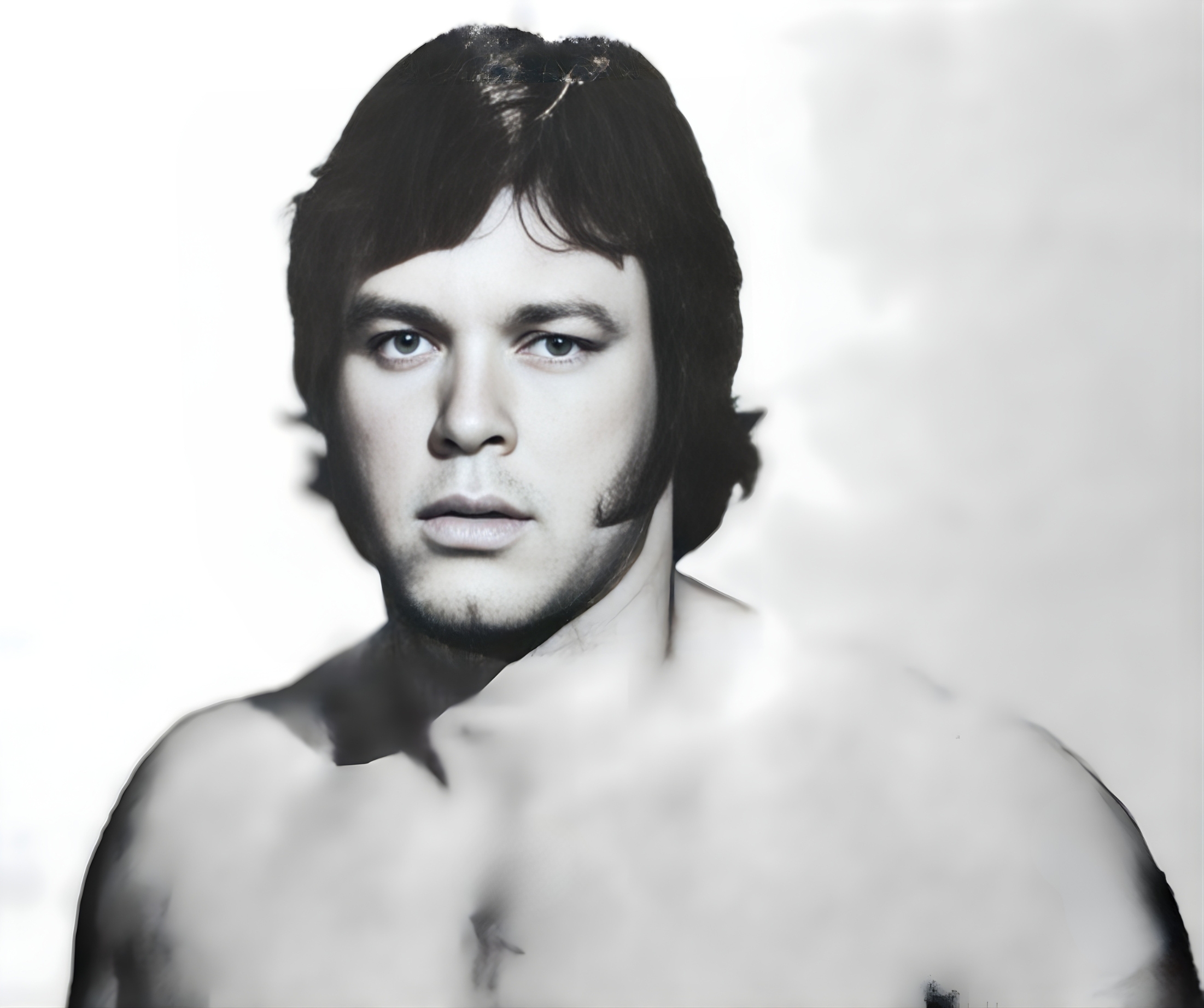
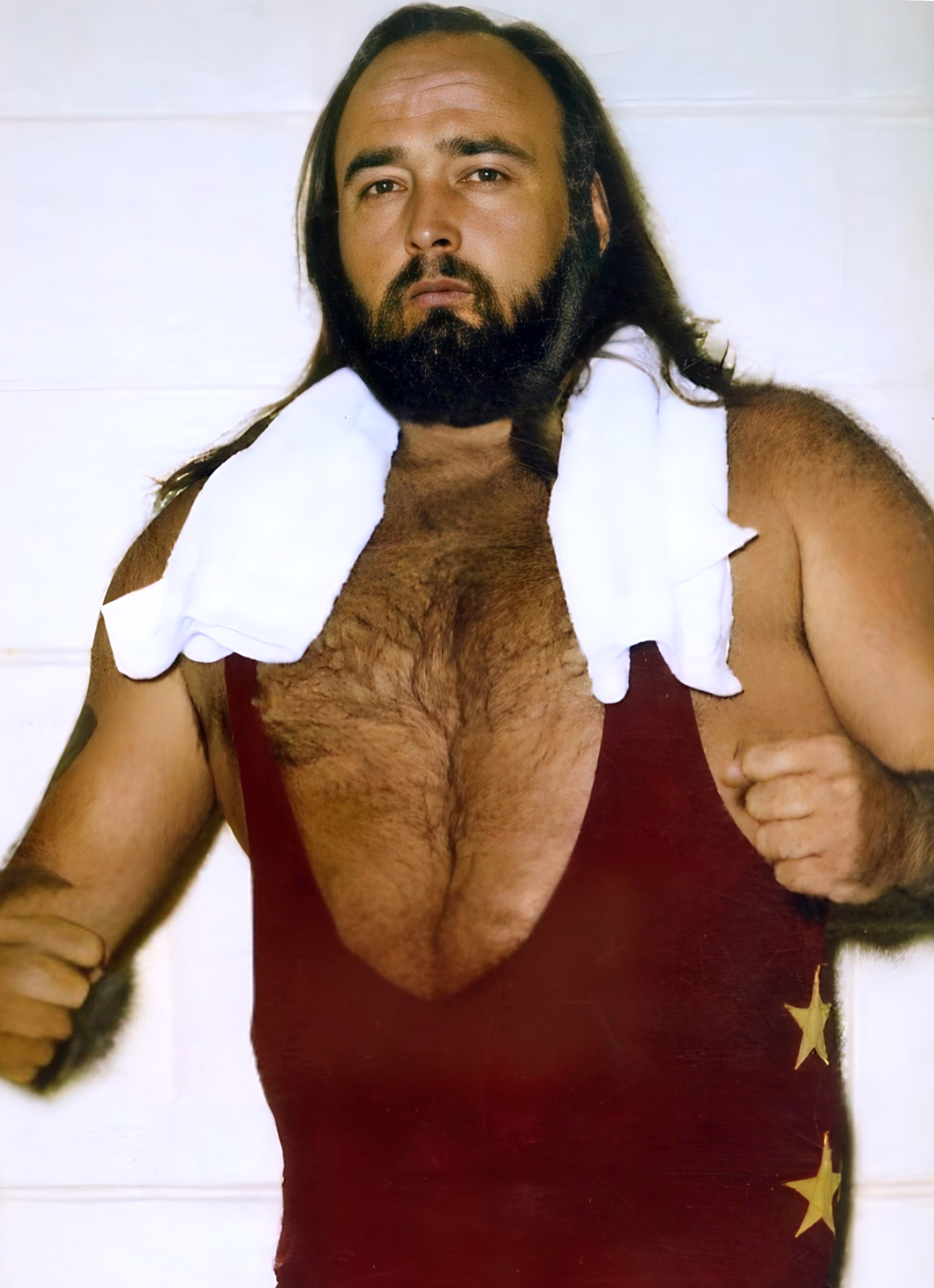
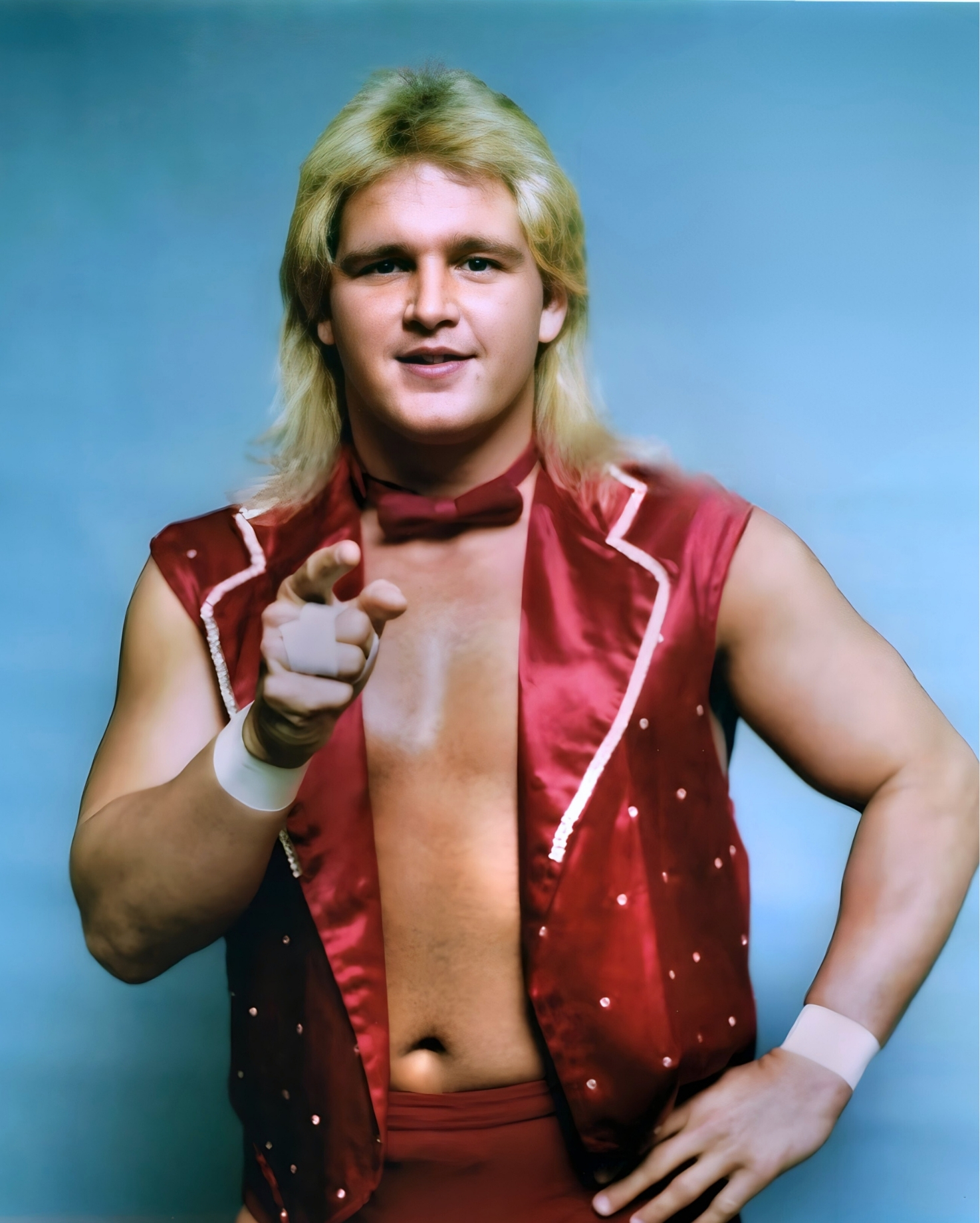
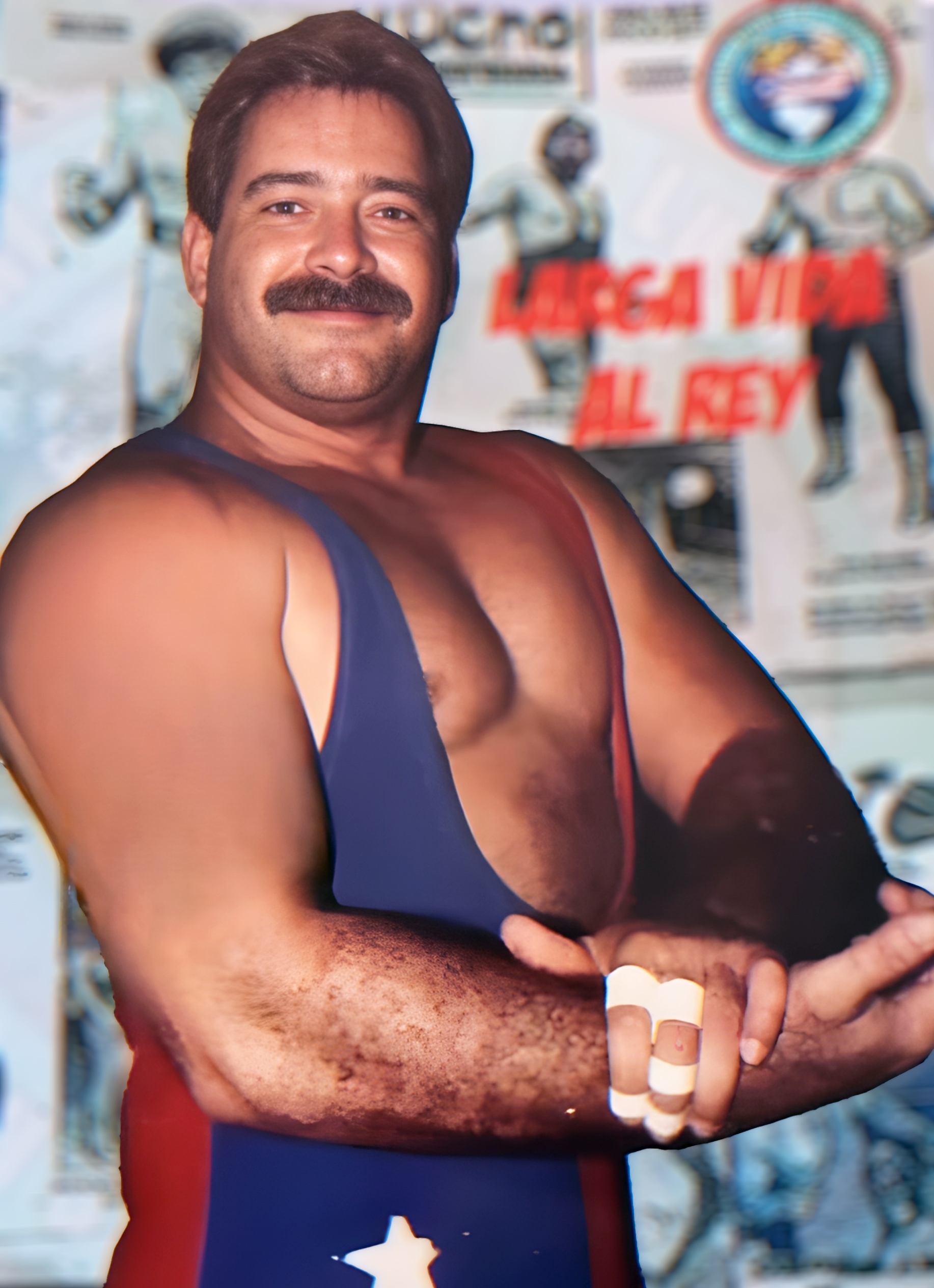
The Southwest Championship Wrestling (SCWF) territory, under the leadership of Joe Blanchard in San Antonio, thrived with stars such as (from left to right, row 1) Wahoo McDaniel, Manny Fernandez, Al Madril, Dale Hey (Buddy Roberts), Bobby Jaggers, Scott Casey, Bobby Fulton, Eric Embry, Chicky Starr, (row 2) Gino Hernandez, Shawn Michaels, Jose Lothario, Chavo Guerrero Sr., Tim Brooks, Bruiser Brody, Bob Sweetan, Dick Slater, (row 3) Tully Blanchard, Rudy Boy Gonzales, Terry Funk, "Playboy" Gary Hart, (top row) Joe Blanchard, and Fritz Von Erich. Artwork by Pro Wrestling Stories.
Quick Tip for Facebook Readers
Many of our readers connect with our content through our Facebook page. However, Meta's built-in browser (which opens by default on mobile) occasionally freezes mid-article- a known issue unrelated to our site. To enjoy uninterrupted reading: Tap the three dots in the top right corner → Select 'Open in external browser.' This will resolve the glitch. Thanks for your support. We want your wrestling stories to stay as smooth as a top-rope hurricanrana!
Jim Phillips, author of this article and one of the great wrestling historians here at Pro Wrestling Stories, is in the challenge of his life after being paralyzed on January 21st, 2023. Learn his story and how you can help him reach his goal of taking his first steps again!
Welcome back, wrestling fans, to another exciting installment of the Wrestling Territories. Our last adventure took us to Lexington, Kentucky, where we explored the rebellious and innovative International Championship Wrestling (ICW), the Poffo family promotion that dared to challenge wrestling’s establishment. We now head south from Kentucky, journeying through the scenic Appalachian foothills of Tennessee, crossing the Mississippi River basin, and rolling through the vast plains of Arkansas and into the Lone Star State. Our final destination today leads us to San Antonio, Texas, home of Southwest Championship Wrestling (SWCW), the bold territory run by the Blanchard family that fiercely challenged wrestling’s dominance!
The Rise of Southwest Championship Wrestling (SWCW): Texas’s Tenacious Territory
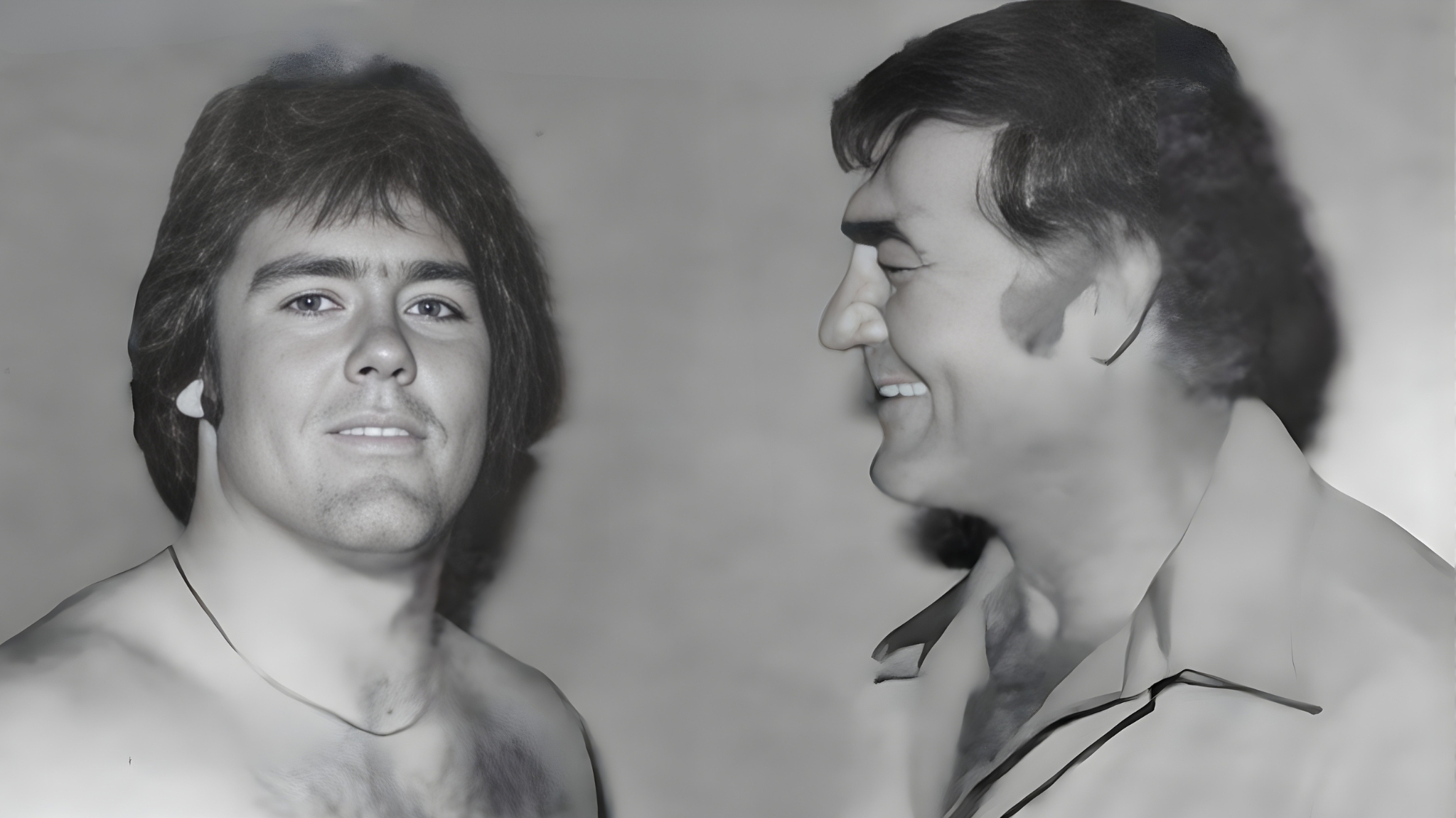
Joe Blanchard (right) with his son, Tully Blanchard, during the early years of Southwest Championship Wrestling. The father-son duo would transform San Antonio into a wrestling powerhouse. Photo Credit: Southwest Championship Wrestling archives / JADAT Sports Inc.
Welcome back, wrestling fans. As we make our way through the territorial wrestling landscape, let’s take a quick stop in San Antonio for a look back on the small but mighty promotion run by Joe Blanchard, called Southwest Championship Wrestling. SWCW was only in operation for a little under a decade, but it brought a Texas-style of rasslin’ that left the locals screaming for more.
While SWCW operated under the NWA banner, the Blanchard family distinguished themselves through independent booking decisions and a willingness to forge their own path within the territorial system. They did their own thing for a short time and set a footprint that has been lost in the sands of wrestling time. We’re here to preserve SWCW’s story – honoring the wrestlers who bled for it and celebrating the fans who lived and breathed it.
Joseph Edgar Blanchard: From Oil Country to Promoter
Joseph Edgar Blanchard: From two-sport college athlete to Canadian Football League player to professional wrestling promoter and patriarch of the Blanchard wrestling dynasty. His vision transformed San Antonio into a wrestling powerhouse. His legacy lives on through his son, Tully Blanchard, and granddaughter, Tessa Blanchard, who continue the family’s mark on professional wrestling. Photo Credit: Terry Dart.
Joseph Edgar Blanchard was born on December 15th, 1928, just after the oil boom in dusty Haskell, Oklahoma. There were only so many ways to make your mark in that part of the country at that time. A life toiling in the oil and gas industry or following your abilities in sport, and the sport of Texas has always been football.
He applied himself to the latter and made his way to Kansas State University, as opposed to one of the big Texas schools. Blanchard was a two-sport athlete and got more accolades on the mat than on the gridiron. He won the Big 7 wrestling tournament in 1950, but as his college years ended, it was football that looked to take him to the next level, so he pursued a career in the Canadian Football League. He played there for four years before realizing the money he could make in professional wrestling compared to what he was making in the CFL.
Joe had built an association with some of the wrestlers from Stampede Wrestling, who were also in Calgary and played in the CFL. He got with Gene Kiniski and Wilbur Snyder and began to ply his trade and learn the basics. It wasn’t long before he grasped how to work safely and manipulate the crowd, and Joltin’ Joe Blanchard had his name out there and started to hit the road.
He ventured to Hawaii to 50th State Big Time Wrestling, where he found success and became affiliated with the NWA, winning his first championship, the NWA Hawaii Tag Team Championship, twice with his partner, Lord James Blears, on November 2, 1958, and April 15, 1959. From there, Blanchard followed the NWA to Big Time Wrestling in Texas, which was the forerunner to World Class Championship Wrestling.
There, he won the NWA Texas Heavyweight Championship twice. His first reign came on December 3, 1963, in Dallas, when he defeated Billy White Wolf and held the title for 204 days until losing it to Tokyo Tom on June 24, 1964, in Houston. His second championship reign came on November 21, 1966, in Fort Worth, when he captured the title from Fritz Von Erich. However, Fritz would reclaim the belt just 56 days later on January 16, 1967, in a struggle that defined their intense rivalry throughout the territory.
The Fritz Von Erich Connection
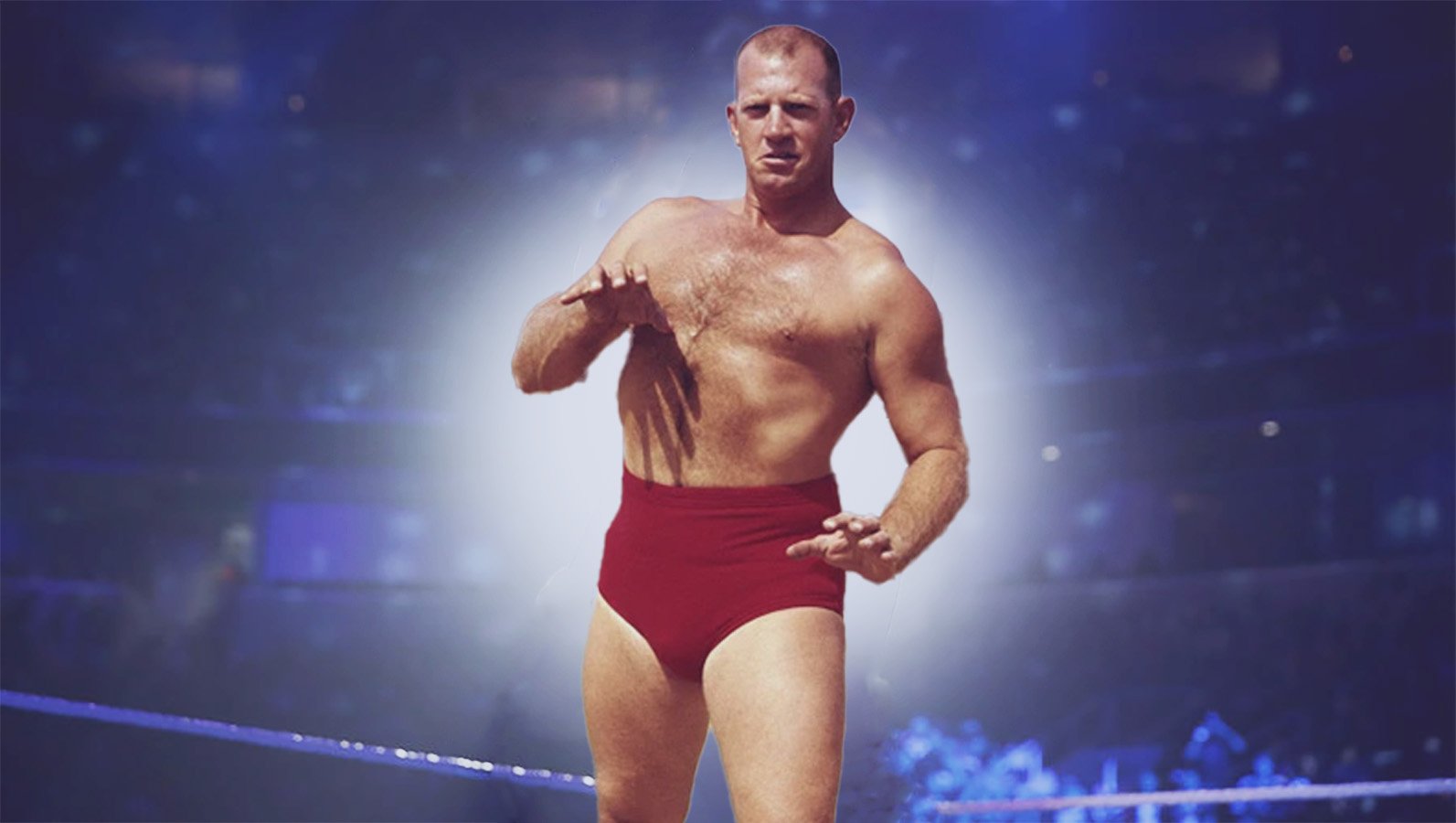
Fritz Von Erich, the visionary promoter whose influence extended throughout Texas territories and set the stage for one of wrestling’s most complex rivalries. Photo Credit: World Class Championship Wrestling archives / WWE. Artwork by Pro Wrestling Stories.
This meeting would lead to the two men forming a loose business relationship that would not turn out in the friendly way in which it began. Make no mistake, Fritz (Adkisson) Von Erich was a shark, looking for the next meal or way to get over. In those days, there was no promotion machine behind the wrestlers, and the only thing that got you up in the business was holding titles and clawing your way to the NWA World Heavyweight Championship, with some claws being more formidable than others.
Before he made San Antonio his home, Blanchard worked for a time in Indianapolis as an announcer for Jim Barnett. Barnett, a stalwart of the wrestling community at that time, had ventured into Indiana to expand the NWA operations that he and Fred Kohler had going on in Chicago. Barnett would record programming from Indianapolis and send it to Kohler for use in his Marigold market.
Fritz leveraged his muscle to open a spot for Joe in San Antonio to help establish what he thought would be a puppet territory he could use to expand his own interests. Fritz had local wrestling businessman Fred Behrends in place to try to guide Blanchard and keep things moving in a direction that benefited him. As is often the case in life, and for the Von Erichs, things didn’t go as the powerful patriarch had planned.
Not everyone in World Class Championship Wrestling was in approval of the insertion of Joe Blanchard into the Texas wrestling lexicon. Gary Hart was particularly harsh and harbored resentment toward Joe for how he had obtained his own territory. In his highly-sought-after memoir, Playboy Gary Hart: My Life in Wrestling, Hart characterized Joe as “an overrated announcer that had no grasp for the business,” a sentiment that would define their contentious relationship throughout SWCW’s existence.
Possibly not having to claw his way into being a promoter gave Joe a more laid-back approach to booking that Hart was averse to. Whatever the case, there was definite heat between the two, if only on Hart’s end of the situation. Either way, Joe was in, and Hart had to bite that bullet, even though he would try to subvert and embarrass Joe at any opportunity.
Tully Blanchard: The Promoter’s Son
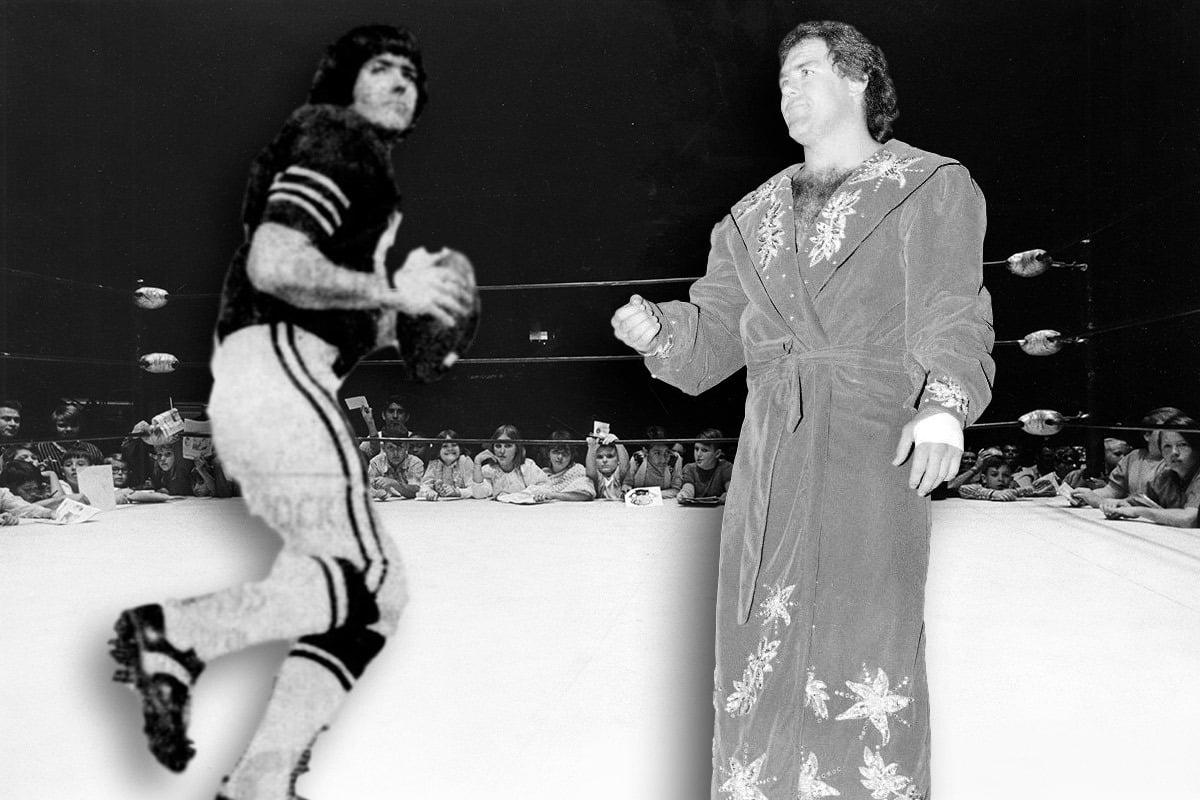
Tully Blanchard: From Texas football star to professional wrestling’s most arrogant heel. The quarterback who would become Southwest Championship Wrestling (SWCW)’s first champion and help build his father’s territory into a wrestling hot spot. Artwork by Pro Wrestling Stories.
Tully Blanchard was born on January 22, 1954, in Calgary, Alberta, Canada, and the wrestling business was the world he lived in from a very early age. He did odd jobs for his father and other promoters in local arenas, ranging from program hawker to beverage tender at age ten. As he grew up, so did his knowledge of the business.
Like most young men growing up in Texas, football was a religion for Tully. Chasing that dream from the quarterback position added to the burgeoning ego that being the son of the local wrestling promoter would give him the potential to take him to the next level in the business. To say that he learned to embrace the flash of it all at a young age would be remiss of the reality of who he was and the times he lived in.
His gridiron abilities took him to West Texas State University, where he played quarterback and eventually defensive end. This was one of the hot spots for generating wrestling superstars of the era. It’s safe to say that only Minnesota could have churned out as many amateur athletes who went on to professional wrestling in those years as it did.
While preparing for his final collegiate season at West Texas State, Tully was involved in a devastating car accident that pushed him to the brink of death. Sitting in the car with the window partially down and his arm hanging out, Tully’s vehicle collided with another car. The impact shattered the glass, severely lacerating his chest and slicing through the muscles in his throwing arm – the very limb that defined his value as a quarterback. He required nearly 500 stitches to close the wounds.
“I was a right-handed quarterback, and I damaged my right arm,” Tully would later reflect. “I was cut from the middle of my chest down through my underarm to the middle of my back. I had been out on a country road with a friend of mine and we had been out drinking and smoking pot and chasing around after people and just basically not being very responsible. At 19, I thought I was an expert at everything. There I was lying, bleeding to death on the side of the road. At one point, I felt myself relax to die, felt myself drift away, and then come back because I didn’t want to miss the party on Friday. I didn’t want to miss the date with the girls, the cheerleaders, my chance at being a star when I went to West Texas State.”
Against all odds, Tully refused to let the injury define his future. Working with Dallas Cowboys quarterback Roger Staubach over the summer, he rebuilt his strength despite knowing his throwing distance would never fully return. When he walked on to the West Texas State football team that fall, just four months after the accident, he not only made the roster, he beat out two seniors to win the starting quarterback job. He hid the extent of his injury from coaches, letting his performance speak for itself.
Making the transition to the ring came easily for Tully. He began selling programs and refreshments at the arenas at age ten and worked as a referee in his teenage years before leaving for WTSU.
He started his training with Jose Lothario when he was twenty-one, and at the same time, his father began to teach him the inner workings of the business, with the idea that Tully would take it over from him someday.
Sadly, with SWCW and many other family-operated territories, the menacing WWE corporate machine was gaining strength in the East and would eventually come for them all.
Tully had his official break into the business in a match between himself, Joe, and the Funks. They got over it, and the men turned it into a full-blown feud that set the young man off and running.
The Southwest Championship Wrestling territory now had working relationships with Dallas and Amarillo, and Houston soon joined the mix as things started to take off, exchanging talent to heat up the scene. Texas wrestling was only growing, and everyone was working to make it the biggest thing out there, even if at times things were tenative between promotions and bookers.
With hundreds of amazing Pro Wrestling Stories to dive into, where do you start? Get the inside scoop – join our exclusive community of wrestling fans! Receive 10 hand-picked stories curated just for YOU, exclusive weekly content, and an instant welcome gift when you sign up today!
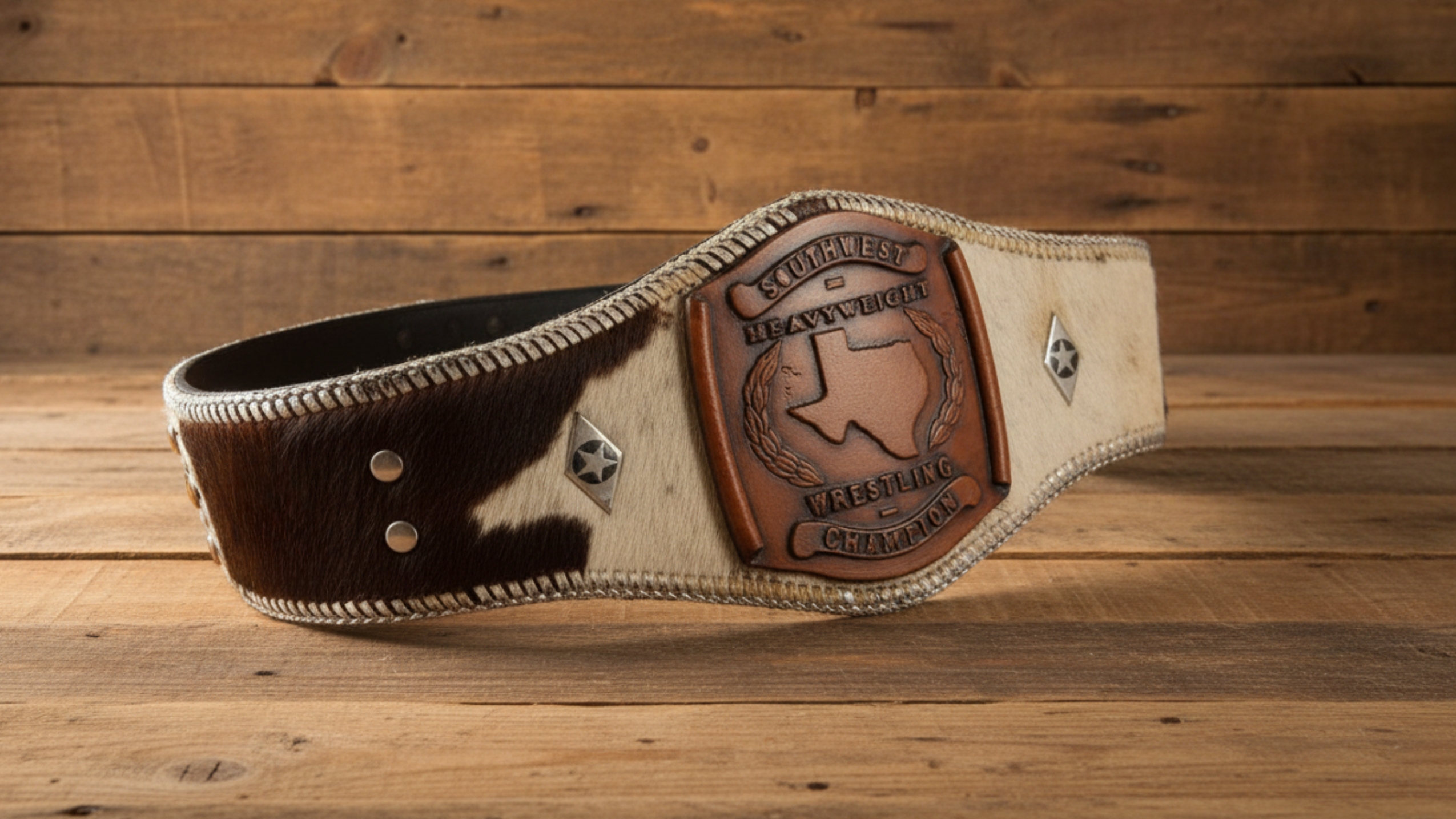
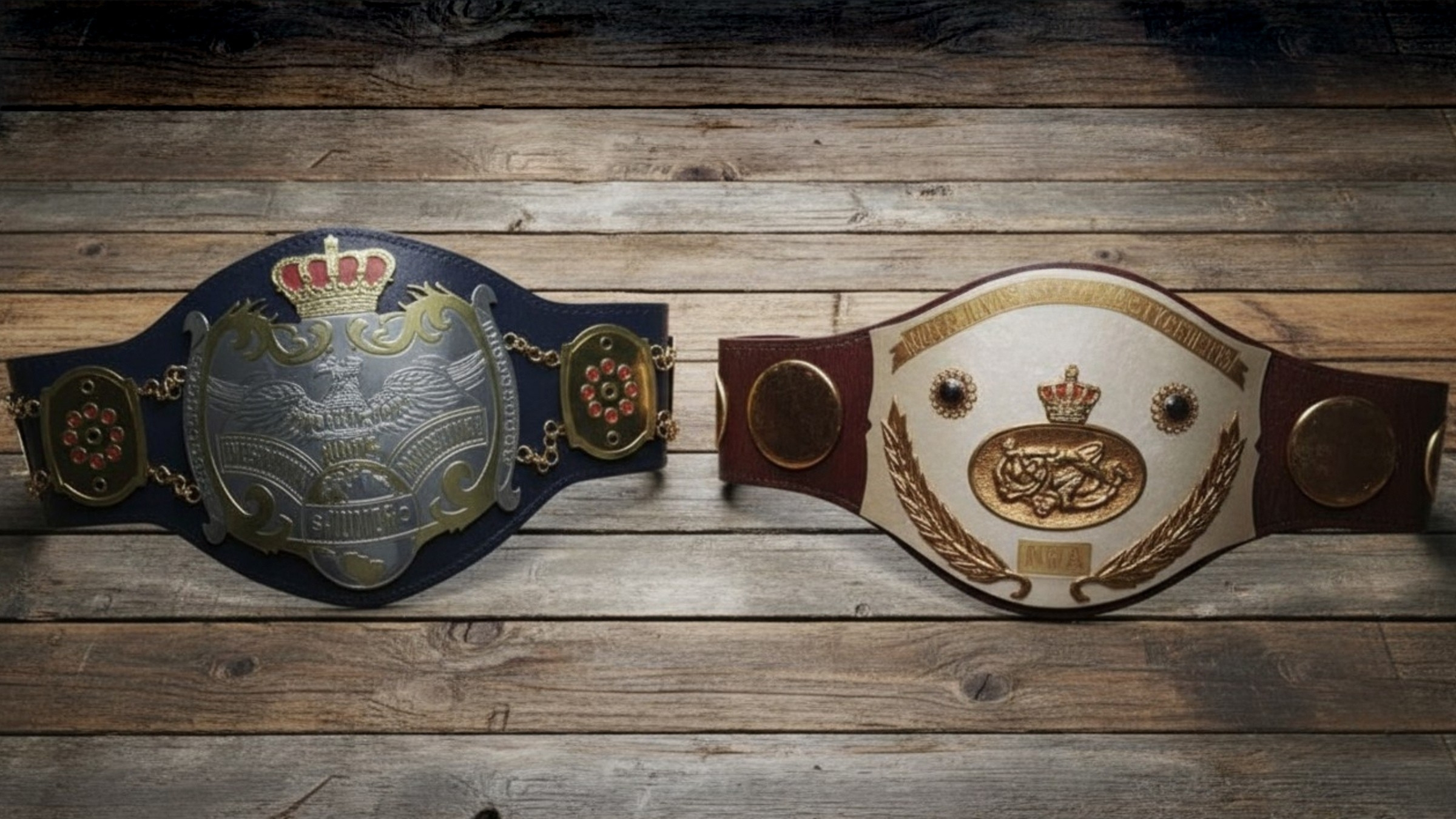
The Southwest Wrestling Heavyweight Championship: A Stunning Cowhide Belt Fitting for South Texas
The Southwest Wrestling Heavyweight Championship: A symbol of Texas wrestling excellence. This one-of-a-kind belt, crafted from premium cowhide leather with ornate metalwork, represented the pinnacle of championship glory in the Southwest Territory. Artwork by Pro Wrestling Stories.
In February of 1978, SWCW launched its premier title with a tournament where Tully won the Southwest Television Title. This championship would evolve into the Southwest Wrestling Heavyweight Championship a year later, becoming the most sought-after title in the promotion.
The belt itself was a one-of-a-kind masterpiece, crafted from premium cowhide leather with ornate metalwork that gleamed under the arena lights. It symbolized Texas wrestling excellence and the pinnacle of championship glory in the Southwest Territory. Champions who wore this belt carried not just the prestige of holding SWCW’s top prize, but the respect of having earned their place among the territory’s elite warriors.
The first man to come calling on that belt was born in San Bernardino, and with him came the Latin nation.
Al Madril: The Latino Wrestling Draw
Al Madril: The Latino wrestling draw who built a devoted following throughout Texas. His matches against Tully Blanchard in SWCW drew passionate crowds and proved that regional wrestling superstars could transcend territorial boundaries and language barriers. Photo Credit: NWA.
Born on March 20th, 1950, in San Bernardino, California, Alberto Madril had been working in professional wrestling since his teenage years, with runs in Portland and Canada before he set foot in Texas in the seventies.
He had a run against “The Golden Greek” John Tolos over the NWA Texas Heavyweight Title from March 1975 to October of that year, trading the belt back and forth multiple times across Texas before Madril finally lost it to High Chief Peter Maivia on October 31st, 1975, on Halloween night in Houston.
Al Madril had built a strong following among the Latino community in Texas, and when he got to San Antonio, he was no stranger to the fans, nor was he to Tully’s condescending tactics toward his fellow Mexican wrestlers. The two had strong chemistry and drew hot crowds to their matches during their short run together. Tully took the title back in 1978, ending their feud over the title, but not with each other.
Madril moved on to other pastures, and Mando Guerrero took up the mantle where he left and tried to keep the angle hot, defeating Tully in September of that year. However, Mando was himself beaten only three weeks later by a new member who had floated into the territory under the Valentine namesake but would forever be remembered as one of a trio of Hellraisers from Georgia.
Dale Hey (Buddy Roberts): From Valentine to the Fabulous Freebirds
Buddy Roberts (Dale Hey), the veteran performer and former Hollywood Blonds tag team star, during his stint in Southwest Championship Wrestling. After years with Bill Watts’ Mid-South Wrestling, Roberts brought star power to SWCW, where he engaged in a heated rivalry with Tully Blanchard. His time in Texas proved to be a stepping stone before reuniting with Michael Hayes and Terry Gordy to form the legendary Fabulous Freebirds. Photo Credit: WWE.
Dale Hey was born on June 16th, 1947, in Vancouver, British Columbia, Canada. His family relocated to Surrey when he was young, settling in the town of Newton. It was here that he got his first taste of competitive sports and found his calling, even though he wasn’t a decorated student-athlete.
He led a rough-and-tumble life after school and was employed as a bouncer for a short while, where he came into contact with a few of the wrestlers as they worked through the area. It was this happenstance meeting that spurred a career.
In 1965, he began his formal professional wrestling training with the legendary Ivan Koloff and debuted later that year as Dale Valentine, trying to capitalize on the known Valentine name. He dyed his hair blond and began cutting his teeth in Minnesota for Verne Gagne’s AWA.
He left the AWA in 1970 to work for Bill Watts in the NWA Tri-State territory, which would eventually become Mid-South Wrestling. Watts was known for finding the best in talent even when they couldn’t see it themselves, and can be credited with creating some of the best and most lucrative gimmicks of that generation.
He was renamed with the moniker that would define his later career, and Buddy Roberts was born. He teamed with Jerry Brown for a long run working as The Hollywood Blonds. The two, with Oliver Humperdink at their side, would go on to be decorated throughout the wrestling territories for several years.
For one reason or another, and most likely due to ego or money, the team split in 1978, and Buddy reverted to Dale Valentine and headed into Texas.
Settling in the area around Dallas and San Antonio, he took up a feud with Tully in 1978 after defeating Mando Guerrero for the SWCW TV Title on September 30th, 1978, in Corpus Christi. The two found instant chemistry behind well-cut promos and a proclivity for violence. They battled over the gold for the next three months. During their feud, the Television Title was renamed and became their Southwest Heavyweight Championship.
They battled until July 4th, 1979, when Tully reclaimed the title, and Valentine thought it was time to move along.
He was called back, once again, by Bill Watts, who was about to bring him along with Michael Hayes and Terry Gordy to create one of the greatest tag teams to ever get in a ring, as well as start a new legacy of three-man tag competition throughout the territories and beyond.
As Valentine once again became Buddy Jack and left for his mega-run with the Fabulous Freebirds in 1979, Tully found a new opponent, and Southwest Championship Wrestling gained a huge draw in a mad Native American on a warpath to his own success in professional wrestling.
Dory Funk Jr. had taken the title off of Tully a few months later, and he was contested by the man from the Choctaw Nation, Ed McDaniel, better known to the wrestling world as Wahoo McDaniel.
Wahoo McDaniel: The Choctaw Wrestling Champion
Wahoo McDaniel: The Choctaw Nation warrior who combined his Native American heritage with professional wrestling excellence. A former AFL star and journeyman champion, McDaniel brought intensity and credibility to Southwest Championship Wrestling, where his feuds with Tully Blanchard became legendary. Photo Credit: WWE.
Edward Hugh McDaniel, better known as Wahoo McDaniel, was born on June 19th, 1938, in Bernice, Louisiana, to a family of Choctaw-Chickasaw heritage and a member of the Choctaw Nation of Oklahoma. His father worked in the oil industry, which led the family to relocate multiple times before they finally settled in Midland, Texas.
In his youth, young Ed took to sports and was good at pretty much anything he tried. One of his baseball coaches, particularly for his Pony League team, gave him the nickname “Wahoo,” which stuck with him throughout his professional wrestling career.
He went to the University of Oklahoma and became a Sooner, where he was recruited by legendary coach Bud Wilkinson. He set records there, including holding the record for the longest punt in Oklahoma Sooners history at 91 yards. This excellence would parlay into a run in the American Football League (AFL) with the Houston Oilers in their storied 1960 championship season. He left Texas the next year and headed for Denver, playing for the Broncos from 1961 to 1963.
While with the Oilers, he was acquainted with the Funks and took some wrestling training from Dory Sr. in Amarillo to make some extra money. He saw the potential in it, but wanted to follow his football dream as far as it would take him, using wrestling along the way to boost his wallet.
After he left Denver, he played for the New York Jets, where he donned the “Wahoo” jersey that the crowds would rally behind, chanting his name. While working there, he got connected with the McMahons and worked for the WWWF under Vince Sr. as Chief Wahoo McDaniel from 1964 to 1965. He played for the Jets for two years before being traded to the Miami Dolphins, finishing up his football career there in 1968.
While he was in Miami, he met with local promoter Eddie Graham and worked with him there. In short order, Wahoo had worked for one of the best in-ring technicians, a top-tier promoter, and a genius booker. He most definitely made the most of those years and came out of his football career and into a whole new one in professional wrestling.
Straight out of the gate, it was obvious that Wahoo knew how to work the crowd and get fans with him and against whoever he was feuding with. He got his first taste of gold in the predecessor to WCCW, NWA Texas, where he won the Texas Heavyweight Title. The word was out, and Wahoo was on the scene.
He began a journeyman’s run through the territories, collecting gold everywhere he went. He became known for the Native American headdress he wore to the ring and the bloody vendetta he would take on with prominent men across the NWA, including Ivan Koloff, Billy Graham, Ric Flair, and a particularly fierce feud with Johnny Valentine that spilled over to his son, Greg Valentine. The two men battled into the late seventies in the AWA, with Greg using his figure-four leglock to defeat Wahoo, which led to him famously wearing the “I broke Wahoo’s Leg” t-shirt, which only enraged the Choctaw warrior’s temper even more.
It was during this time that he came home to heal and began working with the Funks and Joe Blanchard in SWCW. It was a way to stay connected to the business and keep his name hot, while keeping it close to home. Dory Funk Jr. set it up with Joe, and Wahoo went in for his first shot and took the SWCW Heavyweight Title from Dory Jr. on October 3rd, 1979.
Over the next few months, the title shifted around, and then it was decided that Tully and Wahoo would be money, and the two started a war over the Heavyweight strap in the spring of 1980. It would last through the whole of that year, with the two of them trading the title back and forth, with Wahoo winning in May 1980, then Tully winning on June 21st, 1980, Wahoo reclaiming on August 23rd, 1980, and Tully winning again on November 2nd, 1980, spilling sweat and success as they went along.
Neither strangers to violence, they left it all out there over those eleven months. After their run, the title was vacated, contested, and left unmanned for a brief period as a tournament was set up to crown a new champion.
Terry Funk won that tournament and held the title for only a few weeks before losing it back to Wahoo on April 7th, 1981. There was then some contention over the rightful champion, and the title was declared vacant once again, requiring a tournament to decide the outcome.
This happened several times during the title’s life, and it can be said that this was what Jim Cornette would refer to as “laaazy booking.” But if it worked then, why mess with a good thing? Whatever the case, it was at this time that another man stepped into the territory to make his mark in their history books and on his opponents’ foreheads.
Manny Fernandez: The Raging Bull
Manny Fernandez: The Raging Bull who stormed into Southwest Championship Wrestling in 1981 and immediately claimed the Southwest Heavyweight Championship. He was one of the territory’s most decorated performers. Photo Credit: WWE.
Born Emanuel Fernandez on July 27th, 1954, in El Paso, Texas, the boy who would become the Raging Bull showed that fire from an early age. Quick to scrap and full of raw aggression, he was almost fated to be in contact sports, with football being his calling as he got older.
Manny Fernandez attended Lincoln High School in San Jose, California, where he was active in both wrestling and football. He won his division at 191 pounds in wrestling and played linebacker for the Bulldogs. This led him to West Texas State University, where, as we learned above, produces many top-tier football players and future professional wrestlers. With most of them attending at the same time, it was only natural for talk of the wrestling business to turn up in the locker room.
Taking to the road after he got his starting training, he went to Florida, where his college buddy Dusty Rhodes was creating not only a name but an icon status for himself there. The two formed a tag team in 1979 and took it to the bank all over the Florida territory, battling the Russian Scourge in Ivan and eventually Nikita Koloff as well.
Manny arrived in Southwest Championship Wrestling in the summer of 1981 and went right to the top, winning the Southwest Heavyweight Championship tournament on July 10th, 1981, in Corpus Christi, Texas, claiming the title left vacant by Wahoo McDaniel as he traveled out of the territory. Dick Slater and Fernandez battled and traded the belt back and forth until August 15th, 1981, when Slater defeated Fernandez in San Antonio and came away with the gold.
During this same time, he also held the World Tag Titles and the Texas All-Star Tag Titles with Chavo Guerrero “Classic” and Al Perez. He was also embroiled in a feud for the Brass Knuckles Title with none other than Bruiser Brody at this same time. SWCW was a raucous, hard-hitting territory, and this match with Brody was absolutely brutal; a no-holds-barred clash of two of the most violent wrestlers in the promotion. He left the territory for the Carolinas in 1985.
Keeping “kayfabe,” or the illusion of the match, it only stood to reason the more real the better, and Texas had garnered the reputation for stiff work, bloody matches, and rabid fans. With guys like Manny and Brody there, it wasn’t hard to make people believe it was all true. Rudy Boy Gonzalez gave me a story for this article that defines that mindset and just how important it was to keep the veil in place.
“One night, Tully Blanchard came up to these two female wrestling fans before a TV taping, and they looked to be upset. They were almost near tears.
“Tully asked them, ‘what’s wrong?’
“They both said they were crying because Buddy Landel was leaving.
Buddy had been in the area for a short time and developed quite a following of female fans.
“I guess by the look on Tully’s face, the girls realized they said something wrong, and Tully told them in a stern tone of voice, I guess, ‘Who told you that?’
“I guess the girls didn’t want to get Buddy in trouble, as he was the one who revealed that information to them. They said, ‘Rudy told us.’
“As a green boy, who had only been in the business not too long, at this point, probably a couple of months, I had no clue what was going on in the office. I had no idea who was coming or going. Tully finds me and backs me into a corner, and he tells me, ‘Who the F told you to tell those girls that Buddy Landel was leaving?’
“Honestly, I had no idea what he was talking about, and I told him so. Tully was pissed. He was furious, and I tried to explain to Tully I had no idea what he was talking about, and I hadn’t even talked to those two girls. This went on for close to five minutes. Finally, Tully told me, ‘If I find out, you opened your mouth, you’re out of here.’ That’s just how serious guys took the wrestling business back then!
Dick Slater: The Traveling Champion
Dick Slater: The traveling, tough-as-nails champion who proved his worth across multiple territories. His SWCW Heavyweight Championship reign showcased his technical wrestling and his ability to draw audiences in any territory willing to book him. Photo Credit: WWE.
Richard Van Slater was born on May 19th, 1951, in Albany, New York, and had a reputation of being able to handle himself (as this story well and truly attests), coming up through the amateur ranks and then breaking in with Mike Graham in the Florida Territory, which was renowned for putting emphasis on real mat wrestling skill with its roster. He held every major NWA title in Florida and Georgia, and after he won the venerated Missouri Heavyweight Title on August 12th, 1977, defeating Jack Brisco, he asserted that he was in line for a run as NWA Champion, but was quashed and quelled by personal differences and politics. He began to travel to all the territories in order to establish strong runs and his ability to draw, which was an essential component to any NWA Champion then and now.
Dick Slater was one of a kind, and that’s saying something with the company of wrestlers he kept. His is a tragic story and in the end, one of addiction, being confined to a wheelchair from back problems, and attacking his then-girlfriend with a butcher’s blade on December 27th, 2003, which he blamed on the influence of painkillers. He was at the center of many locker room altercations, both that he started and finished, as well as stories from the road. One of my favorites also turned up in research that I would be remiss not to share.
The place was a bar in Atlanta, and the players were Slater, Wahoo, Tommy Rich, and the one and only André the Giant. This alone is reason to take pause to see what was going to unfold, and unfold it did.
Some bar patron got mealy-mouthed with Slater, and words were exchanged. The man produced a blade. Wahoo had been watching, along with Rich and André, and produced a firearm of his own, as he was known for carrying a piece.
They take it to the parking lot, with André and Slater laughing as they watch Wahoo beat the brakes off the tough guy with a vicious pistol-whipping. In the fray, the pistol goes off, and Slater catches the wild round in the leg.
He played it off when the cops showed up so as not to jam up Wahoo, but for this child of history, the funniest thing in this scenario would be André yelling, “HEEEYYY!!!” and dodging hot lead.
Slater held onto the Southwest Heavyweight Title for nearly a year, with only a brief stint by the Mongolian Stomper in July 1982, in San Antonio. Dick Slater defeated the Mongolian Stomper to reclaim the title in September 1982 in Beaumont. However, the title was then embroiled in controversy, and in January 1983, it was held up and contested in a tournament to crown the official Heavyweight Champion. The tournament was won and carried by “Mr. Piledriver” Bob Sweetan, who defeated Tully Blanchard in the tournament final on January 3rd, 1983, in San Antonio.
Bruiser Bob Sweetan: The Bully Both Inside and Outside the Ring
Bruiser Bob Sweetan won the SWCW Heavyweight Championship tournament on January 3rd, 1983, showcasing the technical wrestling skill and psychology that made him memorable to peers like Shawn Michaels. However, his in-ring accomplishments were ultimately eclipsed by significant legal and personal controversies that marked his life outside wrestling. Photo Credit: WWE.
Born Robert Beier on July 4th, 1940, near Goodsoil, Saskatchewan, Canada, a small farming community about four hours north of Saskatoon, Sweetan was introduced to professional wrestling through Gerd Topsnik, a door-to-door cookware salesman who wrestled part-time for Stu Hart and suggested young Beier could make money in the business. He played briefly for the Canadian Football League’s Toronto Argonauts before settling in Calgary to train under Stu Hart. He adopted the name Sweetan from a tag team partner, Freddie Sweetan, whom he wrestled with in Stampede Wrestling.
He arrived in Southwest Championship Wrestling in late 1982 and won the Heavyweight Title tournament on January 3rd, 1983, in San Antonio. He held the title for a short time before being embroiled in various feuds and title matches throughout the territory.
By and large, he was reviled by most of his peers, who considered him a bully and a thief in the locker room. Despite his reputation, he was known as a favorite of a young Shawn Michaels, whose in-ring psychology was influenced by watching Sweetan work.
Sweetan’s reputation for bullying extended beyond locker room politics. Legendary announcer Jim Ross, working as a young referee in the territories, fell victim to Sweetan’s liberal use of “accidents” during matches.
“One of the top villains in the territory was a 300-pound Canadian by the name of ‘Bruiser’ Bob Sweetan,” Ross recalled, writing for FOX Sports. “During matches, he ‘accidentally’ bloodied my nose and on another occasion blackened my eye. He was the star villain, and I was the rookie who felt that I could not protest.”
It wasn’t until Danny Hodge, the multiple-time NWA World Junior Heavyweight Champion and three-time NCAA wrestling champion, witnessed the mistreatment that Sweetan faced real consequences in the ring. After seeing Ross’s black eye, Hodge sought retribution during a match.
Despite being booked to lose, Hodge physically punished Sweetan, leaving him humbled and gassed.
“Within a few months, Sweetan was out of the territory because few wanted to work with him, ride with him or associate with him outside of work,” Ross wrote.
WWE Hall of Famer “Hacksaw” Jim Duggan and other wrestlers echoed similar sentiments, with Ed Wiskoski simply calling Sweetan “an a-hole.”
During his SWCW tenure, a match featuring Sweetan became so violent that it resulted in the promotion being pulled from its television slot on the USA Network, which was subsequently picked up by Vince McMahon and the emerging WWF. The match in question was between Sweetan and Tully Blanchard and was considered extremely stiff and brutal even by Texas standards.
However, Sweetan’s in-ring accomplishments would pale in comparison to the darkness that followed him into his personal life. In 1990, he was convicted of the sexual assault of his daughter when she was fifteen years old. He also failed to pay child support to his ex-wife, and he was eventually deported back to Canada when he stopped checking in with police after serving his sentence. He died in a nursing home on February 10th, 2017, in Nanaimo, British Columbia, after a long life of abuse and poor choices.
The one man who took the title from Sweetan and then lost it back to him during his short run was a rough-and-ready person in his own right. While one day he would be “adorable,” during this time, he was just mean and dirty. We are, of course, talking about Adrian Adonis, who would eventually claim the Southwest Heavyweight Championship on April 15th, 1983, in Austin, Texas.
Adrian Adonis: The Diamond That Shimmered
Adrian Adonis early in his wrestling career: The talented performer who would become one of professional wrestling’s most creative and athletic workers. Before his legendary stint as ‘Adorable’ Adrian Adonis, he was already making waves as a technical wrestler and exceptional bumper in territories such as Southwest Championship Wrestling (SWCW). Photo Credit: WWE.
Born Keith Franke on September 15th, 1953, in Buffalo, New York, Adrian Adonis broke into wrestling in 1974 in the Minneapolis territory run by Verne Gagne. The venerated American Wrestling Association (AWA) was the first stop for many of the names who would change the world of professional wrestling in the 1980s.
He was on fire as half of the East-West Connection tag team with Jesse Ventura, holding the AWA World Tag Team Championship from July 20th, 1980, to June 14th, 1981.
After a solid run in New York with the WWWF, he was ready to hit the road and hone his craft. He also teamed with Dick Murdoch in what, in this writer’s opinion, is one of the most underrated tag teams of not only their era but all time. The North-South Connection held the WWF Tag Team Championship from April 17th, 1984, to January 21st, 1985.
During this time, he made a pit stop in San Antonio. He beat Sweetan in Austin on April 15th, 1983, for the Southwest Heavyweight Championship, and dropped it back to him a month later, just before he headed back out on the road.
This was the period when he began eating more and training less. It was the beginning stages of one of the greatest gimmick flips in the business.
Adrian Adonis was something special. Like that diamond that catches the light and shimmers just a little more than the rest. Like so many greats in the world of professional wrestling, he was taken too young.
Adrian Adonis was also the Southwest World Heavyweight Champion while he was there. This was a short-lived title in Southwest, lasting only three and a half months from inception to retirement.
Adonis became the inaugural holder on May 26th, 1983, in Houston, after defeating Bob Orton Jr. in the tournament final, with legendary Lou Thesz at ringside to present him with both the Southwest belt and an NWA World title replica belt. However, this reign, much like his Southwest Heavyweight Title, was short-lived.
The World Title was taken from Adonis on August 30th, 1983, by a young man who would go on to capture the hearts and minds of the loyal fans of Southwest Championship Wrestling, Scott Casey.
Adrian Adonis died on July 4th, 1988, in a tragic car accident in Lewisporte, Newfoundland, Canada. He was traveling in a minivan with fellow wrestlers when the vehicle fell from a bridge into a creek below after allegedly swerving to avoid a moose. Franke suffered severe head injuries and died a few hours later. He was 34 years old.
Despite his brief career, Adrian Adonis is remembered as one of the best bumpers and workers of his generation.
Scott Casey: The Local Hero
Scott Casey: The homegrown babyface who became Southwest Championship Wrestling’s most beloved star. Born and raised in Amarillo, Texas, Casey’s authentic cowboy persona resonated deeply with local fans, making him the territory’s most consistent draw and the perfect counterpoint to heel champions like Tully Blanchard. Photo Credit: WWE.
There was no shortage of baby faces in Southwest, but a homegrown babyface always had that extra special connection to the locals that got him over and kept him there as long as he stayed. Such is the case with Tommy Rich in Georgia, Jerry Lawler in Memphis, and Dusty Rhodes in Florida. Even though you had Tully as a homegrown talent, he was a heel more often than not. The crowd had no problem getting behind and rallying with Scott Casey.
Born on January 11th, 1954, in Amarillo, Texas, Scott was a Texas cowboy through and through, and it directly reflected in his persona. While some from that area took the rodeo circuit or football route, Casey chose that of the squared circle and began working for the Blanchards in 1970 at the young age of 16, which only added to his fire with the locals. They went to the back for nearly a decade with the ability to keep a rotation of heels for the crowd to hate as they cheered for their boy.
He won the Southwest Title from Tully on September 11th, 1983, in San Antonio, and as we said, took the World Title from Adrian on August 30th, 1983. That title was then dissolved, and the original Southwest Title was the top gold for the last months of the territory. No matter how good the following in San Antonio, every worker had to hit the road eventually, and by 1987, it was time to turn the page. He left first for World Class Championship Wrestling in Dallas, which had a working relationship with the Blanchards to exchange talent. When he was put into a tag team with the Great Kabuki, managed by Sunshine, he had reservations about his decision leaving the green grass of his backyard. They faced Jim Cornette and the Midnight Express, which drew money.
It was in the middle of that run that the big call came that every wrestler in that era wanted to get. It was Vince, and he wanted Scott in New York. Casey dropped everything and followed the bigger money. His first match was on June 13th, 1987, on WWF Superstars, being teamed with Lanny Poffo against Demolition, and he was soon put into a feud with Ron Bass in a typical Vince gimmick, with the feud of the cowboys.
He was also utilized in the house show team(s) that criss-crossed the country in the days before Vince had perfected the approach to Pay-Per-View and SNME, which allowed more people to see his products with less travel expense of the house shows. Casey had a good run in the mid-cards for Vince but was never taken to that top tier level. His most notable appearance was at Survivor Series 1988, where he teamed with Jake Roberts, Tito Santana, Ken Patera, and Jim Duggan in a losing effort against André the Giant, Rick Rude, Mr. Perfect, Harley Race, and Dino Bravo. Eventually, he waned off the roster altogether.
On his way out, he did the honors and dropped the belt to Killer Tim Brooks on February 27th, 1984, in San Antonio.
Killer Tim Brooks: The Final Era
Killer Tim Brooks: The Vietnam veteran and cousin of Dick Murdoch, who brought legitimate toughness and intensity to Southwest Championship Wrestling. Brooks represented the territory’s closing era, a wild card managed by Gary Hart and Skandor Akbar, whose brutal style defined SWCW’s hard-hitting reputation. Photo Credit: NWA.
Cousin of Dick Murdoch, Tim Brooks was born on December 4th, 1946, in Waxahachie, Texas, and was a true soldier of the road and for his country. After serving in the United States Army during the Vietnam War, Brooks came home to a country divided, looking for a spot to fit into it.
Being cousins with Murdoch definitely helped that process along. From the start of his career, he was someone who made a reputation for himself as being a little more fierce than the next guy. Managed by the likes of Gary Hart and Skandor Akbar, it solidified his standing as a wild card.
He held gold everywhere he went, either as part of a tag team or individually, which was the case in SWCW when he took the Southwest Heavyweight Championship from Scott Casey on February 27th, 1984, in San Antonio. He dropped it to Bobby Jaggers, then regained it a month later before losing to the title’s final holder, Kevin Sullivan, on December 13th, 1984.
The Junior Heavyweight Championship
The Southwest Championship Wrestling Junior Heavyweight Championship belts: Symbols of the territory’s commitment to developing young talent and establishing a secondary title division. Introduced in 1981 and actively contested from 1983, these belts served as a launching pad for future stars like Eric Embry and Adrian Street. Artwork by Pro Wrestling Stories.
It wasn’t just the wild men and heavy hitters that made up the roster in San Antonio. They started up a Junior Heavyweight division in the Spring of 1981 when Chavo Guerrero Sr. was ceremoniously awarded the title, but it did not go into active status until two years later when it went from being a place held championship to a hotly contested belt between a handful of young men.
The first active champion was Eric Embry, one-half of the Fabulous Blondes, who hailed from Chillicothe, Ohio. Eric Embry was in the early stages of his career when he worked for Joe Blanchard, but it was evident early on that this kid knew the business and was headed places. Still a teenager when he got started, he took to the roads and ended up in Texas in early 1983, and had the gold within only a few months of his arrival, defeating Mando Guerrero in the tournament final on July 25th, 1983, in San Antonio.
He was ousted by Relampago (Lightning) Leon on October 1st, 1983, in San Antonio, and Leon held that title throughout the new year when it was taken by the legendary Adrian Street on January 5th, 1984, in Beaumont.
Adrian Street, born on December 5th, 1940, in Wales, was uncategorizable and didn’t fit any kind of mold, and that was his ticket to big money. It was that thing that set him apart and allowed him to work anywhere and get over. “The Exotic” one lost the title before he moved on, and it was a green kid from Chillicothe, Ohio, that stepped up to take it.
Bobby Fulton: The Fantastics Emergence
Bobby Fulton: The dynamic Junior Heavyweight Champion whose aerial innovations and crowd psychology helped elevate Southwest Championship Wrestling’s secondary title division. Along with Eric Embry and Adrian Street, Fulton’s exciting matches and scaffold bouts brought a new level of athleticism to SWCW in 1984. Photo Credit: NWA.
James Hines was born on October 4th, 1960, and grew up not far from Columbus and Cincinnati, but also within a drive of Louisville. The Ohio territory at that time, if you want to call it that, was divided in parts: Ed Farhat (The Sheik) from Detroit to the north took about one third of the state, New York held a small section near its Pennsylvania interests near Pittsburgh, and lastly, most oddly in my opinion, the southern half of Ohio was run by Jim Barnett out of Georgia. To say the least, he had a strong diet of at least three territories as a youth.
Jimmy cut into the business as a teenager and dedicated his life to professional wrestling. He started working in nearby West Virginia, and he stayed in that area as he learned the art and worked the small towns all around Ohio, working and training with the Currys and others. Later, he would become a big name in the business as a part of the legendary tag team, The Fantastics.
It was a young and hungry Bobby Fulton who arrived in the Southwest Championship Wrestling territory in South Texas in 1984. By the time he got there, he had made a name for himself in several territories under the NWA banner.
From Nashville to Calgary and back, he was quickly learning his role in the business and how to put asses in the seats. Bobby always stood out as someone who could “feel” the crowd and know how to pop them. Knowing this part of the craft was what separated the draws from the card fillers.
The matches they put on during those hot Texas nights awed and left fans’ jaws agape as they flew through the air and off the ropes, in an era when that wasn’t the norm but was very much “out of the box.
Embry, Adrian, and Bobby engaged in a series of scaffold matches, which were rare at the time. They captured the crowd’s attention and didn’t look back. The title changed hands four times between them in a matter of six months in what would be a summer that none of them would forget.
Bobby Fulton won the title on March 19th, 1984, in San Antonio, defeating Adrian Street. He lost it to Eric Embry on May 27th, 1984, in Austin, but regained it on June 13th, 1984, in San Antonio, before losing it again to Embry on July 1st, 1984, in San Antonio.
We reached out to Bobby, who shared this about his time there:
“Joe Blanchard was always good to me and gave me one of my first big pushes. I enjoyed my time in SWCW.”
Chicky Starr: The Puerto Rican Sensation
Chicky Starr: The Puerto Rican sensation whose final hold on the SWCW Junior Heavyweight Championship marked the end of an era. Before his legendary career in the World Wrestling Council and throughout Lucha Libre, Starr brought international credibility to Southwest Championship Wrestling during its closing months in 1984-1985. Photo Credit: WWC.
It would be a Puerto Rican sensation that hit the territory who would hold the SWCW Junior Heavyweight championship for the last time before it was retired. Born on June 24th, 1958, in Vega Baja, José Anibal Laureano Colón, known as Chicky Starr in San Antonio, was one of the biggest names in Puerto Rican wrestling and Lucha Libre. He worked as a wrestler and manager for all the biggest names, mostly heels, who came to the island from the mainland.
Colón was wrestling in Canada just before he arrived in SWCW. In his short time there, from September 1984 to mid-1985, he held the Southwest Tag Titles with Brett Sawyer, brother of Buzz (Mad-Dog) Sawyer, winning them on September 9th, 1984, and holding them until October 9th, 1984.
He was the very last wrestler to hold the Junior Heavyweight Title before it was retired in April 1985, winning the championship on March 30th, 1985, in Girard, Ohio, after defeating Ron Sexton.
Colón went on to great fame in the World Wrestling Council (WWC) as a mentor to Carlos Colón (unrelated), where he worked as a heel and would remain in some capacity off and on for the rest of his career.
The Brass Knuckles Championship: Roughness and Impact
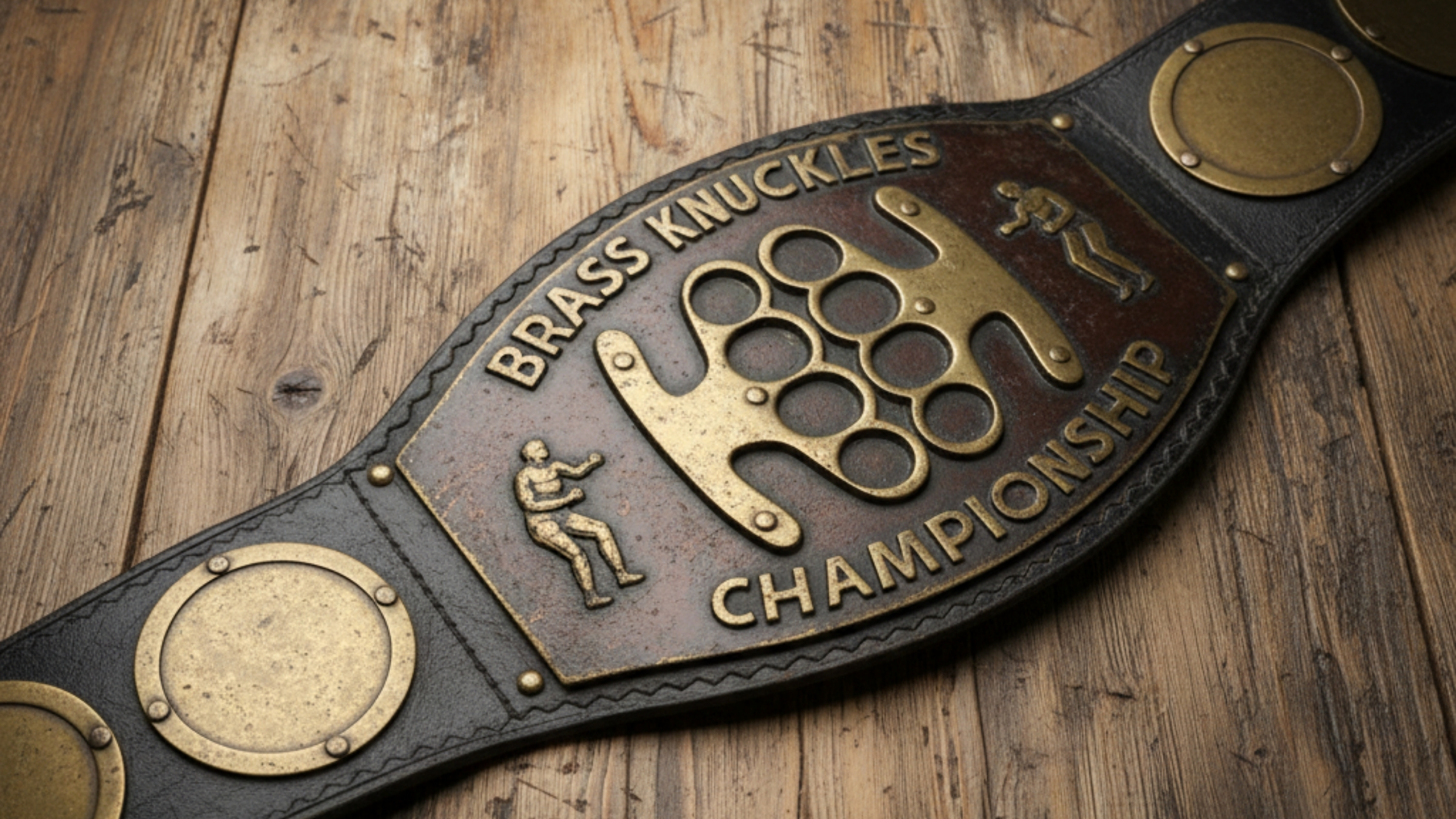
The SWCW Brass Knuckles Championship: A gimmick title designed to draw money through pure brawling. Held by legends like Bruiser Brody, Ken Patera, Manny Fernandez, and Tony Atlas, this championship represented the hard-hitting, physical style that defined Southwest Championship Wrestling’s reputation for stiff work and legitimate intensity. Artwork by Pro Wrestling Stories.
Every promotion in the territorial days had a “gimmick” title or a championship that existed only to turn heads and draw money based on pure violence. Such was the Brass Knuckles Championship, which could be found dotted across most major promotions of the time.
The SWCW version debuted in Denver, Colorado, and was held by Tank Patton on July 10th, 1981.
Tiger Conway Jr. had just arrived in the area from a hot run in Florida and looked to make a fast name for himself in the brawling division. He and Patton feuded over the belt for nearly a month and a half before Bruiser Brody threw his sheepskin boots in the ring and took the title on August 28th, 1981, in Houston.
It shifted hands between Ken Patera, Manny Fernandez, and Brody for the remainder of that year, when Brody won the belt just after Christmas, 1981, on December 27th, 1981.
Patchy event coverage and unrecorded matches left the title silent for nearly a year before it was held by its last champion, Tony Atlas.
It was those types of titles that allowed a territory to run its shows weekly without becoming stale by alternating the main events.
The Weekly Circuit: A Territory’s Backbone
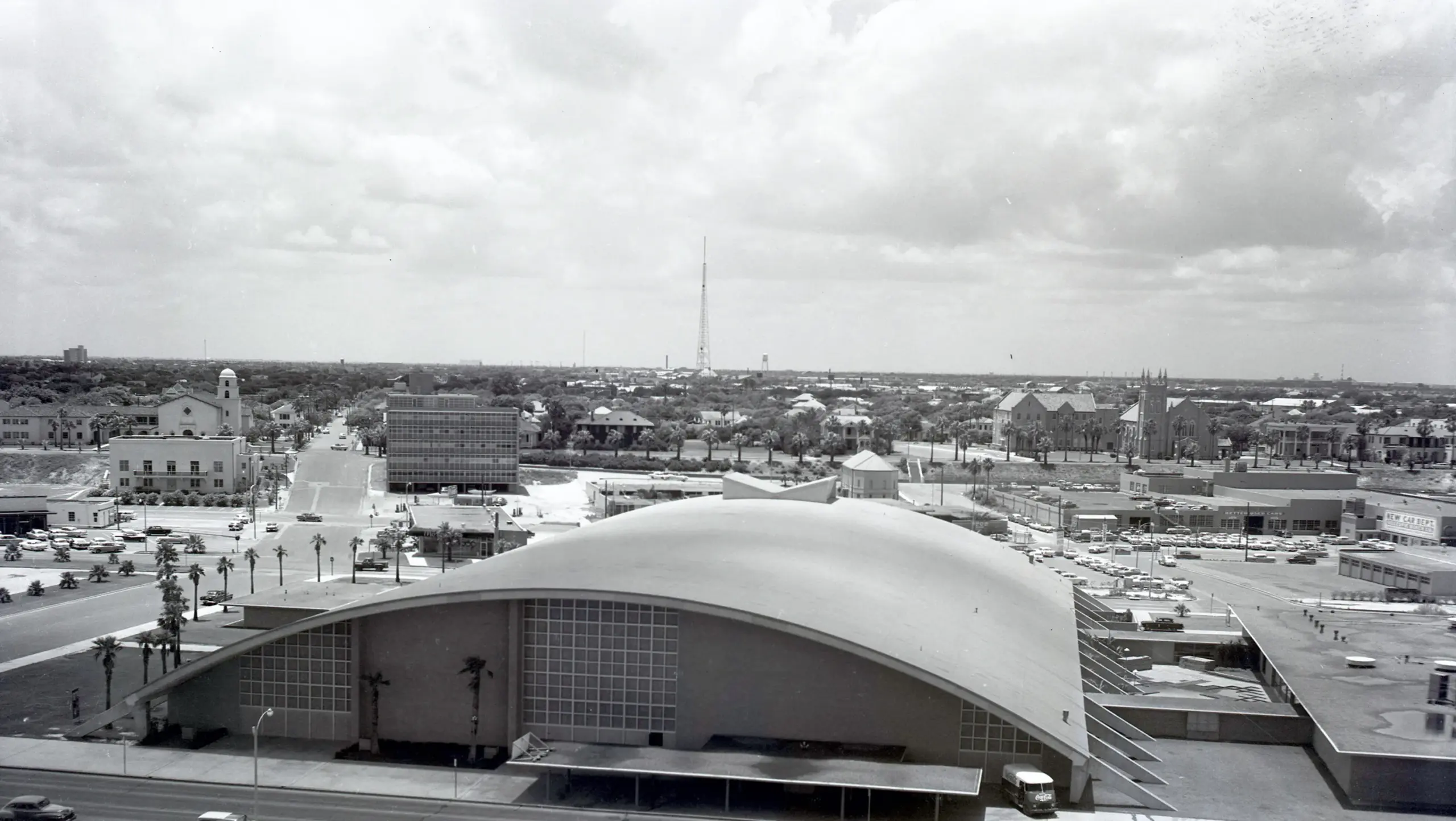
Memorial Coliseum in Corpus Christi: The crown jewel of Southwest Championship Wrestling’s travel circuit. This 5,000-seat arena served as a major Thursday night draw throughout SWCW’s existence, hosting some of the territory’s biggest matches and most heated feuds. Photo Credit: Caller Times.
The territories thrived on what was once dismissed as mere “house shows,” but were in fact strategic weekly spots to hit, and every major territory had its established circuit. Every wrestler on a roster knew the schedule by heart, and for the fans, it was the chance to know exactly when and where to see their local product, week after week. It was a predictable schedule that built loyalty and allowed fans to plan their lives around wrestling night.
Southwest Championship Wrestling operated under a disciplined weekly rotation that stretched across the territory, hitting multiple cities every seven days. The wrestling business depended entirely on this house show circuit, the backbone of every promotion. Between the major arenas and smaller venues, a territory could run shows nearly every night of the week, providing continuous revenue and keeping heat on ongoing feuds. For the wrestlers on top, carrying a title added exponential pressure to this schedule, but the money and exposure made it worth every mile traveled.
For a wrestler holding the Southwest Heavyweight Title during his reign, a typical working week might look like this:
Monday night — Television tapings at The Junction in San Antonio (where all weekly USA Network broadcasts were filmed, a small but historic boxing venue that became the television heart of SWCW)
Tuesday — Wrestling at the Ector County Coliseum in Odessa (a 5,000-seat arena in the oil country of West Texas)
Wednesday — Random spot show in smaller towns throughout the territory, sometimes returning to communities that needed wrestling two weeks in a row
Thursday night — Major show at the Memorial Coliseum in Corpus Christi (the crown jewel of South Texas, always a strong draw)
Friday — Repeat of Wednesday’s rotation, with spot shows falling between the set show dates
Saturday night — Wrestling in Waco at the Civic Center (traditionally strong territory in Central Texas)
Sunday — The Valley (In Austin or the Rio Grande Valley in south Texas) or San Antonio at the Freeman Coliseum or Hemisphere Arena
This relentless schedule meant that a champion could wrestle the same opponent multiple nights in a week, allowing the storyline to develop across television and in-person shows.
The beauty of the territorial system was that a wrestler never had to leave the region for long stretches. The circuit was compact enough that someone could leave Monday in San Antonio and return Friday in Waco, then headline Sunday in Austin or back in San Antonio. Wrestling three or four nights a week was standard. Wrestling five or six nights was not uncommon for the top draws.
The smaller towns on Wednesday and Friday, places like Burnet, Brownwood, Fort Hood, and Lubbock, provided essential revenue. These spot shows kept the territory alive financially. They were often not televised, which meant local fans had to show up in person or miss the action entirely. These small-town cards built deep loyalty. When a star would hit a rural Texas town only once or twice a month, that appearance became an event. The people in those towns knew when wrestling was coming, and they showed up.
This circuit structure is why the territorial system worked. It was sustainable, it built local connections, and it kept the business operating at a steady pace. A championship belt didn’t just mean you were the best wrestler in the territory; it meant you were willing to work every single night, driving through Texas heat and dust, performing for crowds ranging from 200 to 2,000 people, night after night. The title meant you were a road warrior, and the road is where the real money was made.
In this historian’s opinion, this was one of the greatest things in those days. Knowing that this was “your” promotion and you could follow it if you wanted. It personalized it, and in doing so, endeared it with its fans. The connection between wrestler and fan, between promotion and community, was direct and immediate. There were no corporate layers, no national committees deciding which wrestler should be pushed in which territory.
The Blanchards ran the show, they lived in San Antonio, they saw their wrestlers perform every week, and the fans saw them as neighbors who happened to be wrestling promoters.
The Fans Remember: San Antonio’s Wrestling Heart
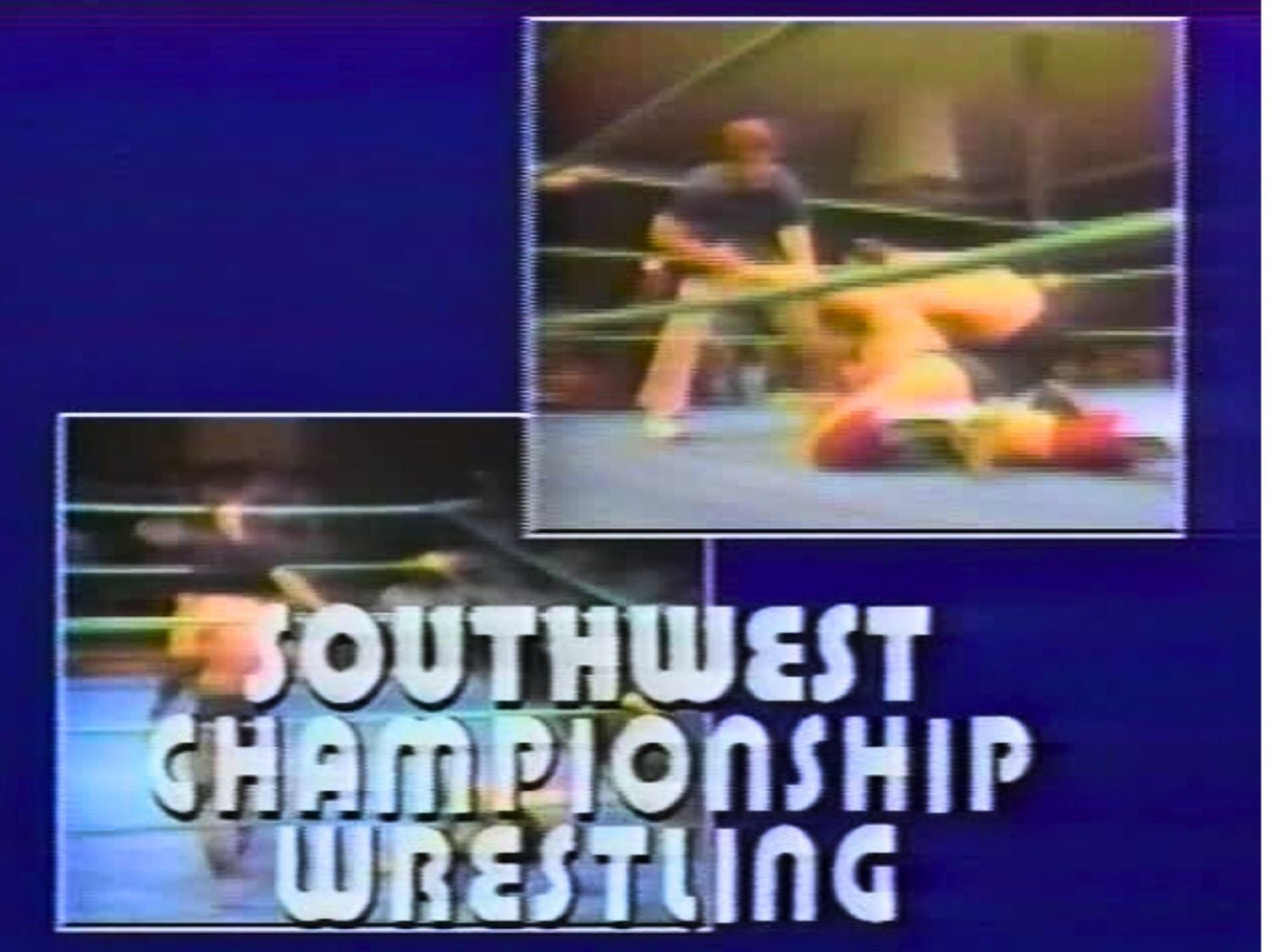
The opening sequence of Southwest Championship Wrestling television programming: The gateway to San Antonio wrestling memories that shaped generations of fans. This iconic intro brought the excitement of the territory into living rooms across South Texas, creating shared experiences that fans still cherish nearly 40 years later. Photo Credit: Southwest Championship Wrestling archives / JADAT Sports Inc.
We reached out to lifelong San Antonio resident Jesse Garcia, who grew up watching Southwest Championship Wrestling and remembered it with the reverence a true fan has for their area promotion.
“Southwest Championship Wrestling was my childhood,” Jesse remembered with pride. “From attending all the events at the HemisFair Arena, to a few times at The Junction. I can still smell the HemisFair Arena and see those ramps to walk up to the seating area.
“The special moments watching Eddie Mansfield versus Scott Casey in a Hair vs. Hair match, and remembering the thunderous applause when Casey won. Watching the Original Dynamic Duo of Tully Blanchard and Gino Hernandez walking to the ring in their light-up robes. So many great memories I will never forget.”
Garcia continued, “A few years ago, before Mr. Joe Blanchard passed away, I met him while he was attending service at Cornerstone Church. I was so honored to meet the man who was such an important part of my childhood. I went up to him and introduced myself, and thanked him for the great memories he gave me.
“He was such a good man and appreciative. I don’t think he really grasped how important it was to meet him and thank him. It was one last memory of Southwest Championship Wrestling I will carry forever.
“So one more time for you, Mr. Blanchard, looking down on us – thank you, sir, for the great memories. I wouldn’t trade those days for the world.”
This is what Southwest Championship Wrestling meant. It wasn’t just wrestling on television. It was a shared experience in a specific time and place. It was fathers bringing sons to the HemisFair Arena, the smell of hot dogs and popcorn mixing with anticipation. It was the electric moment when a local hero like Scott Casey stood victorious, his head held high after defeating a villain like Eddie Mansfield. It was community. It was belonging.
The territorial system, for all its flaws, created something that national programming could never replicate: the feeling that wrestling was happening right there, in your city, with people you could meet on the street. Joe Blanchard understood this. His family lived it. And the fans of San Antonio, nearly 40 years later, still carry those memories with reverence and gratitude.
Rudy Boy Gonzalez: Learning the Trade
Rudy Boy Gonzalez broke into professional wrestling during SWCW’s final era in 1982-1985. Starting as an ambitious kid hanging around the front office hoping for opportunities, Gonzalez’s persistence and willingness to work any available match exemplified the work ethic required to survive in the territorial system. Photo Credit: Rudy Boy Gonzalez.
In those days, in all territories, there was some type of school endorsed by said promotion, or guys were just lucky enough to be in the right place at the right time. There are times when guys just can’t make the show for whatever reason, or they have heat and gotten themselves bumped from the card. Sometimes it just came down to perseverance with a dash of luck.
“Joe Blanchard had a small front office,” Rudy Boy Gonzalez shared with Pro Wrestling Stories. “Guys would hang around the office doing nothing, and hoping. Hoping to get noticed. Hoping to start a conversation… ANYTHING. I would sit and try and start conversations with Charlotte, the secretary. The booker’s office was next to ours, and when the booker, Jonathan Boyd, wanted privacy, he would shut the door. But if he spoke loud enough, you could still hear their conversations. One day Boyd, Eric Embry, and our TV commentator Steve Stack were in Boyd’s office, and they shut the door.
“I could vaguely hear their conversation, but they were talking about future dates and who was wrestling who. I heard ‘Is he ready,’ ‘he listens well,’ and then it got quieter.
Then the door opens and Eric asked, ‘Hey Rudy, what do you have next Thursday, besides sitting on your ass being a pain in the ass on our couch?’ He said, ‘Good, you’re in Alice, Texas.’ But that’s how you got booked. You made yourself available. Even if it meant sitting on the front office couch all day long.”
Rudy Gonzalez got started in the wrestling business in 1982, but his relationship and love with the business started years earlier when he was a fan. He was close to the company and Joe Blanchard, considering him a father figure.
His first professional match was in February 1984, as professional wrestling was climbing to its peak popularity. He worked, trained, and remained with the company until it was sold off in April 1985. Joe Blanchard sold to Fred Behrends, and Rudy left not long after. He works today as a trainer for Texas Wrestling Academy, formerly the Shawn Michaels Wrestling School.
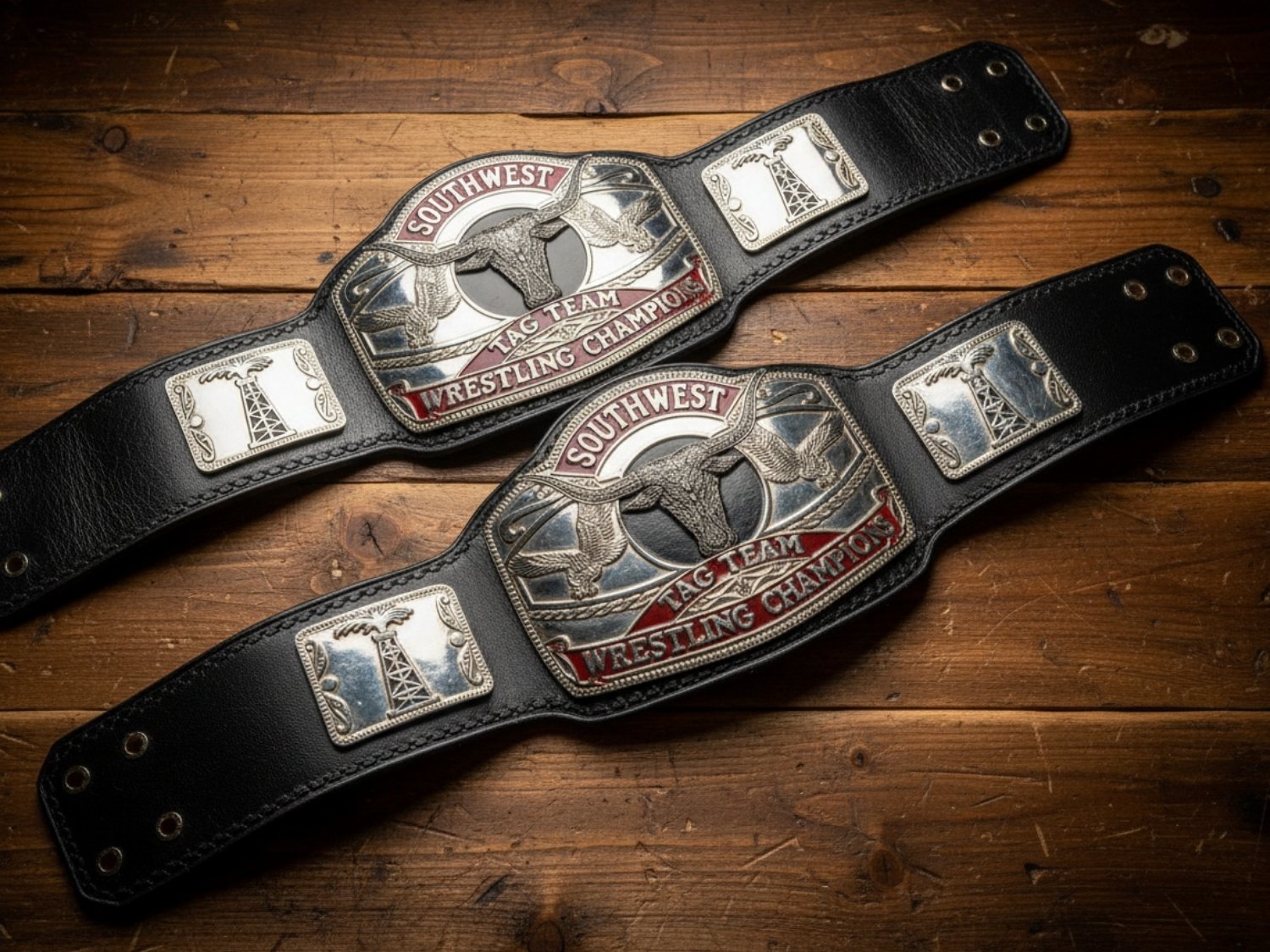
The Southwest Tag Team Titles
The SWCW Southwest Tag Team Championship belts: Among the most prestigious secondary titles in Southwest Championship Wrestling’s history. Introduced in 1978 and held by legendary teams throughout the territory’s existence, these championships represented the importance of tag team wrestling in drawing crowds and main eventing shows across South Texas. Artwork by Pro Wrestling Stories.
During the early days of territorial professional wrestling, tag teams were as big a draw as the singles matches and sometimes even more so, garnering them the main event in many cases. The San Antonio market was no different, and in 1978, the SWCW Southwest Tag Team Titles were born when Coloso Colosetti and Killer Tim Brooks became the first champs when they took the titles from David and Kevin Von Erich and introduced them into the territory on September 6th, 1978, in San Antonio.
The titles bounced around for a few years, with mostly undocumented changes from one pairing to the next, but never with a really solidified team until a brash and cocky young man from the Dallas area came in and took the place by storm.
Gino Hernandez: The Handsome Half-Breed
Gino Hernandez, the ‘Handsome Half-Breed,’ living the gimmick that made him one of Southwest Championship Wrestling’s biggest draws. The charismatic heel whose look and persona attracted fans while his in-ring work made them love to hate him. Hernandez’s success in SWCW and beyond showcased the drawing power of controversial characters during the territorial era. Photo Credit: WWE. Artwork by Pro Wrestling Stories.
Charles Eugene Wolfe Jr. was born on August 8th, 1957, in Highland Park, Texas. Growing up, Charles was active in sports and loved professional wrestling, and was a regular fan of the Paul Bosch-run Houston territory. He developed a relationship with Bosch, and after a while, it was supposed that he might be his son. From the very start, controversy surrounded him in the business.
Wolfe took his training from Jose Lothario, who had become an integral part of the Texas professional wrestling scene and trained many of the young men coming up through the ranks. Wolfe changed his name and worked for Big Time Wrestling promotion in Detroit to get his bearings in the ring and learn the craft. He took to it like a fish to water and moved fluidly in the ring, learning to work a crowd from one of the masters, The Sheik, who owned Big Time Detroit.
He returned to San Antonio with more experience and a new name. Gino Hernandez was born, and with him came a tumultuous career. Working alongside his mentor in a tag team, he and Lothario had a brief run before Gino turned on him and really lit up the ring.
He shone brightly as a heel with the look of a babyface that drew the young ladies to the matches. They swooned for the young heartthrob, dubbed the “Handsome Half-Breed.” This was a different time, and a different power structure ruled the wrestling and business world. That type of moniker would never get over today.
Social mores aside, Gino worked the crowd, and they loved to hate him. In the days of the Freebirds in nearby Dallas and his teacher, The Sheik, in Detroit, it wasn’t uncommon for heels to need to be escorted to and from the ring by security, usually made up of local off-duty police officers. It was a wild roller-coaster ride in the carny-type atmosphere that not only surrounded local promotions but also supported them with weekly attendance and picture sales.
As his popularity, or hatred from some fans, grew, the other outlying Texas promotions wanted to cash in on that heat, and he began working in Dallas for Fritz at the same time he was working for Joe.
Stories of this hot Mexican kid who was putting butts in the seats all over central and southern Texas began to circulate with the boys as they traveled, and it wasn’t long before Gino branched outside of his San Antonio base into the Mid-South territory, working for Watts in a feud with Chavo Sr., who had most likely given him the rub with Bill. Gino, as the loud-mouthed heel, was drawing money all over the southwest, and his star rose quickly into the early eighties.
Arguably, however, his greatest success came alongside Tully Blanchard as the tag team, the Dynamic Duo.
The Dynamic Duo: Tully Blanchard and Gino Hernandez
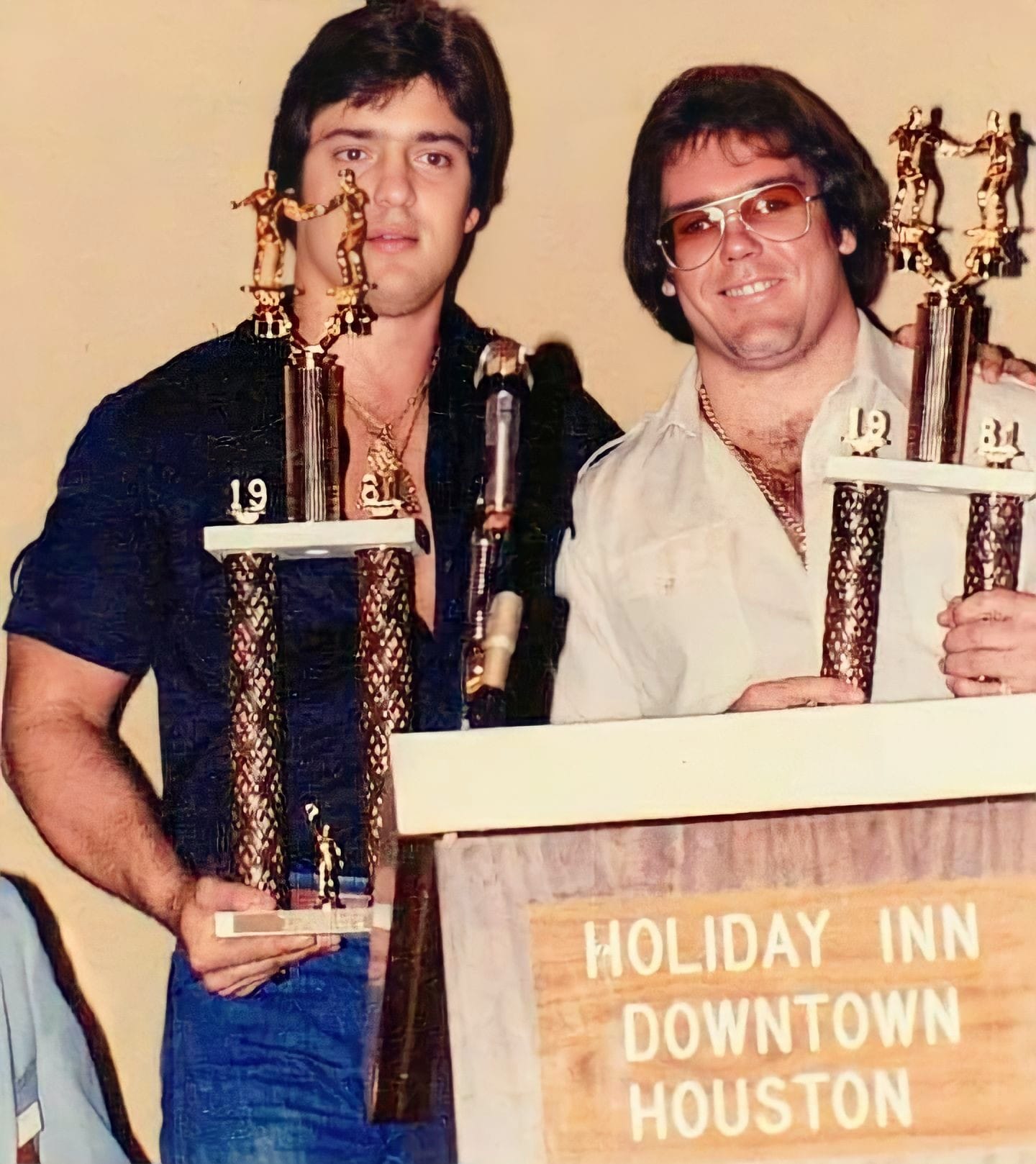
The Dynamic Duo, Gino Hernandez and Tully Blanchard, basking in their 1981 Tag Team of the Year accolades. The arrogant heels, whose natural smugness and in-ring excellence made them the perfect villains for SWCW fans to hate, drew money and main event crowds throughout the territory. Photo Credit: NWA.
In the wrestling business, names are not always sacred, and this was not the first or last version of the Dynamic Duo, but in this wrestling historian’s humble opinion, theirs was arguably one of the best heel versions ever.
The smugness and arrogance that naturally exuded from these two radiated out and affected everyone around them. The quintessential “turning of everyone’s heads” as they entered the room was evident, and they basked in the fans’ heat on them like the hot Texas sun.
The two were so over that they resurrected the SWCW Southwest Tag Team Titles and were awarded the belts without even having to beat anyone, which only gave way to even more heat with the fans as the spoiled Duo constantly waved their superiority in their faces.
They held both tag titles recognized by the territory with the aforementioned belts, as well as its version of the World Tag Titles, both in 1981, after the arrival of Dory Jr. and Terry Funk from Amarillo with the World Tag Team Titles.
The titles were only active for four years, and the Duo held them twice during that time, along with other title holders like The Fabulous Ones and The Sheepherders, who were the last to hold those belts in 1984 before they were retired.
It was the Southwest Tag Titles that the Duo held dominance, holding those belts on five different occasions and going to war with teams such as Wahoo and Terry Funk, Brody and Dick Slater, and The Grapplers, just to name a few.
As all tag teams do at one point or another, they came to odds, and Tully turned on Gino in late 1983, which gave Gino the out to leave and go work another run with Fritz and the Von Erichs in Dallas into the following year.
Gino worked against Kerry in a highly built-up show at the Cotton Bowl on October 6th, 1985, in which the two had a Hair versus Hair match. Gino lost and had his head shaved, much like the program he had worked with Chavo in Mid-South.
Like there, it was a big draw in Texas. He was also involved in one of the biggest storylines in World Class when he threw the Freebird Hair Cream into the face of Chris Adams on January 27th, 1986, blinding him and creating one of the biggest white heat moments in the territory. This would be his last televised match before his death in February 1986.
There has long been speculation and theories around the death of Gino Hernandez, as his body was found in his Highland Park, Dallas apartment on February 2nd, 1986, from an apparent overdose. Moreover, there was five times the amount of coke in his body needed to cause an overdose, and the substance was found in his stomach. This suggested some kind of forced ingestion, as the stomach is not where cocaine would be found in any typical overdose case.
Being right on the border and as popular as he was in the ring and with the ladies outside of it, it is safe to draw that conclusion. It was the ’80s, and the border along Texas was a prime crossing point for substances. Just whom and to what extent he was involved, or how deeply his involvements ran, have never been fully sussed out, but to think that it is an impossibility would be far-fetched.
No matter the cause, it will never undo the fact that the world of professional wrestling lost another shining star being groomed for the “big run” with NWA gold.
The Dynamic Duo dropped the Texas All-Star Tag Titles to The Grapplers, in the combination of Len Denton and Tony Anthony, in April 1982, and only a month later, The Sheepherders beat them and were set to have a run, but bad luck outside the ring hung over them. Jonathan Boyd, one-half of the Herders, was involved in a car accident, resulting in him having a broken leg.
While he was out, they replaced him with Bobby Jaggers, but in the interim, Luke reconnected with what would become the partner he kept for the rest of his run in the Sheepherders, as well as later in the WWF as the Bushwackers in Butch. Luke turned on Jaggers during a match to get out of their title pairing and allow himself to leave the territory shortly after, in early 1984.
Bobby Jaggers: The Veteran’s Road
Bobby Jaggers: The Vietnam veteran whose wrestling career became his salvation. A decorated soldier, Jaggers channeled his experiences into a productive wrestling career across multiple territories, including Southwest Championship Wrestling, before becoming a civil engineer and FEMA coordinator. Photo Credit: NWA.
While only there for a short time, Bobby Jaggers made himself known. Born Robert Francis Jeaudoin in Vancouver, Washington, on January 8th, 1948, Bobby was your regular American boy in the ’60s, and, because of his age, he joined the Army and headed to Vietnam.
Working in field artillery with the 1st Battalion, 30th Regiment, he saw heated action in some of the biggest battles of the war. He was at Khe Sanh and in the most dangerous zone of A Sầu Valley during the Tet Offensive. This had a huge effect on him and his transition back to the world in 1970. He took a job and tried to assimilate as best he could.
It was there that he met Sandy Barr, and they formed a friendship that eventually led to the wrestling ring. Jaggers later credited this as saving his life and giving him a purpose during a time when he felt lost. After his training with Kurt Von Steiger and Tito Montez, he got the chance to go to Memphis and took it.
Things got red hot for him in Florida, where he went on a tear battling Dusty Rhodes all over the state. It was after that he arrived in San Antonio on his way to a major run in Portland. Sometimes in the wrestling business, things do indeed come full circle. He worked all over the territories and claimed gold wherever he went, be it as a tag team or individually.
While in SWCW, he held the Heavyweight Title and continued his Texas All-Star Tag Title run after Luke turned on him with Buddy Moreno. Then, Williams continued to build the heat and broke Jaggers’ arm in September of 1983, which led to his eventual departure after he was replaced in the tag team by Scott Casey. The Fabulous Blondes then unseated them and began their run as champs, taking on the team of Al Perez and Manny Fernandez.
It was in Mid-South where he formed the Kansas Jayhawks tag team with Dutch Mantell, which in turn opened doors to Puerto Rico.
Jaggers was working a show with Mantell in the World Wrestling Council when Bruiser Brody was killed on July 16th, 1988. Many wrestlers like to put themselves there that night to try to hype themselves, but Jaggers was on the card that night.
Jaggers went on to a productive life outside the ring, becoming a civil engineer and later a coordinator for FEMA. He died at the age of 64 on September 30th, 2012, from renal failure related to Hepatitis C, which he had contracted while serving in Vietnam. He was buried with full military honors. Tip of the hat, and thank you, sir.
On his way out of the territory, Jaggers dropped the Southwest Championship Wrestling Heavyweight Championship title to the man with the name that put fear into the fans and many of his opponents.
They had feuded for most of 1984 and had traded the belt back and forth. It was the Fourth of July weekend in 1984 when Killer Tim Brooks took the title and held it for the remainder of that year. He dropped it to Kevin Sullivan, who was the last person to hold the title before it was dissolved and retired in 1985.
Likewise, the SWCW World Tag Team Titles were retired only months earlier in September of 1984.
With the Brass Knuckles Championship being abandoned in 1983, the territory was slowly consuming itself amid the flux being felt throughout the entire industry.
The Junior Heavyweight Title fell to this fate in April of 1985, as well. Chicky Starr was its last holder. As time drew closer to 1985, Vince McMahon had come calling to all territories with the siren song of dollars, luring all the talent to New York.
The End of an Era: SWCW’s Final Years and Legacy
The Southwest Championship Wrestling (SWCW) logo: A symbol of Texas wrestling independence that thrived from the late 1970s until its absorption into Texas All-Star Wrestling in April 1985. Though the territory’s run was brief, its impact on professional wrestling history remains significant. Photo Credit: Southwest Championship Wrestling archives / JADAT Sports Inc.
Southwest Championship Wrestling was sold and absorbed into the Texas All-Star Wrestling promotion in April 1985, and the only titles to make the change were the tag titles with the All-Star name, so they were kept intact, and those titles carried on until November 1986, when Texas All-Star Wrestling was purchased by Fritz Von Erich and became part of World Class Championship Wrestling.
Von Erich had his eye on the territory for years during their talent exchange and saw its potential if run correctly, which he believed, in part, due to Gary Hart’s insistence on Blanchard’s inferior booking. The same consolidations were seen in the Mid-Atlantic, with the Crocketts taking on Georgia Championship Wrestling, consolidating championships from Florida to form what became WCW.
At the end of the day, Southwest Championship Wrestling endured longer than many small territories in an era when corporate consolidation was crushing independent promotions. SWCW was among the first regional territories to secure national television exposure, a pioneering achievement that other promoters attempted to replicate.
A portion of SWCW’s legacy persisted through its alumni. Shawn Michaels, who worked the territory in the group American Force before his rise to superstardom, carried lessons learned in San Antonio throughout his legendary career.
More significantly, Tully Blanchard built upon his father’s foundation to become a main event draw across multiple promotions, while his daughter, Tessa Blanchard, would go on to compete as a professional wrestler herself, representing the next generation of the Blanchard wrestling legacy.
What remained of the territory was briefly resurrected in the early 1990s under the Texas All-Star Wrestling banner, but it never recaptured the magic or drawing power of the original SWCW era.
In the grand scheme of wrestling history, Southwest Championship Wrestling was indeed a smaller, regional territory, easily overshadowed by larger promotions in Dallas, Houston, and beyond. Yet its impact was undeniable.
For nearly a decade, SWCW provided a proving ground for future legends, a stage for regional heroes to become icons, and most importantly, a gathering place where wrestling fans felt connected to something authentic and local.
In an industry increasingly dominated by national corporations and manufactured storylines, SWCW represented what wrestling once was – a community affair, built on the backs of men and women willing to bleed for their craft and fans willing to stand by their heroes. That legacy, carried in the memories of those who lived it, remains priceless.
Join us next time, wrestling fans, as we continue to preserve the past in our Wrestling Territories series. And never forget: our wrestling history is gold!
Special thanks to Rudy Gonzalez, Manny Fernandez, Bobby Fulton, and Jesse Garcia for their participation in this article and for sharing their memories of Southwest Championship Wrestling with us.
Pro Wrestling Stories is committed to accurate, unbiased wrestling content rigorously fact-checked and verified by our team of researchers and editors. Any inaccuracies are quickly corrected, with updates timestamped in the article's byline header.
Got a correction, tip, or story idea for Pro Wrestling Stories? Contact us! Learn about our editorial standards here. Ever wanted to learn more about the people behind Pro Wrestling Stories? Meet our team of authors!
ProWrestlingStories.com participates in affiliate marketing programs. This post may contain affiliate links, meaning we may earn commissions at no extra cost to our readers. This supports our mission to deliver free content for you to enjoy!
"Evan Ginzburg’s stories are a love letter to wrestling, filled with heart, humor, and history. A must-read for any true fan."— Keith Elliot Greenberg
Jim Phillips is a senior author for Pro Wrestling Stories and a lifetime member of the Cauliflower Alley Club. He has been a passionate pro wrestling fan since the late '70s and has spent the past decade as a journeyman writer, sharing his insights and stories with the wrestling community. He can also be heard in the BBC Radio production Sports Strangest Crimes: The Ballad of Bruiser Brody. Tragically, Jim is currently facing the greatest challenge of his life after being paralyzed on January 21st, 2023. You can learn more about his journey and how you can support him in reaching his goal of taking his first steps again at the link above.
 Author: