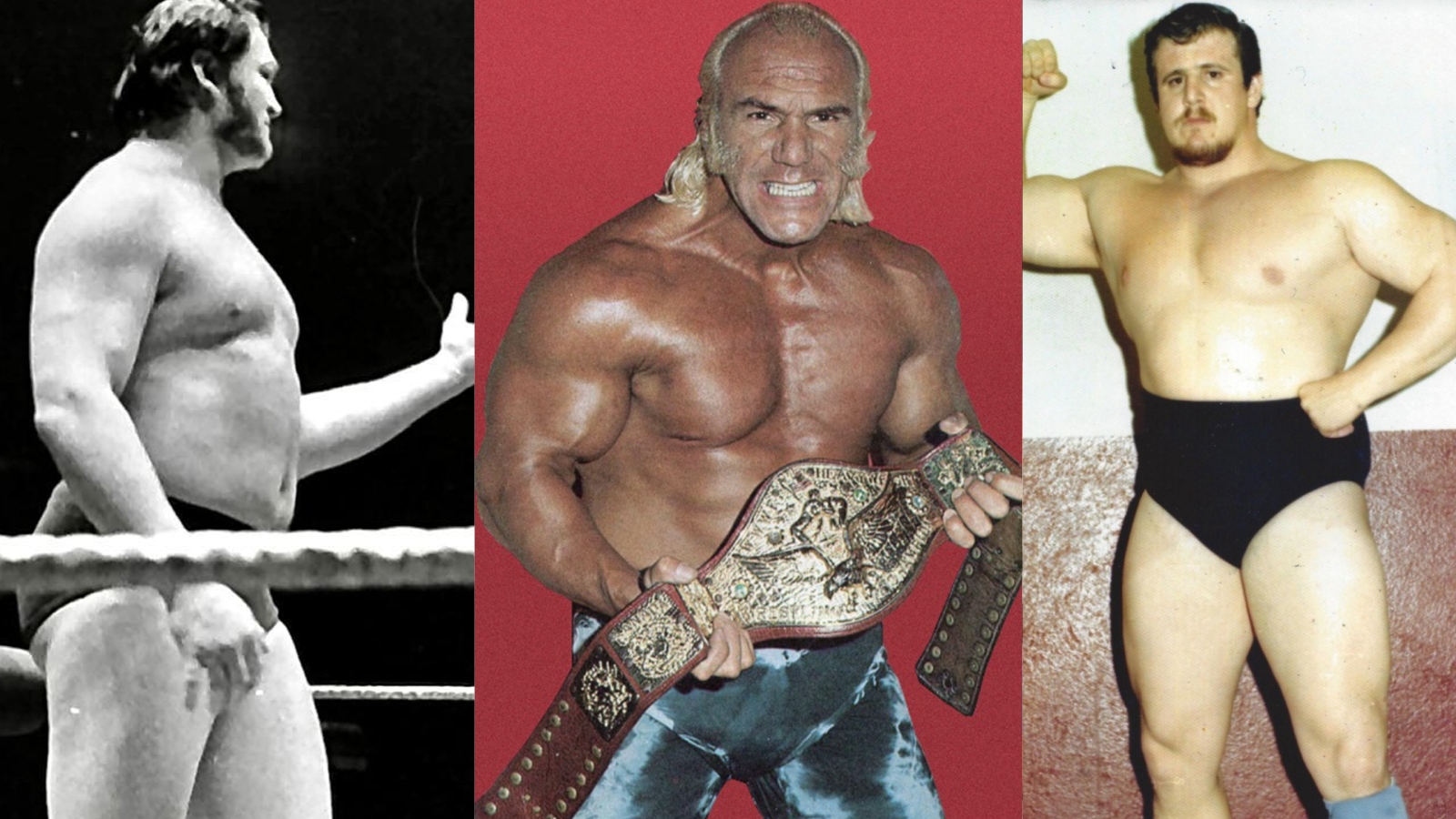
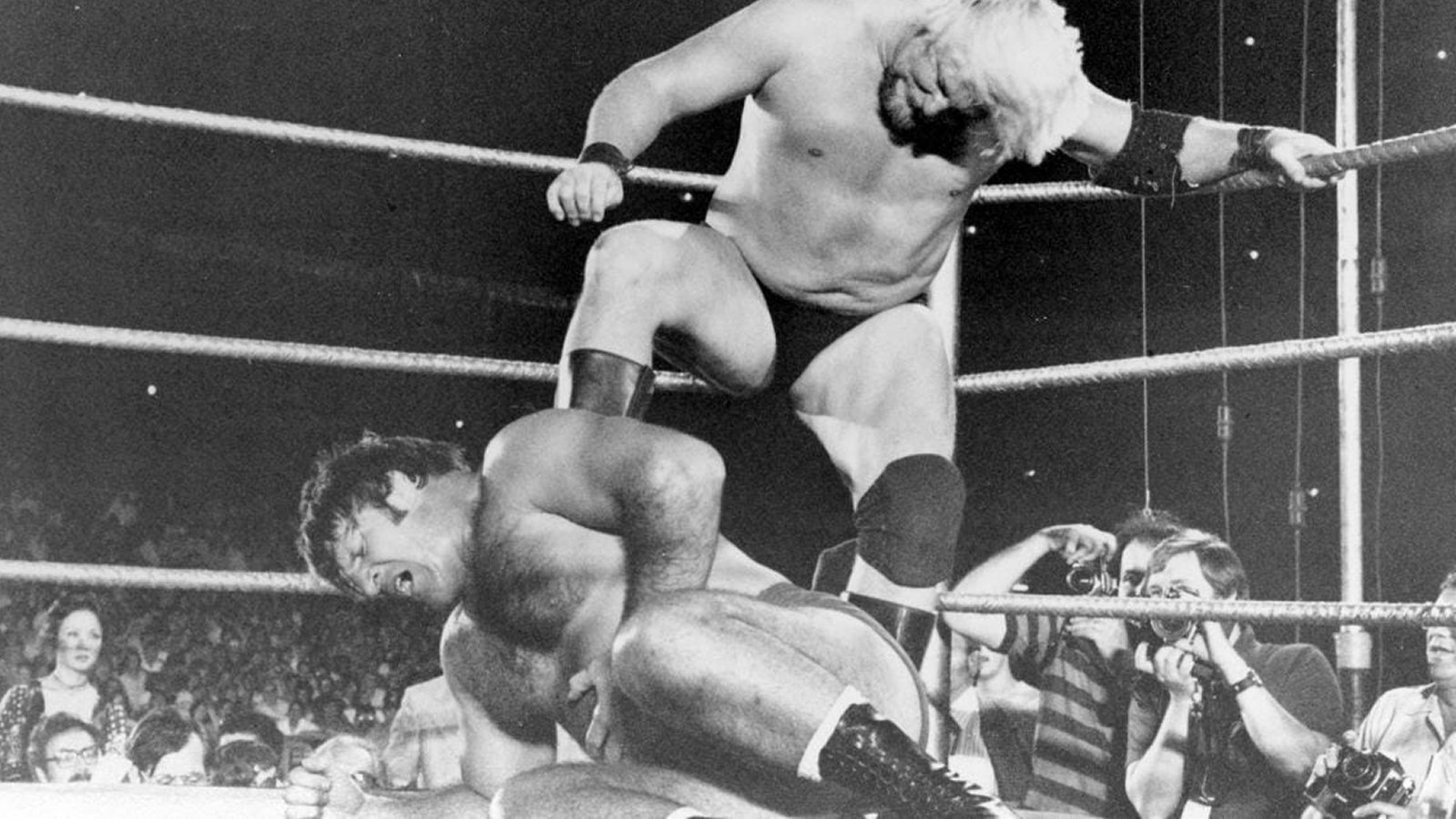
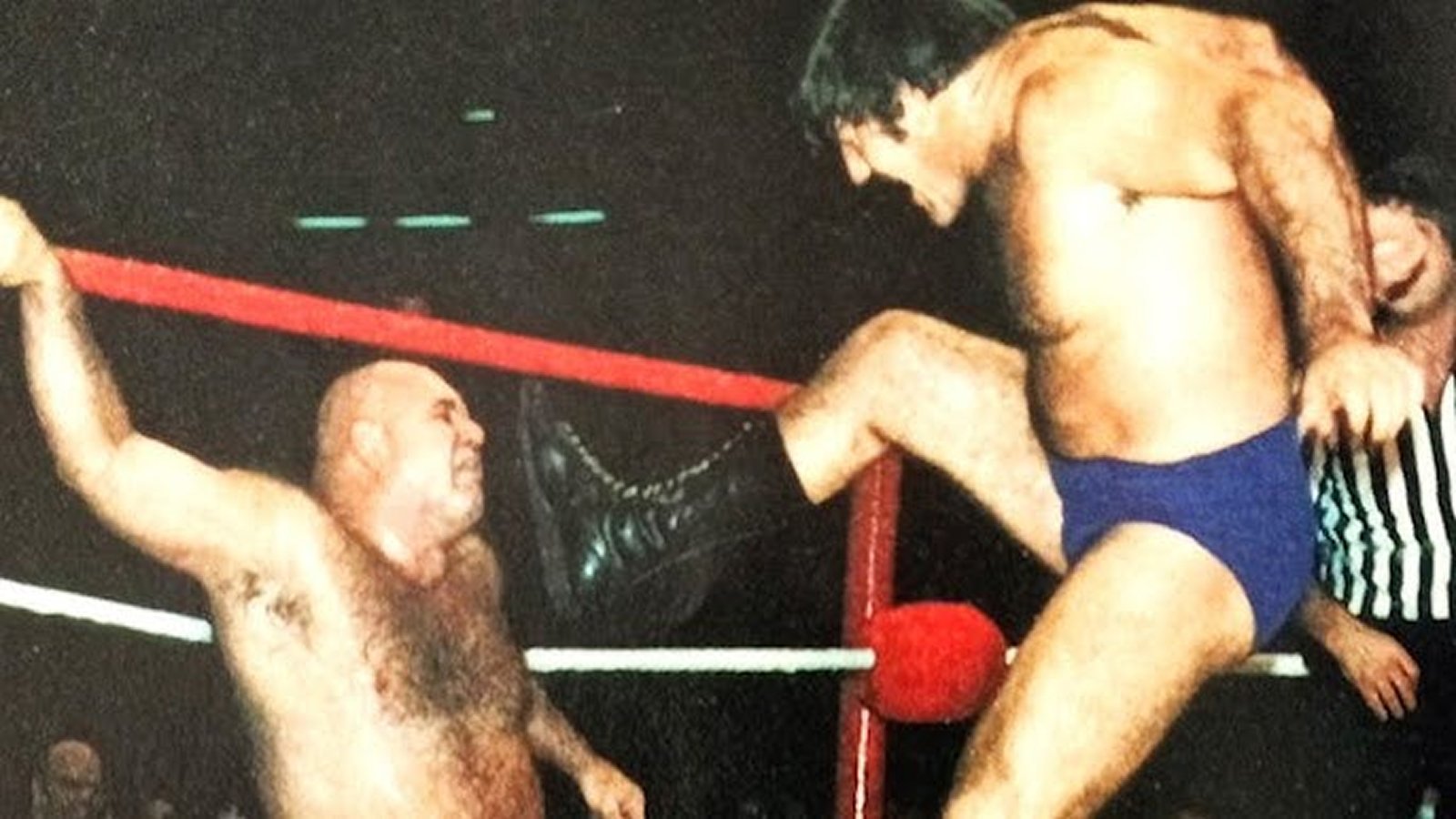
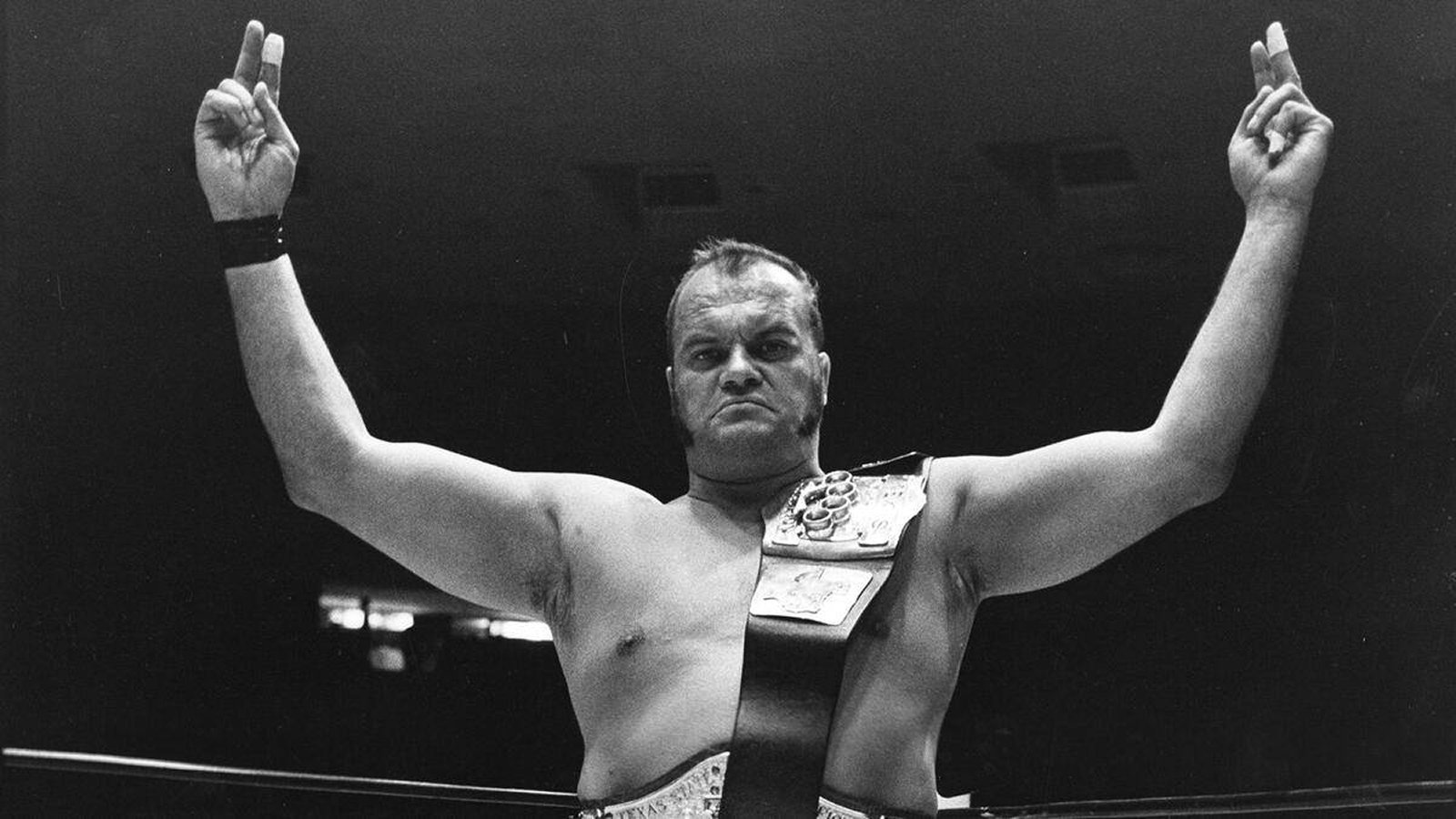
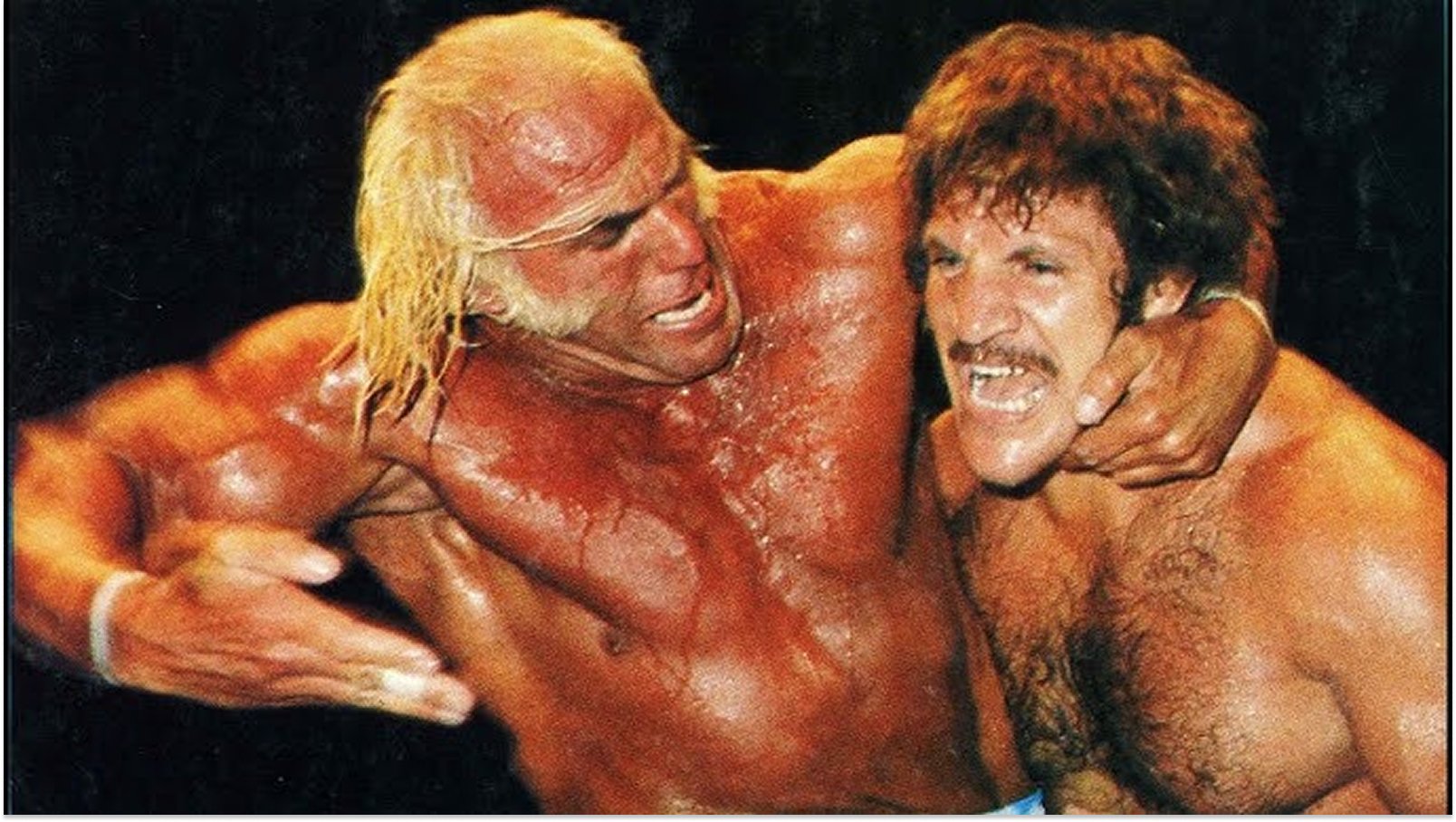
They made champions bleed, turned Madison Square Garden into a cauldron of hate, and left scars, both physical and emotional, that fans still carry decades later. The 1970s WWWF was ruled by a breed of villain that no longer exists: men who could walk into an arena and make thousands of people genuinely want them hurt. Some ended legendary title reigns overnight. Others turned on their partners and ignited feuds that kept buildings sold out for years. A few names on this list are household names; others have been unfairly forgotten by history. And what they did to our heroes may disturb you. In no particular order, here are 15 WWWF heels from the 1970s who left a trail of betrayal and broken champions in their wake.
They made champions crumble, and fans weep. Read on to discover 15 WWWF heels of WWE’s 1970s era left scars that haven’t healed in 50-plus years. Photo Credit: WWE.
Our wrestling history is gold, and so are readers like you!
If the following story adds to your collection of wrestling knowledge, you can:
1. “Superstar” Billy Graham: The Flamboyant WWWF Champion Who Changed Heel Wrestling Forever
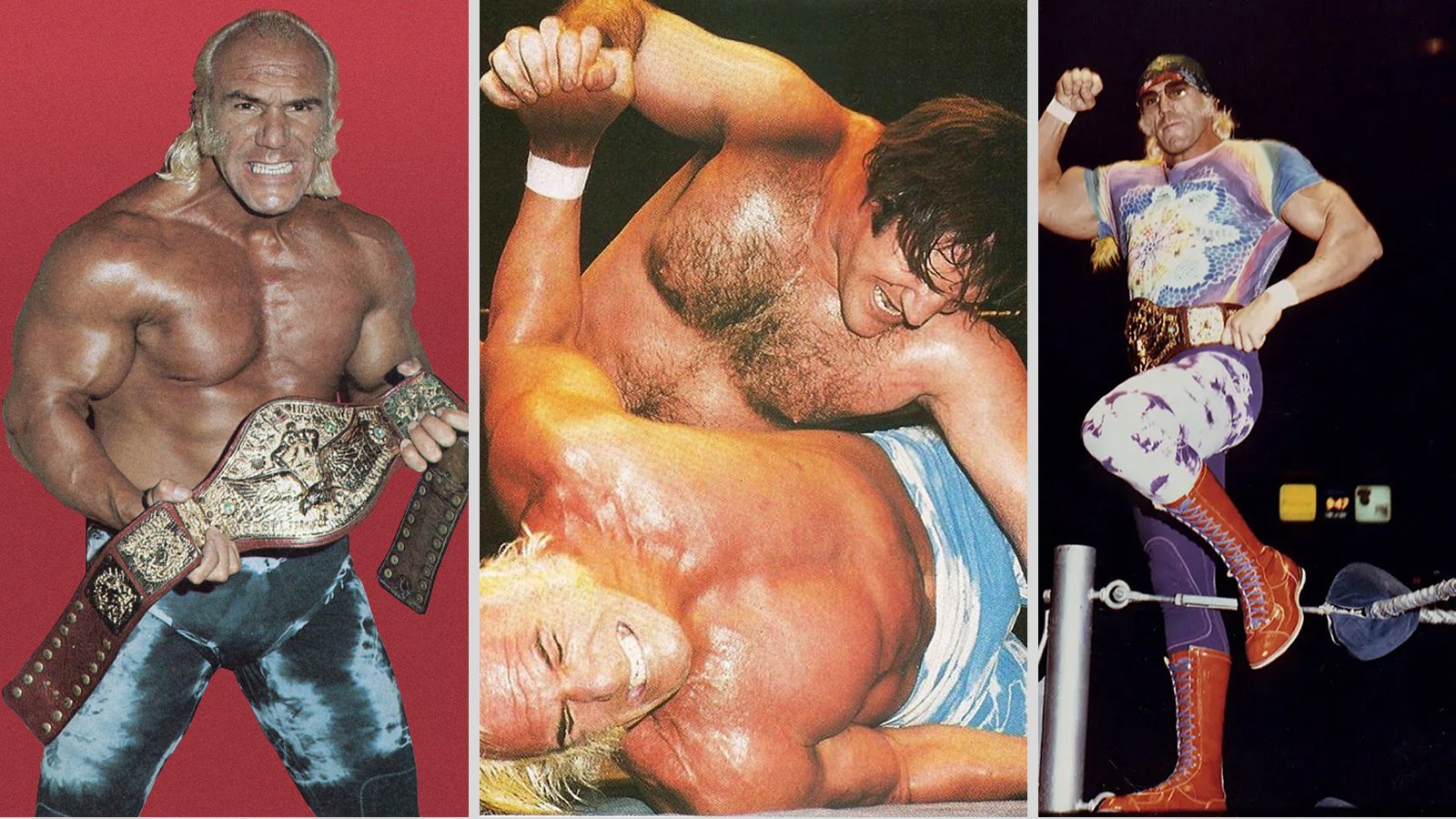
“Superstar” Billy Graham captured the WWWF World Heavyweight Championship from Bruno Sammartino on April 30, 1977, becoming one of the most flamboyant and quotable heel champions in 1970s wrestling history. His title defenses against Sammartino and Bob Backlund headlined Madison Square Garden throughout his reign. Photo Credit: WWE.
Arguably one of wrestling’s best interviews, and a great brawler and bleeder, Superstar’s most notable WWWF feuds were against the likes of Bruno Sammartino and Dusty Rhodes.
A favorite Superstar Billy Graham memory was his defense of the newly won WWWF World Heavyweight Championship against Bruno Sammartino at Madison Square Garden, with special guest referee Gorilla Monsoon, on August 1st, 1977. At one point, Graham quit mid-match, stormed to the dressing room, and the bout seemed over. Mere moments later, the fans spotted Monsoon coming out of the dressing room, the champ strewn across his shoulders. Monsoon dumped Billy in the ring, Bruno pounced on him, and it felt like the Roman Coliseum. The bloodlust was palpable. It was a truly great moment.
After his peak 1970 championship run, Superstar Billy Graham returned to the WWF in the early 1980s with a shaved head and a martial-arts gimmick. Sadly, at that point, he was a mere shell of his 1970s self. No one can, however, discount that WWWF Graham was thrilling.
2. Ivan Koloff: The “Russian Bear” Who Ended Bruno Sammartino’s 8-Year Title Reign
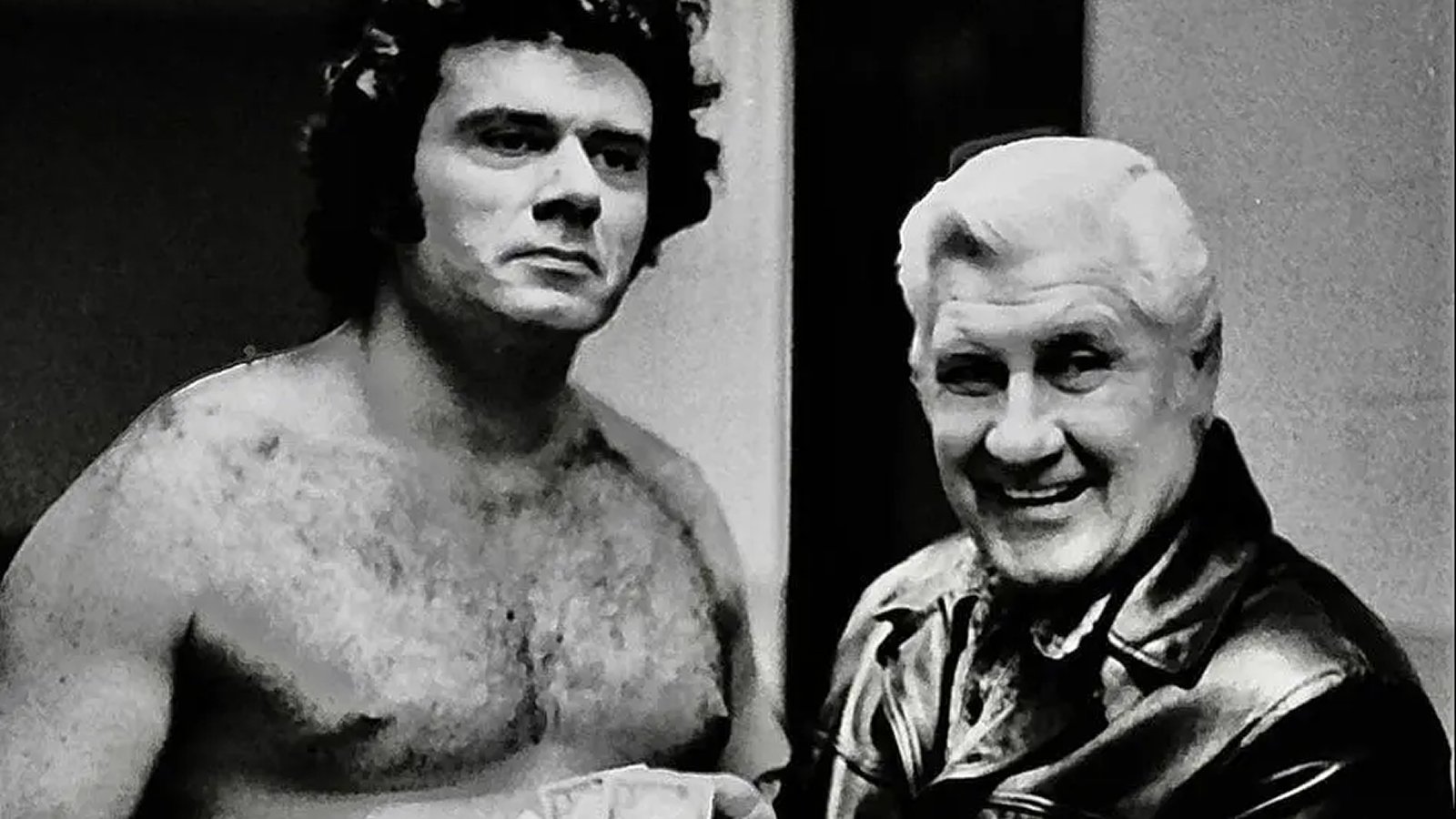
“The Russian Bear” Ivan Koloff pins Bruno Sammartino to capture the WWWF World Heavyweight Championship on January 18, 1971, at Madison Square Garden — ending Sammartino’s nearly eight-year title reign in one of the most historic upsets in professional wrestling. Koloff headlined MSG throughout the 1970s against Sammartino, Pedro Morales, and Bob Backlund, including the first-ever MSG steel cage match on December 15, 1975. Photo Credit: WWE.
In 1970s WWWF, Ivan Koloff had it all, and then some. A truly complete performer, he could mat-wrestle with the best technicians, stand toe-to-toe in a wild brawl, take insane bumps that would rattle lesser men, and still overpower opponents with crushing strength and unbelievable stamina.
A bleeder, too, Ivan Koloff had the scar tissue etched across his forehead to prove it, wearing the physical toll of those brutal battles for decades, like a badge of honor from a far rougher era.
Later in his career, Koloff became a top tag wrestler, leaning fully into the evil Russian schtick that brought in heat across the territories, but on the East Coast in the 1970s, Ivan Koloff was a perennial singles contender who felt like a constant, credible threat to the very top of the card.
Koloff had credibility to spare after stunning the wrestling world by winning the belt from Bruno Sammartino at Madison Square Garden in January of 1971, back when the championship truly meant everything and title changes felt seismic.
The crowd, realizing their seemingly invincible hero had lost his belt, went eerily silent; fans wept openly in the aisles, and they still talk about that historic night over a half-century later as if it happened yesterday.
Ivan’s long-running feud with Bruno set attendance records for the era, and together they headlined the first MSG cage match on December 15th, 1975, selling out not only Madison Square Garden but the attached Felt Forum on closed-circuit television as well in an unprecedented display of drawing power.
"The Russian Bear" Ivan Koloff firmly sits on our Mount Rushmore of great foreign heels, a villain whose impact, heat, and in-ring excellence defined an entire generation of WWWF wrestling.
3. Killer Kowalski: The Enduring WWWF Villain Who Battled Bruno Sammartino Hundreds of Times
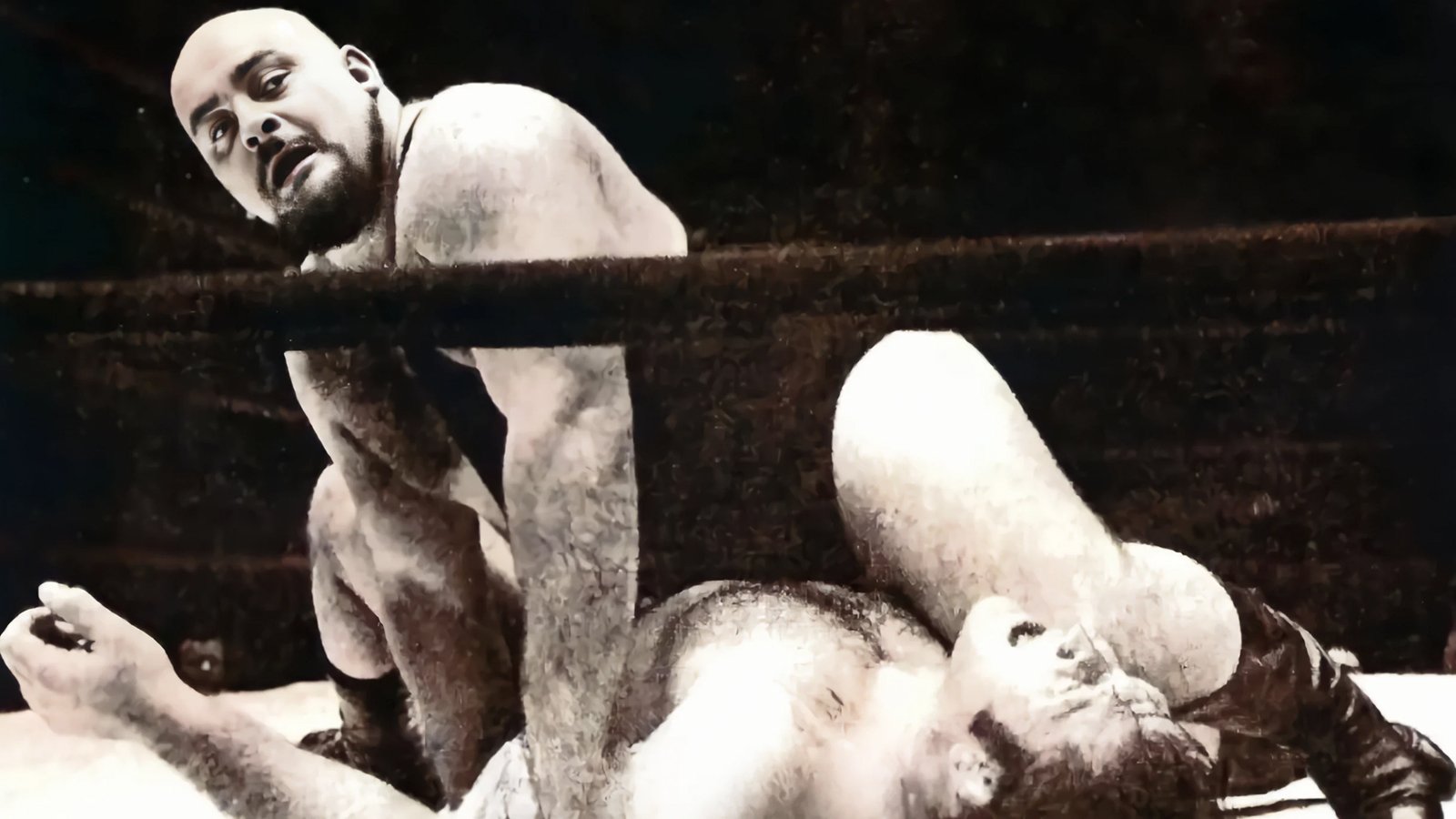
Killer Kowalski, one of the most enduring heel rivals of WWWF Champion Bruno Sammartino, headlined Madison Square Garden multiple times during Sammartino’s second championship reign (1973–1977). Their power-versus-power encounters in 1974 and 1975 routinely sold out arenas across the Northeast, making Kowalski one of the era’s most reliable main-event draws. Photo Credit: WWE.
Take everything said above about Ivan Koloff and apply it here as well. Credibility, toughness, stamina, and that unmistakable big-fight presence. Killer Kowalski embodied all of it, and he did so for years at the very top of the card.
With incredible conditioning, relentless stamina, and a work ethic that never wavered, Kowalski was "no kid" even back in 1974 when I first started attending the live shows, yet he remained a featured main-event attraction.
On this author’s very first trip to Madison Square Garden in June of that year, there he was, squaring off against Pedro Morales, looking every bit like the dangerous, calculating veteran who had seen and done it all.
Late in his career, Kowalski reinvented himself yet again as one half of The Executioners alongside protégé Chuck O’Connor, better known later as Big John Studd. Together, they captured WWWF Tag Team gold in May of 1976 and headlined arenas both as a unit and individually, proving Kowalski’s drawing power wasn’t confined to singles competition.
Bruno Sammartino himself publicly praised Kowalski as one of his greatest and most enduring rivals. I’d love to pore over Georgiann Makropoulos’ meticulous Bruno record book to tally exactly how many times they clashed, but it had to be in the hundreds. And every single encounter "drew money," as they used to say.
Aside from the legendary Sheik–Bobo Brazil rivalry, it’s hard to imagine a longer-running or more consistently profitable feud than Bruno Sammartino versus Killer Kowalski.
4. Pat Patterson: The First Intercontinental Champion and 4-Time MSG Main Eventer vs. Bob Backlund
Pat Patterson, the first-ever WWE Intercontinental Champion, debuted in the WWWF in 1979 after a celebrated AWA run and immediately challenged WWWF World Heavyweight Champion Bob Backlund in four consecutive Madison Square Garden main events. Photo Credit: WWE.
Unfortunately, many fans today remember Pat Patterson more for behind-the-scenes scandals, executive controversies, or silly WWE TV comedy skits throughout the late 1990s and early 2000s.
But in the ring, in the 1970s, this guy was unbelievable.
Cut from the old-school cloth, Pat Patterson didn’t have the cartoonish physique of some of his peers, and, physically, he didn’t look like much at first glance, but he had charisma to spare, understood ring psychology at an elite level, and could absolutely work with anyone put in front of him.
As the first WWE Intercontinental Champion, Pat Patterson carried himself like a world-class competitor and defended the belt with pride and intensity.
When Patterson entered the WWWF in 1979, Patterson wrestled Bob Backlund in an unprecedented four consecutive Madison Square Garden main events, a remarkable vote of confidence from the company, and after turning babyface, he delivered memorable programs with Sgt. Slaughter, Angelo Mosca, Ken Patera, and Ivan Koloff that showcased just how versatile and valuable he was.
He was already a must-see in his younger AWA days alongside tag partner Ray Stevens, but the regional nature of the business meant fans in other territories rarely saw that version of him.
With hundreds of amazing Pro Wrestling Stories to dive into, where do you start? Get the inside scoop – join our exclusive community of wrestling fans! Receive 10 hand-picked stories curated just for YOU, exclusive weekly content, and an instant welcome gift when you sign up today!
5. Ernie Ladd: The NFL Giant Whose Promos and Bravado Packed Arenas Across the WWWF
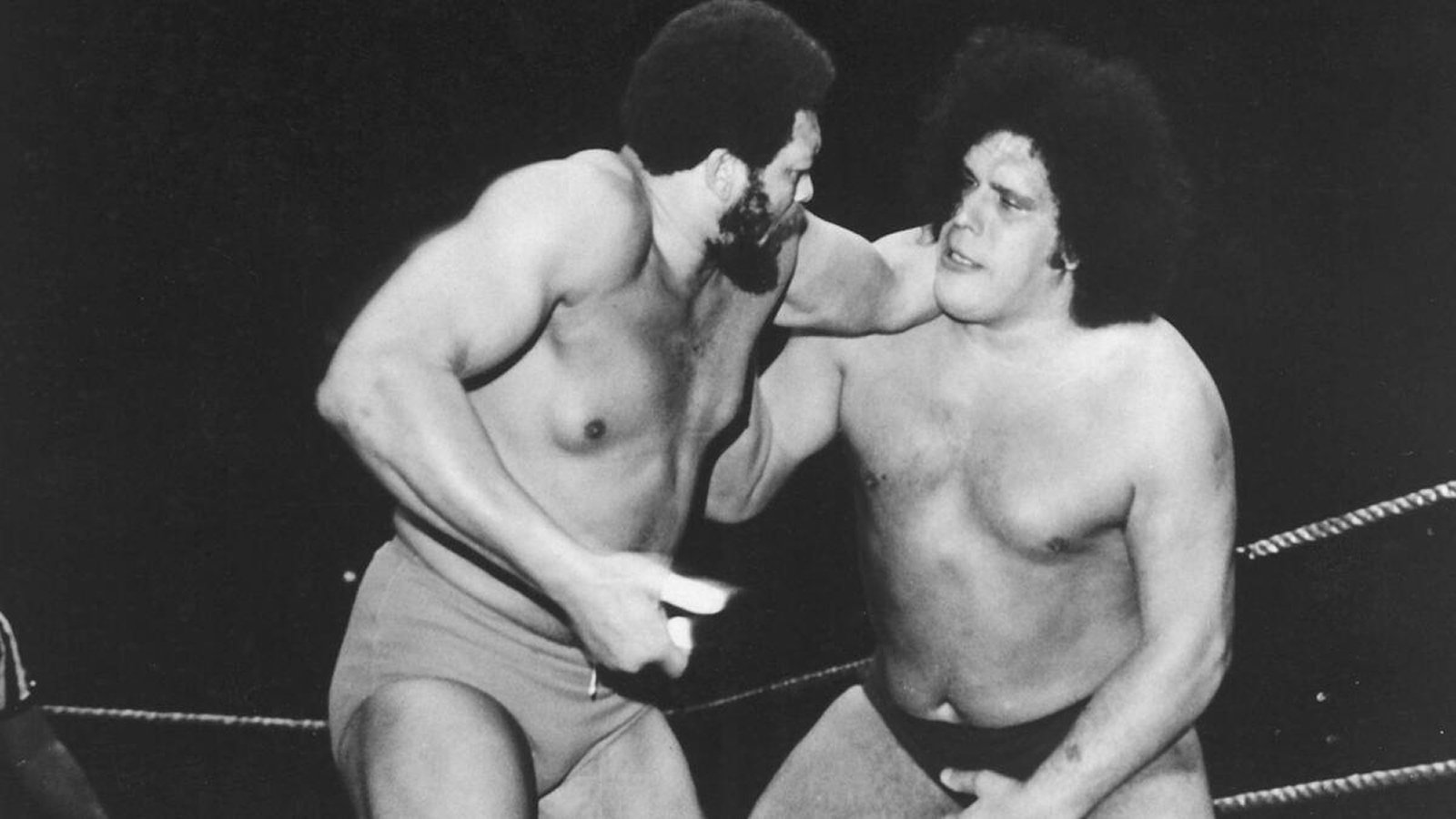
Ernie “The Big Cat” Ladd (6’9″, 320 lbs) faces Andre the Giant in a “Battle of the Giants” at Madison Square Garden on April 26, 1976. The former NFL star’s bravado clashed with Andre’s mystique in a bout that ended in double disqualification, drawing major interest across the WWWF circuit. Photo Credit: WWE.
You like heat? Very few men in wrestling history generated it the way former football great Ernie "The Big Cat" Ladd did, a master provocateur who could rile up an arena before he ever set foot in the ring.
From the royal crown perched on his head to the infamous taped thumb he claimed was a weapon of mass destruction, to that slow, arrogant walk and those exaggerated looks of utter disdain, fans were ready to riot before the opening bell even rang. They didn’t just want to see him lose; they wanted to see him destroyed.
A phenomenal promo, Ernie Ladd would sneer into the microphone and growl, "You missed the birth of your mother and father. Don’t you miss this match!" daring the audience to hang on every word and every threat.
And they came out in droves, packing arenas across the country, paying their hard-earned money for the chance to see the arrogant Ernie finally "get his" at the hands of their hometown hero.
For a man his size, Ladd also possessed surprising speed and agility, moving with an athletic grace that caught opponents off guard, all while adding that signature exaggerated stagger that made him even more entertaining and unpredictable.
A perennial main-event contender who headlined virtually every territory he stepped into, Ernie Ladd repeatedly returned to the East Coast for dramatic, well-attended title shots against Bruno Sammartino, Pedro Morales, and Bob Backlund, each bout feeling like a major event.
A giant in his own right, he even squared off with a younger Andre the Giant in a true "Battle of the Giants” in April of 1976, a clash of massive personalities and even bigger men that audiences couldn’t resist.
An all-time great heel, electrifying promo, and respected booker behind the scenes, Ernie Ladd was one of one. There will never be another "Big Cat."
6. The Valiant Brothers: 370-Day WWWF Tag Team Champions and Masters of Mayhem
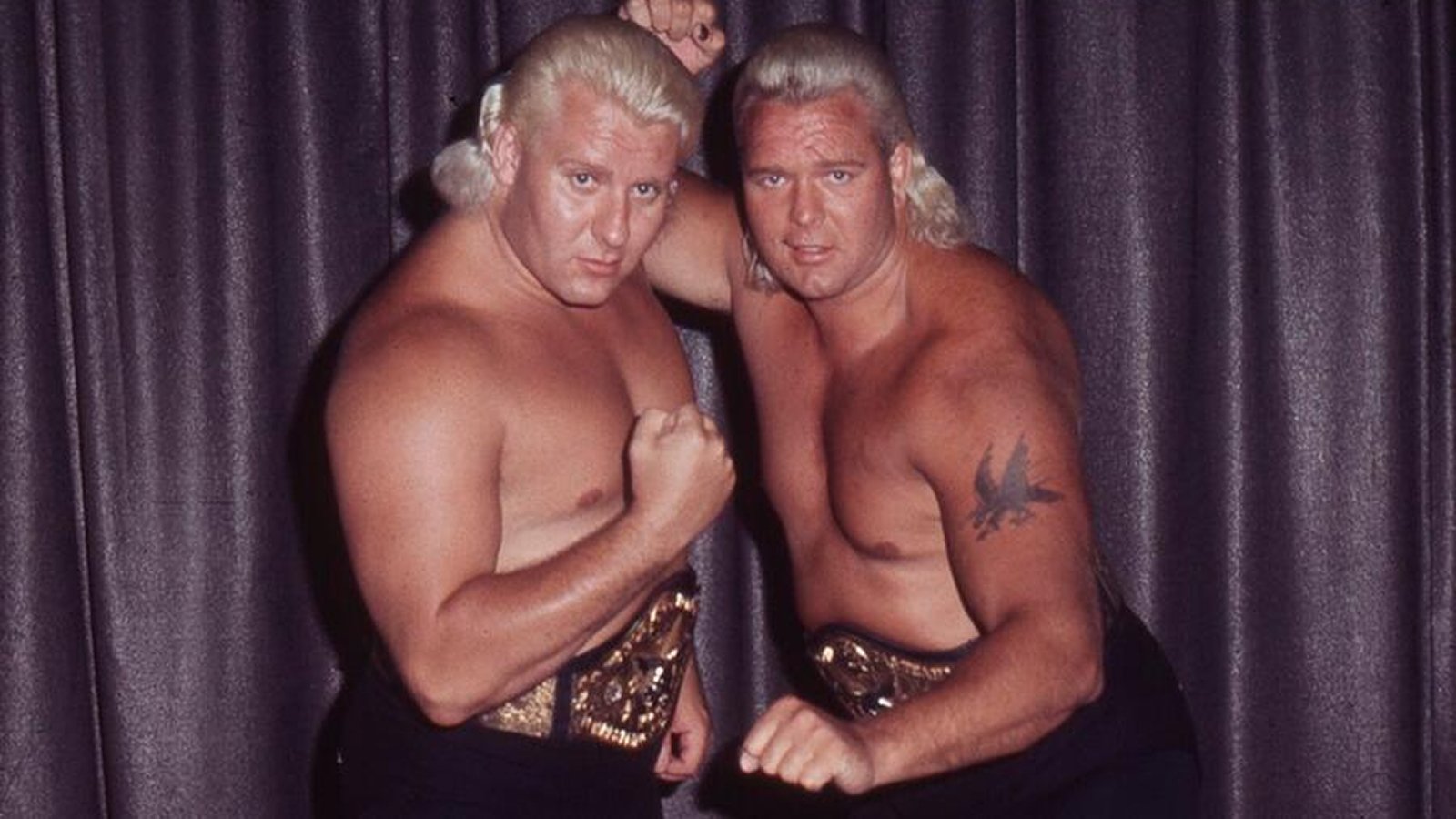
Jimmy Valiant and Johnny Valiant, “The Fabulous Valiant Brothers,” captured the WWWF World Tag Team Championships on May 8, 1974, beginning a dominant 370-day title reign managed by Captain Lou Albano. They headlined Madison Square Garden and arenas across the Northeast through May 13, 1975. Photo Credit: WWE.
It may not be entirely "fair" to include a tag team on a list dominated by singles villains, but in the mid-1970s, The Valiant Brothers were the standard-bearers for tag team chaos in the WWWF.
The Valiant Brothers held the WWWF Tag Team Championships for an astounding 370 days from May 8, 1974, to May 13, 1975. During this period, they were widely billed as the number one tag team in the world and headlined arenas across the circuit, when tag wrestling could carry entire cards on its own.
Paired with their "guiding light," manager Lou Albano, the Valiant Brothers’ interviews were pure, unfiltered mayhem. Hyper-kinetic, bebop-like streams of consciousness filled with wild-eyed rambling about "Grandma Valiant" and "Battlestar Valiant." Half the time, nobody quite understood what they were talking about, but it didn’t matter because they had charisma in waves, and they absolutely sold tickets.
When Jimmy Valiant was sidelined with hepatitis, Jerry Valiant stepped in during the late 1970s to keep the act alive, and remarkably, the group even experimented with three-man tag combinations years before The Fabulous Freebirds would popularize the concept nationally.
Decades later, long-time fans still speak of The Fabulous Valiant Brothers and Captain Lou Albano with a mixture of awe and affection.
7. Nikolai Volkoff: The Soviet Powerhouse Who Held Bruno Sammartino to a One-Hour Draw
Nikolai Volkoff, managed by “Classy” Freddie Blassie, wrestled WWWF World Heavyweight Champion Bruno Sammartino to a one-hour time-limit draw at Madison Square Garden on April 1, 1974 — establishing himself as one of the top foreign heel challengers of the decade across the WWWF Northeast territory. Photo Credit: WWE.
"Squeeze, Nikolai, squeeze!" the Hollywood fashion plate "Classy" Freddie Blassie would shriek from ringside, urging his massive young protégé, Nikolai Volkoff, to put the pressure on and finish the job.
Using an apple as a prop long before Carlito ever made spitting fruit fashionable, Nikolai would slowly raise the ripe apple in his enormous hand, glare into the camera, and instead of taking a bite, crush it in his palm until juice and pulp exploded everywhere. A simple but unforgettable display of raw power.
The message was clear: this powerhouse, a former member of The Mongols, was promising to do the very same thing to our beloved champion, Bruno Sammartino.
In 1974, when the two collided at Madison Square Garden, Nikolai Volkoff proved he was no mere cartoon villain, holding the mighty Bruno to a remarkable one-hour draw in a grueling contest that stunned the faithful.
They would meet many times after that in cities all across the circuit, building a rivalry that felt intense and personal to fans, even though in "real life" the two men were close friends who deeply respected one another and understood just how special their in-ring chemistry truly was.
While casual fans today may remember Volkoff more for his later tag team title run with The Iron Sheik during the mid-1980s, those who were there know that solo challenger Nikolai wrestled Bruno hundreds of times throughout the decade, forging a fierce, believable rivalry that consistently "drew money" and remains cherished by old-school fans to this day.
8. Ken Patera: The Olympic Strongman Named Pro Wrestling’s Most Hated Wrestler in 1977
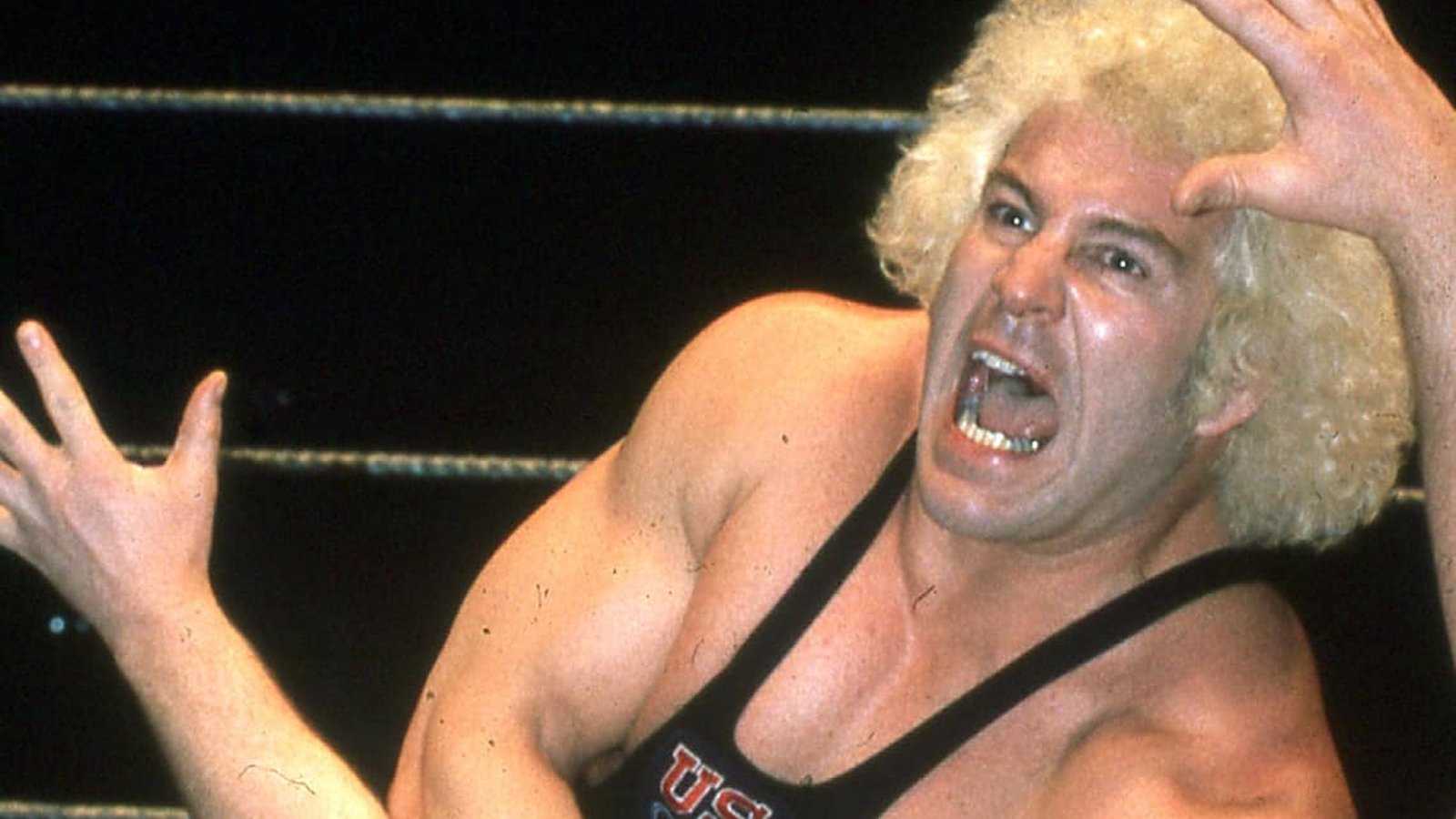
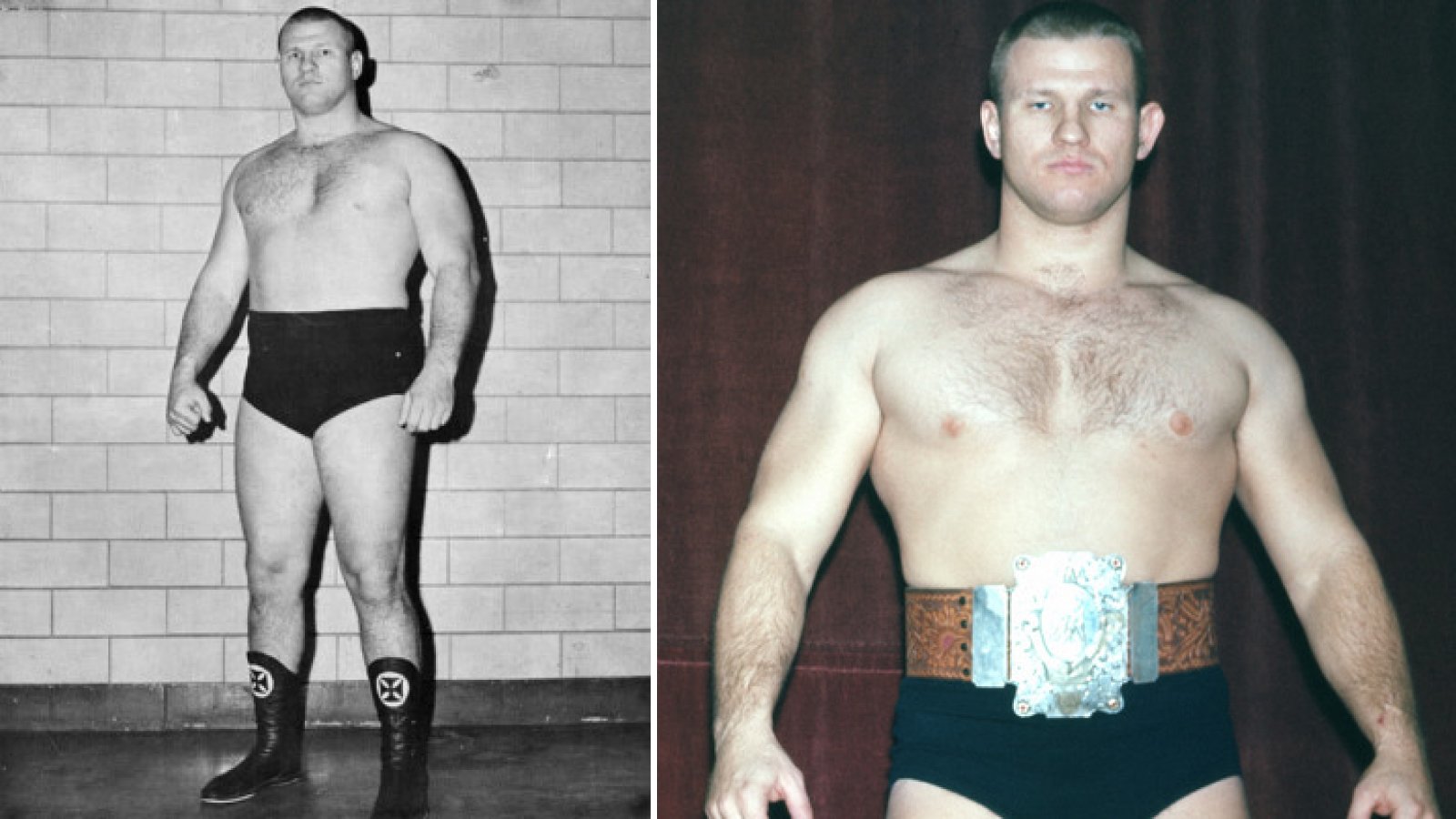
Olympic weightlifter Ken Patera, trained by Verne Gagne, became one of the most credible WWWF heel challengers of the 1970s, headlining Madison Square Garden against Bruno Sammartino in three consecutive 1977 bouts and winning Pro Wrestling Illustrated’s Most Hated Wrestler award that same year. Photo Credit: WWE.
A highly decorated Olympic weightlifter and legitimate strongman, Ken Patera was one of the most imposing and credible heels in wrestling history.
With his bleached-blonde hair and imposing physique, Ken Patera combined legitimate wrestling skills learned in Verne Gagne’s camp with a solid amateur wrestling background, making him both technically sound and dangerously physical. He was also a fearless brawler who didn’t shy away from bleeding in the ring, adding to his aura of toughness.
Fans truly believed Patera could take the titles of Bruno Sammartino or Bob Backlund, and his credibility was such that he faced Sammartino in three consecutive Madison Square Garden main events, each match feeling like a genuine battle for supremacy.
In an extraordinary career, Patera wrestled all three of wrestling’s legendary champions of the era – Bruno Sammartino, Bob Backlund, and Hulk Hogan – while later capturing the Intercontinental Championship himself, proving he could compete at the very top of the card.
He earned Pro Wrestling Illustrated’s Most Hated Wrestler Award in 1977, and the promotion ran brutal angles with him, such as attacking tag champ Billy White Wolf with a swinging full nelson, further cementing his reputation as a vicious heel.
Although Patera has stated he was promised the WWWF World Title, it never came to fruition, an oversight explored in detail in his excellent autobiography, Ken Patera: Weight of the World from WOHW Publishing, which chronicles the life and career of this remarkable competitor.
9. Greg “The Hammer” Valentine: The Figure Four Master Who Drew Bob Backlund to a One-Hour Draw
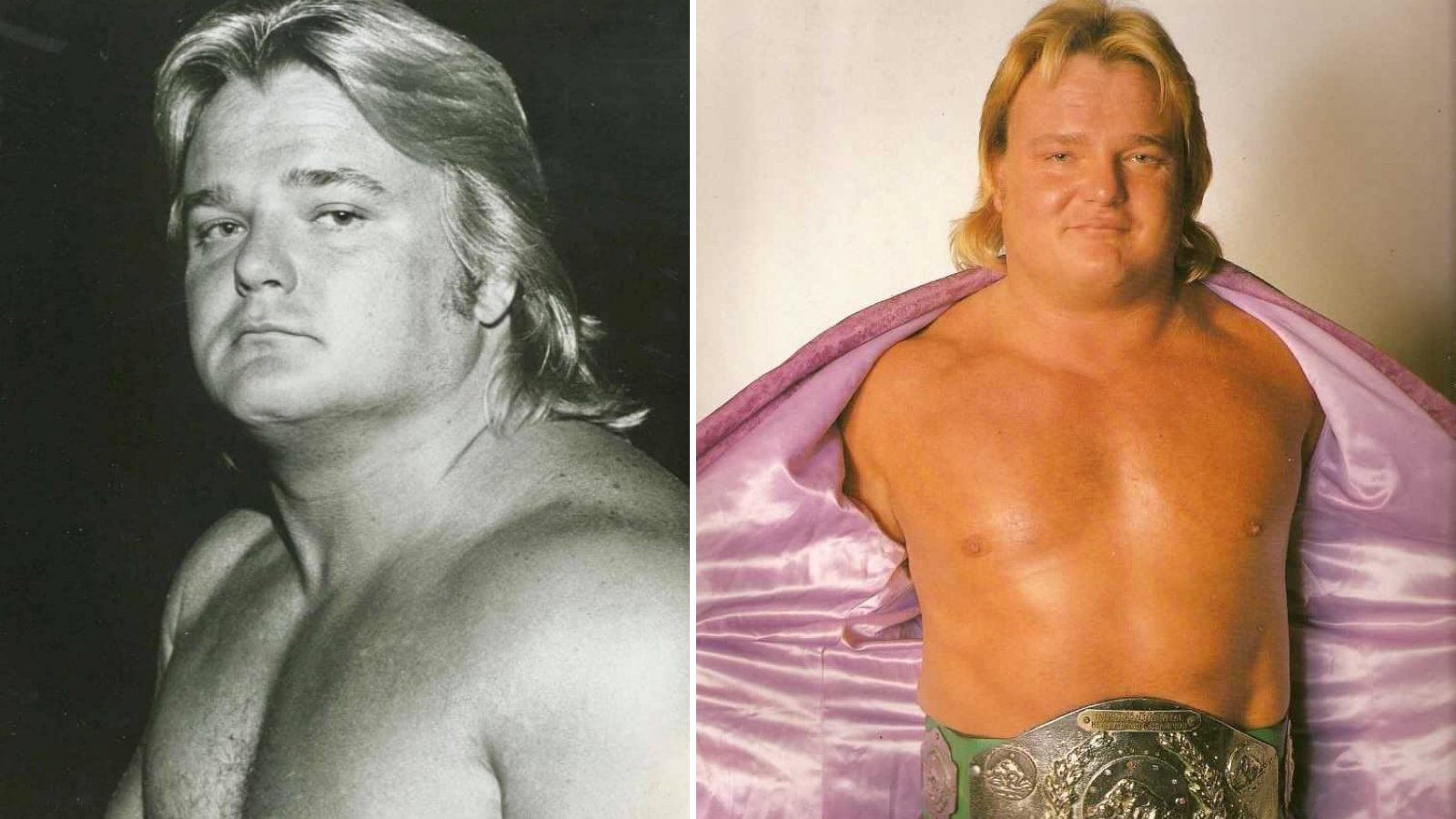
Greg “The Hammer” Valentine, son of legendary Johnny Valentine, debuted as a headline WWWF heel in 1979 and wrestled World Champion Bob Backlund to a one-hour draw at Madison Square Garden on February 19, 1979, before a hard-fought thirty-minute rematch later that year. Photo Credit: WWE.
In his prime, Greg Valentine was as dominant and technically gifted as anyone to ever step foot in a WWF ring, a competitor whose toughness and in-ring intelligence made him a nightmare for any opponent.
Though he arrived late to the WWF scene, not headlining cards until 1979, Valentine made an immediate impact, leaving fans and promoters alike stunned by his skill, intensity, and ability to draw massive reactions.
Known as the "Master of the Figure Four Leglock," he held champion Bob Backlund to a legendary one-hour draw at Madison Square Garden on February 19th, 1979, before Backlund narrowly bested "The Hammer" in a thirty-minute return match that was nothing short of a barn burner.
Drawing inspiration from his famous 1977 NWA feud with Wahoo McDaniel, Valentine proposed recreating a similar angle with faux Indian Chief Jay Strongbow, a storyline that, like his previous work, reliably "drew money." Their two MSG encounters in 1979 included a brutal Indian Strap Match that left fans on the edge of their seats.
Over the years, Valentine would repeatedly return to headline MSG, but longtime fans still remember the young, stiff, and rugged Hammer, tough as nails, just like his father, the legendary Johnny Valentine.
10. Don Leo Jonathan: The 6’6″ “Mormon Giant” Still Waiting for the WWE Hall of Fame
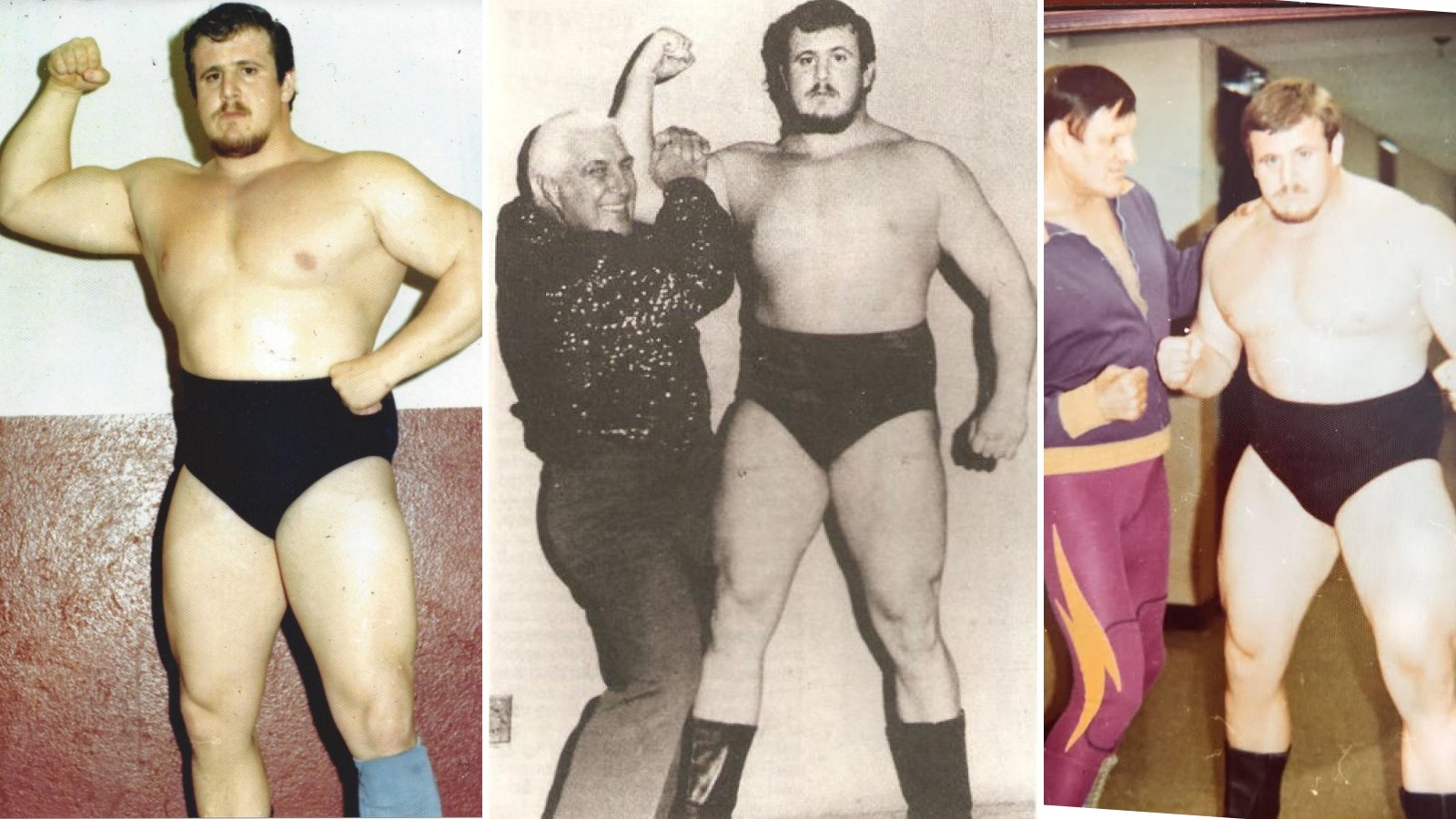
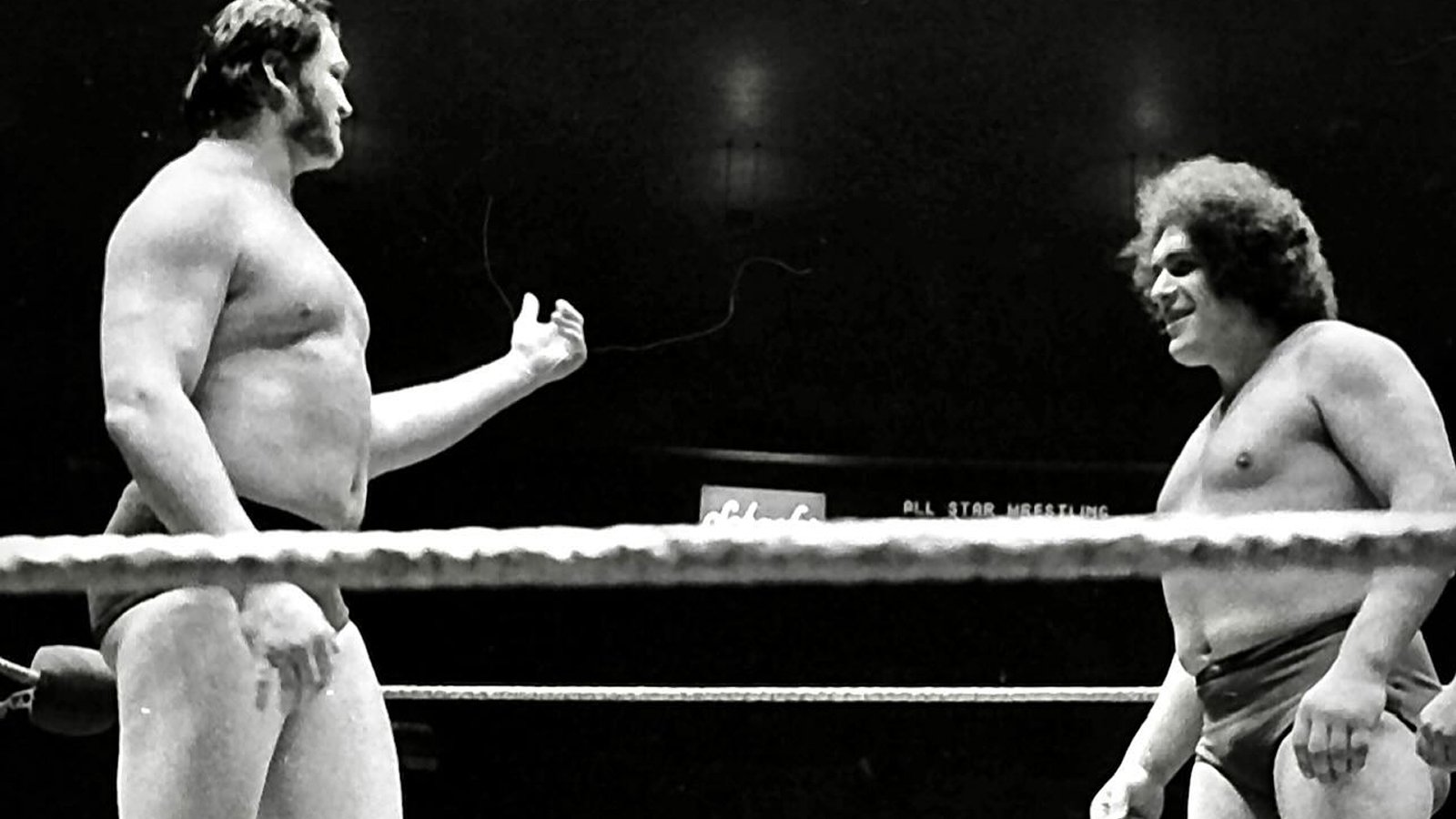
“The Mormon Giant” Don Leo Jonathan (6’6″, 285–340 lbs) faces a young, undefeated Andre the Giant at Madison Square Garden on November 11, 1974, in a rare super-heavyweight clash. Jonathan’s agility and former world champion credentials made the contest a legitimate WWWF main event and cemented his standing as one of the era’s premier big men. Photo Credit: WWE.
At 6’6" and fluctuating between 285 and 340 pounds throughout his long career, "The Mormon Giant" Don Leo Jonathan was an absolutely massive presence for that era, towering over most opponents at a time when true super-heavyweights were far less common than they are today.
The son of wrestler Brother Jonathan, Don Leo Jonathan was a legitimate athlete, excelling as a high school football player and later pursuing scuba diving and martial arts, disciplines that contributed to his agility and conditioning.
When he faced Pedro Morales in 1973 and Bruno Sammartino in 1974, both main events competing for the WWWF World Title, Jonathan proved he was no lumbering giant. Instead, he moved with surprising quickness and technical skill, making him one of the finest big men ever to step into the ring and a reliable draw because fans believed in him.
Deeply respected and even revered by his peers, he competed from the 1950s through 1980, building a reputation as a consummate professional. His presence extended beyond wrestling, too, with appearances in Sylvester Stallone’s Paradise Alley and later in the documentary 350 Days, further cementing his legacy.
Given his longevity, drawing power, and in-ring excellence, it remains unfathomable to many longtime fans that Don Leo Jonathan has yet to be inducted into the WWE Hall of Fame.
11. Waldo Von Erich: The Controversial Heel Who Fought Bruno Sammartino for 81 Minutes
Waldo Von Erich, billed as the “brother” of Fritz Von Erich, challenged WWWF World Heavyweight Champion Bruno Sammartino repeatedly at Madison Square Garden and across the Northeast throughout the early-to-mid 1970s — including an 81-minute time-limit draw at MSG on August 22, 1964, that remains one of the longest matches in the arena’s wrestling history. Photo Credit: WWE.
One of Bruno Sammartino’s most prolific and enduring opponents, the fierce Waldo Von Erich, billed at 265 pounds, battled the champion all across the circuit throughout the 1960s and well into the mid-1970s, becoming a constant and credible threat to the throne.
In one of their most memorable Madison Square Garden encounters, the two men wrestled to an astonishing 81-minute time-limit draw on August 22nd of 1964, a marathon contest that showcased both Von Erich’s stamina and his ability to hang with the seemingly unbeatable champion.
Portrayed as the faux "brother" of Fritz Von Erich, the Canadian-born wrestler leaned fully into a controversial WWII gimmick that generated enormous reactions on the East Coast, particularly among blue-collar audiences that included many veterans.
The heat Waldo Von Erich drew was off the charts, always raw, emotional, and loud in a way that only the most effective villains could inspire. Couple that reaction with the fact that he was a legitimately skilled, top-tier wrestler inside the ropes, and you had the total package: a performer who could both provoke outrage and deliver in the ring, packing arenas time and time again.
Waldo Von Erich stands as another all-time great heel who many believe deserves a place in the WWE Hall of Fame but has been unfairly overlooked. The wars he waged and the money he drew cemented his status as a true wrestling immortal.
12. Spiros Arion: The Betrayal That Ignited a WWWF War
Spiros Arion, managed by “Classy” Freddie Blassie, turned heel in 1975 by attacking his tag partner Chief Jay Strongbow — a betrayal that catapulted him into three consecutive Madison Square Garden main events against WWWF World Heavyweight Champion Bruno Sammartino (1975–1976), making him one of the decade’s most profitable WWWF villains. Photo Credit: WWE.
In one of the most shocking heel turns of the 1970s, beloved fan favorite Spiros Arion betrayed his partner Chief Jay Strongbow in stunning fashion, attacking him and humiliating him in the ring, a moment that instantly transformed Arion from hero to one of the most despised villains on the roster.
He didn’t stop there. At Madison Square Garden in 1975, Spiros Arion delivered a vicious post-match assault on Bruno Sammartino’s young protégé, Larry Zbyszko, prompting Sammartino himself to charge the ring to prevent further damage. That explosive angle ignited one of the promotion’s hottest rivalries, leading to three consecutive Madison Square Garden main events between Arion and Bruno, remarkable considering they had once teamed together earlier in Arion’s career.
The hatred Spiros Arion generated was so intense that emotions occasionally spilled beyond the ring, underscoring just how deeply invested fans were in the storyline.
When he returned to the WWWF in 1978 to challenge the new champion, Bob Backlund, the matches were technically strong and well received across the circuit, but admittedly, they lacked the raw emotional weight and electricity of his war with Sammartino.
13. Stan Hansen: The Unknown Texan Who Broke Bruno Sammartino’s Neck and Became a Star Overnight
Stan Hansen faces WWWF World Heavyweight Champion Bruno Sammartino at Madison Square Garden on April 26, 1976, in the bout where Hansen’s powerslam accidentally broke Sammartino’s neck. The injury sidelined Bruno for months but catapulted the unknown Texan into instant main-event status, leading to their massive grudge match rematch at Shea Stadium on June 25, 1976. Photo Credit: WWE.
Irony is when you break someone’s neck, and that becomes your big break. That’s exactly what happened with rugged, hard-hitting Stan Hansen.
Still a young man and relatively unknown in New York when he arrived in the WWWF in 1976, Stan Hansen made his Madison Square Garden debut against the seemingly indestructible Bruno Sammartino. During the match, a move went wrong, Bruno went down awkwardly and didn’t get up quite right, and even the fans in the packed Garden could sense immediately that something was seriously off.
With Bruno hospitalized and sidelined, the entire landscape of the territory shifted overnight, and suddenly, Stan Hansen was positioned at the very top of the wrestling world.
With the champion out of action, the ever-popular Ivan Putski stepped into the main-event spotlight against Stan Hansen at MSG, only to suffer a rare and decisive loss, further cementing Hansen’s aura as a dangerous, unstoppable force.
When Bruno finally returned, the grudge match was so enormous, so emotionally charged, that Madison Square Garden couldn’t contain it. Instead, they took the showdown to Shea Stadium on June 25th, 1976, proving that Stan Hansen was now a stadium-level attraction born from one chaotic moment.
Hansen went on to become a worldwide draw, dominating in multiple territories and later returning to the WWF for a lucrative run against Bob Backlund in 1981. Yet even half a century later, longtime fans in the Northeast still speak in hushed, reverent tones about the night Stan Hansen broke Bruno’s neck, the moment that changed everything.
14. Professor Toru Tanaka: The Salt-Throwing Judo Black Belt
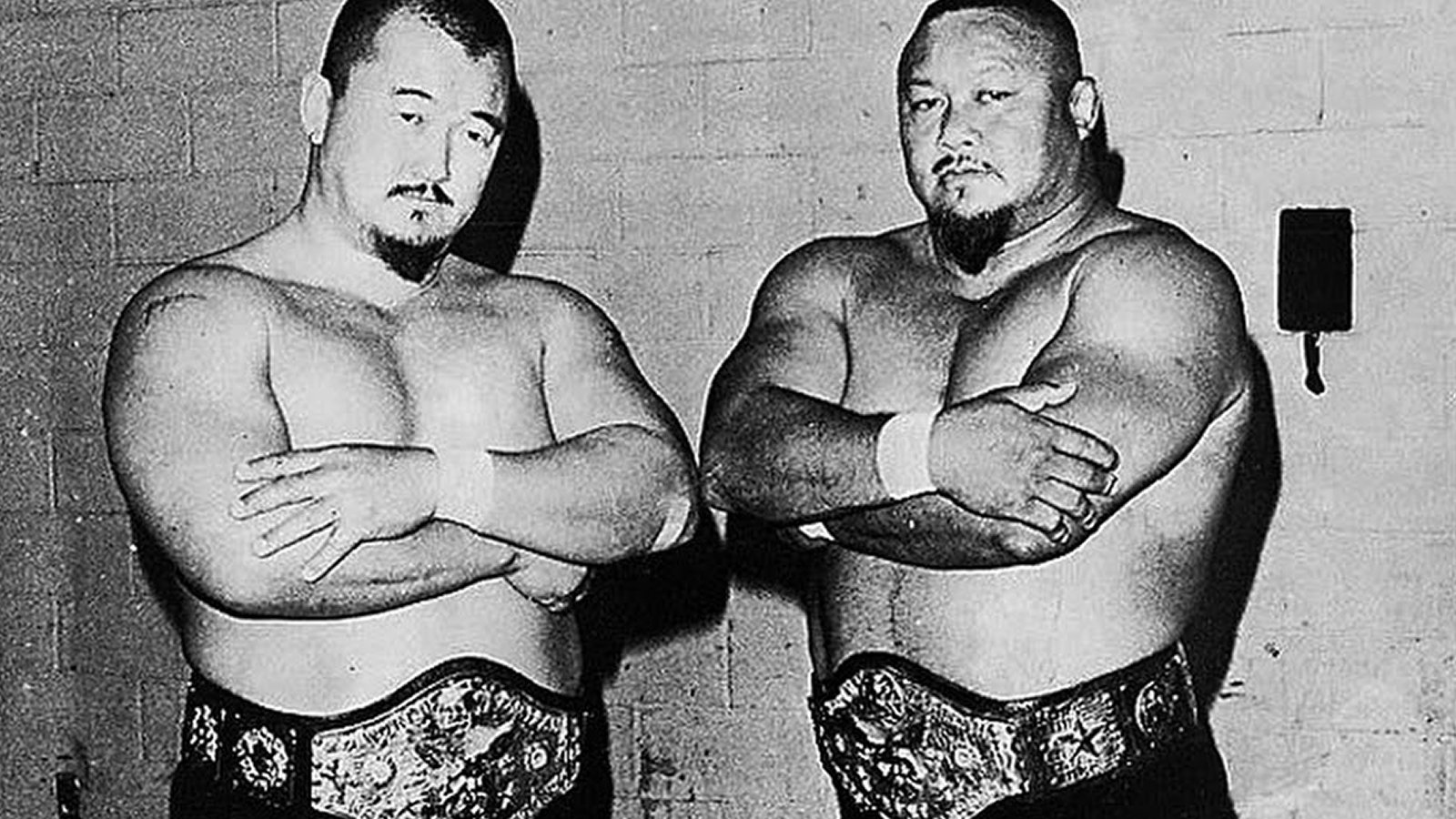
Professor Toru Tanaka (right) and Mr. Fuji hold the WWWF World Tag Team Championships after defeating Chief Jay Strongbow and Sonny King on June 27, 1972. The salt-throwing duo headlined Madison Square Garden throughout 1972–1973, capturing the tag titles twice and establishing themselves as one of the most dominant heel tag teams in 1970s WWWF history. Photo Credit: WWE.
Built like a bull and weighing in at a powerful 280 pounds, Toru Tanaka was an intimidating presence and a legitimate Black Belt in Judo, combining real combat credentials with ring savvy. Over the course of his WWWF career, he captured the Tag Team Championships three times, once with Mitsu Arakawa and twice alongside the devious Mr. Fuji, cementing his place as one of the era’s most reliable tag team villains.
Though actually Hawaiian by birth, Toru Tanaka masterfully portrayed the stereotypical Japanese heel role that drew immediate reactions in that era, famously blinding opponents with handfuls of salt to the eyes and sending crowds into a frenzy of outrage.
Tanaka wrestled Bruno Sammartino hundreds of times across the old WWWF circuit, proving himself a durable and credible challenger, and he even headlined in the original Madison Square Garden, a testament to his drawing power and importance to the territory.
Over the years, Professor Toru Tanaka remained a perennial attraction at MSG, teaming with various partners and consistently delivering the kind of heated, hard-hitting matches that fans paid to see.
Beyond wrestling, Tanaka carved out a successful second act in commercials and films, appearing alongside major stars such as Arnold Schwarzenegger, Chuck Norris, Jim Kelly, and even Pee Wee Herman, showcasing his versatility and screen presence.
15. George “The Animal” Steele: The Rampaging Summer Visitor Who Kept Fans Coming Back for More
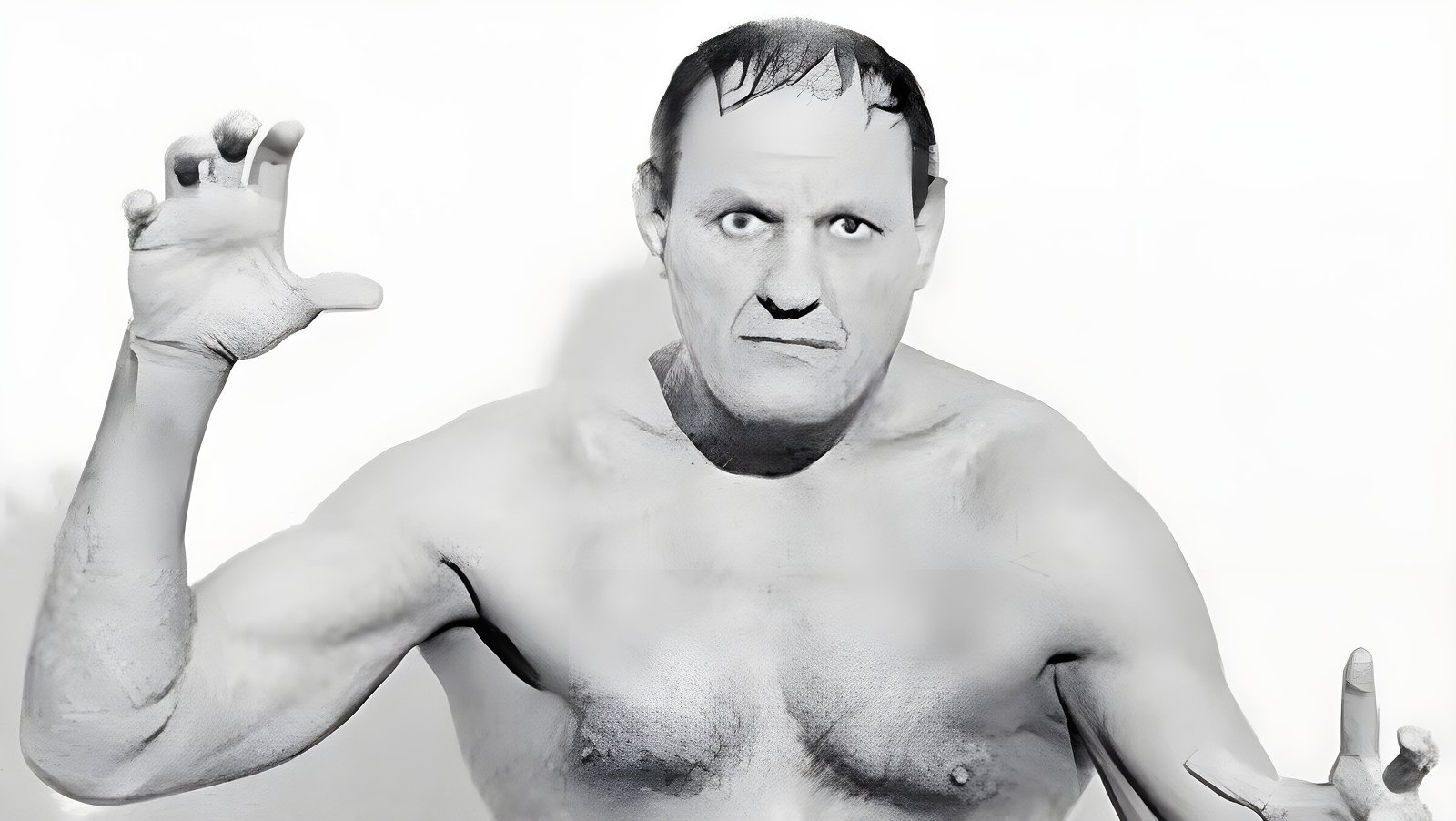
George “The Animal” Steele battles WWWF World Heavyweight Champion Bruno Sammartino at Madison Square Garden during the mid-1970s. Steele’s wild, furniture-throwing brawling style made him a reliable summer draw against Sammartino and Pedro Morales across the Northeast circuit in 1974 and 1975, even though fans never believed he would dethrone the champion. Photo Credit: WWE.
It was a "weird deal" with George Steele. Those who go back far enough saw him cut promos in perfect English whenever he challenged champions Pedro Morales and Bruno Sammartino. They even knew of his "shoot job" in a school, and that he wasn’t the raving lunatic he’d later portray.
At the same time, in those "pre-hardcore" days, a rampaging, brawling, chair-throwing, in-character George Steele was quite a sight to see and could make a fan suspend disbelief right quick. And while we never, ever thought he was an actual threat to the title, we came back to see him summer after summer when he was on school break to battle the world champions.
Slowly but surely, his character shifted to an almost caveman-like "Animal," and he was that much more entertaining. We knew George Steele would give us our money’s worth, and eventually, we couldn’t get enough of "The Animal."
Killer Kowalski once told me that Steele got so in character that even after his match, he was still throwing furniture backstage and carrying on, and that he and the other wrestlers would get annoyed and tell him to "Calm down, George…"
Honorable Mentions: WWWF Heels of the 1970s Who Nearly Made the List
Former WWWF World Heavyweight Champion Stan Stasiak, who defeated Pedro Morales for the title at Madison Square Garden on December 1, 1973 — a title change he later admitted learning about the day of the match. Bruno Sammartino reclaimed the championship just nine days later on December 10, 1973, but Stasiak remained a credible main-event heel throughout the decade with his feared heart punch finisher. Photo Credit: WWE.
When discussing the best of the best when it comes to main event heels from the 1970s in the WWWF, I’d be remiss to leave out the following legends.
There’s former champion Stan Stasiak, who shocked the wrestling world – and by his own admission, was stunned himself – when he learned the very day of the match that he would be defeating Pedro Morales for the WWWF Championship on December 1st, 1973. The master of the devastating heart punch carried the title briefly before Bruno Sammartino reclaimed it, and Stasiak later earned another featured run with Bruno in 1976 before gradually moving down the card as new challengers emerged.
The unpredictable Bulldog Brower was another fixture in the main events during the reigns of Bruno and Pedro, a wild brawler who brought chaos wherever he went. On July 30th, 1979, Bulldog Brower received a one-and-done championship opportunity against Bob Backlund at Madison Square Garden before eventually settling into a lower-card role, though longtime fans of the WWWF during this time period never forgot his manic intensity.
Also, squarely in the brawler category were Pampero Firpo, also known as "The Wild Bull of the Pampas", and the unhinged King Curtis Iaukea. Firpo’s fiery, explosive style famously influenced a young Macho Man Randy Savage, and both men specialized in creating bedlam while headlining against then-champion Pedro Morales, turning matches into near riots.
High Chief Peter Maivia spent much of the 1970s as a respected and beloved babyface before stunning audiences with a heel turn that led to a three-match Madison Square Garden run against Bob Backlund in 1979, along with strong houses throughout the circuit.
Big Bob Duncum, a rugged, no-nonsense cowboy, was another dependable headliner who doesn’t receive enough credit today. Tough as leather and fundamentally sound, he consistently delivered top-tier matches against the era’s biggest stars.
And then there’s Ray Stevens, who is arguably the most naturally gifted performer mentioned here. Though he challenged Pedro Morales for the WWWF World Heavyweight Championship multiple times in 1972 and 1973, Ray Stevens found much of his fame in the AWA and NWA, where many of his peers insist that prime Ray Stevens may have been the greatest of all time. Truly.
The WWWF Villains Who Made WWE’s 1970s Era a Living Nightmare for Champions and Fans Alike
“Superstar” Billy Graham overpowers Bruno Sammartino during their legendary 1977 WWWF World Heavyweight Championship feud. Graham’s flamboyant tie-dye gear and Muhammad Ali-inspired promos made him the perfect foil to Sammartino’s blue-collar hero persona, producing one of the most memorable rivalries of the 1970s WWWF era. Photo Credit: WWE.
All names mentioned on our list here were top-tier talents, undeniable main-event players in their prime, and more than worthy of inclusion on any serious list of the greatest heels in WWWF or WWE history.
Each man brought something different to the table, and together they helped define what it meant to be a true villain in the golden age of the WWWF.
To put it as succinctly as we can, the 1970s in the WWWF were built on these villains, just as much as the territory thrived with key babyfaces in the role of champion. Without heels at the helm of essential moments and feuds, Bruno Sammartino, Pedro Morales, and Bob Backlund would not have seemed nearly as heroic. A great babyface needs a great heel, and this era may have featured the deepest collection of credible, money-drawing antagonists the industry has ever seen.
We may never see another time quite like it. But for those who were there, and for those who study the history, the legacy of these WWWF heels endures.
Pro Wrestling Stories is committed to accurate, unbiased wrestling content rigorously fact-checked and verified by our team of researchers and editors. Any inaccuracies are quickly corrected, with updates timestamped in the article's byline header.
Got a correction, tip, or story idea for Pro Wrestling Stories? Contact us! Learn about our editorial standards here. Ever wanted to learn more about the people behind Pro Wrestling Stories? Meet our authors! Want to write for us? Learn how to join the team.
Quick Tip for Facebook Readers
Many of our readers find us through
our Facebook page.
Meta's built in browser (which opens by default on mobile) can occasionally freeze mid article, a known issue unrelated to our site.
For uninterrupted reading: tap the three dots in the top right corner then select 'Open in external browser'.
That usually resolves the glitch. Thanks for your support and we want your wrestling stories to stay as smooth as a top rope hurricanrana!
ProWrestlingStories.com participates in affiliate marketing programs. This post may contain affiliate links, meaning we may earn commissions at no extra cost to our readers. This supports our mission to deliver free content for you to enjoy!
Evan Ginzburg is the Senior Editor for Pro Wrestling Stories and a contributing writer since 2017. He’s a published author, with his latest book, "Wrestling Rings, Blackboards, and Movie Sets," released on January 7th, 2025. He was an Associate Producer on the Oscar-nominated movie "The Wrestler" and the acclaimed wrestling documentary "350 Days." He is a 30-plus-year film, radio, and TV veteran and a voice-over actor on the radio drama "Kings of the Ring."
 Author: