Author:
 In 1983, a fierce battle erupted in St. Louis that would forever change the wrestling landscape. Two powerhouse promotions clashed in what seemed like a straightforward territorial war, each believing victory was within their grasp. But as these local forces tore each other apart in an increasingly bitter conflict, neither would emerge victorious. Instead, a third player, Vince McMahon, watched from the shadows, calculating every move, waiting for the perfect moment to strike.
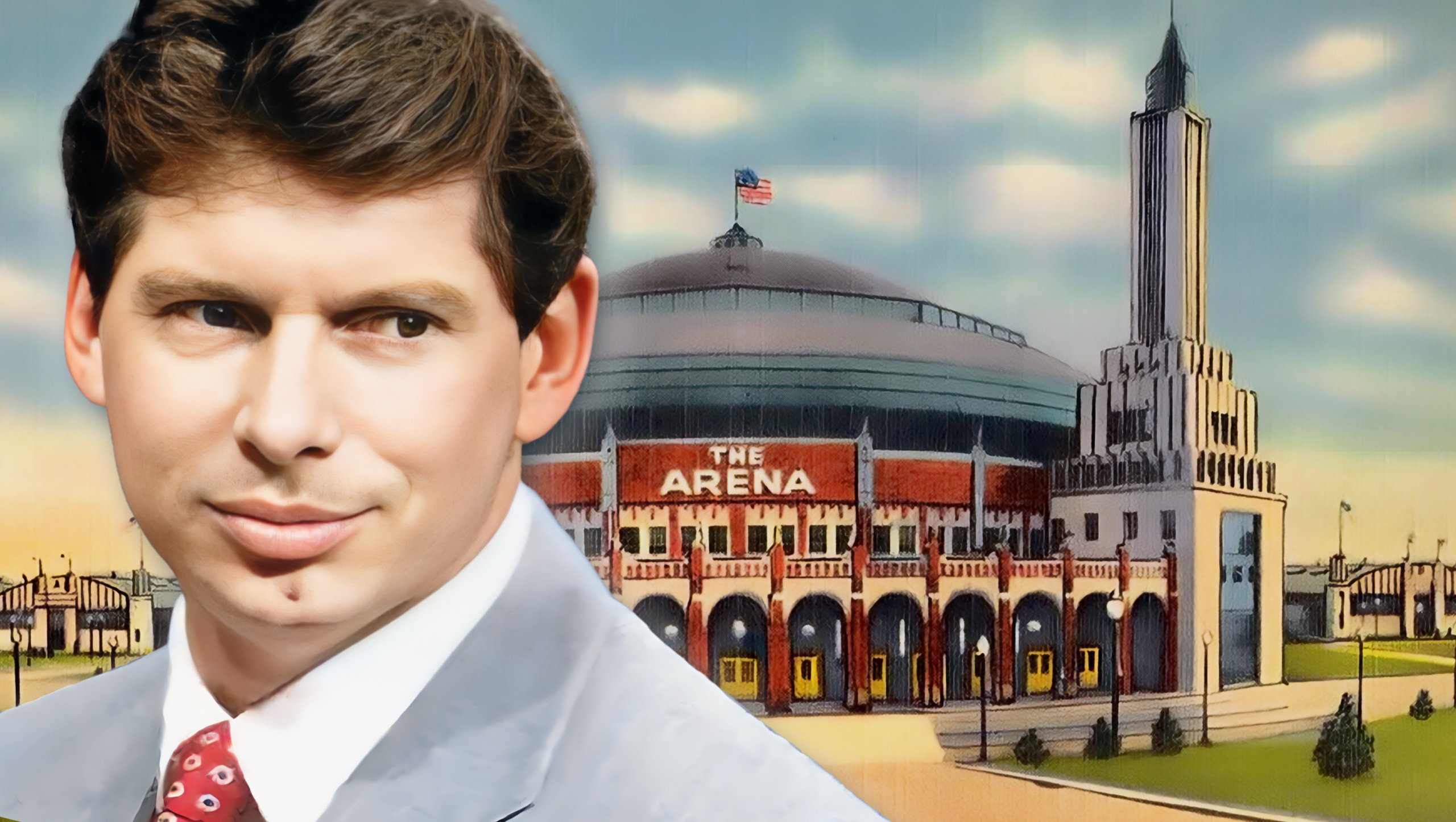
A City Torn: Wrestling’s Hidden Battle for St. Louis
In professional wrestling, many battles have been fought to determine which organization would control a specific territory. While the wrestling wars in Atlanta during 1972-74 are well-remembered for boosting interest in the overall product, many other conflicts, such as the Knoxville War of 1979, ended in disaster.
One such forgotten battle took place in St. Louis, Missouri, in 1983. Throughout the 1970s and 1980s, St. Louis was arguably the best wrestling town in the United States.
Speaking at his father’s induction into the St. Louis Wrestling Hall of Fame in 2024, Randy Orton had this to say about the city.
"St. Louis is Wrestling Town. It was the heart and soul of the NWA. Once you came through St. Louis, you knew you were on your way to making a name for yourself."
This was not a fight for territory but rather a city that stood as a symbol of independence. One side strived to remain a standalone town while the other sought to absorb it into their existing circuit. The clash of philosophies led to a bitter conclusion, leaving both sides in disarray.
The Legacy of Sam Muchnick and the St. Louis Wrestling Club
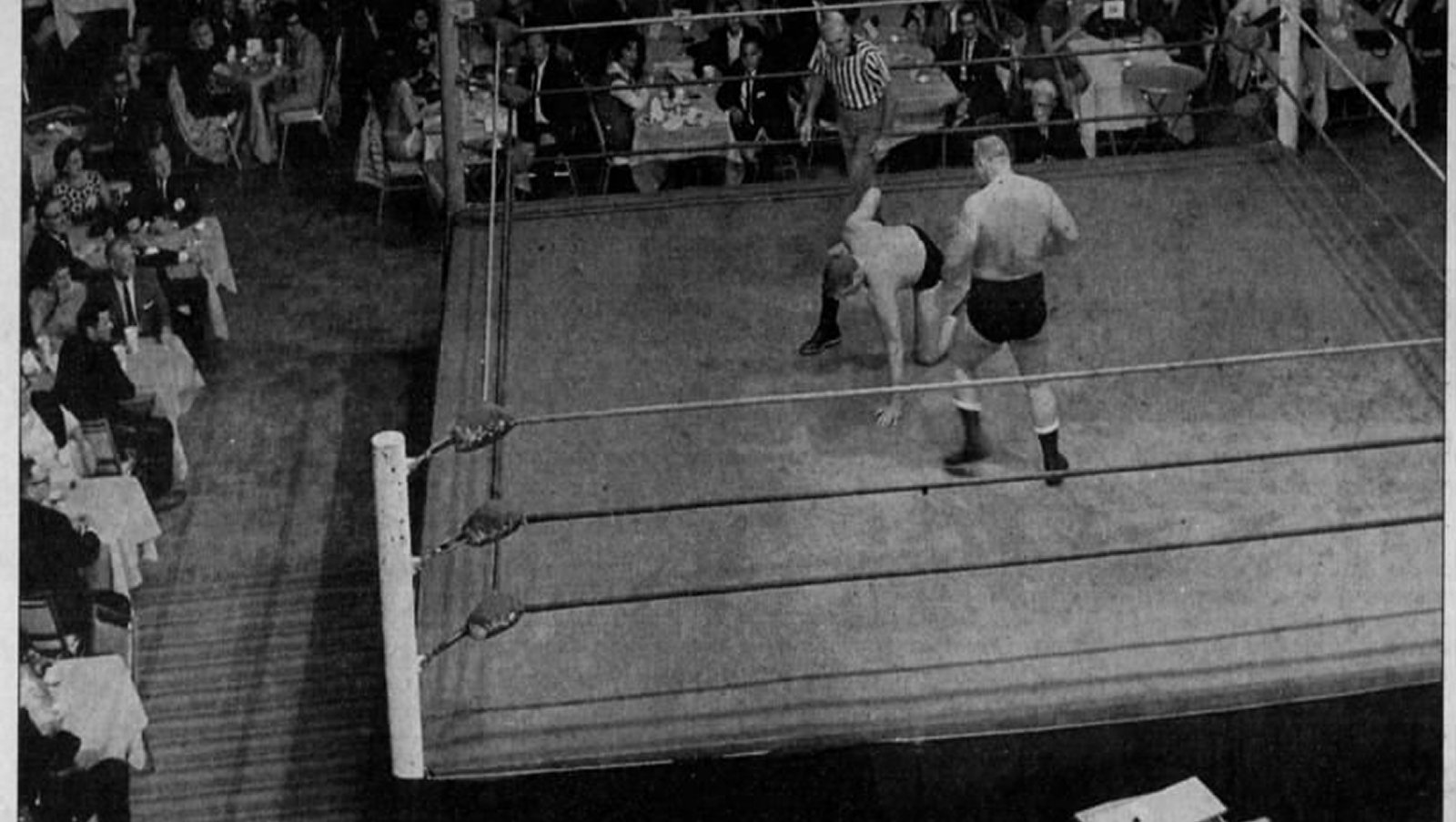
Sam Muchnick, a longtime promoter and high-ranking member of the National Wrestling Alliance (NWA), retired on January 1st, 1982.
Following his departure, the St. Louis Wrestling Club was handed over to its other shareholders, including Bob Geigel, Verne Gagne, and others.
Muchnick was known for his meticulous attention to detail, from fair payoffs to maintaining a pristine reputation in all business dealings, including taxes, bills, and show presentations.
Under his leadership, St. Louis earned respect from talent across the nation, and wrestlers saw it as a proving ground for aspiring NWA World Champions.
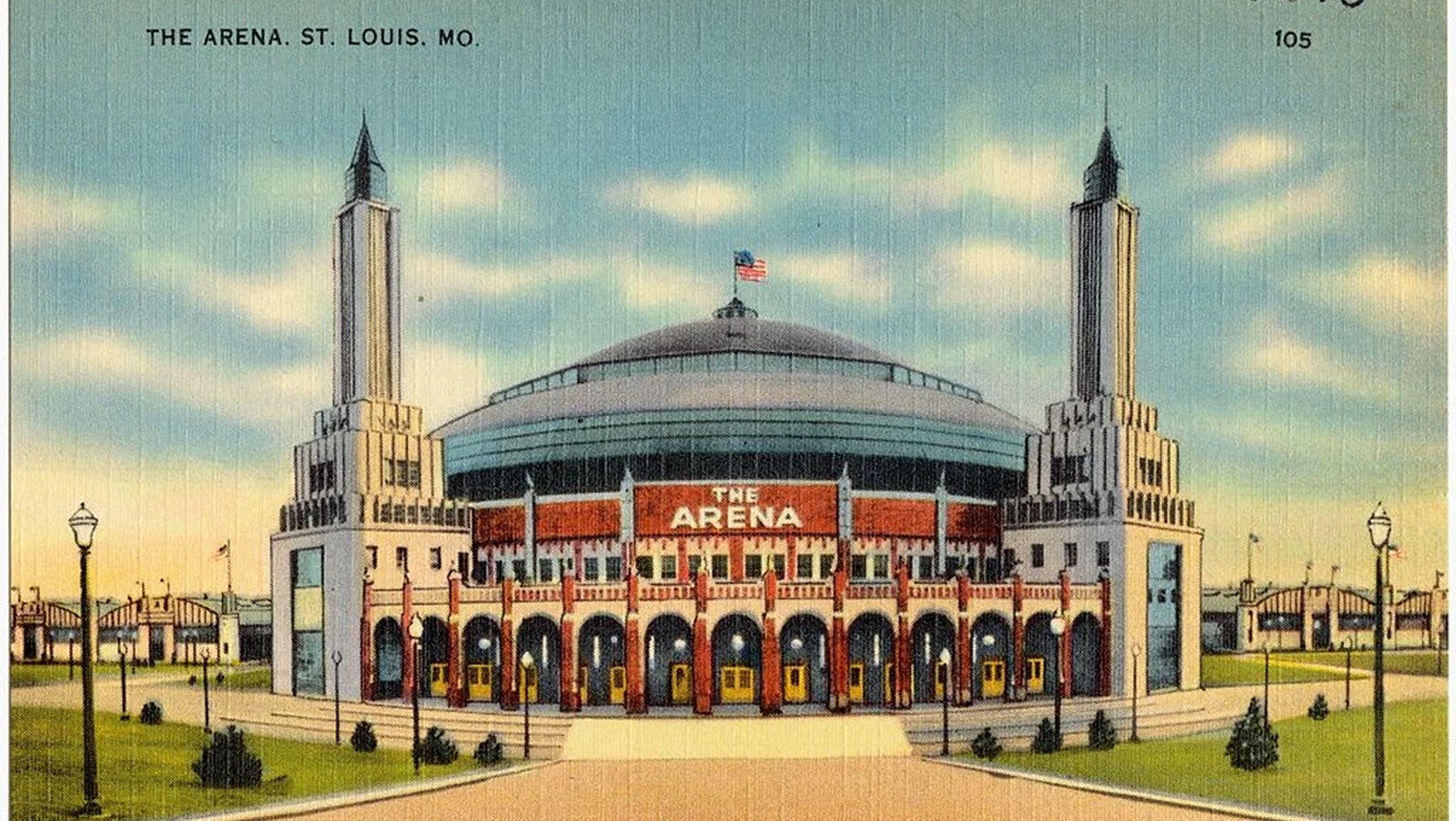
To receive the NWA’s highest honor, one must first impress the crowds at Kiel Auditorium and occasionally at the St. Louis Arena.
On an episode of the Jim Cornette Experience podcast, Cornette explained the reputation of St. Louis among the pro wrestlers.
“St. Louis was the gold standard for wrestling television. Sam Muchnick ran a tight ship, and the presentation was top-notch. The fans were knowledgeable, and the talent was some of the best in the world. Wrestling at the Chase was a class act, and it set the bar for how wrestling should be presented on TV.”
Kansas City’s Rise in Pro Wrestling and the Power Shift
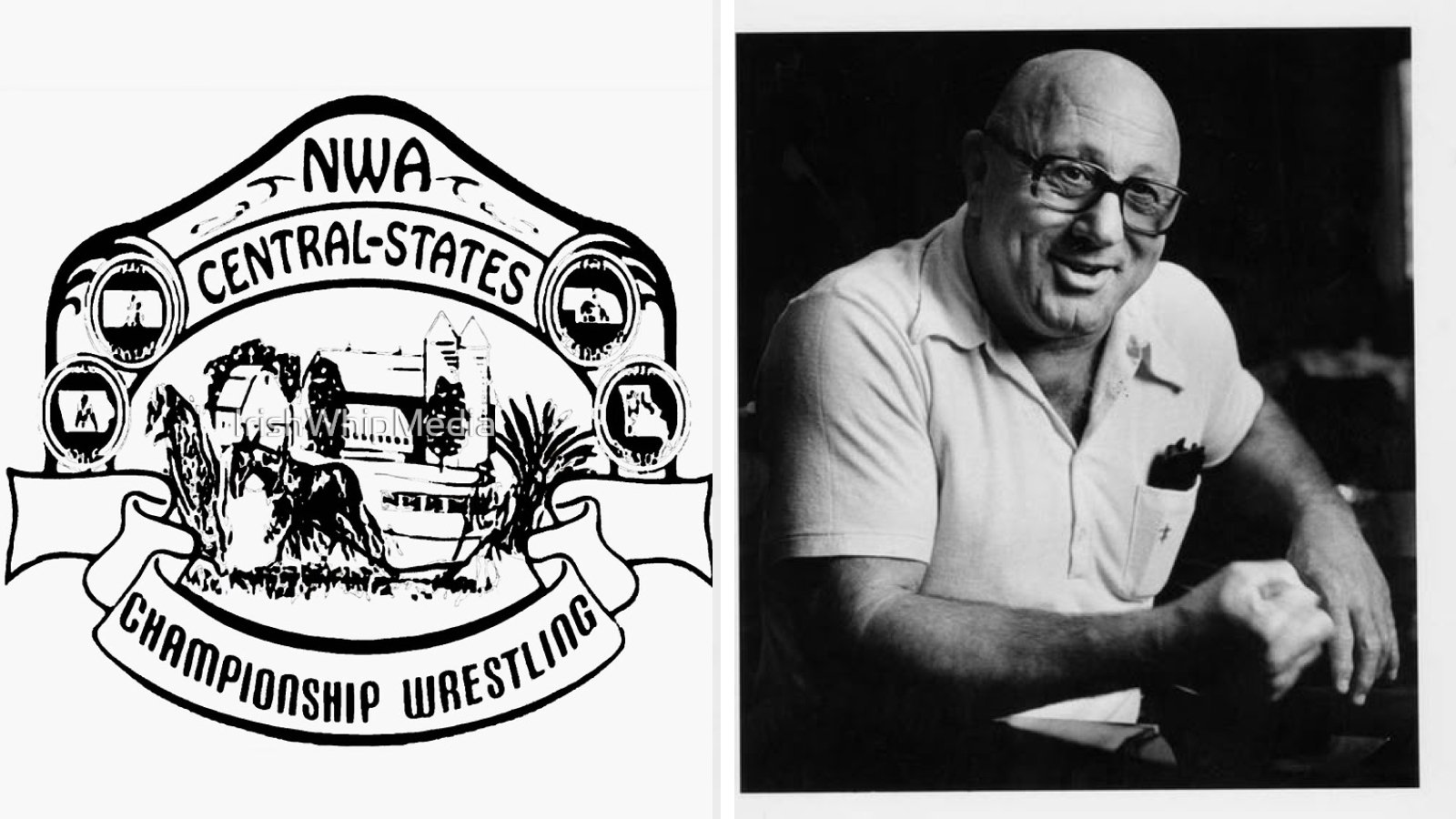
Heart of America Promotions, based in Kansas City, was managed by Bob Geigel from 1976 until its sale to Jim Crockett Promotions in 1986.
Pat O’Connor, the booker, had previously booked St. Louis for Sam Muchnick. Harley Race, an eight-time NWA Champion, was among the promotion’s top stars.
However, the promotion itself was a breeding ground for young talent, often requiring wrestlers to endure grueling travel schedules and modest pay.
Those who proved themselves in Kansas City – like Sgt. Slaughter, Jesse Ventura, and Jerry Oates – would often go on to achieve success elsewhere.
Love Pro Wrestling Stories? Add us as a Preferred Source on Google so our stories always show up first for you. It only takes one click.
Add Us on GoogleWith No Muchnick in St. Louis: Clash of Philosophy
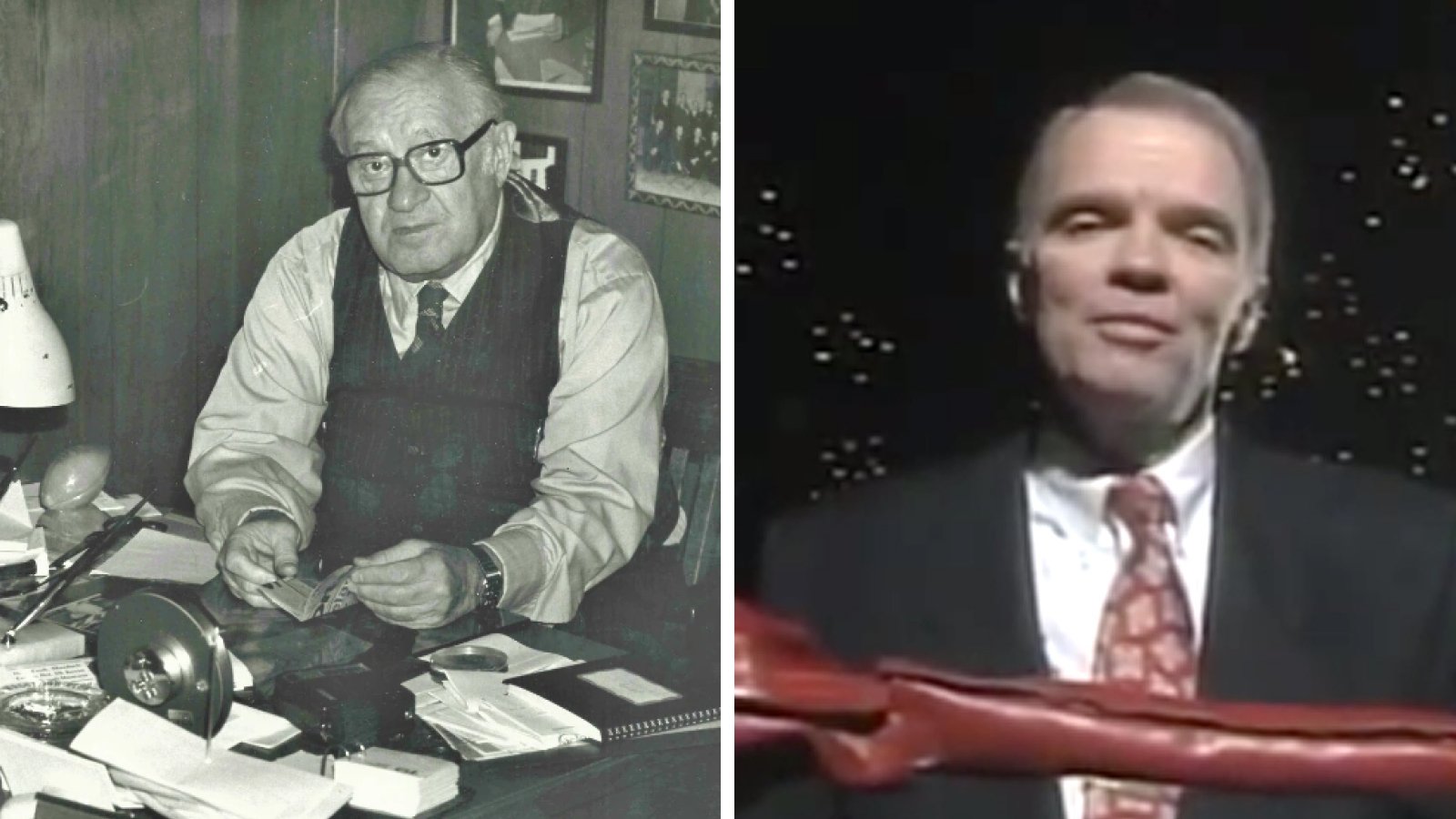
When the power in St. Louis shifted to Bob Geigel and Verne Gagne, who owned the American Wrestling Association (AWA), subtle yet significant changes began to frustrate Larry Matysik, the longtime announcer of Wrestling at the Chase and Sam Muchnick’s protégé.
Matysik wanted to maintain the smooth operation that St. Louis had always enjoyed under Muchnick. However, the differences in philosophy were immediate.
Matysik resigned just days after the power transfer took place. Although a meeting mediated by Sam Muchnick temporarily resolved the issue, underlying tensions persisted.
Harley Race, aware of the importance of keeping Muchnick involved, advised Matysik to stay connected with the legendary promoter, stating, "They need to keep the old man involved."
Harley seemed to be the only shareholder of the wrestling club who understood this. As a former world champion, he had a firm knowledge of every area within the NWA.
Larry Matysik wanted to buy into the wrestling club, but Muchnick himself warned Matysik against using his own money to buy in, suggesting that his value would eventually be recognized without the need for personal investment.
This was a common practice among top wrestling figures of the time. In the early to mid-1970s, Jack Brisco was given pieces of Florida and Georgia, and Bill Watts was given a percentage of Georgia. These wise words proved valuable, as it would have been a lost investment.
The new owners of the St. Louis pro wrestling territory wanted to include the city in the Kansas City loop and promote it as such.
However, Matysik and Muchnick saw this as a downgrade, and later attendance figures would prove them right.
Small changes caused big problems for the office, from talent payoffs to paying the bills. Muchnick always held onto profits and distributed them quarterly, but the new ownership wanted to drain the account after every show. This caused issues with overdue bills, which had never been a problem before.
By the beginning of 1983, Sam Muchnick resigned as an advisor, and Larry Matysik resigned as an employee. Little did anyone know what was about to happen next.
With hundreds of amazing Pro Wrestling Stories to dive into, where do you start? Get the inside scoop, join our exclusive community of wrestling fans! Receive 10 hand-picked stories curated just for YOU, exclusive weekly content, and an instant welcome gift when you sign up today!
Greater St. Louis Wrestling: A New Challenger Emerges
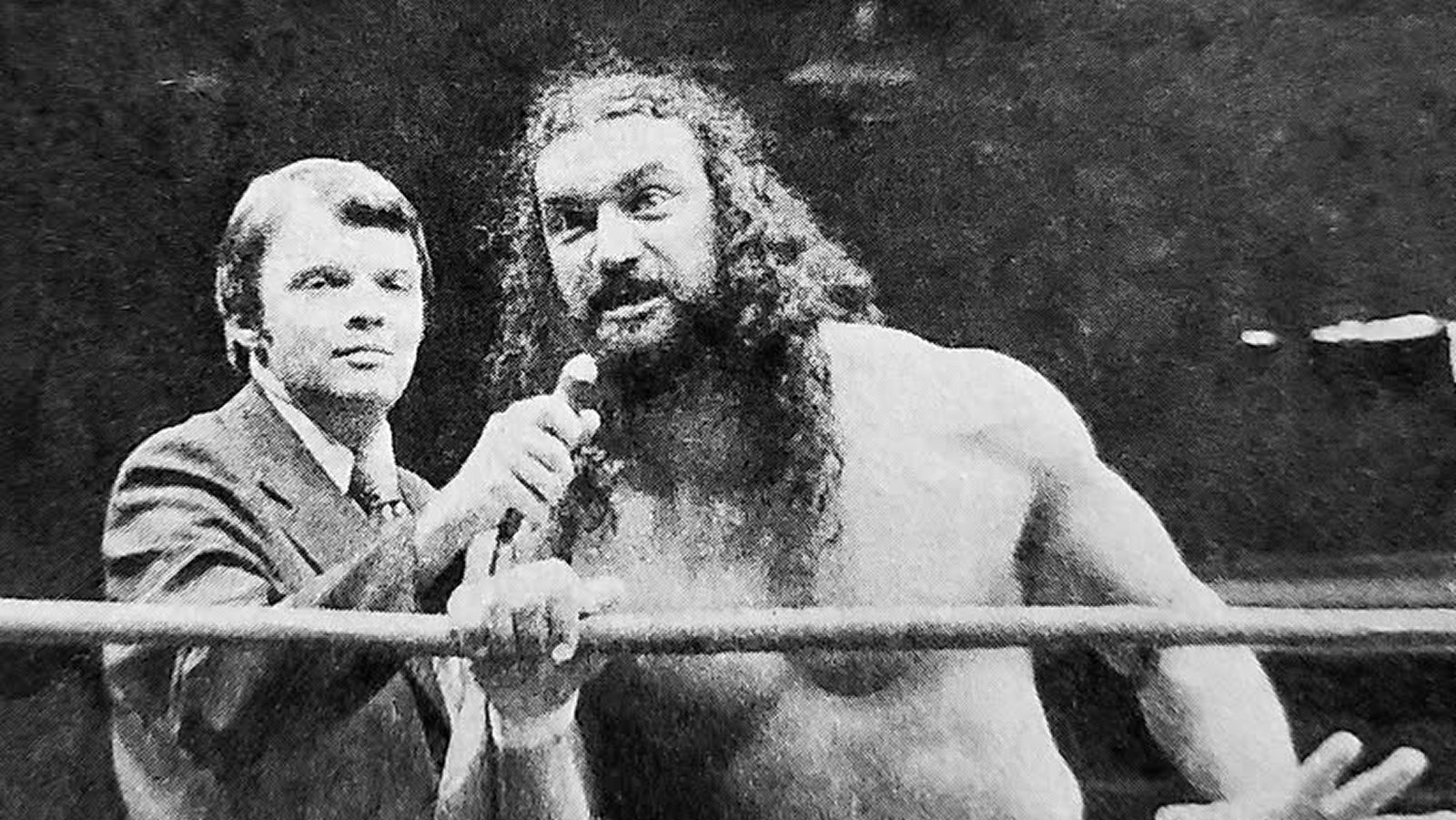
Upon his resignation, Larry Matysik began discussions with Charlie Mancuso, the manager of the St. Louis Arena, then known as the Checkerdome, about forming a new promotion in the city.
Mancuso, with connections to Delaware North, a major vendor supplier for sporting events, expressed interest in backing a pro wrestling venture. Initially, during these negotiations, Matysik and Mancuso attempted to buy Heart of America but were turned down.
This led to them forming what would come to be known as Greater St. Louis Wrestling.
Vince McMahon, a second-generation promoter, was also in regular contact with Larry Matysik during this time.
Unbeknownst to Matysik, McMahon was laying the groundwork for his own expansion, which would soon reshape the wrestling world.
As all of these events unfold, NWA Champion Ric Flair, understanding Matysik’s significance to St. Louis, urged him to return, citing concerns about how Kansas City was handling the promotion, especially in Harley Race’s absence.
Meanwhile, with his new pro wrestling promotion in full swing, Matysik began assembling a roster of top-tier talent, including Bruiser Brody, Dick Murdoch, Tully Blanchard, and Nikolai Volkoff, and later adding some of the biggest stars in the country like the future Macho Man Randy Savage, Terry Gordy, and others.
The addition of Terry Gordy was particularly unique, as he was in World Class Championship Wrestling at the time and was an NWA member.
In 1983, Matysik was to add Jesse Ventura, Michael Hayes, and David Von Erich to his seemingly ever-growing roster of stars. David Von Erich had wanted it ever since the beginning, but was cautioned to take it slow due to his standing as a contender for the NWA title.
Larry Matysik’s Vision: A Modern Promotion Built on Classic Principles
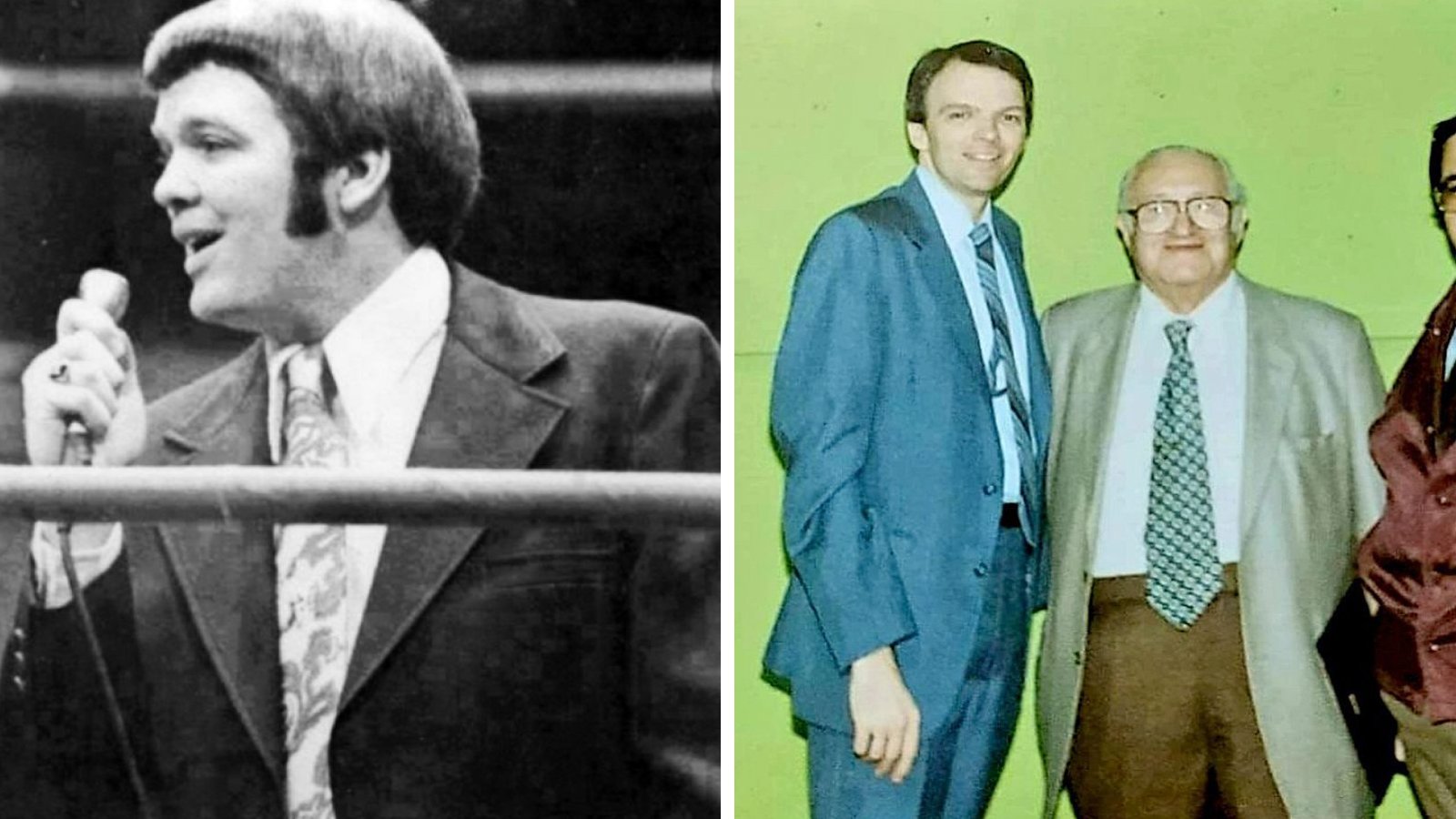
Larry Matysik’s new promotion was a vision built on a deep understanding of what had made St. Louis wrestling successful in the first place.
Drawing from his years under Sam Muchnick, Matysik emphasized clean finishes, athletic credibility, and tight television formatting. He believed that fans deserved logical storytelling and that wrestling, at its best, was treated with the same respect as any other live sporting event.
In contrast, Kansas City’s product had become increasingly erratic. Cards were often disjointed, finishes grew confusing, and the once-disciplined presentation that defined St. Louis began to suffer.
Matysik’s shows, by comparison, were more cohesive. He booked talent that could work, talk, and draw. He wasn’t just trying to compete. He was trying to restore the trust of an audience that had grown weary of subpar cards and lackluster direction.
With wrestlers like Bruiser Brody headlining and the addition of television-ready performers such as Tully Blanchard and Randy Savage, Matysik’s product had energy and urgency.
His use of local venues, such as the Checkerdome, created a strong visual identity, and he leveraged his relationships with trusted talent to maintain high morale.
While Kansas City relied on title switches and aging stars, Greater St. Louis Wrestling was positioned as familiar and fresh, and a revival, not just a rebellion.
Betrayal, Denial, and the End of an Era in St. Louis Wrestling
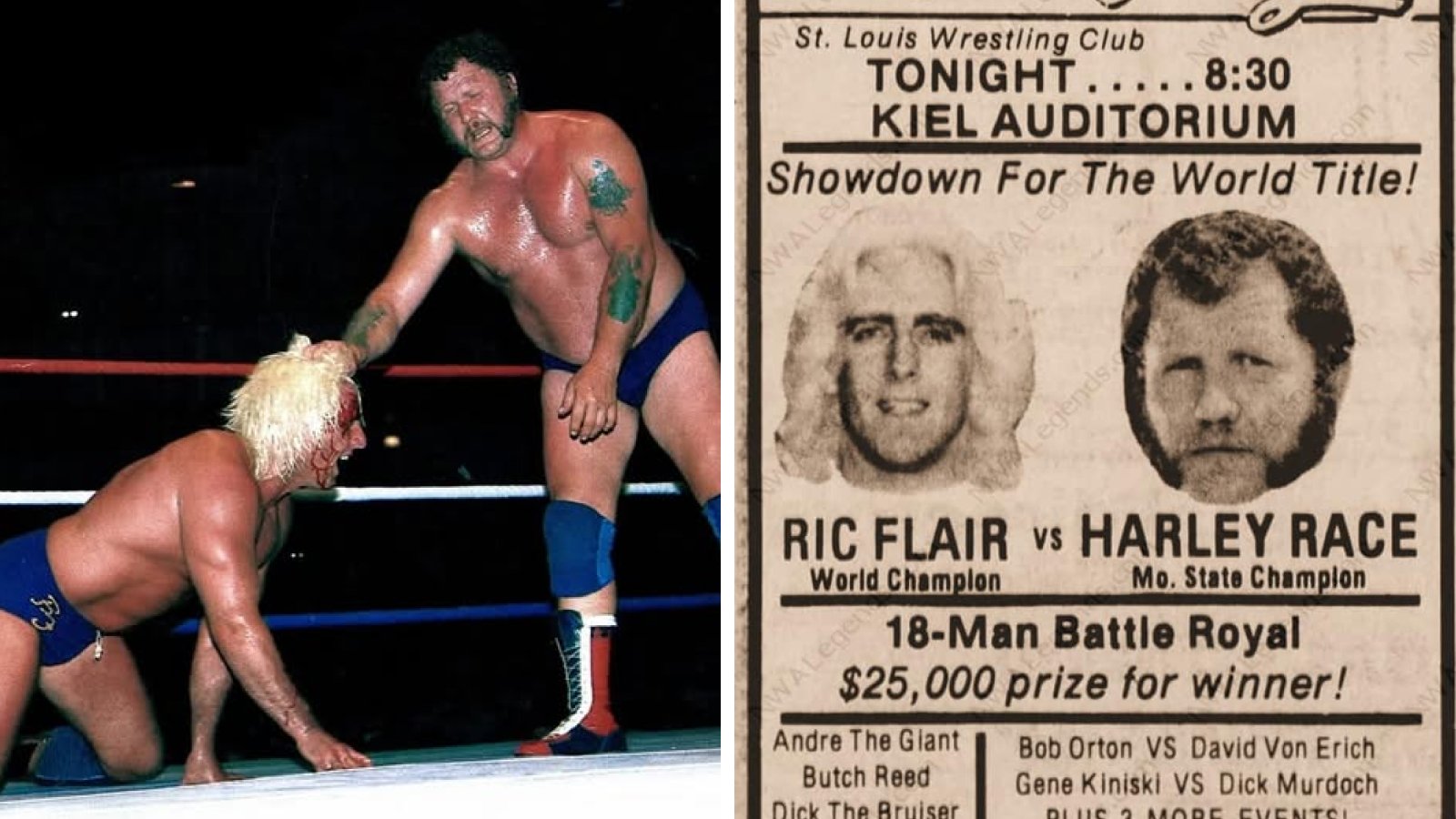
The emergence of Greater St. Louis Wrestling caught the attention of the Kansas City office and the advancing Vince McMahon, who had already acquired the Los Angeles promotion from Mike LaBelle.
As tensions grew, the battle for St. Louis intensified, with betrayals and political maneuvering becoming commonplace.
Blackjack Mulligan no-showed a Matysik show after saying on the phone that he was coerced not to make the shot. He proclaimed to be there but wasn’t. It was later found out that Barry Windham’s future had been hanging over his head.
The owners of St. Louis had an NWA title change in June of 1983, with local favorite and part-owner Harley Race defeating Ric Flair for his record seventh title reign. This ultimately proved detrimental to St. Louis as a city, unfortunately, as Race could no longer appear at every Kiel Auditorium show.
Despite these challenges, Larry Matysik retained the loyalty of his core talent. With the loyalty of Bruiser Brody and the other big names, Matysik did not have to worry about his core group of guys bailing on him. In his eyes, his promotion was only going to get stronger.
With all of this going on, Fritz Von Erich, a veteran of wrestling wars, advised Matysik to make peace with the Kansas City office once the battle was won, as Fritz had done in Dallas during the late 1960s.
During this time, the crowds were adequate for both the NWA St. Louis promotion and Greater St. Louis Wrestling. Greater St. Louis would run between 4,500 and 6,500, while the St. Louis Wrestling Club was a little more volatile.
As everything was drawing to a head, KPLR was ready to drop Wrestling at the Chase, which had been on the air since 1959 and had been a fixture of local entertainment programming in St. Louis.
Greater St. Louis Wrestling felt that they would be primed to take the time slot. When Larry arrived to talk details, he was in for a real shock.
Enter Vince McMahon and the Rise of the WWF in St. Louis
As the war neared its climax, as mentioned, Larry Matysik hoped to secure the time slot for Greater St. Louis Wrestling.
Matysik was blindsided when Ted Koplar, owner of KPLR, suggested a working relationship with Vince McMahon. Matysik’s trust in McMahon, whom he believed to be a sympathetic colleague, was shattered.
Larry Matysik then tried to warn Fritz Von Erich about McMahon’s true intentions, but Fritz dismissed the warnings.
When Matysik sought advice from Sam Muchnick, he suggested that Matysik would be more secure working for the WWF.
Briefly, in early 1984, Wrestling at the Chase became a WWF program, though it didn’t last long. This was, however, more or less the end of any non-WWF St. Louis pro wrestling. Much like in other territories across the United States, McMahon and the WWF simply took over.
What Happened to St. Louis Pro Wrestling?
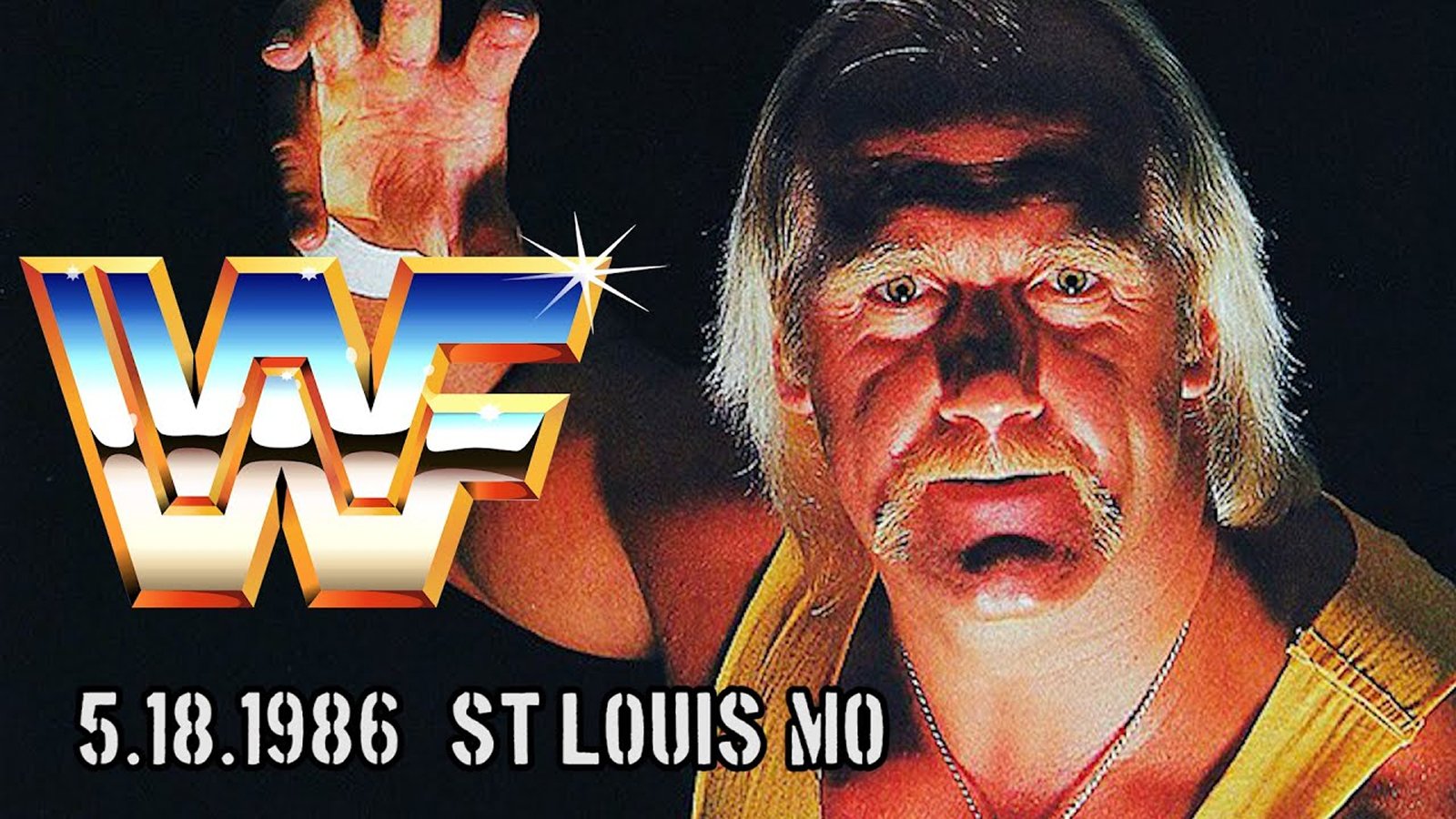
The Bob Geigel-run NWA group continued to operate in St. Louis until late 1985, when Jim Crockett Promotions took over.
Larry Matysik would continue working with the WWF until 1992, managing towns in and around St. Louis. He was offered a booking position with the NWA in 1989 but turned it down due to concerns about financial stability.
All things considered, what occurred in 1983 effectively marked the end of St. Louis as a professional wrestling stronghold, with both promotions ultimately failing in the face of WWF expansion.
What If the War Had Never Happened?
Looking back, it’s tempting to ask: What if the war for St. Louis had never happened?
What if Larry Matysik, Bob Geigel, and Verne Gagne had come to a workable compromise?
Could St. Louis have resisted McMahon’s takeover longer – or even become a holdout like Memphis or Portland?
Several industry veterans have speculated that if Sam Muchnick had remained in an active advisory role, or if Larry Matysik had been given equity and leadership early on, the St. Louis territory might have had enough unity to endure the coming storm.
The roster was strong, the fanbase loyal, and the TV presence prestigious. With a tighter business plan and a shared vision, St. Louis could have been a national-level brand on its own terms.
Instead, the internal war weakened both promotions, opened the door to outside influence, and left the fans with a product that, while flashy and modern, lacked the hometown soul they had grown accustomed to.
Arguably, St. Louis didn’t fall because McMahon was unbeatable. It fell because the house was divided before he even arrived.
In the end, the 1983 wrestling war in St. Louis was a cautionary tale. Not of market forces or television deals, but of what happens when ego, mistrust, and differing philosophies cannibalize a legacy.
Wrestling would go on, but St. Louis, once the crown jewel of the National Wrestling Alliance, would never again hold that distinction.