Author:
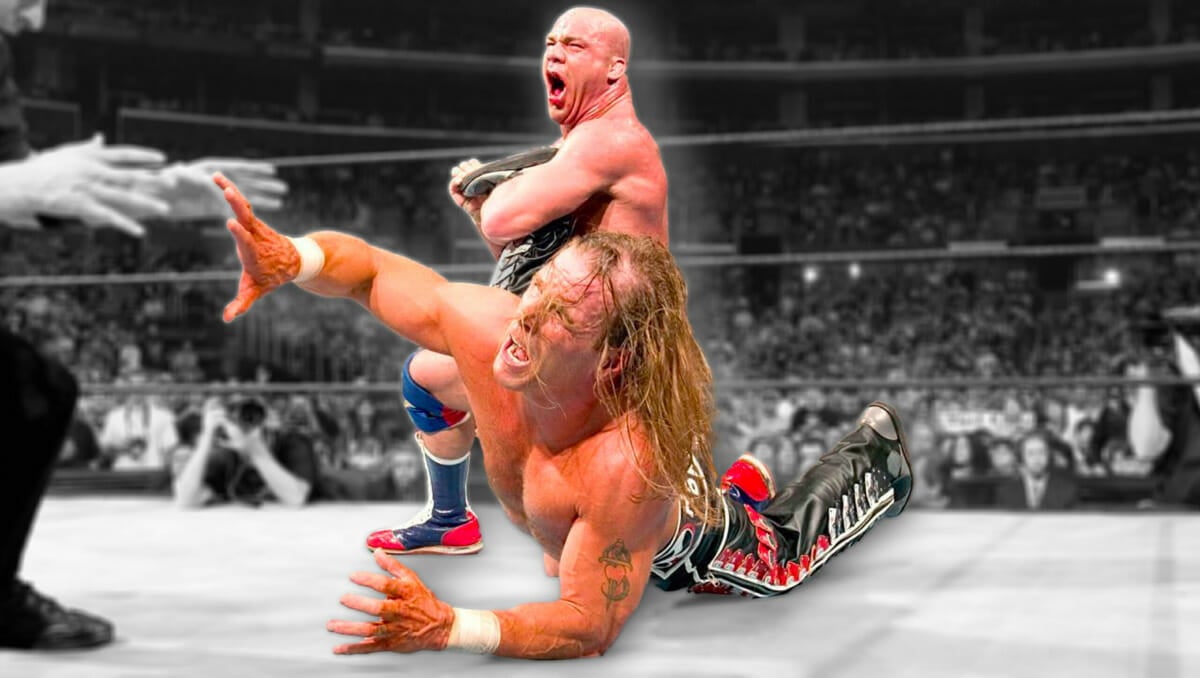
 It was 2002. Shawn Michaels had just walked through the curtain after one of the most talked-about performances in years, and Kurt Angle was waiting for him backstage. Angle had something to say. The problem was, he probably should have kept it to himself.
Real Autographs. Only Few Remain.
These are hand-signed originals sold directly by Pro Wrestling Stories. Once they sell out, they are gone for good.
Own a Piece of Wrestling History
-

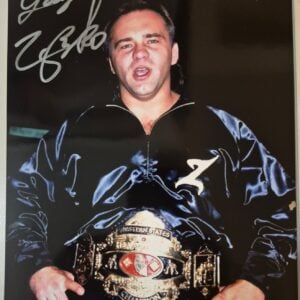
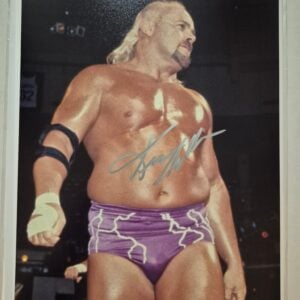
Larry Zbyszko Signed WCW 8×10 Photo Autograph
$40.00 Add to cart -
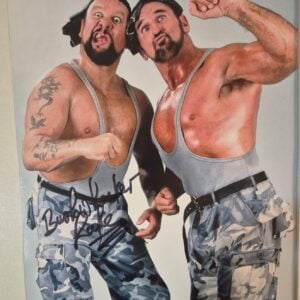
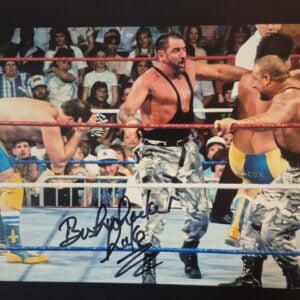
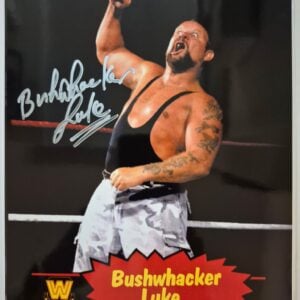
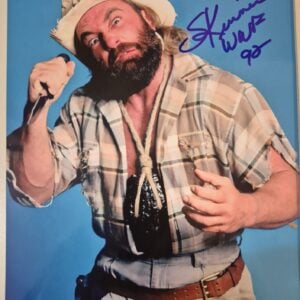
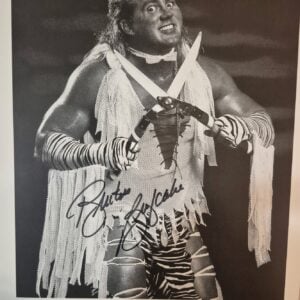
Bushwhacker Luke Signed WWF 8×10 Photo Autograph (The Bushwhackers)
$30.00 Add to cart -
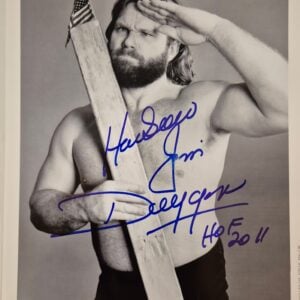
“Hacksaw” Jim Duggan Signed WWF 8×10 Photo Autograph
$40.00 Add to cart -
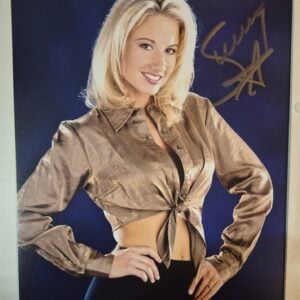
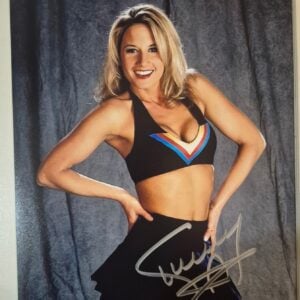
Sunny (Tammy Lynn Sytch) Signed 8×10 Photo Autograph
$35.00 Add to cart -
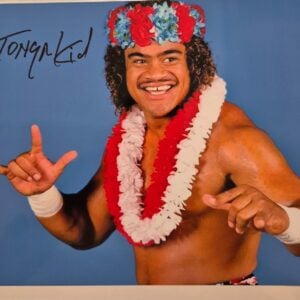
The Tonga Kid (Sam Fatu) Signed WWF 8×10 Photo Autograph
$35.00 Add to cart -
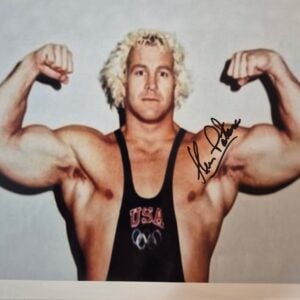
Ken Patera Signed WWF 8×10 Photo Autograph
$35.00 Add to cart -
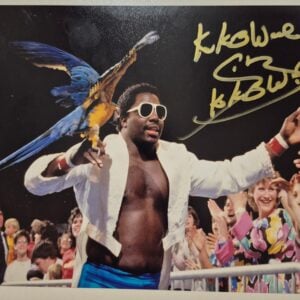
Koko B. Ware Signed WWF 8×10 Photo Autograph
$45.00 Add to cart -
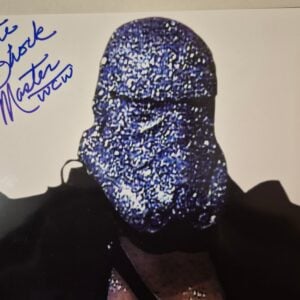
Fred Ottman Signed WCW 8×10 Photo Autograph (The Shockmaster)
$35.00 Add to cart -
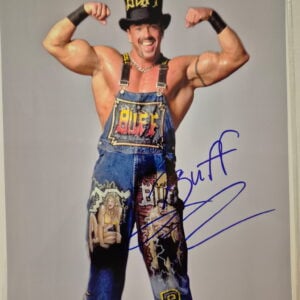
Marcus “Buff” Bagwell Signed WCW 8×10 Photo Autograph
$30.00 Add to cart -
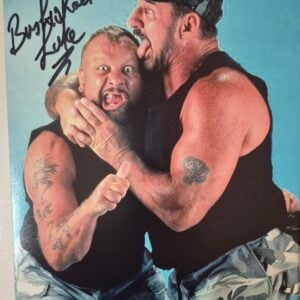
Bushwhacker Luke Signed WWF 8×10 Photo Autograph (with Bushwhackers Butch)
$30.00 Add to cart -
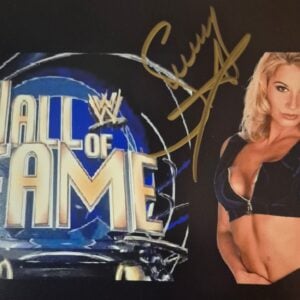
Sunny (Tammy Lynn Sytch) Signed WWF 8×10 Photo Autograph (WWE Hall of Fame)
$35.00 Add to cart -
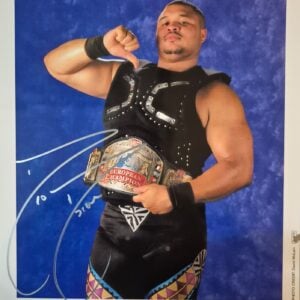
D’Lo Brown Signed WWF 8×10 Photo Autograph
$30.00 Add to cart -
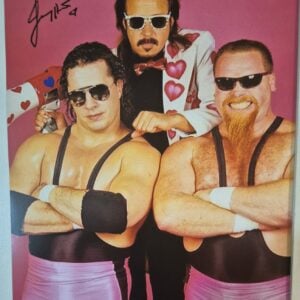
Jimmy Hart Signed WWF 8×10 Photo Autograph (pictured with Bret Hart & Jim Neidhart)
$35.00 Add to cart -
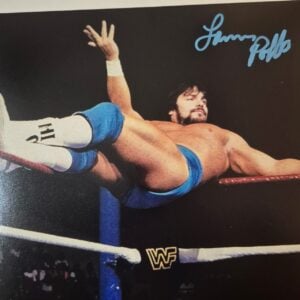
Leaping Lanny Poffo Signed WWF Turnbuckle Pose 8×10 Photo Autograph (Deceased Legend)
$45.00 Add to cart -
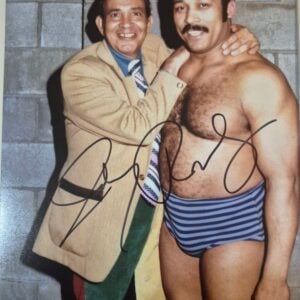
Johnny Rodz Signed WWF 8×10 Photo Autograph (pictured with The Grand Wizard)
$30.00 Add to cart -
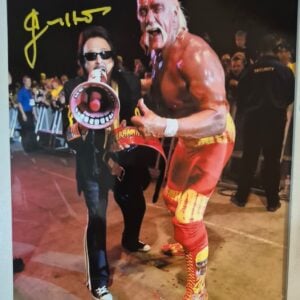
Jimmy Hart Signed WWF 8×10 Photo Autograph (pictured with Hulk Hogan)
$35.00 Add to cart -
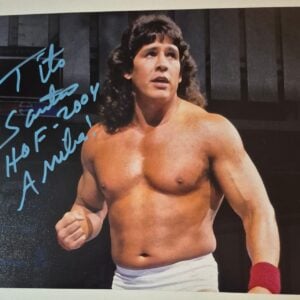
Tito Santana Signed WWF 8×10 Photo Autograph
$35.00 Add to cart -
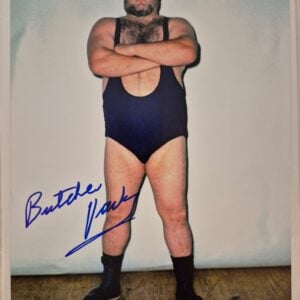
Butcher Paul Vachon Signed WWF 8×10 Photo Autograph (Deceased Legend)
$45.00 Add to cart -
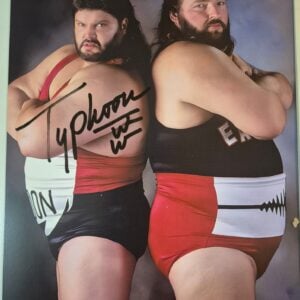
Fred Ottman Signed WWF 8×10 Photo Autograph (Typhoon)
$35.00 Add to cart -
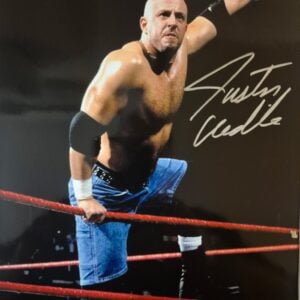
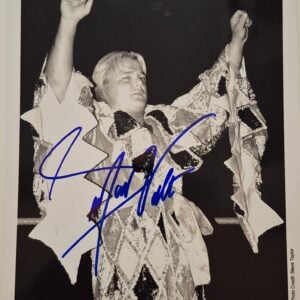
Justin Credible Signed 8×10 Photo Autograph
$30.00 Add to cart -
Bushwhacker Luke Signed WWF 8×10 Photo Autograph (of The Bushwhackers)
$30.00 Add to cart -
Larry Zbyszko Signed 8×10 Photo Autograph 2
$40.00 Add to cart -
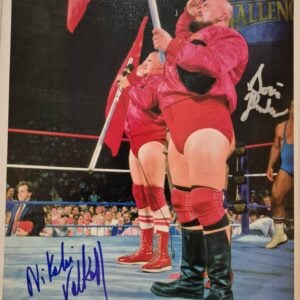
Nikolai Volkoff & Boris Zhukov Signed WWF “The Bolsheviks” 8×10 Photo Autograph (Deceased Legend)
$60.00 Add to cart -
Justin Credible Signed 8×10 Photo Autograph 2
$30.00 Add to cart -
Bushwhacker Luke Signed WWF 8×10 Photo Autograph (pictured with Bushwhacker Butch)
$30.00 Add to cart -
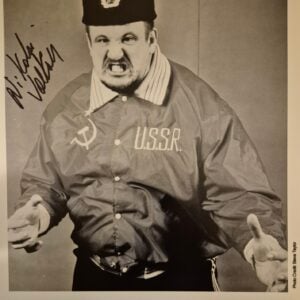
Nikolai Volkoff Signed WWF 8×10 Photo Autograph 2 (Deceased Legend)
$45.00 Add to cart -
Jerry Lynn Signed 8×10 Photo Autograph
$35.00 Add to cart -
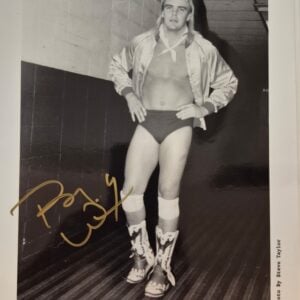
Barry Windham Signed 8×10 Photo Autograph
$40.00 Add to cart -
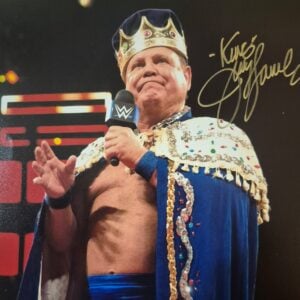
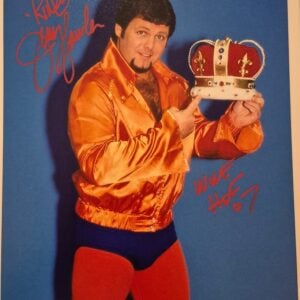
Jerry “The King” Lawler Signed WWE 8×10 Photo Autograph 2
$50.00 Add to cart -
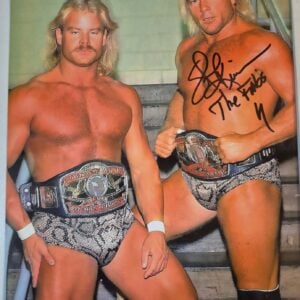
Steve Keirn Signed WWF 8×10 Photo Autograph (Fabulous Ones)
$30.00 Add to cart -
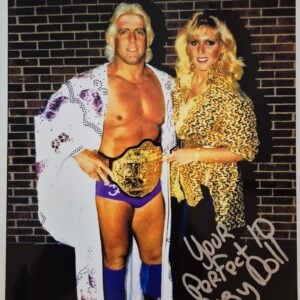
Baby Doll (Nickla Roberts) Signed 8×10 Photo Autograph (pictured with Ric Flair)
$35.00 Add to cart -
Kevin Sullivan Signed 8×10 Photo Autograph (Deceased Legend)
$45.00 Add to cart -
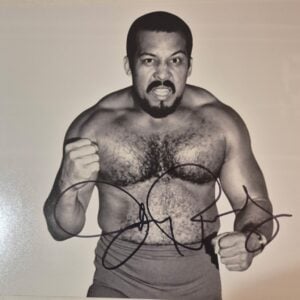
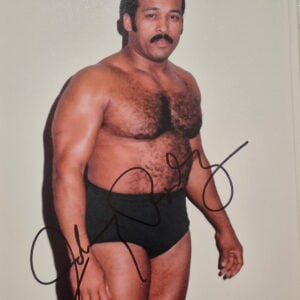
Johnny Rodz Signed WWF 8×10 Photo Autograph
$30.00 Add to cart -
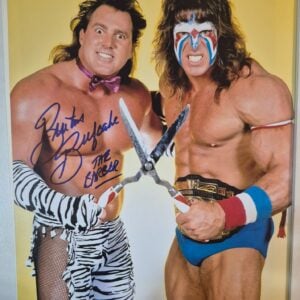
Brutus the Barber Beefcake Signed WWF 8×10 Photo Autograph (with Ultimate Warrior)
$35.00 Add to cart -
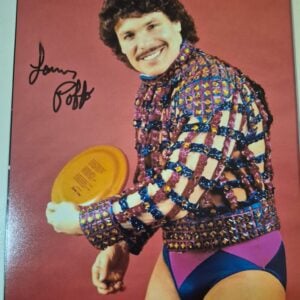
Leaping Lanny Poffo Signed WWF Frisbee Pose 8×10 Photo Autograph (Deceased Legend)
$45.00 Add to cart -
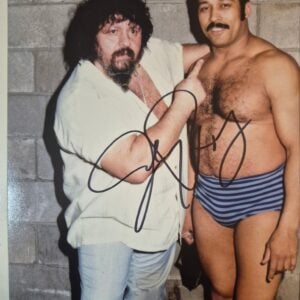
Johnny Rodz Signed WWF 8×10 Photo Autograph (pictured with Captain Lou Albano)
$30.00 Add to cart -
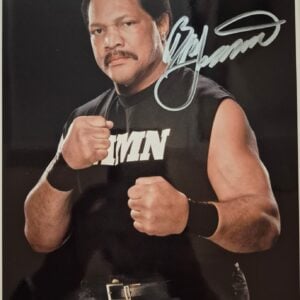
Ron Simmons Signed WWE 8×10 Photo Autograph
$40.00 Add to cart -
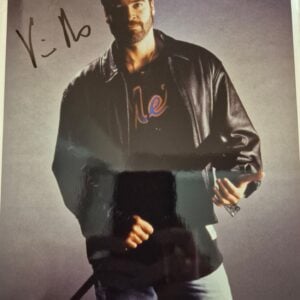
Vince Russo Signed 8×10 Photo Autograph
$35.00 Add to cart -
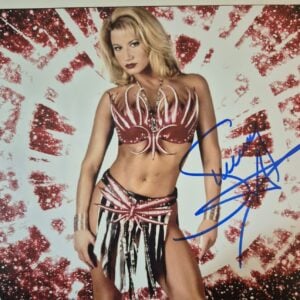
Sunny (Tammy Lynn Sytch) Signed WWF 8×10 Glamour Photo Autograph
$35.00 Add to cart -
Bushwhacker Luke Signed WWF 8×10 Photo Autograph
$30.00 Add to cart -
Steve Keirn Signed WWF 8×10 Photo Autograph (Skinner)
$30.00 Add to cart -
Sunny (Tammy Lynn Sytch) Signed WWF 8×10 Photo Autograph
$35.00 Add to cart -
“Greg the Hammer” Valentine Signed WWF 8×10 Photo Autograph
$45.00 Add to cart -
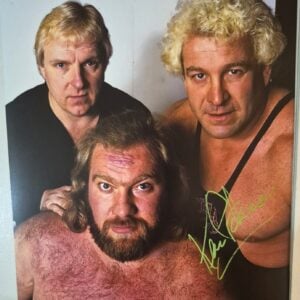
Ken Patera Signed WWF 8×10 Photo Autograph (pictured with Bobby Heenan & John Studd)
$35.00 Add to cart -
Brutus the Barber Beefcake Signed WWF 8×10 Photo Autograph 2
$35.00 Add to cart -
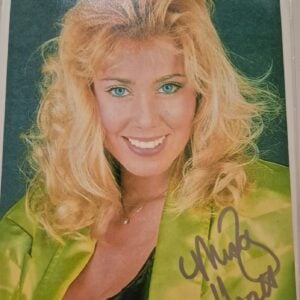
Missy Hyatt Signed 8×10 Photo Autograph
$35.00 Add to cart -
Sabu Signed WWF 8×10 Photo Autograph (Deceased Legend)
$55.00 Add to cart -
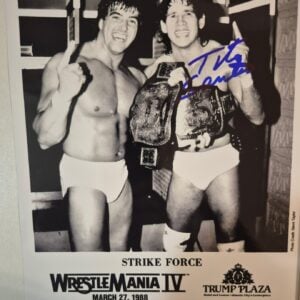
Tito Santana Signed WWF 8×10 Photo Autograph (Strike Force)
$35.00 Add to cart -
Johnny Rodz Signed WWF 8×10 Photo Autograph
$30.00 Add to cart -
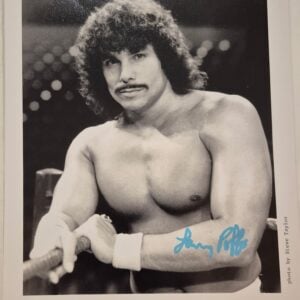
Leaping Lanny Poffo Signed WWF 8×10 Photo Autograph (Deceased Legend)
$45.00 Add to cart -
Johnny Rodz Signed WWF 8×10 Photo Autograph (wrestling Tony Atlas)
$30.00 Add to cart -
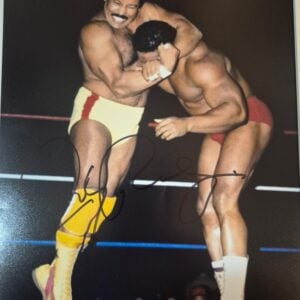
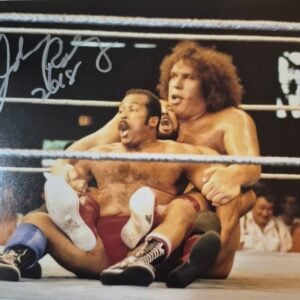
Johnny Rodz Signed WWF 8×10 Photo (wrestling Andre the Giant)
$30.00 Add to cart -
Jerry “The King” Lawler Signed 8×10 Photo Autograph
$50.00 Add to cart -
Nikolai Volkoff Signed WWF 8×10 Photo Autograph (Deceased Legend)
$45.00 Add to cart -
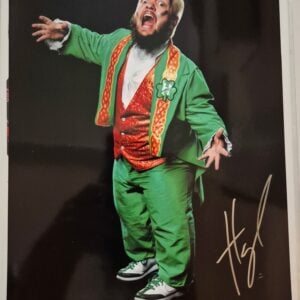
Hornswoggle (Dylan Postl) Signed WWE 8×10 Photo Autograph
$30.00 Add to cart
Kurt Angle: A Pittsburgh Kid Who Barely Watched Wrestling
To understand how Kurt Angle could have missed out on Shawn Michaels entirely, it helps to understand where Angle came from.
Growing up in Pittsburgh, Pennsylvania, as the youngest of six children, Angle was raised in a household where money was tight and luxuries were few. His parents worked hard to provide for their family, and big entertainment outings were not a regular occurrence.
Angle’s exposure to professional wrestling was minimal at best. In a shoot interview with HighSpots, he explained his background with the product in his own words:
“Growing up, being the youngest of five boys and a girl, my mom and dad did everything they could to provide for us – and they did an excellent job, god bless ’em – but I didn’t get an opportunity to go to a [Pittsburgh] Steeler game. I did get to go to one wrestling match: Bruno Sammartino versus Larry Zbyszko. I thought that was the greatest thing in the world. The only time I really watched wrestling growing up was if Roddy Piper was on. I’d watch Piper’s Pit.”
That single live event, a Pittsburgh card built around local hero Bruno Sammartino feuding with his traitorous former student Larry Zbyszko, left an impression. But it was not enough to give Angle a broad understanding of wrestling history. His world was amateur wrestling, Olympic training, and competition. Professional wrestling was background noise.
From Gold Medals to Green Rookie

When Angle debuted for WWE in November 1999, he arrived with more legitimate athletic credentials than almost anyone before him. A 1996 Olympic gold medalist in freestyle wrestling, he had competed through a legitimate neck injury to win in Atlanta, a feat that became central to his character. But this was not his first brush with professional wrestling.
More than three years before his WWE debut, Angle had already set foot inside a wrestling arena in a professional capacity. Through a connection with Shane Douglas, Paul Heyman persuaded the then-freshly crowned Olympic champion to attend ECW’s High Incident on October 26, 1996, less than ten months after his triumph in Atlanta.
Heyman sold it to him as professional wrestling on a different level, and dangled the presence of Taz, an Olympic and UFC-style wrestler, as a point of interest for Angle specifically. What Angle witnessed that night was something else entirely.
Raven crucified The Sandman, complete with a barbed-wire crown, and Angle was so disturbed by the use of religious iconography that he threatened Paul Heyman with legal action if his name or face appeared on the same broadcast. He left ECW that night wanting nothing to do with professional wrestling.
WWE eventually changed his mind. It was Jim Ross, then head of talent relations, who brought Angle back around to the idea of making the transition, and by November 1999, Angle was back in the then WWF, even wrestling Owen Hart before his WWE television debut. But for all his athletic brilliance, Angle was essentially a student of a sport he had only watched casually.
He has spoken openly about how much he had to learn once he got backstage, acknowledging that he leaned heavily on veterans to educate him about the business. Names like Mick Foley, Triple H, and The Undertaker helped shape his understanding of professional wrestling culture.
However, Michaels was not around during Angle’s first years. After a serious back injury at the 1998 Royal Rumble, Michaels stepped away from the ring entirely (aside from a secret in-ring return for one match in 2000). By the time Angle was learning the ropes in 1999 and 2000, Michaels was a backstage presence at best, his legendary career as an active performer apparently finished.
Enjoying this story? Own it forever.
No ads. No interruptions. Download the full story as a beautifully formatted PDF at just $0.99.
Get My Copy — $0.99The Return That Turned Heads
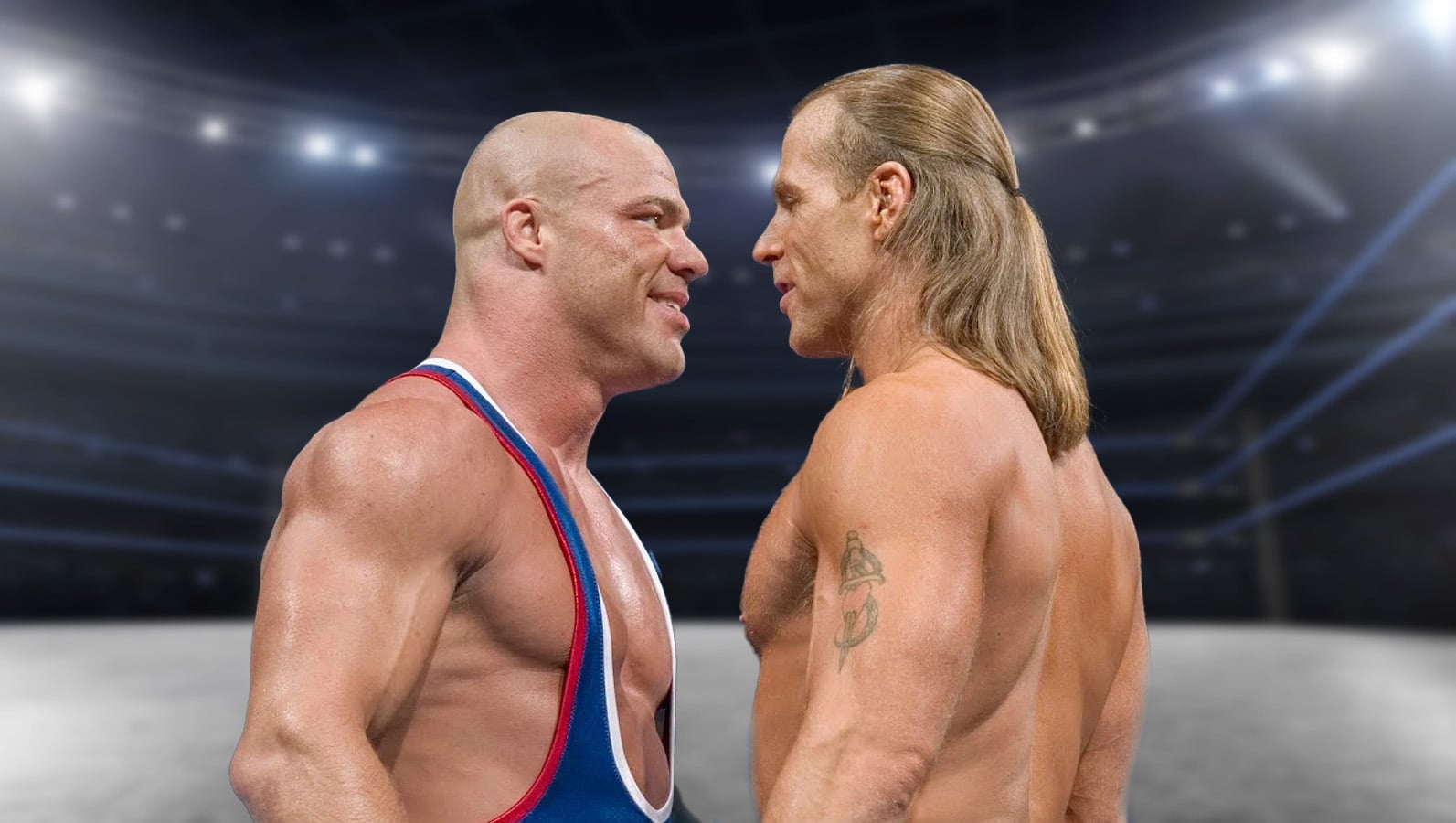
That all changed at SummerSlam 2002, when Shawn Michaels returned to in-ring competition for the first time in over four years, facing Triple H in an unsanctioned street fight. The match was widely praised, demonstrating that Michaels had somehow retained his extraordinary physical gifts despite years away from competition.
A few months later, at Survivor Series 2002, Michaels appeared in the main event under elimination rules. The match put him in a five-on-one situation late in the contest, and Michaels delivered the kind of dramatic, resilient storytelling that had defined his career throughout the 1990s. Backstage, people were talking.
Angle was among them, and not because he was catching up on history.
In the same HighSpots interview, Angle picked up the story from there:
“I didn’t know who Shawn [Michaels] was. I only heard about him when I got into wrestling in 2000. It’s funny because when he came back, he had this match at Survivor Series. It came down to five-on-one; he was the one guy, and he eliminated four guys until the last guy, but he ended up losing, and I was like, ‘This guy’s good…’ I mean, I’d never heard of him before. So when he came backstage, I said, ‘Hey man…you’re pretty good.’ I said, ‘I don’t really know who you are, but you’re really good.’ And, you know, he kind of laughed, like, ‘Oh my god, this kid’s an idiot…'”
The image is genuinely funny: a sitting WWE Champion, a legitimate Olympic gold medalist, telling one of the most decorated performers in the history of the business that he had never heard of him, but thought he showed some promise.
Love Pro Wrestling Stories? Add us as a Preferred Source on Google so our stories always show up first for you. It only takes one click.
Add Us on GoogleShawn Michaels and Kurt Angle: From Mutual Respect to a Rivalry for the Ages
Whatever Michaels thought in that moment, the two men developed a deep professional respect for one another in the years that followed. In a 2025 interview with Chris Van Vliet, Kurt Angle reflected warmly: “I also loved wrestling Shawn Michaels.”
Michaels has been equally generous in return. In an April 2026 appearance on the 7 PM in Brooklyn podcast with Carmelo Anthony, he held Angle up as the gold standard for athletic crossover success in professional wrestling. “Kurt, easily the best transition from what he did to our stuff. Did it seamlessly, what a stud. He absolutely is the guy. He is the standard, certainly from an NXT standpoint from recruiting now – what we do, using Kurt as the guy that’s the best to have done it in just such a seamless, quick manner.”
That respect eventually spilled into a full-blown on-screen rivalry. The feud was ignited at the Royal Rumble in January 2005, when Michaels eliminated Angle from the match. Angle returned through the ropes immediately and attacked Michaels, and the two were on a collision course from that moment forward.
Even the WrestleMania 21 finish was a gesture of mutual respect between two professionals. It was Michaels who approached Angle beforehand and proposed the ending himself: “Hey, we don’t have a finish for WrestleMania but I think you should go over by tap out.” Angle also recalled that Michaels admitted to feeling the weight of the occasion: “I will say that this was one that I felt a bunch of pressure in. First time, Kurt and I, WrestleMania.”
Their match at WrestleMania 21 on April 3, 2005, in Los Angeles delivered on everything the two had quietly built toward. Angle applied his signature ankle lock until Michaels tapped out, a clean and satisfying conclusion that rewarded the audience’s investment.
The feud did not end there. Two months later, on June 26, 2005, the two met again at Vengeance in Las Vegas. Michaels won by pinfall, connecting with Sweet Chin Music after surviving a sustained ankle lock sequence, evening the series at one apiece. The match was widely regarded as one of the best of that year.
The rivalry concluded in one of its most unusual formats. On October 3, 2005, during the Raw Homecoming special in Dallas, Angle and Michaels competed in a 30-minute Iron Man match broadcast in prime time, with legends including Harley Race and Dusty Rhodes seated at ringside. The match ended in a draw – an appropriate finish for two wrestlers so evenly matched that even the scoring system could not separate them.
With hundreds of amazing Pro Wrestling Stories to dive into, where do you start? Get the inside scoop, join our exclusive community of wrestling fans! Receive 10 hand-picked stories curated just for YOU, exclusive weekly content, and an instant welcome gift when you sign up today!
The Kurt Angle and Shawn Michaels WWE Backstage Moment in Context
Looking back, that backstage exchange at Survivor Series 2002 says something interesting about both men. Angle’s ignorance was completely genuine, a product of a background that had almost nothing to do with professional wrestling until the very end of the 1990s. Michaels laughed it off in the moment, but the unspoken thought that this new guy had a lot to learn was probably not far from the truth.
What neither of them could have known was how quickly that would change. Within a few years, the man who had no idea who Shawn Michaels was would become not just one of his most memorable opponents, but the standard by which Michaels would measure an entire generation of wrestlers that followed.
These stories may also interest you:
- Kurt Angle and Daniel Puder: The Infamous Shoot Incident
- Shawn Michaels and the Infamous Syracuse Incident
- Kurt Angle Opens Up During Reddit ‘Ask Me Anything’ Session
Download PDF Version
Get the complete article as a formatted PDF for offline reading.