Many remember the Jumping Bomb Angels for their handful of spectacular WWF performances, but that was only the tip of the iceberg. Long before Noriyo Tateno and Itsuki Yamazaki brought a fast, high-energy Joshi style that most American fans had never seen, distant office decisions, a brutal dojo system, and quietly influential mentors were shaping a team audiences were not prepared for. For many in North America, they were the first clear proof that women’s wrestling could be as intense and competitive as any men’s match, yet their impact has often been overlooked. From title changes planned far from the ring to opportunities that vanished just as they were within reach, their journey is full of turning points that altered careers, divisions, and even future stars. These fifteen stories trace many moments that were rarely explained at the time.
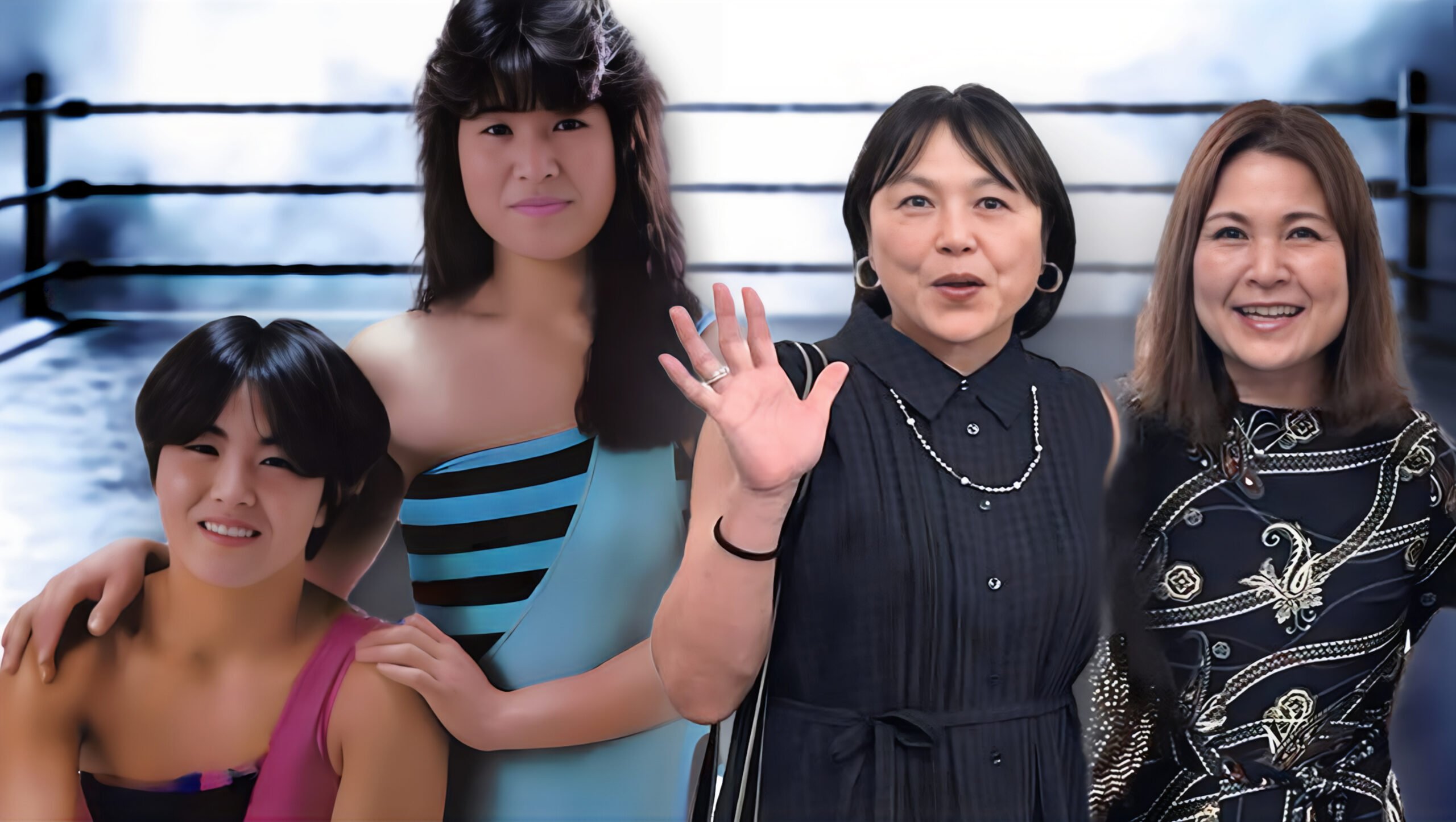
Past and present: The Jumping Bomb Angels, Noriyo Tateno and Itsuki Yamazaki, in their AJW prime in 1984 and reunited forty years later in 2024. Their high speed Joshi style helped reshape expectations for women’s wrestling and still resonates with fans today. Photo Credit: AJW / The Jumping Bomb Angels. Artwork by Pro Wrestling Stories.
Our wrestling history is gold, and so are readers like you!
If the following story adds to your collection of wrestling knowledge, you can say thanks:
1. AJW Dojo Origins: How the Jumping Bomb Angels Formed in 1981
Noriyo Tateno and Itsuki Yamazaki of the Jumping Bomb Angels train at the All Japan Women’s Pro Wrestling (AJW) dojo in the early 1980s. Photo Credit: AJW.
Noriyo Tateno and Itsuki Yamazaki graduated from All Japan Women’s Pro Wrestling Dojo’s rigorous training system in 1981, setting the stage for their careers.
They would hone their skills at the All Japan Women’s Pro Wrestling (AJW) dojo, a promotion renowned for its rigorous training and commitment to excellence in women’s professional wrestling. With the help and mentoring of Miyuki Yanagi, a trainer and talented wrestler herself, they formed the Jumping Bomb Angels.
The Jumping Bomb Angels’ time in AJW not only gave them the skills they needed to capture audiences’ attention but also a strong bond, laying the foundation for their partnership in the ring. This training experience was instrumental in shaping their identities as fierce competitors.
Noriyo Tateno and Itsuki Yamazaki both received the AJW Rookie of the Year honors. Before becoming one of the most well-known women’s tag teams, they competed in singles matches. Yamazaki would even win the AJW Championship from Tateno on February 28th, 1984.
They competed in the first AJW Tag Team Tournament, Tag League The Best, in 1985, finishing second in points behind the Crush Gals, Lioness Asuka and Chigusa Nagayo. Noriyo Tateno and Itsuki Yamazaki would continue to compete in AJW together and separately for the following year.
On May 14th, 1989, they faced off in Itsuki Yamazaki’s AJW Retirement Match, which ended in a time limit draw.
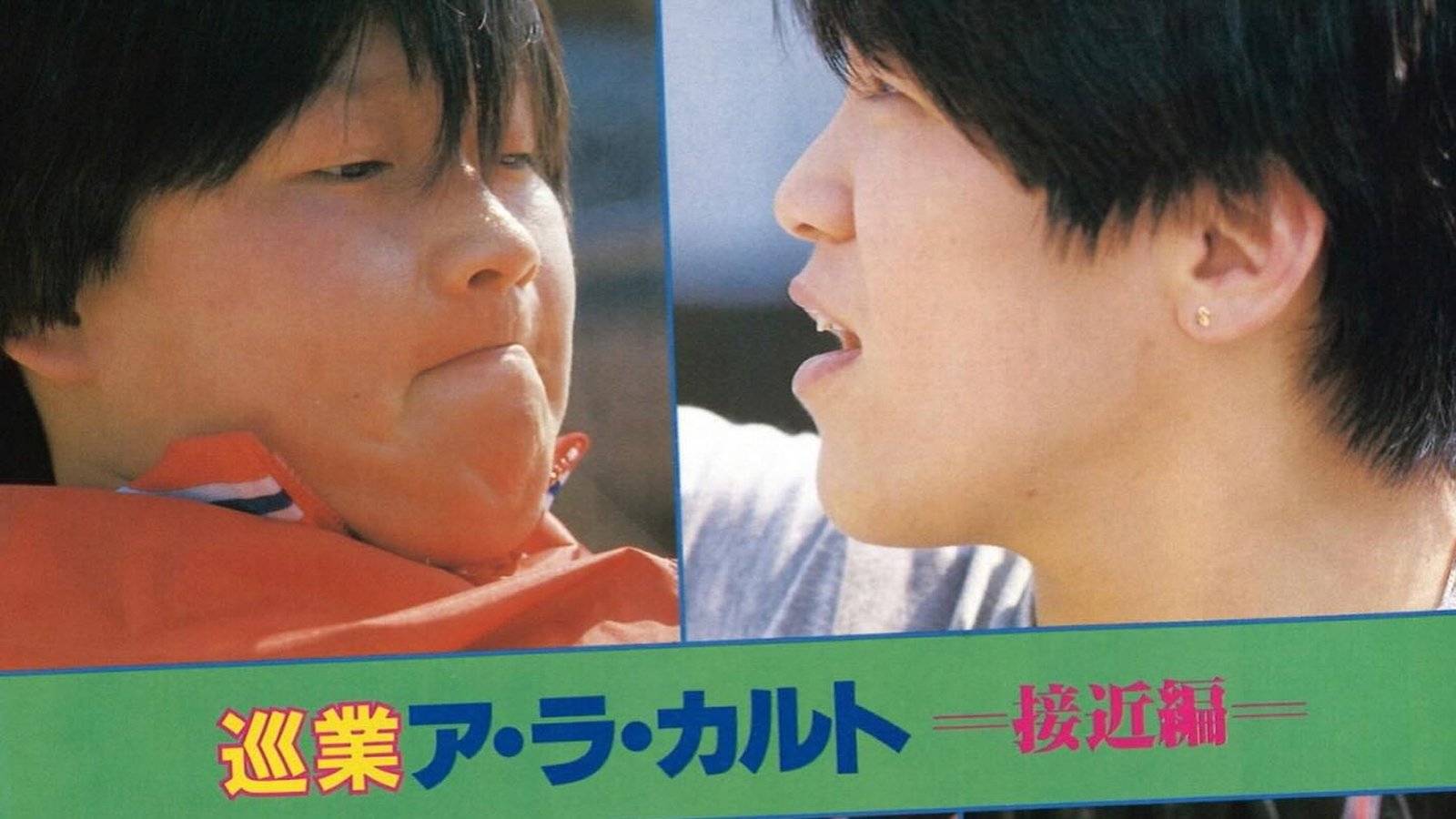
Noriyo Tateno stated in an interview withMaverick Rose of Wrestle Magic Pod that at first, she and Yamazaki didn’t like each other because they saw each other as rivals. They were the same age and debuted in the same year. They didn’t really speak to each other. Surprisingly, it was when they arrived in the United States that they decided to become closer friends and started talking more, which led them to become like sisters.
2. Creating the Jumping Bomb Angels to Counter AJW’s Villainous Factions (December 1984)
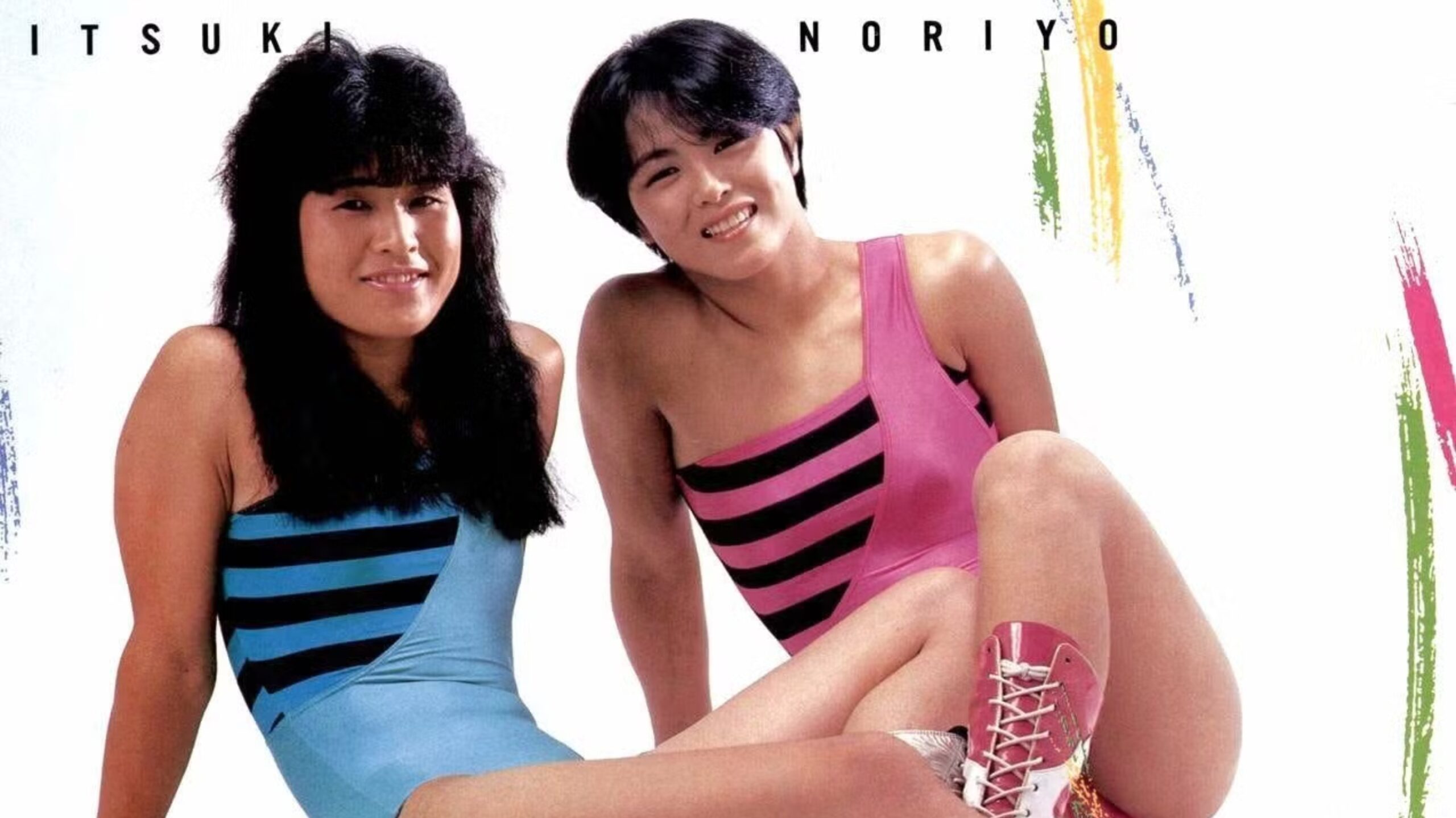
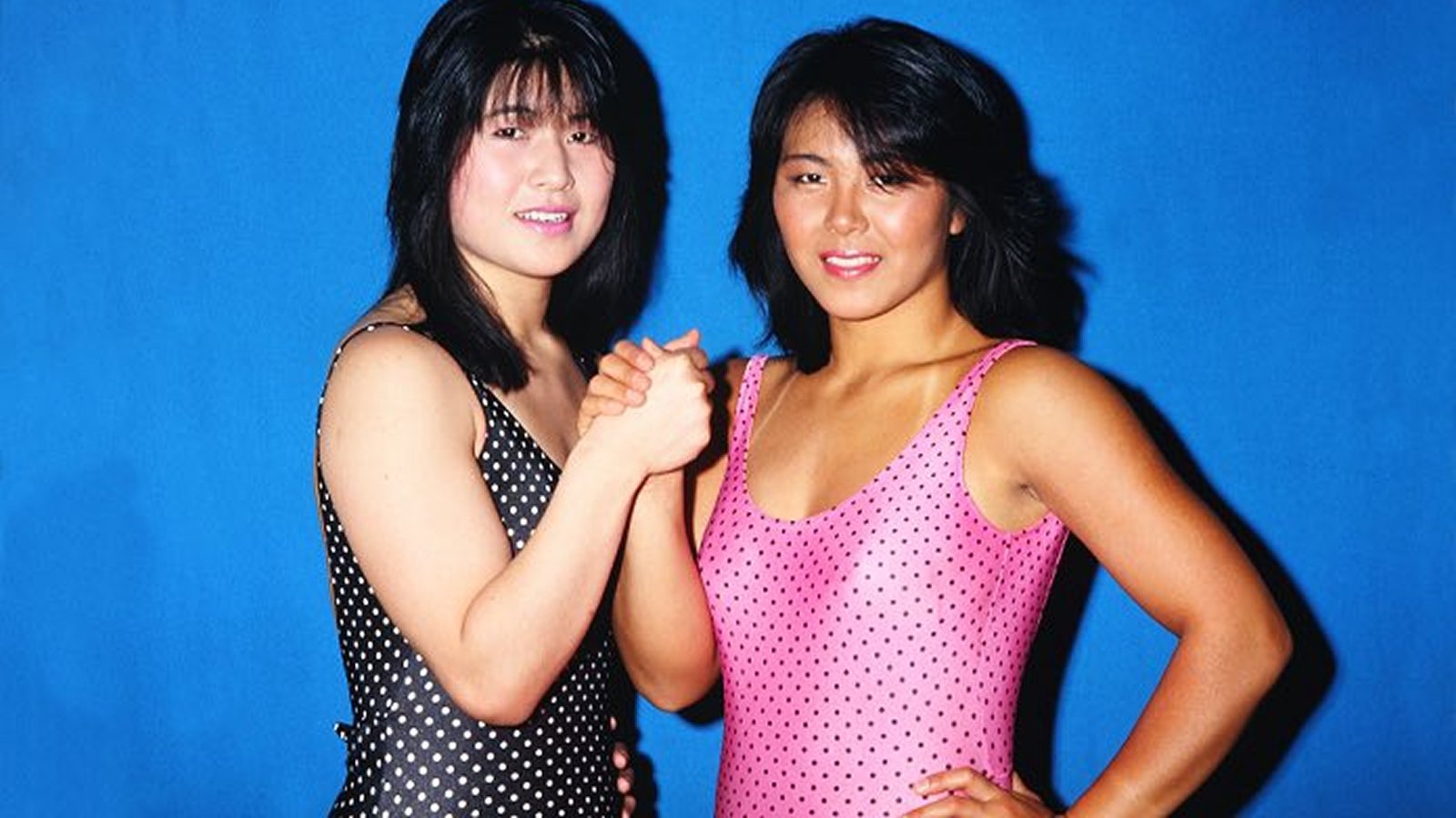
The Jumping Bomb Angels, Noriyo Tateno and Itsuki Yamazaki, pose in All Japan Women’s Pro Wrestling (AJW) in 1984 at the start of their influential Joshi tag team run. Photo Credit: AJW.
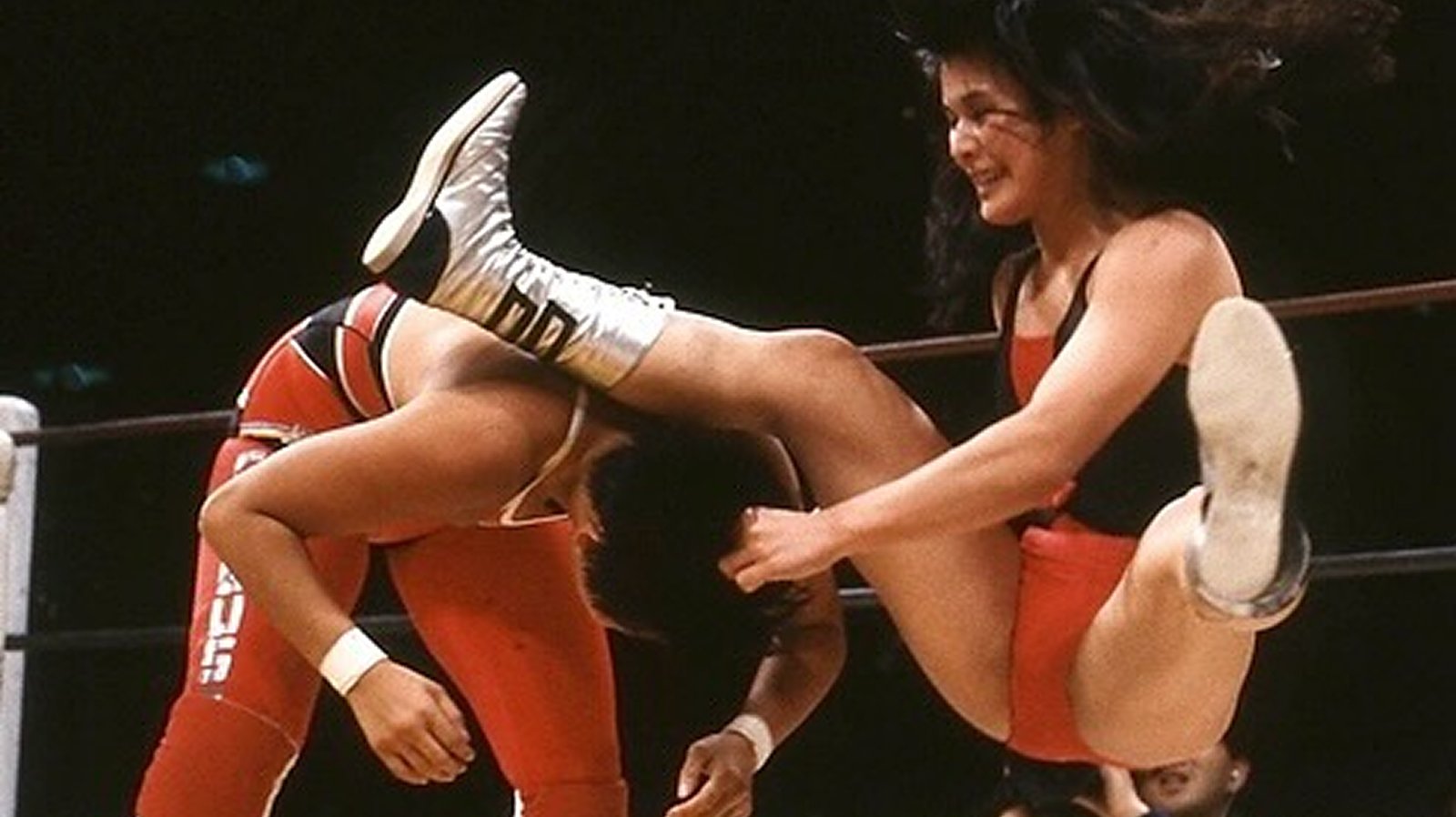
The Jumping Bomb Angels made their in-ring debut as a team in late December 1984 at a time when the landscape was heavily dominated by villainous factions, such as Bull Nakano’s Atrocious Alliance. With their thrilling, high-energy style and remarkably athletic performances, Noriyo and Itsuki brought a refreshing contrast to the wrestling scene.
Their debut was not only a showcase of their talents but also a strategic move by AJW to introduce a new breed of competitors capable of countering the growing influence of these nefarious groups. The Jumping Bomb Angels quickly established themselves as fan favorites, captivating audiences with their technical skill and innovative in-ring maneuvers.
In response to the entrenched villainous forces within AJW, the Jumping Bomb Angels embodied a spirited blend of competition and sportsmanship.
They became symbols of hope and determination, showcasing a faster-paced, more technical wrestling style that highlighted their agility and teamwork. This dynamic approach enabled them to connect with fans on a deep level as they fought not only their opponents but also the prevailing narrative of darkness within the promotion.
As pioneers in their field, the Jumping Bomb Angels laid the groundwork for a new era.
3. WWWA Tag Team Championship: Jumping Bomb Angels vs Bull Nakano and Condor Saito (January 5, 1986)
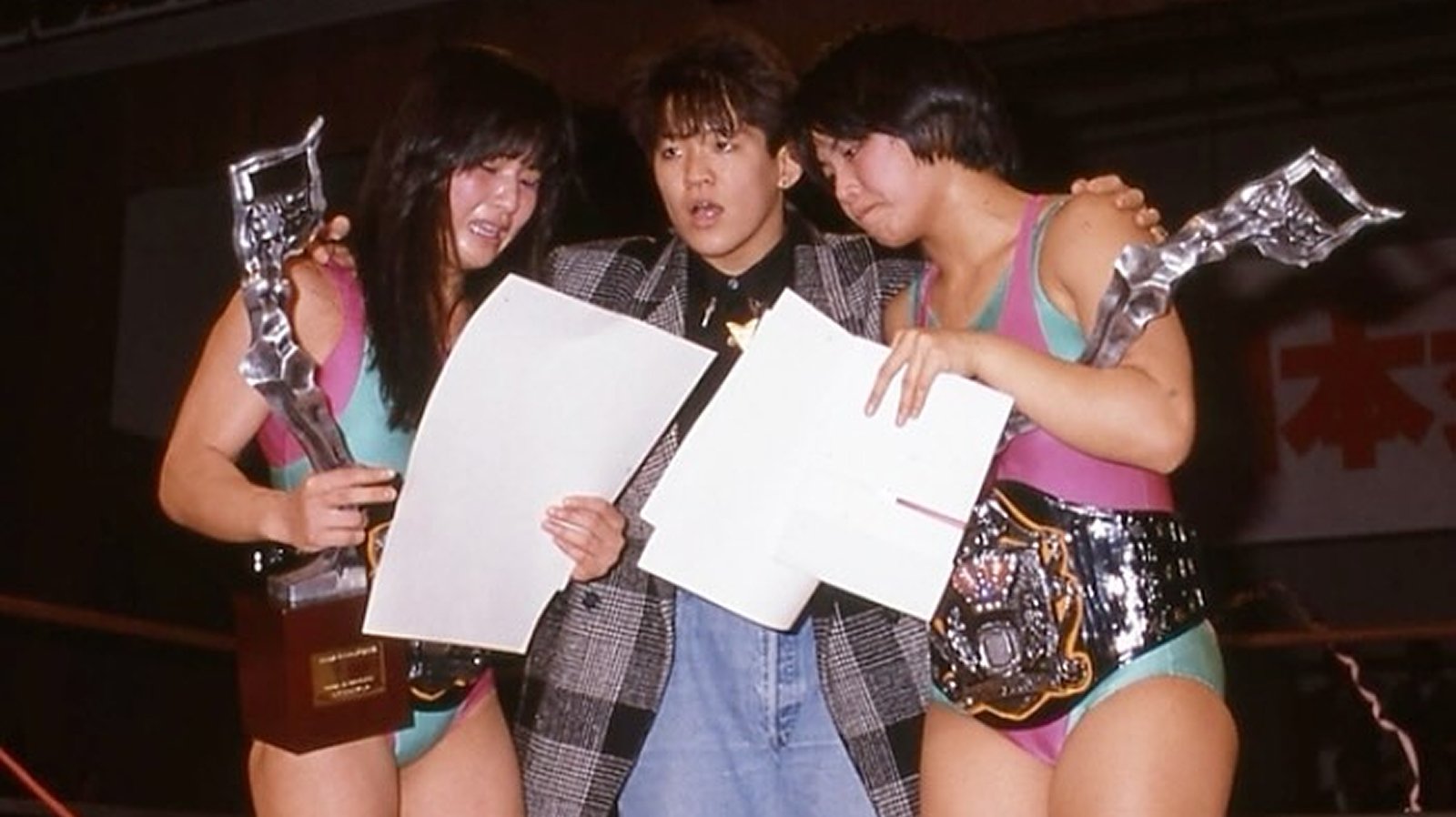
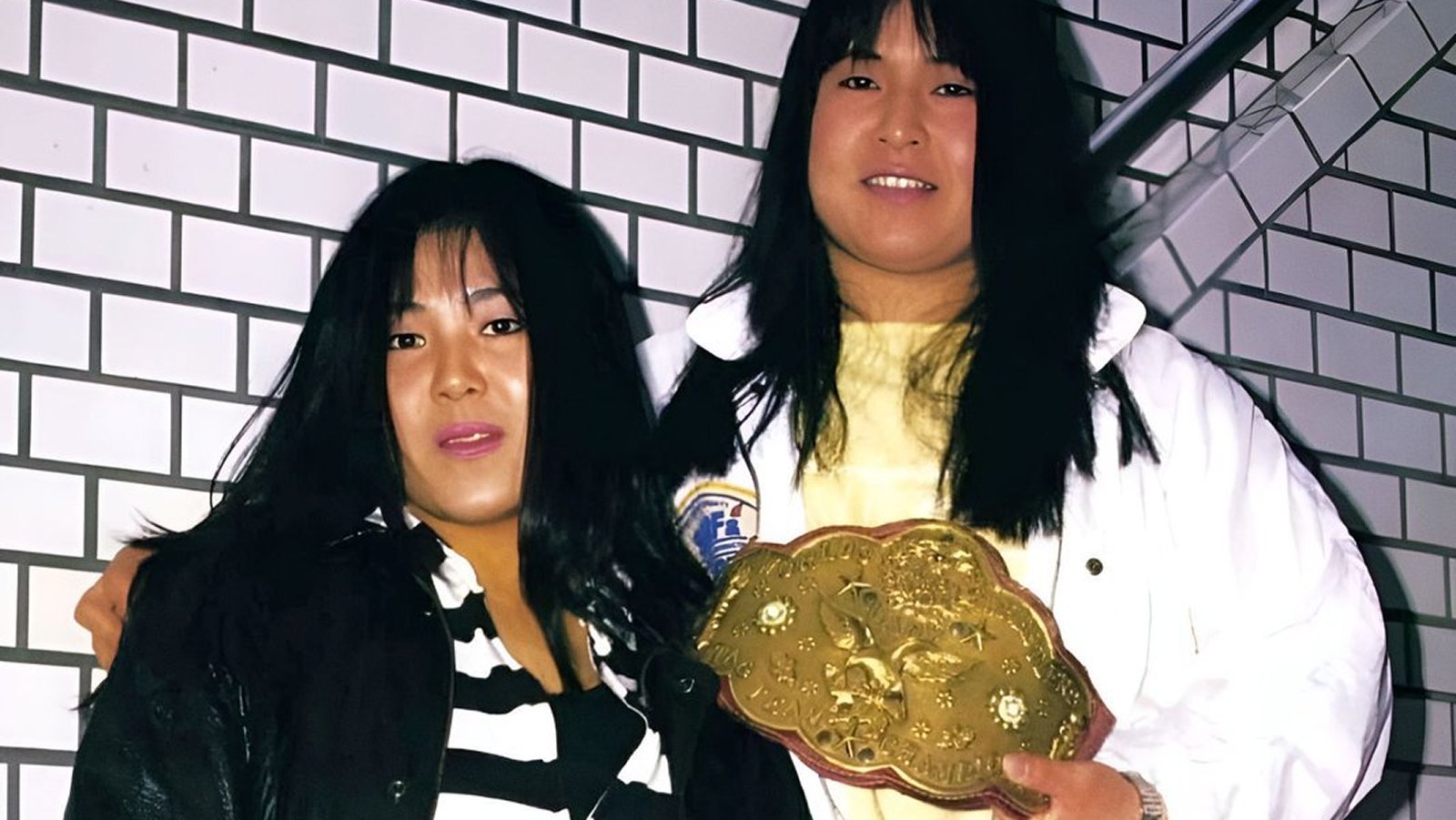
Chigusa Nagayo of the Crush Gals congratulates Itsuki Yamazaki and Noriyo Tateno after the Jumping Bomb Angels win the WWWA World Tag Team Championship in All Japan Women’s Pro Wrestling. Photo Credit: AJW.
Noriyo Tateno and Itsuki Yamazaki of the Jumping Bomb Angels achieved a monumental career milestone by winning the WWWA World Tag Team Championship on January 5, 1986. They faced off against the formidable duo of Bull Nakano and Condor Saito in a fiercely contested best-of-three falls match, a format that heightened the stakes and intensity of the bout.
From the opening bell, the atmosphere in the arena crackled with electricity as fans packed the venue to witness this historic showdown.
The Jumping Bomb Angels, renowned for their high-flying agility and technical prowess, demonstrated remarkable chemistry and resilience against their formidable opponents from the villainous Atrocious Alliance.
The match itself was a display of contrasting styles, with Nakano and Saito using their size and strength to dominate early on. However, the Angels’ relentless spirit and innovative maneuvers soon turned the tide.
They executed breathtaking aerial techniques and signature moves that left the audience in awe, demonstrating not only their skills but also their unwavering determination.
As the match progressed, the crowd’s emotional investment grew palpable, culminating in an electrifying final fall that saw the Jumping Bomb Angels triumph against the odds.
Capturing the titles in such a dramatic fashion solidified their legacy as pioneers in women’s wrestling. It marked a pivotal moment in the evolution of tag team competition, further endearing them to fans worldwide.
4. AJW Rivalry: Jumping Bomb Angels vs Crush Gals and Record Joshi Crowds (March 1986)
Itsuki Yamazaki of the Jumping Bomb Angels attacks Chigusa Nagayo of the Crush Gals during a classic All Japan Women’s Pro Wrestling tag team rivalry. Photo Credit: AJW.
The matches The Jumping Bomb Angels had against The Crush Gals, Chigusa Nagayo and Lioness Asuka, became legendary for blending storytelling and athleticism. This rivalry drew record crowds and captivated fans. This demonstrated that a positive, high-flying style of wrestling could not only entertain but also shift the storyline landscape of women’s wrestling.
As Scott’s Blog of Doom perfectly put: “They threw out moves that looked straight-up futuristic.”
On March 20th, 1986, the Jumping Bomb Angels and The Crush Gals collided in a high-stakes two-out-of-three falls match for the tag team championships, a bout that perfectly captured the intensity of the AJW tag team scene during its peak. The atmosphere surrounding the match was electric, as both teams had already built a fierce rivalry through a series of hard-fought encounters dating back to 1985.
Each fall told its own story, with momentum swinging back and forth as the Angels relied on their speed, crisp double-team maneuvers, and aerial precision, while the Crush Gals countered with resilience, charisma, and the crowd firmly behind them. By the time the decisive fall unfolded, the tension inside the venue was palpable, reflecting how evenly matched the teams had become over months of escalating competition.
When the Crush Gals ultimately captured the tag team titles from the Jumping Bomb Angels, it marked not just a championship change, but another dramatic chapter in one of the era’s defining rivalries.
Their battles throughout 1985 and 1986 helped elevate women’s tag team wrestling in Japan to new heights, drawing passionate fan investment and setting a standard for intensity, storytelling, and athletic excellence that would influence the division for years to come.
With hundreds of amazing Pro Wrestling Stories to dive into, where do you start? Get the inside scoop – join our exclusive community of wrestling fans! Receive 10 hand-picked stories curated just for YOU, exclusive weekly content, and an instant welcome gift when you sign up today!
5. From AJW Ring to Studio: Jumping Bomb Angels’ 1986 Music Career in Japan
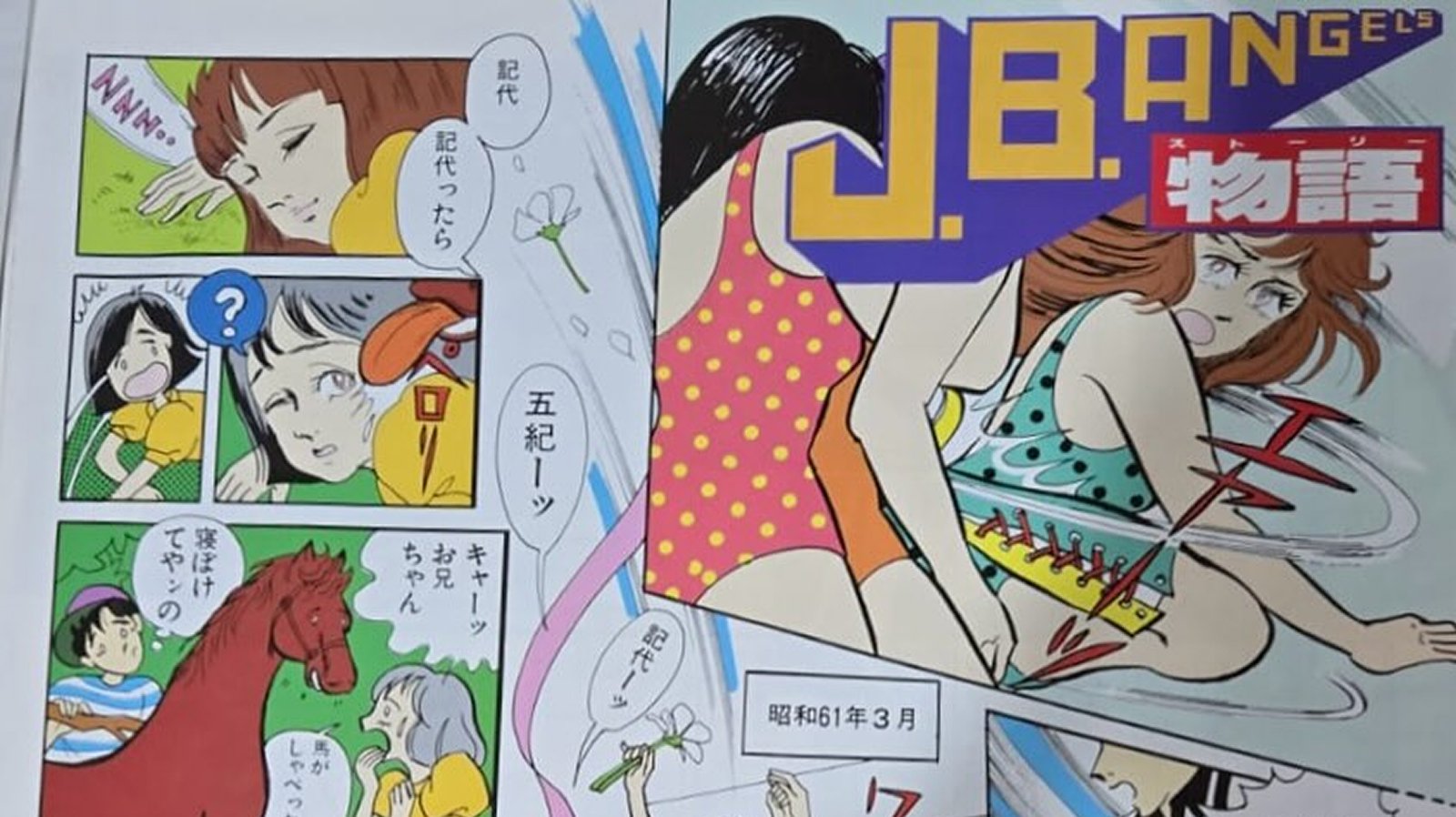
Manga artwork from the Jumping Bomb Angels’ 1987 CBS/Sony vinyl LP ‘First Flight’ featuring Noriyo Tateno and Itsuki Yamazaki during their All Japan Women’s Pro Wrestling and J-pop crossover era. Photo Credit: Maverick Rose.
During their time in AJW, the Jumping Bomb Angels became unlikely music stars in Japan.
They released three 7″ singles in 1986: “(Chance)³ / Stand In The Shadow,” “Emblem of Youth / Never Surrender!” and “Stardust Dance Heaven / Get Wings / Love Of My Life.” They released a full-length LP, “First Flight,” in 1987, which you can hear in full below.
Noriyo Tateno mentioned in her interview with Wrestle Time Pod that AJW told them to sing. At the time, in the 1980s and 1990s, it was a normal thing in AJW. The Crush Gals and Beauty Pair also had done the same thing. AJW wanted them to be multi-talented and a whole entertainment, not just wrestling.
There was also a JBA manga insert in the JB Angels vinyl: FIRST FLIGHT! The recording label chose the name Jumping Bomb Angels because they had already set up to record an album with the two.
6. They Brought Joshi Wrestling to Mainstream America (June 24, 1987)
The Jumping Bomb Angels, Noriyo Tateno and Itsuki Yamazaki, made their WWF debut in 1987 on Prime Time Wrestling before a series of house show matches against the Glamour Girls. Photo Credit: WWE.
The Jumping Bomb Angels debuted in the WWF in mid-1987. They made their first appearance on WWF Prime Time Wrestling on June 24, 1987, and appeared again on July 16, 1987.
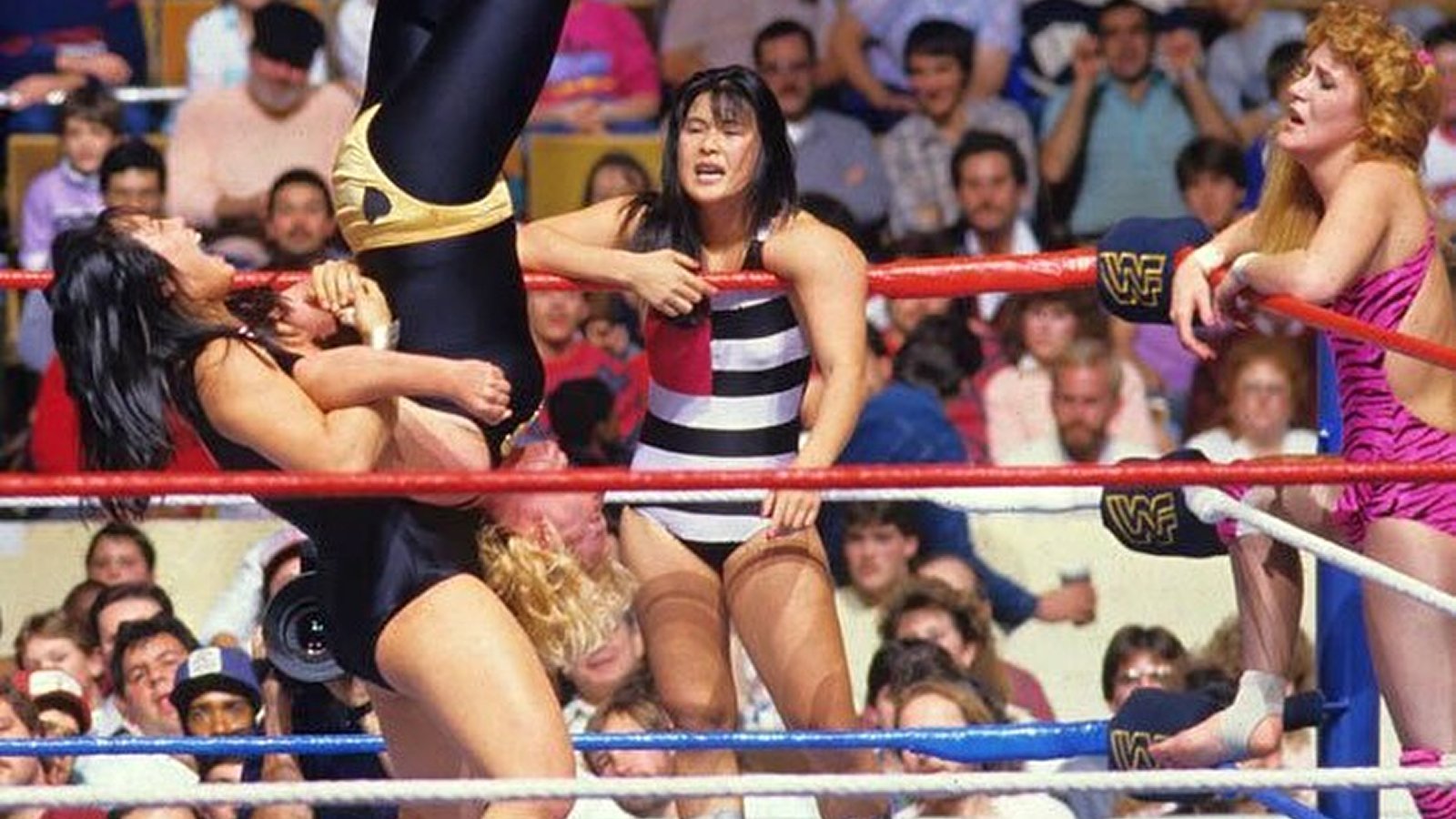
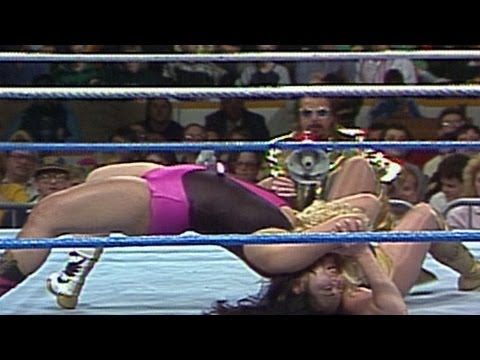
During their debut, they wrestled against The Glamour Girls, Leilani Kai and Judy Martin. They left the crowds stunned with top-rope armdrags and missile dropkicks. The two tag teams would then feud and have matches across the American house show circuit for six months. The Jumping Bomb Angels won most of these matches by disqualification due to interference from the Glamour Girls’ manager, Jimmy Hart.
Noriyo Tateno recalled that when the Jumping Bomb Angels first arrived in the U.S., they were presented as babyfaces, and almost immediately began to win over American crowds with their pace and athletic style, even within the first week of appearances, because fans weren’t used to the speed and ingenuity they displayed in the ring.
Although they were technically babyfaces on WWF television, Tateno has mentioned that the audience reaction often came organically from appreciating their work, something that was notable given how different their style was from most women’s wrestling in the US at the time.
The Angels’ ring gear for their WWF debut came from their home promotion All Japan Women’s Pro Wrestling (AJW), and initially they weren’t permitted to wear their preferred pink, white, and blue outfits, so they had to borrow or adapt gear, partly because WWF didn’t want to present them with a look that might be perceived as overtly "American."
During their debut matches, commentary sometimes highlighted these aspects, noting their foreign origin and distinctive style, which stood out against the more character-driven presentation typical of the promotion in that era.
Over time, their high-flying offense and tag-team style, shaped by their AJW background, helped them connect with fans and ultimately made them remembered as one of the more innovative international acts to appear in the WWF of the late 1980s.
7. Jumping Bomb Angels as Sole Survivors in the First WWF Women’s Survivor Series Match (November 26, 1987)
Noriyo Tateno and Itsuki Yamazaki of the Jumping Bomb Angels compete in the first WWF women’s Survivor Series elimination match in 1987 against the Glamour Girls and Sensational Sherri’s team. Photo Credit: WWE.
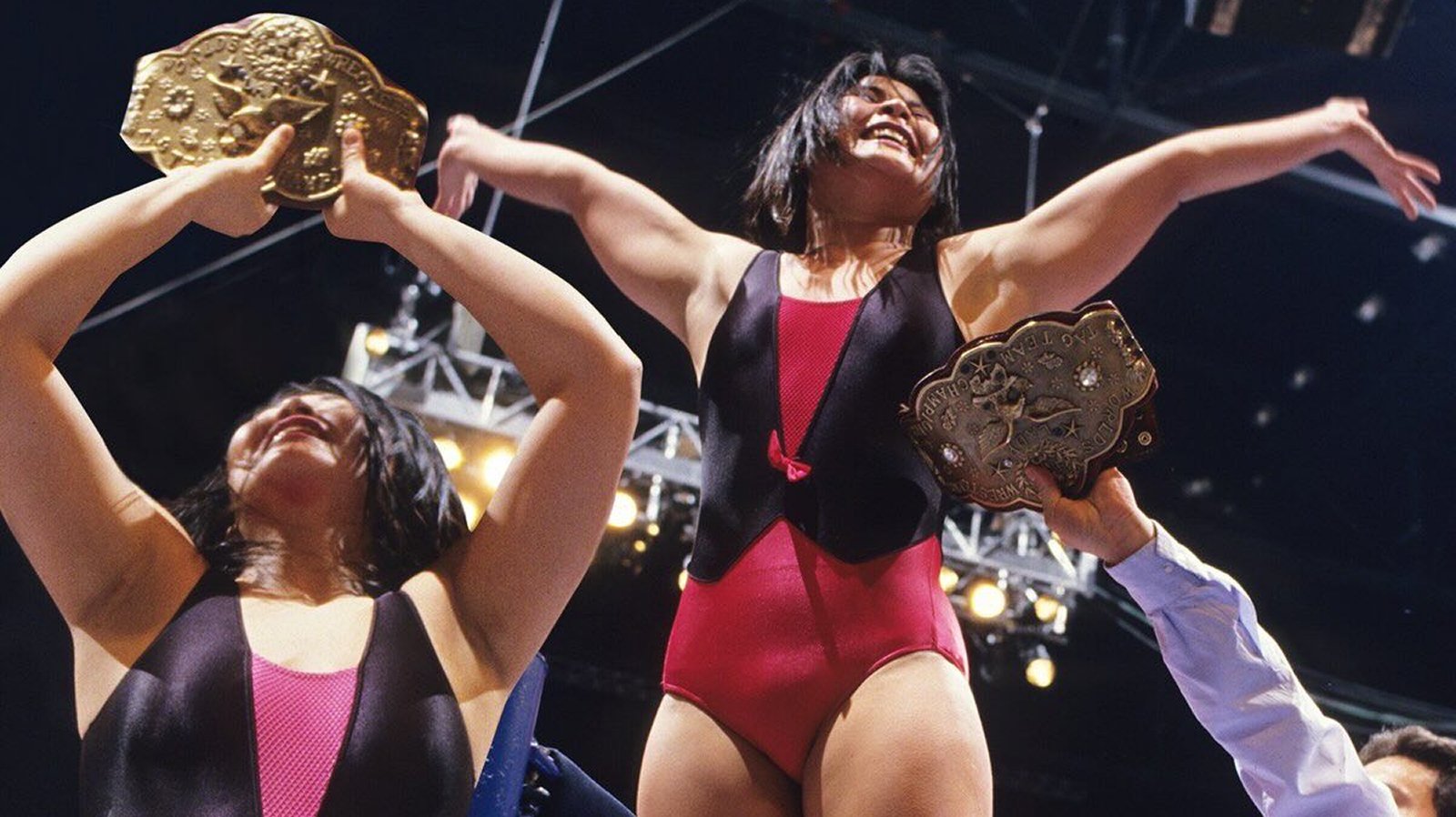
On November 26th, 1987, at the very first Survivor Series, the Jumping Bomb Angels were the sole survivors of the first women’s Survivor Series match in front of a sold-out crowd of 21,300.
The Jumping Bomb Angels’ performance during this match had Jesse Ventura and Gorilla Monsoon excited on commentary in a way that wasn’t typical of their usual banter.
At one point, Jesse exclaimed, “These Jumping Bomb Angels are incredible, Gorilla!”
Ventura later compared the Jumping Bomb Angels’ style to that of the Dynamite Kid, noting their extraordinary talent and technical ability.
Noriyo Tateno and Itsuki Yamazaki won the match as the sole survivors in the first-ever women’s Survivor Series match and won over not only the fans in attendance but many of the male pro wrestlers in the building as well.
Sensational Sherri Martel, in a 2004 interview with Title Match Network, stated she feared accidentally injuring Velvet McIntyre early in the match. She added, "The match itself went over phenomenally. Bomb Angels were great… those guys were phenomenal. I liked watching them against the Glamour Girls because Leilani and Judy worked Japan so much. It was just an added plus."
8. Stealing the Show at the Royal Rumble: Jumping Bomb Angels Win WWF Women’s Tag Team Titles (January 24, 1988)
On January 24, 1988, at the inaugural Royal Rumble, the Jumping Bomb Angels defeated the Glamour Girls to win the WWF Women’s Tag Team Championship. Photo Credit: WWE.
The 1988 Royal Rumble was the first ever Royal Rumble for the then WWF. It took place on January 24, 1988, at the Copps Coliseum in Hamilton, Ontario, Canada.
There, the Jumping Bomb Angels defeated The Glamour Girls in a two-out-of-three falls match for the WWF Women’s Tag Titles and is considered one of the best women’s matches of the decade. It was arguably their most significant moment in the WWF in competition with the Women’s Tag Team Championships.
The crowd reactions the Angels got for their two falls in this match were bigger than any other that night, with the crowd leaping to their feet for the first fall and again as they won the titles, no doubt a career highlight for Yamazaki and Tateno.
Reflecting back on winning the WWF women’s tag team championships, Itsuki Yamazaki shared on the WrestleMagic Pod, “It’s something that I never felt before. All I remember really is the fans. They were going crazy, and I still remember that.”
Despite the incredible reaction they received at the Royal Rumble, their reign as WWF Women’s Tag Team Champions wasn’t the most storied.
A pair of follow-up defenses against The Glamour Girls on WWF programming led to a third back in Japan for AJW. Martin and Kai reclaimed the belts, winning via count-out in what would sadly be the last appearance of the titles and the end of the Jumping Bomb Angels’ WWF run.
9. Behind the WWF Curtain: Support for the Jumping Bomb Angels on the Road (1987-1988)
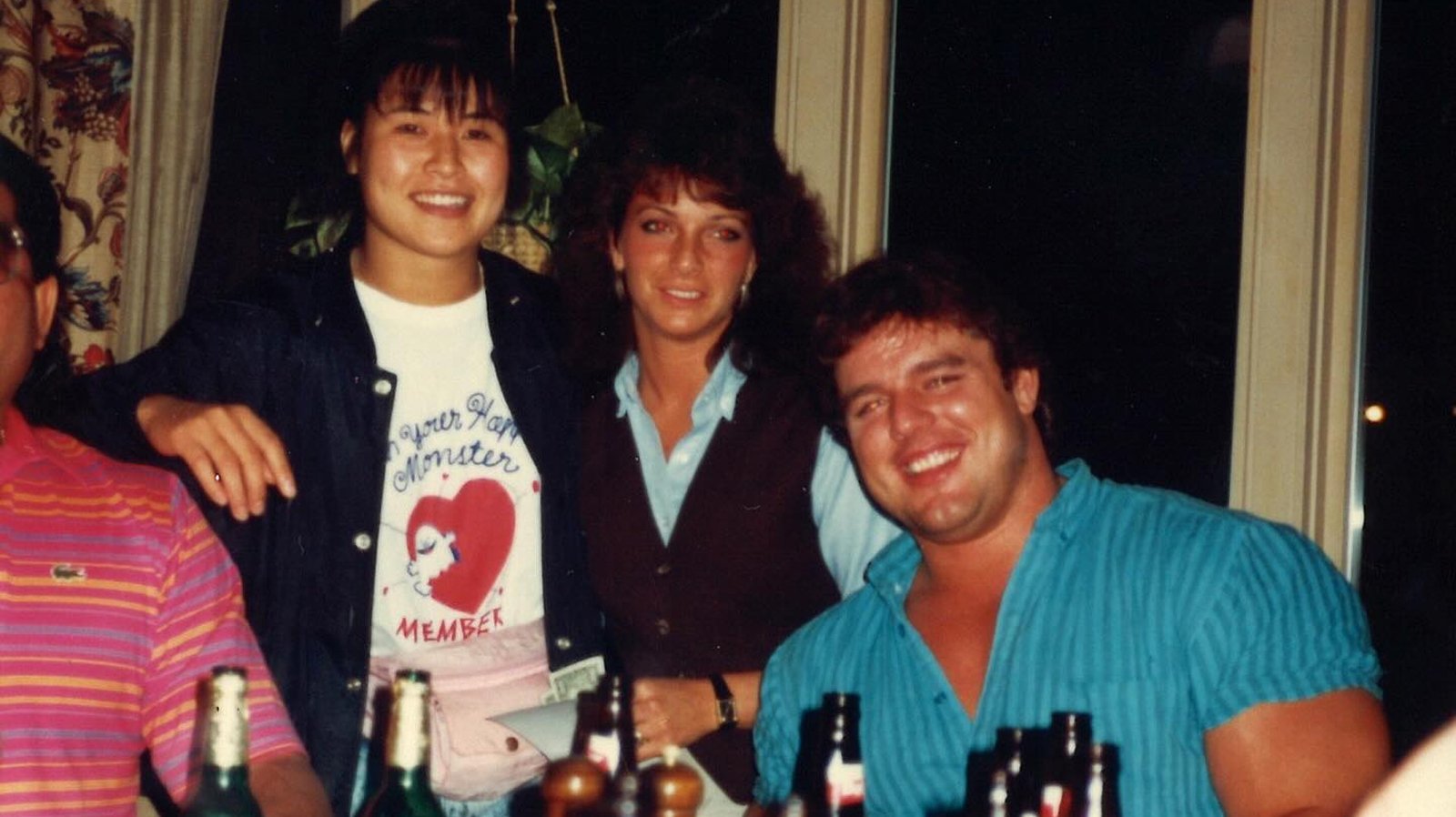
Noriyo Tateno and Itsuki Yamazaki of the Jumping Bomb Angels pose with British Bulldog Davey Boy Smith during their late-1980s WWF run between AJW tours. Photo Credit: The Jumping Bomb Angels.
The Jumping Bomb Angels were not left to navigate the WWF locker room alone during their run in the United States. Davey Boy Smith and Dynamite Kid of The British Bulldogs often stepped in to make sure the team was supported from the start.
According to Tateno, the Bulldogs ensured there was always someone available to look after them and helped arrange access to a translator so communication would not become a barrier. Even when Smith and Dynamite were not physically present at shows, they still made a point of checking in to confirm that the Angels were being treated properly.
For two wrestlers adjusting to a new country, a new promotion, and a different presentation style, that steady backing made a significant difference behind the scenes.
In a 2025 interview, Itsuki Yamazaki expanded on that support system, naming The Ultimate Warrior and Harley Race as additional figures who looked out for them during their time with the company.
Yamazaki recalled that Harley Race, despite his reputation for being tough and authoritative in the locker room, treated the Jumping Bomb Angels with notable respect. While he might have barked orders at others, he reassured the Angels directly, telling them not to worry and promising that they would be safe and taken care of.
Yamazaki explained that Race’s kindness stemmed from his own experiences touring Japan, where promoters and wrestlers had extended hospitality to him. In his mind, supporting the Angels was a way of returning that courtesy.
The Fabulous Moolah also played a central role in helping the team settle in. When Tateno and Yamazaki first arrived in the United States, they stayed in hotels, and some of their belongings were kept at Moolah’s trailer. Eventually, because the trailer they had been using was too cold and uncomfortable, they moved into one of Moolah’s apartments. On days when they were not booked for matches, they stayed there, using it as a home base as they adapted to life on the road in America.
10. How Backstage Decisions Ended the Jumping Bomb Angels’ WWF Run in 1988
The Jumping Bomb Angels, Noriyo Tateno and Itsuki Yamazaki, near the end of their 1988 WWF run as Women’s Tag Team Champions amid title changes involving the Glamour Girls. Photo Credit: WWE.
The Jumping Bomb Angels’ time in the WWF ended controversially on June 8th, 1988, when they lost the Women’s Tag Team Titles to The Glamour Girls (Judy Martin and Leilani Kai) via count-out in Japan at an AJW match, a title change planned by The Fabulous Moolah. AJW allowed 20-second count-outs, and Judy Martin got back in the ring at 19.
This title change was done without WWF approval, infuriating booker Pat Patterson, who then shelved the titles.
Itsuki later claimed they had been booked for WrestleMania IV on March 27, 1988, they even had a costume ready, but AJW Head Office recalled them home to fulfill their original contract instead of continuing their U.S. tour.
WWF asked both Jumping Bomb Angels to cut their contracts with AJW and sign exclusively with them, but they felt they couldn’t disrespect the promotion that launched their careers.
The Angels never returned to WWF, despite their groundbreaking, high-speed Joshi-style making them fan favorites and pioneers in women’s wrestling.
11. Jumping Bomb Angels’ 2008 Nostalgia Tour and Joshi Reunion Matches
On July 21, 2008, the Jumping Bomb Angels reunited for Daily Sports’ 60th Anniversary event, Summer Dream, thrilling fans with nostalgic high-flying spots decades after their AJW heyday. Noriyo Tateno and Itsuki Yamazaki proved their chemistry and athleticism endure, honoring Joshi roots on a grand stage. Photo Credit: Daily Sport.
The Jumping Bomb Angels reunited in the summer of 2008 for a special nostalgia tour that brought them back into the spotlight more than a decade after their original run had ended.
Their return began at Daily Sports’ 60th Anniversary event, Summer Dream, on July 21, 2008, where Noriyo Tateno and Itsuki Yamazaki stepped back into the ring as a team to face fellow All Japan Women’s veterans Jumbo Hori and Yukari Omori.
For longtime fans, it was a rare chance to see the four pillars of the 1980s joshi boom share the ring once again. The match ended in a time-limit draw, a fitting outcome that emphasized celebration over rivalry and preserved the legacy of both teams.
The reunion continued on August 3, when the Angels squared off against the Double Inoue tandem of Kyoko and Takako Inoue. Representing a slightly later generation of stars, the Inoues brought a different rhythm and power-based style to the contest. Once again, the bout went the distance and concluded in a time-limit draw, reinforcing the exhibition-like spirit of the tour while still delivering competitive action.
On August 10, 2008, the Jumping Bomb Angels appeared at LLPW Revolution 16 in the historic Korakuen Hall, facing two of their most formidable old rivals, Devil Masami and Jaguar Yokota. The matchup carried deep historical weight, revisiting rivalries that had defined an era.
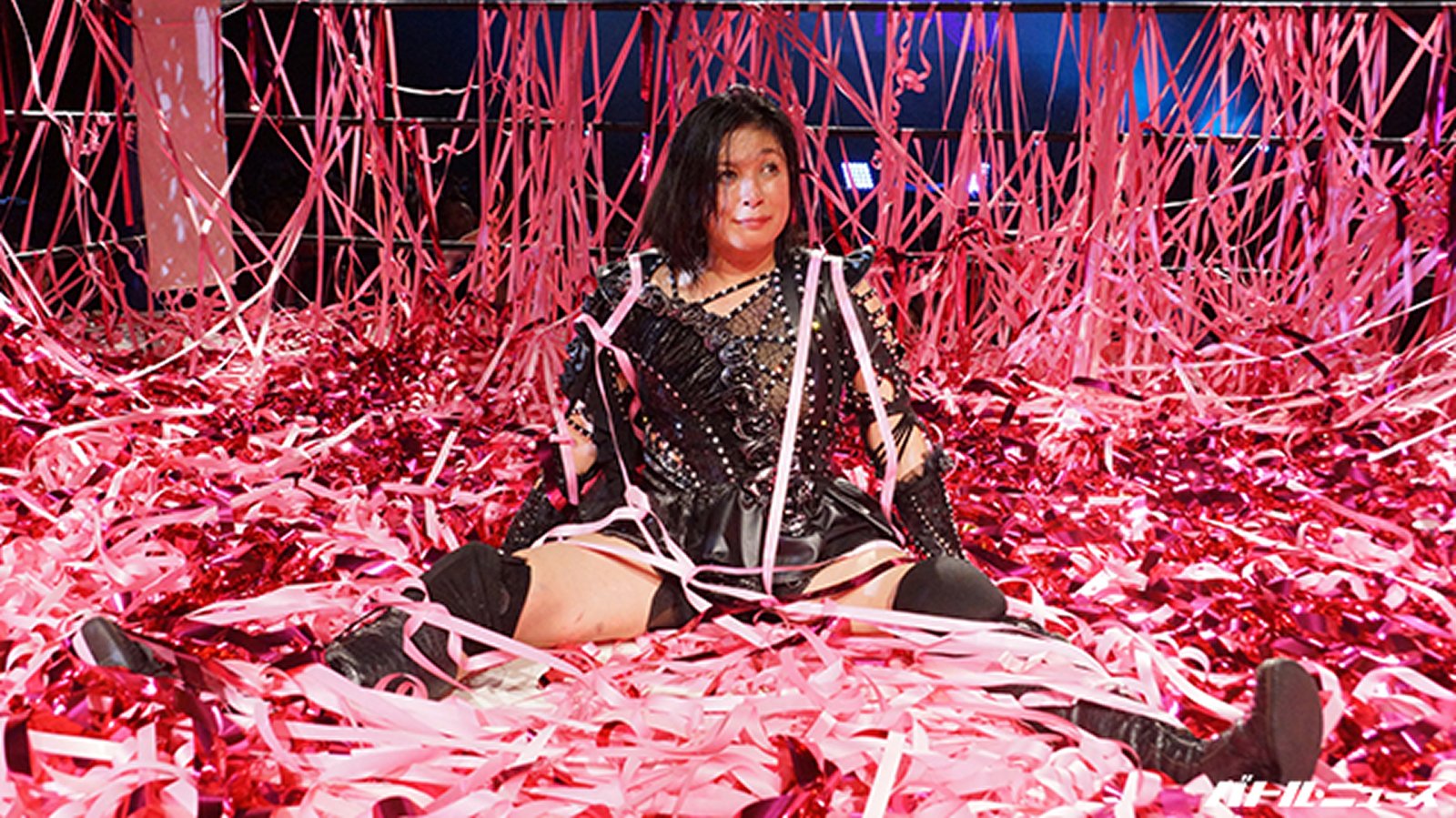
Finally, on August 16 at Pro Wrestling WAVE’s 1st Anniversary show, WAVE Sail A-Way 2, Tateno and Yamazaki teamed for the last time against Ran YuYu and Toshie Uematsu.
That match marked the official end of the Jumping Bomb Angels as an in-ring duo, closing the book on a partnership that had influenced women’s wrestling across generations.
12. After the Jumping Bomb Angels: Itsuki Yamazaki’s Exit and Noriyo Tateno’s Long Career
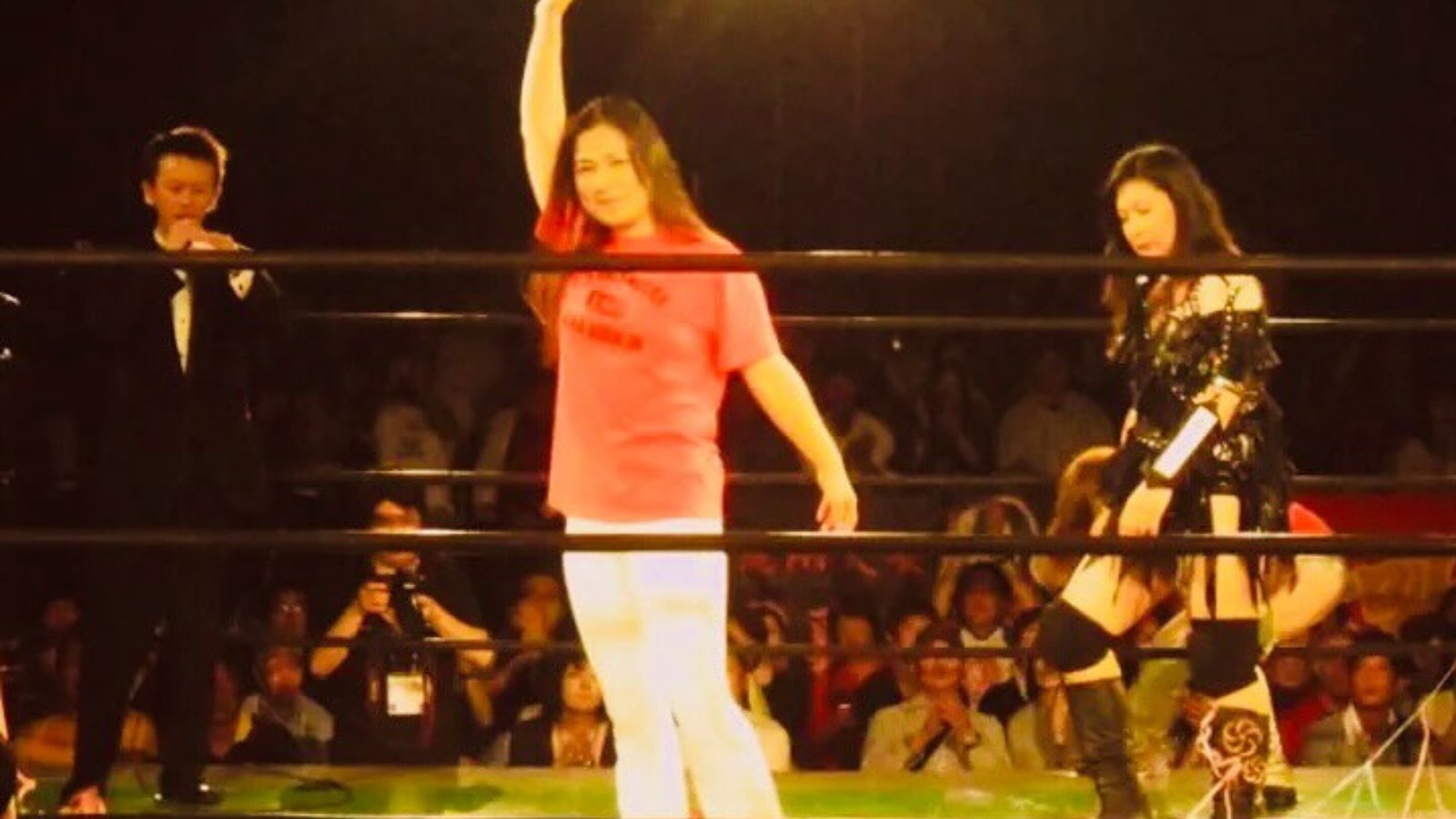
Itsuki Yamazaki of the Jumping Bomb Angels is introduced before her special match against Manami Toyota, highlighting the connection between AJW eras. Photo Credit: Ladies Legend Pro-Wrestling.
Itsuki Yamazaki stepped away from full-time competition in 1991, closing the in-ring chapter of her career while remaining deeply connected to the wrestling world.
When Ladies Legend Pro-Wrestling was formed in 1992 by Shinobu Kandori and Rumi Kazama, Yamazaki became an important presence within the promotion’s orbit. LLPW earned a reputation for its hard-hitting joshi style and for helping pioneer women’s MMA events in Japan, and the company continues today under the name LLPW-X.
Yamazaki’s experience and credibility from the All Japan Women era made her a respected figure in that environment. She also lent her support to Pro Wrestling WAVE, the Tokyo-based women’s promotion founded in 2007, contributing behind the scenes and maintaining ties to the evolving joshi landscape.
In addition, she made special appearances at Oz Academy in 2012 and again in 2017, reminders that her influence spanned multiple generations of performers.
Beyond promotions and public appearances, Yamazaki became known as a trusted liaison for Japanese talent working in the United States during the 1990s.
Wrestlers such as Bull Nakano, Jinsei Shinsaki (better known to WWF fans as Hakushi), and referee Tiger Hattori, and others could rely on her guidance as they adjusted to life abroad. She offered practical help, translation assistance, and in some cases even a place to stay. Her home became a temporary base for several wrestlers over the years.
In 2009, Shingo Takagi stayed with Yamazaki, and during that time, he refined the finishing move that would later become a signature part of his arsenal.
Noriyo Tateno, meanwhile, continued wrestling for many years before officially retiring in 2009. She also competed in Ladies Legend Pro-Wrestling, maintaining her visibility in the joshi scene long after the Jumping Bomb Angels’ peak. Outside the ring, Tateno has enjoyed unwavering fan support through her fan club, CANDY, which has been active since 1983, a remarkable run that dates back to her early career.
The longtime organizer of CANDY even produced an independent wrestling event, inviting Tateno to make a special appearance, further underscoring the lasting bond between her and her supporters.
13. Jumping Bomb Angels’ Influence on Manami Toyota and Later Joshi Generations
Manami Toyota, an All Japan Women’s Pro Wrestling legend and multiple-time WWWA World Singles Champion, later credited the Jumping Bomb Angels (especially Itsuki Yamazaki) as key inspirations. Photo Credit: AJW.
Manami Toyota, widely regarded as one of the greatest Joshi wrestlers ever with a record 14 five-star matches, has long credited Itsuki Yamazaki as one of the central inspirations behind her decision to become a professional wrestler.
In interviews, Toyota recalled watching the Jumping Bomb Angels and realizing she wanted to follow that path, saying that after seeing them, she knew she had to wrestle. The Angels’ speed, innovation, and fearlessness left a lasting impression on her at a formative stage. That admiration later evolved into a personal and professional bond, with Toyota openly referring to Yamazaki as her mentor on social media and in public appearances.
Toyota’s respect was not limited to words. It was demonstrated in the ring when Yamazaki briefly came out of retirement to wrestle her in special exhibition matches.
The two shared the ring twice: first at Toyota’s 25th anniversary show and again at her retirement event years later. Their encounters were less about competition and more about tribute, symbolizing the passing of knowledge and spirit from one generation to the next.
The influence is also visible in Toyota’s wrestling style, particularly in her use and reverence for the Japanese Ocean Cyclone Suplex, a move closely associated with the high-impact, innovative offense that defined the Jumping Bomb Angels’ era and became an integral part of Toyota’s own arsenal.
Toyota’s 25th anniversary event took place on September 22, 2012, at Shinjuku FACE in Tokyo under the banner of a special Flying Angel-themed show.
Known for her extraordinary stamina and work ethic, Toyota wrestled in all five matches on the card, an ambitious feat that reinforced her reputation as one of joshi wrestling’s most durable and driven performers. The event celebrated not only her longevity but also the lineage of talent that shaped her career, including Yamazaki’s presence in a featured exhibition.
Her retirement show, held on November 3, 2017, at Yokohama Radiant Hall, brought her 30-year career to a close in a format as demanding as her legacy. Toyota competed in a gauntlet of 51 one-minute time-limit matches against a wide range of opponents, finishing with 12 wins, 29 draws, and 10 losses.
After completing 50 rapid-fire bouts, she wrestled one final extended exhibition match against Tsukasa Fujimoto. The match concluded with Fujimoto pinning Toyota using the Japanese Ocean Cyclone Suplex, a symbolic ending that paid homage to the move’s history and to the mentors, including Itsuki Yamazaki, who helped shape Toyota into one of the most celebrated wrestlers of her generation.
14. Jumping Bomb Angels and Glamour Girls Reunite Decades After Their WWF Rivalry in 2024
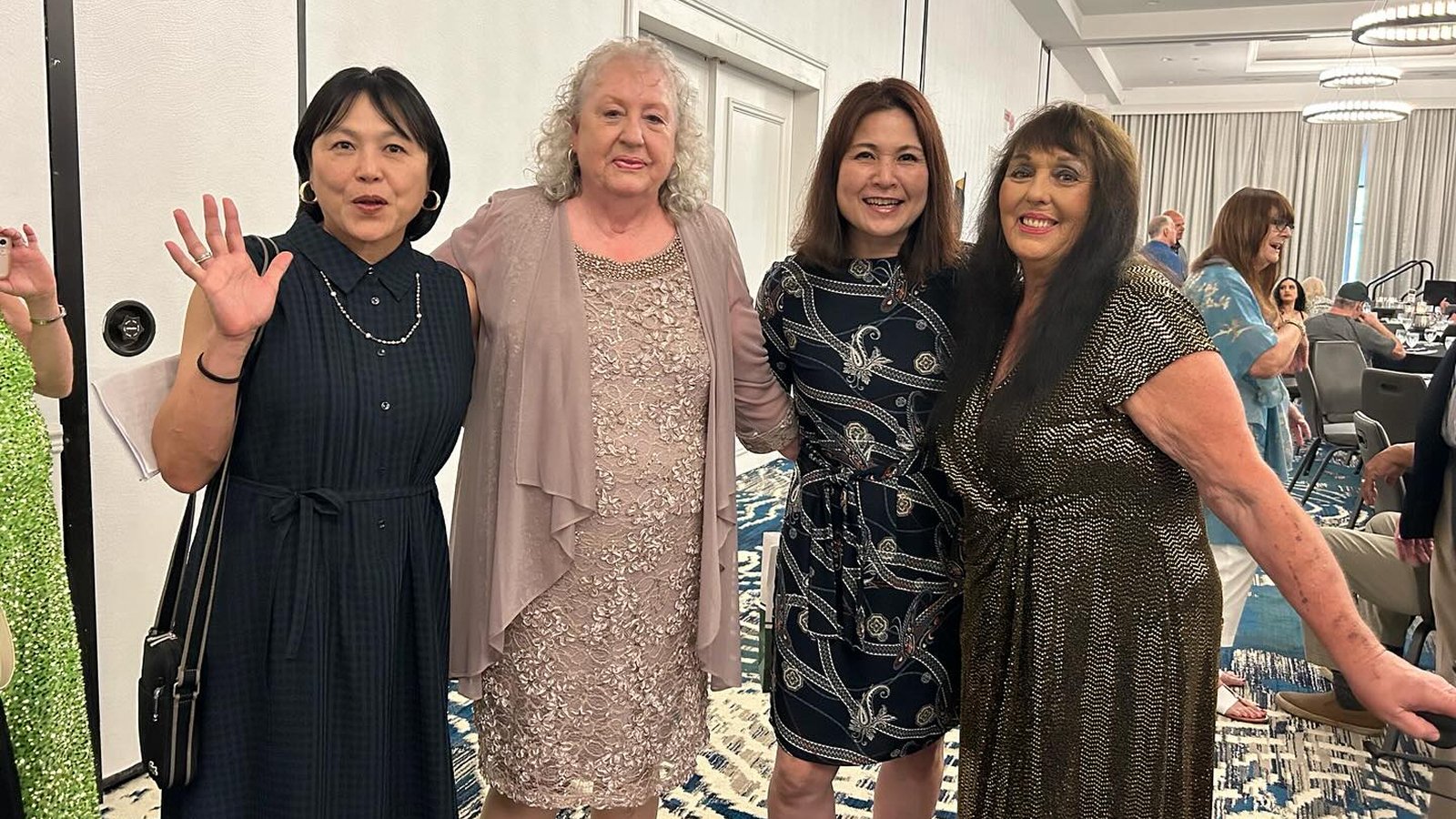
The Jumping Bomb Angels reunite with former rivals The Glamour Girls, Judy Martin and Leilani Kai, at The Gathering in Charlotte, North Carolina, on August 3, 2024. Photo Credit: The Jumping Bomb Angels.
For the first time in a quarter of a century, the Jumping Bomb Angels and the Glamour Girls stood side by side once again on August 3, 2024, at The Gathering in Charlotte, North Carolina.
The reunion marked 25 years since the two legendary teams had last appeared together publicly, instantly transporting longtime fans back to the late 1980s. The event itself commemorated the 37th anniversary of their groundbreaking WWF encounters. What once began as a fierce on-screen rivalry had, over the decades, evolved into mutual respect and genuine friendship.
In Charlotte, the atmosphere was celebratory rather than combative, as Noriyo Tateno, Itsuki Yamazaki, Judy Martin, and Leilani Kai reflected on the matches that changed their careers and left a permanent mark on wrestling history.
Fans who attended The Gathering were treated to photo opportunities, panel discussions, and personal stories about life on the road during the WWF’s national expansion era. The women spoke candidly about the cultural differences, the intense travel schedule, and the pride they felt in delivering matches that are still studied and praised today. Their reunion highlighted how their rivalry elevated the WWF Women’s Tag Team Championship and demonstrated that women’s wrestling could headline cards and captivate international audiences.
The warmth between the teams was evident throughout the weekend, underscoring how time had strengthened their bond rather than diminished it.
“To the Jumping Bomb Angels: thank you for being the most extraordinary opponents and partners. You made us better every single time we stepped in the ring together.”
The celebration did not end there. On November 15, 2025, the Jumping Bomb Angels and the Glamour Girls reunited once again, this time at the Big Event Entertainment and Sports Expo in Brentwood, New York. The appearance brought their shared history to another major fan convention stage, allowing a new generation of supporters to meet the women whose matches helped lay the groundwork for today’s global women’s wrestling boom.
15. 40th Anniversary of the Jumping Bomb Angels in Tokyo (December 1, 2025)
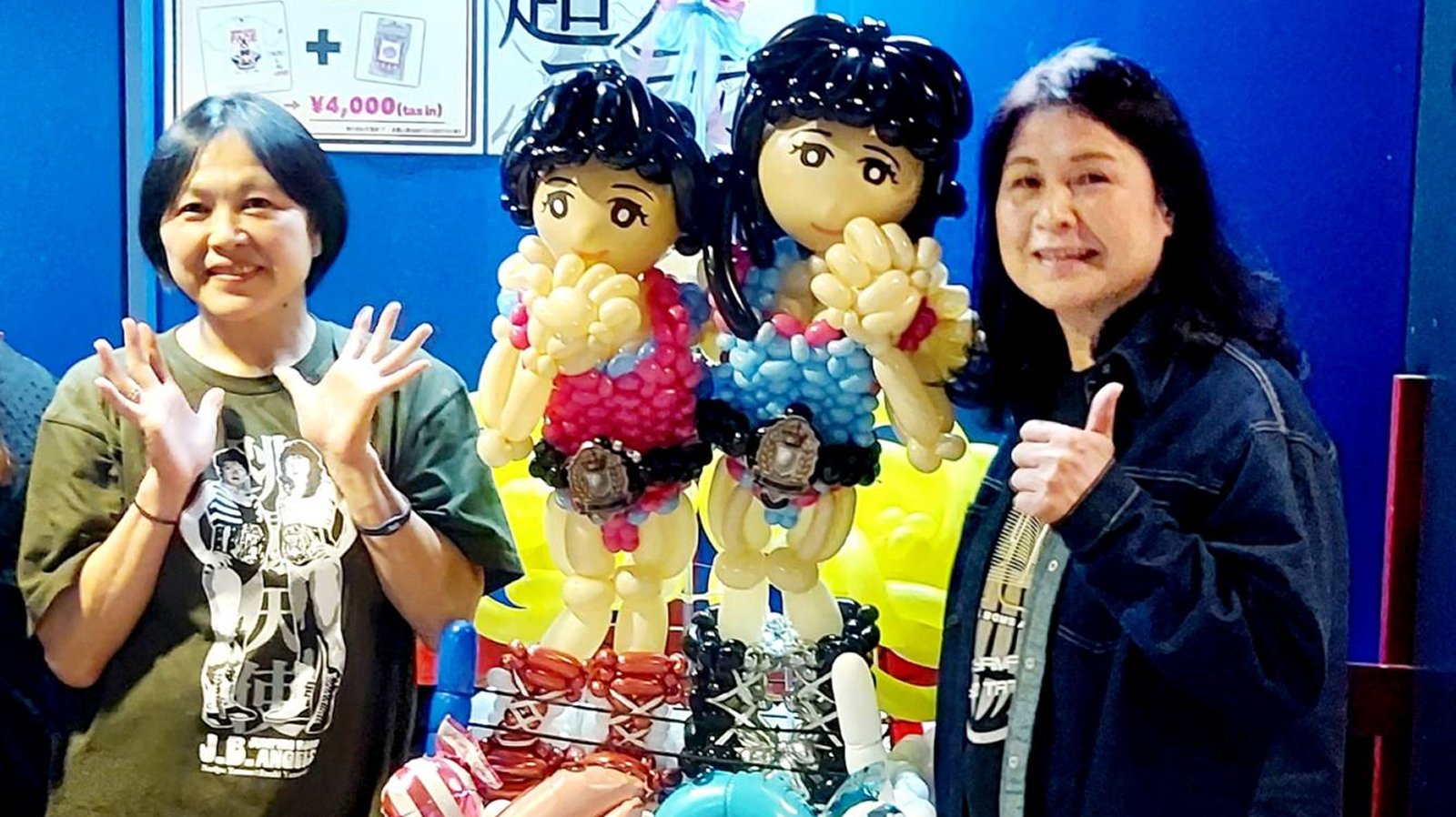
The Jumping Bomb Angels celebrate their 40th anniversary alongside Noriyo Tateno’s 60th birthday, honoring decades of Joshi trailblazing. Tateno and Itsuki Yamazaki’s enduring legacy shines through this milestone of teamwork and high-flying history. Photo Credit: The Jumping Bomb Angels.
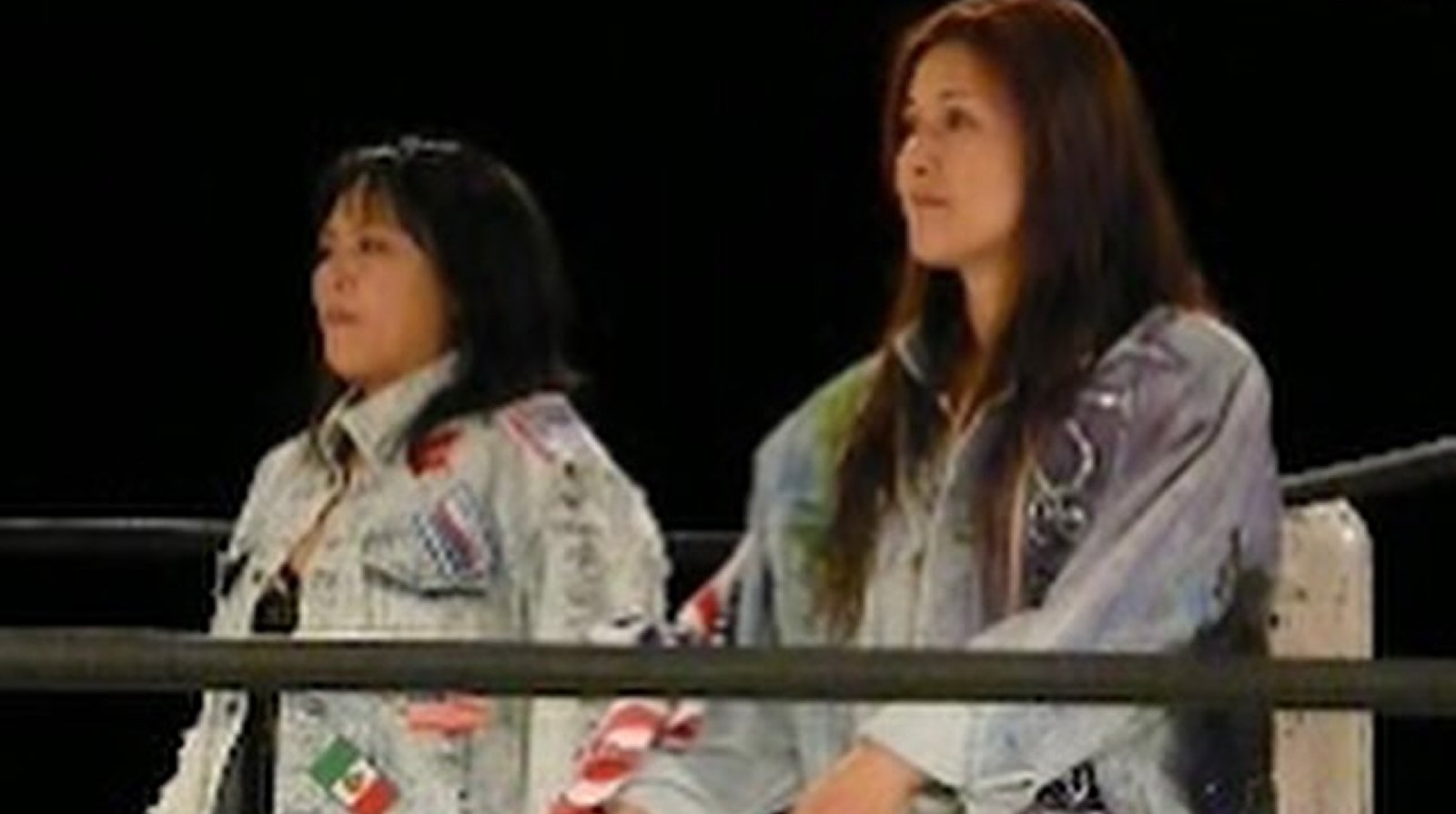
On December 1, 2025, in Tokyo, Japan, the Jumping Bomb Angels celebrated a major milestone: their 40th anniversary as a team, which also coincided with Noriyo Tateno’s 60th birthday. The event, titled Kanreki Carnival, was held at Shinjuku FACE and served as both a tribute to their legacy and a personal celebration for Tateno. The card featured appearances from numerous All Japan Women’s Pro Wrestling alumni, including the Crush Gals, Dump Matsumoto, and Manami Toyota, turning the evening into a reunion of multiple eras of joshi wrestling.
Special 40th-anniversary merchandise, including commemorative shirts, was released for the occasion, giving fans a tangible piece of the celebration.
Around the same time, a documentary chronicling the history of the Jumping Bomb Angels was in production. Titled Angels of Violence and Grace, the film is directed by Thom Demicco and features interviews with the wrestlers reflecting on their careers, influence, and enduring friendship.
In the lead-up to the anniversary show, Tateno and Yamazaki participated in several public talks and fan events, including an appearance at Toudoukan in Suidobashi, Tokyo, in November 2025.
Prior to returning to Japan for the Kanreki Carnival, they also made fan convention appearances in New York, connecting with international supporters who have followed their careers for decades.
Across AJW rings, WWF arenas, and later nostalgia tours, the Jumping Bomb Angels consistently pushed the ceiling on what women’s wrestling could be. Their influence can be traced in the work of later stars, in the expectations modern fans bring to women’s tag wrestling, and in the way high-speed, high-impact Joshi is now discussed as part of the broader wrestling canon rather than an obscure niche.
Today, many decades after they first teamed, Noriyo Tateno and Itsuki Yamazaki are still hearing from fans who were changed by what they did between the ropes.
"We are so happy that our JBA fans remember us, and new JBA fans are discovering us in this modern era of women’s professional wrestling," Itsuki told Pro Wrestling Stories. "Jumping Bomb Angels are celebrating their 40th anniversary, so please stay tuned to future events that may be held in NYC or Tokyo!"
Noriyo echoed that gratitude in her own way: "Thank you to our fans who’ve supported JBA throughout the years. Please come by Shinagawa, Tokyo, and come to my bar, GOHAN, for a beer! If you’re in NYC, come to Itsuki’s restaurant, GOSUKE, for beer and delicious food!"
Pro Wrestling Stories would like to extend sincere thanks to Noriyo Tateno, Itsuki Yamazaki, and the Jumping Bomb Angels team for generously sharing their time, memories, and personal photos to help document this history.
The Jumping Bomb Angels earned worldwide recognition through their disciplined training in the All Japan Women’s Pro Wrestling dojo and standout performances against the industry’s most respected names.
At a time when women’s wrestling rarely received mainstream attention, their matches consistently drew strong critical praise, frequently earning three stars or higher from journalist Dave Meltzer of the Wrestling Observer.
Their speed, innovation, and teamwork redefined expectations for women’s tag team wrestling, and currently, fans are pushing for their WWE Hall of Fame induction through an active online petition.
Stay connected with their latest ventures on X/Twitter and Facebook at @JBombAngels.
Pro Wrestling Stories is committed to accurate, unbiased wrestling content rigorously fact-checked and verified by our team of researchers and editors. Any inaccuracies are quickly corrected, with updates timestamped in the article's byline header.
Got a correction, tip, or story idea for Pro Wrestling Stories? Contact us! Learn about our editorial standards here. Ever wanted to learn more about the people behind Pro Wrestling Stories? Meet our authors! Want to write for us? Learn how to join the team.
Quick Tip for Facebook Readers
Many of our readers find us through
our Facebook page.
Meta's built in browser (which opens by default on mobile) can occasionally freeze mid article, a known issue unrelated to our site.
For uninterrupted reading: tap the three dots in the top right corner then select 'Open in external browser'.
That usually resolves the glitch. Thanks for your support and we want your wrestling stories to stay as smooth as a top rope hurricanrana!
ProWrestlingStories.com participates in affiliate marketing programs. This post may contain affiliate links, meaning we may earn commissions at no extra cost to our readers. This supports our mission to deliver free content for you to enjoy!
Samantha “Sami” Schneider-Crouse is a native of North Carolina and has been a pro wrestling fan since the age of 3. Her early favorites included André the Giant, Leilani Kai, the Jumping Bomb Angels, and “Macho Man” Randy Savage. A former dance teacher, she enjoys reading, writing, and spending time with her husband and three sons in her spare time.
 Author: